
Review · JAPAN
Kobe: Guided Sake Breweries Tour with Tastings
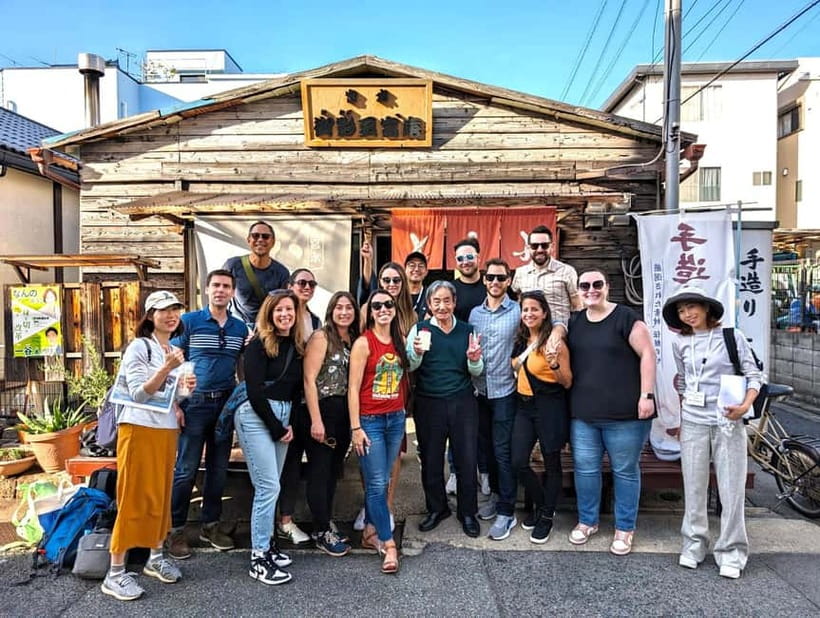
Nada is the place to learn sake in Kobe. Over about four kilometers, you move from a polished modern brewery to old brewing tools, tasting rooms, and a small tofu shop that depends on the same pure water prized by sake makers. The best part is the contrast between family-run craft and Japan’s largest sake producer.
I like the generous range of tastings, and I like that the walk gives the drinks a sense of place rather than treating sake as a bar crawl. Guides such as Hiro, Romi, Fuma, and Hiroman bring humor and clear explanations. The catch is simple: this is a long walking tour with several pours, so you should eat first, wear good shoes, and skip it if you are pregnant or under 20.
Key points at a glance
- Three to four breweries: The route may include Kobe Shushinkan, Hakutsuru, and Kiku-Masamune, with stops subject to closing days and weather.
- A 4-kilometer walking route: You walk between Ishiyagawa and Uozaki stations, mostly through Nada’s brewery district.
- Several sake styles: Tastings let you compare bottles from different producers instead of judging sake from one sample.
- A fresh tofu stop: Okage Tofu-an offers handmade tofu and, when timing allows, freshly made ganmodoki.
- Small English-speaking group: The maximum is 10 people, with a live guide throughout.
- Useful for first-time sake drinkers: The tour explains brewing, regional differences, and basic sake types in plain English.
Why Kobe’s Nada district is the right place for sake
Nada is not just a convenient collection of tasting rooms. It has long been one of Japan’s leading sake-producing areas, with more than 26 breweries. That concentration makes a walking tour worthwhile because you can compare producers within one afternoon instead of spending hours crossing Kobe.
The area also gives you a better sense of the work behind the drink. Sake depends on rice, yeast, brewing skill, and clean water. The connection becomes especially clear at the tofu shop, where pure water matters just as much for delicate tofu as it does for sake.
The route begins at Ishiyagawa Station on the Hanshin Line at 1 p.m. You finish around 4:30 p.m. at Uozaki Station, also on the Hanshin Line. That makes the tour practical if you are staying in Kobe or coming from Osaka by train, though you should allow time to reach Ishiyagawa before the meeting time.
Look for a staff member wearing a KampaiSakeTours name tag. Since this is a walking experience, there is no hotel pickup or drop-off.
More sake and food pairings around Japan:
- Kyoto Night Foodie Tour in Gion (9+ dishes + 6 Sake tastings)
★ 5.0 · 1,762 reviews - Kyoto: Sake Brewery and Tasting Tour in Fushimi
★ 4.8 · 55 reviews - Kyoto: Foodie Night Tour in Gion with 9 dishes + 6 Sake
★ 4.4 · 26 reviews
Kobe Shushinkan and the Fukuju tradition
The first brewery is Kobe Shushinkan, a useful opening stop because it introduces sake as a living craft rather than a museum object. The brewery dates to 1751 and produces Fukuju, a label associated with careful, handcrafted production.
Here, your guide explains how ingredients and brewer skill affect the final drink. You can taste different sake and begin to notice changes in sweetness, fragrance, body, and finish. You do not need prior sake knowledge. The explanations are designed to help you find your bearings with the first glass.
This stop also gives the tour a human side. Fukuju presents sake as something that should bring pleasure to drinkers, brewers, and the surrounding community. That idea may sound lofty on paper, but it makes sense once you see how the brewery links its product to local water, local workers, and a long-running name.
The visit lasts about 40 minutes after a 20-minute walk from the station. That first walk is easy enough for most people, but it sets the pattern for the afternoon: you will be on your feet, outside, and moving between stops.
Okage Tofu-an adds food to the tasting
The tofu stop is one of the tour’s more distinctive touches. Okage Tofu-an has made fresh tofu each morning for more than 60 years, using the traditional method. The shop sits among historic breweries, so it fits the route rather than feeling like a random snack break.
You can taste delicate, clean-flavored tofu, and if your timing is right, warm ganmodoki, a tofu and vegetable fritter fresh from the kitchen. This matters because sake is easier to appreciate with food, and a small savory bite helps keep the tastings from becoming an empty-stomach exercise.
The stop lasts about 15 minutes after a 10-minute walk from Kobe Shushinkan. Do not count on it every day. Okage Tofu-an is closed on Sundays and public holidays, so there will be no tofu tasting on those dates.
You should also think of this as a tasting, not lunch. The organizers specifically advise eating before the tour. With several sake samples ahead, that is sound advice.
Hakutsuru shows sake at industrial scale
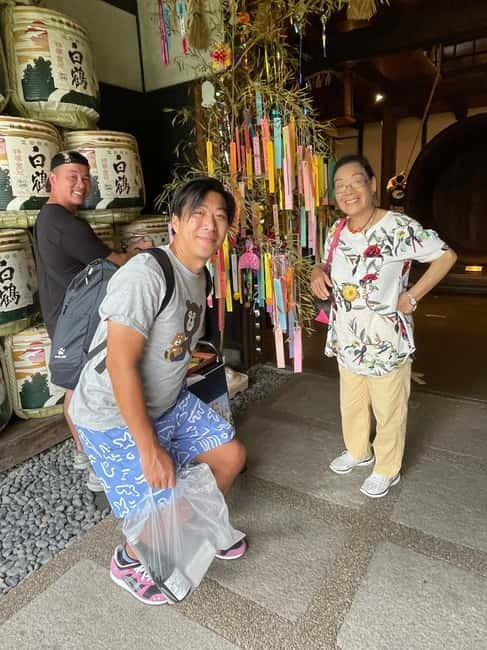
Hakutsuru Sake Brewery Museum is the largest stop and usually takes about an hour. Hakutsuru is Japan’s biggest sake brewery, and the museum occupies an old brewhouse kept in its original form.
This is where the tour shifts from tasting to visual learning. You can see traditional sake-making equipment and get a clearer idea of the scale and labor involved. The old tools help explain how sake was made before modern machinery changed the process.
There is also a tasting corner and a shop in the same building. You can sample more sake here and buy bottles or souvenirs. That is convenient, but it also makes this a likely point for your bag to grow heavier. The tour team recommends bringing a backpack rather than carrying a loose shopping bag for the rest of the walk.
The museum works well for people who want context. If you only want to drink, an hour may feel long. If you like seeing the equipment and understanding how rice becomes sake, this is one of the strongest parts of the afternoon.
More guided tastings around Japan:
- Tsukiji Fish Market Guided Tour and Sushi Making with Pro Chef
★ 5.0 · 775 reviews - Hiroshima: Food and Culture Guided Walking Tour with Dinner
★ 4.9 · 212 reviews - Osaka: Guided Food Tour with 12 Dishes at 4 Local Eateries
★ 4.9 · 90 reviews - Dubai: Old Town, Souks, Street Food, Guided Tour & Abra Ride
★ 4.9 · 7,170 reviews
Kiku-Masamune and the kimoto method
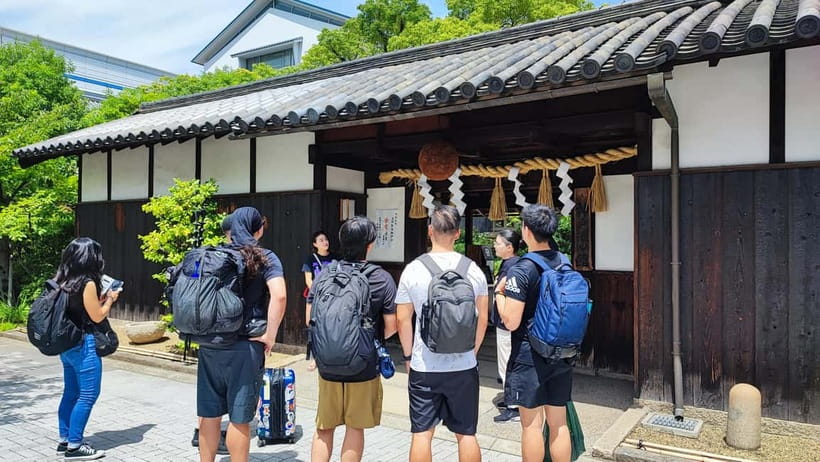
The final brewery stop is Kiku-Masamune, a producer dating to 1625. It is associated with the traditional kimoto method of preparing yeast starter for sake. Your guide explains why older brewing methods matter and how they can shape the character of the finished drink.
The museum displays wooden sake-making tools, giving you another view of the craft after Hakutsuru’s old brewhouse. The two stops complement each other rather than repeating the same lesson. Hakutsuru shows a major producer and its preserved brewing space, while Kiku-Masamune focuses more closely on traditional tools and technique.
The visit lasts about 30 minutes, followed by a 10-minute walk to Uozaki Station. Tasting takes place near a small Japanese garden, which offers a quiet pause before the final walk. The garden is not the main attraction, but it gives the last stop a pleasant finish.
The exact breweries can change. The tour normally visits three to four locations, and regular closing days or bad weather may alter the plan. You should book this for the overall Nada experience rather than for one guaranteed lineup.
What the sake tasting is really like
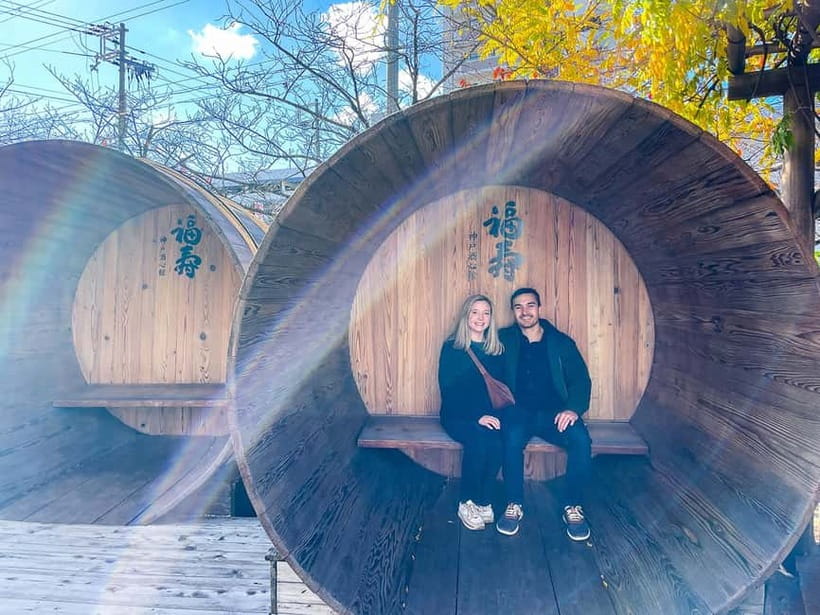
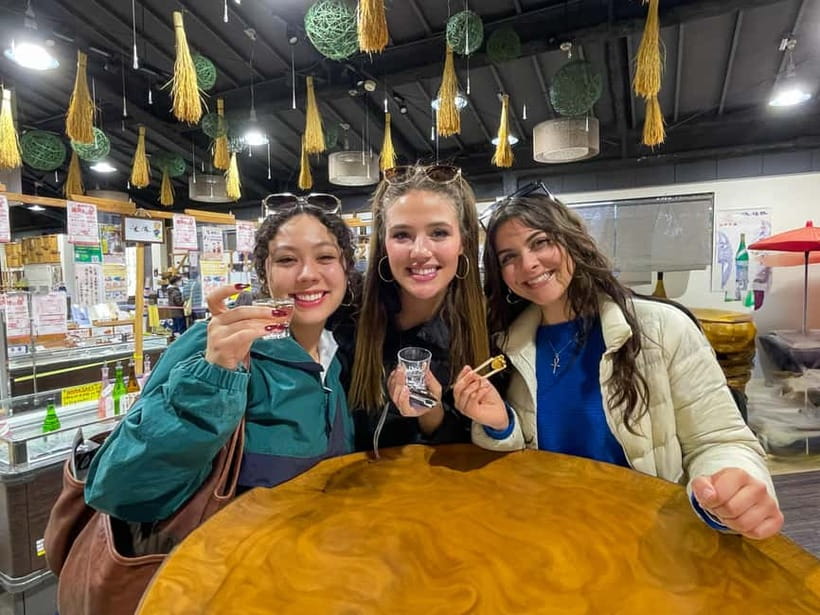
The value of the tastings comes from comparison. You sample sake from more than one producer and encounter different styles, rather than receiving one standard pour and a short sales pitch.
Your guide explains the basics as you go. You learn about brewing, the difference between sake types, and the factors that shape flavor. Guides named in the feedback include Hiro, Romi, Fuma, Aya, Aki, and Hiroman. The strongest descriptions point to clear English, humor, enthusiasm, and an ability to answer questions beyond the narrow subject of sake.
One guide, Hiro, has even used costumes and accessories to make the subject more playful. That will appeal to some people and may feel a little theatrical to others. The small group helps here: with no more than 10 participants, you have a better chance to ask questions and keep the conversation moving at a comfortable pace.
The organizers can accommodate professional tasting practices such as spitting, but you must contact them in advance if you need that option. Otherwise, plan to drink the samples. Several tasting stops can leave you tipsy by the end, especially if you arrive without eating.
The walking, timing, and group size
The tour lasts 210 minutes, from 1 p.m. to about 4:30 p.m. The route includes roughly four kilometers of walking, with several stretches of 10 to 20 minutes between stops.
This is not a strenuous hike, but it is not a sit-down tasting either. Comfortable shoes are essential. A rainy day can make the route less pleasant, although the operator has arranged car transport in at least one poor-weather situation. You should not assume that this will happen every time, so check the forecast and dress for walking.
A maximum of 10 people keeps the tour personal. It also matters at brewery tasting counters, where a large group could easily become slow and crowded. Small groups allow your guide to adjust explanations and spend more time on questions.
The pace is fairly structured. You have 40 minutes at Kobe Shushinkan, 15 minutes at the tofu shop, about an hour at Hakutsuru, and 30 minutes at Kiku-Masamune. If you prefer wandering without a timetable, this may feel organized. If you want to cover several breweries efficiently, that structure is a strength.
Is $106 a fair price?
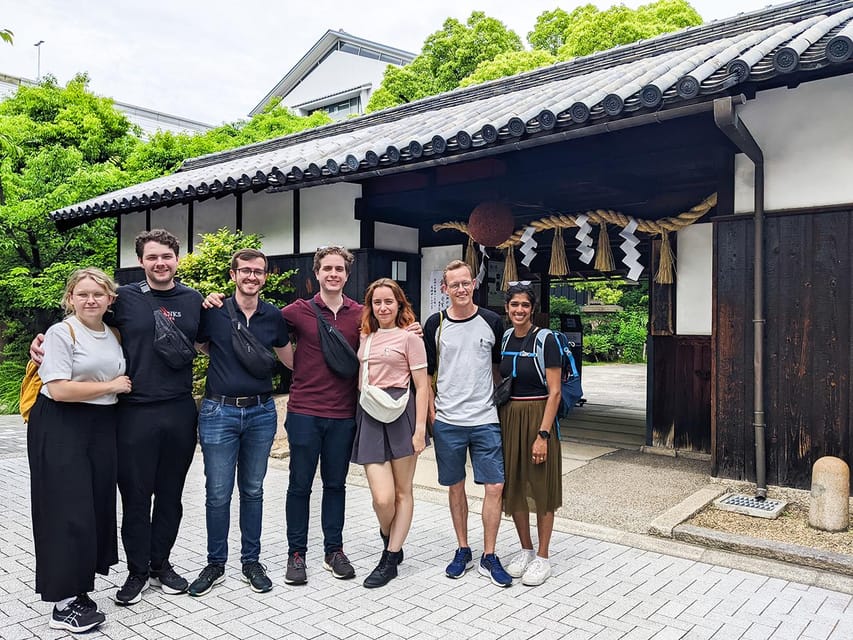
At $106 per person, this is not the cheapest way to sample sake in Kobe. You could visit a brewery museum on your own for less, and some shops offer inexpensive tastings.
The tour earns its price through access, explanation, and efficiency. Your fee covers a guide, walking route, sake tastings, snacks, and visits to several breweries. You also avoid the work of sorting out train stops, opening days, museum layouts, and which bottles are worth trying.
The price makes the most sense if you are new to sake, have only one afternoon in Kobe, or want English explanations. It is less compelling if you already know the Nada breweries and are happy to read museum displays on your own.
Souvenirs can add to the cost. Passport holders are exempt from tax on purchases over JPY 5,500 at breweries, according to the tour information. Bring a backpack because bottles are easier to manage that way.
Free cancellation is available up to 24 hours before the tour, and you can reserve while paying later. Those terms are useful if your Kobe schedule is still changing, but the core value remains the guided comparison of breweries.
Who will enjoy this tour most
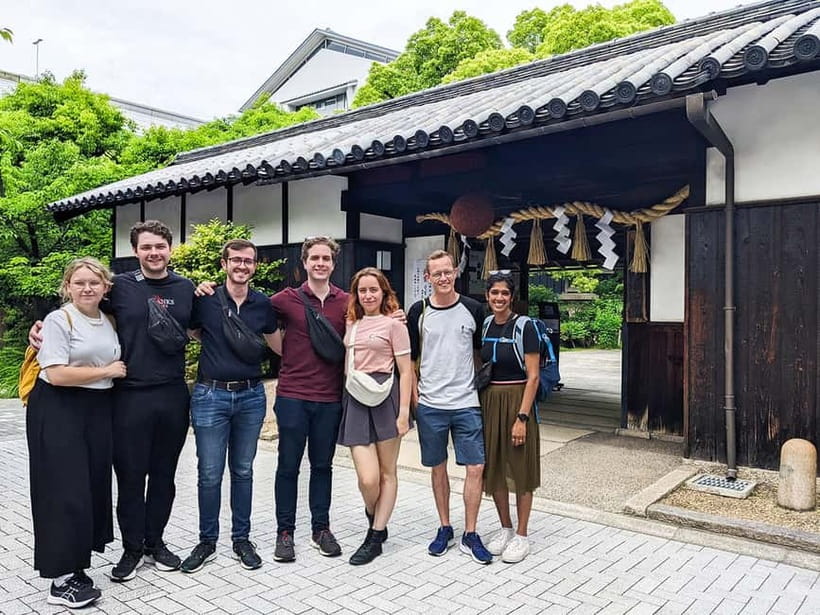
I would choose this for adults who like food, drink, local customs, and walking through ordinary parts of a city. It is especially good for a first introduction to sake because the guide connects flavor to brewing method and place.
It also suits wine drinkers who want to compare a different tradition. One participant with a wine background found the differences between sake styles especially rewarding, including the way local food changed the tasting.
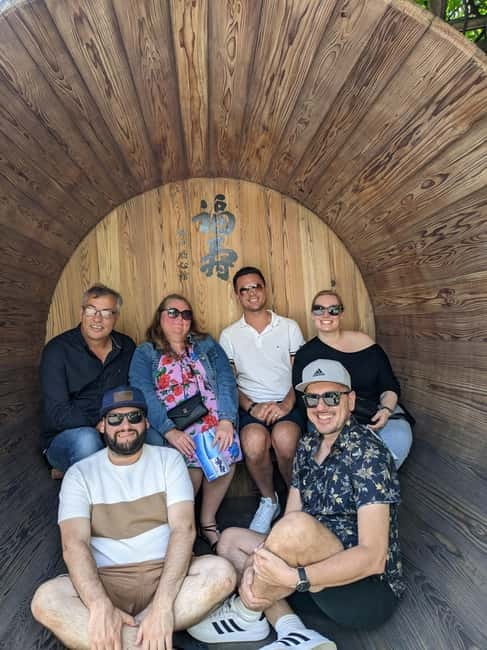
The tour is a good fit for couples, friends, solo visitors, and small family groups with adults aged 20 or older. The English-language format is helpful if you cannot read Japanese museum explanations.
I would hesitate to recommend it to anyone who dislikes alcohol, cannot walk four kilometers, or wants a substantial meal during the afternoon. Pregnant women and people under 20 cannot join. If you use a wheelchair or bring a stroller, contact the operator when booking so the route can be discussed.
Practical tips for a better afternoon
Eat before meeting the guide. The tofu and snacks help, but they are not a replacement for lunch.
Wear comfortable shoes and carry a small backpack. You may want to buy sake, and a backpack is safer and easier than a hand-carried bag during the walking portions.
Keep your afternoon open until about 4:30 p.m. Brewery closing days and weather can change the exact sequence, and the tour is not designed as a quick one-hour activity.
Ask questions early. Guides such as Hiro, Romi, and Hiroman are praised for explaining sake clearly, and the small group format gives you room to ask about flavor, production, and Kobe itself.
Do not treat the tasting like a race. The goal is to compare styles and understand what you like. A slow pace also makes the final walk to Uozaki Station more comfortable.
Should you book the Nada sake tour?
Book it if you want more than a single brewery tasting. The mix of old tools, working brewery displays, fresh tofu, gardens, and several sake producers gives you a fuller picture of Nada than a quick museum visit.
I especially like the balance between Hakutsuru’s large-scale operation, Kiku-Masamune’s traditional methods, and Kobe Shushinkan’s long-running Fukuju label. The guides are a major part of the experience, and the small group makes their explanations easier to follow.
Skip it if you want a relaxed meal, a short stroll, or complete control over which bottles you taste. For most adults interested in Japanese food and drink, though, $106 is a reasonable price for a well-organized half-day that combines education, tasting, and a real sense of Kobe’s sake district.
FAQ
Where does the tour begin?
The tour begins at Ishiyagawa Station on the Hanshin Line at 1 p.m. Look for staff wearing a name tag with the KampaiSakeTours logo.
Where does the tour finish?
The tour finishes at Uozaki Station on the Hanshin Line at about 4:30 p.m.
How long is the tour?
The experience lasts 210 minutes, or three and a half hours.
How far do you walk?
You walk around four kilometers between the station and brewery stops. Comfortable shoes are recommended.
How many breweries will I visit?
The tour visits three to four breweries. The exact locations can change because of regular closing days or weather.
Is the tour available in English?
Yes. The tour includes a live English-speaking guide.
Is food included?
Sake tastings and snacks are included. The route may also include a tofu tasting at Okage Tofu-an, but that shop is closed on Sundays and public holidays. You should eat before joining.
Can people under 20 join?
No. The tour is not suitable for people under 20 or for pregnant women.
What happens if I need to cancel?
You can cancel up to 24 hours in advance for a full refund. The reserve-now, pay-later option is also available.
Fresh off the menu around Japan
- Kyoto: Sushi Making Class with Sushi Chef★ 4.8 · 64 reviews
- Shinjuku Tokyo: Authentic Japanese Home-Style Culinary Class★ 4.9 · 125 reviews
- Shinjuku: Golden Gai Food Tour★ 4.6 · 77 reviews
- Shibuya Tokyo: Sushi Making Class (Vegan/Vegetarian/Halal)★ 4.7 · 29 reviews
- Shinjuku: Food Tour – 15 Dishes at 4 local eateries★ 4.8 · 246 reviews
- Hidden Osaka – Yukaku Red Light Tour & Culinary Adventure★ 4.8 · 96 reviews
- Shibuya: Ramen Dojo Tokyo | Make All 3 (Tonkotsu/Shoyu/Miso)★ 4.8 · 207 reviews
- Tokyo: Secret Food Walking Tour★ 4.7 · 38 reviews
Japan Food Tours, compared.
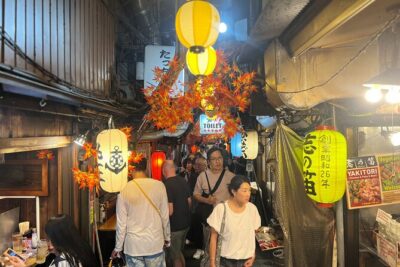
Tokyo: Shinjuku Food Tour (13 Dishes at 4 Local Eateries)
Read our review →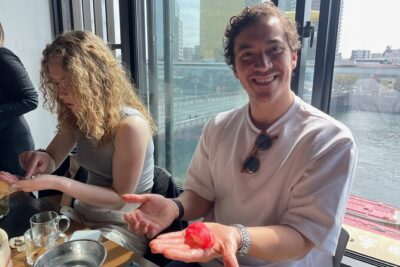
Sushi Making Tokyo Roll and Authentic Japanese Sushi Class
Read our review →
Tokyo Tsukiji Fish Market Food and Culture Walking Tour
Read our review →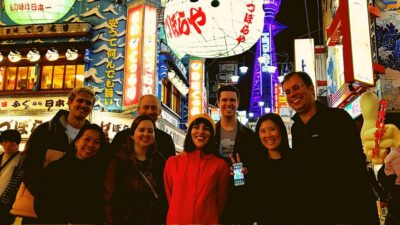
Osaka: Shinsekai Food Tour with 13-15 Dishes at 5 Eateries
Read our review →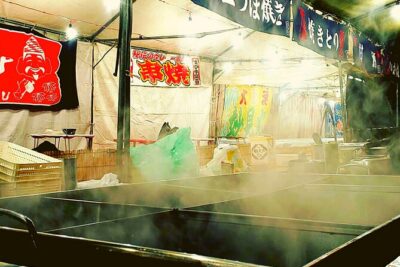
Osaka Food Tour: 13 Dishes at 5 Local Eateries
Read our review →
Ramen Cooking Class at Ramen Factory in Kyoto
Read our review →
Best of Shinjuku: Izakaya Food Tour (4 Stops, 14+ Tastings)
Read our review →
Kyoto Night Foodie Tour in Gion (9+ dishes + 6 Sake tastings)
Read our review →Browse the lists this tour appears in