
Review · TOKYO
Best of Shinjuku: Izakaya Food Tour (4 Stops, 14+ Tastings)
Shinjuku’s best food moments often happen in small izakayas, not grand restaurants. This three-and-a-half-hour evening tour takes you through Nishishinjuku, Kabukicho, Golden Gai, and Omoide Yokocho, with at least 14 tastings and three drinks along the way. You get a guided introduction to dishes that can be hard to order on your own.
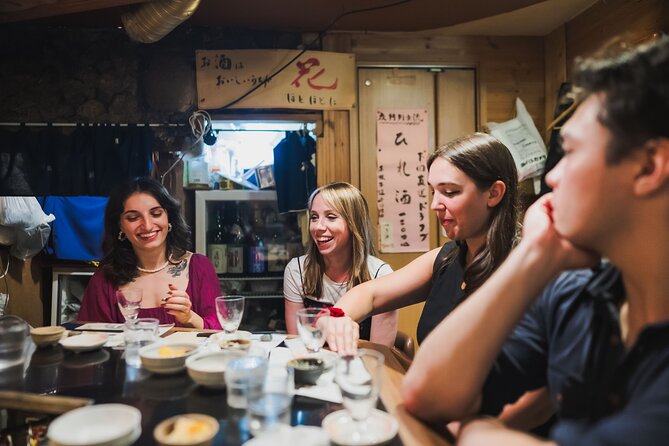
I like the generous amount of food and the small maximum of 10 people, which makes it easier to ask questions and meet the group. I also like the mix of eating and walking, especially the route through Shinjuku’s neon streets and narrow drinking alleys. The main consideration is that food stops and the exact route can vary, and some people may find the included dishes less tucked-away than expected.
Key points at a glance
- Four Shinjuku areas in one evening: Eat and walk through Nishishinjuku, Kabukicho, Golden Gai, and Omoide Yokocho.
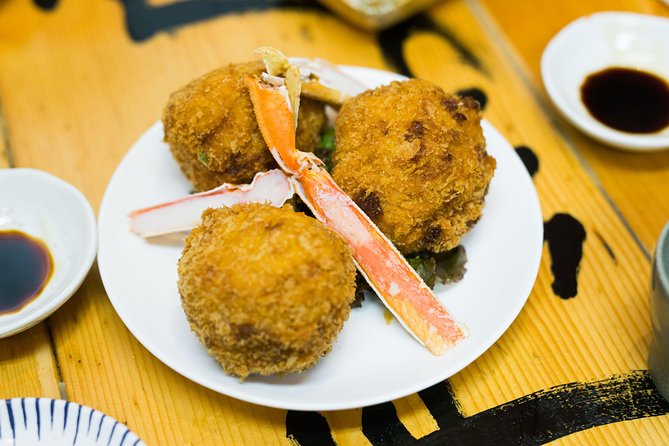
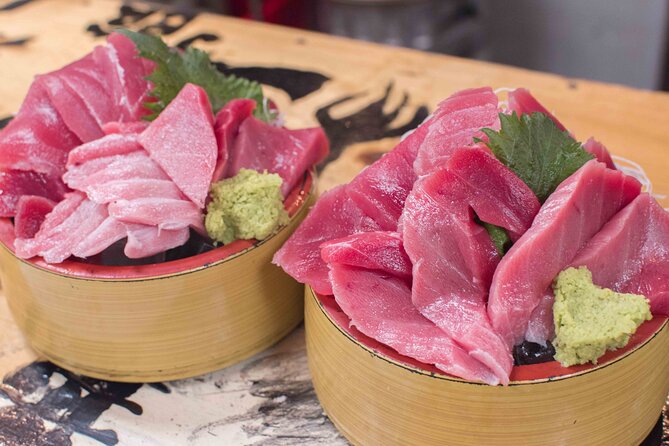
- 14 or more tastings: Expect a broad sampling of grilled skewers, sashimi, sushi rolls, local comfort food, and other Japanese dishes.
- Three included drinks: Choose from sake, local beer, soft drinks, and other available options.
- Small group size: The tour accepts no more than 10 people, although one account described a larger group, so the size may occasionally vary.
- Guides shape the evening: Taiga, Yusuke, Nobu, Chi, Chizuru, Joe, Max, and others have led tours, with food explanations and neighborhood stories.
- Come hungry: The portions are generous enough that you should not plan a full dinner afterward.
Why an izakaya tour works so well in Shinjuku
An izakaya is part bar, part restaurant, and part neighborhood meeting place. You may order several small plates, share them around the table, and pair them with beer or sake. The food is often casual, but that does not mean it is dull. Grilled meat, fresh fish, pickled vegetables, tofu, sushi, and regional dishes can all appear in the same evening.
The catch for a first-time visitor is that izakayas can feel difficult to enter alone. Menus may be mostly Japanese, ordering can be fast, and a narrow doorway does not always tell you what kind of place lies inside. A local guide removes much of that friction.
I like this format because you are not locked into one dinner. Four stops let you compare different rooms, menus, and styles of Japanese drinking food. If one dish is not your favorite, another is coming soon.
The tour also gives you a useful first look at Shinjuku after dark. You are not simply eating in a restaurant and returning to your hotel. You are moving through one of Tokyo’s most famous nightlife districts, with its bright signs, small bars, red-light district, and old-fashioned alleys.
More Sushi and Ramen Tours in Tokyo:
- Tokyo: Ramen Tasting Tour with 6 Mini Bowls of Ramen
★ 4.9 · 432 reviews - Ramen Tasting – Mini Bowl Ramen Tour
★ 5.0 · 127 reviews - Hiroshima Izakaya Food and Drink Night Tour
★ 5.0 · 297 reviews
Starting in Nishishinjuku with several small plates
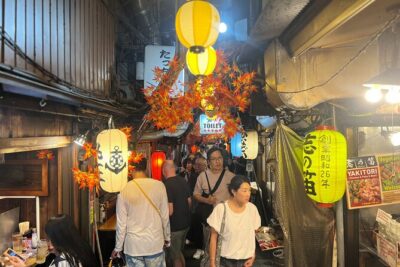
The evening begins near Kirin City Shinjukuhigashi. From there, the food portion starts around Nishishinjuku, where the plan includes visits to two or three local izakayas during roughly the first hour and 55 minutes.
This is the most substantial part of the evening. You can expect the guide to order a range of shared dishes rather than give you one large main course. The stated menu includes grilled skewers, sashimi, local comfort food, and other Japanese specialties. Past combinations have also included sushi rolls, pork skewers, shrimp skewers, and dishes from Okinawa.
That variety matters. A standard restaurant meal may give you one clear style of cooking. Several izakayas allow you to sample food that changes in texture and flavor from stop to stop. One plate may be smoky and grilled, another cool and delicate, and another built around a sauce or seasoning you might not have chosen yourself.
The guide also explains how to eat the food. This can mean pointing out dipping sauces, spices, or the best way to share a plate. That practical help is one of the strongest reasons to book a guided food walk instead of simply choosing a restaurant at random.
The guides have different personalities. Taiga is praised for being warm, funny, and attentive to special food needs. Yusuke is known for taking groups into smaller local places and explaining sake. Nobu brings plenty of energy and humor. Chi has been especially appreciated for connecting food with Japanese culture and neighborhood stories.
You should not expect the same guide every time, so the tone may differ from one departure to another. The common thread is a local escort who handles the ordering and keeps the evening moving.
Kabukicho gives the tour its nightlife edge
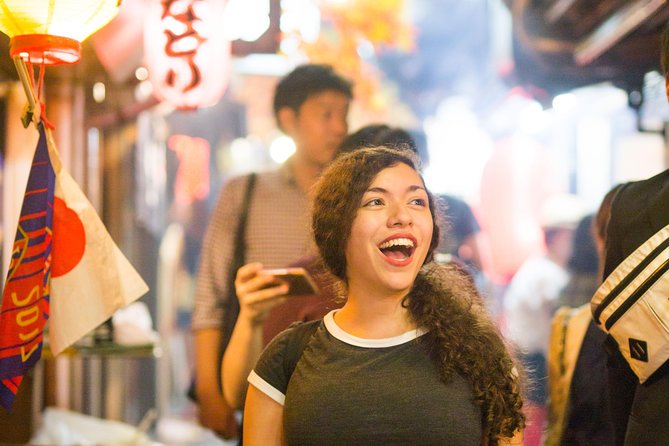
The route continues into Kabukicho, Shinjuku’s famous entertainment district. The walk takes about an hour and includes one izakaya that is popular with local diners.
Kabukicho is not just a restaurant neighborhood. It is a dense, highly lit district filled with bars, clubs, entertainment venues, and restaurants. Seeing it with a guide can help you understand the difference between the polished image of Shinjuku and the everyday food culture tucked among the signs.
This part of the tour breaks up the eating in a good way. After several plates, you get time to walk, look around, and hear a few local details before sitting down again. It also gives you a chance to ask your guide where to eat later in your trip. The tour includes local tips and restaurant recommendations, which can be more useful than a long list of places copied from a guidebook.
One account described a stop for a drink from a convenience store during the walk. That detail is not guaranteed, but it shows the informal spirit of the evening. The point is not polished fine dining. It is seeing how food and drinks fit into an ordinary night out in Tokyo.
Golden Gai is atmospheric, but allow for route changes
The evening ends around Shinjuku Golden Gai, with about 30 minutes in the area. Golden Gai is famous for its narrow lanes and tiny bars, many of which have only a handful of seats.
This is one of the most atmospheric parts of the route. Even if you are not stopping in every bar, walking through the tight lanes gives you a memorable look at old-style Shinjuku nightlife. The small scale is the attraction. It feels very different from the wide streets and large signs around the station.
You should keep your expectations practical. The route says the tour ends around Golden Gai, but the exact path and stops can change. One account was disappointed that the walk did not include as much of Golden Gai and Omoide Yokocho as expected, while other accounts describe a lengthy walk through Golden Gai. That difference is worth noting before you book.
In other words, Golden Gai is part of the planned experience, but this is primarily a food tour with a neighborhood walk, not a dedicated bar crawl or architecture tour.
More food tours around Tokyo:
- Tokyo: Shinjuku Food Tour (13 Dishes at 4 Local Eateries)
★ 5.0 · 6,603 reviews - Sushi Making Tokyo Roll and Authentic Japanese Sushi Class
★ 5.0 · 3,971 reviews - Tokyo Tsukiji Fish Market Food and Culture Walking Tour
★ 5.0 · 3,184 reviews - Tokyo: Shinjuku Food Tour (15 Dishes and 4 Eateries)
★ 4.9 · 2,033 reviews
A quick look at Omoide Yokocho
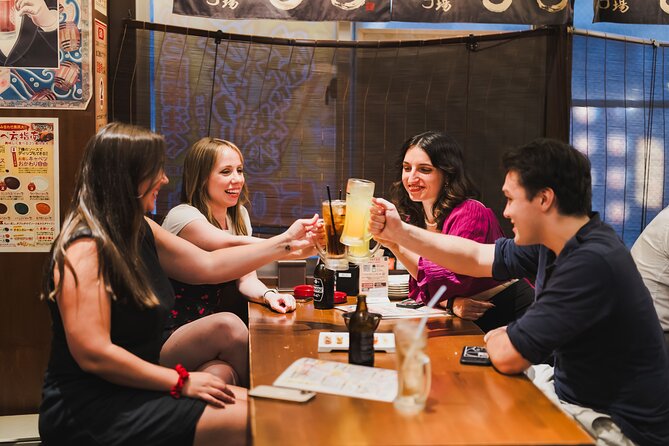
The final listed stop is Omoide Yokocho, an iconic alley near Shinjuku Station. The planned time here is only about five minutes, so think of it as a brief walk-through rather than another full tasting stop.
Omoide Yokocho is known for its compact alleyways and small food counters. It provides a useful contrast with Golden Gai. Golden Gai is best known for tiny bars, while Omoide Yokocho is closely linked with casual food stalls and yakitori-style dining.
The short timing is important. If you want to sit down and eat your way through the alley, you will need to return on your own. The tour gives you orientation and a look at the area, then finishes near Softbank Nishishinjuku.
What you actually eat and drink
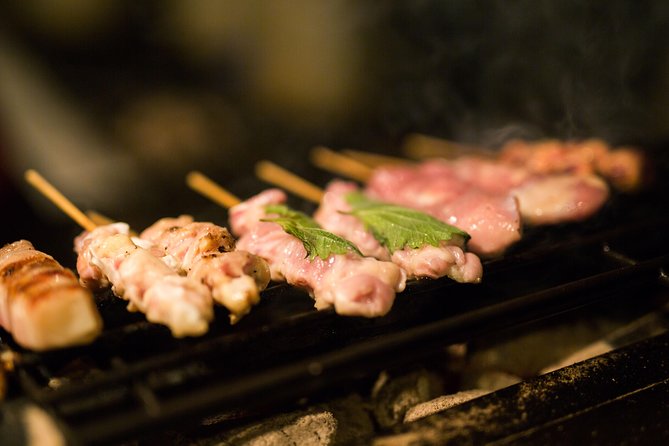
The package includes dinner with 14 or more tastings at four local izakayas. The menu can change, so nobody can promise a fixed dish list. Still, the food range is clear enough to give you a useful picture.
You might receive:
- Grilled skewers and other charcoal-cooked bites
- Sashimi and sushi rolls
- Japanese comfort food
- Regional dishes
- Seafood and vegetable options
- Local specialties selected by the guide
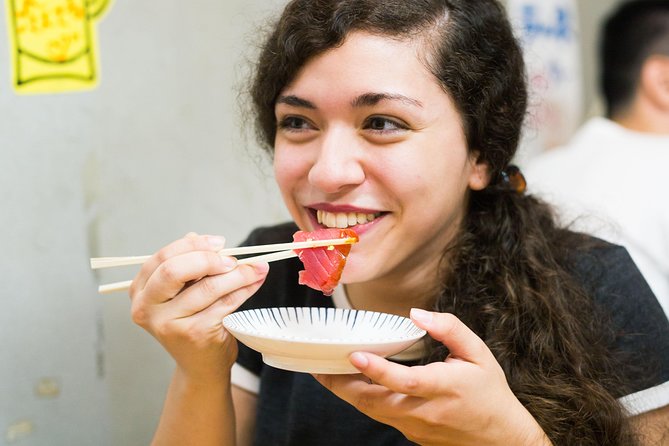
One evening included generous sashimi, sushi rolls, traditional sake, pork skewers, a shrimp skewer, and dishes at an Okinawan restaurant. That is a good example of how the meal can move beyond the most familiar choices.
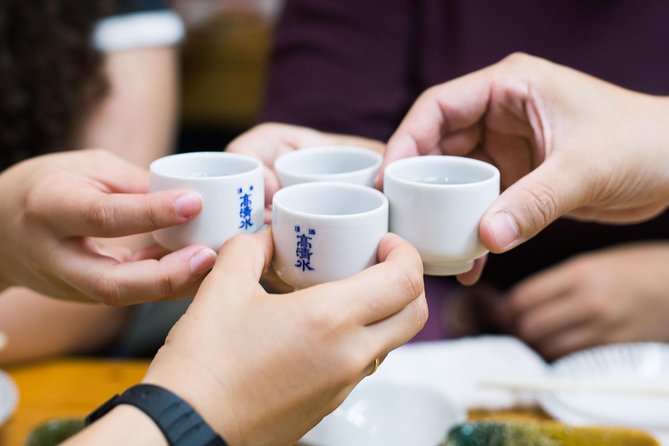
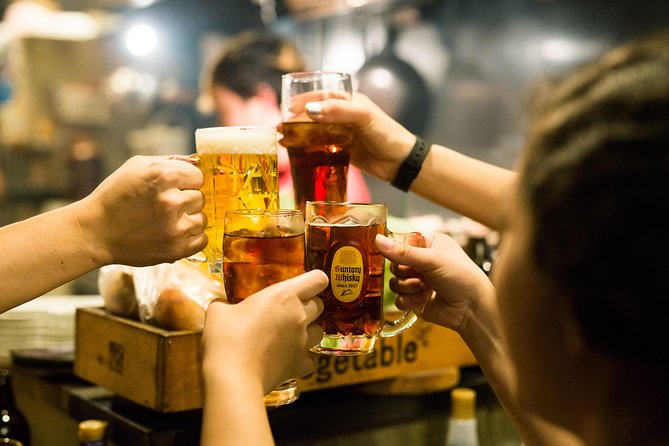
Three drinks are included. You can choose from sake, local beer, soft drinks, and other available drinks. If you are new to sake, the guide can help you choose something that fits the food. You can also stay with nonalcoholic drinks if you prefer.
The food is shared and arrives over the course of the night. You are not likely to leave hungry. Several descriptions point to generous portions, so eat lightly before the start time.
The value of $92.85
At $92.85 per person, this is not the cheapest way to eat in Tokyo. You could buy a quick meal for much less. The value comes from the combination of food, drinks, four stops, a local guide, and the work of navigating Shinjuku’s busy nightlife district.
The included 14 or more tastings make the price easier to justify. If you bought three drinks and several rounds of food at four separate places, the bill could add up quickly. You are also paying for access to a route that would take time and confidence to arrange alone.
The strongest value is for first-time visitors who want a broad introduction without spending an evening studying menus or guessing what to order. It is also useful for people who want to try traditional dishes but do not want to commit to one large meal.
The value is weaker if you already know Shinjuku well, speak Japanese comfortably, and enjoy selecting your own bars. It may also disappoint you if you expect every stop to be a secret backstreet restaurant. The tour offers local food and atmosphere, but restaurant locations can include ordinary streets and more familiar venues.
Food restrictions need advance notice
You must message the operator about food restrictions at least one week before the tour date. Last-minute requests cannot be accommodated, and vegan, vegetarian, and gluten-free choices are limited.
Vegetarians may still be able to receive substitutions. One evening included a shrimp skewer for a person who did not eat meat, and another guide arranged special options for two vegetarian people. These examples are encouraging, but they do not guarantee a fully vegetarian or vegan menu.
If you have a serious allergy, ask before booking and explain exactly what you cannot eat. Shared plates and changing menus make this important. Do not assume that a general request made on the day will be enough.
Group size, walking, and the evening pace
The stated maximum is 10 people, which is a good size for a food tour. You can hear the guide more easily, ask questions, and share plates without the group becoming unwieldy.
The route involves walking between food stops. Most people can participate, and the tour is near public transportation. You should wear comfortable shoes and leave room in your schedule for an evening that may run slightly long if the group is enjoying itself.
The listed duration is about three hours and 30 minutes. One account described the evening continuing longer than expected because the group was having such a good time. That is not a promise, but it is a useful reminder not to book a tight late-night train or another fixed appointment immediately afterward.
The end point is near Softbank Nishishinjuku, not the same place as the start. Check your route back to your hotel before the tour begins. Shinjuku Station is large, so allow extra time if you are unfamiliar with the area.
The optional sake tasting
A separate pre-tour sake tasting is offered at 3:30 p.m. for $29.99 per person. It is optional and is not part of the $92.85 tour price.
This add-on may suit you if sake is a main reason for booking. The main tour already includes sake among the three drink choices, so you do not need the extra session simply to try it. Consider it an extension for people who want more time focused on sake before the food walk begins.
Who should book this Shinjuku food walk?
I would recommend it most strongly for:
- First-time visitors to Tokyo who want an easy introduction to Japanese food
- People who feel unsure ordering in small izakayas
- Solo visitors who would like a social evening
- Couples and families with adult children who want to share many dishes
- Anyone interested in sake, grilled food, sashimi, and casual Japanese dining
- People who want a guided look at Shinjuku after dark
I would be more cautious if you need strict dietary control, dislike shared dishes, or want a quiet sit-down dinner. I would also choose something else if your main goal is a highly specialized sushi meal, a dedicated sake lesson, or an in-depth tour of Golden Gai’s bars.
The tour works best when you treat it as a generous food sampler with a nightlife walk attached. You will eat a lot, see several corners of Shinjuku, and learn how to approach izakaya food with more confidence.
Should you book the Best of Shinjuku Izakaya Food Tour?
Book it if you want a friendly introduction to Shinjuku’s food culture and would rather let a local guide manage the ordering. The 14 or more tastings, three drinks, small group, and neighborhood route offer solid value for a first evening in the district.
Skip it if you expect a fixed menu, guaranteed secret alleys, or extensive time inside Golden Gai and Omoide Yokocho. For most people who arrive hungry and stay flexible, this is a practical way to turn a confusing nightlife district into an enjoyable, well-fed evening.
FAQ
How long does the Shinjuku izakaya tour last?
The tour lasts approximately three hours and 30 minutes. The evening can occasionally run longer if the group is enjoying the food and conversation.
How much does the tour cost?
The listed price is $92.85 per person.
How many food tastings are included?
Dinner includes 14 or more tastings. The menu can change, but examples include grilled skewers, sashimi, sushi rolls, local comfort food, and regional dishes.
How many drinks are included?
Three drinks are included. You can choose from sake, local beer, soft drinks, and other available options.
How many izakayas does the tour visit?
The experience includes four local izakaya stops. The first section in Nishishinjuku includes visits to two or three izakayas, followed by stops connected with the Kabukicho, Golden Gai, and Omoide Yokocho route.
What is the maximum group size?
The stated maximum is 10 people.
Can the tour accommodate vegetarian, vegan, or gluten-free diets?
Some accommodations may be possible, but vegan, vegetarian, and gluten-free options are limited. You must provide food restriction details at least one week before the tour date.
Where does the tour start and finish?
The tour starts at Kirin City Shinjukuhigashi in Shinjuku and finishes near Softbank Nishishinjuku. The start and end points are different.
Is the sake tasting included?
No. The optional pre-tour sake tasting at 3:30 p.m. costs $29.99 per person. The main tour already includes sake as one possible choice among the three included drinks.
Fresh off the menu around Tokyo
- Shinjuku Tokyo: Authentic Japanese Home-Style Culinary Class★ 4.9 · 125 reviews
- Shinjuku: Golden Gai Food Tour★ 4.6 · 77 reviews
- Shibuya Tokyo: Sushi Making Class (Vegan/Vegetarian/Halal)★ 4.7 · 29 reviews
- Shinjuku: Food Tour – 15 Dishes at 4 local eateries★ 4.8 · 246 reviews
- Shibuya: Ramen Dojo Tokyo | Make All 3 (Tonkotsu/Shoyu/Miso)★ 4.8 · 207 reviews
- Tokyo: Secret Food Walking Tour★ 4.7 · 38 reviews
- Ramen Making from Scratch +Akihabara Tour –Cooking Class★ 5.0 · 25 reviews
- Exclusive Tokyo Ramen Kitchen Experience★ 4.7 · 34 reviews
Tokyo Food Tours, compared.
Tokyo: Shinjuku Food Tour (13 Dishes at 4 Local Eateries)
Read our review →
Sushi Making Tokyo Roll and Authentic Japanese Sushi Class
Read our review →
Tokyo Tsukiji Fish Market Food and Culture Walking Tour
Read our review →
Tokyo: Sushi Making Class in a Happi Coat near a Famous Spot
Read our review →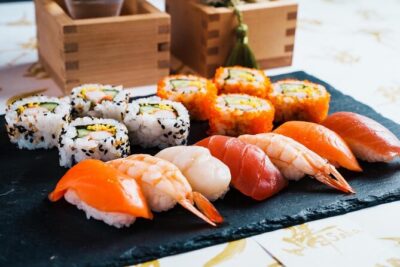
Sushi Making Tokyo! Popular Maki Sushi & Japanese Sushi(+Recipe!)
Read our review →
Tokyo Sushi Making Class in Tsukiji with Professional Chef
Read our review →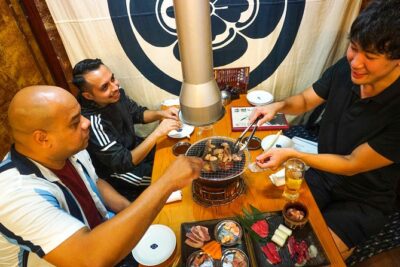
Tokyo Night Foodie Tour in Shinjuku – Seasonal Sushi, Wagyu Beef
Read our review →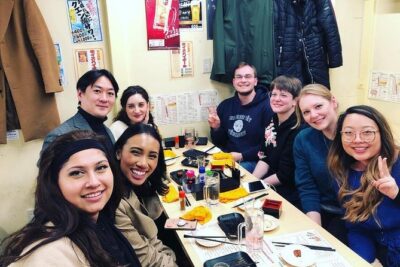
Eat and Drink Like a Local: Tokyo Ueno Food Tour-Taverns&Ramen
Read our review →Browse the lists this tour appears in