
Review · TOKYO
Tokyo: Secret Food Walking Tour
Tokyo’s food culture is best understood one small plate at a time, and this three-hour Ueno food walk gives you plenty of them. You start with fresh sushi, move on to gyoza and yakitori, then finish with sweets, matcha ice cream, and a secret dish in a cozy setting. Come hungry. The portions add up quickly.
I like two things in particular: the route takes you to local shops you might not choose on your own, and the guide explains the food as you eat it. Guides such as Kaho and Kyoko have earned warm praise for their friendly hosting. The main drawback is that the history and neighborhood context may feel light if that is your main reason for booking. This is first and foremost a food tour.
Key points to know
- A full Japanese tasting menu in three hours: Sushi, gyoza, yakitori, a drink, sweets, matcha ice cream, and a secret dish are all part of the route.
- Ueno is your starting point: Meet outside the JR Central Gate, near the Hard Rock Cafe entrance beside the Andersen bakery.
- Small groups keep the walk personal: The tour is limited to 10 people and runs in English.
- Arrive ready to eat: Several people found the amount of food generous, so skip a large meal beforehand.
- Wear comfortable shoes: You will walk between several stops and finish back at the station meeting point.
- The focus is food, not a full historical tour: You may hear local stories and see a shrine, but the meal is the main event.
Starting with sushi near JR Ueno Station
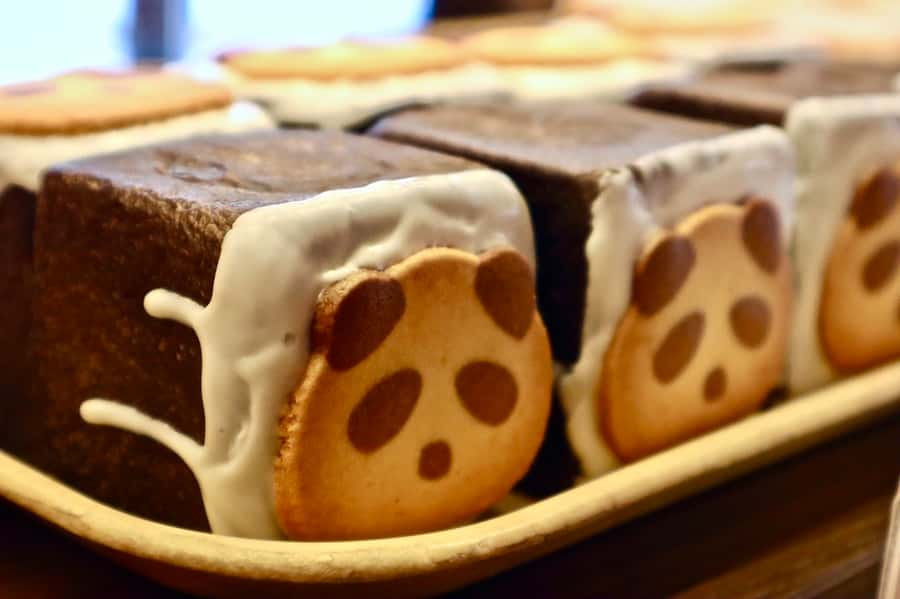
The meeting point is inside the JR Ueno Station building, outside the JR Central Gate. Look for the Hard Rock Cafe entrance near the bakery called Andersen. The station has several entrances to the cafe, so this detail matters. Your guide carries a Secret Tours orange umbrella, making the group easier to spot.
If you get turned around, show a local the following Japanese text:
JR上野駅 中央改札外のハードロックカフェ入口付近
That means the area near the Hard Rock Cafe entrance outside the JR Ueno Station Central Gate. Allow a little extra time for the station. Ueno is a major transport hub, and a few minutes spent finding the right exit is better than arriving rushed and hungry.
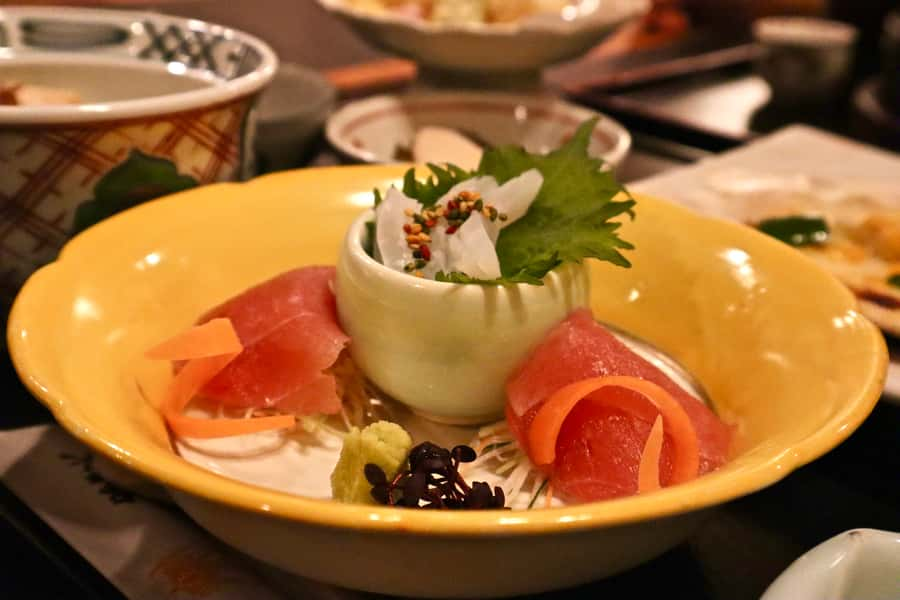
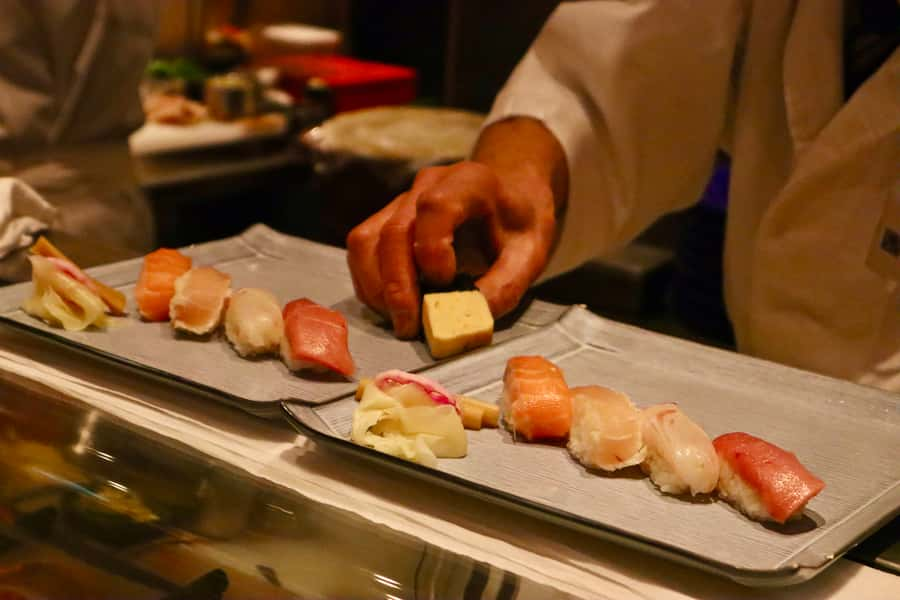
The first food stop is a popular sushi shop. You receive freshly made sushi before walking away from the station area. This is a smart opening course because it gives you an immediate taste of a Japanese staple, while the guide can explain how sushi fits into everyday eating in Tokyo.
The schedule may matter here. One participant suggested a 10:45 start because the first restaurant opens at 11:00. Check the available starting time carefully when you book. If you have a choice, a start that matches the opening hours should make the first stop feel less hurried.
More Hidden Gem Food Tours in Tokyo:
- Alicante: Secret Flavors Food Tour
★ 4.8 · 1,514 reviews - Southern & Secret Walking Food Tour
★ 4.5 · 1,413 reviews - Edinburgh Food Tour with Scotch, Haggis, a Secret Dish & More
★ 5.0 · 1,172 reviews
Gyoza in Tokyo’s downtown streets
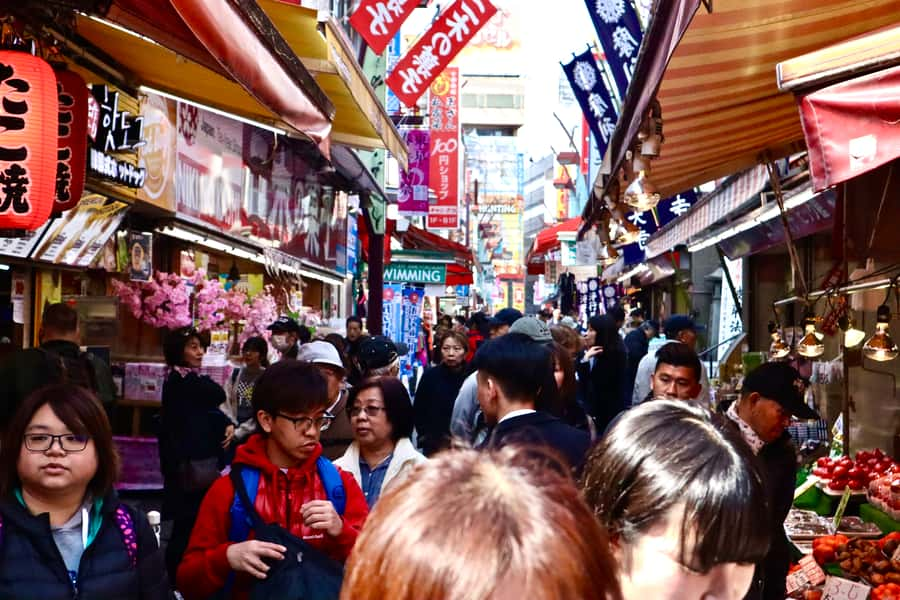
After sushi, the route heads toward a downtown district near Ueno. The walk is part of the point. You are not being driven from one restaurant to another, so you get a short look at the streets between meals and a sense of how these food spots fit into the neighborhood.
The next course is gyoza, the familiar fried or steamed dumpling filled with minced meat and vegetables. Gyoza may look simple, but small differences in cooking style and texture make this a useful dish for comparison. A guide can also help you understand how the dumpling is served and why it is such a common choice for a casual meal.
This stop is likely to suit first-time visitors especially well. You get a classic dish without needing to decode a menu or guess how much to order. If you already know Japanese food, the value is less about trying gyoza for the first time and more about tasting it in a local setting with someone who can explain the choice.
The route has a good rhythm at this stage. Sushi is followed by dumplings, so you are still sampling rather than facing one oversized meal. Even so, do not treat the tour as a light snack outing. The food keeps coming.
Yakitori, a standing restaurant, and a drink
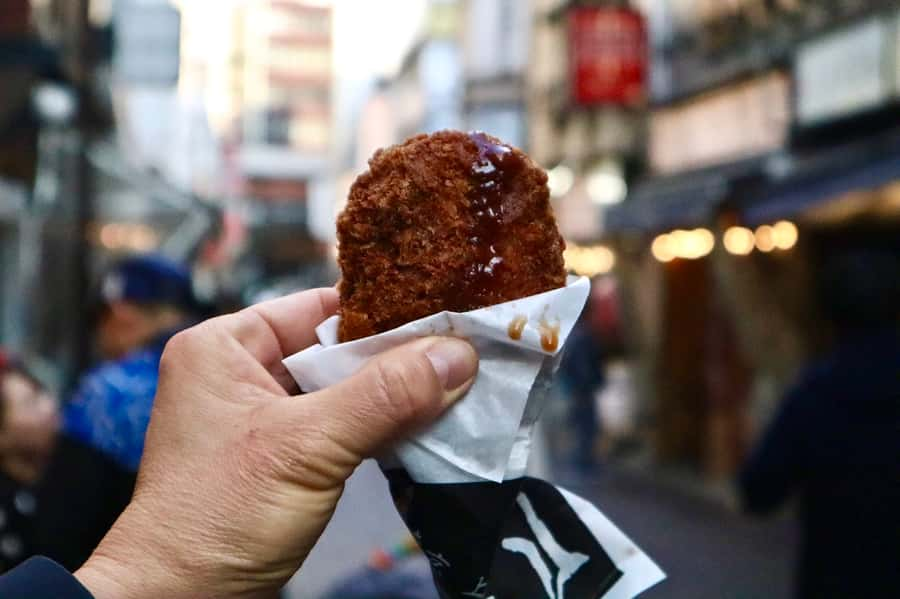
A short walk brings you to yakitori, skewered chicken served in a tachinomiya. This is a stand-up place to eat and drink, the sort of setting that can feel very different from a formal restaurant. It is casual, social, and built around quick plates and drinks.
Your drink is a draft beer or a flavored sawa. That choice adds an important part of the experience because Japanese food culture is not only about the dishes. It is also about where people eat, how long they stay, and what they drink alongside a meal.
The stand-up format may be one of the more memorable parts of the tour. It gives you a taste of an everyday food stop that can be easy to miss when you are relying on major sightseeing areas. It also gives the guide a chance to explain yakitori and the local habits around it.
There is one practical point to consider. A drink is included in the sequence, but the available choice may not suit everyone. If you do not drink alcohol, ask the guide what nonalcoholic option is available. The supplied details specify beer or flavored sawa, but do not promise a particular alcohol-free drink.
Sweet stops: manju, fruit, and matcha ice cream
After the savory courses, the tour turns toward sweets. You may receive manju, a traditional Japanese confection, or freshly cut fruit depending on the season. This seasonal element means the exact sweet course can change, which is useful if you enjoy foods tied to the time of year.
Manju offers a different experience from the earlier dishes. It is a small, traditional sweet rather than another restaurant plate, and it gives the guide a chance to talk about Japanese confectionery. If seasonal fruit replaces it, you get something lighter after the sushi, gyoza, and yakitori.
The tour then includes matcha ice cream. It is a familiar flavor to many visitors, but it still works well here as a bridge between classic sweets and modern Japanese snack culture. After several savory stops, the cold, sweet finish helps reset your palate.
Because the amount of food is substantial, the sweets should not be treated as an afterthought. By this point, you may already be full. That is another reason to avoid eating a big breakfast or lunch before you arrive.
More Food Walking Tours in Tokyo:
- Reykjavik Food Walk – Local Foodie Adventure in Iceland
★ 5.0 · 18,952 reviews - New Orleans Food Walking Tour of the French Quarter with Small-Group Option
★ 5.0 · 6,118 reviews - Naples: Street Food Walking Tour with Local Guide
★ 4.9 · 4,976 reviews - Greek Food Walking Tour in Athens
★ 5.0 · 4,740 reviews
The secret dish and the value of the final stop
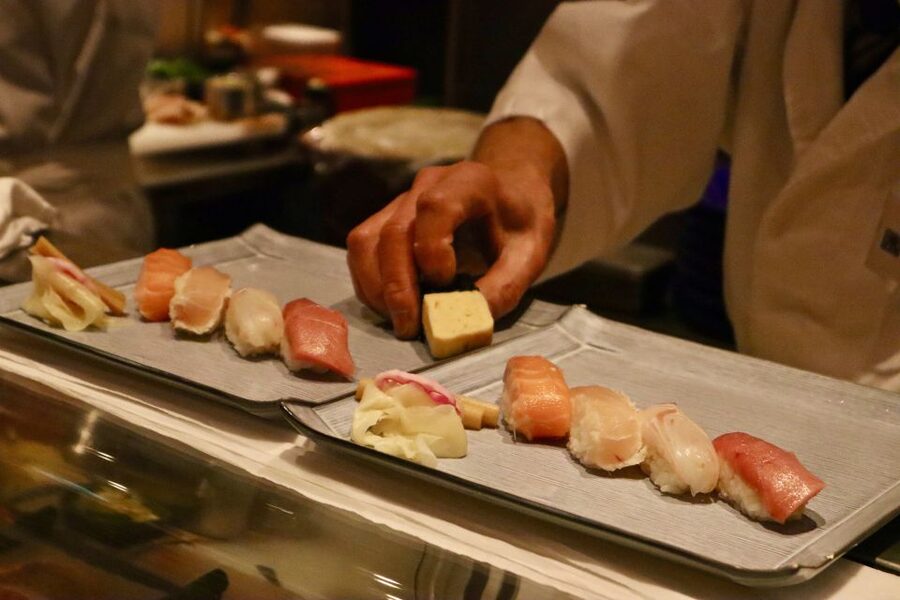
The last food experience is a secret dish served in a cozy environment. The exact dish is not disclosed in advance, so you should think of it as the tour’s surprise course rather than a guaranteed specialty you can plan around.
That uncertainty is part of the appeal, but it also means this tour may not suit anyone who needs every ingredient confirmed before booking. If you have food allergies, dietary restrictions, or strong dislikes, contact the operator before reserving. The provided information does not list dietary accommodations or identify the secret dish.
By the final stop, you have sampled a broad range of Japanese food: raw fish, dumplings, grilled chicken, sweets, ice cream, and an additional local specialty. That variety is the strongest reason to choose this experience. You are not simply eating one famous dish. You are getting a compact introduction to several ways Tokyo eats.
The tour ends back at the original meeting point. That makes the route easy to fit into a day of sightseeing, since you are not left in an unfamiliar neighborhood at the end.
What the guide adds to the meal
The tour is led in English by a live guide, with a maximum group size of 10. That is small enough for you to ask questions and hear explanations without feeling lost in a crowd.
Guides named Kaho and Kyoko have received especially warm praise for their hosting. Kaho was described as a friendly presence who kept the food and drinks flowing, while Kyoko was praised for making the Ueno walk enjoyable. The strongest part of the guiding seems to be the personal welcome and practical help at each food stop.
The cultural material appears to be present but not extensive. You should expect stories about local delicacies such as yakitori and gyoza, along with some information about Tokyo’s food culture. One route also included a shrine, adding a small sightseeing element to the meal.
If you want a detailed lesson on Ueno’s past, this may leave you wanting more. The tour is better suited to someone who wants food first, with neighborhood information woven into the walk. You may learn why certain dishes matter, but this is not a dedicated museum-style history tour.
Is $151 a fair price?
At $151 per person, this is not a cheap way to grab lunch. The price makes more sense if you value the guide, the small group, the number of tastings, and the chance to enter local food shops without having to plan the route yourself.
Food is included, as is the guided experience. Transportation, hotel pickup, and hotel drop-off are not included. Since the tour begins and ends at JR Ueno Station, you need to make your own way there and back.
The value depends on how you travel. If you are comfortable ordering in Japanese, researching restaurants, and finding small local stops on your own, you could spend less by exploring independently. But you would also need to choose the places, manage portions, handle menus, and understand how each stop fits into Japanese food culture.
For a first visit, the tour can serve as a useful food orientation. You can learn which dishes you like, pick up ordering ideas, and leave with a better sense of the difference between a sushi shop, a dumpling stop, and a standing yakitori restaurant. Several people found the food plentiful enough to leave them completely full, which strengthens the value if you treat it as a meal rather than an appetizer crawl.
A 4.7 rating from 38 reviews points to a consistently strong experience, with the food variety and friendly guides receiving the most praise. The one recurring caution is the limited historical context. Pay for the meal and local access, not for a long lecture about Ueno.
Who should book this Ueno food walk?
I would recommend it to first-time visitors who want a simple introduction to Japanese food without spending days planning restaurant stops. Families can also find it approachable. An eight-year-old enjoyed the experience, though children with narrow food preferences may find the number of unfamiliar dishes challenging.
It also suits repeat visitors. You may already know sushi or gyoza, but the stand-up tachinomiya and the mix of small local shops can show you a side of eating in Tokyo that is easy to overlook.
Food-focused visitors will get the most from it. You should be comfortable walking between stops, trying several different dishes, and accepting that the final menu may vary by season or location.
This is less suitable if you want a quiet sit-down meal, a long historical tour, or complete control over every ingredient. It is also a poor choice if you plan to eat a full meal immediately beforehand. Bring comfortable shoes and leave room in your stomach.
Practical details before you go
The tour lasts about three to three and a half hours, with starting times shown when you check availability. It runs in English and is limited to 10 participants.
You should arrive at the JR Ueno Station meeting point outside the Central Gate, near the correct Hard Rock Cafe entrance beside Andersen bakery. Watch for the orange umbrella. The route returns to that same meeting point.
Cancellation is free up to 24 hours before the activity for a full refund, and you can reserve now while paying later. These terms give you some flexibility if your Tokyo schedule is still shifting.
Wear comfortable shoes. You will be walking through local streets between food stops, and the tour is long enough that poor footwear will become a nuisance by the second half.
Should you book this Tokyo food tour?
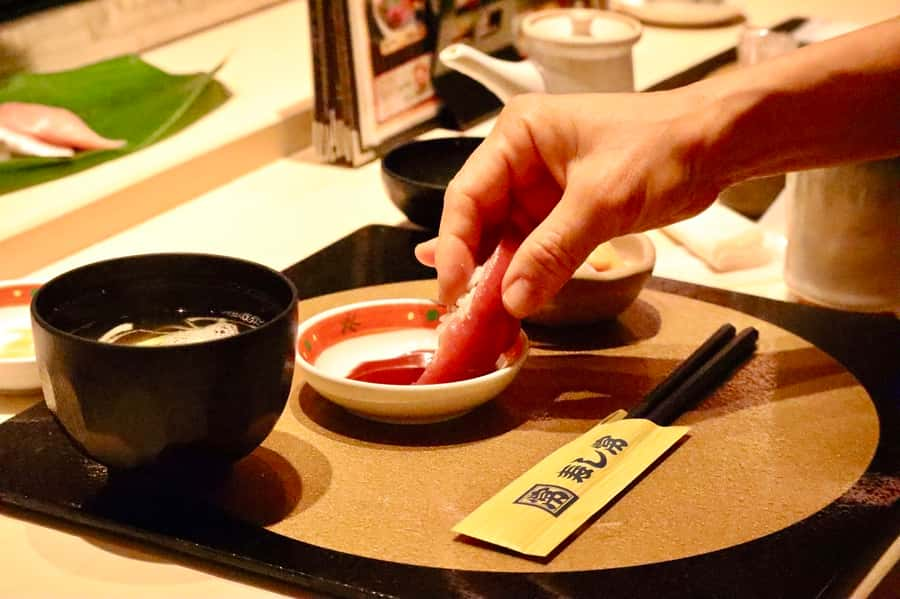
Book it if you want a generous, varied food introduction with a friendly English-speaking guide and a small group. Sushi, gyoza, yakitori, a drink, seasonal sweets, matcha ice cream, and a secret dish make this a full tasting route, not a token sample of one or two foods.
Skip it if your priority is detailed Ueno history, a low-cost meal, or a tightly controlled menu. The strongest reason to choose this experience is the combination of food access and guidance. Arrive hungry, wear good shoes, and expect to leave full.
FAQ
Where does the Tokyo Secret Food Walking Tour meet?
It meets inside JR Ueno Station, outside the JR Central Gate, near the Hard Rock Cafe entrance beside the Andersen bakery.
How can I find the meeting point?
Look for the guide holding a Secret Tours orange umbrella. If needed, show a local this Japanese text: JR上野駅 中央改札外のハードロックカフェ入口付近.
How long does the tour last?
The guided food tour lasts about three to three and a half hours. Starting times depend on availability.
What food is included?
The tour includes sushi, gyoza, yakitori, a draft beer or flavored sawa, manju or seasonal fruit, matcha ice cream, and a secret dish. Food is included in the tour price.
Is transportation included?
No. Transportation, hotel pickup, and hotel drop-off are not included. The tour begins and ends at the JR Ueno Station meeting point.
Is the tour conducted in English?
Yes. It has a live English-speaking guide.
How many people are in the group?
The tour is limited to 10 participants.
Fresh off the menu around Tokyo
- Shinjuku Tokyo: Authentic Japanese Home-Style Culinary Class★ 4.9 · 125 reviews
- Shinjuku: Golden Gai Food Tour★ 4.6 · 77 reviews
- Shibuya Tokyo: Sushi Making Class (Vegan/Vegetarian/Halal)★ 4.7 · 29 reviews
- Shinjuku: Food Tour – 15 Dishes at 4 local eateries★ 4.8 · 246 reviews
- Shibuya: Ramen Dojo Tokyo | Make All 3 (Tonkotsu/Shoyu/Miso)★ 4.8 · 207 reviews
- Ramen Making from Scratch +Akihabara Tour –Cooking Class★ 5.0 · 25 reviews
- Exclusive Tokyo Ramen Kitchen Experience★ 4.7 · 34 reviews
- Eat/Drink like a LOCAL-Taverns & Ramen★ 4.9 · 23 reviews
Tokyo Food Tours, compared.
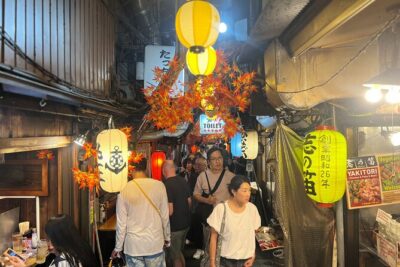
Tokyo: Shinjuku Food Tour (13 Dishes at 4 Local Eateries)
Read our review →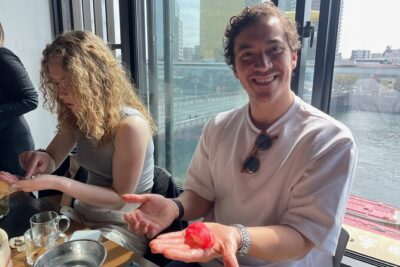
Sushi Making Tokyo Roll and Authentic Japanese Sushi Class
Read our review →
Tokyo Tsukiji Fish Market Food and Culture Walking Tour
Read our review →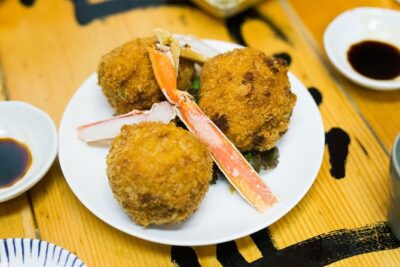
Best of Shinjuku: Izakaya Food Tour (4 Stops, 14+ Tastings)
Read our review →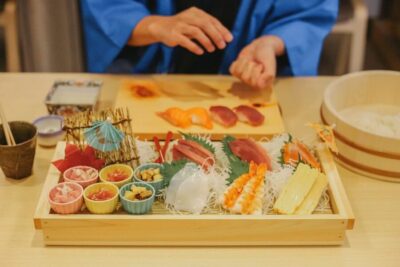
Tokyo: Sushi Making Class in a Happi Coat near a Famous Spot
Read our review →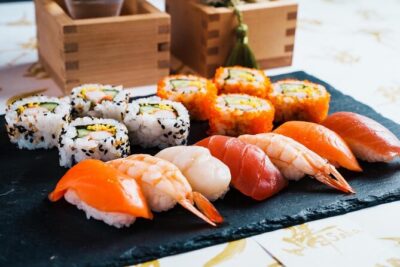
Sushi Making Tokyo! Popular Maki Sushi & Japanese Sushi(+Recipe!)
Read our review →
Tokyo Sushi Making Class in Tsukiji with Professional Chef
Read our review →
Tokyo Night Foodie Tour in Shinjuku – Seasonal Sushi, Wagyu Beef
Read our review →Browse the lists this tour appears in