
Review · TOKYO
Tokyo: Shinjuku Food Tour (13 Dishes at 4 Local Eateries)
Shinjuku’s best food experiences often hide behind small doors, narrow alleys, and menus you cannot easily read. This three-hour walk takes you from Omoide Yokocho to Kabukicho and Golden Gai, with 13 dishes served at four local eateries, so you can taste broadly without stopping to order and pay at every restaurant.
I like the small maximum group of 12, which should make cramped food stops easier to manage, and I like the mix of a stall, izakaya, traditional restaurant, and gastrobar. Two drinks are included, too. The main caution is consistency: some guides add plenty of cultural context, while others seem to give less explanation about what is on the table. Golden Gai may also be skipped or shortened, so do not book this solely for that stop.
Key points at a glance
- Thirteen dishes in three hours: A useful way to sample Japanese food without committing to four full meals.
- Four different types of eateries: Expect a food stall, izakaya, traditional restaurant, and gastrobar rather than one long restaurant sitting.
- Shinjuku after dark: The route covers Omoide Yokocho, Kabukicho, and the narrow lanes of Golden Gai.
- Two drinks included: You can choose alcoholic or non-alcoholic drinks during the experience.
- Guide quality matters: May, Hoshi, Igor, Kei, Agathe, and several other guides receive especially strong praise for warmth and local advice.
- A few limits to note: Food explanations can be brief, and Golden Gai is not guaranteed to receive the full attention suggested by the route.
Why this is a useful first taste of Shinjuku
I see this tour as a food-and-orientation walk rather than a serious culinary class. You move through three of Tokyo’s most recognizable nightlife districts while trying enough dishes to learn what you like.
That distinction matters. You are not simply sitting at one famous restaurant for a carefully explained tasting menu. Instead, your guide leads you to four separate stops and handles the ordering. For a first evening in Shinjuku, that removes much of the guesswork.
The tour is priced at $86.22 per person. That is not a cheap meal, but the price includes 13 dishes, two drinks, four eateries, and three hours of guiding. If you ordered similar amounts on your own, you might spend less, especially if you chose inexpensive izakaya food. The added value is the route, the company, the explanations, and the chance to try unfamiliar items without making every decision yourself.
I would book this early in a Tokyo stay. You can use the tour to mark places you want to return to, ask your guide for restaurant suggestions, and learn how Japanese food service works before setting out alone.
More food tours around Tokyo:
- Sushi Making Tokyo Roll and Authentic Japanese Sushi Class
★ 5.0 · 3,971 reviews - Tokyo Tsukiji Fish Market Food and Culture Walking Tour
★ 5.0 · 3,184 reviews - Tokyo: Shinjuku Food Tour (15 Dishes and 4 Eateries)
★ 4.9 · 2,033 reviews
Omoide Yokocho: a narrow start with plenty of atmosphere
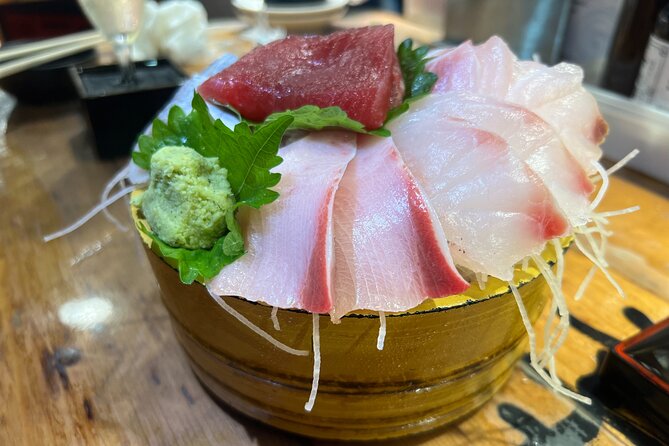
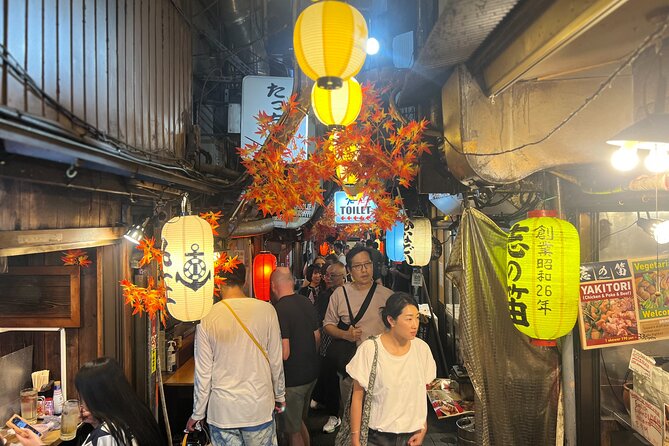
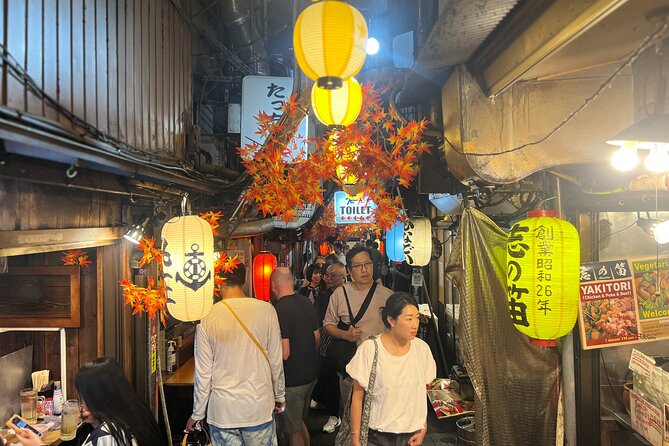
The first hour takes place around Omoide Yokocho, an alley area lined with tiny izakayas and food stalls. The setting is a major part of the appeal. Space is tight, signs crowd the lanes, and the small restaurants can feel difficult to approach when you do not speak Japanese.
A guide gives you a way in. You do not need to study menus, decide which doorway is welcoming, or work out how to order a plate for a group. The food is already included, and the route is arranged for you.
This is also where the group size matters. A party of 12 can feel large in a very small eatery, even if that is the maximum rather than the usual number. You should expect a social experience, not a quiet private meal.
One important practical point came through clearly in the feedback: some people felt raw food was placed on the table without enough explanation. If you have limited experience with Japanese dishes, ask your guide what each item is, how to eat it, and whether it contains anything you avoid. The best guides, including Hoshi and May, appear to make this kind of explanation part of the evening. Still, I would speak up rather than wait.
Kabukicho: food beside Tokyo nightlife
The route then moves into Kabukicho, Tokyo’s famous entertainment district. Your guide explains the area’s different establishments and takes you to a traditional Japanese restaurant.
Kabukicho can be disorienting on your own, particularly after dark. A guided walk gives you context without requiring you to select a restaurant from a wall of signs. You see the district as part of everyday Tokyo nightlife, rather than only as a place to pass through on the way to a major sight.
This is also one of the better places to ask questions. Guides such as Kei have added extra stops, including the giant 3-D cat and the Godzilla display on a building, while also explaining the red-light district. Those additions are not guaranteed, but they show how the tour can become more than a succession of meals when the guide takes initiative.
Food quality appears to be generally well received, but it is not universally loved. One person found the izakaya dishes disappointing and felt the food was weaker than what they found alone in Tokyo. That is a useful warning. A highly rated tour can still miss your taste, and group dining means you do not control every dish.
For most people, the strength here is variety. You might taste food you would not have ordered alone, including items such as tonkotsu, pork katsu, and, in at least one case, snails. If you are adventurous, that makes the tour more interesting. If you have strict preferences, allergies, or a limited diet, tell the guide at the beginning.
Golden Gai: narrow lanes and an important caveat
Golden Gai is known for narrow alleys and more than 200 tiny bars. The area also preserves a portion of Tokyo’s postwar building style, giving it a very different feel from the large towers and bright signs around Shinjuku Station.
On paper, it is a natural final chapter. You have seen the food alleys of Omoide Yokocho, the entertainment district of Kabukicho, and then arrive among Golden Gai’s compact lanes. It gives the walk a strong sense of place.
But I would treat Golden Gai as a possible part of the route, not the sole reason to book. One person specifically expected to visit and did not. Routes can change because of restaurant schedules, crowding, timing, or the guide’s judgment. If Golden Gai is essential to your plans, ask about it before booking or arrange a separate visit.
The evening ends near the Southeast Exit of JR Shinjuku Station. If you would rather return to the starting point at Starbucks, the guide can escort you back. That is helpful if you are still finding your way around the station, one of Tokyo’s largest and most confusing transport hubs.
Same city, a different plate:
- Tokyo: Roll and Authentic Sushi Making Class in Asakusa
★ 4.9 · 1,957 reviews - Best of Shinjuku: Izakaya Food Tour (4 Stops, 14+ Tastings)
★ 5.0 · 1,863 reviews - Tokyo: Sushi Making Class in a Happi Coat near a Famous Spot
★ 4.9 · 1,377 reviews - Sushi Making Tokyo! Popular Maki Sushi & Japanese Sushi(+Recipe!)
★ 5.0 · 1,314 reviews
What the 13 dishes actually mean
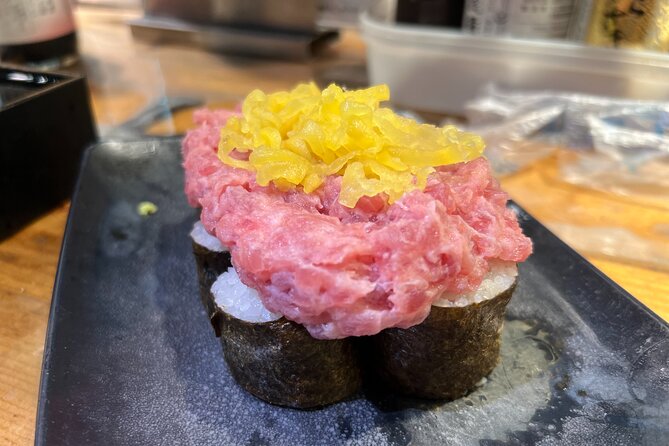
The headline number is appealing, but 13 dishes does not mean 13 full restaurant portions. The food is spread across four stops, and the point is to sample. You should arrive hungry, but not expect a formal multi-course dinner with one carefully presented plate after another.
The included stops cover:
- One food stall
- One izakaya
- One traditional Japanese restaurant
- One gastrobar
This range gives you different settings and styles of service. You might eat at a counter, share plates around a table, or take a dish while standing outside. One account describes tonkotsu and taiyaki being eaten at two of the stops, with seated meals at the others. Taiyaki, a fish-shaped sweet filled with a soft center, makes a sensible closing bite.
Two complimentary drinks are included, and you can choose alcohol or non-alcohol options. That makes the tour easier for mixed groups, though the information does not specify the exact drink choices. If you do not drink, you are not required to sit out that part.
The food is intentionally broad rather than narrowly focused. You may leave with a new favorite, or with a clearer sense of what you do not want to order again. I consider that a fair trade for the price, especially on a first visit.
Guides can make or break the evening
The strongest pattern in the feedback is the importance of the guide. May is praised for taking people to fun places and offering useful recommendations for the rest of a Tokyo stay. Hoshi is singled out for excellent English and clear explanations of Japanese food and culture.
Igor receives praise for explaining both the dishes and the districts as the group walks. Kei is described as attentive to food preferences and dietary needs, and as someone who added extra city sights. Agathe is a particularly good name to remember if you are traveling alone, since the group atmosphere helped one solo participant meet people for later plans.
Lloyd also handled a practical problem well when a member of the group had mobility issues. He helped arrange taxis between places so that the person could continue enjoying the evening. That does not mean the tour is designed as a private accessible tour, but it does suggest that a considerate guide may be able to help when a problem arises.
The less positive experiences focus on limited explanations. One person enjoyed the food but wanted more information about the area and the restaurants. Another felt that the dishes arrived with too little guidance. My advice is simple: ask questions early. A good guide can explain the ingredients, the local setting, and the reason for each stop, but you should not assume every guide gives the same depth of commentary.
Walking, timing, and group size
The experience lasts about three hours and includes walking between four eateries and several Shinjuku districts. The pace is described as manageable by people with different abilities, but it is still a walking tour, and you should wear comfortable shoes.
The maximum group size is 12. That is small enough for a guide to keep the group together, but it is not intimate in the way a private food walk would be. At a tiny restaurant, 12 people can also take up considerable space. If you prefer quiet meals and long conversations with your guide, look for a smaller private option.
The meeting point is outside AOKI Shinjukunishiguchi Honten at 1-chōme-8-5 Nishishinjuku. The tour finishes near the Southeast Exit of JR Shinjuku Station. Since the start and end are not identical, leave a little time to orient yourself before the meeting. If you are late or get lost, contact the tour team as soon as possible, but do not count on a delayed departure.
Mobile tickets make entry simple. Confirmation is provided at booking, and the meeting point is near public transportation.
Who will enjoy this Shinjuku food walk
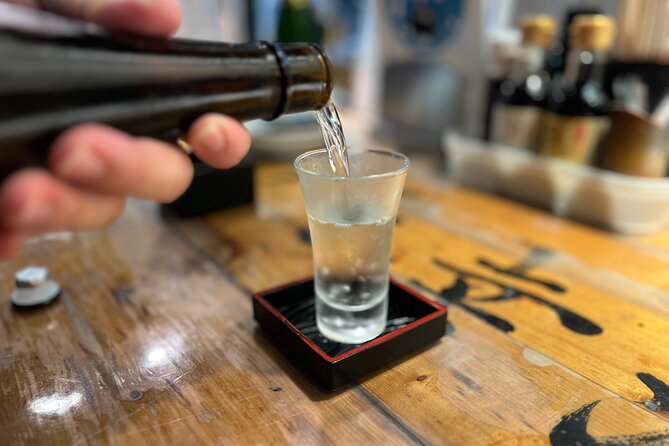
I would choose this tour if you are visiting Tokyo for the first time and want a gentle introduction to Shinjuku’s food culture. It is especially useful if menus, ordering customs, or the idea of entering tiny local eateries feels intimidating.
It also suits solo visitors. The group gives you company for the evening, and the moving format makes conversation easier than sitting silently at a large restaurant. Couples and small groups can enjoy it too, though you should be comfortable sharing dishes and eating at the group’s pace.
Food-focused visitors should book with realistic expectations. The tour gives you range and access, not a specialist lesson on one cuisine. If your main goal is to find the finest possible sushi, ramen, or yakitori, you may prefer a focused restaurant reservation.
I would be more cautious if you have severe dietary restrictions. The tour includes many dishes selected for the group, and the available information does not list a full allergen or substitution policy. Tell the guide about your needs before the first stop, then confirm each dish as it arrives.
The tour is also a good fit for people who want practical Tokyo advice. Several guides give suggestions for later meals, sights, and neighborhoods. That kind of local help can be worth more than one extra dish.
Booking value and cancellation terms
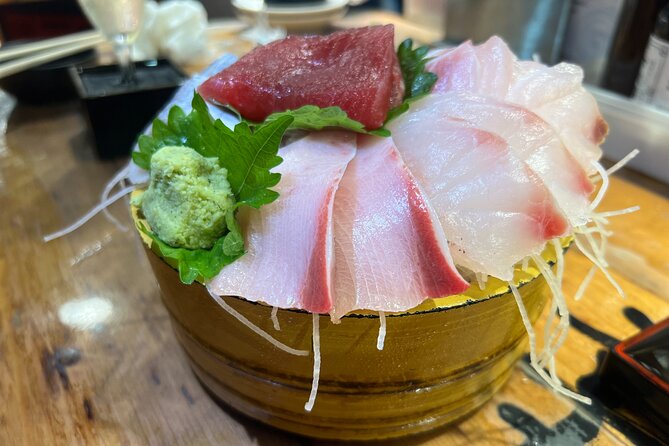
At $86.22, I see the cost as reasonable for a three-hour guided evening that includes 13 tastings and two drinks. It is less compelling if you are only measuring food quantity, since you could eat inexpensively in Shinjuku on your own. It becomes better value when you count the time saved, the language help, and the confidence gained for later meals.
The experience is recommended by 99 percent of its listed participants and carries a 4.9 rating from 6,603 reviews. Those figures suggest strong overall satisfaction, though the lower ratings make the risks clear: food preferences differ, explanations may be uneven, and the Golden Gai portion may not happen exactly as expected.
Free cancellation is available up to 24 hours before the start time for a full refund. Changes or cancellations inside 24 hours are not refunded, and the cut-off uses Tokyo local time.
Should you book it?
I would book this tour for a first or second night in Tokyo, particularly if you want to understand Shinjuku before exploring it alone. The combination of 13 tastings, four types of eateries, two drinks, and a small maximum group gives you a useful introduction for the price.
Book it for the food variety and neighborhood orientation, not as a guaranteed Golden Gai visit or a formal cooking lesson. If you ask questions, arrive hungry, and accept that one dish may not suit you, this is a practical and sociable way to get your bearings in Shinjuku.
FAQ
How long does the Shinjuku food tour last?
The tour lasts approximately three hours.
How many dishes are included?
The experience includes 13 Japanese dishes at four eateries.
Are drinks included?
Yes. Two complimentary drinks are included, and they can be alcoholic or non-alcoholic.
What types of places does the tour visit?
The included food stops consist of one food stall, one izakaya, one traditional Japanese eatery, and one gastrobar.
Which Shinjuku areas are included?
The route is scheduled to include Omoide Yokocho, Kabukicho, and Shinjuku Golden Gai.
Where does the tour start?
The meeting point is AOKI Shinjukunishiguchi Honten at 1-chōme-8-5 Nishishinjuku, Shinjuku City, Tokyo.
Where does the tour finish?
The tour finishes near the Southeast Exit of JR Shinjuku Station. You can ask the guide to escort you back to the Starbucks meeting point instead.
How large is the group?
The maximum group size is 12 people.
Can I cancel for a full refund?
Yes. You can cancel at least 24 hours before the experience starts for a full refund. Cancellations or changes made within 24 hours are not refunded.
Fresh off the menu around Tokyo
- Shinjuku Tokyo: Authentic Japanese Home-Style Culinary Class★ 4.9 · 125 reviews
- Shinjuku: Golden Gai Food Tour★ 4.6 · 77 reviews
- Shibuya Tokyo: Sushi Making Class (Vegan/Vegetarian/Halal)★ 4.7 · 29 reviews
- Shinjuku: Food Tour – 15 Dishes at 4 local eateries★ 4.8 · 246 reviews
- Shibuya: Ramen Dojo Tokyo | Make All 3 (Tonkotsu/Shoyu/Miso)★ 4.8 · 207 reviews
- Tokyo: Secret Food Walking Tour★ 4.7 · 38 reviews
- Ramen Making from Scratch +Akihabara Tour –Cooking Class★ 5.0 · 25 reviews
- Exclusive Tokyo Ramen Kitchen Experience★ 4.7 · 34 reviews
Tokyo Food Tours, compared.
Sushi Making Tokyo Roll and Authentic Japanese Sushi Class
Read our review →
Tokyo Tsukiji Fish Market Food and Culture Walking Tour
Read our review →
Tokyo: Shinjuku Food Tour (15 Dishes and 4 Eateries)
Read our review →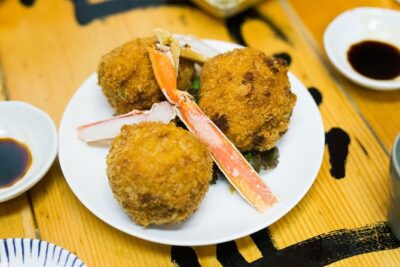
Best of Shinjuku: Izakaya Food Tour (4 Stops, 14+ Tastings)
Read our review →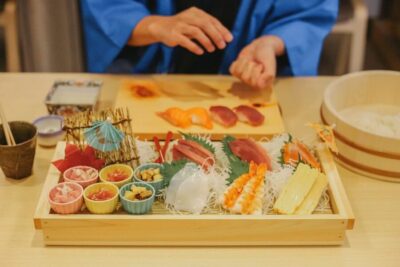
Tokyo: Sushi Making Class in a Happi Coat near a Famous Spot
Read our review →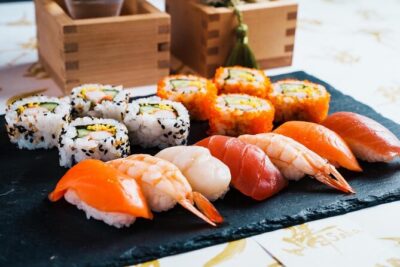
Sushi Making Tokyo! Popular Maki Sushi & Japanese Sushi(+Recipe!)
Read our review →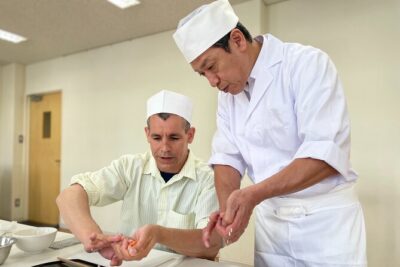
Tokyo Sushi Making Class in Tsukiji with Professional Chef
Read our review →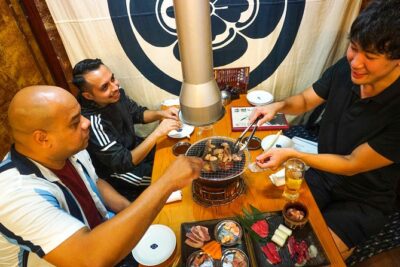
Tokyo Night Foodie Tour in Shinjuku – Seasonal Sushi, Wagyu Beef
Read our review →Browse the lists this tour appears in