
Review · OSAKA
Osaka: Shinsekai Food Tour with 13-15 Dishes at 5 Eateries
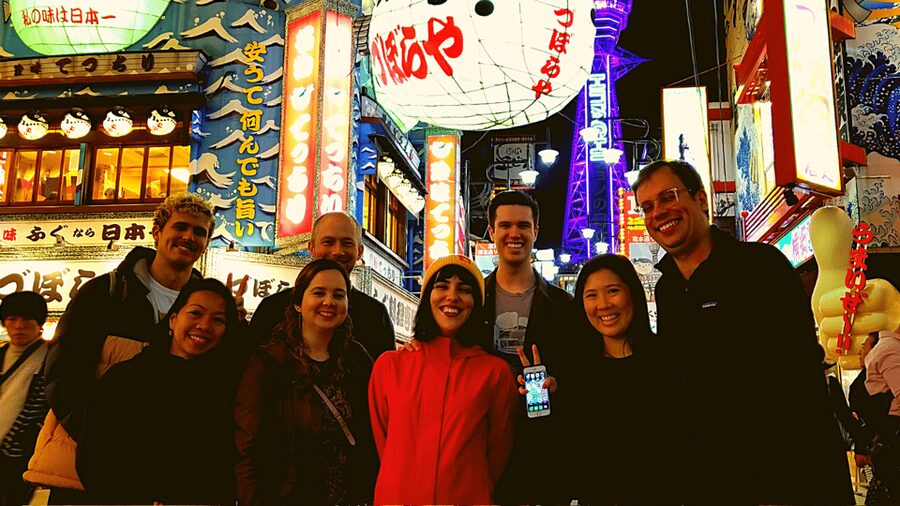
Shinsekai is the setting, but the real attraction is the steady parade of food. Over three hours, you visit five local eateries and taste 13 to 15 dishes, from takoyaki and oden to kushikatsu, gyoza, and tonpeiyaki. You eat in small places where menus are often only in Japanese, which makes an English-speaking guide genuinely useful.
I like the mix of famous Osaka food and dishes you might not order alone. I also like the small group, limited to nine people, which lets guides such as Kevin, Taka, Tommy, Mio, and Paul keep the evening friendly and conversational. The main drawback is firm: vegans and people with gluten intolerance cannot join, and anyone with a very small appetite may feel overfed by the final stop.
Key points at a glance
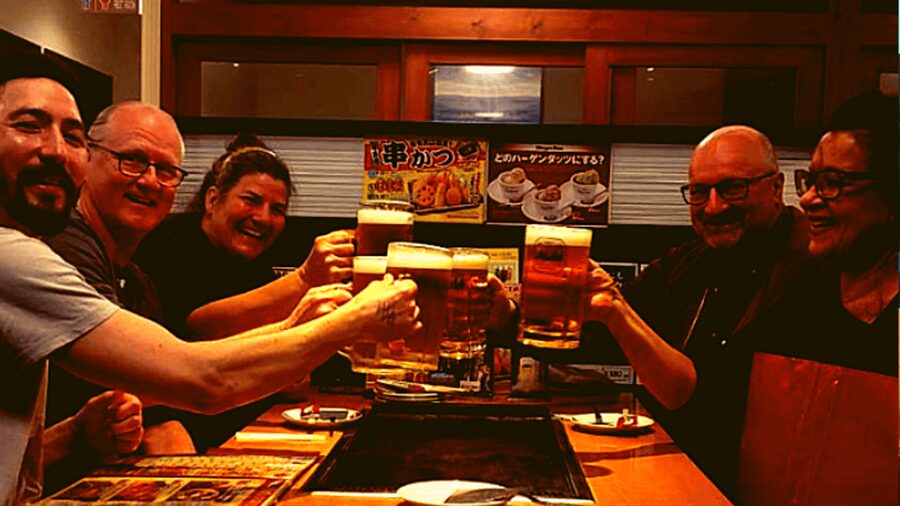
- Five eateries in three hours: Move from a takoyaki and oden stall to an izakaya, classic restaurant, gyoza specialist, and final Japanese eatery.
- 13 to 15 local dishes: Expect takoyaki, kitsune udon, yakitori, chicken wings, kushikatsu, beef and tofu stew, gyoza, tonpeiyaki, edamame, karaage, and more.
- Two drinks included: Alcoholic and non-alcoholic choices are available during the meal.
- Shinsekai away from Dotonbori: Walk through arcades and side alleys instead of spending the whole evening in Osaka’s most famous restaurant zone.
- Small English-speaking group: The maximum is nine participants, with guides who explain food, neighborhood history, and local customs.
- Come very hungry: The portions add up quickly, and several people finish the tour completely full.
Why Shinsekai makes a good food tour setting

Osaka is famous for casual eating, and Shinsekai gives you a different look at that food culture than the bright restaurant lanes around Dotonbori. The district mixes older local establishments, covered arcades, narrow side streets, and newer businesses. You are not simply seated in one restaurant for a long meal. You keep moving, eating a little at a time, and seeing how the neighborhood changes from one street to the next.
The meeting point is in front of the 15 wall lanterns of Daiichi Building, outside Exit 1 of Dobutsuen-mae Station on the Midosuji Line. That is a useful starting point because the tour quickly leaves the main station area and heads into smaller streets.
I like this format for a first evening in Osaka. You get an introduction to local food, a short walking tour, and a guide who can explain what you are eating before it reaches the table. You also get a list of places and dishes to remember for the rest of your visit.
The walking matters. The tour includes steps and movement between stops, so this is not a three-hour sit-down dinner. That helps break up the food, but wear comfortable shoes and avoid arriving after a large lunch.
More food tours around Osaka:
- Osaka Food Tour: 13 Dishes at 5 Local Eateries
★ 5.0 · 2,149 reviews - Hungry Osaka Street Food Tour:15 Tastings & 3 Drinks with a Local
★ 5.0 · 1,727 reviews - Sushi Making Osaka Roll and Authentic Japanese Sushi Class
★ 5.0 · 1,220 reviews
Stop one: takoyaki and oden at a neighborhood stall
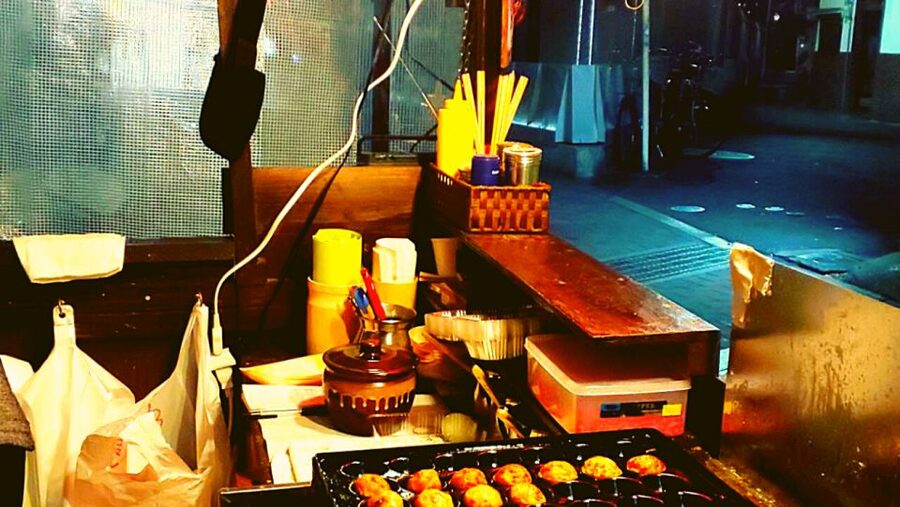
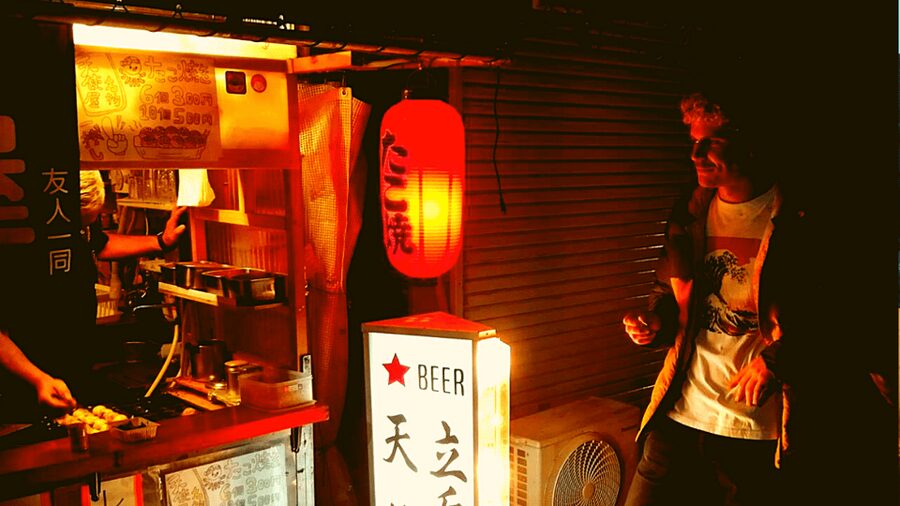
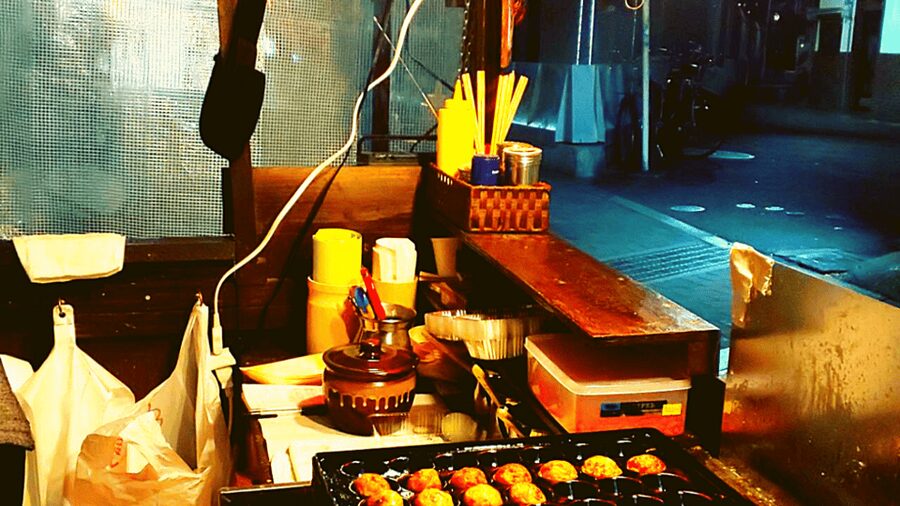
The first stop introduces two very different Osaka staples. Takoyaki are battered octopus balls cooked in a special molded pan, usually served hot and topped with savory sauce and other seasonings. Oden is a simmered dish, with ingredients cooked in a light broth until tender.
This is a useful opening because it shows both sides of local casual food. Takoyaki is hot, quick, and snack-like. Oden is softer and more comforting. Your guide can explain how to eat the dishes and what ingredients you are seeing, which helps when the stall has a Japanese-only menu.
The stop is also a reminder that the tour is built around established neighborhood businesses, not only places designed for international visitors. That can make the meal feel more direct and local, though it also means the exact dishes may change with supply, season, or the restaurant’s availability.
Stop two: an izakaya with udon, skewers, and kushikatsu
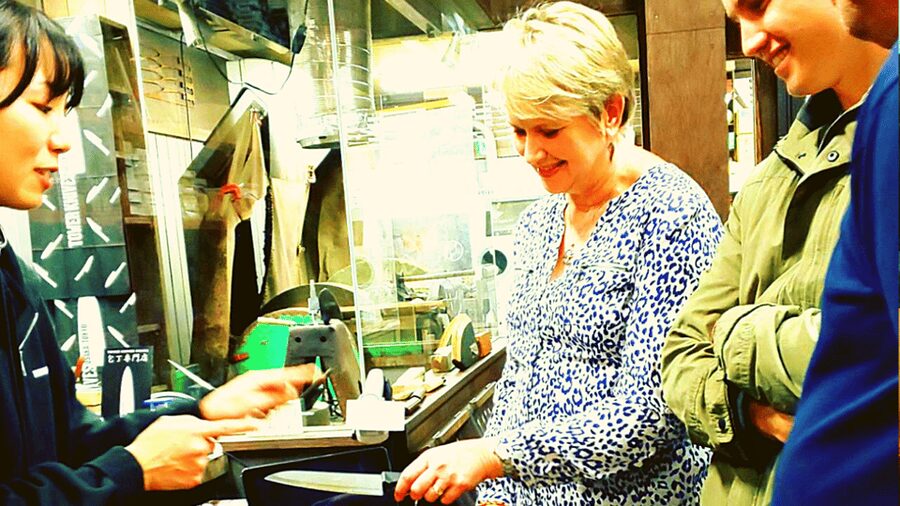
Next comes an izakaya style restaurant, where the food is made for sharing. The planned selection includes kitsune udon, yakitori, chicken wings, nagaimo, and kushikatsu.
Kitsune udon pairs noodles with a sweet seasoned piece of fried tofu. It is a mild, filling dish and a good counterpoint to the sharper flavors of fried food. Yakitori gives you skewered chicken, while the wings provide a crispier option. Nagaimo has a distinctive texture that may be new to you, and this is one of the moments when a guide helps you understand what you are trying instead of guessing from a menu.
Kushikatsu is closely tied to Osaka. Meat and vegetables are placed on skewers, coated, and lightly deep-fried. It is easy food to like, but the style has its own local character, and sampling it in Shinsekai gives the dish a stronger sense of place than ordering a generic fried skewer elsewhere.
This stop can be one of the most filling parts of the evening. Udon, wings, skewers, and fried food arrive before you are even halfway through the tour. Pace yourself. You do not need to finish each item instantly, and the guide can help the group share the food.
Stop three: beef and tofu, yakitori, mochi, and a drink
The third stop is a cozy traditional restaurant, with dishes such as nikudoufu, or beef and tofu stew, original yakitori, mochi, and a drink.
Nikudoufu is homestyle food rather than a flashy specialty. Beef and tofu are cooked together in a savory-sweet broth, producing the kind of warm dish that explains why small neighborhood restaurants remain important in Japan. It also gives the tour some variety after the fried foods and noodles.
The yakitori here may differ from the earlier skewers, which is part of the point. Osaka food is not one narrow list of famous items. Preparation, sauce, cut of meat, and the character of the restaurant all affect what reaches the table.
Mochi adds a sweet, chewy finish to the stop. You also receive one of the tour’s two included drinks here or at another planned stop. Alcoholic and non-alcoholic options are available, so you can take part without drinking alcohol.
This restaurant is a good place to listen to the guide’s explanations about ordinary eating habits and local food customs. Several guides, including Tommy, Taka, and Mio, have been praised for connecting the dishes with the area and with everyday life in Osaka. The exact guide depends on the date, so you should not book expecting one particular person.
Same city, a different plate:
- Osaka Local Foodie Walking Tour in Dotonbori and Shinsekai
★ 5.0 · 985 reviews - Hungry Osaka Street Food Tour: 15 Dishes & 3 Drinks
★ 4.9 · 694 reviews - Osaka: Ramen and Gyoza Cooking Class in Dotonbori
★ 5.0 · 378 reviews - Osaka: Kuromon Market Food Walking Tour (6 stops, 6 tastes)
★ 4.6 · 272 reviews
Stop four: a specialist gyoza restaurant
The fourth eatery focuses on gyoza. These Japanese dumplings are usually filled with meat and vegetables, then cooked so the bottom develops a crisp surface while the top remains tender.
A specialist stop is valuable because it slows the tour down and lets one dish receive more attention. After trying food from stalls and broad-menu restaurants, you get to see how a single item can define a small business.
The Osaka-style gyoza served on this tour has been described as especially crisp, and the menu may include a modern twist on the familiar dumpling. That variation is worth noting if you already know standard gyoza from other parts of Japan. It gives you something more specific than simply checking dumplings off a food list.
At this point, the quantity becomes the tour’s central challenge. You have already tasted several substantial dishes, and another fried item can feel like work if you arrived full. This is why I would schedule the tour early in your Osaka stay, when you are eager to sample local food, and avoid booking it after a major lunch.
Stop five: tonpeiyaki, karaage, edamame, and a final drink
The final eatery brings together several familiar Japanese bar foods. The planned dishes include tonpeiyaki, edamame, karaage, a Japanese pancake or fruit dish, and another drink.
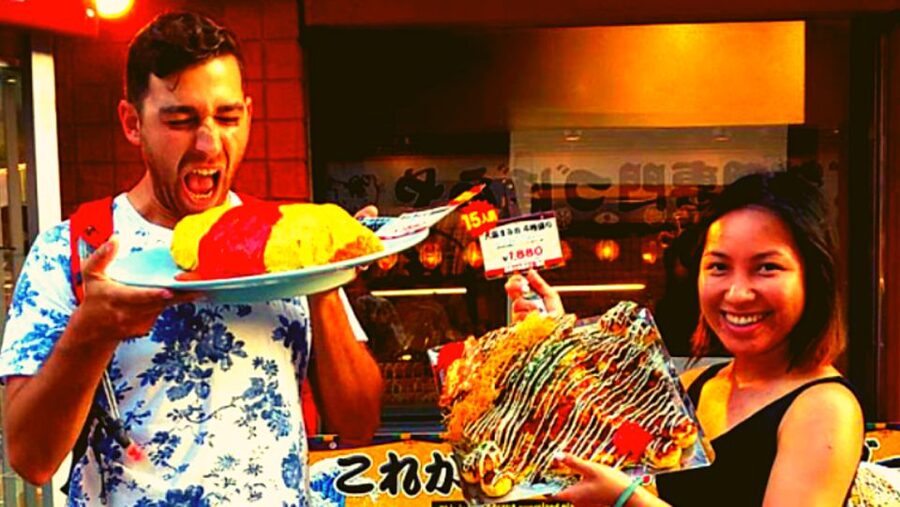
Tonpeiyaki is a pork omelette, usually served hot and savory. Karaage is Japanese fried chicken with seasoning and a crisp coating. Edamame gives you a lighter, fresher bite between richer items. The combination feels like a proper closing spread rather than a single dessert stop.
A second drink is included here. You can choose an alcoholic or non-alcoholic option, and the range of drinks helps the group settle into the evening rather than rushing out after the food ends.
The tour can finish with a Japanese pancake or fruit dish, depending on availability. Do not treat the printed menu as fixed. The food list is an example, and the final dishes depend on the season, the restaurants, and what is available that day.
What the guides add to the meal
The food is the reason to book, but the guide is what makes the format work. You are moving through places that may have Japanese-only menus, so explanations remove much of the uncertainty. A good guide also helps the group share dishes, keeps the schedule moving, and fills the gaps between stops with local background.
The guide team includes people such as Kevin, Yuki, Paul, Darren, Bernie, Kiko, Hikaru, Natalie, Taka, Mio, Tommy, Mario, Suga, and others. Past groups have especially praised guides for friendly conversation, local recommendations, food explanations, and stories about Shinsekai.
Tommy has been singled out for giving extra context about the neighborhood after the food portion. Taka, who is Osaka born and raised, has been valued for local culture and suggestions for places to visit later. Kevin has been noted for keeping the pace casual while still getting the group to each stop on time.
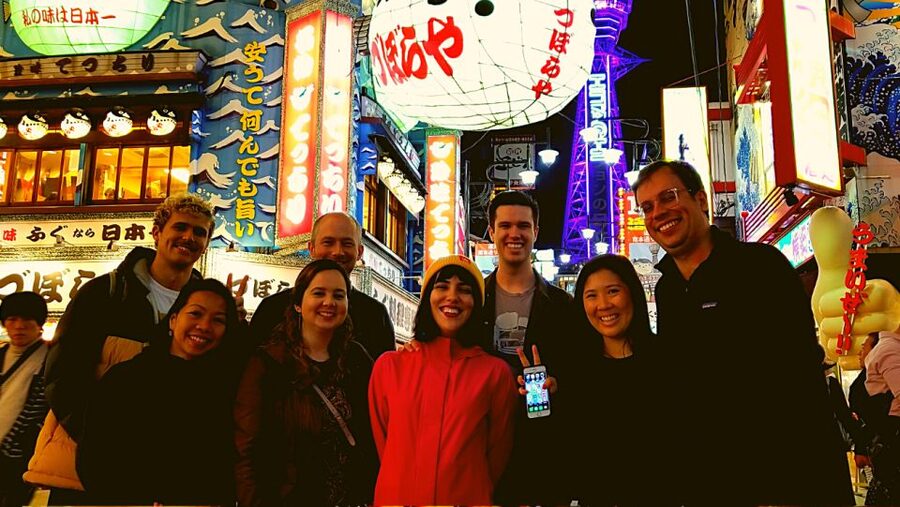
Those details matter for solo visitors. The group size is small enough for conversation, and several people have found it easy to connect with the other participants. The social side is not guaranteed, of course, but this is a more personal format than a large coach outing.
Price, pace, and overall value
At $53 per person, the tour is not the cheapest way to eat in Osaka. You could buy takoyaki, noodles, skewers, and dumplings separately for less. The price makes more sense when you count the 13 to 15 dishes, two drinks, five stops, the guide, and the time saved choosing places in an unfamiliar neighborhood.
You are also paying for access. Small Japanese establishments can be hard to identify from outside, especially when the menu is not translated. The guide brings you to selected stalls and restaurants, explains the food, and helps the group enter and order without the usual uncertainty.
The best value comes if you are curious but not confident ordering alone. You can sample a wide range of Osaka food without committing to a full meal at every stop. You also avoid spending the evening walking past restaurants and guessing which ones are worth trying.
The value is weaker if you have strict dietary needs, dislike fried food, or prefer a quiet meal in one place. The tour is heavy on meat, seafood, wheat, and shared dishes. It is not designed as a vegetarian, vegan, or gluten-free experience.
Free cancellation is available up to 24 hours before the start time, and you can reserve now and pay later. If a planned restaurant is closed or fully booked, the group visits an alternative location. That keeps the food format intact, but the exact menu and stops can change.
Who should book this Shinsekai food tour
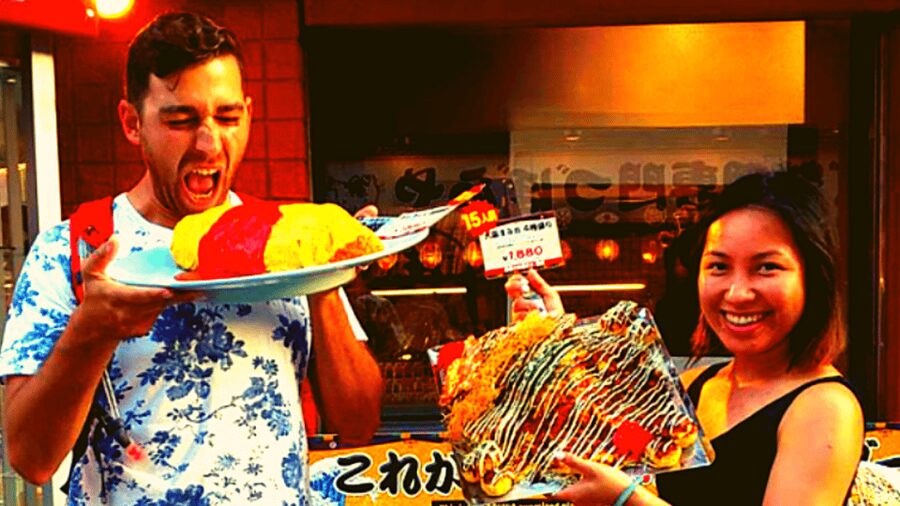
I would recommend it to first-time visitors who want a quick introduction to Osaka food without spending hours studying restaurant menus. It also suits solo visitors and couples who enjoy meeting a small group while walking and eating.
It is a strong choice for adventurous eaters, but you do not need to be extremely brave with food. The menu includes familiar items such as fried chicken, noodles, dumplings, and omelette alongside less obvious dishes. You can try something new without every course being a test.
Families may enjoy the relaxed format, though the amount of walking and the late food load should suit your children. One guide arranged fries for children in a group, but that should not be treated as a guaranteed menu option.
I would skip it if you are vegan or gluten intolerant. I would also think twice if you dislike octopus, meat, seafood, fried food, or alcohol-centered restaurant settings, even though non-alcoholic drinks are available.
Practical advice before you go
Arrive hungry, but not uncomfortable. The food comes in waves, and the final stop can be difficult if you have already eaten a full dinner.
Wear shoes suited to walking and steps. The route passes through arcades and side streets, and the group stays on the move between eateries.
Bring an open attitude toward texture. Nagaimo, mochi, tofu, oden ingredients, and different cuts of meat may be unfamiliar even if you have eaten Japanese food before.
If you want a particular guide, do not assume that person will lead your date. Names such as Kevin, Taka, Tommy, Mio, Paul, and Mario appear among the guides, but assignments vary.
I would book this near the start of your Osaka stay. The guide can point out places to return to, and the neighborhood orientation helps you feel more comfortable ordering on your own later.
Should you book it?
Book this tour if you want a generous tasting meal, local-style restaurants, and a guide who can explain what is happening at each stop. The combination of five eateries, 13 to 15 dishes, two drinks, and a nine-person limit offers solid value for $53, especially for a first Osaka visit.
Skip it if dietary restrictions make the menu unsuitable or if you want a slow, single-restaurant dinner. For everyone else, this is a practical way to get a taste of Shinsekai, learn the basics of Osaka food, and leave with a very full stomach.
FAQ
Where does the Shinsekai food tour meet?
The meeting point is outside Exit 1 of Dobutsuen-mae Station on the Midosuji Line, in front of the 15 wall lanterns of Daiichi Building.
How long does the experience last?
The tour lasts three hours. Starting times vary, so check availability for the date you want.
How many dishes are included?
The tour includes 13 dishes in the standard description, with the total sometimes listed as 13 to 15 dishes depending on availability.
How many eateries do you visit?
You visit five eateries, including a food stall, gastrobar, classic eatery, izakaya, and specialized restaurant.
Are drinks included?
Yes. Two drinks are included, and you can choose alcoholic or non-alcoholic options.
Is the tour suitable for vegans?
No. The tour is not suitable for vegans because there are too few vegan dishes available.
Can people with gluten intolerance join?
No. The tour is not suitable for people with gluten intolerance.
What happens if a planned restaurant is closed?
The group visits an alternative location if one of the planned establishments is closed or fully booked.
Fresh off the menu around Osaka
- Hidden Osaka – Yukaku Red Light Tour & Culinary Adventure★ 4.8 · 96 reviews
- Eat Like a Local in Osaka – Private Custom Street Food Tour★ 4.3 · 33 reviews
- Osaka: Sushi Making in Spacious Studio (SAME-DAY OK!)★ 5.0 · 75 reviews
- Osaka: Ramen and Gyoza Cooking Class in Dotonbori★ 5.0 · 378 reviews
- Osaka: Roll and Authentic Sushi Making Class in Dotonbori★ 4.9 · 239 reviews
- Osaka: Sushi Class in Dotonbori★ 4.9 · 160 reviews
- Osaka: Gluten-Free Ramen and Gyoza Cooking Class★ 5.0 · 42 reviews
- Osaka: Local Foodie Tour in Dotonbori and Shinsekai★ 4.7 · 95 reviews
Osaka Food Tours, compared.
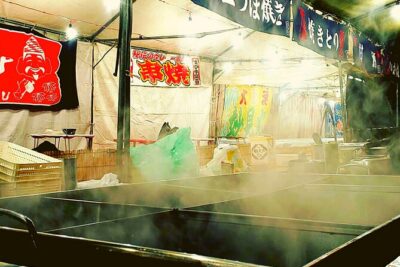
Osaka Food Tour: 13 Dishes at 5 Local Eateries
Read our review →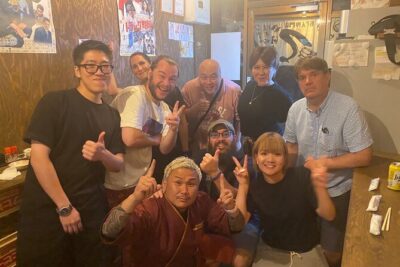
Hungry Osaka Street Food Tour:15 Tastings & 3 Drinks with a Local
Read our review →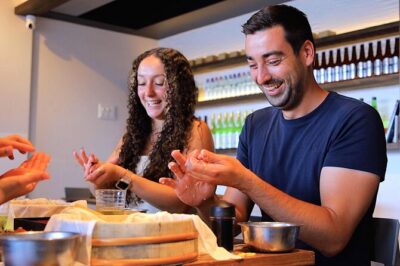
Sushi Making Osaka Roll and Authentic Japanese Sushi Class
Read our review →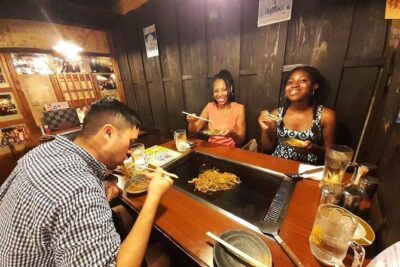
Osaka Local Foodie Walking Tour in Dotonbori and Shinsekai
Read our review →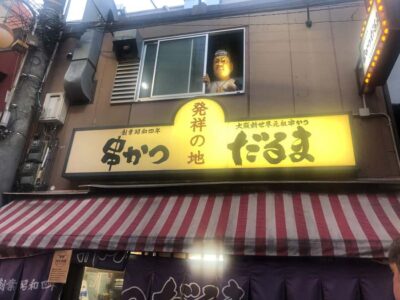
Hungry Osaka Street Food Tour: 15 Dishes & 3 Drinks
Read our review →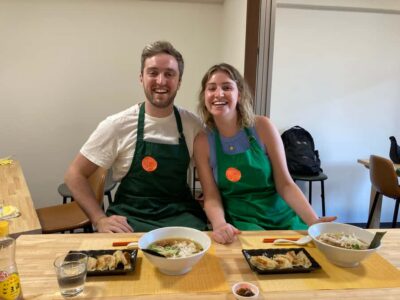
Osaka: Ramen and Gyoza Cooking Class in Dotonbori
Read our review →
Osaka: Kuromon Market Food Walking Tour (6 stops, 6 tastes)
Read our review →
Browse the lists this tour appears in