
Review · TOKYO
Shinjuku Tokyo: Authentic Japanese Home-Style Culinary Class
The best part of this Shinjuku cooking class is that you make a full Japanese meal, not just one photogenic dish. In 150 minutes, you might prepare takoyaki, pan-fried gyoza, sushi rolls, miso soup, teriyaki, or a traditional gozen spread, then sit down to eat what you made.
I like the central location and the practical recipes you can repeat at home. I also like the warm, hands-on teaching style from instructors such as Kana, Lulu, Kayo, Miyuki, and Chieko. The main consideration is that the exact studio address arrives only after booking, and menu choice may be limited if another group joins the same session.
Key points at a glance
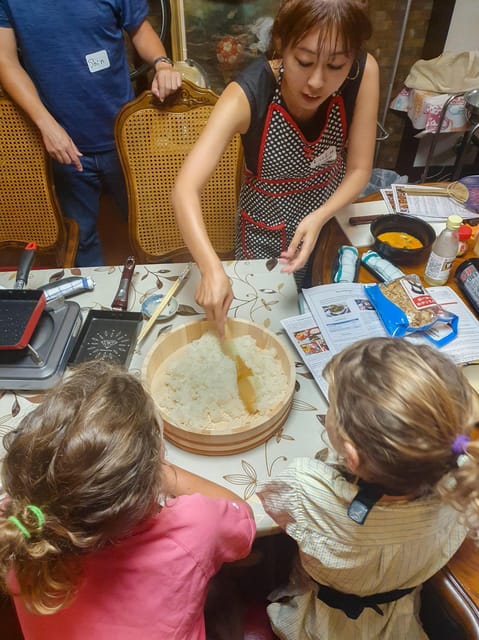
- Four main menus: Pick from okonomiyaki and yakisoba, gyoza and takoyaki, rolled sushi and teriyaki, or a traditional gozen meal.
- A real meal, not a sample: You cook several dishes, then eat a generous lunch or dinner together.
- English instruction: The instructors explain techniques, ingredients, and food customs in English.
- Good for families: Children and adults can take part, with activities adjusted to suit different cooking levels.
- Dietary requests are possible: Vegetarian, vegan, and allergy-related changes can be discussed before the class.
- Near Shinjuku: The studio is in or around central Shinjuku, though you receive the precise address after booking.
What the 150-minute class actually feels like
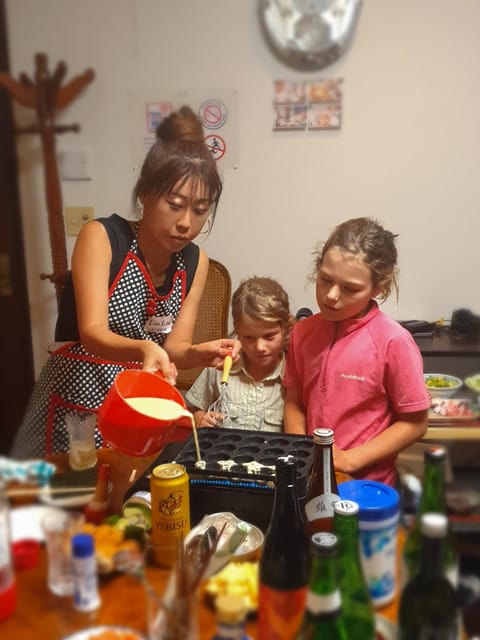
This is a compact home-cooking lesson built around participation. You arrive at a kitchen studio in or around Shinjuku, meet your English-speaking instructor, and begin with the selected menu and prepared ingredients.
The ingredients are arranged before you arrive, which keeps the class moving. You spend less time measuring every item from scratch and more time learning how the dishes come together. That matters in Tokyo, where a two-and-a-half-hour class can fit neatly between sightseeing plans.
Your instructor leads you through each recipe step by step. You may chop, mix, shape, roll, fry, grill, or arrange the food, depending on your menu. The balance between demonstration and participation can vary, so tell the instructor if you want to do as much of the cooking as possible. Some participants have found that parts of the preparation are demonstrated while they watch, while others describe the class as highly interactive.
The instructors also explain the ingredients and the reason behind each technique. You learn more than a list of steps. You get a sense of how familiar Japanese dishes work in a home kitchen, which sauces are used, and how separate dishes become a balanced meal.
At the end, you sit down and eat together. This final meal is important. You are not rushing away with a small tasting plate. The menus are substantial, and several participants have found they had enough food to feel full for much of the day.
More food workshops around Tokyo:
- Sushi Making Tokyo Roll and Authentic Japanese Sushi Class
★ 5.0 · 3,971 reviews - Tokyo: Roll and Authentic Sushi Making Class in Asakusa
★ 4.9 · 1,957 reviews - Tokyo: Sushi Making Class in a Happi Coat near a Famous Spot
★ 4.9 · 1,377 reviews
Choosing between the four menus
Your menu choice shapes the entire class. All four options feature well-known Japanese dishes, but each teaches a different side of home cooking.
Menu A: Okonomiyaki and yakisoba
This is a good choice if you want the lively, casual side of Japanese food. Okonomiyaki uses a batter mixed with chopped cabbage and other ingredients, cooked on a teppan-style grill, then finished with sauces and toppings.
Yakisoba adds stir-fried noodles, vegetables, and usually seafood or pork in a sweet-savory sauce. Together, the dishes make a filling meal and show how Japanese cooking can be simple, social, and satisfying without being fussy.
I would choose this menu if you enjoy cooking with a hot grill and want recipes that are easy to recreate at home. It is also a sensible pick for families and teenagers because the dishes are familiar, hands-on, and fun to assemble.
Menu B: Gyoza and takoyaki
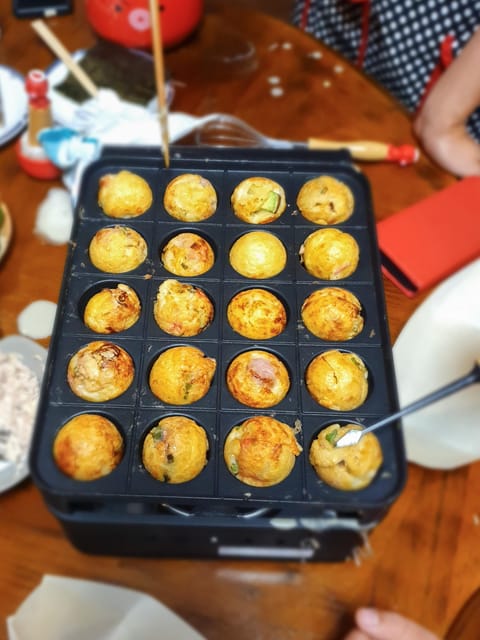
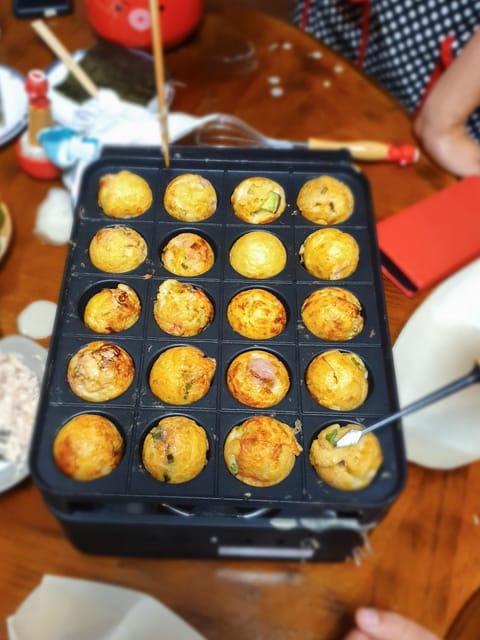
This menu gives you two very different shaping and cooking tasks. You prepare Japanese gyoza, pan-fried until crisp, then make takoyaki, the round savory dumplings associated with Osaka and summer festivals.
Takoyaki is especially appealing because many people do not have a chance to make it at home. Turning the batter and filling into neat little balls takes attention and practice, so this menu has more of a playful cooking challenge than a simple demonstration.
Choose it if you want the most unusual activity of the four menus. The ingredients can be adjusted for some dietary needs, but ask about substitutions before the class, especially if you do not eat seafood or meat.
More food tours around Tokyo:
- Tokyo: Shinjuku Food Tour (13 Dishes at 4 Local Eateries)
★ 5.0 · 6,603 reviews - Tokyo Tsukiji Fish Market Food and Culture Walking Tour
★ 5.0 · 3,184 reviews - Tokyo: Shinjuku Food Tour (15 Dishes and 4 Eateries)
★ 4.9 · 2,033 reviews - Best of Shinjuku: Izakaya Food Tour (4 Stops, 14+ Tastings)
★ 5.0 · 1,863 reviews
Menu C: Rolled sushi and teriyaki
This is the most familiar menu for many first-time visitors to Japan. You roll and cut your own sushi, then prepare yellowtail fish or chicken teriyaki, with miso soup alongside.
The appeal here is that you learn the construction of a complete Japanese meal. Sushi rolling requires care with filling and cutting, while teriyaki introduces a different cooking method and flavor profile. Miso soup rounds out the meal and gives you a basic Japanese staple to repeat at home.
I would pick this option if sushi is high on your list but you also want something warm and cooked. It is also a strong choice for people who want recipes they can use after the trip. One participant specifically left feeling ready to make sushi and miso soup at home.
Menu D: Traditional gozen set
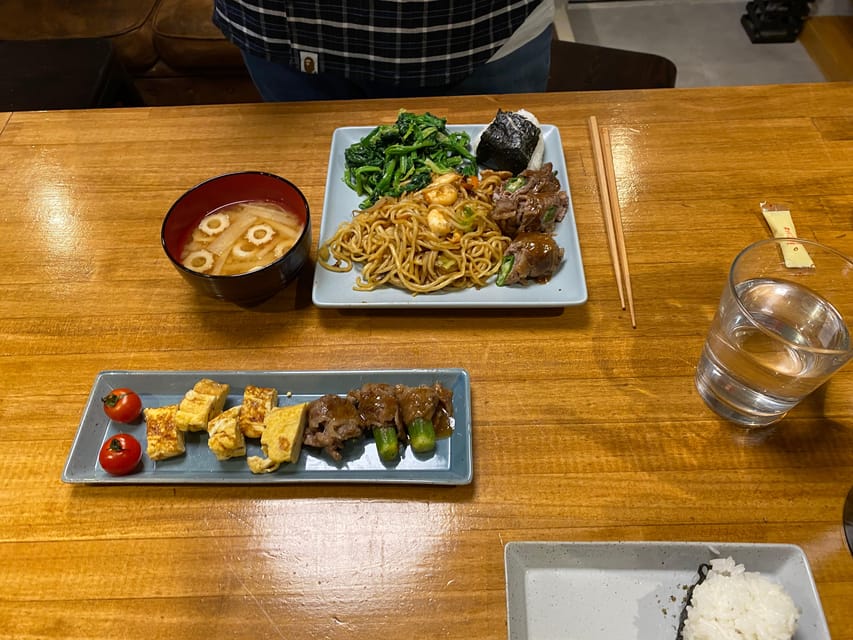
The gozen menu is the most rounded choice. It includes a meat plate, a fish plate, a side dish, miso soup, and an onigiri rice ball.
Instead of focusing on one famous street-food item, this menu shows how a Japanese home meal can include several modest dishes with different textures and flavors. It is a useful introduction to meal balance and presentation.
Pick this menu if you want the closest match to a complete family-style Japanese meal. It can also be adapted in some cases. One instructor changed the meat portion to chicken teriyaki for a participant who requested it.
There is also a custom option. You can send a menu request and discuss the possibilities with the instructor. Do this before the class rather than assuming every request can be handled on arrival.
Why the instructors make such a difference
The class uses several instructors, including Kana, Kayo, Lulu, Chieko, Miyuki, Mika, Aki, and others. The teaching style may differ slightly from one session to another, but the strongest pattern is friendly, patient instruction in clear English.
Kana has been especially praised for answering questions and making the class feel welcoming. Lulu is known for adapting menus, explaining Japanese culture, helping with plating, and sending recipes afterward. Kayo has explained both the dishes and the techniques in detail, while Miyuki has been appreciated for a warm and humorous approach.
That personal attention matters in a small cooking studio. You can ask why a particular ingredient is used, how to find it at home, or how to change a recipe. Several classes have also included photos taken during the session, which is a thoughtful extra if you want a record beyond the meal itself.
The class is not only for confident cooks. Families with children from about seven to twelve have taken part successfully, and teenagers have enjoyed the practical work. If you already cook Japanese food, you can still learn from watching an experienced cook handle the ingredients and explain the small details that recipes often skip.
Food allergies, vegetarian requests, and menu changes
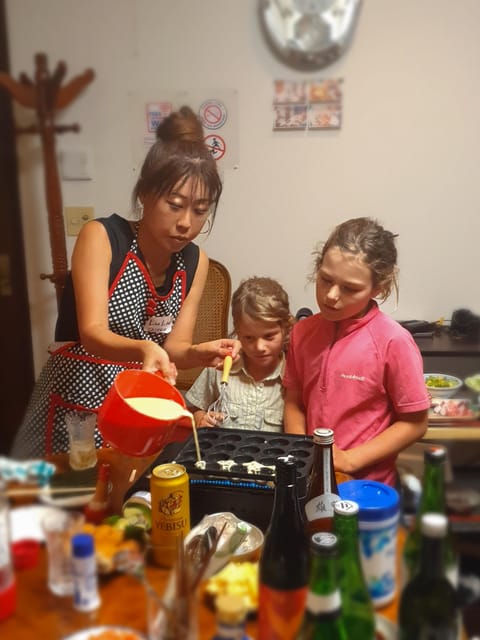
The provider asks you to mention allergies in advance. This is not a minor detail. Japanese cooking often uses fish stock, soy products, seafood, wheat, and other ingredients that may not be obvious from a dish name.
Vegetarian and vegan arrangements are possible to discuss, and several sessions have accommodated vegetarian participants. Still, you should contact the provider before booking or immediately afterward with a complete list of restrictions. Do not wait until you are standing in the kitchen.
Menu flexibility depends partly on the group. If you or your party are the only participants that day, you can generally select from the available menus. If another group joins, you may not be able to choose freely. The safest approach is to state your first and second choices early, along with any ingredients you cannot eat.
Getting to the studio near Shinjuku
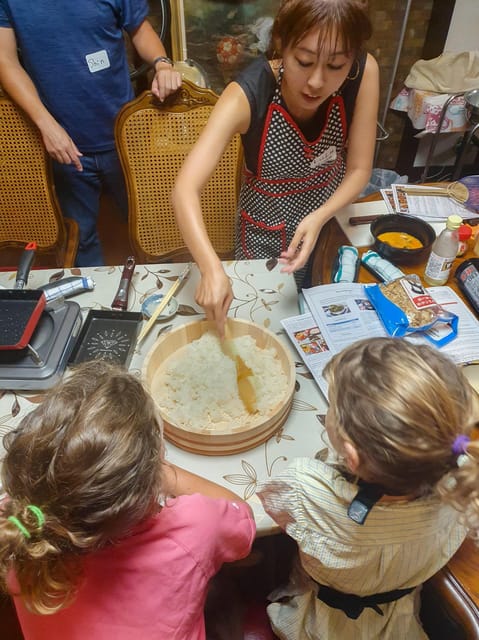
The kitchen is in or around Shinjuku, one of Tokyo’s most useful bases for sightseeing. The central setting makes this class easy to combine with a day in the area, but the exact address is not provided until after booking.
Read the arrival instructions carefully. One participant found that the address led to a part of the building without an obvious entrance and had to call the organizer. That group arrived about 15 minutes late. The issue was resolved, but it shows why you should allow extra time and keep the organizer’s message handy.
Private transportation is not included. You make your own way to the studio, and any taxi or train cost is separate from the $88 class price. The provider has handled location changes helpfully in the past, including arranging payment for a taxi to a new studio, but you should still check your messages before leaving.
Is $88 a good value?
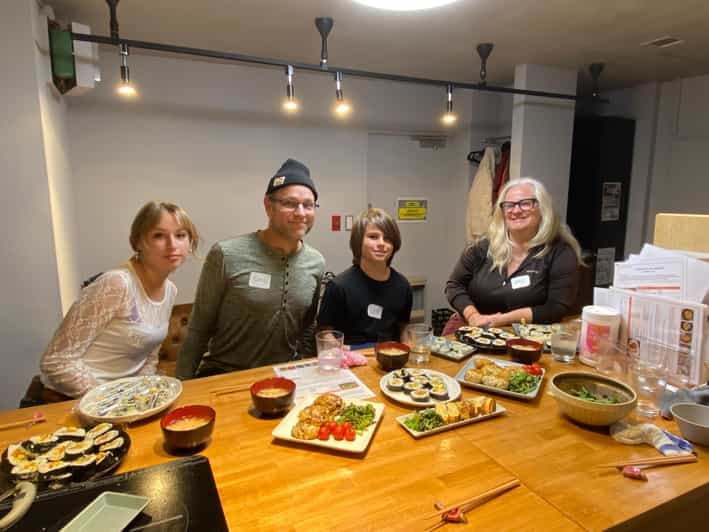
At $88 per person, this is not the cheapest meal in Tokyo. You can eat a filling bowl of noodles or a set meal for much less. The price makes more sense when you treat the class as both a meal and a lesson.
The fee includes the ingredients, cooking tools, drinking water, and all taxes and fees. You also get two and a half hours with an English-speaking instructor and several prepared dishes to eat. Recipes may be provided afterward, and some instructors share photos or restaurant suggestions as part of the personal service.
I see good value here if you enjoy cooking, want help with dietary planning, or hope to recreate Japanese food at home. The value is weaker if you mainly want a quick meal or a formal professional-chef demonstration. You are paying for time, guidance, and conversation, not just the food on the table.
The generous portions also matter. You prepare enough dishes for a full meal, rather than tasting one small item and leaving hungry. For families, the cost buys a shared activity that gives children a role in the trip.
Who should book this class
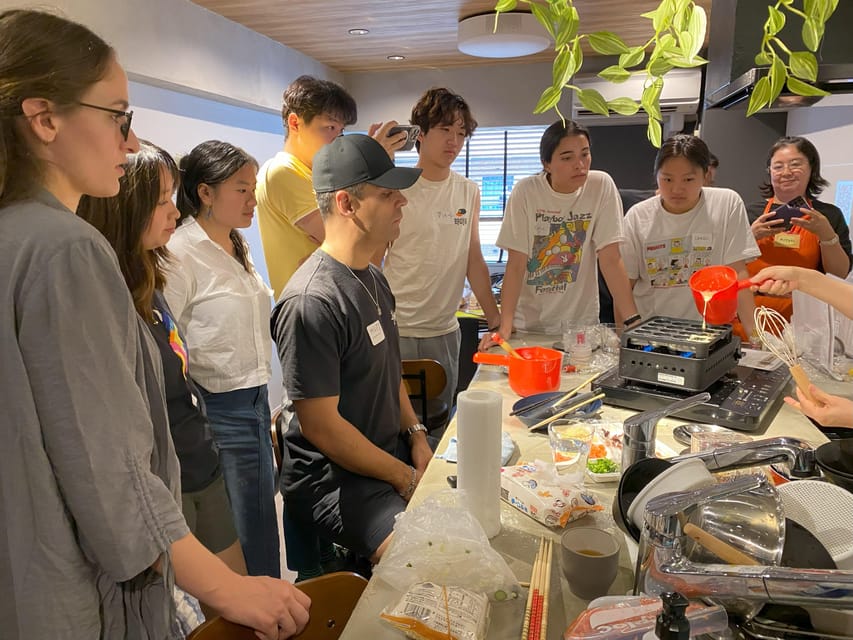
I would recommend it to first-time visitors who want a break from restaurants and a clearer understanding of everyday Japanese food. It suits couples, families, small groups, and solo participants who enjoy meeting others while working on a practical task.
It is especially useful for:
- Families with children who need an activity beyond temples and shopping
- Home cooks who want recipes they can repeat outside Japan
- People curious about ingredients, sauces, and Japanese meal structure
- Visitors with vegetarian needs or allergies who want to discuss food in advance
- Anyone staying near Shinjuku and looking for a central indoor activity
You should think twice if you dislike group cooking, cannot stand watching demonstrations, or need a fully fixed menu with no chance of changes. The exact menu arrangement depends on the day’s group, and the format is friendly and informal rather than a rigorous culinary-school course.
Booking and cancellation details
The class lasts 150 minutes and is taught in English. You can reserve now and pay later, which helps if your Tokyo schedule is still changing. Cancellation is free up to 24 hours before the start time for a full refund.
After booking, wait for the provider’s message with the exact kitchen address. Send allergy information and dietary requests at the same time. If you want a particular menu, ask for it clearly and confirm that it is available for your date.
Should you book the Shinjuku Japanese cooking class?
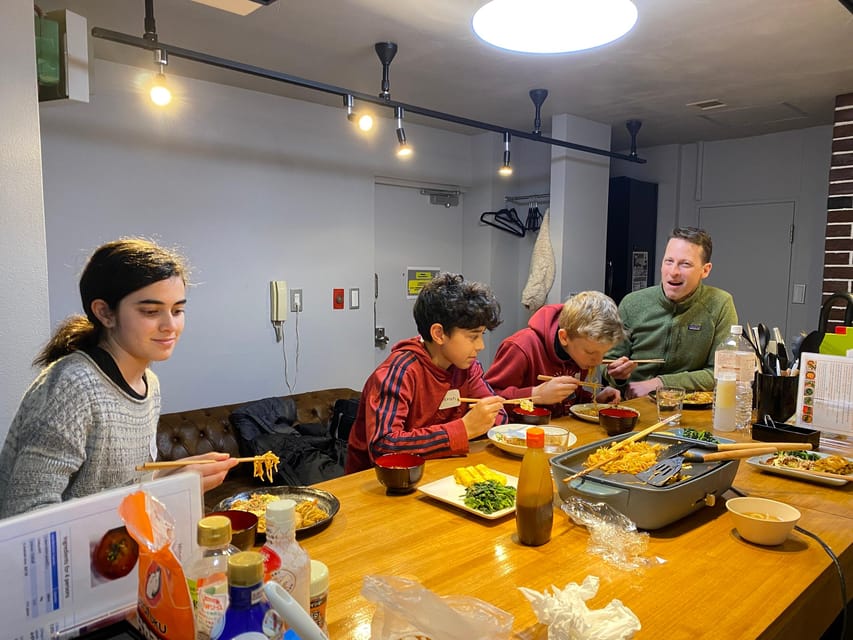
Book it if you want to make a complete Japanese meal, ask questions in English, and leave with recipes you can use at home. The strongest parts are the friendly instruction, the generous meal, and the choice between casual foods such as takoyaki and a more balanced gozen set.
I would choose Menu B for the most playful cooking session, Menu C for sushi fans, Menu A for families who like grill cooking, and Menu D for a broad introduction to Japanese home meals. Allow extra time to find the studio, confirm your dietary needs early, and remember that menu choice can depend on the other participants.
At $88, this is best booked as a food lesson and cultural activity, not simply as lunch. For the right kind of cook, it offers a useful souvenir: the ability to make part of your Tokyo trip again in your own kitchen.
FAQ
Where does the cooking class take place?
The class takes place at a kitchen studio in or around Shinjuku, Tokyo. The exact address is sent after booking, so check the provider’s message carefully before traveling to the meeting point.
How long does the experience last?
The class lasts 150 minutes, or about two and a half hours, including cooking and eating the meal you prepare.
Which menus can I choose from?
The main choices are okonomiyaki and yakisoba, gyoza and takoyaki, rolled sushi with teriyaki, and a traditional gozen set. You can also request another menu and discuss it with the provider.
Is the class taught in English?
Yes. The listed instructor language is English, and the class includes explanations of Japanese ingredients, cooking methods, and dishes.
Can the class accommodate allergies or vegetarian diets?
Dietary needs, including vegetarian and vegan preferences, can be discussed. Tell the provider about allergies and restrictions in advance so the menu can be reviewed before the class.
What does the $88 price include?
The price includes ingredients, cooking tools, drinking water, and all fees and taxes. Private transportation is not included.
Fresh off the menu around Tokyo
- Shinjuku: Golden Gai Food Tour★ 4.6 · 77 reviews
- Shibuya Tokyo: Sushi Making Class (Vegan/Vegetarian/Halal)★ 4.7 · 29 reviews
- Shinjuku: Food Tour – 15 Dishes at 4 local eateries★ 4.8 · 246 reviews
- Shibuya: Ramen Dojo Tokyo | Make All 3 (Tonkotsu/Shoyu/Miso)★ 4.8 · 207 reviews
- Tokyo: Secret Food Walking Tour★ 4.7 · 38 reviews
- Ramen Making from Scratch +Akihabara Tour –Cooking Class★ 5.0 · 25 reviews
- Exclusive Tokyo Ramen Kitchen Experience★ 4.7 · 34 reviews
- Eat/Drink like a LOCAL-Taverns & Ramen★ 4.9 · 23 reviews
Tokyo Food Tours, compared.
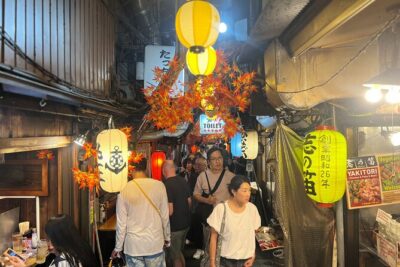
Tokyo: Shinjuku Food Tour (13 Dishes at 4 Local Eateries)
Read our review →
Sushi Making Tokyo Roll and Authentic Japanese Sushi Class
Read our review →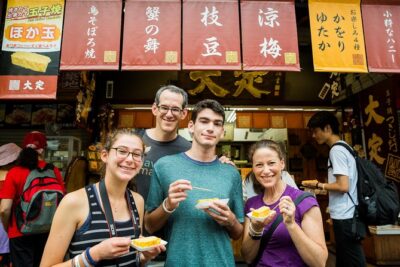
Tokyo Tsukiji Fish Market Food and Culture Walking Tour
Read our review →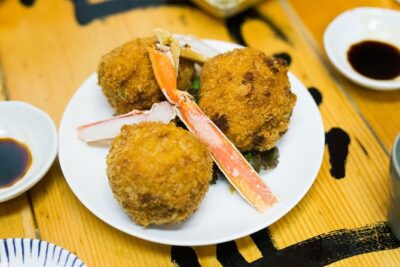
Best of Shinjuku: Izakaya Food Tour (4 Stops, 14+ Tastings)
Read our review →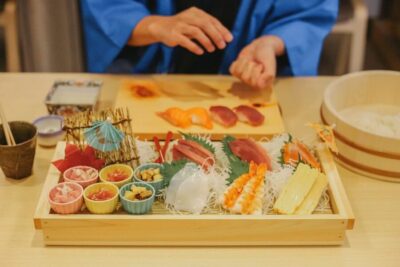
Tokyo: Sushi Making Class in a Happi Coat near a Famous Spot
Read our review →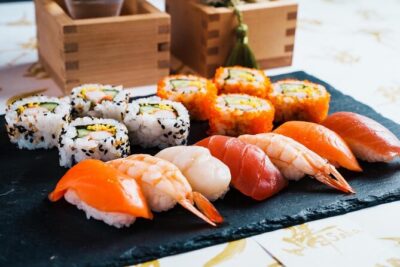
Sushi Making Tokyo! Popular Maki Sushi & Japanese Sushi(+Recipe!)
Read our review →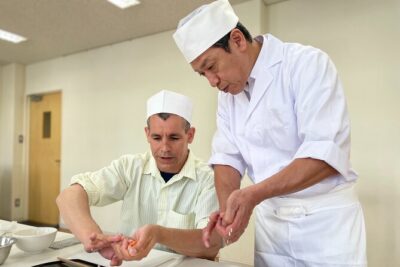
Tokyo Sushi Making Class in Tsukiji with Professional Chef
Read our review →
Tokyo Night Foodie Tour in Shinjuku – Seasonal Sushi, Wagyu Beef
Read our review →Browse the lists this tour appears in