
Review · KYOTO
Kyoto: Sake Brewery and Tasting Tour in Fushimi
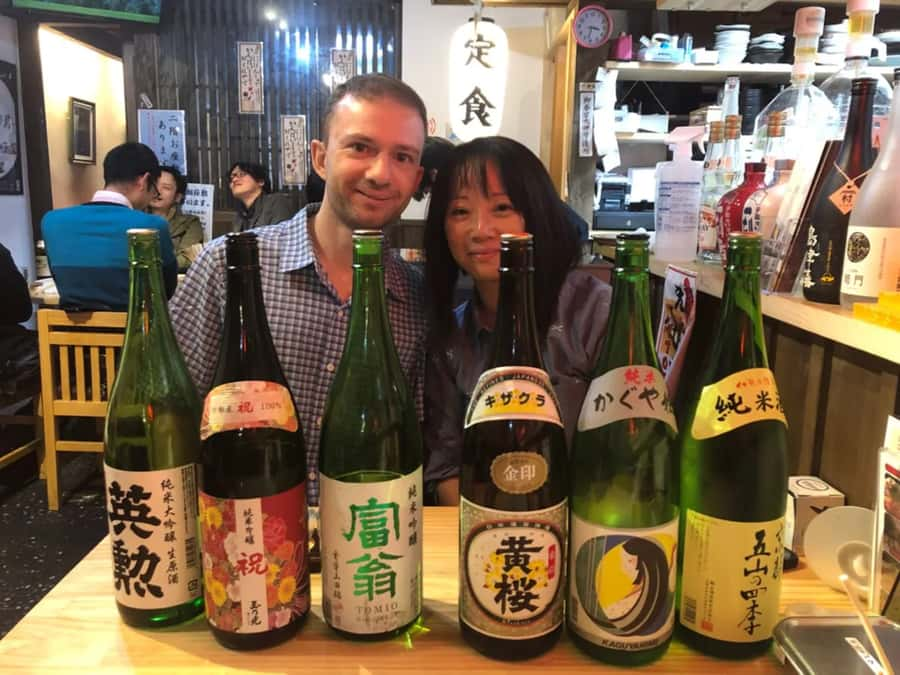
Fushimi is where Kyoto’s sake story comes alive, and this tour ends with a serious tasting: 18 Kyoto-made sakes in a small group of no more than nine people. You begin at Chushojima Station, walk past canals, breweries, shops, and historic sights, then finish at a sake bar where you can compare styles side by side.
I like the mix of tasting and place. The Gekkeikan Okura Sake Museum explains the brewing process, while the walk shows why Fushimi became a major sake district. I also like the guides’ warm, flexible approach. Guides such as Matt, Kumi, Rika, Yuki, and Shinya have been praised for answering questions about sake, Japanese culture, and Kyoto. The main drawback is simple: 18 samples can feel like a lot, and summer walks in full sun can be hot.
Key points to know before you book
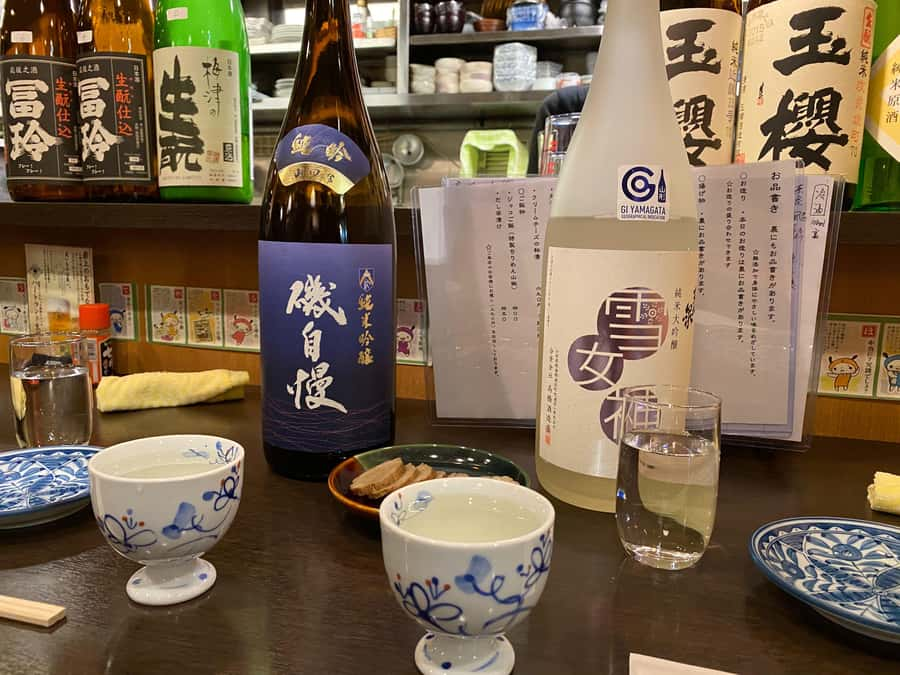
- Taste 18 local sakes: The final tasting gives you a broad look at Kyoto sake, from styles you may prefer chilled to bottles with fuller flavors.
- See Fushimi beyond central Kyoto: Canals, the Fushimi Jukkokubune boats, liquor shops, and old streets give the district a slower, more local feel.
- Visit the Gekkeikan Okura Sake Museum: Expect brewing tools, displays, and an explanation of how water, rice, and fermentation shape sake.
- Small English-speaking group: The group is limited to nine people, which makes questions easier and keeps the walk personal.
- Plan for walking and weather: Some stops are not suitable for wheelchairs or strollers, and hot summer days require water, a hat, and sensible shoes.
- Best for adults interested in drink and culture: People under 20 cannot taste sake, and children under 15 are not suitable for this experience.
Why Fushimi is one of Kyoto’s best sake districts
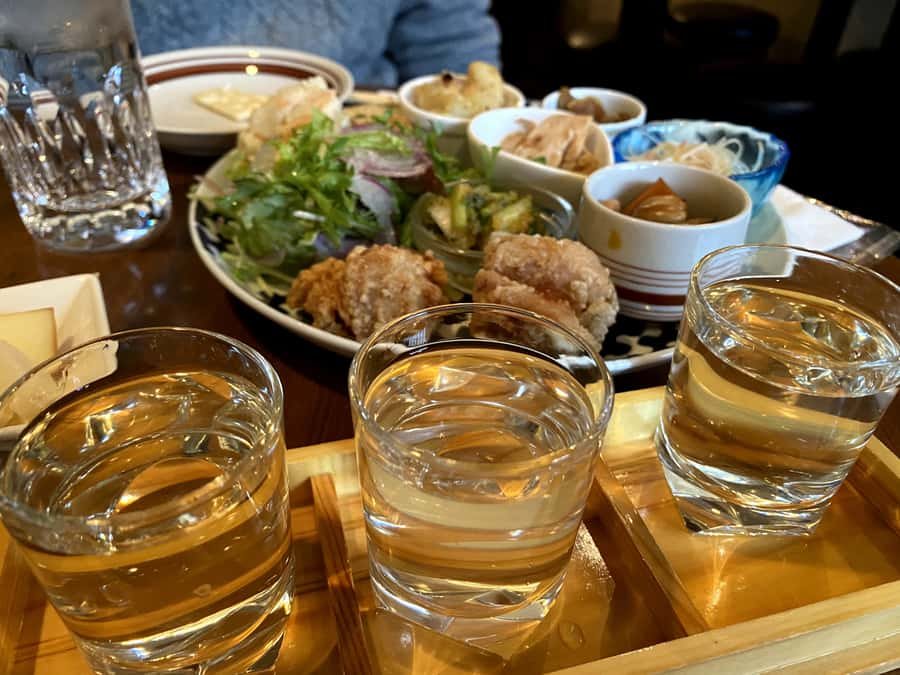
Fushimi lies in southern Kyoto, away from the city’s busiest sightseeing streets. Its sake trade grew around good underground water, an essential ingredient in brewing. The district has long been one of Japan’s major sake-making centers, along with Nada near Kobe and Saijo in Hiroshima.
That water is not just a decorative talking point. Sake contains few ingredients, so water quality, rice, yeast, brewing skill, and temperature all affect the result. Your guide explains this as you walk, giving the later tasting a useful sense of place.
The area is pleasant for walking. The streets around the breweries are low-key, and canals add a calm riverside touch. Fushimi Jukkokubune, the first short stop, refers to the traditional boats once used to move goods along the local waterways. You only spend about five minutes there, but it helps you see Fushimi as a working trade district rather than just a collection of tasting rooms.
More sake and food pairings around Kyoto:
- Kyoto Night Foodie Tour in Gion (9+ dishes + 6 Sake tastings)
★ 5.0 · 1,762 reviews - Kyoto: Foodie Night Tour in Gion with 9 dishes + 6 Sake
★ 4.4 · 26 reviews - Kobe: Guided Sake Breweries Tour with Tastings
★ 5.0 · 55 reviews
Starting at Chushojima Station
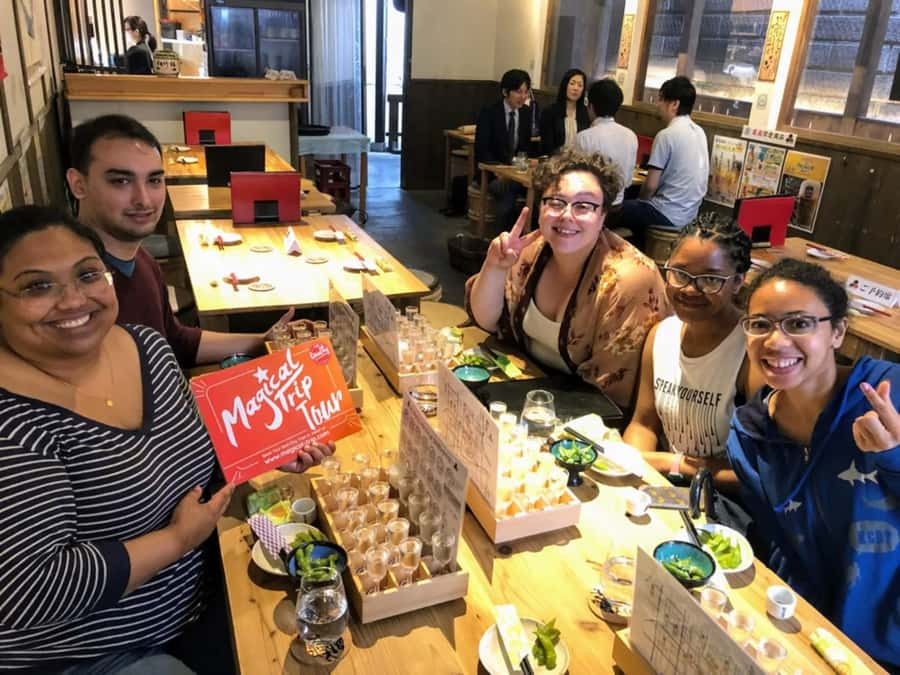
The meeting point is the north gate of Chushojima Station. Look for the guide holding a MagicalTrip board. This is an important detail because the tour starts on time, and you cannot join later or receive a refund if you miss the group.
Chushojima is a practical starting point for the route. From here, you head into the brewery district on foot rather than spending the tour moving between distant sights by vehicle. Wear comfortable shoes, and arrive early enough to find the correct station exit without rushing.
The walk is part of the experience, not just transport between stops. Your guide points out local details, explains the role of sake in the area, and can answer broader questions about Japan. Several guides, including Fuji, Mary, Nami, Nobu, and Marie, have been praised for making the conversation lively and personal. The exact guide depends on the date, but the format gives you plenty of time to ask questions.
Inside the Gekkeikan Okura Sake Museum
The Gekkeikan Okura Sake Museum is the tour’s main educational stop. It occupies a renovated brewery and takes about an hour, giving you time to look at brewing equipment and learn how sake was traditionally made.
You can expect displays connected to rice preparation, fermentation, storage, and the tools used by brewers. The museum also explains the long connection between Fushimi and sake. This makes the stop worthwhile even if you already enjoy Japanese alcohol, since you get a clearer idea of what happens before the drink reaches your glass.
The museum may feel more formal than the tasting at the end. One person found this portion a little dry compared with the rest of the afternoon. That is a fair warning. If you prefer active demonstrations to museum displays, you may find the hour slower. Still, the information gives you a better framework for tasting. Instead of simply deciding that one sake is sweet or dry, you begin to understand how brewing choices influence aroma, body, and finish.
The guide helps keep this section from becoming a silent museum visit. Ask about rice polishing, water, brewing stages, or the differences between sake styles. The guides have been especially well regarded for explaining the process in clear language rather than assuming you already know the terminology.
Riverside Fushimi, cafés, and the Kappa connection
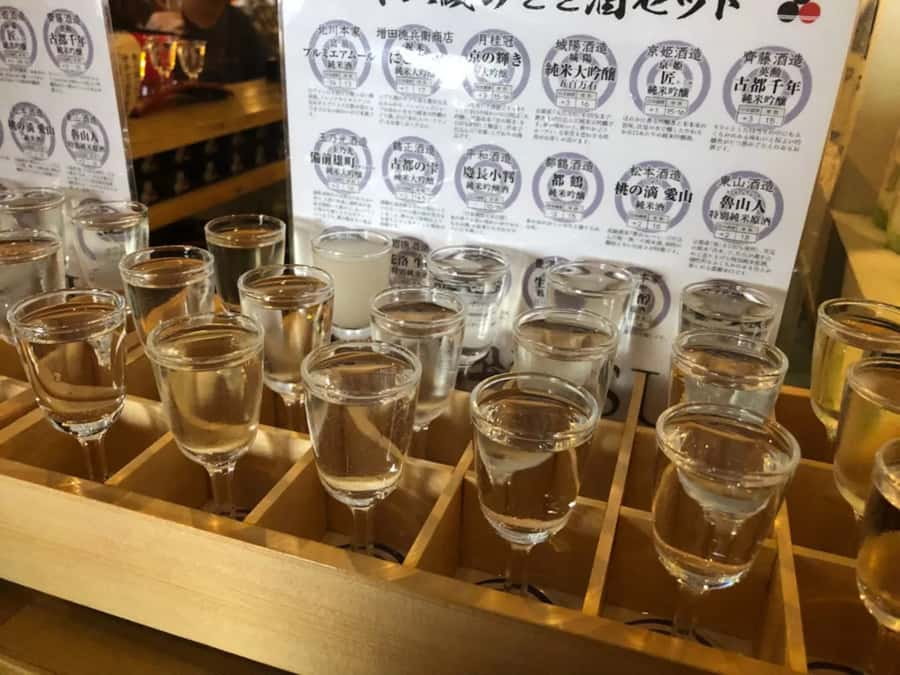
After the museum, the route continues through the surrounding district. At Fushimi Yume Hyakushu Cafe, you spend about 10 minutes. The stop is brief, but it adds another look at how Fushimi presents its sake culture through cafés, shops, and local products.
Next comes Kizakura Kappa Country, where you spend about 20 minutes. The kappa is a mythical Japanese creature linked to water, and its presence fits Fushimi’s sake and canal setting. This stop adds a light, playful note to a tour that otherwise spends much of its time on brewing history and local trade.
You also pass liquor stores and the Teradaya Inn area. Teradaya is associated with the final years of the Edo period, when Japan’s old feudal government was coming to an end. Your guide connects these local sites with the political changes of the era, giving the walk more range than a standard brewery visit.
This is one of the tour’s strongest features. You are not only moving from one tasting counter to another. You are seeing a district shaped by water, transport, commerce, mythology, and the upheaval of late Edo Japan.
More food tours around Kyoto:
- Ramen Cooking Class at Ramen Factory in Kyoto
★ 5.0 · 1,937 reviews - Nishiki Market Brunch Walking Tour (7 Tastings + Brunch)
★ 5.0 · 1,355 reviews - Kyoto Night All-Inclusive Eats and Streets, Gion and Beyond
★ 4.6 · 576 reviews - Kyoto: Ramen Cooking Class at a Ramen Factory with Souvenir
★ 4.9 · 532 reviews
Gokonomiya Shrine and the quieter side of Kyoto
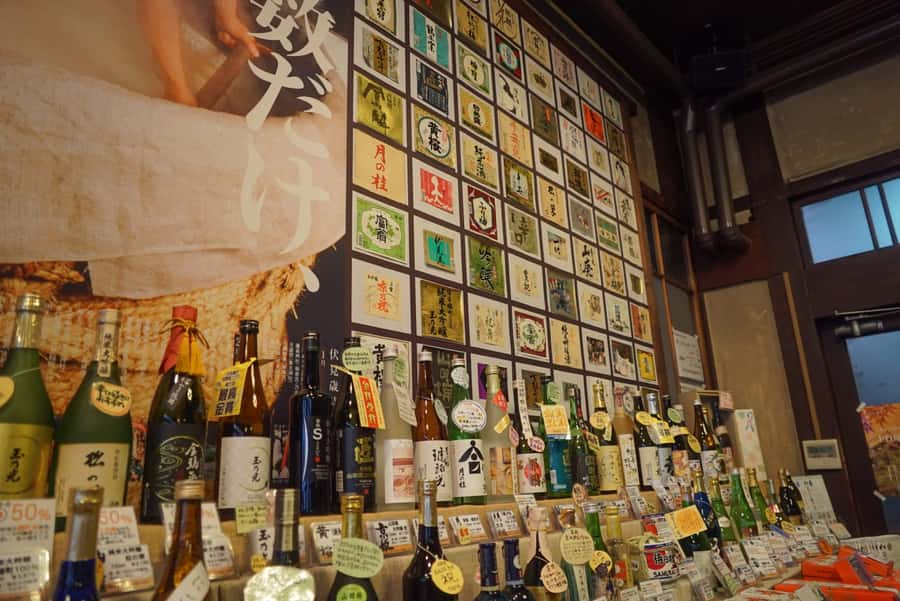
The route includes Gokonomiya Shrine, with about 15 minutes at the main hall. The shrine offers a change of pace after the brewery and museum stops. It also fits the tour’s focus on water, since the shrine is tied to a famous spring and the local importance of good water.
You should not expect a long temple or shrine visit with extended free time. This is a short cultural stop within a three-hour walking route. Your guide provides context, points out the main features, and then keeps the group moving toward the final tasting.
That balance works well for a first visit to Fushimi. You see enough to understand the area without giving up the main purpose of the tour. If your priority is detailed religious architecture, you would want a separate visit to Kyoto’s major shrines. If you want a compact introduction to Fushimi’s character, this stop fits nicely.
The 18-sake tasting at Fushimi Saka Gura Kouji
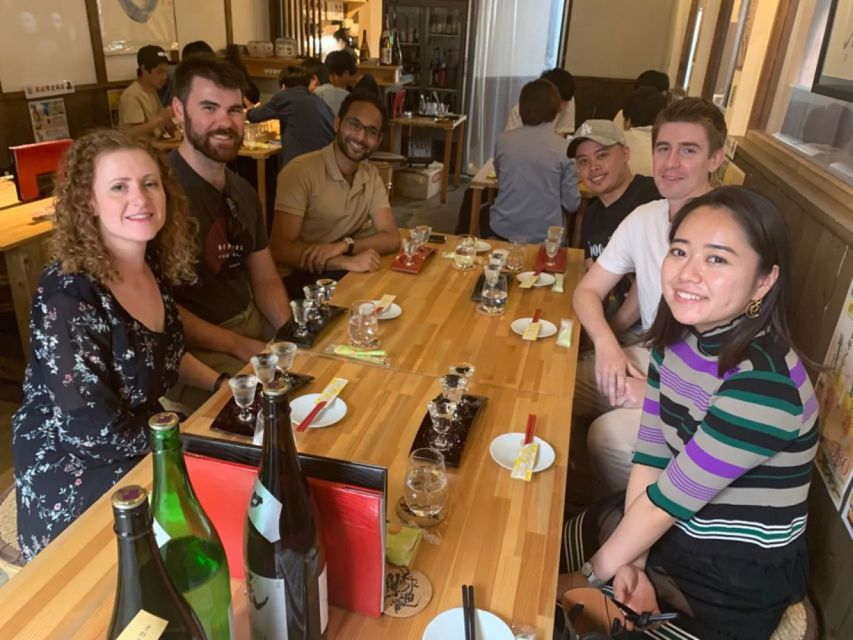
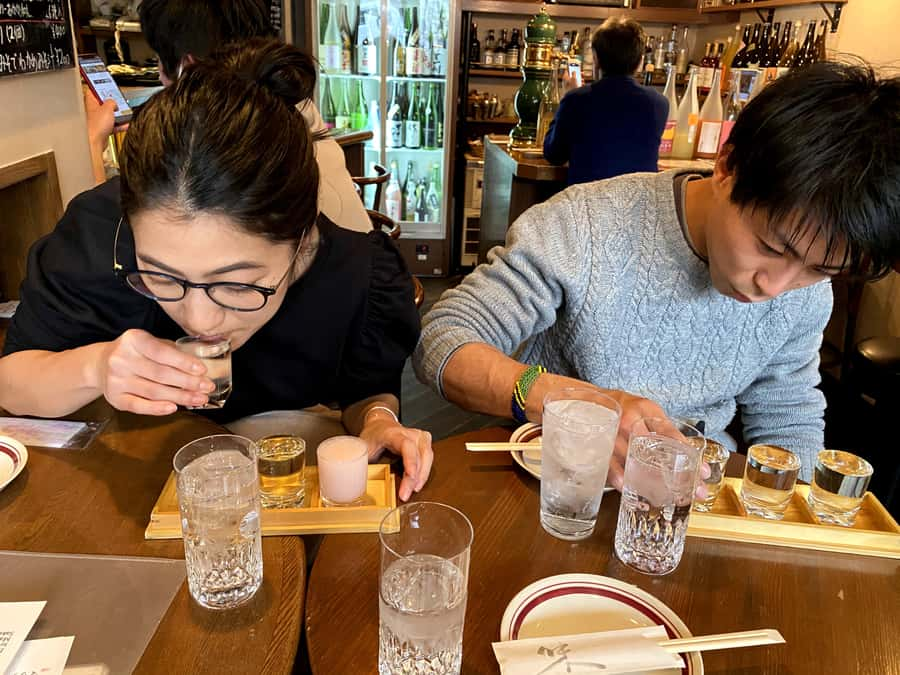
The final tasting is the reason many people book this experience. At Fushimi Saka Gura Kouji, you sample 18 locally made sakes in about an hour. The setting is described as a discreet bar, and the relaxed atmosphere gives you time to talk with the guide and other people in the group.
The number sounds large, and it is. You get a broad comparison rather than one careful tasting of two or three premium bottles. That variety is useful if you are new to sake and want to learn what you like. You may discover that you prefer a fragrant, lighter style, a dry sake, or something with a rounder and fuller taste.
A guide can help you compare the samples instead of treating them as a blur of small pours. Pay attention to aroma first, then sweetness, acidity, texture, and the finish. You can also ask which bottles are easy to find in Japan or which styles pair well with food.
One important point is that not every participant will rate the tasting in the same way. One assessment found the selection too broad and wished for fewer, higher-quality samples. Another found the pours generous, and the experience especially fun. Both views can be true. The tasting favors range and discovery over a carefully staged premium flight.
You should pace yourself. Eighteen samples can add up, even if each pour is modest. Eat beforehand or use any snacks provided, and drink water along the way. The tour is about learning what you enjoy, not proving that you can finish every glass.
How much value do you get for $96?
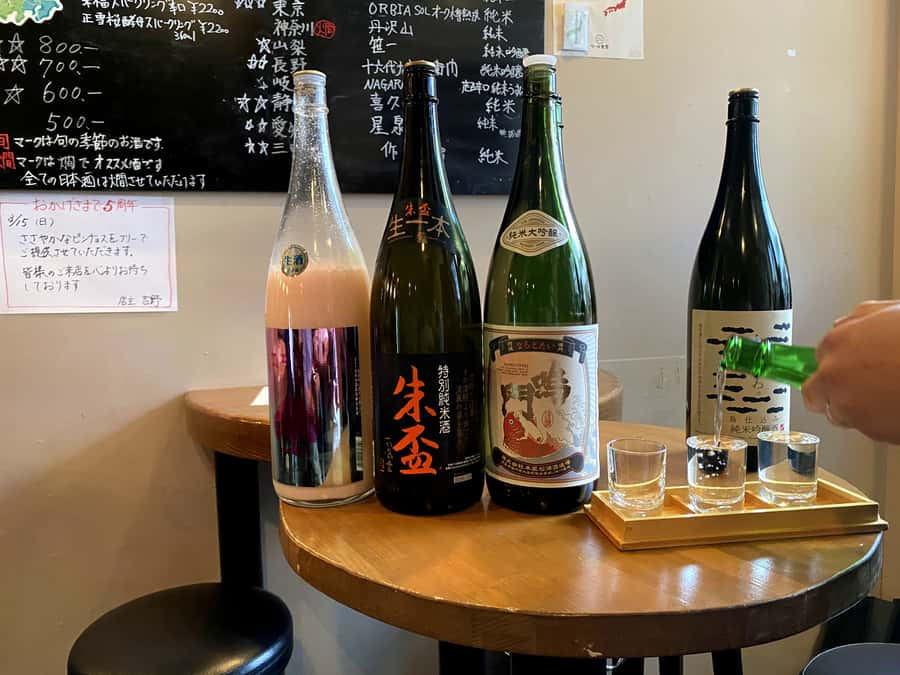
At $96 per person, this is not the cheapest way to drink sake in Kyoto. The price includes the museum and brewery entry, a local English-speaking guide, the 18-sake tasting, and photos taken during the tour. You are also paying for a structured route through Fushimi and for explanations that would be difficult to assemble on your own in three hours.
The value is strongest if you are new to sake or want help understanding what you are tasting. Buying individual samples without guidance might cost less, but you would miss the connection between the district, its water, its brewing traditions, and its late Edo history.
The price is less compelling if you only want to drink. Fushimi has other places where you can buy sake, and an independent visitor could walk through the area without joining a tour. You are paying for convenience, interpretation, and access to a large guided tasting in a small group.
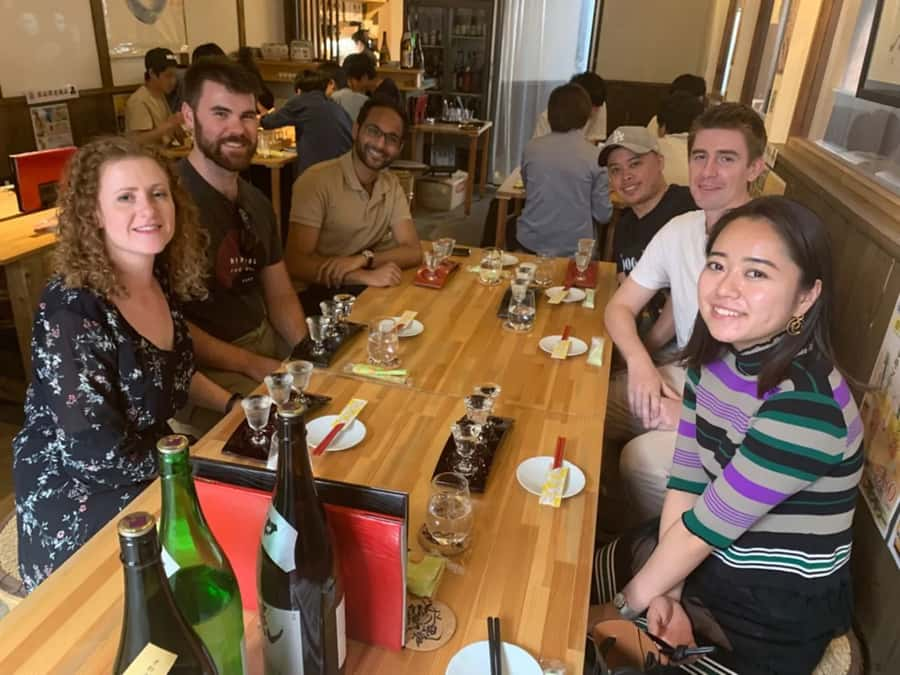
The group limit of nine matters here. A large group would make it harder to hear explanations and ask questions at the bar. With fewer people, the guide can usually respond to individual interests, whether you want to discuss brewing or ask for broader Japan tips.
Who will get the most from this tour?
I would choose this tour if you want an introduction to sake but do not know where to begin. The museum gives you the basic process, the walk gives you local context, and the tasting lets you test the theory in your glass.
It also works well for people who already drink sake. The guide can help you sort through unfamiliar labels and styles, while the Fushimi walk adds a sense of place that a bottle shop cannot provide.
This is a good option for couples, friends, and solo adults who enjoy conversation. Guides have been praised for being warm, patient, and willing to answer questions well beyond sake. That matters if you want to combine a food-and-drink activity with a broader cultural introduction.
It is not suitable for children under 15, and people under 20 cannot taste sake. Minors may receive food or snacks instead, but the experience is fundamentally built around alcohol, so families should choose another Kyoto activity.
You should also think about mobility. Parts of the route are not accessible for wheelchairs or strollers. The walk takes place outdoors, and summer in Japan can be hot and humid. Bring water, wear a hat, and avoid arriving already overheated.
Food allergies require caution. The food comes from kitchens outside the tour operator’s control, so allergy-free meals and substitutions cannot be guaranteed. Tell the guide about your needs, but do not book this as a food tour if strict dietary control is essential.
Weather, timing, and practical planning
The tour lasts three hours, which is long enough to cover the district without taking up your entire day. The route returns to Chushojima Station, so you can continue elsewhere in Kyoto afterward.
Weather can shape your enjoyment. On a rainy day, much of the time inside the museum and tasting venue still works well, but you will need suitable rain protection for the walking portions. On a hot day, the outdoor stretches can be tiring. One participant found a full-sun walk in 36-degree heat uncomfortable, so treat the summer warning seriously.
Book a starting time that fits your wider Kyoto plans, but leave a little breathing room before and after. The tour cannot wait for late arrivals, and the tasting is better when you are not watching the clock.
Cancellation is free up to 24 hours before the start, and you can reserve now and pay later. Those terms help if your Kyoto schedule is still changing, but they do not soften the need to reach Chushojima Station on time.
Should you book the Fushimi sake tour?
Book it if you want a guided introduction to Fushimi and sake in one compact afternoon. The combination of museum displays, riverside streets, shrine history, and 18 tastings gives you more than a simple bar visit. The guides are the strongest part of the format, especially if you like asking questions and learning through conversation.
Skip it if you dislike alcohol tastings, struggle with long outdoor walks, or want only high-end sake rather than a broad sample of styles. Eighteen pours can feel excessive, and the museum section may seem quiet compared with the lively finish.
For most adults interested in Kyoto’s food culture, the $96 cost is reasonable when you value the guide, small group, museum entry, and wide tasting selection. Arrive early, wear comfortable shoes, carry water, and treat the tasting as a lesson in comparison rather than a race through 18 glasses.
FAQ
Where does the tour begin?
The tour begins at the north gate of Chushojima Station. Your guide will be holding a MagicalTrip board.
How long does the tour last?
The tour lasts three hours and returns to Chushojima Station.
How many people are in the group?
The group is limited to nine participants.
How many kinds of sake are included?
You taste 18 kinds of Kyoto-made sake during the final tasting at Fushimi Saka Gura Kouji.
Is the tour available in English?
Yes. The tour has a live English-speaking guide.
Can people under 20 taste sake?
No. Sake tasting is not allowed for anyone under 20. Some food or snacks may be provided instead.
Is the tour suitable for wheelchairs or strollers?
Not entirely. Some locations on the route are not accessible by wheelchair or stroller.
Fresh off the menu around Kyoto
- Kyoto: Sushi Making Class with Sushi Chef★ 4.8 · 64 reviews
- Nishiki Market Food Tour with Cooking Class★ 4.9 · 42 reviews
- Kyoto: Small-Group Authentic Sushi Making Workshop★ 5.0 · 137 reviews
- Kyoto: Ramen, Gyoza, and Onigiri Cooking Class★ 5.0 · 445 reviews
- Kyoto: Nishiki Market Tour with a Local Foodie & Tastings★ 4.5 · 67 reviews
- Kyoto: Ramen Cooking Class at a Ramen Factory with Souvenir★ 4.9 · 532 reviews
- Kyoto: Foodie Night Tour in Gion with 9 dishes + 6 Sake★ 4.4 · 26 reviews
- Kyoto Michelin Ramen Workshop or Painting Ramen Essentials★ 4.9 · 100 reviews
Kyoto Food Tours, compared.
Ramen Cooking Class at Ramen Factory in Kyoto
Read our review →
Kyoto Night Foodie Tour in Gion (9+ dishes + 6 Sake tastings)
Read our review →
Nishiki Market Brunch Walking Tour (7 Tastings + Brunch)
Read our review →
Kyoto Night All-Inclusive Eats and Streets, Gion and Beyond
Read our review →
Kyoto: Gion & Pontocho Food Tour with 13 Dishes
Read our review →
Gyoza Cooking Class in Kyoto: Traditional Japanese Dumplings
Read our review →
Kyoto: Small-Group Authentic Sushi Making Workshop
Read our review →Browse the lists this tour appears in