
Review · TOKYO
Shinjuku: Food Tour – 15 Dishes at 4 local eateries
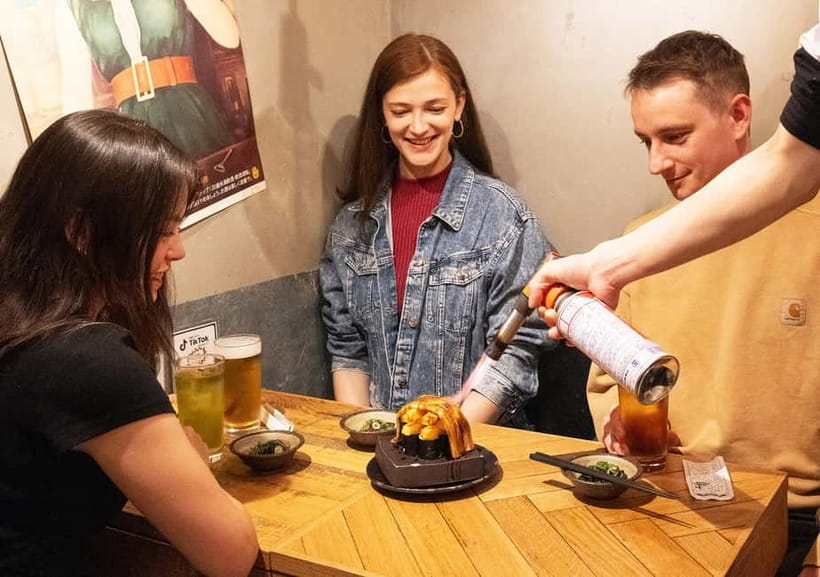
Shinjuku is easiest to understand with a plate in front of you and a local guide beside you. This three-hour evening tour moves through four small eateries, serving up to 15 Japanese dishes and three drinks while you walk through Omoide Yokocho, Kabukicho, and Golden Gai.
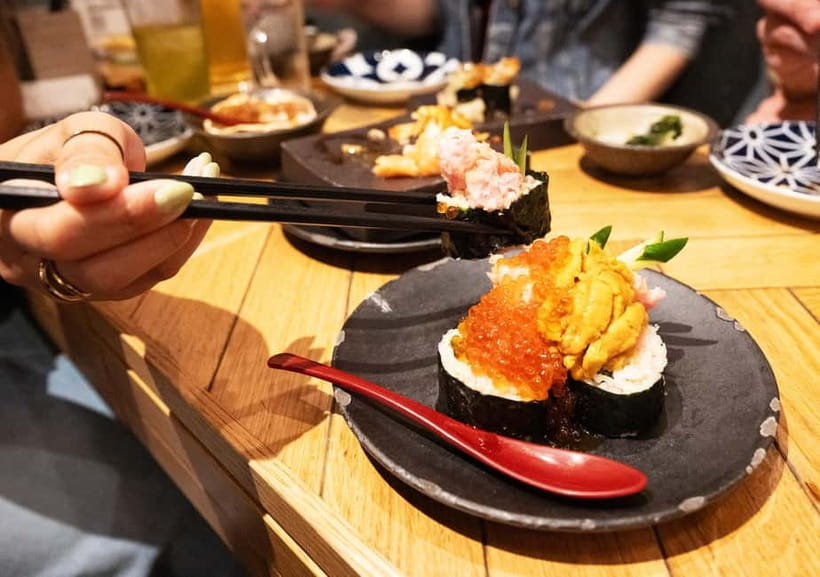
I like the generous range of food, from sushi and gyoza to tonkatsu, takoyaki, kushikatsu, sake, and matcha ice cream. I also like the practical help with Japanese menus and dining customs. The main consideration is pace: three hours, four stops, and a full meal can feel like a lot if you eat slowly or have a long list of dietary restrictions.
Key points to know before booking
- Four local eateries: You visit different kinds of Japanese dining spots rather than spending the evening in one restaurant.
- Up to 15 dishes: Portions are intended to make a full meal, with plenty of variety rather than one large entrée.
- Three drinks included: Expect a mix of alcoholic and non-alcoholic choices, with sake, lemon sours, highballs, or plum wine possible.
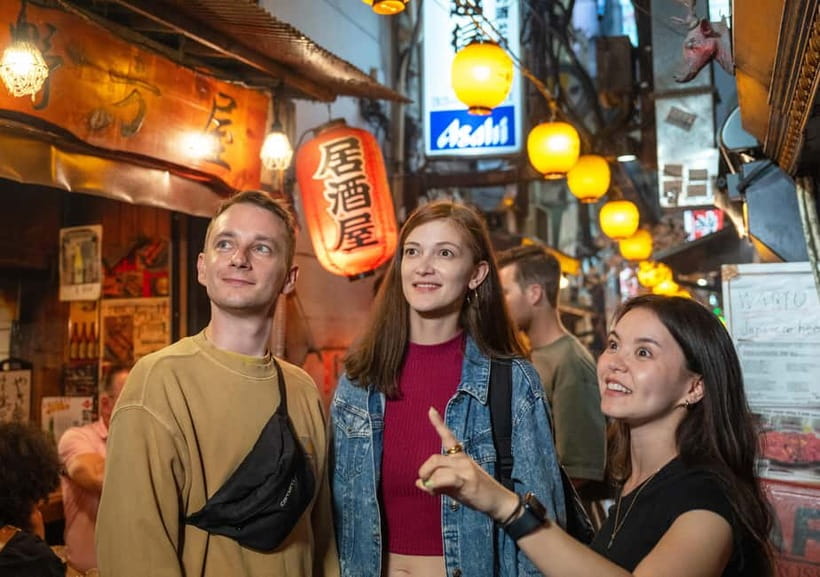
- Three famous Shinjuku areas: Omoide Yokocho, Kabukicho, and Golden Gai give the walk a strong sense of place.
- Guide-led ordering: Guides such as Ayaka, Shun, Sota, Sakura, and Yuto help explain food, etiquette, menus, and drink choices.
- Small-group feel can vary: Some departures form a compact group, while others may feel more social and busy.
Why this Shinjuku food walk works
At $72 per person, this is not simply a restaurant meal. You are paying for a full evening of tasting, navigation, neighborhood commentary, and the chance to enter places you might pass without noticing.
That matters in Shinjuku. The district has enormous stations, crowded streets, narrow alleys, tiny counters, and menus that may not offer much English. A local guide removes much of the guesswork. You can ask what a dish is, how to eat it, what drink pairs with it, and which customs matter at the table.
I especially like the mix of food and walking. The gaps between stops give you time to digest, look around, and hear about the district instead of sitting for three straight hours. One guide, Sota, was praised for keeping a comfortable pace, and that is useful here. Shinjuku can be tiring when you are trying to follow directions, read signs, and decide where to eat at the same time.
The food is intentionally casual. This is not a fine-dining tasting menu with formal service. It is a chance to sample everyday Japanese favorites in places selected for atmosphere and local appeal. That makes the tour a good first introduction to izakaya-style eating, especially if you are unsure how to order several small dishes.
More food tours around Tokyo:
- Tokyo: Shinjuku Food Tour (13 Dishes at 4 Local Eateries)
★ 5.0 · 6,603 reviews - Sushi Making Tokyo Roll and Authentic Japanese Sushi Class
★ 5.0 · 3,971 reviews - Tokyo Tsukiji Fish Market Food and Culture Walking Tour
★ 5.0 · 3,184 reviews
Meeting at Shinjuku Station East Exit
The tour begins at the Shinjuku Station East Exit Police Box, at 3-38-1 Shinjuku, Shinjuku-ku, Tokyo. Look for the guide holding a sign marked Local Guide Stars.
Give yourself extra time to reach the meeting point. Shinjuku Station is huge, and the East Exit area can be confusing even when you know you are in the right district. One useful suggestion from the tour feedback is simple: do not leave this until the last minute. Once you reach the police box, the sign should make the guide easier to spot.
The guide may contact you through WhatsApp, so download the app before the tour. This is a small but important detail, especially if you are relying on tour messages while moving through Tokyo.
English and Japanese tours are available. The guides named in the feedback include Sota, Akira, Naoto, Sakura, Ayaka, Shun, Yuto, Rinna, Noa, and others. The strongest pattern is their role as hosts, not just walking leaders. They help with ordering, explain customs, answer questions, and often suggest places to eat or visit later in your trip.
Omoide Yokocho and the first taste of Shinjuku
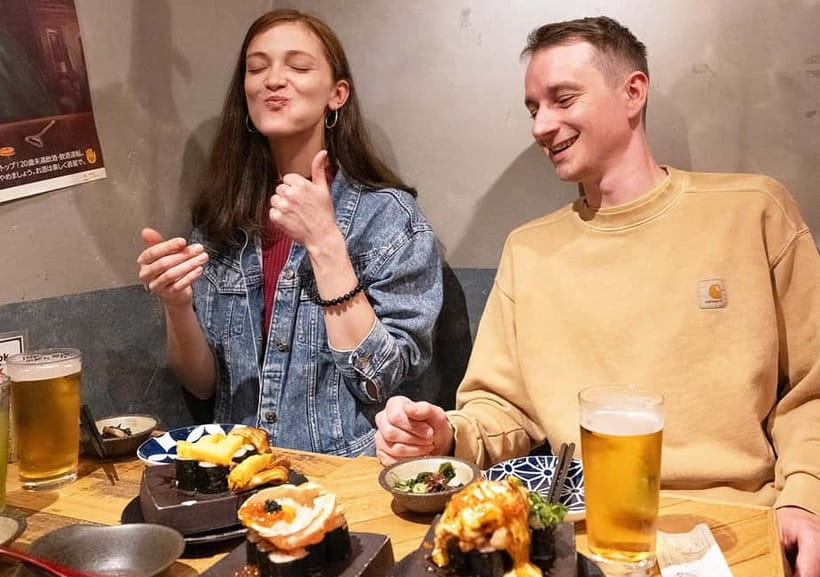
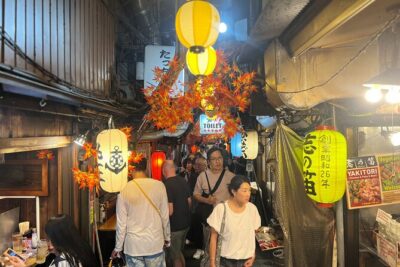
The first major area is Omoide Yokocho, where the tour spends about an hour. This narrow dining quarter is a fitting place to begin because it presents the compact, informal side of Shinjuku.
Expect close tables, small eateries, and food served in a casual setting. The precise restaurant and menu can change with season and availability, so you should not book this expecting a fixed list of 15 named dishes. The food may include sushi, dumplings, fried dishes, grilled items, or other Japanese specialties selected for that evening.
This first stop helps set the rhythm. You eat, listen, and get used to the group before moving on. Your guide can explain how to share dishes, how drinks are ordered, and which sauces or condiments belong with different foods.
Omoide Yokocho is also a place where a guide adds real value. Tiny food lanes can feel intimidating when you do not read Japanese or know whether a restaurant has room for a group. You get to focus on the meal and the setting instead of trying to work out the system from scratch.
The possible downside is that compact eateries are not designed for personal space. If you want a quiet, spacious dinner, this is the wrong format. If you like a close-up look at everyday dining, the narrow setting is part of the appeal.
Kabukicho, food, and the changing face of nightlife
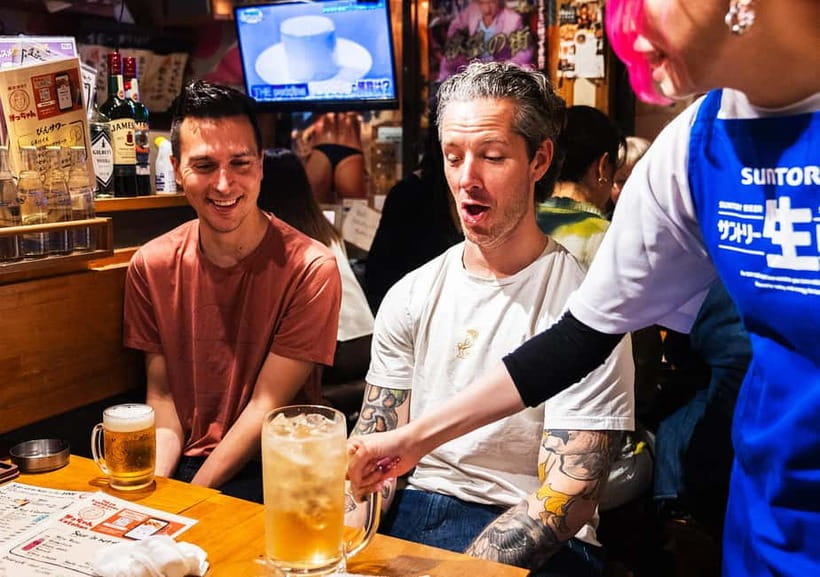
The next section takes you through Kabukicho, with another hour of food and walking. This is one of Tokyo’s best-known nightlife areas, and the tour uses the streets as more than a route between restaurants.
Your guide may point out details about the area, its entertainment culture, and the way the neighborhood changes from one street to the next. The food stops give you a reason to explore at a slower pace. Instead of seeing Kabukicho only as a wall of signs and crowds, you get context while stopping for Japanese dishes.
This is also where the variety of the meal becomes important. The food may include crispy kushikatsu, juicy gyoza, tonkatsu, takoyaki, sushi, and other small plates. You are not ordering a single safe dish. The guide can encourage you to try something unfamiliar and explain what you are eating before it arrives.
Several guides were praised for helping people try foods they would not have ordered alone. That is one of the best reasons to book a food tour in Japan. You can sample more without committing to a full portion of every dish, and you have someone available to explain texture, flavor, and table manners.
Drinks can also change from stop to stop. Depending on the evening, you might receive Japanese sake, a lemon sour, a highball, plum wine, or a non-alcoholic drink. The included amount is listed as three drinks, but the exact selection depends on the restaurants and the group.
If you do not drink alcohol, tell the guide early. Participants under 20 may join, but they cannot consume alcohol. The activity includes non-alcoholic options, though the precise alternatives are not specified.
Same city, a different plate:
- Tokyo: Shinjuku Food Tour (15 Dishes and 4 Eateries)
★ 4.9 · 2,033 reviews - Tokyo: Roll and Authentic Sushi Making Class in Asakusa
★ 4.9 · 1,957 reviews - Best of Shinjuku: Izakaya Food Tour (4 Stops, 14+ Tastings)
★ 5.0 · 1,863 reviews - Tokyo: Sushi Making Class in a Happi Coat near a Famous Spot
★ 4.9 · 1,377 reviews
Golden Gai and the final round
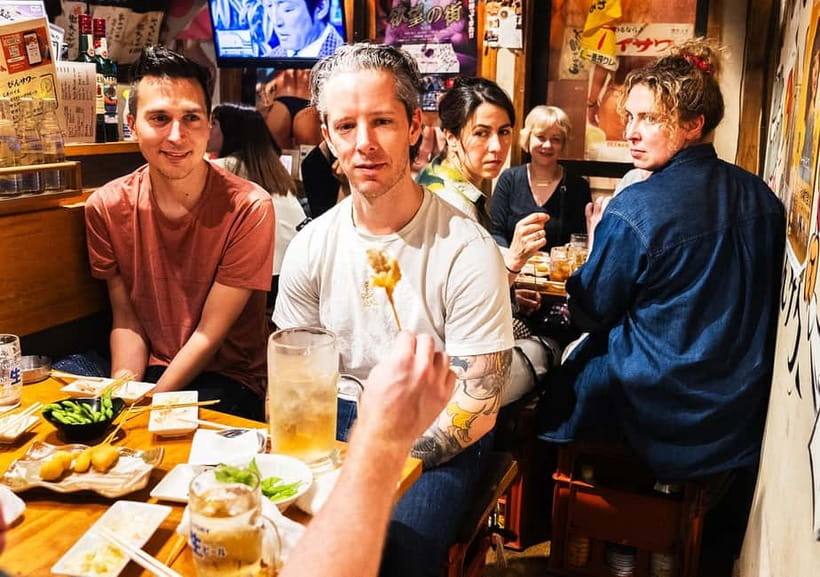
The last part of the route reaches Golden Gai, another hour of guided walking and dining. The area is known for its very small bars and tightly packed lanes, so this stop gives the evening a different mood from a standard restaurant crawl.
You may finish with additional dishes, a drink, or a tasting that feels more focused on Japanese bar culture. One description of the tour included a sake bar and three different sakes, while another listed matcha ice cream near the end. These examples show the range, but they are not guaranteed menu items.
That uncertainty is worth understanding. The experience promises up to 15 dishes and three drinks, not a permanent menu. Seasonal ingredients, restaurant availability, and the guide’s selections can affect the evening. I see this as a plus if you want a local-style night rather than a rigid food checklist. It is less ideal if you need every stop and dish confirmed in advance.
Golden Gai is also a good place for the guide’s personal recommendations. Shun, Ayaka, and other guides were praised for suggesting places to eat and visit after the tour. One guide even followed up with bakery suggestions for the rest of the trip. That kind of local advice can be as useful as the meal itself, particularly if this is your first night in Tokyo.
At the end, you return to the Shinjuku Station East Exit Police Box. The route is designed as a walking loop through the three main areas, though the exact restaurant order can change.
What you are likely to eat
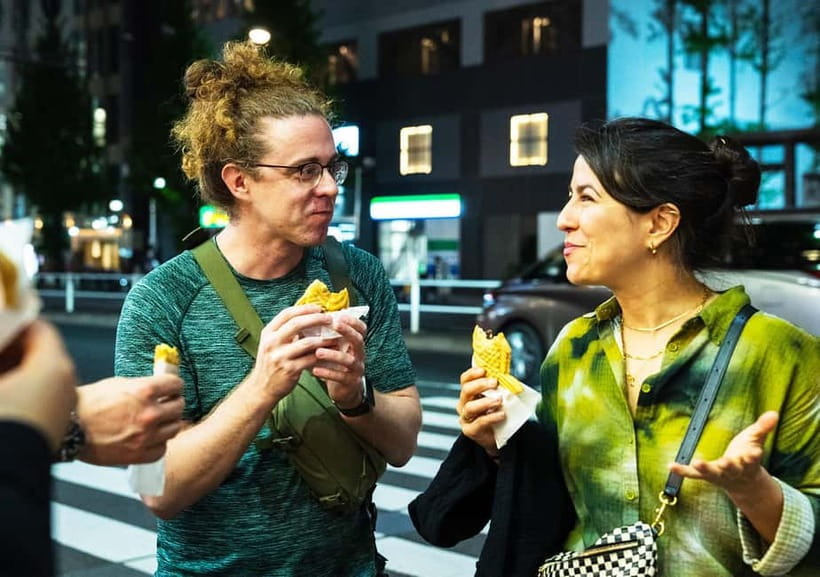
The advertised range includes fresh sushi, crispy kushikatsu, tonkatsu, gyoza, takoyaki, Japanese sake, and other local specialties. The feedback also mentions lemon sours, highballs, plum wine, and matcha ice cream.
The strength here is contrast. Sushi gives you something fresh and delicate. Kushikatsu and tonkatsu add crunch and richness. Gyoza brings a familiar dumpling format, while takoyaki offers a softer, saucy bite. Drinks provide another way to compare Japanese flavors.
Fifteen dishes sounds large, but these are shared or tasting portions rather than 15 full restaurant meals. The tour says the food is enough for a full dinner, and several people found the portions generous. You should arrive hungry, but not so hungry that you rush through the first stop.
Food preferences deserve some planning. The menu changes, and the available information does not promise vegetarian, vegan, gluten-free, halal, or allergy-specific arrangements. If you have serious restrictions, contact the provider before booking and explain exactly what you cannot eat.
The guide is a major part of the value
The restaurant choices matter, but the guide can shape the entire evening. A strong guide turns unfamiliar dishes into an easy social meal. You get help reading menus, choosing drinks, understanding etiquette, and asking questions without worrying about getting something wrong.
The most praised guides include Ayaka, Shun, Sota, Sakura, Yuto, Noa, and Akira. Their strengths are described in practical terms: friendly conversation, clear English, local recommendations, food explanations, cultural context, and help with photographs.
Ayaka received repeated praise for answering questions and offering food suggestions after the tour. Shun was noted for humor, patience, and letting the group move at its own pace. Sota was singled out for making the evening feel lively and easy to follow. These details suggest that the company places real weight on personable hosts, though your assigned guide will depend on the date.
You should also expect to share the evening with other people. That can be a benefit if you enjoy swapping travel stories over small plates. It may not suit you if you want a private food experience or a quiet dinner for two.
Is $72 a fair price?
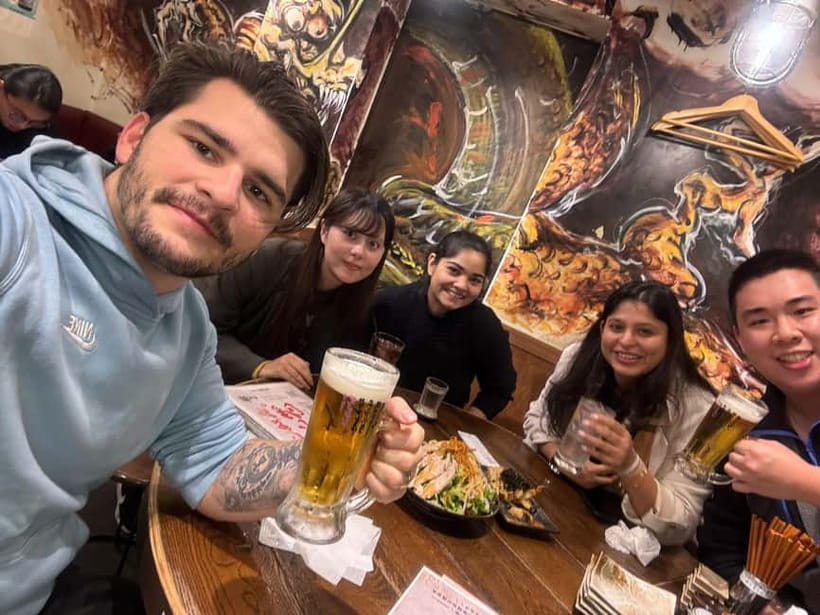
I think the price is fair if you plan to use the tour as both dinner and orientation. For $72, you receive up to 15 dishes, three drinks, four eateries, a three-hour guided walk, and help navigating three major Shinjuku areas.
Ordering the same range independently could cost less if you choose inexpensive restaurants and avoid several drinks. But doing so would take more time and involve more trial and error. You might find excellent places, or you might spend the evening staring at menus outside restaurants that are full.
The better comparison is not simply the cost of the food. Consider the value of tasting many dishes in one evening, learning how Japanese dining works, and finding areas you could return to later. If you already know Shinjuku well and enjoy planning your own food route, the price may feel less attractive. For a first or second night in Tokyo, it makes more sense.
Practical details that matter
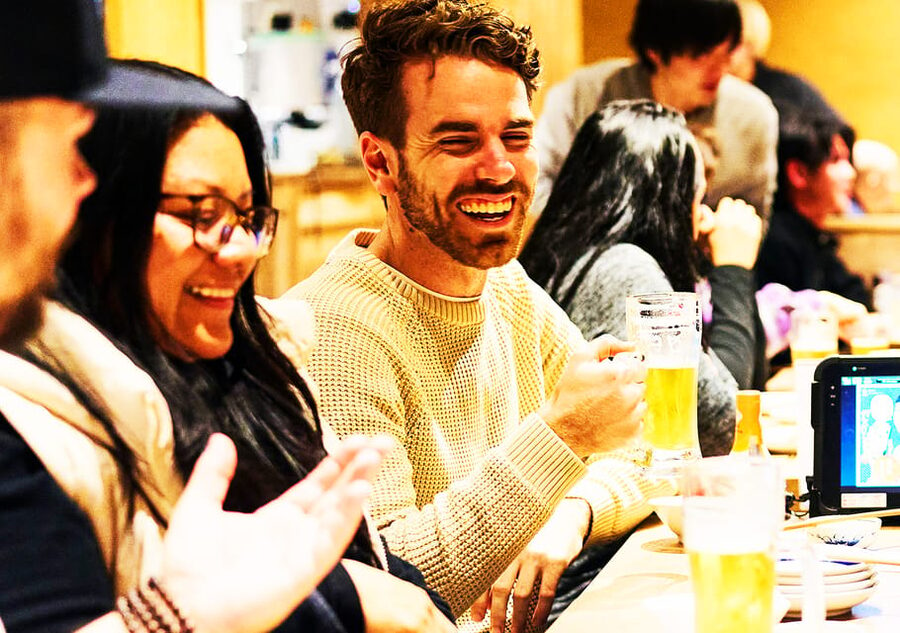
The tour lasts three hours, and starting times vary. It includes free cancellation up to 24 hours before the activity, plus a reserve-now, pay-later option.
Wear comfortable shoes. The evening combines eating with walking through several busy nightlife districts, and you will want to keep up without making the food stops feel rushed.
Arrive early at the meeting point and save the map link before leaving your hotel. Shinjuku Station is not a place where you want to discover the location at the scheduled start time.
The tour is open to people under 20, but alcohol is off limits to them. Additional food and drinks are not included, so bring a little extra money if you want to order beyond the planned tastings.
Who should book this tour
I would choose this tour if you want a friendly introduction to Japanese food without spending hours researching restaurants. It suits first-time visitors, solo visitors who want company, couples who enjoy sampling, and families with older children or teenagers.
It is also a good fit for curious eaters. You get a broad selection and enough guidance to try dishes you might otherwise skip. The neighborhood walking adds something for anyone who wants to understand Shinjuku beyond its station and bright signs.
I would hesitate if you need a fixed menu, a private group, a long relaxed meal, or strict control over every ingredient. The restaurants and dishes can change, the settings are casual, and the evening moves at a steady pace.
Should you book it?
Book it if you want dinner, neighborhood orientation, and local food advice in one package. The strongest reasons are the four-stop format, the generous number of tastings, and guides who help you handle menus and customs with confidence.
Skip it if you already have a carefully planned Shinjuku food route or prefer fine dining. For most visitors who want an easy, social way to eat through Shinjuku on their first visit, $72 is a sensible use of one evening.
FAQ
How long does the Shinjuku food tour last?
The tour lasts three hours.
How many dishes are included?
Up to 15 Japanese dishes are included, and the food is intended to provide a full meal.
How many drinks are included?
Three drinks are included. They may include alcoholic and non-alcoholic choices, depending on the restaurants and menu.
How many eateries does the tour visit?
The tour visits four local eateries.
Which Shinjuku areas are included?
The route includes Omoide Yokocho, Kabukicho, and Golden Gai.
Where does the tour begin?
It begins at the Shinjuku Station East Exit Police Box at 3-38-1 Shinjuku, Shinjuku-ku, Tokyo.
How do I identify the guide?
Look for a guide holding a sign that says Local Guide Stars.
What languages are available?
The tour is offered in English and Japanese.
Can people under 20 join?
Yes. People under 20 may join, but they are not permitted to consume alcohol.
What happens if I need to cancel?
You can cancel up to 24 hours in advance for a full refund. A reserve-now, pay-later option is also available.
Fresh off the menu around Tokyo
- Shinjuku Tokyo: Authentic Japanese Home-Style Culinary Class★ 4.9 · 125 reviews
- Shinjuku: Golden Gai Food Tour★ 4.6 · 77 reviews
- Shibuya Tokyo: Sushi Making Class (Vegan/Vegetarian/Halal)★ 4.7 · 29 reviews
- Shibuya: Ramen Dojo Tokyo | Make All 3 (Tonkotsu/Shoyu/Miso)★ 4.8 · 207 reviews
- Tokyo: Secret Food Walking Tour★ 4.7 · 38 reviews
- Ramen Making from Scratch +Akihabara Tour –Cooking Class★ 5.0 · 25 reviews
- Exclusive Tokyo Ramen Kitchen Experience★ 4.7 · 34 reviews
- Eat/Drink like a LOCAL-Taverns & Ramen★ 4.9 · 23 reviews
Tokyo Food Tours, compared.
Tokyo: Shinjuku Food Tour (13 Dishes at 4 Local Eateries)
Read our review →
Sushi Making Tokyo Roll and Authentic Japanese Sushi Class
Read our review →
Tokyo Tsukiji Fish Market Food and Culture Walking Tour
Read our review →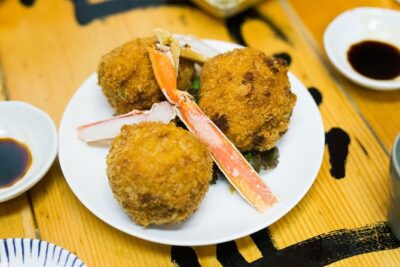
Best of Shinjuku: Izakaya Food Tour (4 Stops, 14+ Tastings)
Read our review →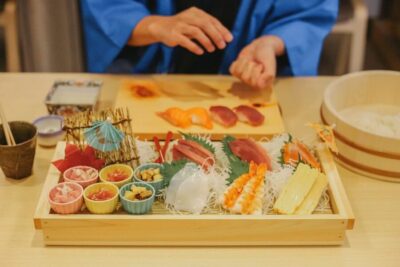
Tokyo: Sushi Making Class in a Happi Coat near a Famous Spot
Read our review →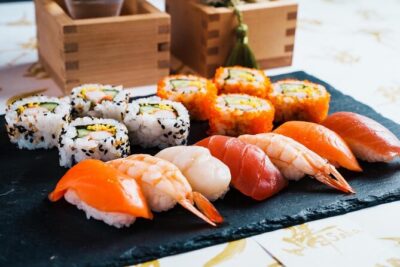
Sushi Making Tokyo! Popular Maki Sushi & Japanese Sushi(+Recipe!)
Read our review →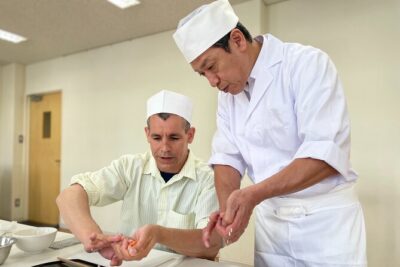
Tokyo Sushi Making Class in Tsukiji with Professional Chef
Read our review →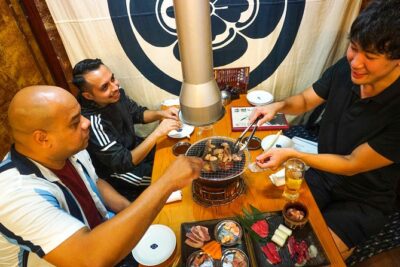
Tokyo Night Foodie Tour in Shinjuku – Seasonal Sushi, Wagyu Beef
Read our review →Browse the lists this tour appears in