
Review · KYOTO
Kyoto: Foodie Night Tour in Gion with 9 dishes + 6 Sake
Gion after dark is best understood one small doorway at a time. This 210-minute food tour leads you from the Izumo no Okuni statue into old streets, a hard-to-find traditional restaurant, Pontocho Alley, and a Kyoto cafe. Along the way, you taste nine dishes, six Kyoto sakes, two drinks, and dessert.
I like the mix of food and place, especially the chance to try obanzai, oden, and yuba in a traditional setting. I also like having a local guide at the table, since the evening is meant to explain how people in Kyoto eat and drink, not just hand you a plate. The main caution is value: at $361 per person, the food needs to be consistently good, and one stop may not meet that mark.
Key points to know
- Nine dishes across several stops: Expect Kyoto-style small dishes, dinner, and a local dessert rather than one large meal.
- Six Kyoto sake tastings: The tasting is built around three Kyoto sake varieties, with six kinds listed as included.
- Gion and Pontocho after dark: You walk through two of Kyoto’s most atmospheric evening districts.
- A guide-led social meal: Rika has been praised for drawing people into easy conversation, but the experience is not fully private.
- Food quality may vary: One dinner stop has received strong praise, while another has been described as disappointing.
- Plan for cash and warm weather: Many bars do not take cards, and Kyoto summers are hot and humid.
Starting beneath the Izumo no Okuni statue
You meet your English-speaking guide in front of the statue of Izumo no Okuni, directly outside exit 5 of Gion Shijo Station. This is a useful meeting point because it is easy to reach by train and puts you at the edge of Gion from the first minute.
The statue honors the performer often linked with the origins of kabuki. You do not need a long history lesson here, but the location gives the evening a fitting start. You are beginning a night built around performance, food, drink, and the old entertainment districts of Kyoto.
I would arrive a little early. The tour moves through streets rather than waiting around at a single venue, and finding the guide is easier before the group sets off. Bring a phone with the meeting details saved, along with some cash for extras.
The tour lasts three and a half hours. That is long enough for a proper evening meal, several tastings, and a walk between neighborhoods. It is not a quick food crawl that ends after one restaurant.
More Evening Food Tours in Japan
- Kyoto Night Foodie Tour in Gion (9+ dishes + 6 Sake tastings)
★ 5.0 · 1,762 reviews - Kyoto Night All-Inclusive Eats and Streets, Gion and Beyond
★ 4.6 · 576 reviews - Kyoto Evening Gion Food Tour
★ 4.9 · 35 reviews
Walking through Gion after sunset
Gion is known for its old Kyoto-style buildings, narrow lanes, and traditional entertainment houses. The pleasure here is in the setting. You walk past wooden facades and quiet streets while your guide explains how locals use the area at night.
You might see a geisha passing through, but this is luck, not part of the package. Treat the district as a living neighborhood rather than a stage set. Keep your voice low, avoid blocking lanes, and do not stop suddenly for photographs.
The guide is an important part of this section. The tour promises insight into how people in Kyoto enjoy their evenings, and that can help you read the streets more clearly. The guide also joins you for the meal, so you can ask questions while eating instead of trying to absorb a formal talk at the start.
The amount of Gion and Pontocho background can vary with the guide and the pace of the group. One useful improvement would be more explanation about both districts, so I would ask questions if you want extra context. The guide may be able to add details that are not part of the fixed route.
The first restaurant and Kyoto-style comfort food
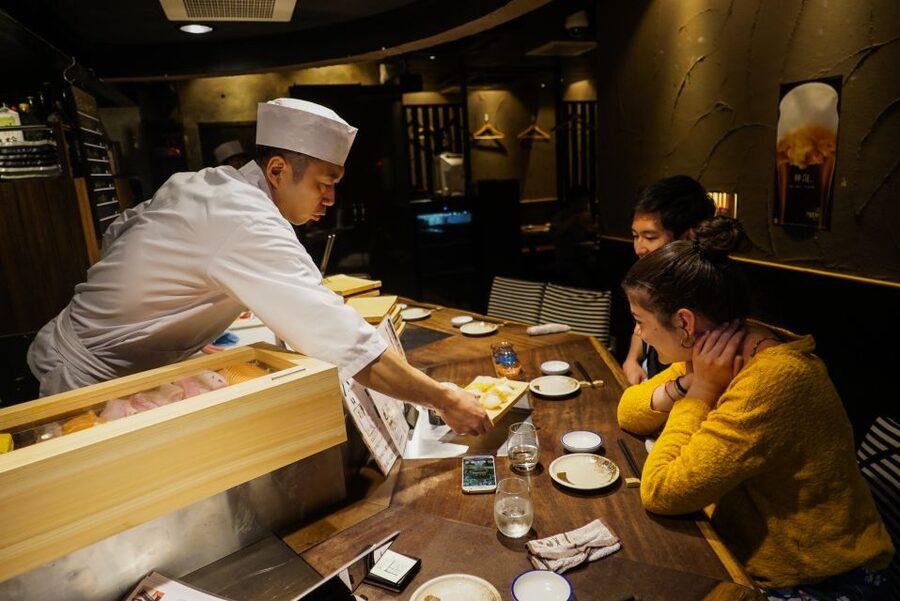
The first food stop is a traditional Japanese restaurant tucked away in Gion. The entrance is the sort of place you could easily miss if you were exploring alone. That is one of the tour’s strongest ideas: you do not have to spend your first Kyoto evening guessing which door to open.
The food focuses on simple, seasoned dishes associated with Kyoto. Depending on the menu, you may receive obanzai, oden, or yuba. These foods show a more everyday side of local cooking than a costly formal kaiseki meal.
Obanzai refers to home-style Kyoto cooking, often served as several modest dishes. It is useful for understanding how vegetables, tofu, and seasonal ingredients can carry a meal without heavy sauces. Oden is a Japanese stew with ingredients simmered in broth. Yuba, made from the skin that forms on heated soy milk, is a classic Kyoto ingredient with a soft, delicate texture.
The setting matters as much as the food. A traditional room or old-style restaurant gives you a sense of place that a modern chain cannot. You sit with the guide and the rest of the group, which creates time for questions and conversation.
Still, do not expect luxury dining simply because the price is high. The tour includes many tastes, but the dishes are described as simple and seasoned. If you want a polished restaurant meal with expensive ingredients, this may not be the right fit.
Six Kyoto sake tastings with dinner
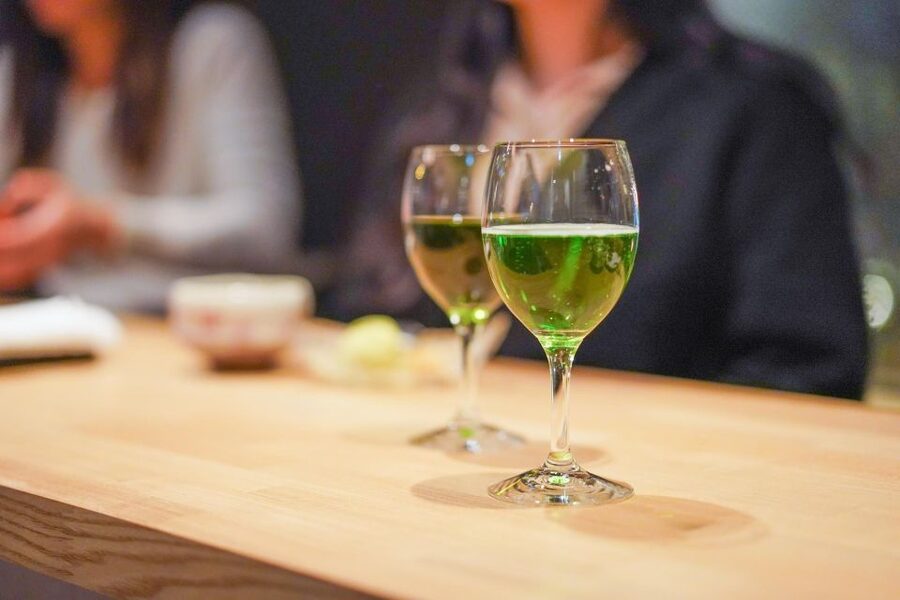
Sake is not one single flavor. Kyoto produces different styles, and the tasting gives you a way to compare them with food. The experience includes six kinds of sake, with three different Kyoto sakes used in the tasting course.
Your guide explains the drinks as you go. That is more useful than receiving six glasses with no context. You can ask about differences in flavor and how each sake works with the dishes in front of you.
Two drinks are included, and both alcoholic and non-alcoholic choices are available. The six sake samples are separate from those two drinks. If you do not drink alcohol, the tour still includes dinner, dessert, and guide commentary, but the central sake portion will have less interest for you.
Japanese law allows alcohol only for people over 20. The rule applies even if you are used to a lower drinking age at home. Bring identification if your age could be questioned, though the supplied details do not state exactly what form of identification is required.
Pace yourself. Six samples can add up, especially after a full meal and while walking through warm streets. You do not need to finish every sample quickly. Ask the guide for help if you want to take the tasting slowly.
More Evening Food Tours in Kyoto:
- Kyoto: Casual Pontocho Evening Food Tour
★ 4.8 · 31 reviews - Winner 2025 Rome Twilight Trastevere Food Tour by Eating Europe
★ 5.0 · 5,157 reviews - Winner 2025 Florence Sunset Food & Wine Tour by Eating Europe
★ 5.0 · 5,015 reviews - Saigon By Night and Street Food By Motorbike | Opt: Ao Dai Riders
★ 5.0 · 4,066 reviews
Pontocho Alley and the second dinner stop
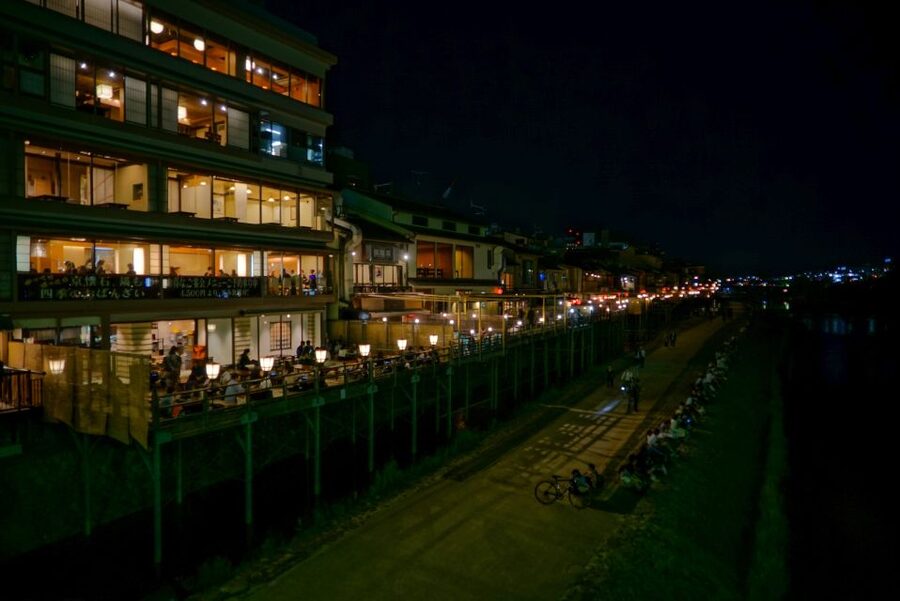
After the first restaurant, you walk through the Pontocho area to another food stop. Pontocho is a narrow entertainment lane near the Kamo River, known for traditional restaurants and evening dining. The walk helps connect the two districts rather than treating them as separate restaurant addresses.
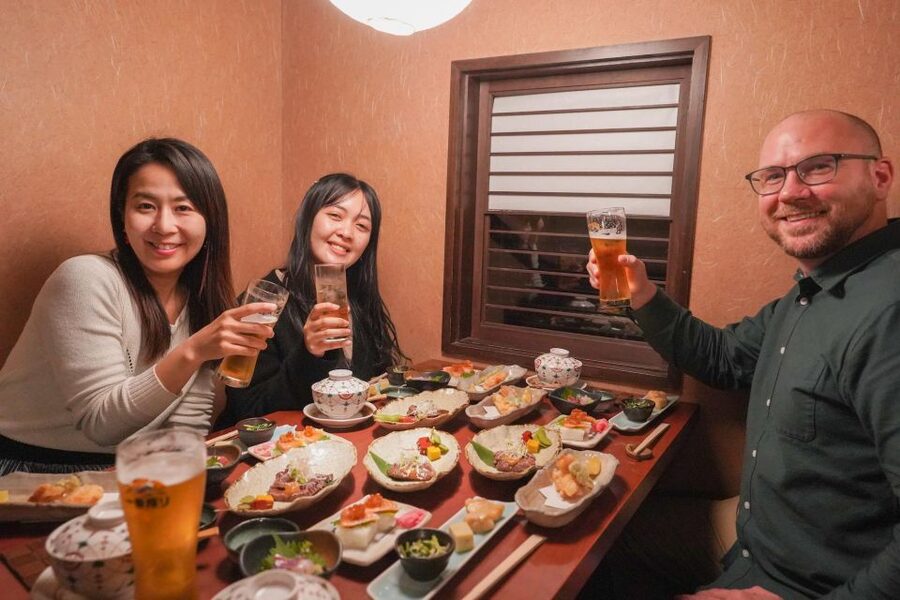
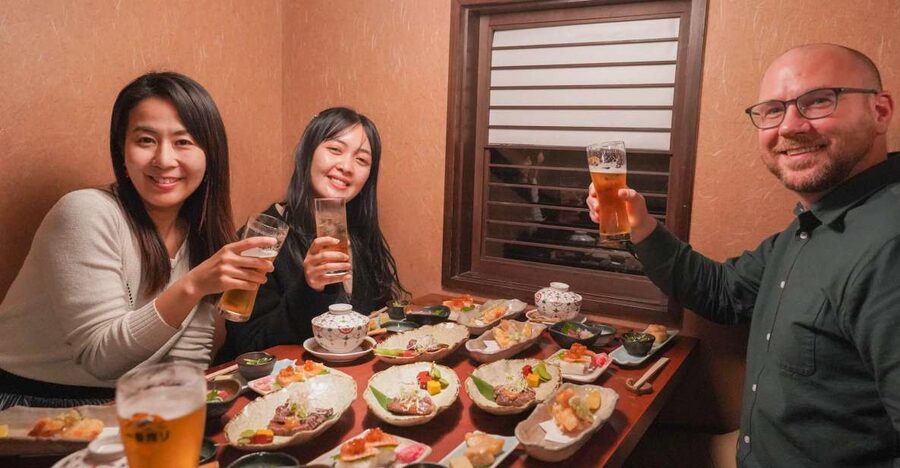
The evening includes two dinner portions, each listed at about one hour. This gives you time to sit, eat, and talk instead of rushing between several places for one bite each.
The second stop is where expectations need care. The food quality can be uneven. One meal has been described as excellent, while another was considered poor, with the wagyu compared unfavorably to an ordinary beef cut. That does not mean every group receives the same experience, but it does show the risk of paying a premium for a fixed food route.
I would judge this tour by the whole evening, not by the promise of luxury beef. The strongest value comes from the combination of access, guidance, sake, and several local dishes. If your main goal is the best meat in Kyoto, spend the money on a restaurant chosen specifically for beef instead.
The guide can help soften an average dish by explaining it and keeping the table conversation moving. Rika received particular praise for bringing people together, which matters on a shared food tour. A good host can turn a meal into a pleasant social evening even when one plate is forgettable.
Dessert in a traditional Kyoto cafe
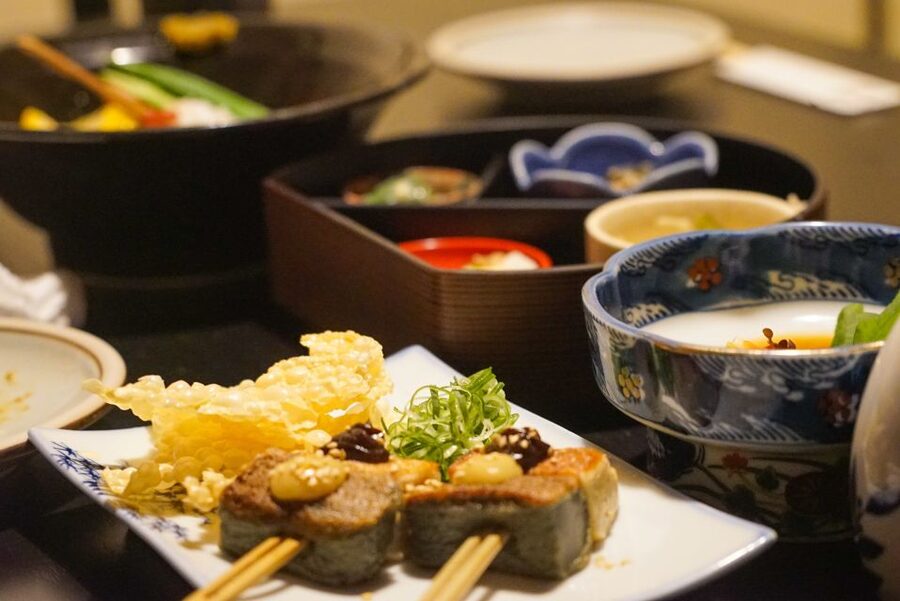
The final food stop is a Kyoto cafe in a traditional building around Pontocho. You finish with a local dessert, giving the meal a gentler ending after the savory dishes and sake.
The dessert is not specified in advance, so you should not book this expecting one particular sweet. The useful point is the setting. A traditional building gives the last stop a sense of continuity with the older streets outside.
This is also a good time to ask final questions. You can get ideas about other Kyoto foods, neighborhoods, or places to eat later in your trip. The tour returns to the Izumo no Okuni statue, so you finish close to where you began rather than at an unfamiliar restaurant.
Because the tour runs for 210 minutes, dessert arrives fairly late in the evening. That suits you if you want a full night out. It may not suit children or anyone who prefers an early dinner.
What the $361 price really buys
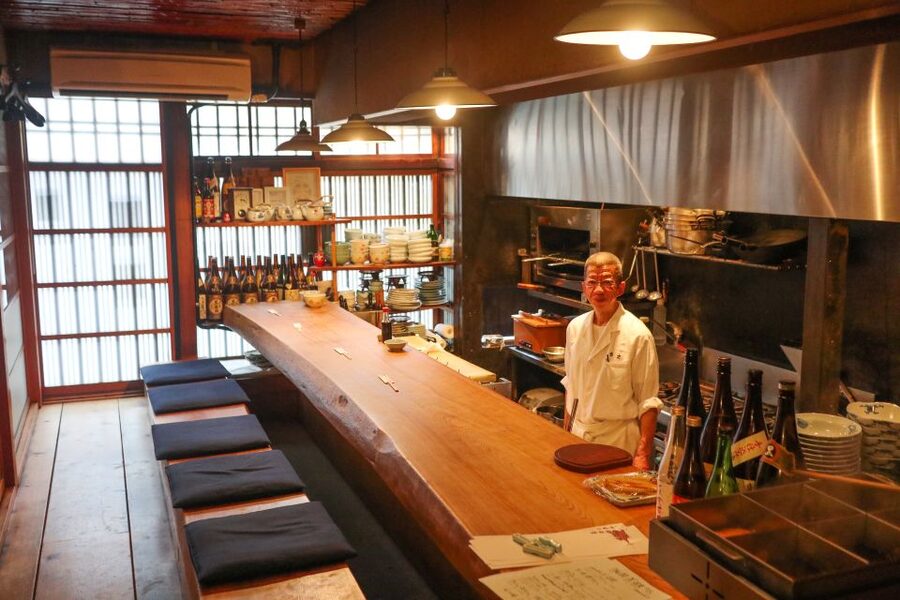
The listed price is $361 per person. That is a serious amount for a three-and-a-half-hour food experience, even with nine dishes, six sake tastings, two drinks, dessert, photos, and a guide included.
I would not treat the price as payment for food alone. You are also paying for the route, the introductions, the translation, the guide’s time, and the chance to enter places you might not choose on your own. In Gion and Pontocho, that guidance can prevent a lot of aimless searching.
The value depends on your priorities. If you want a social evening with local food and drinks, the package may make sense. If you compare it with the cost of ordering similar dishes independently, you may find it expensive, especially if the second dinner stop disappoints.
The supplied price is also higher than a $250-per-person amount cited in an earlier experience account. Prices can change, but this difference is worth noting. Check the current amount before booking and decide if the added convenience is worth it for you.
The four-star rating from 26 ratings suggests a generally good experience with clear variation. I would read that as encouragement, not a guarantee. The food is not presented as a fixed tasting menu from one top restaurant, so the evening depends partly on the venues selected that night.
Who will get the most from this evening
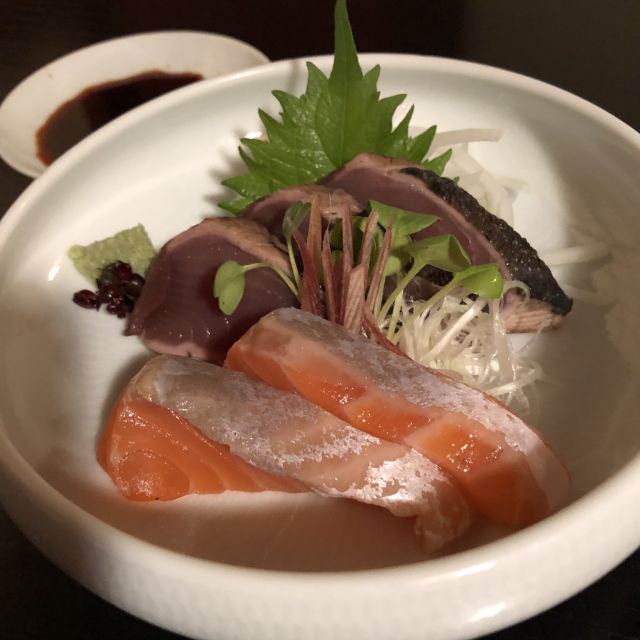
I would recommend this tour to you if you are visiting Kyoto for the first time and want a guided introduction to Gion and Pontocho. It is especially useful if you enjoy trying several foods in modest portions and want an English-speaking host at the table.
It also suits solo visitors and couples who like meeting people over dinner. The shared format gives the night more energy than eating alone, and a guide such as Rika can make conversation easier.
You may want to skip it if you are a serious food specialist who expects every course to be outstanding. The mixed food feedback makes that a real concern. You may also prefer to book your own restaurants if you have strong dietary needs or want total control over the menu.
Dietary requests must be made by the day before. The operators cannot promise an allergy-free meal because the food is prepared in kitchens they do not control. Substitutions may not be possible at every stop, though they will try to make up for limitations at another venue.
The walk is not recommended for people with mobility issues. Some locations cannot accommodate wheelchairs or strollers. Kyoto summer is hot and humid, so bring water and a hat if you book between June and September.
Practical details that can shape the night
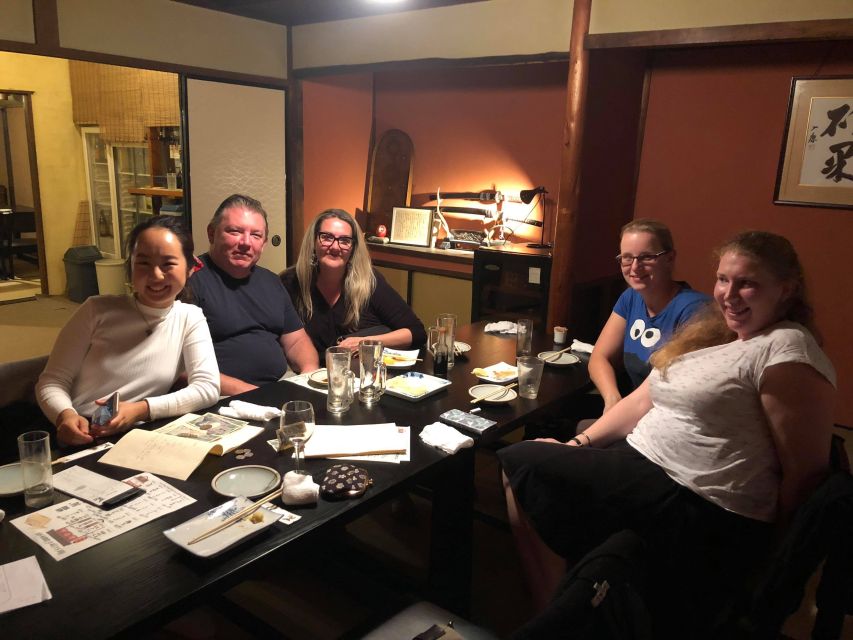
The experience is described as a private group in the booking details, but the important restriction says it is not a private tour. I would plan on sharing the evening with other people rather than expecting a guide and route reserved only for you.
The tour is in English. Photos are included, which is a small but useful extra if you want a record of the evening without asking someone else to take every picture.
Bring cash for food, drinks, and extras. Many bars do not accept credit cards, and the included items may not cover anything you order beyond the stated package.
Cancellation is flexible up to 24 hours before the start time for a full refund. You can also reserve and pay later, which helps if your Kyoto schedule is still changing.
The meeting point is outside exit 5 at Gion Shijo Station. The tour ends back at the Izumo no Okuni statue, making the route easy to understand. Starting times vary, so check availability for your date.
Should you book the Gion foodie night tour?
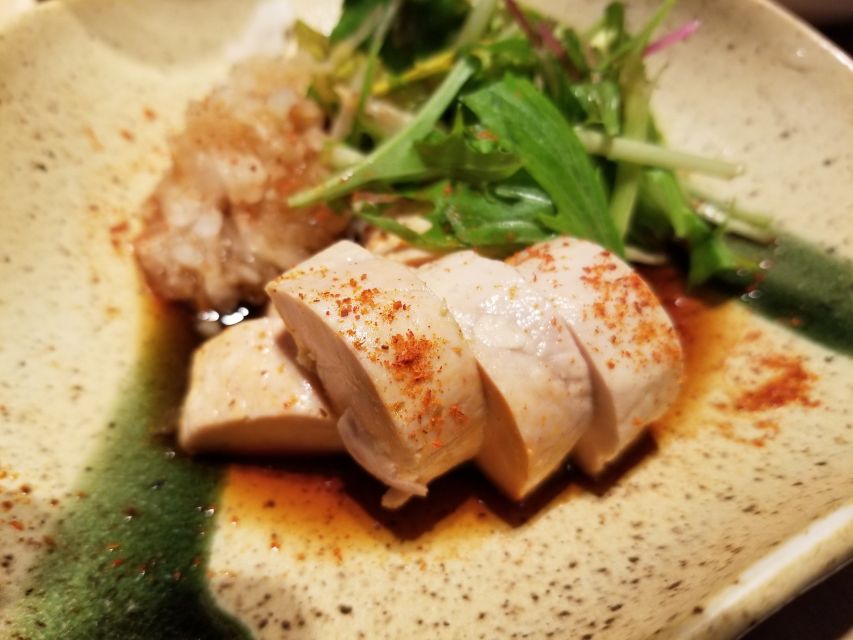
Book it if you want a guided night walk, a social table, Kyoto dishes, and a structured sake tasting in one evening. The first restaurant, the old neighborhoods, and the chance to ask a local guide questions give the experience real value.
Be more cautious if the $361 price leaves little room for an average dish. This is not a guaranteed luxury food tour. The quality can change from one stop to another, and the beef in particular may not satisfy you if you expect a high-end cut.
My advice is simple: choose this for place, company, and variety, not for perfect cooking at every stop. It is a good fit for a curious first-time visitor who wants help finding the right streets and flavors. If your top priority is food quality alone, use the same budget to book one or two restaurants directly.
FAQ
Where does the tour meet?
Meet the English-speaking guide in front of the Izumo no Okuni statue outside exit 5 of Gion Shijo Station.
How long does the experience last?
The tour lasts 210 minutes, or three and a half hours.
What food is included?
The package includes a dinner course with dessert and nine dishes. Foods may include Kyoto-style obanzai, oden, or yuba, though the exact menu is not specified.
How much sake can I taste?
Six kinds of Kyoto sake are included. The tasting features three different sakes produced in Kyoto. Two additional drinks are included, with alcoholic and non-alcoholic options.
Can people under 20 drink sake on the tour?
No. Japanese law allows alcohol only for people over 20. Non-alcoholic drinks are available.
Is the tour private?
The activity details describe a private group, but the important information also says it is not a private tour. You should expect to share the experience with other people.
Can I request a dietary adjustment?
You must make any dietary request by the day before the tour. Allergy-free meals and all substitutions cannot be guaranteed because the food is prepared in kitchens outside the operator’s control.
Is the tour suitable for wheelchairs or strollers?
No. The tour is not recommended for people with mobility issues, and some stops are not accessible to wheelchairs or strollers.
More sake and food pairings around Kyoto
- Kyoto: Sake Brewery and Tasting Tour in Fushimi
★ 4.8 · 55 reviews - Kobe: Guided Sake Breweries Tour with Tastings
★ 5.0 · 55 reviews
Fresh off the menu around Kyoto
- Kyoto: Sushi Making Class with Sushi Chef★ 4.8 · 64 reviews
- Nishiki Market Food Tour with Cooking Class★ 4.9 · 42 reviews
- Kyoto: Small-Group Authentic Sushi Making Workshop★ 5.0 · 137 reviews
- Kyoto: Sake Brewery and Tasting Tour in Fushimi★ 4.8 · 55 reviews
- Kyoto: Ramen, Gyoza, and Onigiri Cooking Class★ 5.0 · 445 reviews
- Kyoto: Nishiki Market Tour with a Local Foodie & Tastings★ 4.5 · 67 reviews
- Kyoto: Ramen Cooking Class at a Ramen Factory with Souvenir★ 4.9 · 532 reviews
- Kyoto Michelin Ramen Workshop or Painting Ramen Essentials★ 4.9 · 100 reviews
Kyoto Food Tours, compared.
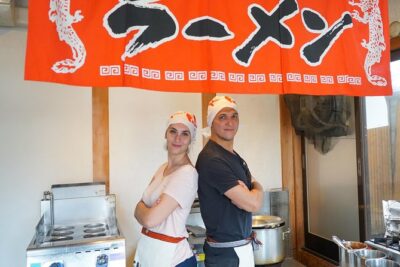
Ramen Cooking Class at Ramen Factory in Kyoto
Read our review →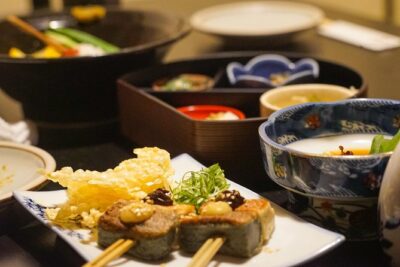
Kyoto Night Foodie Tour in Gion (9+ dishes + 6 Sake tastings)
Read our review →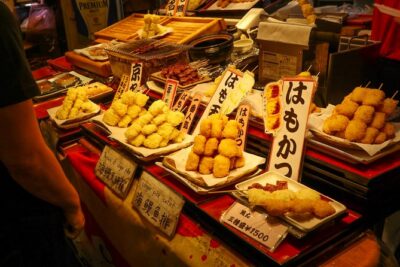
Nishiki Market Brunch Walking Tour (7 Tastings + Brunch)
Read our review →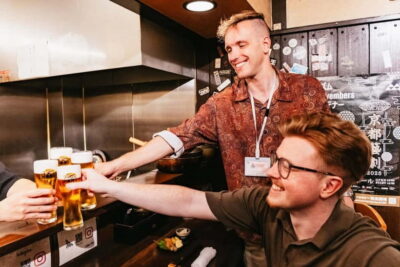
Kyoto Night All-Inclusive Eats and Streets, Gion and Beyond
Read our review →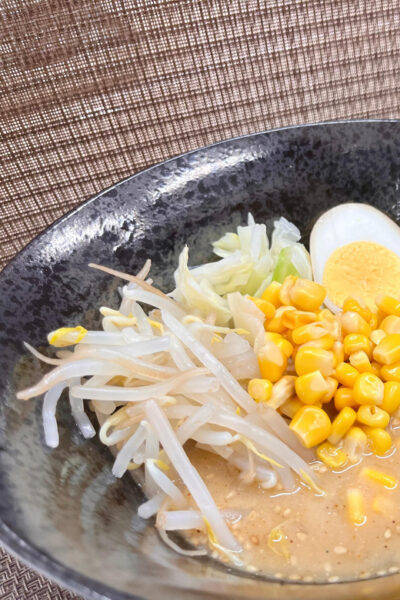
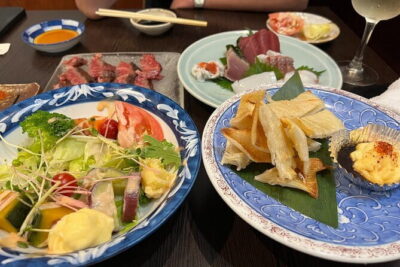
Kyoto: Gion & Pontocho Food Tour with 13 Dishes
Read our review →
Gyoza Cooking Class in Kyoto: Traditional Japanese Dumplings
Read our review →
Kyoto: Small-Group Authentic Sushi Making Workshop
Read our review →Browse the lists this tour appears in