
Review · TOKYO
Tokyo: Ramen Tasting Tour with 6 Mini Bowls of Ramen
Tokyo’s ramen scene is far wider than the usual tonkotsu bowl. This three-hour tour lets you compare six different mini bowls at three award-winning shops, with each bowl about one-quarter the size of a regular serving. You choose from 11 or 12 styles, so you can chase familiar favorites or take a chance on curry, dipping noodles, squid ink, or pesto ramen.
I especially like two things here. First, the small portions make serious comparison possible without ordering six full meals. Second, the route links ramen with three distinct Tokyo neighborhoods, often including Shibuya or Shinjuku, so the walking between shops becomes part of the experience. The drawback is clear: $122 is a lot for noodles, and the 3-kilometer walk plus six bowls may be too much for anyone with a small appetite or low fitness.
Key points at a glance
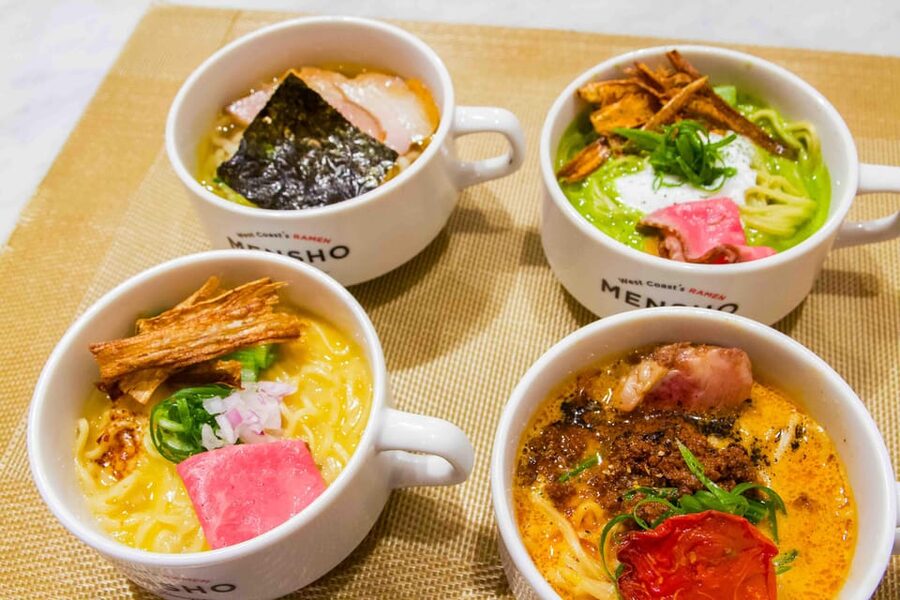
- Six mini bowls, not one oversized serving: Each bowl is about one-quarter of a full ramen bowl, letting you sample several styles in one sitting.
- Three shops, three neighborhood stops: Routes may feature Shibuya, Shinjuku, Ueno, or the area around Ebisu, depending on the option and day.
- Choose your own lineup: Select six bowls from roughly 11 to 12 choices, usually two at each restaurant.
- English-speaking guides add context: Guides including Sahori, Bunga, Makayla, Daisy, and others explain ramen’s origins, regional styles, noodles, and broth.
- Plan for walking and a full stomach: The route covers about 3 kilometers, with train travel possibly required and not included.
- Not suitable for vegan or vegetarian diners: The regular tour uses broths containing chicken, pork, and fish.
Six bowls turn ramen into a tasting course
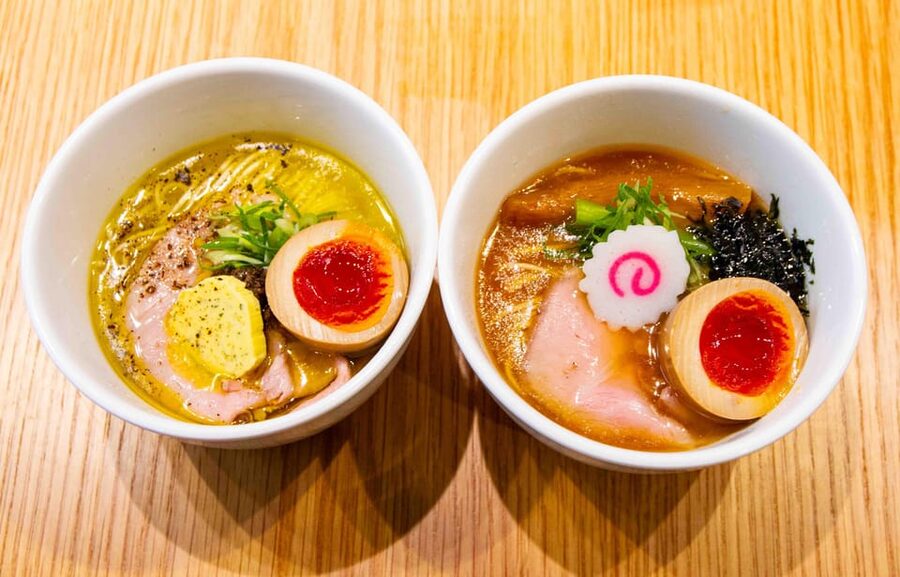
A standard ramen meal gives you one bowl and one point of comparison. This tour takes the opposite approach. You sample six small servings, each selected to show a different broth, noodle, topping, or preparation style.
The portions are small enough to make the format work, but do not mistake them for tiny tastes. Six quarter-size bowls add up. Several combinations can leave you very full, especially if you arrive after lunch. I would keep the earlier meal light and bring an appetite, but not an empty stomach.
At each restaurant, you normally choose two styles from the available menu. The full selection changes by route, and the tour description lists 11 to 12 possible bowls overall. That choice matters. You can stay with familiar pork-bone and miso flavors, or use the tour to try something you would probably skip on your own.
The tasting format also helps you notice details that disappear when you are focused on finishing one big meal. You can compare the weight of pork broth with the cleaner taste of chicken soup, see how dipping noodles change the eating rhythm, and notice how curry or other modern flavors alter the basic ramen formula.
More Sushi and Ramen Tours in Tokyo:
- Best of Shinjuku: Izakaya Food Tour (4 Stops, 14+ Tastings)
★ 5.0 · 1,863 reviews - Ramen Tasting – Mini Bowl Ramen Tour
★ 5.0 · 127 reviews - Hiroshima Izakaya Food and Drink Night Tour
★ 5.0 · 297 reviews
What the three-hour route actually feels like
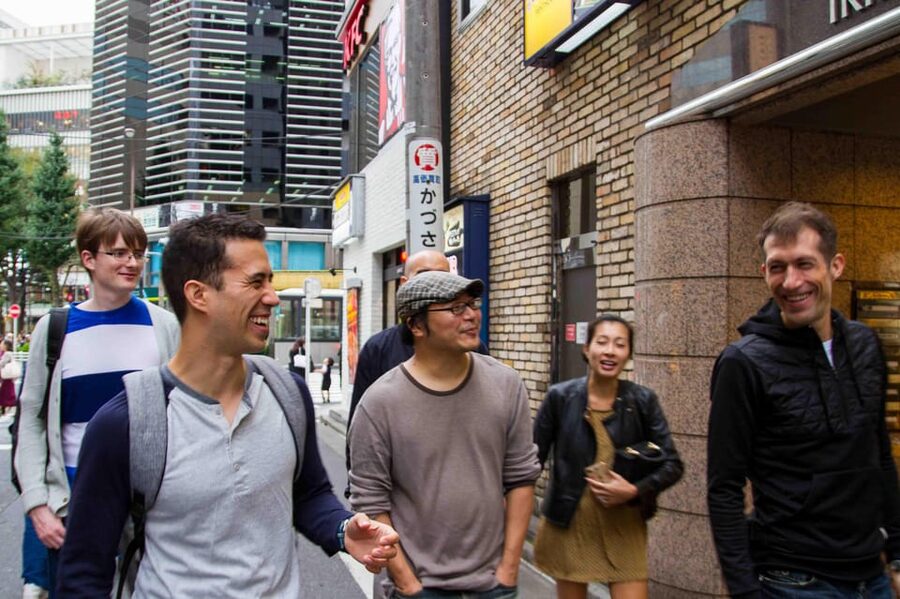
The tour starts in one Tokyo neighborhood and moves by foot, and sometimes train, to three ramen shops. The exact meeting point depends on the booked option. The regular route starts in Shibuya and ends in Ebisu, or ends in Shinjuku depending on the day and route.
You should allow time for the movement between stops. The walk totals about 3 kilometers, and that is a useful part of the pacing. You get time to talk with the guide, settle your stomach, and see pieces of Tokyo between bowls. It also means this is not a sit-down food event where you remain in one restaurant for three hours.
A train ticket may be required and is not included in the price. Keep your IC card topped up, and pay attention to the end point when planning the rest of your day. The tour can finish in a different neighborhood from where it began.
The group is limited to eight people. That is small enough for questions and conversation, while still giving the meal a social feel. A group of only two has sometimes made it possible to try more than the standard six bowls, but you should book based on the stated six-bowl experience rather than count on that.
Shibuya route: Hokkaido, tonkotsu, and curry
The Shibuya route offers a useful lesson in contrast. The first stop serves classic Hokkaido ramen. Hokkaido is strongly associated with miso ramen, and this style often has a fuller, more substantial character than lighter Tokyo preparations. The mini portion lets you taste the bowl without letting it dominate the rest of the tour.
The second restaurant focuses on fusion tonkotsu, a pork-bone style with a modern angle. Tonkotsu is known for its creamy, opaque broth, but this stop is designed to show how the familiar base can be adjusted and combined with newer ideas.
The third stop serves savory curry ramen. This is one of the more useful reasons to take a guided tasting rather than simply visit a famous ramen shop on your own. Curry ramen can be an unexpected turn from the usual soy, salt, or pork-bone profile, and it gives you a clear example of how flexible ramen has become.
The Shibuya route also offers time in one of Tokyo’s best-known districts. You are not taking a full sightseeing tour of Shibuya, but the walking route gives the food some city context. If you want a broad Tokyo introduction along with ramen, this option makes sense.
Shinjuku route: Tokyo tradition and modern chicken broth
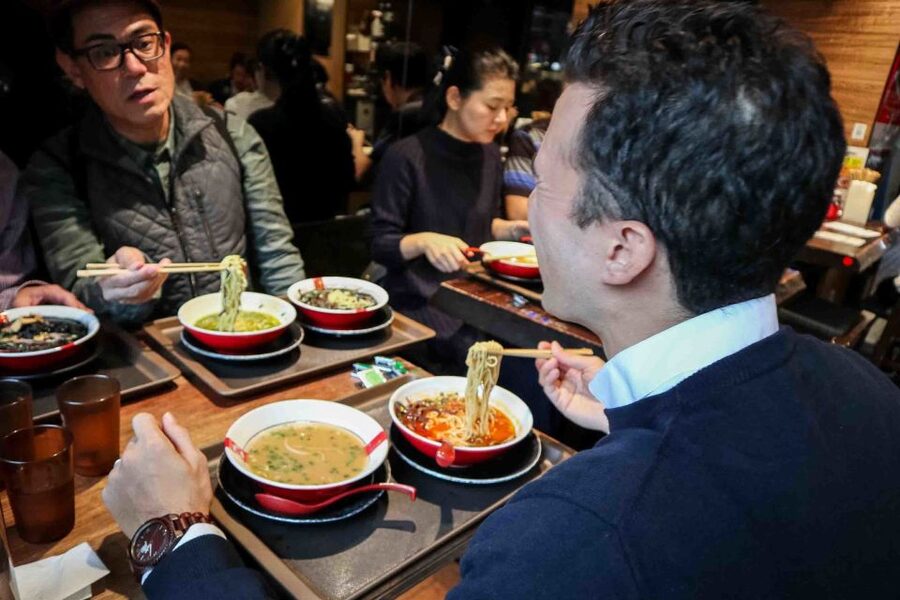
The Shinjuku route begins with classic Tokyo ramen. This gives you a traditional reference point before moving into more modern bowls. Tokyo-style ramen is often associated with a soy-based soup, though the exact recipe and toppings can vary by shop.
The second restaurant serves modern tori paitan, a rich chicken ramen. It has the creamy visual weight people often associate with tonkotsu, but the base is chicken. That comparison can be especially useful if you have assumed that all thick, pale ramen broths are pork-based.
The final stop offers luxurious chicken or fish ramen. This is where the route shifts toward refined, more contemporary flavors. Since the exact bowl can depend on the day, you should expect the guide to explain what makes that preparation different from the earlier servings.
Shinjuku is a good fit if you want ramen paired with one of Tokyo’s major urban centers. As with Shibuya, the tour does not replace a full neighborhood visit. Its strength is giving you a structured food route through the district rather than a general sightseeing circuit.
More food tours around Tokyo:
- Tokyo: Shinjuku Food Tour (13 Dishes at 4 Local Eateries)
★ 5.0 · 6,603 reviews - Sushi Making Tokyo Roll and Authentic Japanese Sushi Class
★ 5.0 · 3,971 reviews - Tokyo Tsukiji Fish Market Food and Culture Walking Tour
★ 5.0 · 3,184 reviews - Tokyo: Shinjuku Food Tour (15 Dishes and 4 Eateries)
★ 4.9 · 2,033 reviews
Ueno route: Kyushu ramen and the art of dipping noodles
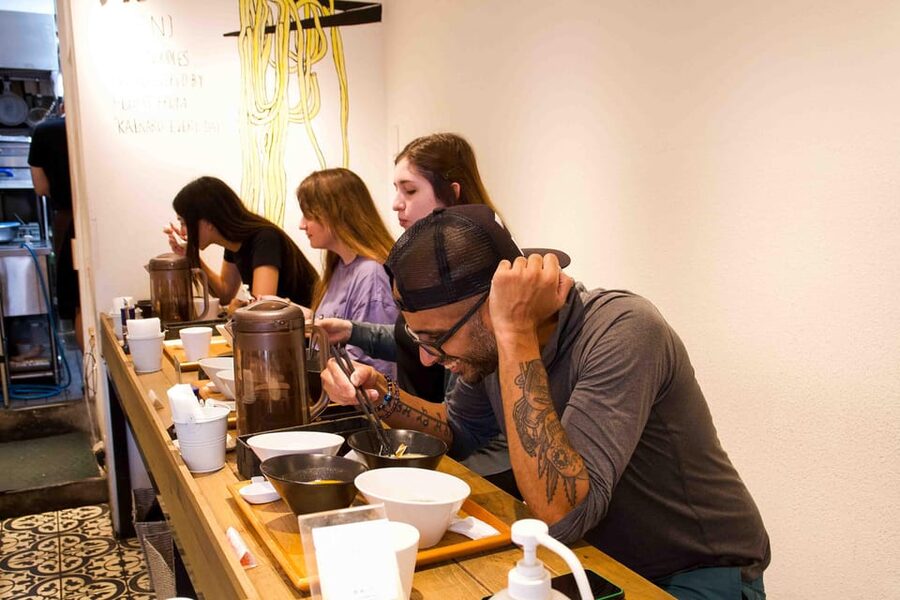
The Ueno route starts with classic Kyushu ramen. Kyushu is closely linked with tonkotsu ramen, so this stop gives you a regional point of reference before the more contemporary bowls arrive.
The second shop serves contemporary tsukemen, or dipping ramen. Instead of noodles sitting in a bowl of soup, you dip them into a concentrated sauce or broth. It is a different way to eat ramen, not simply another flavor of the same dish, and it makes this route appealing if you want to understand technique as well as ingredients.
The third stop presents modern Tokyo ramen. That final bowl brings the tasting back to the city’s own evolving style after the regional contrast of Kyushu and the separate format of tsukemen.
Ueno is the route to consider if you are most interested in regional identity and preparation methods. The exact neighborhood plan and meeting details can vary, so check the selected option carefully before booking.
The guide is part teacher, part local food companion
The guide makes a major difference here because six bowls can blur together without explanation. English-speaking guides use colorful slides and handouts to cover ramen’s origins, the main broth families, regional differences, noodle types, and how each bowl is prepared.
Sahori has led the tour with a clear, friendly presentation, and Bunga is known for bringing strong enthusiasm to the subject. Makayla has used an iPad presentation to show how ramen arrived in Japan and changed over the past century. Daisy has also been praised for answering questions patiently and adding practical Tokyo suggestions beyond the meal.
Guide assignments change, so you cannot necessarily request one specific person. Still, the format is consistent: you eat, then discuss what is in front of you, rather than simply being handed a bowl and left to guess.
That explanation is valuable for beginners. You learn why two bowls with similar-looking soup can taste very different, how regional styles developed, and what to look for in noodles and broth. It also helps experienced ramen fans organize what they already know.
The guides sometimes offer broader Tokyo advice as well. That can be useful early in your visit, when you are still figuring out restaurants, neighborhoods, and local customs. Do not book it solely as a city tour, though. Ramen remains the main event.
What you can expect to eat
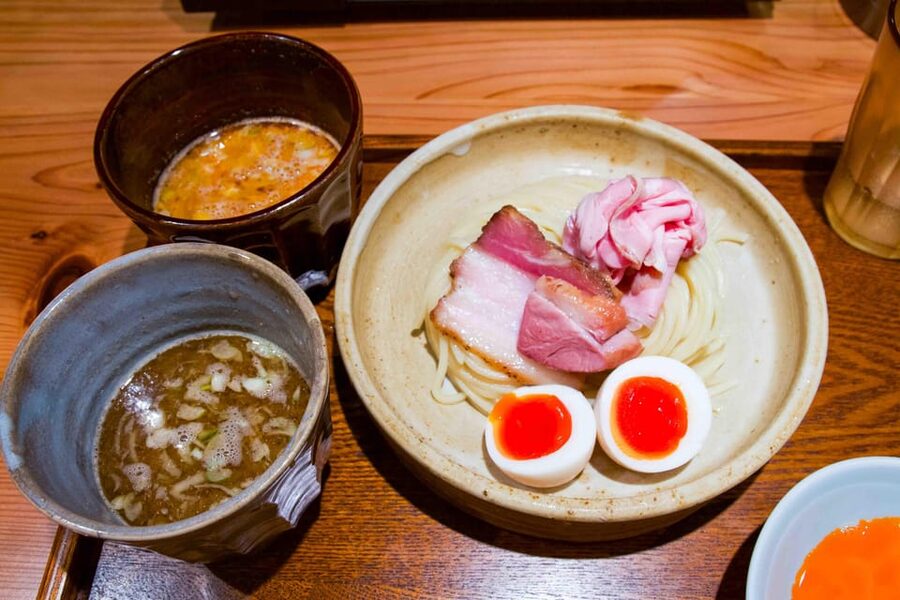
The regular tour includes chicken, pork, and fish in its broths. This applies even when a particular bowl tastes lighter or seems centered on one ingredient. If you are vegan or vegetarian, book the separate vegan and vegetarian ramen tasting tour instead.
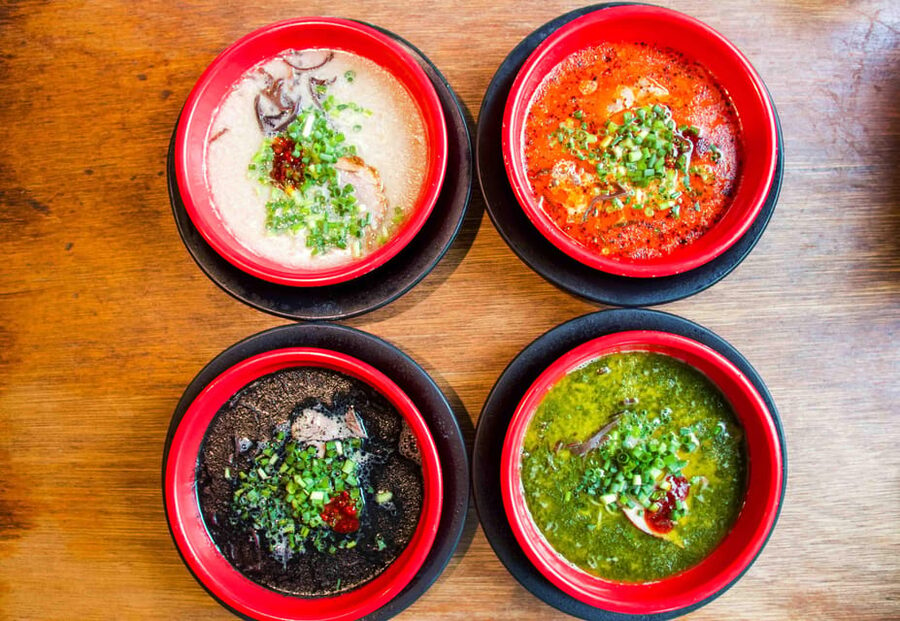
The available bowls can include classic salt or miso styles, tonkotsu, curry ramen, tsukemen, modern chicken ramen, fish ramen, and more unusual creations. One past selection included squid ink and pesto ramen. Those examples show the range, but they do not guarantee a particular bowl on your date.
You also receive one beverage. The food is the main value, but the drink helps round out the meal and gives you something to sip between tastings.
All three restaurants are described as award-winning, but this does not mean each stop will suit your personal taste. One person may prefer the familiar richness of tonkotsu, while another may favor a salty Tokyo bowl or a more experimental creation. The advantage is the range. You are likely to find a favorite, even if one or two styles do not appeal to you.
Is $122 a fair price for ramen?
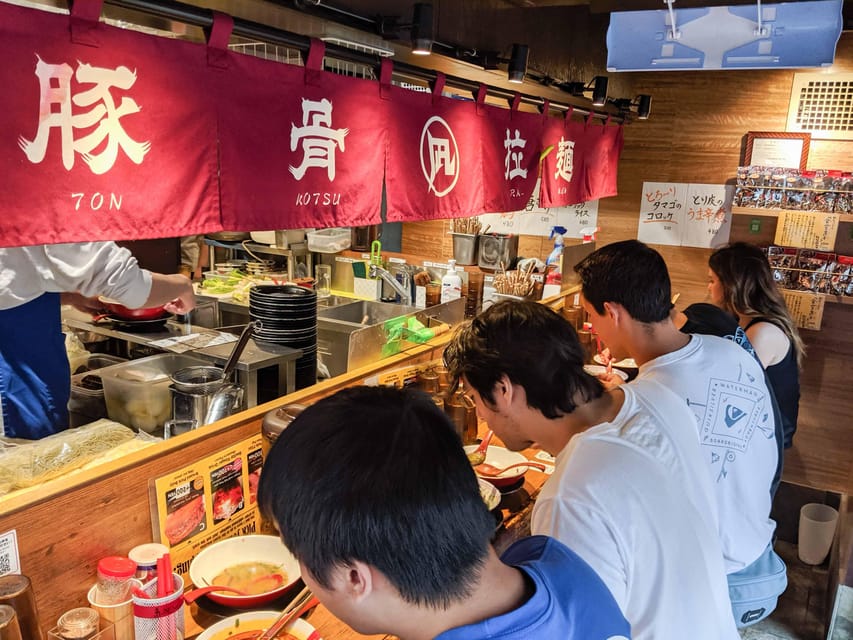
At $122 per person, this is not a budget meal. If your only goal is to eat ramen, you can spend far less at a Tokyo noodle shop. You are paying for six special tasting portions, a beverage, three restaurant visits, an English-speaking guide, neighborhood routing, and an organized lesson in ramen.
The value improves if you would otherwise struggle to choose among Tokyo’s many ramen shops. Ordering six full bowls on your own would be wasteful, and visiting three places without local guidance takes time and planning. The mini-bowl format solves both problems.
The price also reflects access to portions made specifically for the tour. These quarter-size bowls are not ordinary menu servings that you can always order independently. That makes the experience more like a guided food class than a simple restaurant crawl.
Still, I would call it a worthwhile splurge rather than a bargain. It suits a ramen fan who wants education and comparison. It is harder to justify if you already have a carefully planned list of inexpensive ramen shops or if you care more about one large, perfect bowl than six smaller samples.
Walking, timing, and practical comfort
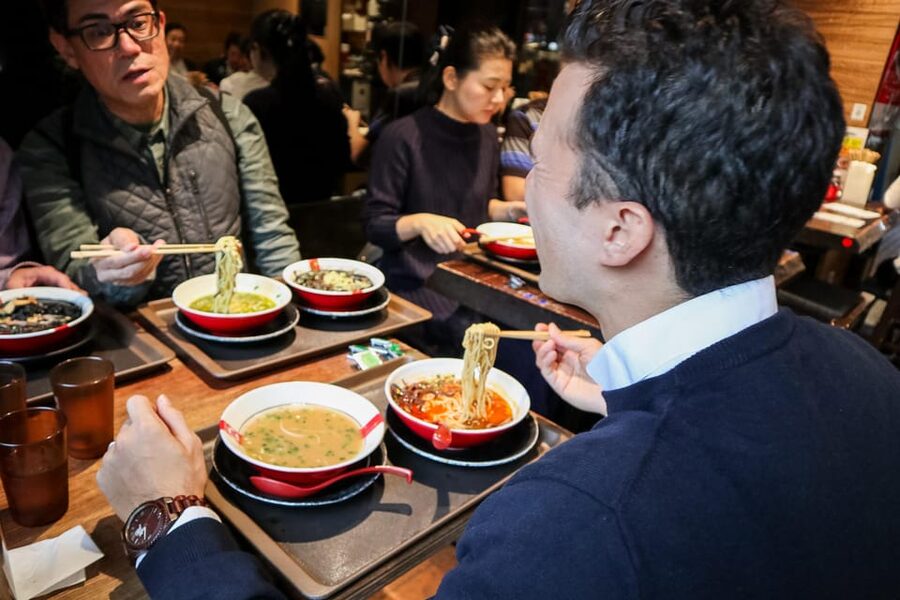
The 3-kilometer walking distance is manageable for most reasonably active people, but the tour is not recommended for anyone with a low level of fitness. Tokyo’s stations and streets can also add effort beyond the stated distance, especially if a train transfer is part of the route.
Wear comfortable shoes and leave room in your schedule. The walk helps break up the meal, but it does not cancel out six servings. On a rainy day, the guide may adjust the plan. One tour group received help arranging a taxi between stops during heavy rain, but you should not treat that as a guaranteed part of the tour.
A light lunch is sensible. Several bowls are substantial enough that finishing every bite can be difficult near the end. Children can enjoy the format, and one family completed it with a nine-year-old, but appetite and walking ability vary widely.
The tour lasts three hours, with starting times dependent on availability. Since the route may finish in Ebisu or Shinjuku, check your onward plans before booking. The flexible cancellation policy allows a full refund when you cancel at least 24 hours ahead, and you can reserve now and pay later.
Who should book this ramen tour?
I would book this if you love ramen but know only the standard tonkotsu and soy-based bowls. It is also a strong choice for a first Tokyo visit because the guide gives you food knowledge you can use for the rest of your trip.
It suits couples, small groups, solo eaters who enjoy meeting people, and families with older children who can manage the walking. The group limit of eight keeps the experience personal without making it feel isolated.
I would skip it if you need vegetarian or vegan food, dislike pork, chicken, or fish broth, or want a relaxed meal with no walking. I would also think twice if $122 feels high for a food activity. You can eat more cheaply on your own, but you will not get the same side-by-side comparison or guided explanation.
Should you book it?
Book this tour if you want to understand ramen, not just eat it. The six-bowl format is the real strength: you can compare classic regional recipes with modern creations, find your personal favorite, and leave with a clearer idea of what to order in Japan.
The best practical plan is to take it early in your Tokyo stay. You can use the guide’s advice for later meals, and you will know which ramen styles deserve another look. Keep lunch light, wear good shoes, check the route end point, and treat the $122 cost as payment for a guided tasting lesson rather than an ordinary dinner.
FAQ
How many bowls of ramen are included?
The tour includes six mini bowls of ramen. Each is about one-quarter the size of a regular ramen bowl.
How many ramen styles can I choose from?
You can choose your six bowls from a selection of approximately 11 to 12 ramen options. The tour generally allows two choices at each of the three shops.
How long does the ramen tour last?
The experience lasts three hours. Starting times depend on availability.
Which Tokyo neighborhoods does the tour visit?
Routes may include Shibuya, Shinjuku, or Ueno. The regular route starts in Shibuya and ends in Ebisu, or ends in Shinjuku depending on the day.
Is transportation included?
Walking between the shops is part of the tour. A train ticket may be required and is not included.
How much walking is involved?
You should expect approximately 3 kilometers, or 1.86 miles, of walking. The tour is not recommended for people with a low level of fitness.
Are vegetarian or vegan ramen options available?
The regular tour is not vegetarian or vegan. All ramen broths contain chicken, pork, and fish. A separate vegan and vegetarian ramen tasting tour is available.
Is a drink included?
Yes. The tour includes one beverage along with the six mini bowls of ramen.
Is the tour conducted in English?
Yes. The tour has a live English-speaking guide, and groups are limited to eight participants.
Fresh off the menu around Tokyo
- Shinjuku: Golden Gai Food Tour★ 4.6 · 77 reviews
- Shinjuku Tokyo: Authentic Japanese Home-Style Culinary Class★ 4.9 · 125 reviews
- Shibuya Tokyo: Sushi Making Class (Vegan/Vegetarian/Halal)★ 4.7 · 29 reviews
- Shinjuku: Food Tour – 15 Dishes at 4 local eateries★ 4.8 · 246 reviews
- Shibuya: Ramen Dojo Tokyo | Make All 3 (Tonkotsu/Shoyu/Miso)★ 4.8 · 207 reviews
- Tokyo: Secret Food Walking Tour★ 4.7 · 38 reviews
- Ramen Making from Scratch +Akihabara Tour –Cooking Class★ 5.0 · 25 reviews
- Exclusive Tokyo Ramen Kitchen Experience★ 4.7 · 34 reviews
Tokyo Food Tours, compared.
Tokyo: Shinjuku Food Tour (13 Dishes at 4 Local Eateries)
Read our review →
Sushi Making Tokyo Roll and Authentic Japanese Sushi Class
Read our review →
Tokyo Tsukiji Fish Market Food and Culture Walking Tour
Read our review →
Best of Shinjuku: Izakaya Food Tour (4 Stops, 14+ Tastings)
Read our review →
Tokyo: Sushi Making Class in a Happi Coat near a Famous Spot
Read our review →
Sushi Making Tokyo! Popular Maki Sushi & Japanese Sushi(+Recipe!)
Read our review →
Tokyo Sushi Making Class in Tsukiji with Professional Chef
Read our review →
Tokyo Night Foodie Tour in Shinjuku – Seasonal Sushi, Wagyu Beef
Read our review →Browse the lists this tour appears in