
Review · TOKYO
Tokyo Night Foodie Tour in Shinjuku – Seasonal Sushi, Wagyu Beef
Tokyo Night Foodie Tour in Shinjuku Review
Omakase sushi, A5 Wagyu, neon Kabukicho, and a final dessert make this a strong first-night introduction to Tokyo. You eat in small local restaurants, walk through Shinjuku after dark, and have a guide to explain what is on the plate and what is happening around you.
I especially like the small maximum of seven people, which gives guides such as Yuki, Molly, Mimi, Aoi, and Yuma room to answer questions. I also like the good mix of food and street life: this is not just a meal with a guide, and it is not just a sightseeing walk with a few token bites.
The main thing to understand is that you do not actually eat in the narrow lanes of Omoide Yokocho. You may walk about 15 minutes to the sushi restaurant, then another 15 minutes to the Wagyu stop. That is not a flaw, but it matters if you expected every meal to take place right beside the meeting point.
Key points at a glance
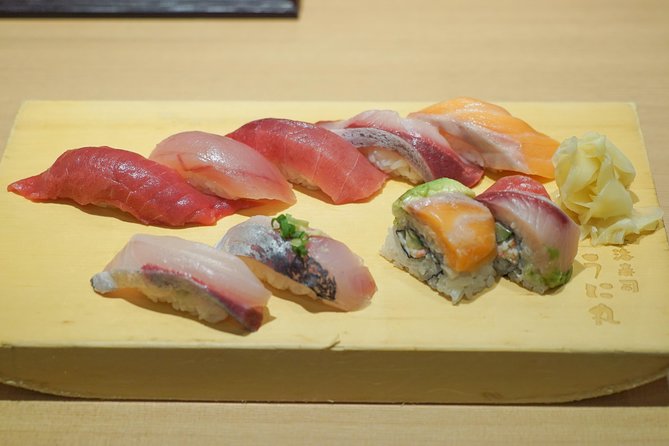
- Seasonal sushi and omakase: You may entrust the sushi chef with the selection, with examples including eight pieces of omakase sushi.
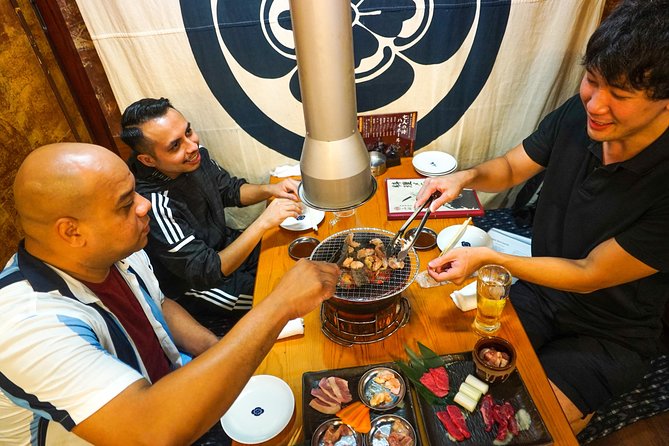
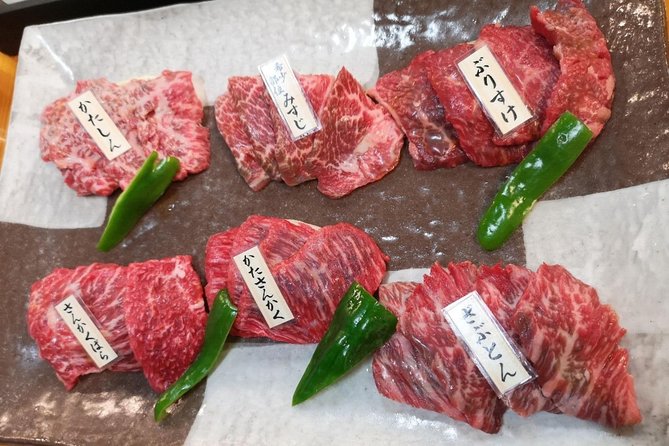
- Five cuts of A5 Wagyu: The beef is grilled at your table over a traditional shichirin stove.
- Shinjuku after dark: The route includes Omoide Yokocho, Kabukicho, Godzilla Road, and the Godzilla Head.
- A small group of up to seven: The format works well for questions, menu help, and personal recommendations.
- Dessert or a drink at the end: The final stop gives the meal a relaxed finish and may include Japanese sweets or a refreshment.
- A useful first-night tour: You can ask your guide about restaurants, neighborhoods, and Tokyo customs for the rest of your stay.
Why sushi and Wagyu work so well together
Many Tokyo food walks focus on one type of meal. This one gives you two of Japan’s best-known specialties in the same evening, then adds a short look at Shinjuku nightlife.
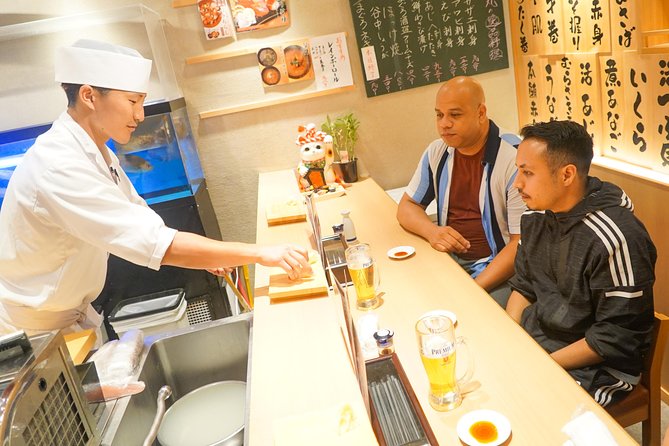
The sushi stop is the more refined part of the night. You may choose an omakase-style meal, meaning the chef selects the dishes based on what is fresh and suitable for the season. That arrangement is useful if you do not know your way around a sushi menu, though it also means you have less control over every item.
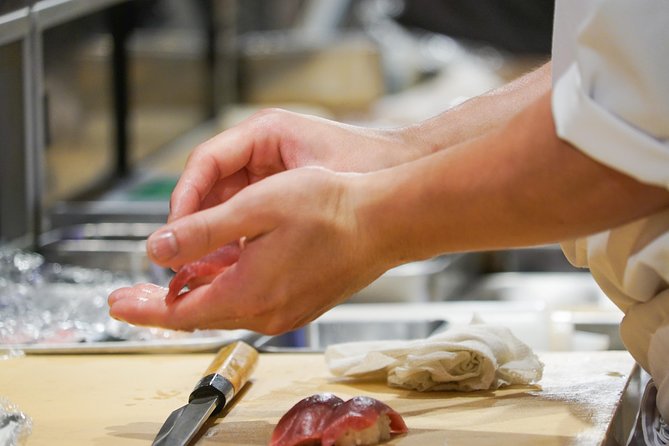
Past descriptions of the meal include eight pieces of omakase sushi. The exact selection can change, so think of that figure as a helpful guide rather than a fixed promise. The best part is watching the chef prepare the sushi and having your guide explain what you are eating.
The Wagyu stop changes the mood. Instead of delicate sushi served piece by piece, you get high-quality beef grilled at the table. One detailed account described five cuts of A5 Wagyu cooked over a shichirin stove, a small traditional charcoal grill. The cuts may vary, but the point is the contrast: sushi first, smoky grilled beef next.
Several guides have been praised for helping with menu choices. That matters if you are new to raw fish, unsure about Japanese cuts of beef, or eating with an older family member who needs a little extra help. Yuki, in particular, has helped diners make menu selections, while Molly and Mimi have been singled out for answering questions about food and daily life in Japan.
You should finish the night feeling well fed. The food is not presented as a quick sample or a single snack. Some people describe the portions as more than enough, while another found the amount just right after arriving straight from a flight. Your appetite will depend on the day, but this is best treated as a full evening meal.
More Evening Food Tours in Japan
- Tokyo After 5: Authentic Japanese Food & Drink Night Tour
★ 4.5 · 560 reviews - Kyoto Night Foodie Tour in Gion (9+ dishes + 6 Sake tastings)
★ 5.0 · 1,762 reviews - Kyoto Night All-Inclusive Eats and Streets, Gion and Beyond
★ 4.6 · 576 reviews
Starting in Shinjuku and finding the first restaurant
The meeting point is at 1-chōme-2-8 Nishishinjuku, in Shinjuku City. The tour begins with a short gathering and introduction before the food portion starts.
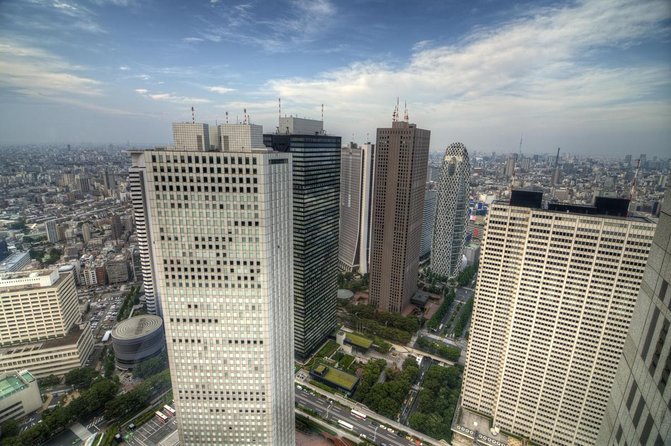
Shinjuku is a useful setting for this kind of experience because the area changes quickly from office towers and major transport links to tiny eateries, entertainment streets, and bright signs. You get a quick lesson in how Tokyo can feel orderly and intense at the same time.
The sushi restaurant is described as a place known mainly to locals. The exact restaurant is not named in the supplied details, so you should not book expecting a specific famous address. Instead, expect the guide to lead you to a selected sushi stop away from the obvious tourist path.
This first walk can be helpful if you are still finding your feet in Tokyo. You do not need to decide which small restaurant looks safe, understand every menu, or guess how an omakase meal works. The guide handles that part while you pay attention to the food and the neighborhood.
The pace is not designed as a hard march. One account calls it a slower-paced walking tour, which may suit you after a long flight or a full day of sightseeing. Even so, you should wear comfortable shoes. The route includes several stops and stretches between restaurants.
Omoide Yokocho gives you the Shinjuku setting
Omoide Yokocho is one of the most recognizable food areas in Shinjuku. Its narrow lanes, closely packed restaurants, and old-style atmosphere provide a sharp contrast to the broad streets and tall buildings nearby.
On this tour, the lanes are part of the walk rather than the place where you necessarily sit down for sushi. That distinction is important. You will see the area, but the meal may be about 15 minutes away on foot.
I think that arrangement works well for a first visit because the guide can show you Omoide Yokocho without making the whole evening depend on finding a seat in a tiny lane. You get the atmosphere, then move to a restaurant better suited to a small group and a planned meal.
The walk also gives you time to ask practical questions. You might ask where to return for yakitori, how late certain parts of Shinjuku stay active, or which foods are worth trying elsewhere. Guides such as Yuma and Mimi have been praised for explaining local customs and making recommendations for the rest of a Tokyo stay.
One point to keep in mind is that the street scenes can be crowded and noisy. You will be walking through a busy part of central Tokyo, not a quiet food market. Keep your group together and listen for meeting instructions, especially when crossing streets or moving through narrow lanes.
Kabukicho after dark, with the neon turned on
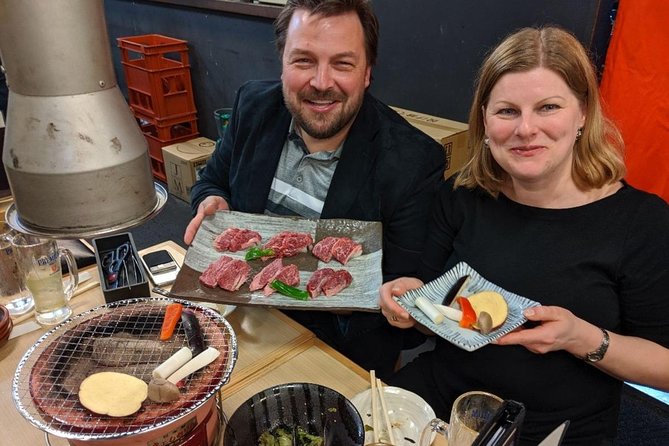
After eating, the route continues through Kabukicho, Shinjuku’s famous entertainment district. The area is known for neon streets, restaurants, theaters, bars, and nightlife.
This part of the tour is less about formal sightseeing and more about getting your bearings. Kabukicho can feel confusing on a first visit because signs compete for your attention and many streets look similar. A local guide gives you context and helps you see the area without having to work out the layout alone.
You should not expect a long lecture at every corner. The walk lasts about 40 minutes, and the main value is the combination of movement, conversation, and atmosphere. Yuma has been praised for explaining the cultural importance of places along the route, while other guides have made the walk easygoing and flexible.
The nightlife setting may not suit everyone. Some venues permit smoking, and the operator cannot always change a restaurant or bar if smoking is allowed there. If smoke is a serious concern, ask about this before booking. The tour may still be worthwhile, but you should know that the stops are not guaranteed to be smoke-free.
Kabukicho is also a place where you should stay aware of your surroundings. The tour provides structure, but it does not turn the district into a quiet family attraction. You will see the real evening character of Shinjuku, including its louder and more adult side.
More Evening Food Tours in Tokyo:
- Winner 2025 Rome Twilight Trastevere Food Tour by Eating Europe
★ 5.0 · 5,157 reviews - Winner 2025 Florence Sunset Food & Wine Tour by Eating Europe
★ 5.0 · 5,015 reviews - Saigon By Night and Street Food By Motorbike | Opt: Ao Dai Riders
★ 5.0 · 4,066 reviews - Private Street Food Evening Walking Tour in Ho Chi Minh City
★ 5.0 · 3,175 reviews
Godzilla Road and the five-minute photo stop
The route includes Godzilla Road and the Godzilla Head, a short stop that adds a bit of Tokyo pop culture to the food focus.
The Godzilla Head is mounted above the district and has become a familiar landmark for fans of the film character. The planned stop is only about five minutes, so think of it as a quick photo and orientation point rather than a museum visit.
That short pause works well in the middle of the evening. You have already eaten, you are walking through the nightlife district, and the giant monster gives you a memorable marker for the area. It is also a useful reminder that Shinjuku mixes old food lanes, modern entertainment, and playful Japanese popular culture within a small area.
If Godzilla is a major interest for you, keep your expectations measured. The tour does not include a longer film exhibit or a detailed attraction visit. You see the head and hear about the setting, then continue to the final food stop.
The Wagyu meal and the shichirin grill
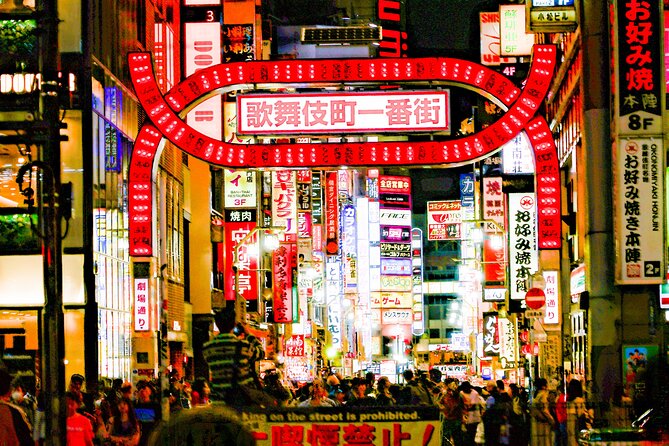
The Wagyu stop is likely to be the food highlight for many people. Japanese Wagyu is valued for its marbling and tenderness, and grilling it yourself makes the meal more active than a standard restaurant course.
The use of a shichirin stove adds a traditional touch. You can watch the beef cook at your table and control the timing of each piece. If your guide explains the different cuts, you will also have a better idea of why the pieces taste and feel different.
A five-cut A5 Wagyu tasting has been part of this experience. Again, the exact menu can change, but it gives you a fair idea of the scale. This is not simply one small cube of beef added to a larger dinner.
The guide is especially useful here. You may not know how long to cook a particular cut, how much fat to expect, or how to pace the meal. A friendly guide can keep the evening moving and make sure nobody feels awkward about the cooking process.
The beef also balances the sushi well. Sushi can be subtle and precise. Grilled Wagyu is richer and more filling. Together they make the evening feel like a proper tasting of Japanese food rather than a single-theme sampler.
Dessert or a drink in Nishishinjuku
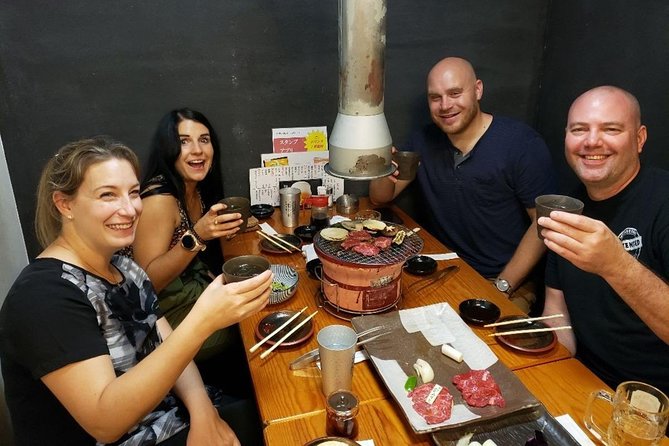
The final stop is in Nishishinjuku, where you finish with a Japanese dessert or a drink. The group may have a choice, and one group chose dessert as its final course.
This last stop gives you a chance to slow down. You have spent the evening walking, eating, crossing busy streets, and taking in bright signs. A sweet dish or drink lets you sit, talk with the guide, and compare notes with the rest of the group.
The final stop is also practical. If the sushi and Wagyu have left you full, a drink may be more appealing than another large dish. If you have a serious sweet tooth, dessert makes the evening feel more complete.
Details about the exact dessert venue and menu are not fixed in the supplied information, so I would not book this tour for one specific sweet. Treat it as a flexible closing stop that may change with the group and the venue.
The activity ends back at the meeting point. That makes the route easier to manage than a tour that leaves you in a different part of Tokyo late at night.
The guides are a major part of the value
The food is important, but the guide can shape the whole evening. The small group limit of seven gives the guide a real chance to speak with you, rather than simply lead from the front.
Guides named in the experience include Yuki, Molly, Megumi, Yuma, Aoi, Hiro, Minnie, Mimi, Yosh, Karen, Mayu, and Lisa. The strongest feedback centers on guides who explain the food, answer simple questions without making anyone feel embarrassed, and adjust to the group.
Molly has been praised for her knowledge of the area, local customs, and food. Mimi has been noted for discussing both the meal and everyday life in Japan. Aoi has been described as attentive and good at making everyone feel included, while Yosh has helped people feel confident about returning to Shinjuku on their own.
The guide quality may vary from one departure to another, as you cannot generally choose the person leading your date. Still, the repeated emphasis on friendly and helpful hosts is a good sign. If you want food with cultural context, this format gives you more than a restaurant reservation.
One useful tip is to take the tour early in your Tokyo visit. You can ask about other places to eat, neighborhoods to explore, and customs that may affect the rest of your trip. That advice can be worth more than a simple list of dishes.
Price, pace, and who gets good value
The listed price is $111.62 per person for about three hours. That is not a cheap dinner, but it includes several food experiences, a local guide, and a planned walk through one of Tokyo’s most active night districts.
I see the value in the combination. If you bought a high-quality sushi meal and a Wagyu meal separately, then added a guided walk and dessert or a drink, the total could quickly approach this price. The tour also removes the guesswork that comes with ordering in unfamiliar restaurants.
The value is weaker if you already know Shinjuku well, speak Japanese comfortably, and are happy choosing restaurants on your own. You are paying partly for access and partly for ease.
The small group is another reason the price can make sense. A maximum of seven is far more personal than a large bus-style food excursion. You can ask about ingredients, etiquette, transport, and later dinner plans without waiting through a long line of questions.
Group discounts are available, and the activity uses a mobile ticket. Confirmation is sent at booking, and the meeting point is near public transportation.
Plan for Tokyo’s weather. Summer temperatures can reach 40°C, while winter temperatures can fall to -5°C. The experience lasts three hours and includes outdoor walking, so dress for the forecast. Rain does not necessarily ruin the tour, but proper shoes and rain protection will make it much easier.
Dietary needs and practical limits
This is not a fully allergy-safe tour. The food is prepared in kitchens operated by the individual restaurants, and substitutions are not guaranteed. The operator will try to make up for missed items at other stops, but you should not assume that every allergy or restriction can be handled.
A vegetarian course can be requested in advance, no later than the day before the tour. It cannot be added on the day itself. If you eat vegetarian food, make the request as soon as you book and confirm that the arrangement is accepted.
The standard experience centers on sushi and Wagyu, so it is best for people comfortable with at least some meat or seafood. If you have severe allergies, complex dietary needs, or a strict no-smoking requirement, this may not be the right choice.
Most people can take part, but the route involves walking between stops. An older family member may do well with the help of a considerate guide, as menu assistance has been part of the experience, but you should still consider your group’s walking comfort.
Cancellation is free up to 24 hours before the start time. Cancellations or changes made less than 24 hours ahead are not refunded or accepted.
Should you book the Shinjuku night food tour?
I would book this tour if you want a guided first look at Shinjuku with substantial food rather than tiny samples. The pairing of seasonal sushi and Wagyu is the main reason to choose it, while the Kabukicho walk gives the evening a sense of place.
It suits couples, families with adult children, solo visitors who want company, and anyone who likes asking questions over dinner. It is also a smart early-trip choice because guides can point you toward other restaurants and explain the district before you return on your own.
I would hesitate if you need strict allergy control, want a smoke-free route, or expect to eat in Omoide Yokocho itself. You should also know that the exact guide, dishes, and final dessert or drink can vary.
For most food-focused visitors, the combination of a seven-person limit, two serious Japanese specialties, and a night walk through Shinjuku makes the $111.62 price reasonable. You get a meal, a neighborhood orientation, and a friendly local point of contact in one compact evening.
FAQ
How long does the Tokyo Night Foodie Tour last?
The tour lasts approximately three hours.
Where does the tour begin and end?
It begins at 1-chōme-2-8 Nishishinjuku, Shinjuku City, Tokyo 160-0023, Japan, and ends back at the meeting point.
How many people can join the tour?
The maximum group size is seven travelers.
What food is included?
The experience includes sushi, Japanese Wagyu beef, and a final dessert or drink. The exact dishes can vary, but examples include eight pieces of omakase sushi and five cuts of A5 Wagyu.
Can I request a vegetarian course?
Yes. You must request a vegetarian course by the day before the tour. A same-day request cannot be guaranteed.
Can the tour accommodate food allergies or dietary restrictions?
Allergy-free food and substitutions cannot be guaranteed because the meals are prepared in restaurant kitchens. The operator will try to compensate at other stops when possible.
What is the cancellation policy?
You can cancel for a full refund up to 24 hours before the experience begins. Cancellations and changes made less than 24 hours before the start time are not accepted or refunded.
Fresh off the menu around Tokyo
- Shinjuku: Golden Gai Food Tour★ 4.6 · 77 reviews
- Shinjuku Tokyo: Authentic Japanese Home-Style Culinary Class★ 4.9 · 125 reviews
- Shibuya Tokyo: Sushi Making Class (Vegan/Vegetarian/Halal)★ 4.7 · 29 reviews
- Shinjuku: Food Tour – 15 Dishes at 4 local eateries★ 4.8 · 246 reviews
- Shibuya: Ramen Dojo Tokyo | Make All 3 (Tonkotsu/Shoyu/Miso)★ 4.8 · 207 reviews
- Tokyo: Secret Food Walking Tour★ 4.7 · 38 reviews
- Ramen Making from Scratch +Akihabara Tour –Cooking Class★ 5.0 · 25 reviews
- Exclusive Tokyo Ramen Kitchen Experience★ 4.7 · 34 reviews
Tokyo Food Tours, compared.
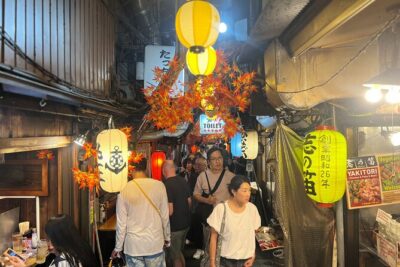
Tokyo: Shinjuku Food Tour (13 Dishes at 4 Local Eateries)
Read our review →
Sushi Making Tokyo Roll and Authentic Japanese Sushi Class
Read our review →
Tokyo Tsukiji Fish Market Food and Culture Walking Tour
Read our review →
Best of Shinjuku: Izakaya Food Tour (4 Stops, 14+ Tastings)
Read our review →
Tokyo: Sushi Making Class in a Happi Coat near a Famous Spot
Read our review →
Sushi Making Tokyo! Popular Maki Sushi & Japanese Sushi(+Recipe!)
Read our review →
Tokyo Sushi Making Class in Tsukiji with Professional Chef
Read our review →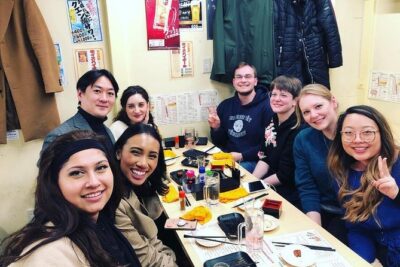
Eat and Drink Like a Local: Tokyo Ueno Food Tour-Taverns&Ramen
Read our review →Browse the lists this tour appears in