
Review · TOKYO
Ramen Making from Scratch +Akihabara Tour –Cooking Class
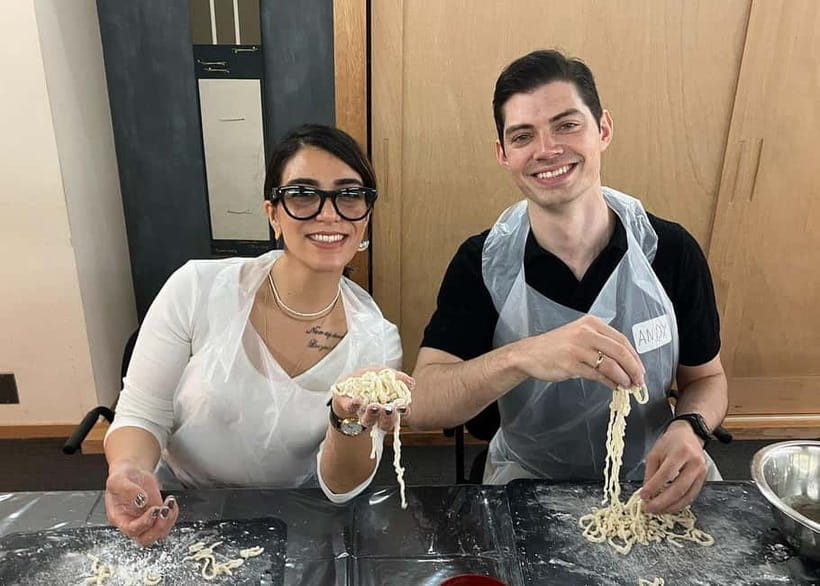
The best part of this three-hour experience is that you do not simply eat ramen, you make the noodles from flour and build the bowl yourself. The morning begins in Akihabara, with anime, electronics, and pop culture outside, then shifts to a supermarket and a modern cooking studio.
I like the useful supermarket stop, where Japanese ingredients are explained before you cook. I also like the small group, limited to six people, since making noodles is much easier when the instructor can give you a hand. The main drawback is that the class is not suitable for vegetarians or vegans, and you must pay your own train fare to the studio.
Key points at a glance
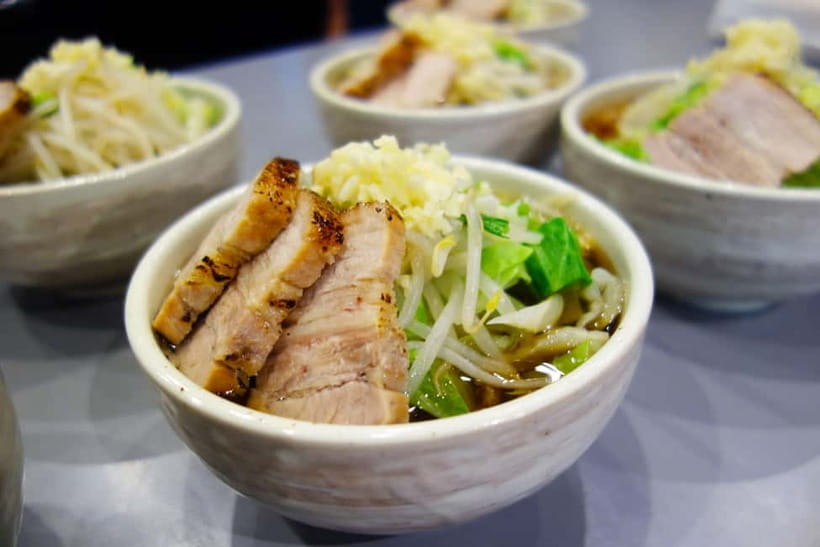
- Fresh noodles from flour: Prepare the noodles yourself rather than watching a chef do all the work.
- Akihabara beyond electronics: Walk through Electric Town and visit a local supermarket before cooking.
- Jiro-style ramen in English: This is promoted as the only English-language class focused on making this special ramen style.
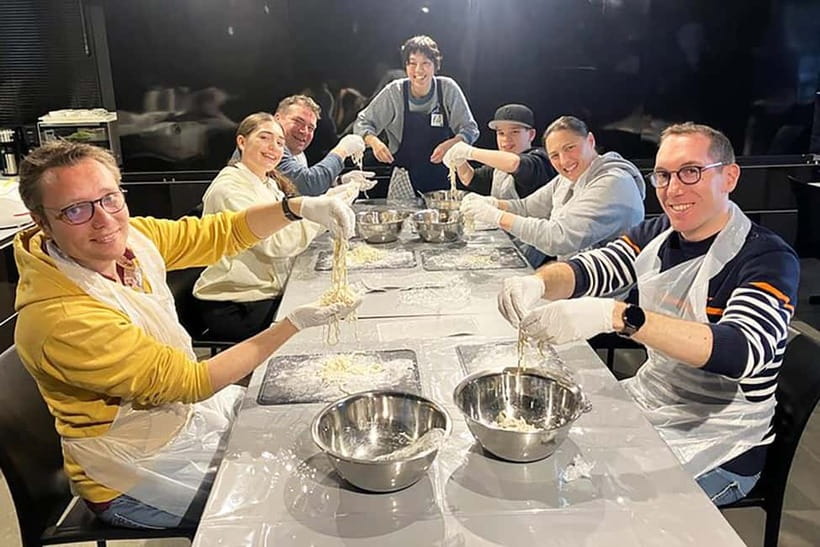
- Small group of six: A compact class makes hands-on instruction more practical.
- Chicken option available: Request chicken instead of pork chashu more than 48 hours ahead.
- Finish at a different location: The class ends at the kitchen studio, not back at Akihabara Station.
Why this ramen class is different
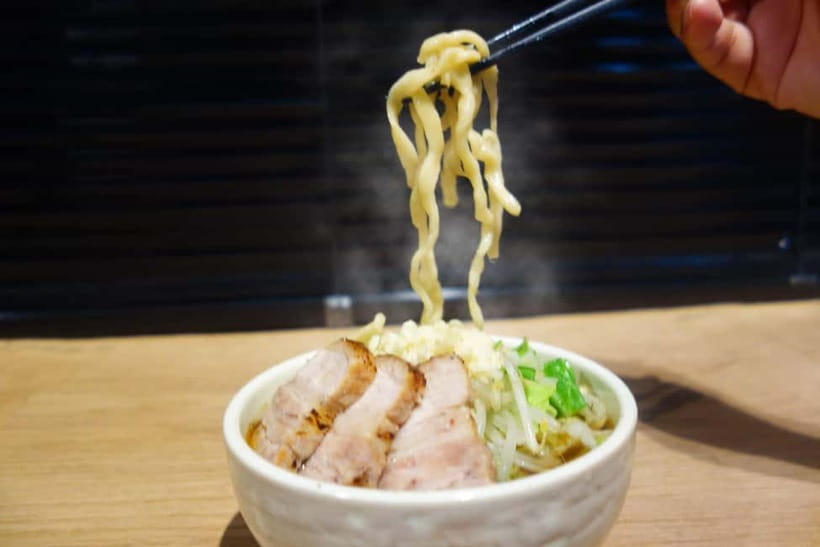
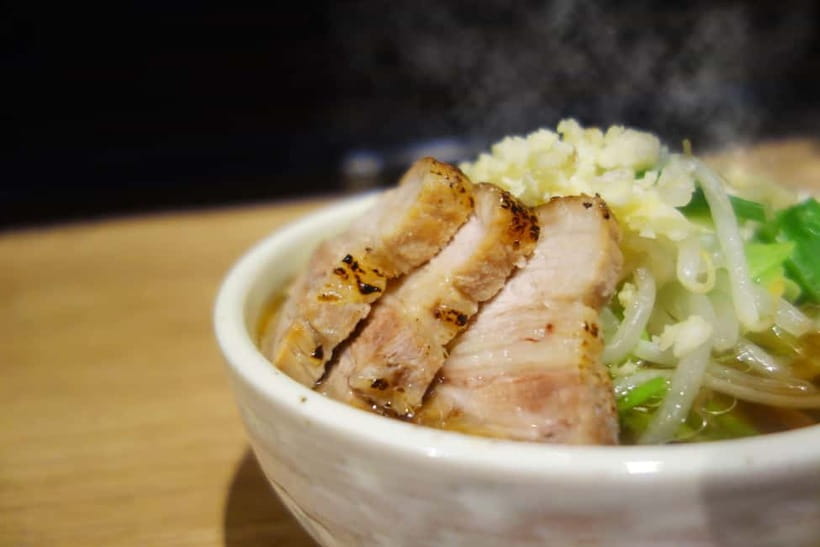
Many food classes in Tokyo focus on eating, presentation, or a short demonstration. This one asks you to work through the whole process. You start with flour, prepare fresh noodles, make the broth and toppings, and then bring the bowl together.
That matters because ramen is often treated as a quick meal, yet the bowl has several parts working at once. This class gives you a look at those parts in a practical way. You can see the ingredients, handle the noodles, and understand how the finished dish comes together.
The focus is Jiro-style ramen. The information provided does not give a full technical description of the recipe, so you should not expect a lecture on every regional ramen tradition. What you can expect is a special, filling ramen preparation taught in English, with fresh noodles and toppings made during the class.
The experience also connects food with place. Akihabara is not just a station where you meet before cooking. The first part takes you through Tokyo’s famous Electric Town, then into a local supermarket where the ingredients are introduced. You get a quick look at modern Japanese food culture before entering the kitchen.
More cooking classes around Tokyo:
- Ramen & Gyoza Cooking Class in Tokyo with Local Supermarket Visit
★ 5.0 · 823 reviews - Ramen Cooking Class at Ramen Factory in Kyoto
★ 5.0 · 1,937 reviews - Small Group Cooking Class & Market Food Tour in Florence
★ 5.0 · 1,574 reviews
Meeting at 11 AM in Akihabara
You meet at 11 AM outside the Central Ticket Gate of JR Akihabara Station. Pay close attention to the wording. The meeting point is outside the gate, not inside the station concourse.
Akihabara is a busy place with several exits and plenty of signs, so arriving early is sensible. If you are more than 10 minutes late, the group may leave without you. In that case, you are expected to go directly to the kitchen studio, and the booking is not refundable because of the delay.
The tour begins with a walk of about 20 minutes. This is a short orientation rather than a full historical tour of the neighborhood. You will pass popular parts of Akihabara, known for gadgets, anime, games, and pop culture.
I see this as a useful pairing with the cooking class. You get a taste of the district before leaving it, rather than spending the entire morning indoors. Still, if your main interest is Akihabara’s shops and arcades, this walk is too brief for serious browsing. Think of it as an introduction on the way to the supermarket.
A supermarket lesson in Japanese ingredients
The supermarket visit lasts about 20 minutes. It is a small part of the schedule, but it gives the cooking class more context.
Your guide explains the ingredients used for that day’s ramen and how they fit into Japanese cooking. This is more useful than simply receiving a premeasured tray at the studio. You can connect the finished bowl with the products you saw on the shelves.
A supermarket also shows everyday food culture in a direct way. You are not being taken only to a place designed for visitors. You are seeing where local ingredients are sold and learning how the class uses them.
The stop is short, so do not expect time to study every aisle or shop for souvenirs. Its value is in the explanation. If you enjoy food markets and grocery stores, you may wish this section lasted longer, but the limited time keeps the morning moving.
Taking the train to the kitchen studio
After the supermarket, you take a train to the cooking venue. The ride takes about 15 to 30 minutes, depending on the route and conditions.
The transportation from Suehirocho Station to the studio is not included in the price. You use your own Suica or another IC card. If you do not have one, the guide helps you buy a ticket.
This is a small cost, but it is worth knowing before you book. The advertised price is $120 per person, yet your total expense includes the local train fare. You also need to manage a transfer from the meeting point to the class location, so keep your IC card ready and follow the guide closely.
The studio is a Patia Kitchen Studio, described as a stylish and spacious cooking space in central Tokyo. It is a few minutes from the nearest station and has been used for Japanese television programs. Those details suggest a proper cooking venue rather than a cramped demonstration counter, though the exact room and equipment can vary.
The important practical point is that the class ends there. You do not return to Akihabara Station as part of the tour, so plan your afternoon from the studio location.
More food workshops around Tokyo:
- Sushi Making Tokyo Roll and Authentic Japanese Sushi Class
★ 5.0 · 3,971 reviews - Tokyo: Roll and Authentic Sushi Making Class in Asakusa
★ 4.9 · 1,957 reviews - Tokyo: Sushi Making Class in a Happi Coat near a Famous Spot
★ 4.9 · 1,377 reviews - Tokyo Sushi Making Class in Tsukiji with Professional Chef
★ 5.0 · 1,177 reviews
Making the noodles from scratch
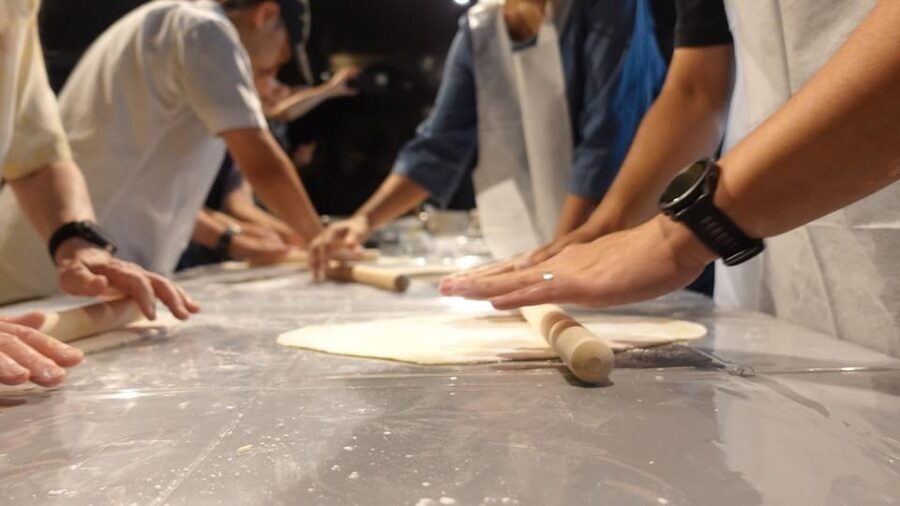
The cooking portion lasts about 90 minutes. You work with an English-speaking instructor and prepare the ramen from the beginning.
The headline feature is the noodle making. You use flour to create fresh noodles rather than opening a packet or simply watching a noodle machine. This hands-on step is likely to be the most memorable part for anyone who enjoys cooking.
Making noodles can be physical work. The experience is not suitable for people with back problems, and that restriction is worth taking seriously. You should expect to stand and work around a kitchen for much of the class.
The small group helps here. With no more than six participants, the instructor has a better chance of watching each person’s technique and answering questions. You still need to pay attention and follow directions, but you are not lost in a large cooking crowd.
The class does not provide the kind of flexible menu found in some cooking schools. Vegan and vegetarian options are not available. If you eat pork, the standard chashu preparation is part of the experience. If you prefer chicken, contact the provider more than 48 hours in advance to request the change.
Preparing broth, toppings, and the final bowl
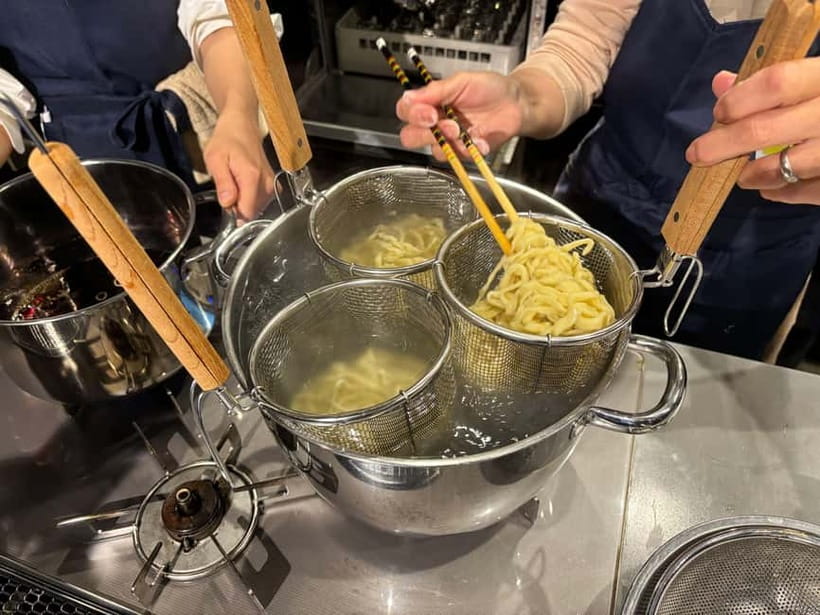
The noodles are only one part of the meal. You also prepare the broth and toppings before combining everything into a bowl of Jiro-style ramen.
The supplied information does not specify every ingredient or the full recipe, so do not book this expecting a printed menu with a guaranteed list of components. The ingredients can vary by day, and the supermarket stop is used to explain what you will prepare that day.
That daily variation can be a plus. It makes the supermarket visit meaningful and gives the instructor room to work with available ingredients. It also means you should ask questions during the class if you want to remember a particular ingredient or method.
The cooking ends with you eating the ramen you made. One Canadian participant described the recipe as the best ramen they ate during their Japan trip, while Italian participants particularly praised the guide and chef. Those comments point to two strong features: the food itself and the quality of the instruction.
I would keep expectations sensible. The class teaches you a special ramen style in a limited time, not the full craft of a professional ramen shop. Still, preparing the noodles, broth, and toppings gives you a stronger connection to the meal than ordering a bowl at a counter.
The value of $120 per person
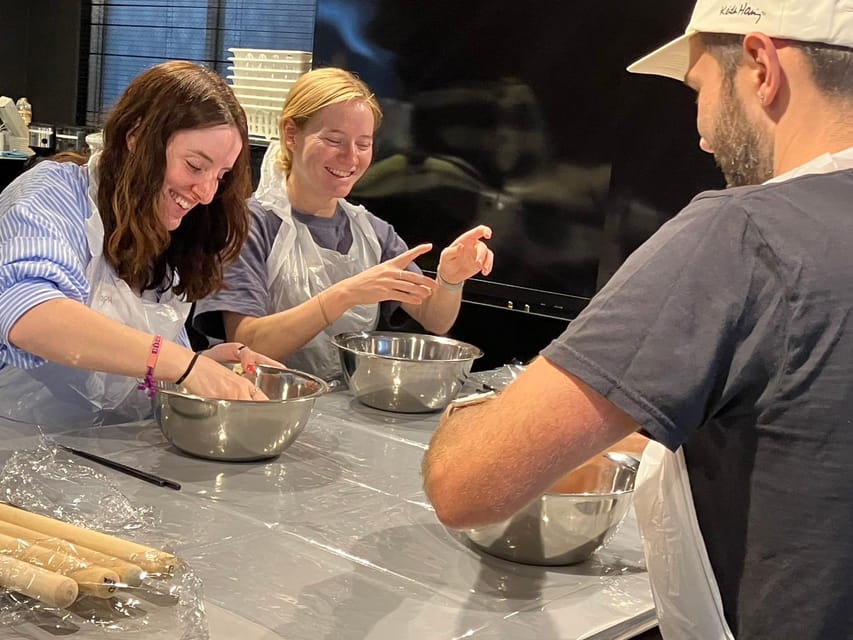
At $120 per person, this is not a cheap lunch activity. You are paying for more than the food. The price covers a guide-led walk in Akihabara, a supermarket explanation, an English-language cooking class, the food and drink, and photographs that you can download later.
The six-person maximum improves the value. A private class would cost much more, while a large group could make a hands-on noodle lesson frustrating. Here, the format sits between a private lesson and a standard group tour.
The price also includes a full three-hour block in your Tokyo schedule. If you already plan to visit Akihabara, the walk and supermarket stop add useful structure. If you only want to eat ramen, a restaurant will cost far less and take much less time.
I think the price makes the most sense for you if you enjoy learning by doing. You take home a method, not just a meal, and the downloadable photographs give you a record of the activity. The train fare is extra, but it should be a modest addition rather than a major cost.
Who will enjoy this most
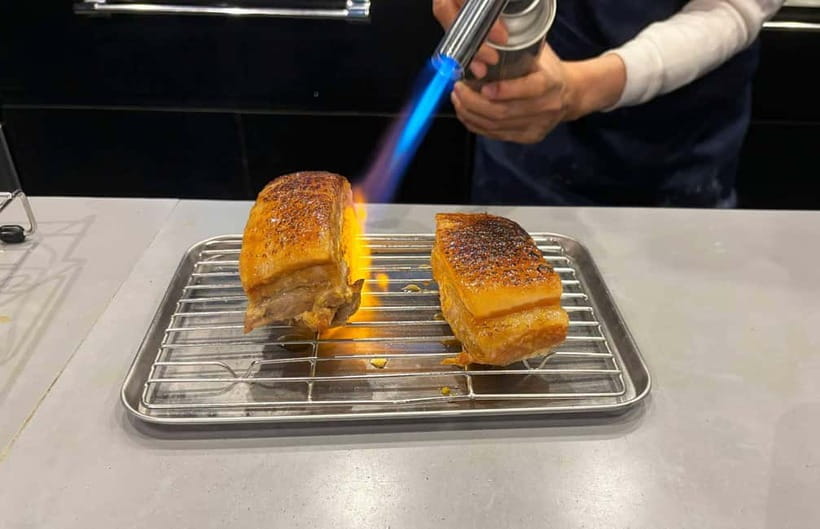
This class suits adults and older children who like cooking, Japanese food, and small-group activities. Children under five cannot join, and the experience is not suitable for wheelchair users, people with back problems, vegans, or vegetarians.
It also works well for a couple or small group of friends. A minimum of two people is required per reservation, so solo booking is not an option unless you arrange to join another booking under the provider’s rules.
English speakers have a clear advantage because the instructor teaches in English. The class is a good fit if you want direct explanations and the chance to ask questions as you work.
You should choose another activity if your priority is an extended Akihabara shopping tour, a vegetarian menu, or a fully accessible cooking venue. The walk is short, the menu is not flexible for plant-based diets, and the studio is separate from the meeting point.
Practical details that affect your morning
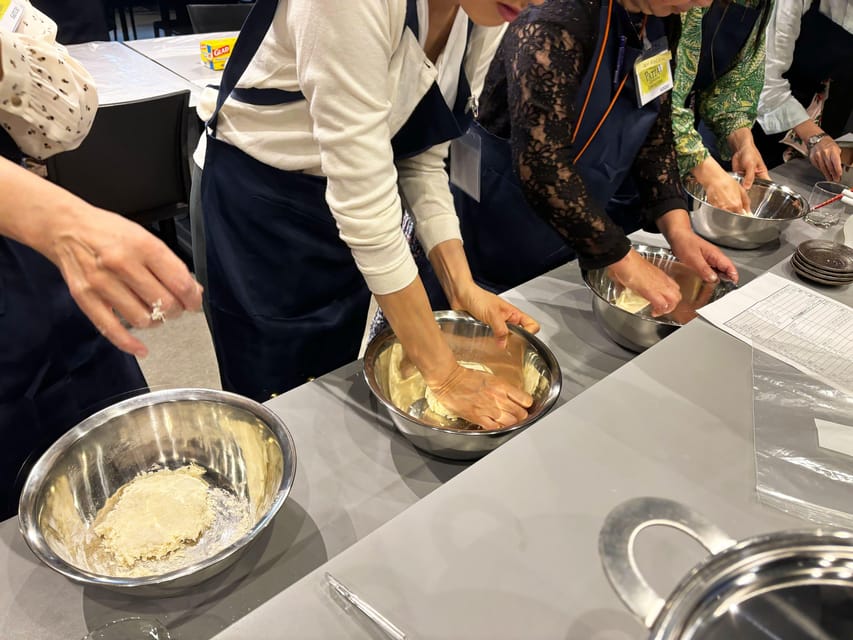
Wear clothing that lets you move comfortably in a kitchen. The experience includes walking, a train ride, and hands-on preparation, so this is not a sit-down tasting.
Arrive early at the Central Ticket Gate. The 10-minute late policy is strict, and the group leaves the station before the supermarket visit. Save the kitchen studio details on your phone in case you need to find it independently after a delay.
Bring or purchase a Suica or another IC card for the train. The guide can help you buy a ticket, but having your fare ready will make the transfer easier.
The activity includes downloadable photographs taken during the experience. They are useful if you want a visual record of the class, though the information does not promise a set number of images or professional portrait service.
Cancellation is flexible if your plans change. You can cancel up to 24 hours in advance for a full refund, and you can reserve now and pay later. Those terms help if your Tokyo schedule is still shifting.
What the high rating tells you
The experience has a five-star rating from 25 reviews, with praise focused on the people leading it, the practical cooking, and the taste of the finished ramen.
The Italian participants praised both the guide and the chef, with one highlighting the chance to learn the secrets of Japanese ingredients. The Canadian participant singled out the homemade ramen and found the neighborhood visit worthwhile. Another participant described the guide and instructor as friendly and well informed.
That pattern matters. The strongest part is not just the bowl at the end. It is the combination of clear instruction, ingredient explanations, and a short Akihabara visit. You are likely to get the most from it if you ask questions and take part fully rather than treating the class as a demonstration.
Should you book this ramen experience?
Book it if you want to make a complete ramen dish in English, enjoy small groups, and like the idea of pairing a local neighborhood walk with a cooking lesson. The fresh noodles and Jiro-style recipe give the activity a clear focus, while the supermarket stop adds a useful everyday Tokyo touch.
Skip it if you need vegetarian or vegan food, cannot stand for a kitchen session, use a wheelchair, or want to finish back at Akihabara Station. Also skip it if your main goal is shopping, since the 20-minute walk is only a quick introduction.
For the right person, $120 buys a solid half-day experience rather than just lunch. You leave with a better understanding of the ingredients, a meal you helped create, photographs, and a clear sense of how food fits into modern Tokyo life.
FAQ
Where does the experience begin?
It begins at 11 AM outside the Central Ticket Gate of JR Akihabara Station.
How long does the experience last?
The total duration is about three hours.
How large is the group?
The group is limited to six participants.
Is the class taught in English?
Yes. The guide and cooking instructor provide the experience in English.
Is train transportation included?
No. The train ride from Suehirocho Station to the studio is not included. You use your own Suica or another IC card, or buy a ticket with help from the guide.
Can I request chicken instead of pork?
Yes. You can request chicken chashu instead of pork if you notify the provider more than 48 hours in advance.
Are vegan or vegetarian options available?
No. Vegan and vegetarian options are not available.
Where does the experience end?
It ends at the kitchen studio, which is different from the meeting point at Akihabara Station.
Fresh off the menu around Tokyo
- Shinjuku Tokyo: Authentic Japanese Home-Style Culinary Class★ 4.9 · 125 reviews
- Shinjuku: Golden Gai Food Tour★ 4.6 · 77 reviews
- Shibuya Tokyo: Sushi Making Class (Vegan/Vegetarian/Halal)★ 4.7 · 29 reviews
- Shinjuku: Food Tour – 15 Dishes at 4 local eateries★ 4.8 · 246 reviews
- Shibuya: Ramen Dojo Tokyo | Make All 3 (Tonkotsu/Shoyu/Miso)★ 4.8 · 207 reviews
- Tokyo: Secret Food Walking Tour★ 4.7 · 38 reviews
- Exclusive Tokyo Ramen Kitchen Experience★ 4.7 · 34 reviews
- Eat/Drink like a LOCAL-Taverns & Ramen★ 4.9 · 23 reviews
Tokyo Food Tours, compared.
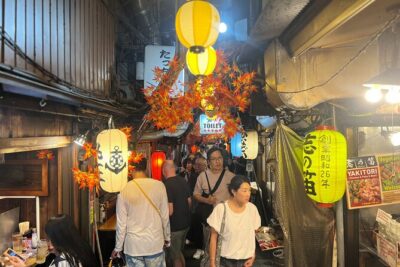
Tokyo: Shinjuku Food Tour (13 Dishes at 4 Local Eateries)
Read our review →
Sushi Making Tokyo Roll and Authentic Japanese Sushi Class
Read our review →
Tokyo Tsukiji Fish Market Food and Culture Walking Tour
Read our review →
Best of Shinjuku: Izakaya Food Tour (4 Stops, 14+ Tastings)
Read our review →
Tokyo: Sushi Making Class in a Happi Coat near a Famous Spot
Read our review →
Sushi Making Tokyo! Popular Maki Sushi & Japanese Sushi(+Recipe!)
Read our review →
Tokyo Sushi Making Class in Tsukiji with Professional Chef
Read our review →
Tokyo Night Foodie Tour in Shinjuku – Seasonal Sushi, Wagyu Beef
Read our review →Browse the lists this tour appears in