
Review · TOKYO
Ramen Tasting – Mini Bowl Ramen Tour
Tokyo’s ramen scene can feel like a delicious problem: there are too many shops, too many styles, and no easy way to know what deserves your time. This tour solves that neatly, taking you through three ramen-focused neighborhoods and serving six mini bowls at three award-winning shops.
I especially like the small portions, which let you compare spicy fish, savory pork, shoyu, tonkotsu, and other styles without committing to six full meals. I also like the guides’ mix of food talk and city orientation. Sahori, Brian, Bunga, Makayla, Daisy, and others have led this experience, and the best guides turn each stop into a friendly lesson rather than a rushed handoff.
The main caution is simple: six bowls still add up. You will walk between shops, and the tour costs $118.92 per person, so it makes the most sense if ramen is a major reason you came to Tokyo.
Key points at a glance
- Six mini bowls in about three hours: You get a broad taste of Tokyo ramen without ordering six full servings.
- Three different neighborhoods: The route gives you more than a restaurant crawl and includes a look at Tokyo streets between meals.
- Three award-winning shops: Each stop is chosen for a distinct ramen style and setting.
- Guides who explain the food: Sahori, Brian, Bunga, Makayla, Daisy, and other guides cover ingredients, origins, eating habits, and ramen’s future.
- Small group format: The maximum group size is 10, which leaves room for questions and personal attention.
- Come hungry and wear sensible shoes: The walking is manageable for most people with moderate fitness, but this is not a sit-down-only meal.
Why six small bowls beat one giant bowl
A normal ramen meal asks you to make one choice. That can be a poor bargain when you are new to Japanese ramen. You may order a bowl based on a picture, discover that the broth is not your style, and have no room left to try anything else.
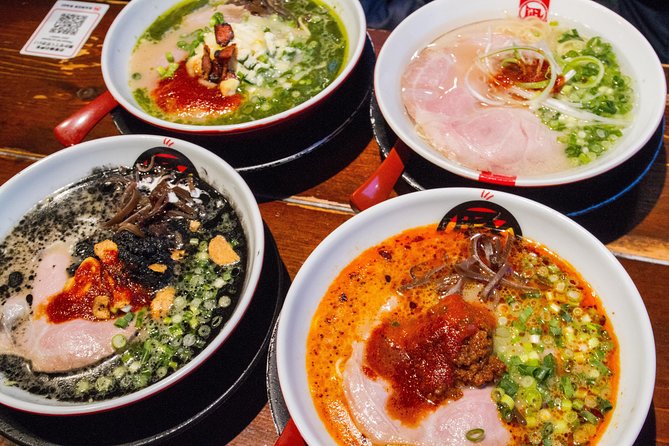
This tour changes the math. Two mini bowls arrive at each of three shops, giving you a chance to compare broths, noodles, toppings, and seasoning in the same afternoon or evening. The portions are designed for sampling, not for leaving you with a full-size bowl at every stop.
The range is the real point. You might encounter creamy tonkotsu, delicate shoyu, spicy fish-based broth, savory pork, and regional or less familiar combinations. The exact bowls can change, but the structure gives you a useful cross-section rather than six versions of the same dish.
I would still treat the six bowls as a substantial meal. The word mini can be misleading once you have eaten several servings. If you have a large appetite, you will appreciate the included beverage. If you are a light eater, pace yourself and avoid filling up at the first shop.
Some pair bookings have been able to sample up to 12 types between two people, depending on how the food is arranged. Do not assume that extra tasting is guaranteed. The stated package includes lunch with six mini bowls and one beverage.
More Sushi and Ramen Tours in Tokyo:
- Best of Shinjuku: Izakaya Food Tour (4 Stops, 14+ Tastings)
★ 5.0 · 1,863 reviews - Tokyo: Ramen Tasting Tour with 6 Mini Bowls of Ramen
★ 4.9 · 432 reviews - Hiroshima Izakaya Food and Drink Night Tour
★ 5.0 · 297 reviews
Starting near Shibuya Crossing
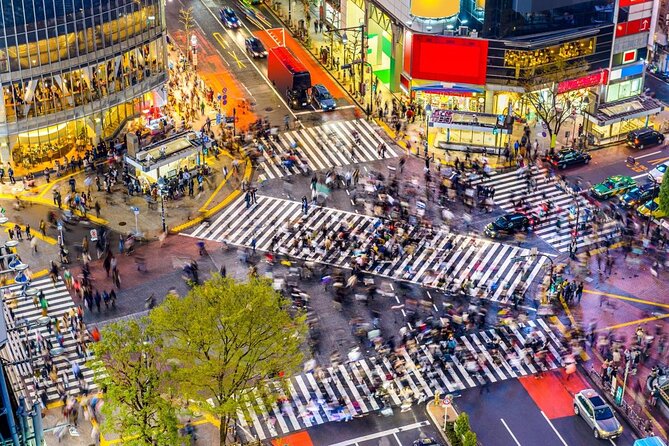
The listed itinerary begins at Shibuya Crossing, one of Tokyo’s most recognizable public spaces. The crossing itself takes only a moment to see, but it is a useful meeting point and a lively introduction to the city.
Your guide helps you get oriented before the food begins. This matters because major Tokyo stations can be confusing, especially if you are still learning how exits, underground passages, and street signs fit together. One guide, Bunga, has been praised for helping with the Shibuya station layout, an especially useful touch for anyone arriving in Tokyo for the first time.
The crossing is free, and the stop is brief. Do not expect a long sightseeing visit here. Its value is practical: you meet in a famous part of Tokyo, then move into the city’s food culture instead of spending the whole tour at a landmark.
From there, the experience visits three neighborhoods known for ramen. The exact sequence may vary, but the movement between areas is part of the design. You get small glimpses of Tokyo outside the main tourist circuit, with your guide adding local context along the way.
Three shops, three different ramen lessons
The first shop is where you begin comparing rather than simply eating. Your guide explains what makes one broth lighter, heavier, saltier, fishier, or more pork-forward. You may also learn how noodles and toppings change the character of a bowl.
At the second shop, the contrasts become clearer. A rich bowl after a lighter one can taste dramatically different, while a spicy or fish-based style may reset your expectations about what ramen can be. The point is not to declare one bowl the winner. It is to understand why the styles appeal to different people.
The third stop completes the picture with another specialty. This may include a regional style or a less familiar combination that you might not order on your own. That is one of the strongest reasons to join the tour: you can test a new style in a small portion instead of gambling on a full bowl.
The shops are described as award-winning, but you should think of the tour as a guided tasting rather than a ranking of Tokyo’s finest restaurants. You are visiting three selected places in one route. The advantage is variety and efficiency. The tradeoff is that you will not linger over one bowl for a long, leisurely meal.
What the guide adds between bites
Ramen is not just broth and noodles. It has a long development in Japan, with regional approaches, changing ingredients, and modern variations. The guide explains that background in plain language while you eat.
You can expect discussion of ramen’s past, present, and future, along with practical instruction on how to eat it like a local. That can include how to approach the noodles, broth, toppings, and pace of the meal. You are not expected to arrive with a food vocabulary or previous ramen experience.
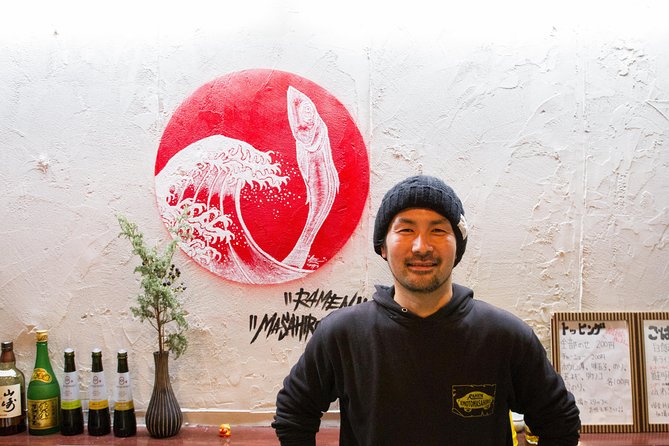
The strongest guides named in the feedback include Sahori, Brian, Bunga, Makayla, Daisy, Julija, Manny, and Deep. Their styles differ, but the useful qualities are consistent: clear explanations, warm conversation, patience with questions, and enthusiasm for the subject.
Brian has a personal connection to ramen that began during his childhood in the United States. Sahori is known for keeping the group involved and asking for feedback on each dish. Makayla has been especially well regarded for making the tour easygoing while explaining unfamiliar ramen types. Bunga has also led family groups through the three stops with a friendly, energetic approach.
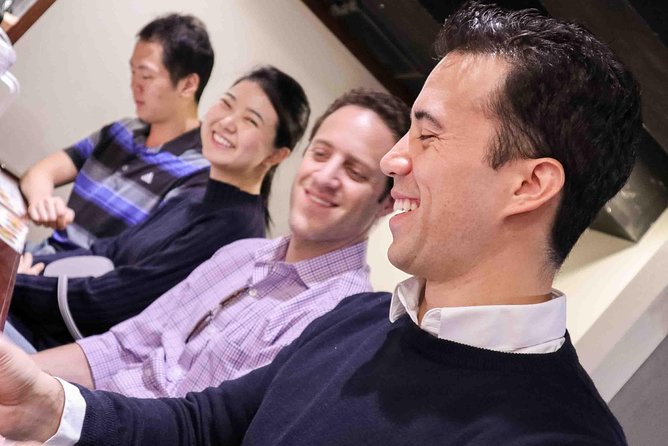
The group limit of 10 helps here. You are not lost in a crowd, and the guide can respond to individual tastes or dietary concerns. One group with dietary requirements had them addressed without trouble, but you should still communicate any needs when booking or before the first bowl.
More food tours around Tokyo:
- Tokyo: Shinjuku Food Tour (13 Dishes at 4 Local Eateries)
★ 5.0 · 6,603 reviews - Sushi Making Tokyo Roll and Authentic Japanese Sushi Class
★ 5.0 · 3,971 reviews - Tokyo Tsukiji Fish Market Food and Culture Walking Tour
★ 5.0 · 3,184 reviews - Tokyo: Shinjuku Food Tour (15 Dishes and 4 Eateries)
★ 4.9 · 2,033 reviews
A walking tour disguised as lunch
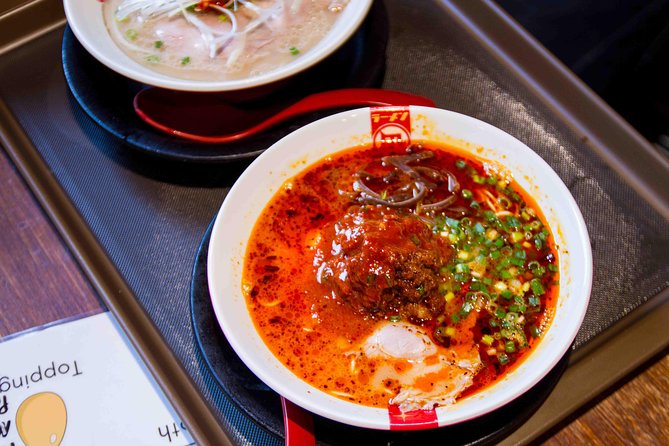
The tour lasts about three hours, and the movement between shops is not an afterthought. You walk through three Tokyo neighborhoods rather than taking a vehicle from restaurant to restaurant.
The walking is generally described as reasonable for someone with moderate physical fitness. Still, this is not the right pick if you want to sit down continuously. Wear comfortable shoes, keep your hands free, and allow a little energy for station areas and city streets.
One route included a stroll through a park, with cherry blossoms in bloom at the time. Seasonal scenery is not guaranteed, but the example shows how the tour can provide breathing room between bowls. A short walk also helps reset your palate and keeps the experience from feeling like one long meal.
Transportation to and from the attractions is not included. The tour is near public transportation, but you handle your own arrival and departure. Pay attention to the meeting instructions and station exit details, especially if the start is in the busy Shibuya area.
Is $118.92 a fair price?
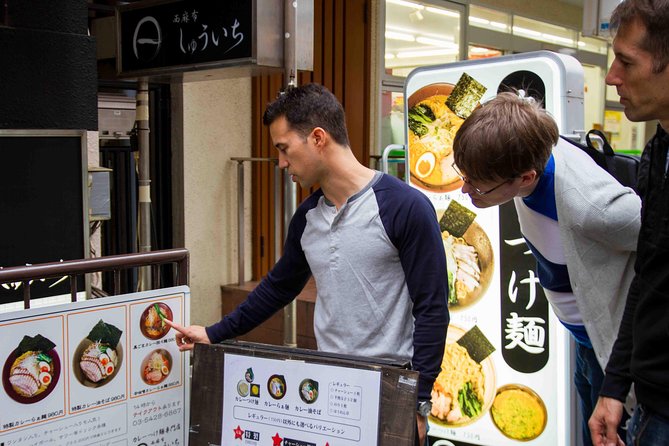
At $118.92 per person, this is not a cheap ramen lunch. You could order a bowl on your own for far less. The price is easier to justify when you count the six tastings, the three shops, the guide, the neighborhood walks, the food history, and the included drink.
You are paying for access and structure. Without a plan, trying six distinct bowls across Tokyo would take more time, more research, and a larger appetite. The tour also removes much of the uncertainty around ordering, which is valuable if you cannot read the menu or do not know the difference between ramen styles.
The value is strongest for a first visit, a food-focused trip, or anyone who has eaten ramen but wants to understand it better. It is weaker for a person who already has a carefully planned list of favorite ramen shops and prefers to eat alone at their own pace.
The small bowls matter financially as well as physically. They let you sample widely, but they are still real servings from three restaurants. You are not paying for a token spoonful. You are paying for enough food to make lunch, or in some cases an early dinner, while keeping room for comparison.
Who will enjoy this most?
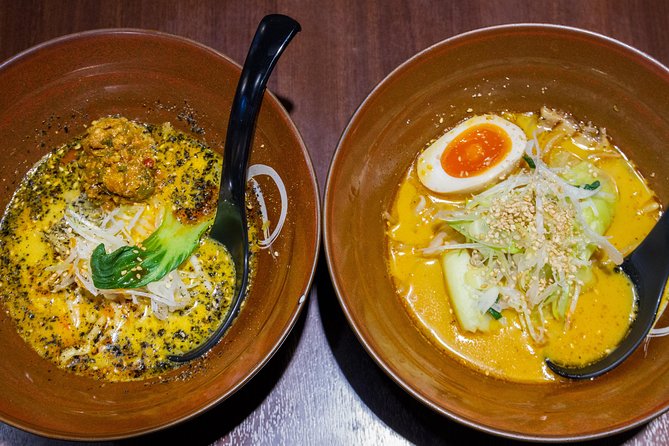
I would recommend this tour to first-time visitors who feel overwhelmed by Tokyo’s ramen choices. It gives you a starting point, a set of styles to compare, and enough background to make better restaurant choices later in your trip.
It also suits families with older children or teenagers who enjoy trying different foods. The small bowls create a natural tasting game, and the route breaks up the meal with walking. Teens may also appreciate that the experience feels more active than sitting in one restaurant.
Couples and friends benefit from sharing reactions as each bowl arrives. If you are booking as a pair, ask how the tasting is handled, since some pair groups have been able to try more varieties than the standard six.
Solo diners can also fit well into the small group. The guide-led format makes it easier to ask questions and meet other people without needing to organize a food plan yourself.
You may want to skip it if you dislike broth-heavy meals, have a very restricted diet, or find three hours of eating and walking tiring. The tour can accommodate dietary requirements in some cases, but the supplied information does not promise every restriction can be met.
Practical details that affect the day
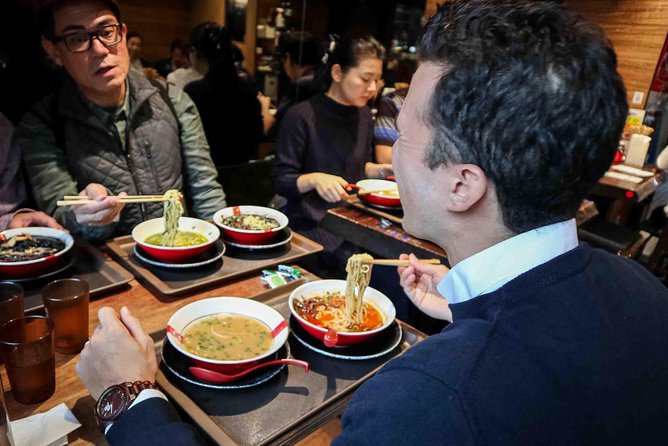
The experience uses a mobile ticket, and confirmation arrives when you book. It is near public transportation, but getting to the meeting point and returning afterward are your responsibility.
The maximum group size is 10. That is small enough for conversation, though the exact feel depends on the group and guide. A private experience is not promised.
Food tasting, a local guide, lunch of six mini bowls, and one beverage are included. Transportation to and from the attractions is not. Some descriptions of individual outings have included two drinks, so check the details of your selected departure if the beverage allowance matters to you.
The cancellation policy is forgiving if your plans change early. You can receive a full refund by canceling at least 24 hours before the local start time. Cancellations or changes inside that window are not accepted for a refund.
Should you book the Tokyo ramen tasting tour?
Book it if you want variety, guidance, and a full introduction to ramen rather than one enormous bowl. The combination of six mini portions, three neighborhoods, and a personable guide gives you a useful food lesson and a practical way to get oriented in Tokyo.
The price is high for lunch alone, but fair for a three-hour tasting with six servings and local interpretation. Go hungry, wear comfortable shoes, and keep your schedule open enough that you are not rushing between the meeting point and your next appointment.
If you already know exactly which ramen shops you want to visit, spend the money on those meals instead. For everyone else, this is a smart first step into Tokyo’s ramen world, especially when the choice of restaurant feels harder than the choice of broth.
FAQ
How long does the ramen tasting tour last?
The experience lasts approximately three hours.
How many ramen bowls are included?
The tour includes lunch with six mini bowls of ramen. Some pairs have been able to try more varieties by sharing, but extra tastings are not guaranteed.
How many restaurants does the tour visit?
You visit three award-winning ramen shops in three Tokyo neighborhoods known for ramen.
Is a drink included?
Yes. The stated inclusions provide one beverage with lunch.
How large is the group?
The maximum group size is 10 people.
Can I cancel for a full refund?
Yes, if you cancel at least 24 hours before the experience start time, based on Tokyo local time. Cancellations or changes made less than 24 hours before the start are not accepted for a refund.
Fresh off the menu around Tokyo
- Shinjuku Tokyo: Authentic Japanese Home-Style Culinary Class★ 4.9 · 125 reviews
- Shinjuku: Golden Gai Food Tour★ 4.6 · 77 reviews
- Shibuya Tokyo: Sushi Making Class (Vegan/Vegetarian/Halal)★ 4.7 · 29 reviews
- Shinjuku: Food Tour – 15 Dishes at 4 local eateries★ 4.8 · 246 reviews
- Shibuya: Ramen Dojo Tokyo | Make All 3 (Tonkotsu/Shoyu/Miso)★ 4.8 · 207 reviews
- Tokyo: Secret Food Walking Tour★ 4.7 · 38 reviews
- Ramen Making from Scratch +Akihabara Tour –Cooking Class★ 5.0 · 25 reviews
- Exclusive Tokyo Ramen Kitchen Experience★ 4.7 · 34 reviews
Tokyo Food Tours, compared.
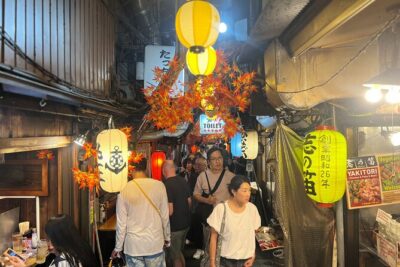
Tokyo: Shinjuku Food Tour (13 Dishes at 4 Local Eateries)
Read our review →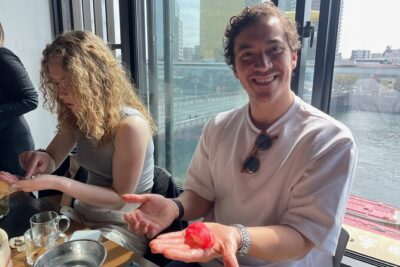
Sushi Making Tokyo Roll and Authentic Japanese Sushi Class
Read our review →
Tokyo Tsukiji Fish Market Food and Culture Walking Tour
Read our review →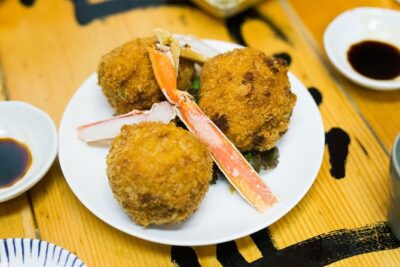
Best of Shinjuku: Izakaya Food Tour (4 Stops, 14+ Tastings)
Read our review →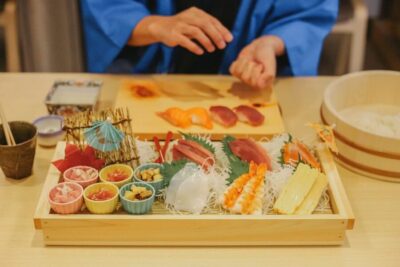
Tokyo: Sushi Making Class in a Happi Coat near a Famous Spot
Read our review →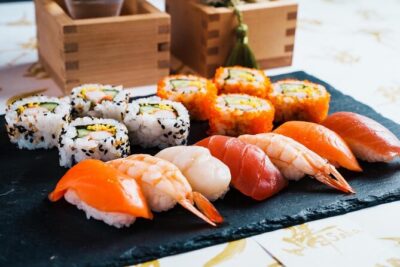
Sushi Making Tokyo! Popular Maki Sushi & Japanese Sushi(+Recipe!)
Read our review →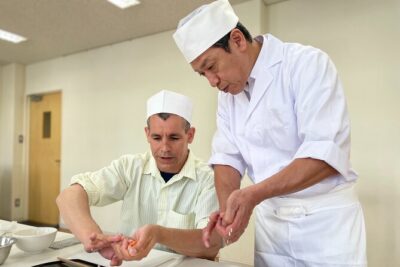
Tokyo Sushi Making Class in Tsukiji with Professional Chef
Read our review →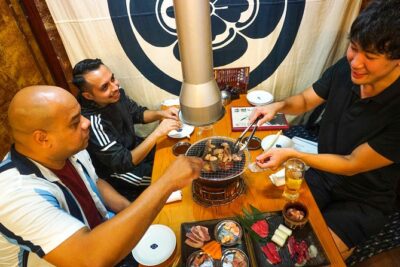
Tokyo Night Foodie Tour in Shinjuku – Seasonal Sushi, Wagyu Beef
Read our review →Browse the lists this tour appears in