
Review · TOKYO
Exclusive Tokyo Ramen Kitchen Experience
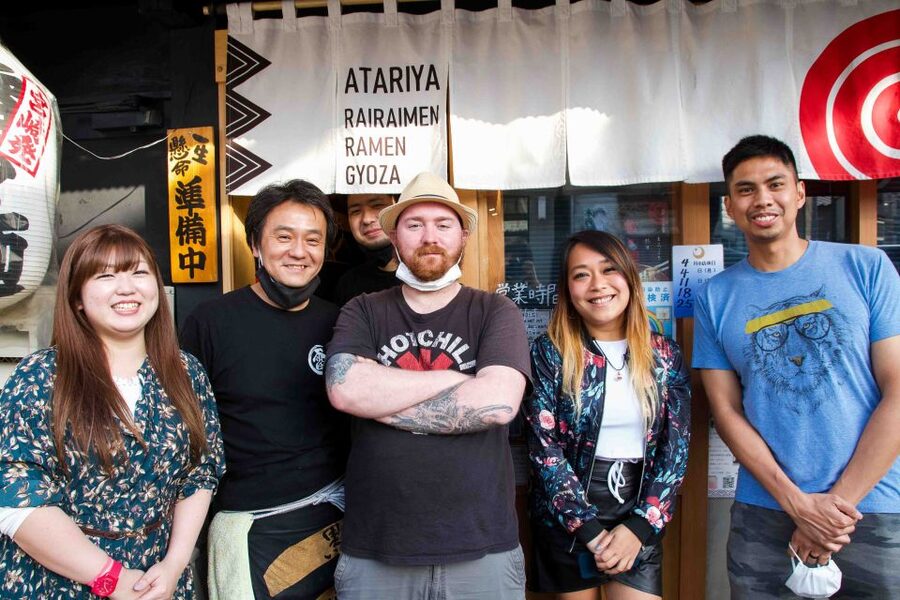
Tokyo ramen is not just a bowl set in front of you. It is a fast, hot, carefully timed kitchen performance, and this one-hour experience lets you watch it from the other side of the counter. You learn about ramen origins, broth, noodles, and toppings, then help put together two small bowls of ramen and eat two gyoza.
I like the rare access to a real, award-winning ramen shop, and I like the small group limit of six. It gives the guide and chef room to explain what is happening instead of waving you through a crowded demonstration. The main drawback is the price: at $83 per person, this is costly for a one-hour meal, especially since you are not making the broth or noodles from scratch.
Key points at a glance
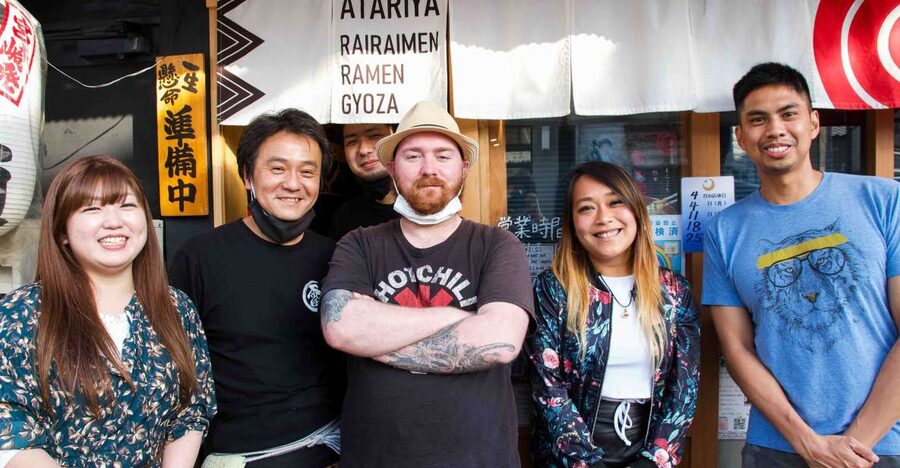
- Real kitchen access: You go behind the counter in an operating ramen shop, with hot soup and water close at hand.
- Two bowls, not one: The food portion includes two small bowls of ramen and two fried dumplings.
- A compact lesson: In one hour, you cover ramen origins, types, ingredients, broth, noodles, and assembly.
- Small English-speaking group: The experience is limited to six people, and guides vary. Frank is one guide associated with the tour.
- Not a full cooking class: The long kitchen work is prepared ahead of time. You take part in the final preparation rather than making everything from raw ingredients.
- Important food detail: The ramen contains chicken, pork, and fish, so this is not suitable if you need to avoid those ingredients.
Inside an actual Tokyo ramen kitchen
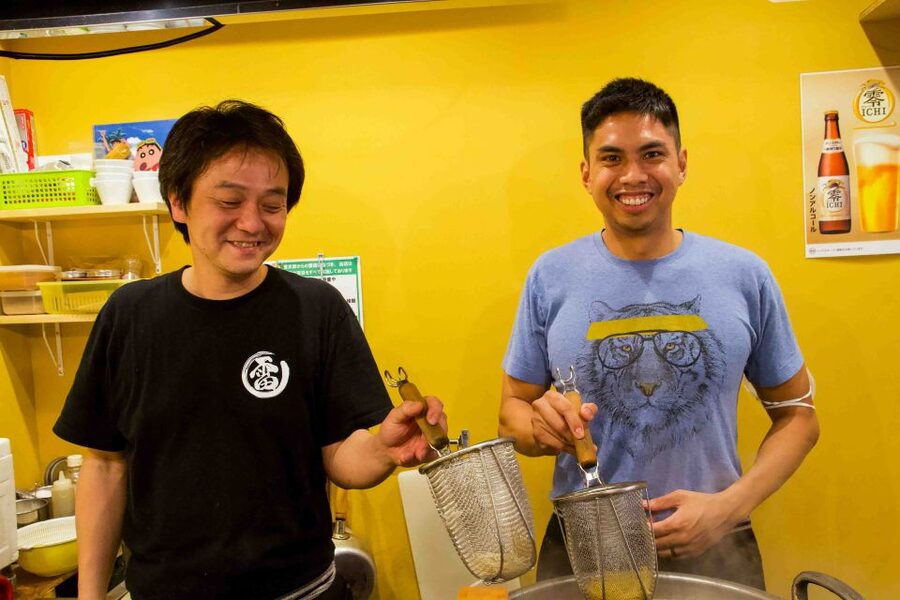
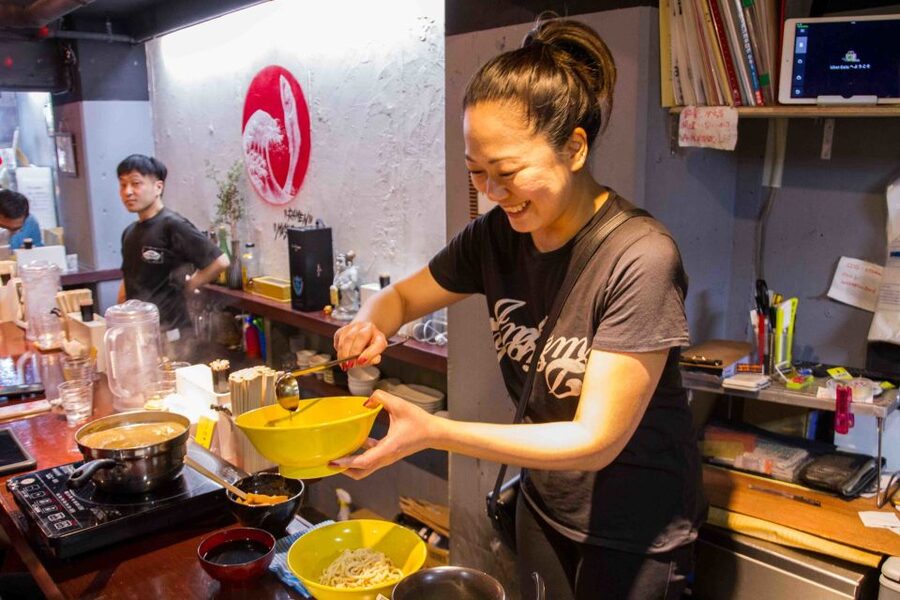
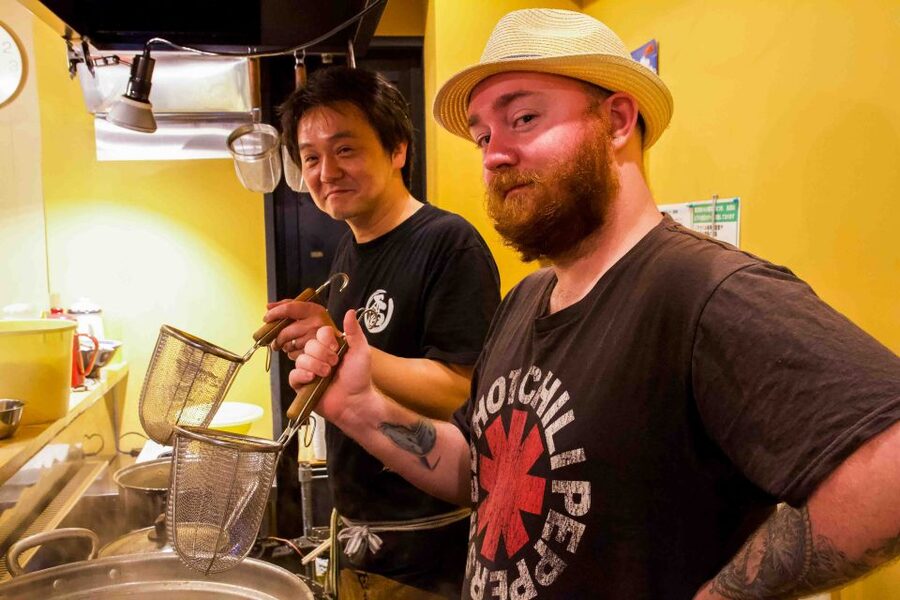
The best part of this experience is the setting. You are not in a classroom with a portable burner and a simplified recipe. You enter a working ramen shop, where the kitchen has to handle hot soup, noodles, toppings, and orders with speed and care.
That changes the feel of the lesson. You are learning how a professional ramen kitchen functions, not simply following steps designed for visitors. You see the space, hear the activity, and get a closer sense of how much timing goes into a dish that can look simple in the bowl.
The shop has won awards, which matters here because the food is not an afterthought. The point is to learn from a place with a serious approach to ramen, then eat the result. You get a taste of the shop’s normal standards rather than a tourist version made only for the class.
Safety also matters. Hot water and soup are part of the work, so you need to pay attention to the guide and chef. Wear comfortable clothes, listen before reaching for anything, and remember that this is an active kitchen rather than a relaxed dining room.
More food tours around Tokyo:
- Tokyo: Shinjuku Food Tour (13 Dishes at 4 Local Eateries)
★ 5.0 · 6,603 reviews - Sushi Making Tokyo Roll and Authentic Japanese Sushi Class
★ 5.0 · 3,971 reviews - Tokyo Tsukiji Fish Market Food and Culture Walking Tour
★ 5.0 · 3,184 reviews
What the one-hour session covers
The session is short, but it packs in several useful parts. Your guide introduces the world of ramen, including its origins, different types, and the role played by each ingredient. The lesson is aimed at helping you understand why the bowl tastes the way it does, not just showing you where to place a topping.
You also learn about preparation. That can include the broth, noodles, seasoning, and other ingredients used by the shop. The useful point is that each item has a job. The broth supplies body and flavor, noodles affect texture, and toppings add their own taste and balance.
The guide leads the explanations in English, and the small group size should make it easier to ask questions. I would use that chance to ask about the broth, the noodles, and the differences between ramen styles. You are paying for access and explanation as much as for the food, so a quiet group that asks questions gets more from the hour.
The experience does not attempt to recreate the entire kitchen process. That would take far longer than an hour. The broth alone takes about 10 hours to make, so the ingredients and long preparation stages are handled in advance. Your part is the final kitchen work and bowl assembly.
That is an important distinction. If you want to grind ingredients, make noodles, simmer stock, and build a bowl from the beginning, this is not the right class. If you want to see how a professional shop works and take part in the final stages, the shorter format makes sense.
Assembling two bowls of ramen
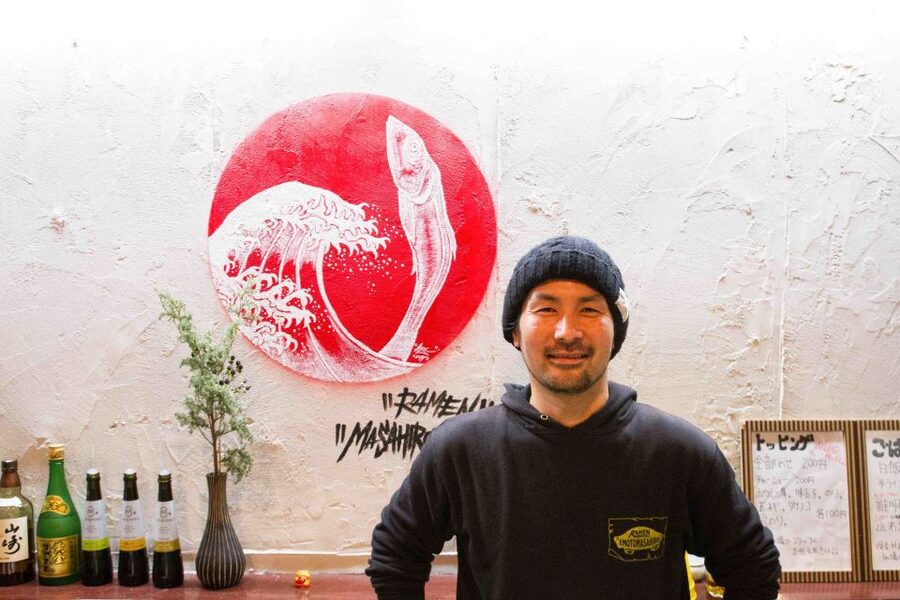
The practical part of the session is putting together the ramen. You get to work with the prepared ingredients, follow the chef’s instructions, and see how a bowl comes together in a real shop.
The two small bowls are a useful feature. You get more than a single tasting portion, but the servings are modest enough that you can also enjoy the gyoza without feeling overwhelmed. The experience includes two fried dumplings, which give the meal a little contrast in texture.
The food is one of the strongest reasons to book. Several people who have taken the session singled out the ramen as the best they ate during their time in Japan, while others described the bowls as delicious and the food as a major part of the fun. I would not treat those comments as a guarantee for every palate, but they do point to a consistent strength: this is not a thin educational sample served only to support the lesson.
You should also expect the chef to guide your movements carefully. One session included children aged eight and eleven, with the chef working carefully around them in the kitchen. That suggests the activity can work for families, but parents still need to keep children close and attentive around hot soup and water.
The guide and the chef make the difference
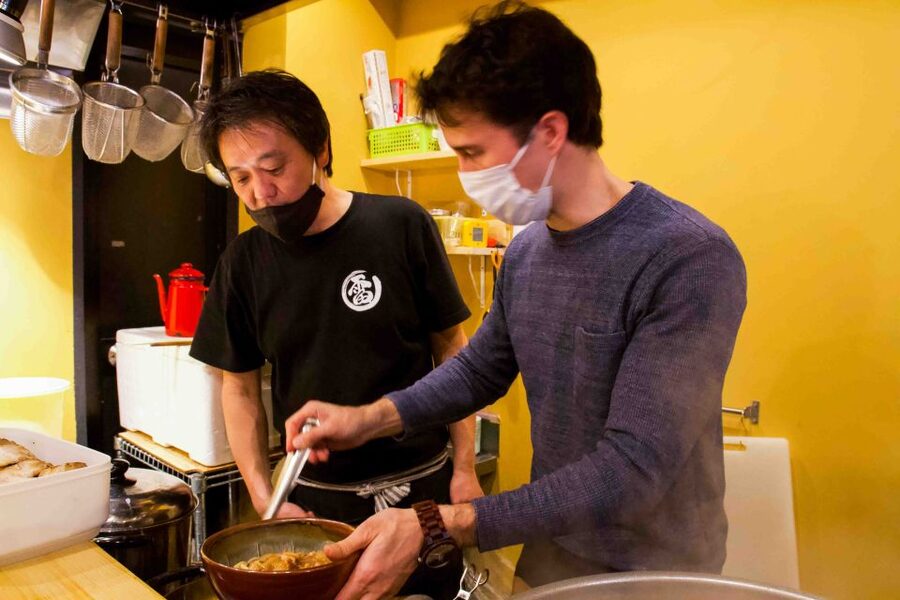
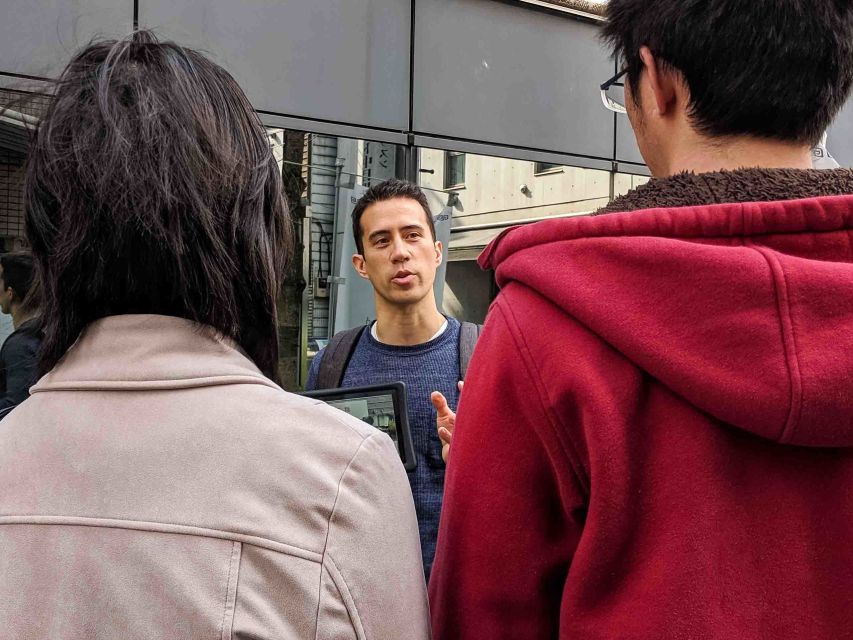
The guide connects the kitchen work to the wider ramen story. You get context about how ramen developed, the main types, and the ingredients used in the bowl. That background helps you make sense of what you are doing rather than treating the session as a quick photo opportunity.
Guides vary, and Frank is one guide connected with the experience. If he leads your session, you can expect a strong personal interest in ramen and plenty of explanation. The chef supplies the practical side, showing you how the shop handles the food and helping you work safely.
This division works well. The guide can explain while the chef focuses on the kitchen. It also means the experience does not depend on one person doing every job at once.
The small group limit of six is valuable here. A ramen kitchen is not a large space, and a big crowd would make the behind-the-counter idea less convincing. With six or fewer participants, you have a better chance of seeing the work and hearing the explanation.
Still, this is an active shop kitchen, not a private dining room. Space may feel tight, and you should be ready to stand close to the work area while following instructions. The compact setting is part of the appeal, but it may not suit someone who wants a slow, quiet meal.
Same city, a different plate:
- Tokyo: Shinjuku Food Tour (15 Dishes and 4 Eateries)
★ 4.9 · 2,033 reviews - Tokyo: Roll and Authentic Sushi Making Class in Asakusa
★ 4.9 · 1,957 reviews - Best of Shinjuku: Izakaya Food Tour (4 Stops, 14+ Tastings)
★ 5.0 · 1,863 reviews - Tokyo: Sushi Making Class in a Happi Coat near a Famous Spot
★ 4.9 · 1,377 reviews
Meeting at Nezu Station
You meet at Nezu Station, Exit 1, in front of the Akafudado supermarket. Look for the guide holding a Tokyo Ramen Tours sign.
This meeting point is simple, but allow enough time to find the correct exit. Tokyo stations can be confusing, and arriving at the station itself is not the same as being in front of the supermarket. I would aim to arrive early so you are not trying to locate the guide at the last minute.
The experience lasts one hour, so the meeting point and timing matter. It fits neatly into a day in Tokyo, especially if you are already planning time around Nezu. The short duration also makes it easy to place before another activity, though you should avoid booking something immediately afterward if you want room for delays.
The supplied information identifies Honshu, Japan, as the location, with Nezu Station as the practical meeting point. The actual shop is reached as part of the tour arrangement, so follow the guide rather than trying to guess which ramen shop is involved.
Is $83 a fair price?
At $83 per person, this is not a cheap lunch. You could eat ramen in Tokyo for far less, and you should not book this expecting ordinary meal value.
You are paying for three things: access to a real award-winning shop, a guided explanation in English, and the chance to work behind the counter. The two small ramen bowls and two gyoza add food value, but they do not by themselves justify the price.
I see the cost making more sense for someone who treats food as a central part of a Japan trip. If you are fascinated by ramen, curious about restaurant work, or looking for an experience you cannot reproduce by ordering at a table, the fee buys something unusual. If you simply want a filling lunch, spend the money on several regular ramen meals instead.
The short format cuts both ways. One hour is convenient and keeps the activity focused, but it also limits how much hands-on work you can do. The session cannot include a 10-hour broth process, full noodle production, and a long meal within that time. The price is easier to accept when you understand that you are buying access and insight, not a traditional cooking course.
A family booking deserves extra thought. The chef has worked carefully with children, which is encouraging, but $83 for every person can add up quickly. There is no stated family discount, so calculate the total before booking.
Who will enjoy this most?
I would recommend this to you if ramen is one of the foods you are most excited to eat in Japan. It also suits anyone who likes seeing how a professional kitchen works, even if they do not consider themselves a serious cook.
The experience works well for:
- Food-focused visitors who want more than a restaurant meal
- First-time ramen fans who want a clear introduction to the dish
- Couples or friends who enjoy short, hands-on activities
- Small families with children who can follow kitchen safety instructions
- Anyone who values an English-speaking guide and a limited group
I would be more cautious if you need vegetarian, vegan, or meat-free food. The ramen contains chicken, pork, and fish, and there is no information about substitutions. Ask before booking if those ingredients are a concern.
I would also skip it if your main goal is to make every part of ramen from scratch. This is a behind-the-counter experience, not a full recipe class. You will take part in preparation and assembly, but the long cooking work is already done.
Practical details to know before booking
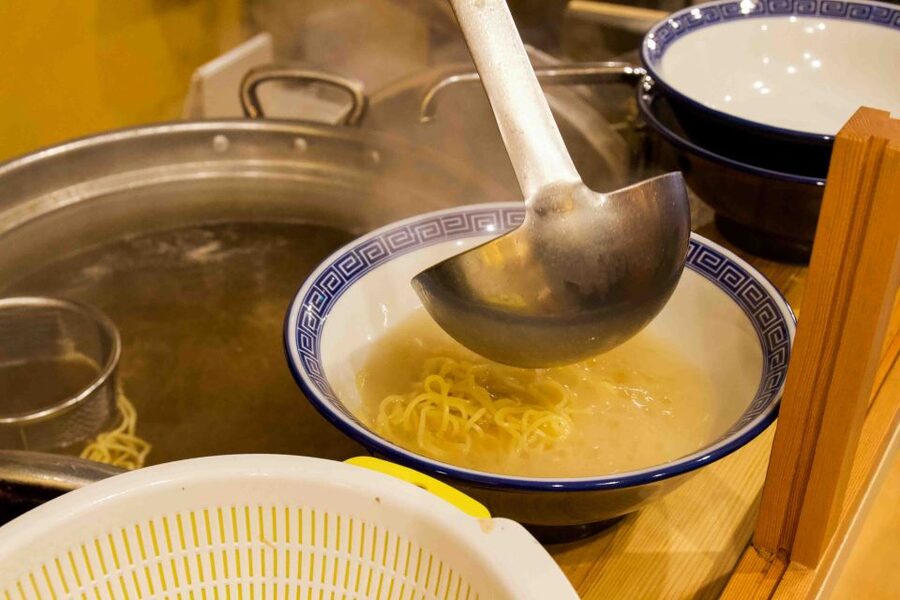
Wear comfortable clothes. You will be in a kitchen environment, and you need to move carefully around hot water and soup.
The tour is conducted in English and is limited to six participants. Starting times vary, so check availability when you choose your date.
Cancellation is flexible up to 24 hours before the experience for a full refund. You can also reserve and pay later, which helps if your Tokyo schedule is still changing.
The food contains chicken, pork, and fish. That detail is easy to overlook, so make it part of your decision from the start.
The experience has a 4.7 rating from 34 reviews, with the strongest praise focused on the food, the friendly guides, the chef’s care, and the unusual chance to enter a working ramen kitchen. The one clear concern is value for money. That split is fair: the experience is special, but the price is high for its length.
Should you book the Tokyo ramen kitchen experience?
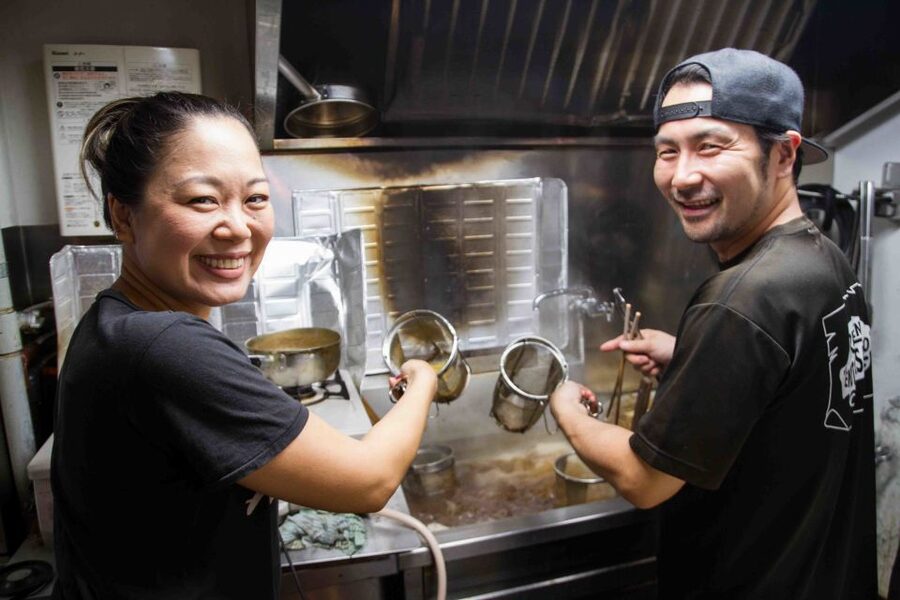
Book it if you want a close look at how a real ramen shop operates and you are happy to pay for access, instruction, and a memorable meal rather than just lunch. The award-winning shop, small group, English guide, two ramen bowls, and gyoza make this a focused food experience with plenty of personality.
Skip it if you want a long, from-scratch cooking class or the lowest possible meal cost. You will not make the broth from raw ingredients, and the one-hour format leaves little time for a full recipe lesson.
For the right person, this is a smart way to understand ramen beyond the bowl. You leave with more respect for the work behind a dish that often arrives in minutes, plus two small servings and a better idea of what to look for on the rest of your Japan trip.
FAQ
Where does the ramen experience meet?
Meet at Nezu Station, Exit 1, in front of the Akafudado supermarket. Your guide will hold a Tokyo Ramen Tours sign.
How long does the activity last?
The experience lasts one hour. Starting times vary, so check availability for your chosen date.
Is the experience conducted in English?
Yes. The experience includes a live English-speaking guide.
How large is the group?
The group is limited to six participants.
Is this a full ramen cooking class?
No. It is a behind-the-counter kitchen experience. The long preparation is done in advance, including broth that takes about 10 hours to make. You learn about the process and help put together the ramen.
What food is included?
You receive two small bowls of ramen and two gyoza, which are fried dumplings.
Does the ramen contain meat or fish?
Yes. The ramen contains chicken, pork, and fish.
What should I wear?
Wear comfortable clothes. You will be in a ramen shop kitchen and need to take care around hot water and soup.
Can I cancel for a refund?
You can cancel up to 24 hours in advance for a full refund. The activity also offers a reserve now and pay later option.
Fresh off the menu around Tokyo
- Shinjuku Tokyo: Authentic Japanese Home-Style Culinary Class★ 4.9 · 125 reviews
- Shinjuku: Golden Gai Food Tour★ 4.6 · 77 reviews
- Shibuya Tokyo: Sushi Making Class (Vegan/Vegetarian/Halal)★ 4.7 · 29 reviews
- Shinjuku: Food Tour – 15 Dishes at 4 local eateries★ 4.8 · 246 reviews
- Shibuya: Ramen Dojo Tokyo | Make All 3 (Tonkotsu/Shoyu/Miso)★ 4.8 · 207 reviews
- Tokyo: Secret Food Walking Tour★ 4.7 · 38 reviews
- Ramen Making from Scratch +Akihabara Tour –Cooking Class★ 5.0 · 25 reviews
- Eat/Drink like a LOCAL-Taverns & Ramen★ 4.9 · 23 reviews
Tokyo Food Tours, compared.
Tokyo: Shinjuku Food Tour (13 Dishes at 4 Local Eateries)
Read our review →
Sushi Making Tokyo Roll and Authentic Japanese Sushi Class
Read our review →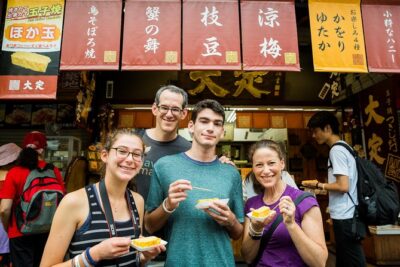
Tokyo Tsukiji Fish Market Food and Culture Walking Tour
Read our review →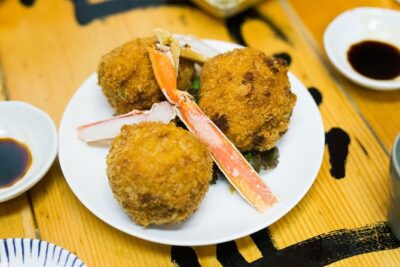
Best of Shinjuku: Izakaya Food Tour (4 Stops, 14+ Tastings)
Read our review →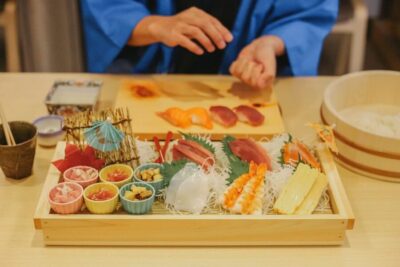
Tokyo: Sushi Making Class in a Happi Coat near a Famous Spot
Read our review →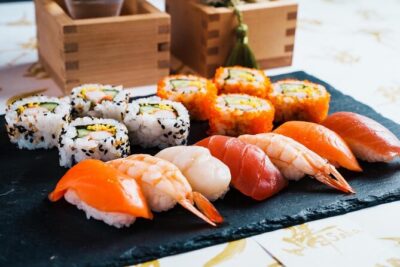
Sushi Making Tokyo! Popular Maki Sushi & Japanese Sushi(+Recipe!)
Read our review →
Tokyo Sushi Making Class in Tsukiji with Professional Chef
Read our review →
Tokyo Night Foodie Tour in Shinjuku – Seasonal Sushi, Wagyu Beef
Read our review →Browse the lists this tour appears in