
Review · TOKYO
Tokyo: Tsukiji Fish Market Food and Culture Walking Tour
Tsukiji is best understood with a local guide beside you. The outer market is a maze of food stalls, tiny shops, seafood counters, and eager customers, and this three-hour tasting walk gives you a useful path through it. You can try wagyu beef, tamagoyaki, fish cakes, fruit, sushi, and a seafood bowl while learning how Tokyo cooks shop for ingredients.
I like the small groups of two to eight, which make it easier to ask questions and keep together in crowded lanes. I also like the final restaurant stop, where a chef may prepare a seafood bowl or sushi and demonstrate how fish is cut. The main drawback is that this is not a free-form market crawl. You follow a set route, and the menu changes with the day, season, shop hours, and market calendar.
Key points to know before booking
- Wagyu is the early favorite: The grilled beef skewer is one of the most praised tastings, and some people return afterward to buy another.
- The final meal changes: You receive either sushi or a seafood bowl, depending on the day and time.
- Small groups matter here: With no more than eight people, your guide can help you order, explain unfamiliar foods, and keep the walk manageable.
- Start at Tsukiji Honganji Temple: The meeting point is the temple’s main gate, and some guides include a short introduction to the temple and shrine etiquette.
- Market days affect the menu: The fish market is closed Wednesdays, Sundays, and other designated closed days. Tamagoyaki, fish cakes, and fruit may not be available then.
- Bring an open appetite, but check restrictions: Vegetarian, vegan, halal, and gluten-free requests cannot be accommodated.
Why a guide helps at Tsukiji Outer Market
Tsukiji’s outer market is easy to reach but not always easy to read. You will find signs, stalls, smells, and crowds competing for your attention. The best shops may be tucked into narrow passages, and some foods are easier to order when someone can explain what you are buying.
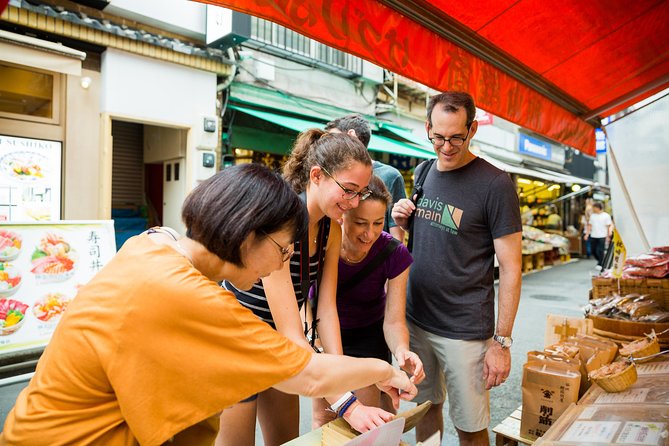
This tour gives you a local food map as you walk. Your guide points out fish, shellfish, prepared foods, sweets, tea, fruit, and other ingredients used in Japanese cooking. You are not simply eating a parade of samples. You are learning why chefs come here, how food is sold, and how market shopping fits into daily life in Tokyo.
The guides are a major part of the experience. Shun has been praised for his friendly explanations and easy manner. Nazu has helped visitors understand both the market and the food stalls. Kenji, Miki, Robert, Luna, Yoshiko, Yuki, and others have also led groups, with the exact guide assigned on the day.
The style can vary from guide to guide. Some focus more on food, while others spend more time on the area’s past, temple customs, and the move from the former inner wholesale market. If you want a detailed historical talk above all else, tell your guide early. The main strength is practical interpretation: what to eat, how to approach a stall, and which products deserve your attention.
More Market Food Tours in Japan
- Tokyo Tsukiji Fish Market Food and Culture Walking Tour
★ 5.0 · 3,184 reviews - Tsukiji Fish Market Guided Tour and Sushi Making with Pro Chef
★ 5.0 · 775 reviews - Tsukiji Fish Market: Street Food & Culture Walking Tour
★ 5.0 · 669 reviews
Starting at Tsukiji Honganji Temple
The meeting point is the main gate of Tsukiji Honganji Temple. This is a useful start because it gives you a clear landmark beside the market and a calm place to gather before stepping into the crowded lanes.
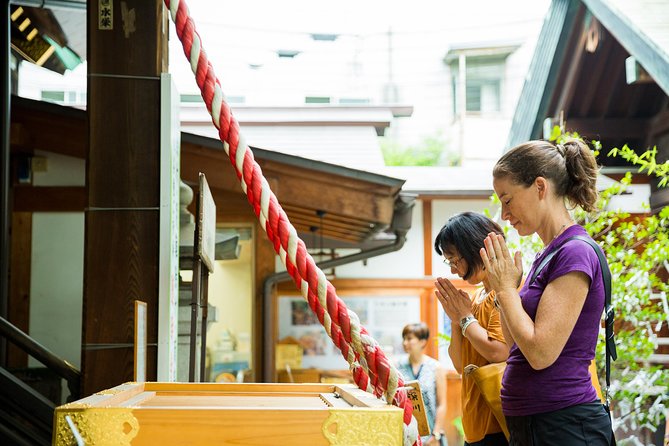
Some guides use the temple as part of the introduction. You may learn about its history and the development of the Tsukiji area, and you may receive a brief lesson in proper shrine or temple etiquette. One guide even showed the cleansing ritual before the group entered the market.
Do not treat the starting point as a minor detail. Tsukiji is close to several major Tokyo sights, and a wrong turn around the station area can cost you time. Arrive early, find the main gate, and wear shoes that will stay comfortable for several hours.
The first market walk: learning to read the stalls
The initial market visit is listed as about 30 minutes, followed by a longer guided food walk. In practice, the experience builds gradually. Your guide first helps you understand the layout and the difference between shops selling ingredients, ready-to-eat foods, snacks, and restaurant meals.
The market is a working food district, not a themed attraction designed only for sightseeing. Some lanes are narrow. Staff may be moving goods, and the busiest periods can make conversation difficult. Stay close to your guide and avoid blocking shop entrances while you eat or take photographs.
This is where a small group earns its price. A group of eight can move more easily than a large tour party, and a guide can pause when someone spots an interesting ingredient. You also get help choosing additional items if something catches your eye.
Several people have used the tour as a first introduction to Tsukiji, then returned afterward to revisit stalls they noticed. That is a smart plan. The guided route helps you get your bearings, but the market has more than any three-hour walk can cover.
What you eat along the route
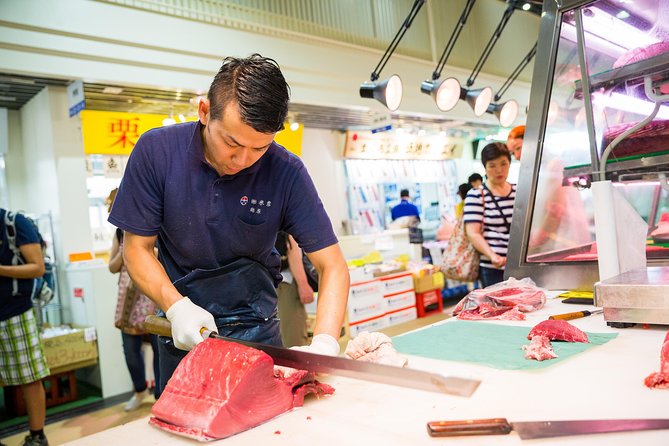
The tasting menu is built around recognizable Japanese market foods, with enough variety to make the walk feel like a meal rather than a single snack stop.
More Seafood Tours in Tokyo:
- Tsukiji Fish Market: Street Food & Culture Walking Tour
★ 4.8 · 259 reviews - Seafood trail
★ 5.0 · 766 reviews - From Santiago: Rías Baixas Galicia Seafood & Wine Day Tour
★ 4.6 · 209 reviews - New Orleans: Food Tour with Seafood Boil in French Quarter
★ 4.6 · 146 reviews
Wagyu beef skewer
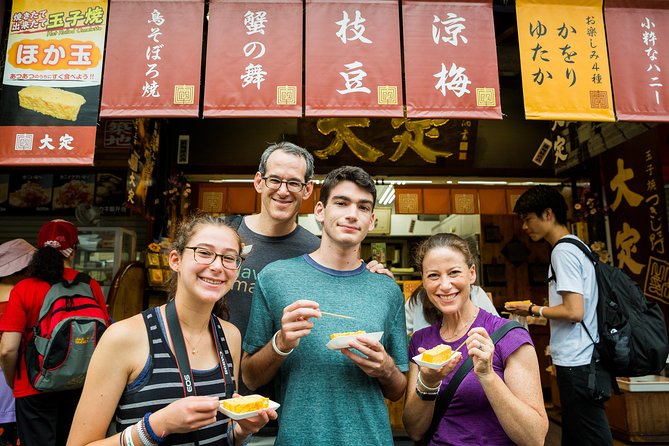
The wagyu skewer is the clear star for many people. It is served as a high-grade beef tasting, usually early enough in the walk that you can appreciate it before becoming too full.
The practical value here is simple: premium wagyu can be expensive and confusing to order on your own. A guide can explain what you are eating and direct you to the correct stall. If you love it, you may have time to return after the tour and buy another, as one visitor did.
Japanese omelet and fish cake
Japanese omelet, or tamagoyaki, offers a softer, sweeter contrast to the beef and seafood. Fish cake adds another texture and shows how much prepared food is sold alongside raw ingredients.
These items depend on shop openings. On Wednesdays, Sundays, public holidays, and other closed market days, the omelet and fish cake may not be served. The same applies to seasonal fruit. This is one reason I would book on a regular market day when possible.
Seasonal fruit
Fruit is not filler on this walk. Japanese fruit can be a serious food purchase, and the guide can explain what is in season and help you judge what to take home. One guide helped a visitor choose tea as a souvenir, while other tastings included notably good strawberries.
The exact fruit changes. Think of this as a seasonal stop, not a guaranteed named item.
Fish, shellfish, and other samples
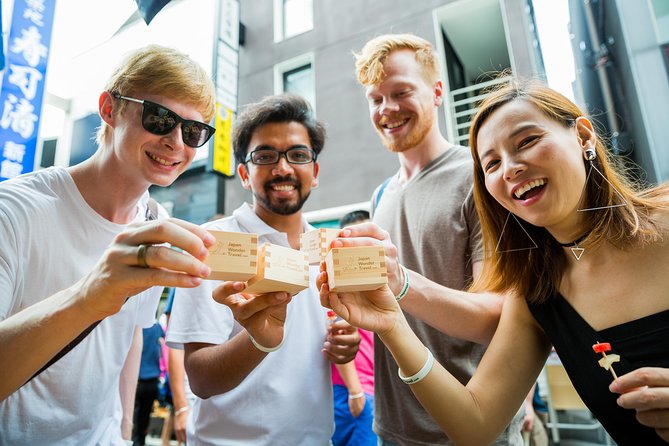
The route may include other market foods, including fish, shellfish, fried fish cake, squid, sea urchin, matcha ice cream, oysters, and additional snacks purchased by participants. The fixed menu covers the listed tastings, but you may also see foods you want to try separately.
Bring some extra spending money if you want to buy an oyster, tea, fruit, whisky, or other market goods. Those personal purchases are not part of the tour price.
The final sushi or seafood bowl stop
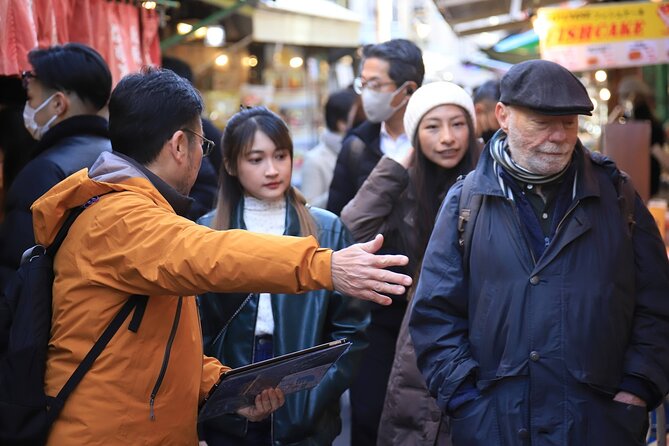
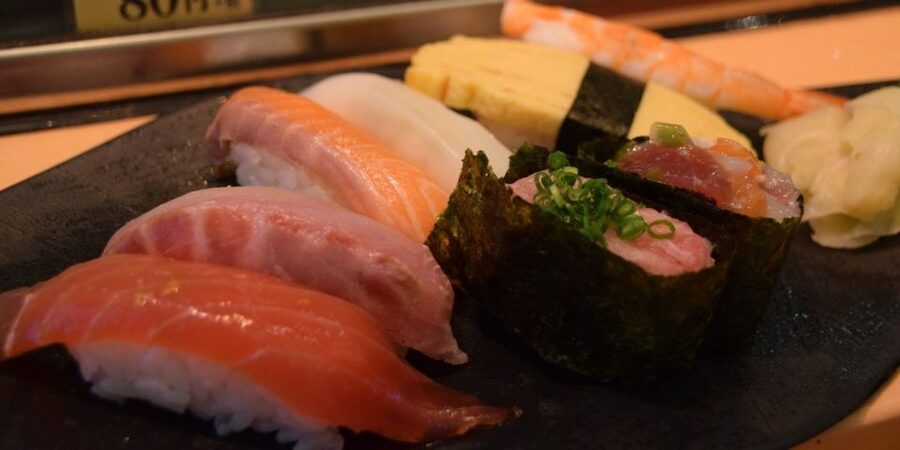
The walk finishes with a restaurant meal, either sushi or a fresh seafood bowl depending on the day and time. This gives the tour a proper ending after the grazing-style samples.
A chef may demonstrate how to prepare and cut the fish before serving the dish. That small presentation adds something you do not get from simply buying a bowl at a counter. You see the skill involved, then eat the result.
The seafood bowl has been a highlight for many people, especially after the earlier tastings. It is worth managing your appetite, though. By the time you reach the restaurant, you may already have eaten plenty. One good strategy is to treat each early stop as a tasting, not a full meal.
The restaurant is also where the tour feels most structured. The market portion is loose and sensory, while the final stop gives everyone a seat, a shared focus, and a chance to ask final questions. If the scheduled restaurant suddenly closes, an alternative meal is provided, but the exact replacement is not specified.
How much walking and crowding should you expect?
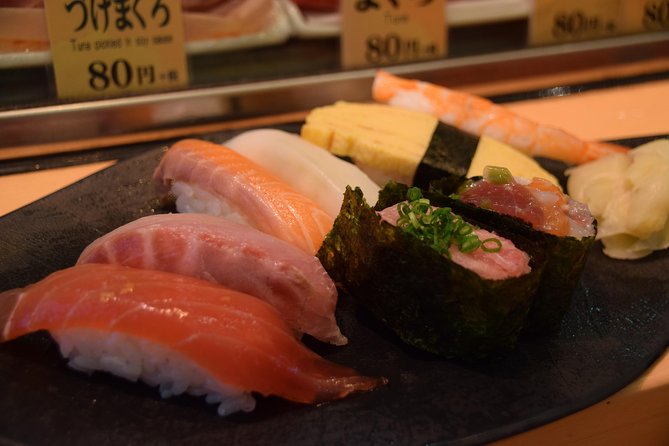
The tour lasts three hours and involves a moderate amount of walking. It is not a good choice if you need a wheelchair-accessible route or have a mobility impairment. Guides may walk at a considerate pace, but the market itself has crowded passages and uneven movement around stalls.
Comfortable shoes are essential. Wear clothes suited to the weather, and bring a camera if you like food photography. Rain does not necessarily stop the tour, but wet weather makes the narrow lanes harder to manage. Umbrellas, crowds, and market noise can also make it more difficult to hear the guide.
The early morning can be busy, especially on a Saturday. A midweek market day may offer a calmer experience, though you should avoid Wednesday if the wholesale market is closed. The best choice is a regular open day that fits your schedule, with enough time before the tour to reach the temple without rushing.
What the $96 price buys you
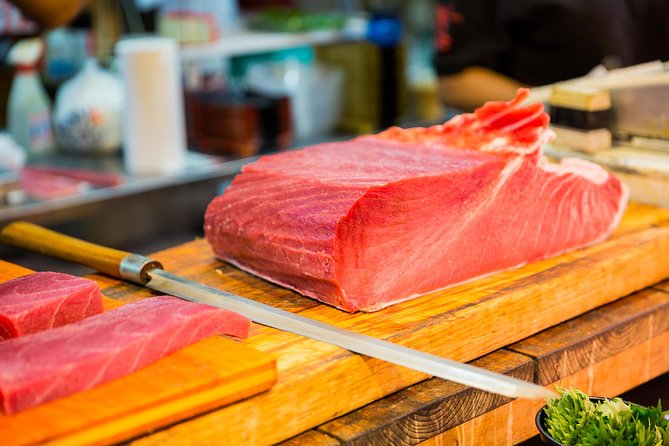
At $96 per person, this is not the cheapest way to eat at Tsukiji. You could buy individual snacks on your own for less, especially if you already know which stalls to visit and can communicate comfortably while ordering.
The value comes from the combination of food and access to context. Your fee covers a walking tour, an English-speaking local guide, the listed tastings, the wagyu skewer, and the final sushi or seafood bowl. You also get help navigating the market and deciding what is worth trying.
For a first visit to Tokyo, I think the price is easier to justify. You avoid spending your first hour guessing which stall sells what, and you can sample several foods in one organized outing. A small group makes the cost more reasonable because the guide can answer questions and adjust the pace.
The value drops if you are vegetarian, vegan, halal, or gluten-free, since the menu cannot be changed for those requests. It may also feel less worthwhile if you prefer to wander alone and already have a detailed food plan.
Who will enjoy this market walk most?
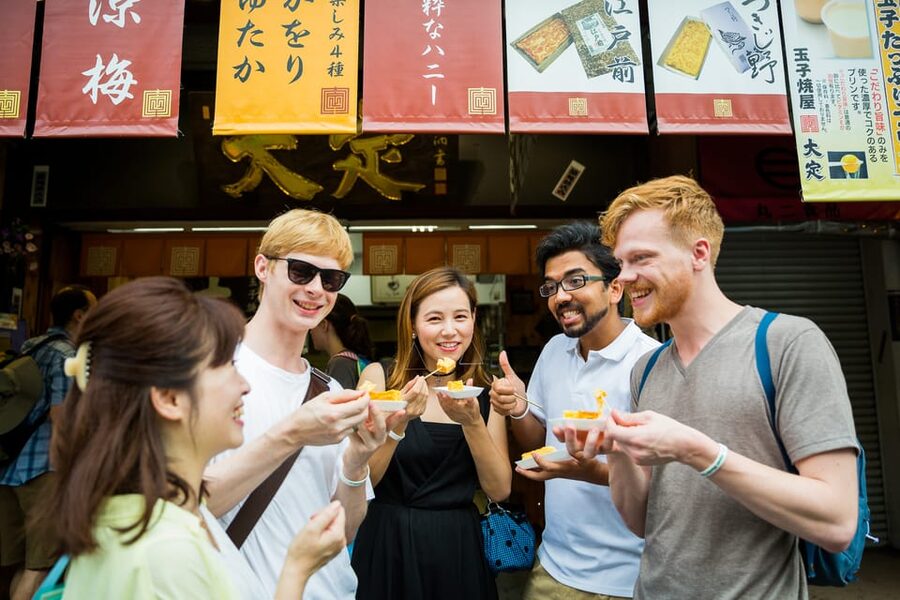
I would recommend this tour to first-time Tokyo visitors who want a guided introduction to Japanese food culture without committing to a full cooking class. It suits curious eaters, couples, families with older children, and anyone who finds crowded food districts hard to tackle alone.
It is also useful for people who want to try seafood but are unsure how to choose it. Your guide can explain the products and make the vendor interaction easier.
You should think twice if you need a fully accessible route, avoid animal products, or want a quiet historical tour. Tsukiji is active, noisy, and crowded, and food availability changes with the market calendar.
Practical tips for getting more from the morning
Arrive at the main gate of Tsukiji Honganji Temple before the start time. The temple is the fixed meeting point, and late arrivals can be hard to connect with once the group enters the market.
Eat lightly beforehand. The combination of beef, omelet, fish cake, fruit, seafood, and the final dish can add up quickly. If you are sensitive to rich foods, take small portions and tell your guide.
Ask questions early. Guides such as Shun, Nazu, Miki, and Kenji have been praised for explaining food, culture, and local customs, but they can tailor the walk better when they know what interests you.
Keep personal purchases separate from the included menu. You may want tea, fruit, an oyster, or another snack, and the market offers plenty of temptation.
Alcohol is not the focus, and any drinking must follow Japan’s minimum drinking age of 20. Some participants have paid separately for sake or beer, so confirm the cost before ordering.
Should you book the Tsukiji food tour?
Book it if you want a guided first look at Tokyo’s most famous food market, especially if you value small groups, practical food advice, and a meal at the end. The combination of wagyu, market snacks, seasonal produce, and sushi or a seafood bowl gives you a broad taste of the area in three hours.
Choose a regular open market day, keep your appetite under control, and allow time afterward to return to stalls that interest you. Skip it if you need dietary substitutions, have difficulty walking through crowded lanes, or would rather set your own pace.
For most first-time visitors who want food and culture together, the tour offers a well-organized introduction. Its best moments come from the details: a guide explaining how to cleanse at the temple, a chef cutting fish for your bowl, or a stall you would have walked past without help.
FAQ
Where does the tour meet?
You meet your English-speaking guide at the main gate of Tsukiji Honganji Temple.
How long does the experience last?
The tour lasts three hours, including the guided market walk, tastings, and final sushi or seafood bowl stop.
How large is the group?
The tour is offered for small groups of two to eight people.
What foods are included?
The included menu features a high-grade wagyu beef skewer, Japanese omelet, seasonal fruit, fried fish cake, and either a fresh fish bowl or sushi, depending on the day.
Is the final meal always sushi?
No. The final dish is either sushi or a seafood bowl, depending on the day and time.
Is the tour offered in English?
Yes. The tour includes a live English-speaking guide.
Can vegetarians or vegans join?
The tour does not accommodate vegetarian or vegan requests. Halal and gluten-free requests also cannot be accommodated.
Is the tour suitable for wheelchair users?
No. The tour is not suitable for wheelchair users or people with mobility impairments. It involves a moderate amount of walking through a crowded market.
Are all market stalls open every day?
No. The fish market is closed on Wednesdays, Sundays, and other designated market closure days. On those days, the omelet, fish cake, and seasonal fruit may not be available.
What should I bring?
Wear comfortable shoes and clothes, and bring a camera if you want to photograph the market. It is also sensible to bring extra money for foods or souvenirs not included in the tour.
More Market Food Tours in Tokyo
- Chef Guided Food Tour of Pike Place Market
★ 5.0 · 3,733 reviews - London Bridge & Borough Market Food Tour with 7 Authentic Dishes
★ 5.0 · 1,972 reviews - Pike Place Market Tasting Tour
★ 5.0 · 1,696 reviews - Small Group Cooking Class & Market Food Tour in Florence
★ 5.0 · 1,574 reviews
Fresh off the menu around Tokyo
- Shinjuku: Golden Gai Food Tour★ 4.6 · 77 reviews
- Shinjuku Tokyo: Authentic Japanese Home-Style Culinary Class★ 4.9 · 125 reviews
- Shibuya Tokyo: Sushi Making Class (Vegan/Vegetarian/Halal)★ 4.7 · 29 reviews
- Shinjuku: Food Tour – 15 Dishes at 4 local eateries★ 4.8 · 246 reviews
- Shibuya: Ramen Dojo Tokyo | Make All 3 (Tonkotsu/Shoyu/Miso)★ 4.8 · 207 reviews
- Tokyo: Secret Food Walking Tour★ 4.7 · 38 reviews
- Ramen Making from Scratch +Akihabara Tour –Cooking Class★ 5.0 · 25 reviews
- Exclusive Tokyo Ramen Kitchen Experience★ 4.7 · 34 reviews
Tokyo Food Tours, compared.
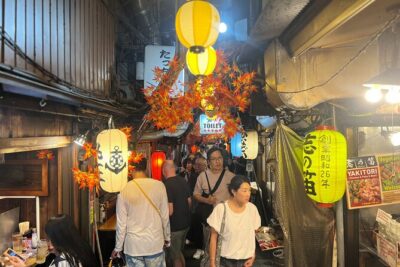
Tokyo: Shinjuku Food Tour (13 Dishes at 4 Local Eateries)
Read our review →
Sushi Making Tokyo Roll and Authentic Japanese Sushi Class
Read our review →
Tokyo Tsukiji Fish Market Food and Culture Walking Tour
Read our review →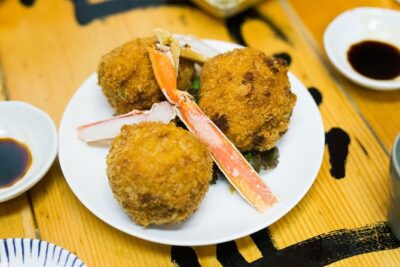
Best of Shinjuku: Izakaya Food Tour (4 Stops, 14+ Tastings)
Read our review →
Tokyo: Sushi Making Class in a Happi Coat near a Famous Spot
Read our review →
Sushi Making Tokyo! Popular Maki Sushi & Japanese Sushi(+Recipe!)
Read our review →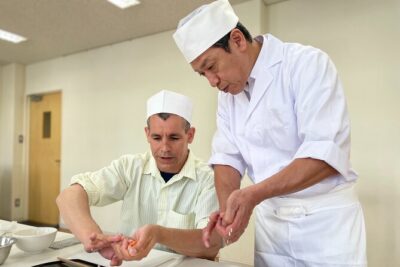
Tokyo Sushi Making Class in Tsukiji with Professional Chef
Read our review →
Tokyo Night Foodie Tour in Shinjuku – Seasonal Sushi, Wagyu Beef
Read our review →Browse the lists this tour appears in