
Review · TOKYO
Tsukiji Fish Market: Street Food & Culture Walking Tour
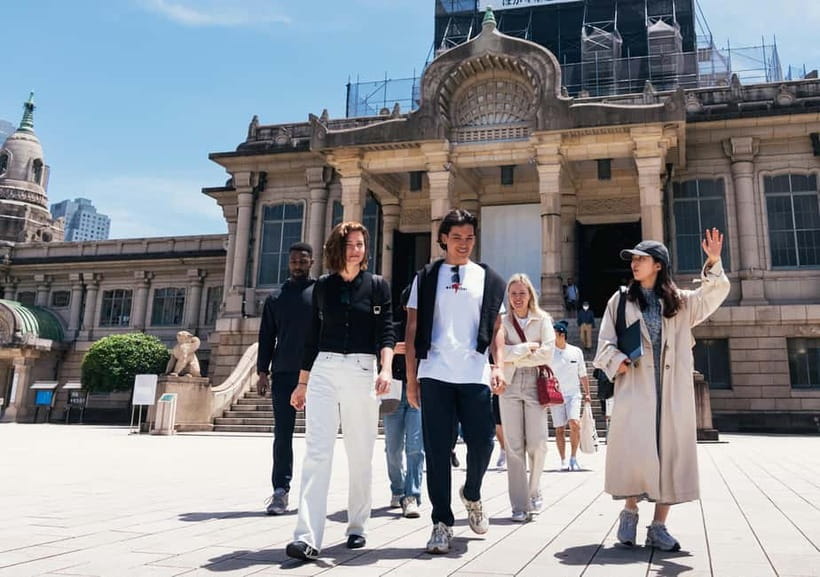
Tsukiji is best understood one bite at a time. You begin at Tsukiji Hongwanji Temple, then follow a local guide through the Outer Market for tuna, wagyu, grilled scallops, eel, fish cakes, dumplings, and other Japanese treats. The special fresh wasabi tasting is a small touch, but it changes how you notice flavor.
I like the way this tour combines food with context. Your guide explains how ingredients are used, how preservation brings out umami, and how the market shaped Tokyo’s cooking. I also like that you can ask for help choosing what to eat instead of guessing at every stall. The main consideration is the calendar: roughly half the shops may be closed on Wednesdays, Sundays, and national holidays.
Key points
- Fresh wasabi tasting: Your guide provides grated wasabi to sharpen the flavor of seafood and other foods.
- A temple before the food: The 20-minute visit to Tsukiji Hongwanji gives the market area a cultural introduction.
- Plenty of choice: Depending on the day, you might sample tuna sushi, wagyu, eel, grilled scallops, octopus, omelet, fish cake, or dumplings.
- Useful local guidance: Guides such as Kawa, George, Mao, Tomo, and Chihiro help you choose good stops and explain unfamiliar ingredients.
- Compact two-hour format: The tour is long enough to orient you, but short enough to fit into a busy Tokyo day.
- Best on an open market day: Wednesday, Sunday, and national holiday closures can reduce the number of available shops.
Starting with Tsukiji Hongwanji Temple
The tour begins at Tsukiji Hongwanji Temple, an unusual and memorable place to start a food walk. The itinerary allows about 20 minutes here, giving you time to look closely at the building, its carvings, and its quiet interior before entering the market.
Your guide can explain the temple’s role in the neighborhood and the customs connected with entering a Japanese religious site. One useful detail from the tour is the purification procedure, which gives you a better sense of how to approach shrines and temples respectfully during the rest of your Japan trip.
This stop also sets the pace. You are not rushed straight toward the first food stall. Instead, you begin with a little architecture, local tradition, and orientation. I like that balance. Tsukiji can feel like a wall of signs, smells, people, and displays when you first arrive, so the temple gives you a calm opening.
The temple visit is not the main reason to book this experience, and anyone interested only in eating may find it brief. Still, it adds meaning to the walk. You see that Tsukiji is more than a collection of seafood shops. It is part of an older neighborhood with religious, commercial, and culinary ties.
More Market Food Tours in Japan
- Tokyo Tsukiji Fish Market Food and Culture Walking Tour
★ 5.0 · 3,184 reviews - Tsukiji Fish Market Guided Tour and Sushi Making with Pro Chef
★ 5.0 · 775 reviews - Tokyo: Tsukiji Fish Market Food and Culture Walking Tour
★ 4.7 · 757 reviews
Reading the Tsukiji Outer Market
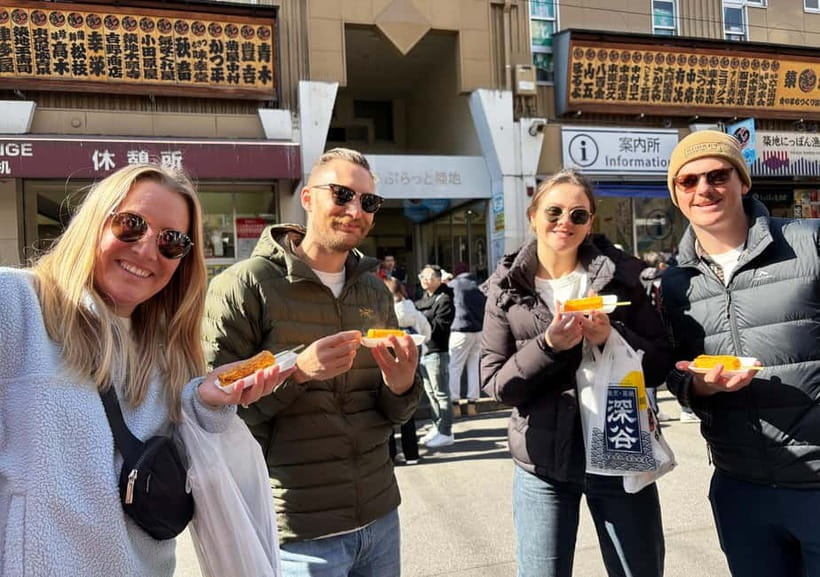
After the temple, the tour moves into the Tsukiji Outer Market for about 80 minutes of guided walking and food tasting. This is the heart of the experience.
The Outer Market is made up of shops and food counters selling seafood, cooking ingredients, prepared foods, kitchen goods, and traditional Japanese specialties. You will see far more than fish. Your guide may point out specialty spices, preserved foods, ceramics, sweets, skewers, and ingredients that are hard to identify if you are walking alone.
This is where a guide earns the $22 price. You can certainly visit Tsukiji without assistance, but a local guide helps you decide where to stop and what is worth trying. George, Kawa, Mao, Tomo, Chihiro, Daichi, and other guides are praised for explaining food clearly and adjusting suggestions to individual tastes.
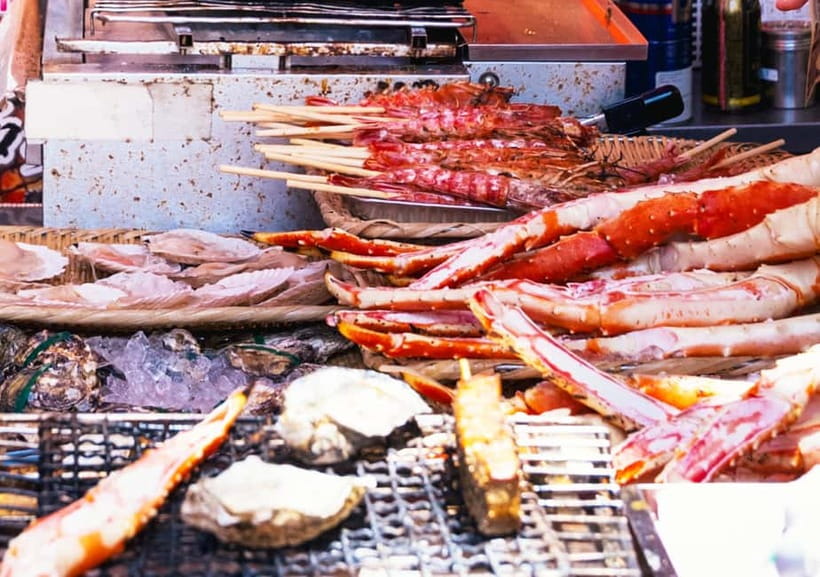
The food choices are not fixed in the material provided, and that is actually useful to understand. Market offerings change by shop, season, supply, and opening day. You might eat tuna sushi or a sashimi bowl, then try grilled scallops, eel, skewered octopus, wagyu sirloin, fish cake, Japanese omelet, dumplings, or other small bites.
You are not simply handed a preset meal. In several tour experiences, the guide helped people choose what appealed to them and showed them how much or how little to buy. That makes the food portion more flexible than a standard restaurant tasting.
What the Food Stops Can Teach You
The tastings work best when you treat them as lessons, not just snacks. Fresh tuna, for example, gives you a direct way to compare texture and flavor with seafood you may have eaten elsewhere. A fish-cutting demonstration, when available, shows the care that goes into preparing a large fish for sale and service.
The market also offers a useful introduction to preservation. Japanese cooking often depends on techniques that change an ingredient over time, drawing out savory flavor and creating a fuller taste. Your guide explains how these methods fit into Japanese food culture, so you begin to recognize why dried, cured, fermented, or carefully stored ingredients matter.
Fresh wasabi is one of the tour’s most distinctive extras. The guide provides a special wasabi set, and several guides have grated fresh wasabi during the walk. It is not simply a hotter version of the green paste served with inexpensive sushi. Used carefully, it can sharpen the flavor of tuna, sashimi, or other foods without overwhelming them.
If you are cautious about unfamiliar food, this is a good setting for trying something new. Guides help identify ingredients and cooking methods, then explain what you are about to eat. You remain free to skip anything that does not appeal to you.
The tour can also suit confident eaters. You may want to try several different seafood preparations, compare cooked and raw foods, or spend time looking at ingredients for later meals. The guide’s suggestions help you use your appetite wisely because two hours can pass quickly.
Tuna, Wagyu, and More Than Seafood
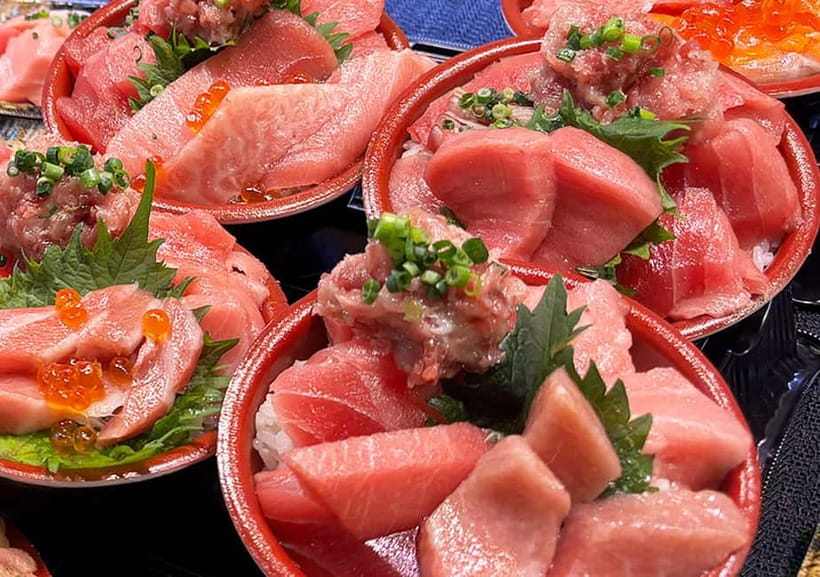
The name Tsukiji may make you think only of sushi, but the food range is broader. Tuna and sashimi are important draws, yet wagyu skewers, grilled seafood, eel, octopus, omelet, fish cake, and dumplings can make the tasting feel like a small tour of Japanese street food.
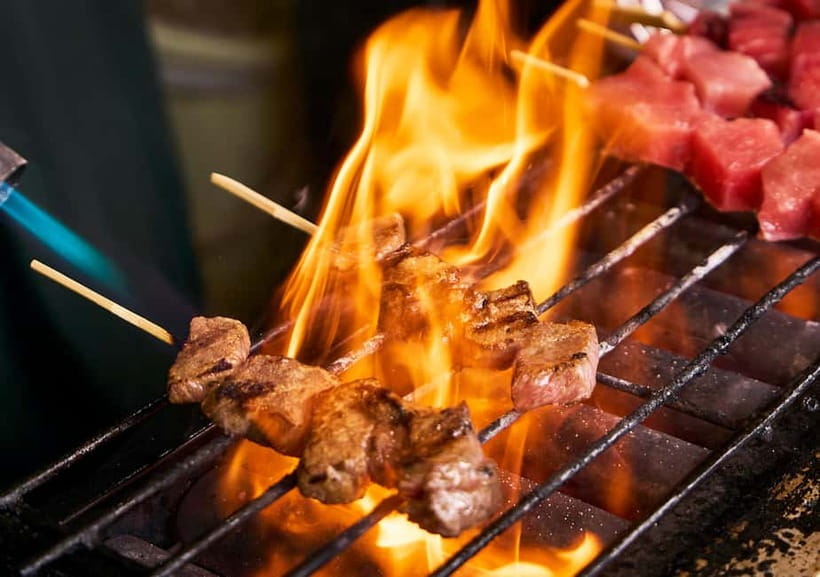
The wagyu sirloin skewer has been a favorite for some people, while others especially enjoy the fish preparation and sushi. This variety is one of the strongest parts of the walk. You can move from a delicate seafood bite to something grilled and savory, then finish with a traditional snack or market purchase.
Your guide may also point out food that is useful to buy for later. Rice snacks and packaged ingredients are practical choices if you have room in your luggage or want something for your hotel. Ask before purchasing if you are unsure how an item is used or stored.
Prices at individual shops are not included in the $22 tour fee, so bring cash. The advantage is control. You choose how much extra food to buy and can avoid spending money on items you do not want. The disadvantage is that your final cost depends on your appetite and choices.
Some people finish feeling full, especially if they sample generously. Others may prefer a smaller number of carefully chosen bites. Tell your guide what you want from the food portion, and you will get more from the limited time.
More Street Food Tours in Japan
- Tsukiji Fish Market: Street Food & Culture Walking Tour
★ 5.0 · 669 reviews - Hungry Osaka Street Food Tour:15 Tastings & 3 Drinks with a Local
★ 5.0 · 1,727 reviews - Hungry Osaka Street Food Tour: 15 Dishes & 3 Drinks
★ 4.9 · 694 reviews - Osaka: 2-Hour Local Street Food Tour – Dotonbori & Namba
★ 4.6 · 95 reviews
Why the Guide Matters at Tsukiji
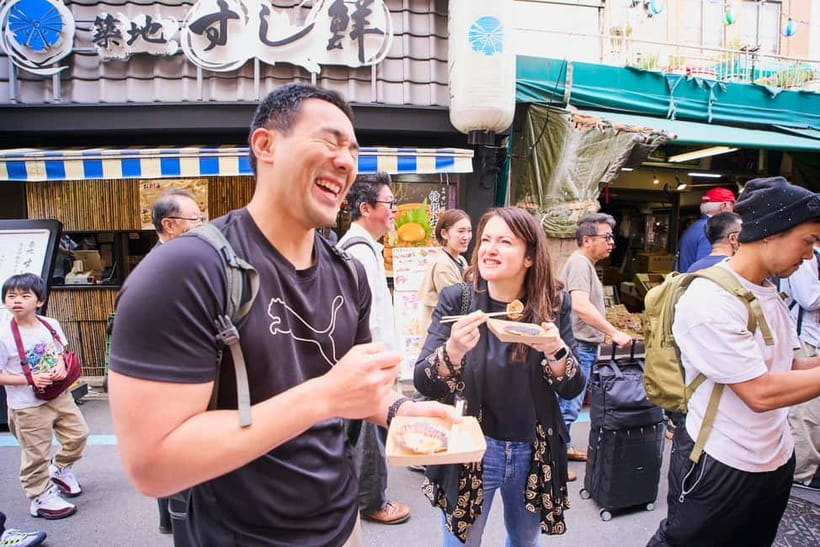
Tsukiji is easy to reach, but it is not always easy to read. Shop signs may be unfamiliar, menus may not explain every ingredient, and popular counters can have lines. A guide can reduce that friction.
Maggie’s guide, Naoto, reportedly handled lines while the group looked around nearby stalls. That approach matters because waiting for one food item can consume a large part of a two-hour tour. Other guides, including Kawa and George, are praised for giving clear suggestions and explaining where to buy and where to pass.
Guides also bring the market to life through stories about its past and its role in Tokyo’s food culture. Kawa is especially noted for explaining local history and answering questions in detail. Tomo is described as tailoring recommendations to personal tastes, while Chihiro is praised for combining temple customs, market food, and practical suggestions.
The experience can be quite intimate. Small groups are available, and some departures may feel almost private. That makes it easier to ask questions, request a milder choice, or explain dietary preferences. Group size can vary, so do not assume every departure will be private.
English is the listed tour language. Strong communication matters here because the value lies in explanations as much as in eating. If your guide explains an ingredient, ask follow-up questions. This is the kind of walk that improves when you participate.
Timing, Closures, and Market Atmosphere
The tour lasts two hours, with about 20 minutes at the temple, 80 minutes in the Outer Market, and another 20 minutes for continued market guidance. That is a well-sized introduction rather than a full morning of shopping.
The biggest practical issue is the day you choose. About half of the Outer Market shops may be closed on Wednesdays, Sundays, and national holidays. Tours still operate, and some shops remain open, but the selection and atmosphere can differ from a normal market day.
If you have flexibility, choose a day outside those closure periods. You will have a better chance of seeing more shops, more ingredients, and food preparation in action. A Wednesday tour can still be worthwhile, but it should not be your first choice if your main goal is to see the market at its fullest.
The market can also be crowded and warm, depending on the season. One guide made a point of finding shade during a hot July walk, which shows why practical attention matters. Wear comfortable shoes, keep your belongings close, and bring cash for purchases and tastings that are not covered by the tour fee.
The meeting point is at or near Tsukiji Hongwanji Temple, but the exact meeting location can depend on the option you book. Check the confirmation carefully. One person experienced some initial confusion over the meeting spot, though the guide called to help arrange the meeting.
Is $22 Good Value?
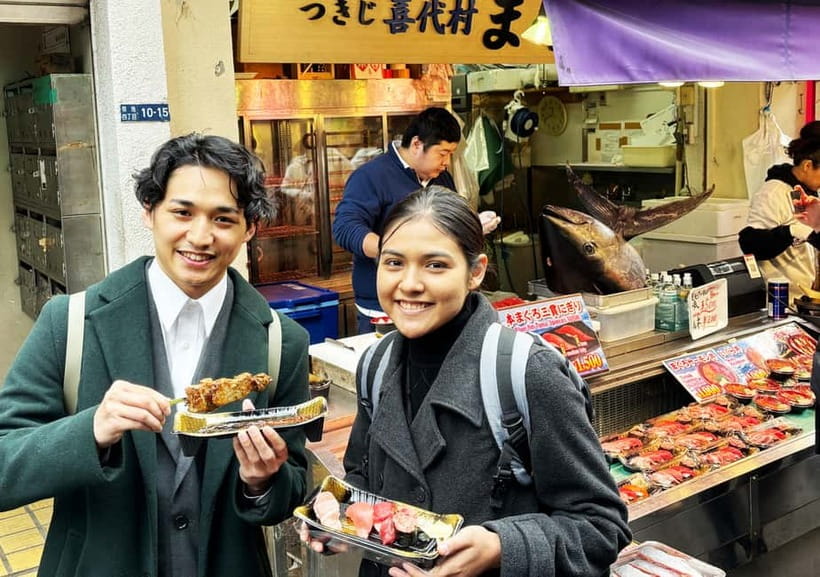
At $22 per person, this is a low-cost introduction to one of Tokyo’s best-known food areas. The fee includes the guided market walk, the temple visit, and explanations about Japanese ingredients and cooking. It does not mean every food purchase in the market is included.
I see the value in the local direction. If you already know Tsukiji well, speak Japanese, and have researched the shops you want, you can probably explore independently. One person who enjoyed the tour also felt that a careful visitor could handle the market alone with enough preparation.
For a first visit, however, the price is reasonable. A guide can save you from wasting time at the wrong counter, help you avoid tourist-priced choices, and make unfamiliar food less intimidating. You also get a short cultural visit rather than a food crawl with no context.
Think of the $22 as an orientation fee. Plan to bring extra cash if you want tuna, wagyu, sushi, or packaged foods beyond what is arranged during the walk. The tour is not the place for a fixed budget if you want to sample everything that catches your eye.
Who Will Enjoy This Walk Most?
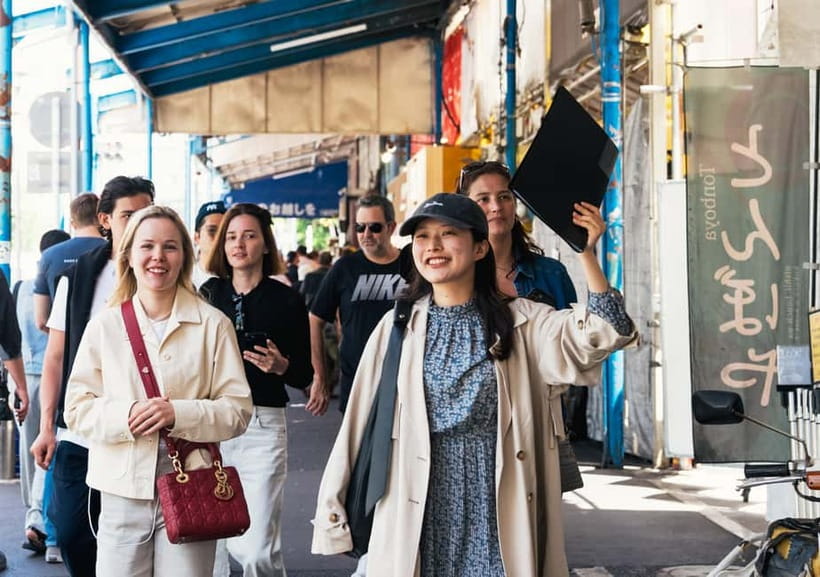
I would recommend this tour to first-time Tokyo visitors who want an easy introduction to Japanese food culture. It is also a good fit for anyone who wants to try seafood but needs help understanding what to order.
Families and mixed groups can benefit from the flexible format because one person can choose seafood while another tries wagyu, dumplings, or sweets. Curious eaters will get the most from the guide’s explanations and the chance to ask about preparation methods.
It suits solo visitors particularly well. A small group makes it easier to meet people, ask questions, and avoid navigating the market alone. The walk is also listed as wheelchair accessible, though you should still confirm the exact route and conditions when booking.
You may want to skip it if you prefer to browse silently and make every food decision yourself. You may also prefer an independent visit if your schedule falls on Wednesday, Sunday, or a national holiday and the reduced number of open shops would disappoint you.
My Verdict on the Tsukiji Experience
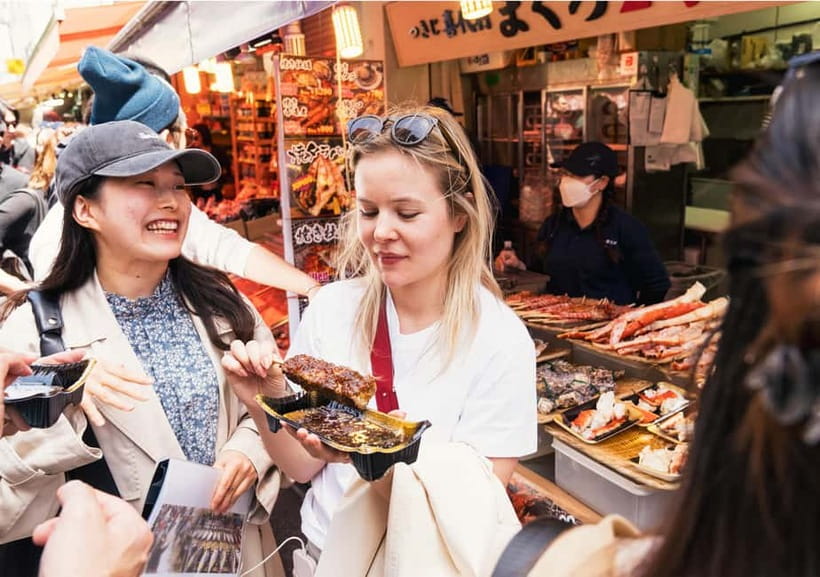
Book this tour if you want more than a quick sushi stop. The temple, market walk, tastings, fresh wasabi, food explanations, and guidance from people such as Kawa, George, Mao, Tomo, and Chihiro make the experience feel useful as well as tasty.
Choose a normal market day, bring cash, and leave room in your appetite. If you do that, the two hours should give you a clear sense of how Tsukiji connects Japanese cooking, trade, tradition, and everyday eating.
FAQ
How long does the Tsukiji Fish Market tour last?
The tour lasts two hours. The schedule includes about 20 minutes at Tsukiji Hongwanji Temple, 80 minutes of market walking and food tasting, and another 20 minutes of guided market exploration.
What food might I try?
Food varies by market conditions and your choices. Possible tastings include fresh tuna, sushi, sashimi, wagyu, grilled scallops, eel, skewered octopus, fish cake, Japanese omelet, dumplings, and other traditional street foods.
Is fresh wasabi included?
The experience includes a special wasabi set provided by the guide. Some guides also grate fresh wasabi during the tour, allowing you to taste how it changes the flavor of seafood and other foods.
Are food purchases included in the $22 price?
The $22 price includes the guided tour, temple visit, market exploration, and food-related guidance. Bring cash for additional food or shopping at individual market stalls.
What happens if I visit on a Wednesday, Sunday, or national holiday?
About half of the Tsukiji Outer Market shops may be closed on those days. Tours still operate and some shops remain open, but the selection and overall experience may differ from a normal market day.
Is the tour available in English and wheelchair accessible?
Yes. The listed tour language is English, and the activity is described as wheelchair accessible. Small-group options are also available.
More Street Food Tours in Tokyo
- Dubai: Old Town, Creek, Museums, Souks, & Street Food Tour
★ 4.8 · 10,816 reviews - Ho Chi Minh City Street Food Tour & Sightseeing By Motorbike
★ 5.0 · 9,413 reviews - Medellin: Comuna 13 Graffiti Tour, Cable Car & Street Food
★ 4.8 · 9,046 reviews - Dubai: Old Town, Souks, Street Food, Guided Tour & Abra Ride
★ 4.9 · 7,170 reviews
More Seafood Tours in Tokyo
- Seafood trail
★ 5.0 · 766 reviews - From Santiago: Rías Baixas Galicia Seafood & Wine Day Tour
★ 4.6 · 209 reviews - New Orleans: Food Tour with Seafood Boil in French Quarter
★ 4.6 · 146 reviews - Catania Street Food Tour: Fish Market & City Centre
★ 4.9 · 104 reviews
Fresh off the menu around Tokyo
- Shinjuku Tokyo: Authentic Japanese Home-Style Culinary Class★ 4.9 · 125 reviews
- Shinjuku: Golden Gai Food Tour★ 4.6 · 77 reviews
- Shibuya Tokyo: Sushi Making Class (Vegan/Vegetarian/Halal)★ 4.7 · 29 reviews
- Shinjuku: Food Tour – 15 Dishes at 4 local eateries★ 4.8 · 246 reviews
- Shibuya: Ramen Dojo Tokyo | Make All 3 (Tonkotsu/Shoyu/Miso)★ 4.8 · 207 reviews
- Tokyo: Secret Food Walking Tour★ 4.7 · 38 reviews
- Ramen Making from Scratch +Akihabara Tour –Cooking Class★ 5.0 · 25 reviews
- Exclusive Tokyo Ramen Kitchen Experience★ 4.7 · 34 reviews
Tokyo Food Tours, compared.
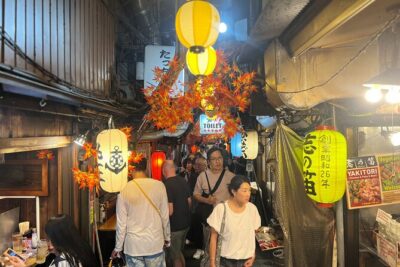
Tokyo: Shinjuku Food Tour (13 Dishes at 4 Local Eateries)
Read our review →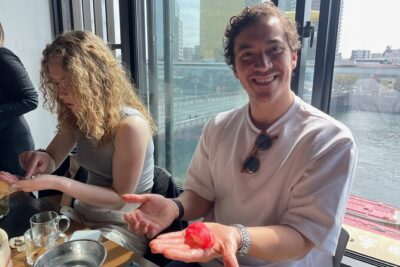
Sushi Making Tokyo Roll and Authentic Japanese Sushi Class
Read our review →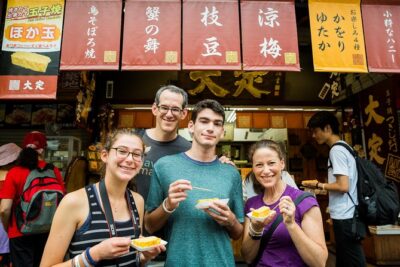
Tokyo Tsukiji Fish Market Food and Culture Walking Tour
Read our review →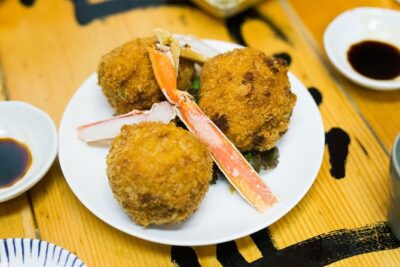
Best of Shinjuku: Izakaya Food Tour (4 Stops, 14+ Tastings)
Read our review →
Tokyo: Sushi Making Class in a Happi Coat near a Famous Spot
Read our review →
Sushi Making Tokyo! Popular Maki Sushi & Japanese Sushi(+Recipe!)
Read our review →
Tokyo Sushi Making Class in Tsukiji with Professional Chef
Read our review →
Tokyo Night Foodie Tour in Shinjuku – Seasonal Sushi, Wagyu Beef
Read our review →Browse the lists this tour appears in