
Review · ATHENS
Greek Food Walking Tour in Athens
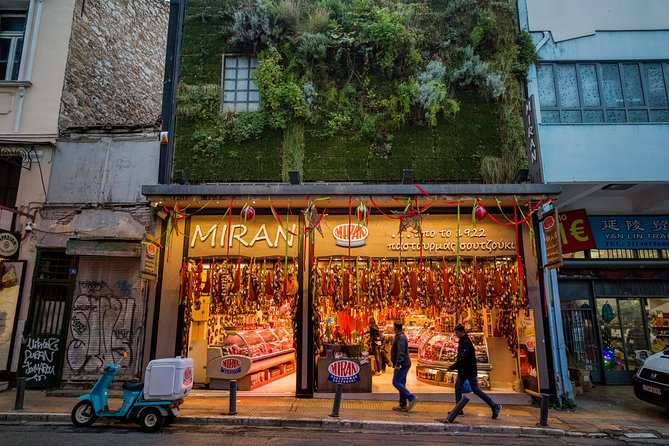
Athens reveals itself especially well through food, and this 3.5-hour walking tour takes you straight into that everyday world. You move from Monastiraki to the central meat and fish market, then through Psyrri’s food streets, tasting everything from sesame bread rings and local pies to souvlaki and Greek doughnuts. I like the market access and the generous spread of food. The main catch is simple: come very hungry, because this is closer to a full meal than a light tasting walk.
I also like the small-group setup, capped at 12 people, and the way guides such as Ana, Adele, Tonia, Maria, and Dorella add history and food advice along the route. The tour is not a good match for anyone with gluten intolerance, and vegans should choose another experience. Vegetarian guests can be accommodated if they explain their needs to the guide.
Key points at a glance
- Six stops and about 12 tastings: Expect a serious amount of food, not a few token samples.
- Varvakios Agora included: You’ll see Athens’ working meat, fish, and produce market rather than only eating in tourist districts.
- A wide Greek menu: Koulouri, coffee, mezedes, pies, souvlaki, yogurt, wine, tsipouro, and loukoumades may all appear.
- A useful first-day activity: Guides offer advice on restaurants, drinks, neighborhoods, and local dishes for the rest of your stay.
- Small group or private format: The maximum group size is 12, and the activity is described as private for your own party.
- Good value for hungry eaters: At $87.07 per person, the price covers food, drinks, six stops, and a local guide, but less so if you eat lightly.
Why this Athens food walk works
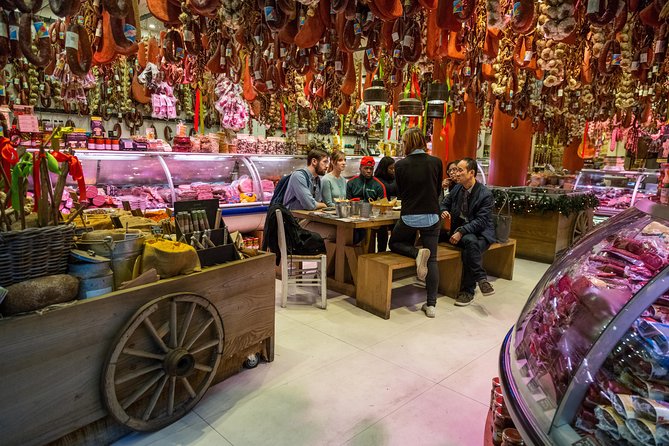
The best part of this experience is its range. You are not parked at one restaurant for three hours. You walk through several central neighborhoods, stop at food shops and eateries, inspect the market, and sample both everyday snacks and sit-down Greek dishes.
That mix gives you a better feel for Athens than a meal alone. You may taste a dish at one stop, then hear where its ingredients come from while walking past stalls selling fish, meat, fruit, vegetables, herbs, and spices. The food becomes tied to the city around you.
The tour also makes sense for first-time visitors who want help getting oriented. Monastiraki, Aiolou Street, the central market, Psyrri, and the spice quarter can feel like a lot to take in on your own. A guide gives the route shape and helps you notice the difference between a market built for local shopping and a restaurant district built for evening dining.
I would think of this as both a meal and a neighborhood introduction. The food is the main event, but the walking and explanations give the afternoon more substance.
More Food Walking Tours in Athens:
- Athens: Guided Greek Food Walking Tour with Tastings
★ 4.9 · 2,859 reviews - Athens Authentic Greek Food Walking Tour (Small Group)
★ 5.0 · 809 reviews - Athens: Ultimate Food Walking Tour with 15 Tastings
★ 4.9 · 567 reviews
Starting at Monastiraki
The meeting point is the Holy Church of the Virgin Mary Pantanassa in Monastiraki Square. This is a practical place to begin because Monastiraki sits near major sights, public transportation, the flea market, and several of central Athens’ most useful walking routes.
Before the first bite, you are already in an area packed with things to see. Hadrian’s Library, the Ancient Agora, and the reconstructed Stoa of Attalos are nearby. The flea market brings sandals, soaps, souvenirs, and small shops into the same streets as tavernas and cafés.
The tour does not include admission to those sights, so think of them as surroundings rather than stops with entry. That is not a flaw, but it matters if you expect a food-and-archaeology tour. You will get context from the guide, yet the emphasis stays on food.
Monastiraki can be crowded, particularly around the square and market lanes. Wear comfortable shoes and keep your group in sight. The walk is described as easy, but central Athens has uneven pavement and busy streets, so comfortable footwear still matters.
Aiolou Street and the first tastes
The route continues along Aiolou Street, named for Aeolus, the Greek god of winds. This central street helps connect the tourist center with the city’s food-shopping districts.
The first tastes may include koulouri, the sesame-covered bread ring sold throughout Greece, and local coffee. Koulouri is a useful introduction because it is humble, portable, and part of daily Greek life rather than a special-occasion dish.
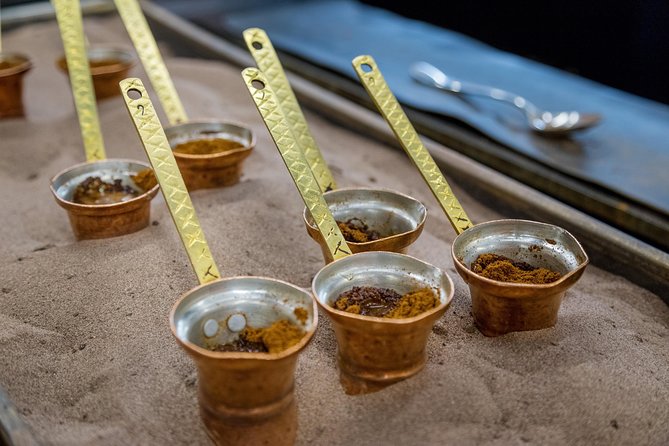
Greek coffee gives the food story a slower turn. You may also encounter a sweet pairing such as Turkish delight, based on the food selections described by people who took similar versions of this walk. The point is not simply to drink coffee, but to notice how a small cup and a small sweet can become a social pause.
The exact order and selection can vary. That is normal for a food route tied to local shops and restaurants. You should expect the listed categories of food, but not assume every item will arrive in exactly the same form or sequence.
Inside Varvakios Agora
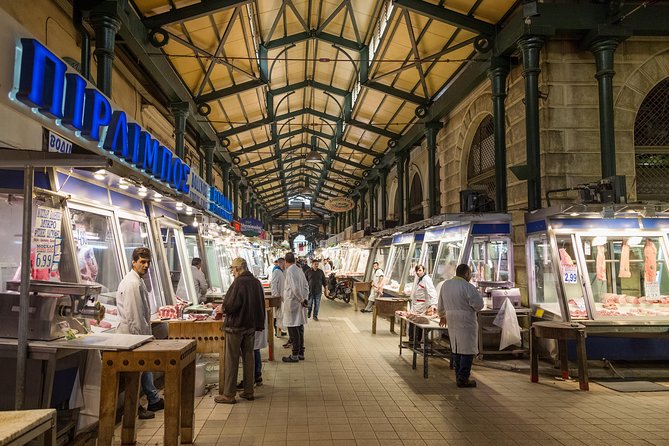
The central market, usually called Varvakios Agora, is the most useful stop for understanding Athens’ food supply. Its stalls sell fish, meat, and produce, and the surrounding area includes places to eat.
This is where the tour gains an edge over a standard restaurant crawl. You see ingredients before they reach the plate. Fish counters, meat stalls, fruit and vegetable displays, herbs, and spices turn Greek cuisine from an abstract idea into something concrete and local.
The market visit lasts about 30 minutes. That is long enough to get a proper look, though not enough for an unhurried shopping trip. You are there with a guide and a food purpose, so expect movement, explanation, and tasting rather than a long photographic stop.
The setting may not suit everyone. A working meat and fish market can have strong smells and close quarters. If that sounds unpleasant, this is the part to consider carefully. If you like seeing how a city feeds itself, it is one of the tour’s strongest elements.
More food tours around Athens:
- Athens: Street Food Tasting Tour
★ 4.9 · 3,343 reviews - Small Group Greek Traditional Food Tour in Athens 20+ Tastings
★ 5.0 · 1,759 reviews - Athens: Food Market Visit and Cooking Class with Wine
★ 4.9 · 1,087 reviews - Athens Greek Food Tour Small-Group Experience
★ 5.0 · 802 reviews
Mezedes, pies, and the full Greek table
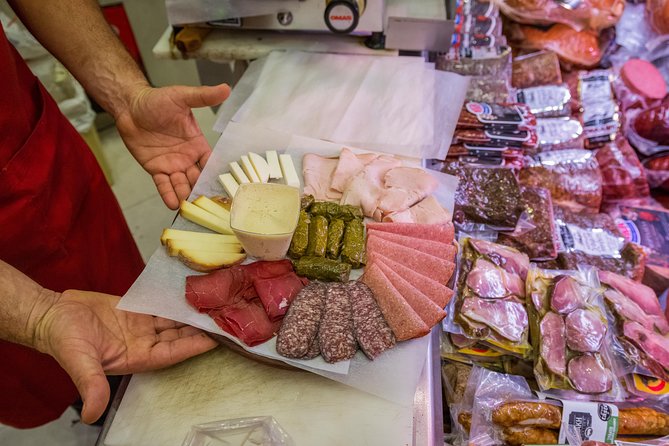
At one of the food stops, you can expect a generous spread of mezedes, local pies, bread with tomato sauce, and other Greek specialties. Mezedes are small plates meant to be shared, so this portion of the tour can feel more like sitting down to a group meal than sampling a single snack.
You may taste several textures and styles in one sitting: pastry, bread, vegetables, meat, dips, cheese, and other regional products. The sample menu also includes high-quality olive oil, local produce, wine, and tsipouro. Guides explain the food and may connect wine, olives, olive oil, feta, and different Greek regions.
This is one reason I see value in the price. You are not paying only for a guide to point out restaurants. Food and drink are included at six stops, with about 12 tastings, and one stop may provide enough food to count as a proper meal.
Still, the amount can be excessive if you have a large breakfast or plan a big dinner. The practical advice is to eat very lightly beforehand, or skip breakfast if your tour is early and that suits your routine. Several food stops remain after the largest meal, so pacing yourself matters.
Souvlaki and the everyday side of Greek food
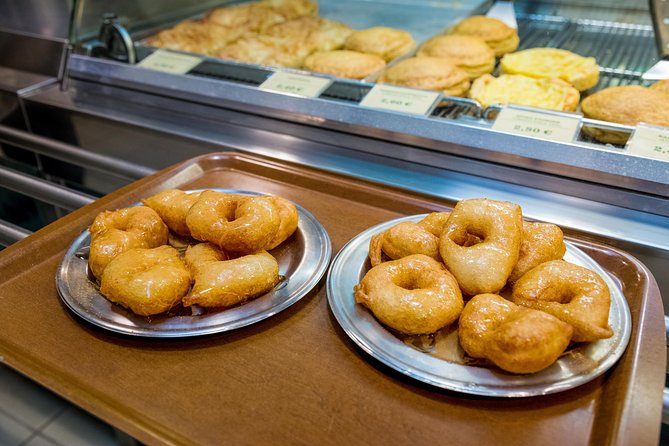
Souvlaki gives the walk a familiar Greek anchor. It is one of the foods most people expect to try in Athens, but eating it as part of a longer route lets you compare it with the other flavors and formats you have already had.
You may also receive a gyro-style item late in the route. By that point, you could be full enough to save it for later. That is not a problem if the guide allows you to pace yourself, but you should not assume you will want every bite immediately.
The experience works best if you treat each tasting as part of a meal rather than a challenge. Take small portions when possible, drink water, and do not feel obliged to finish every item if you are full. The tour is designed to feed you well, not test your appetite.
Psyrri, spice streets, and Athens after dark
Psyrri brings a different mood. The area around Iroon Square has meze restaurants, tavernas, live rembetika music, bars, artisan shops, graffiti, and small businesses selling leather goods, clothing, and home items.
During a food walk, you see the area mainly through its restaurants and shops, but the guide can help you understand how the neighborhood changes later in the day. Psyrri is a useful place to return for dinner or drinks if you want more than the usual Acropolis-view meal.
The route also includes Athens’ herb and spice street. This is a small but memorable detail, especially if you enjoy cooking. The scents and displays add another layer to the market visit, and local herbs and spices help explain why Greek food can taste so fresh even when the recipes are simple.
The streets can be lively and crowded, and some passages are narrow. The walking is not a long-distance hike, but you will be on your feet for much of the 3.5 hours. Plan accordingly.
Coffee, wine, tsipouro, and something sweet
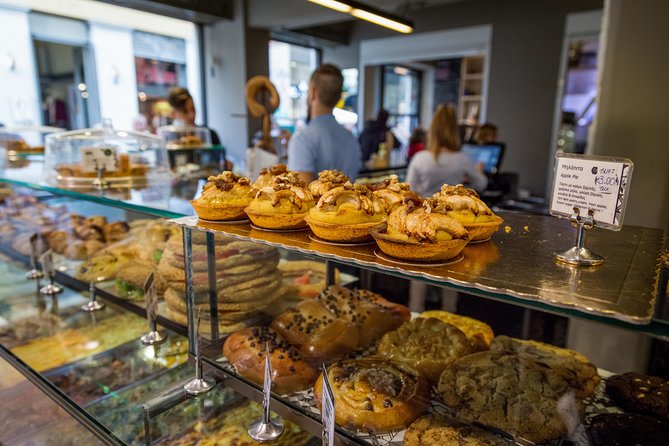
Drinks are part of the food education here. Local coffee, Greek wine, and tsipouro are included, though the alcohol portions may be small. One person found the wine and ouzo servings too modest for the price, so you should see them as tastings rather than drinks at a bar.
The minimum drinking age is 18. If you do not drink alcohol, the broader food program still gives you plenty to enjoy, but tell the guide about your preference.
The final sweet course is loukoumades, small Greek doughnuts often served with honey or other sweet toppings. Yogurt with honey may also appear earlier in the route. After savory food, these give the walk a clear finish, though your appetite may already be under pressure.
The sample menu also lists local pies, tomato sauce with bread, and other starters. Exact offerings can shift, but the overall pattern is clear: bread and coffee early, shared savory dishes in the middle, meat or souvlaki later, and sweets at the end.
The guides make the difference
The food is important, but the guide shapes the experience. Ana is praised for explaining local history, culture, markets, and food with a relaxed manner. Adele is noted for answering questions, keeping the group laughing, and offering restaurant suggestions. Tonia is described as attentive with dietary restrictions, while Maria receives credit for helping a late-arriving participant feel included.
Dorella and Alexandra are also named as guides who bring friendly conversation and useful food explanations. Since guide assignments can change, you cannot choose a particular person with certainty unless the company confirms it. Still, the repeated pattern is clear: expect a host who does more than deliver plates.
The best use of your guide is to ask questions. Ask where to eat later, which Greek dishes vary by region, how to use olive oil, what to order with wine, and which neighborhoods suit your evening plans. Several people found the tour especially useful when taken early in an Athens stay because the advice helped shape later meals.
Price, group size, and what you receive
At $87.07 per person, this is not the cheapest way to eat in Athens. It can be good value if you arrive hungry and make full use of the included food, drinks, market visit, and guiding.
Six food stops and about 12 tastings add up quickly. The menu can include a meal-sized serving of mezedes, souvlaki, coffee, wine, tsipouro, yogurt, pies, and loukoumades. If you bought all of that independently, you would also spend time choosing places and navigating between them.
The value drops if you eat only small portions, avoid most of the menu, or expect full-size alcoholic drinks. Hotel pickup and drop-off are not included, but the route begins and ends at Monastiraki, which is easy to reach by public transportation.
The group limit is 12 people. The activity is also described as private, meaning only your group participates. Because those details can sound contradictory, confirm the exact setup when booking, especially if you are traveling as a small party and want a fully private guide.
Who should book it
I would recommend this tour to first-time visitors, food-focused couples, families, and anyone who wants a guided introduction to central Athens. It is especially useful if you want restaurant tips for the rest of your stay or prefer to learn by tasting rather than sitting through a formal food lecture.
Vegetarians can take part if they notify the guide about their diet. The tour is not suitable for vegans or people with gluten intolerance, and anyone with allergies should explain those needs clearly before the tastings begin.
This is also a good choice if you enjoy markets and ordinary city life. It is less suitable if you want a quiet, elegant meal, a focused wine tasting, or a short snack break. The route is social, generous, and food-heavy.
Book it early in your Athens visit if possible. The tour is often reserved well ahead, with an average booking time of about 52 days, and the guide’s suggestions can help you plan the remaining meals.
Should you book this Greek food tour?
Book it if you want a substantial introduction to Greek food, central Athens, and local markets in one afternoon. The combination of Varvakios Agora, spice shops, shared plates, souvlaki, Greek coffee, wine, and loukoumades gives you far more than a list of bites.
Skip it if you have strict gluten-free or vegan needs, dislike market settings, or prefer to control every meal yourself. For everyone else, the strongest reason to go is the balance of food and place. You eat enough to understand the cuisine, while the walk shows you where Athenians shop, snack, meet, and dine.
Free cancellation is available up to 24 hours before the start time. Changes or cancellations inside that window are not refunded, and poor weather can lead to a new date or a full refund.
FAQ
How long does the Greek Food Walking Tour in Athens last?
The tour lasts approximately 3 hours and 30 minutes.
Where does the tour start?
It starts at the Holy Church of the Virgin Mary Pantanassa in Monastiraki Square, Athens.
Where does the tour end?
The activity ends back at the meeting point in Monastiraki.
How many food stops and tastings are included?
The tour includes six food stops and about 12 tastings, along with food and drinks.
Is the tour suitable for vegetarians?
Yes. Vegetarian guests can participate, but you should tell the tour leader about your dietary preference or allergies.
Is the tour suitable for vegans or people with gluten intolerance?
No. The tour is not suitable for vegans or people with gluten intolerance.
Is hotel pickup included?
No. Hotel pickup and drop-off are not included.
What happens if I need to cancel?
You can receive a full refund if you cancel at least 24 hours before the experience begins. Cancellations or changes made less than 24 hours in advance are not refunded.
Fresh off the menu around Athens
- No Diet Club – Unique local Food Tour in Athens!★ 4.9 · 38 reviews
- Athens: The Classic Food Tasting Tour★ 4.9 · 374 reviews
- Athens: Evening Food Walking Tour★ 4.9 · 422 reviews
- Athens: Private Food Tour – 10 Tastings With Locals★ 4.6 · 77 reviews
- Athens: Traditional Greek food tour in hidden spots★ 4.6 · 46 reviews
- Classic Athens Food Tour with Local Drink & Market Visit★ 4.9 · 99 reviews
- Athens: Ultimate Food Walking Tour with 15 Tastings★ 4.9 · 567 reviews
- Athens: The Ultimate Food Tasting Tour★ 4.8 · 35 reviews
Athens Food Tours, compared.

Athens: Guided Greek Food Walking Tour with Tastings
Read our review →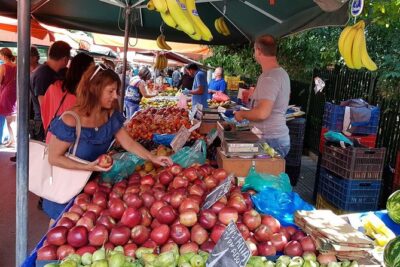
Small Group Greek Traditional Food Tour in Athens 20+ Tastings
Read our review →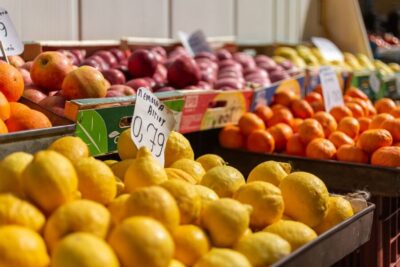
Athens: Food Market Visit and Cooking Class with Wine
Read our review →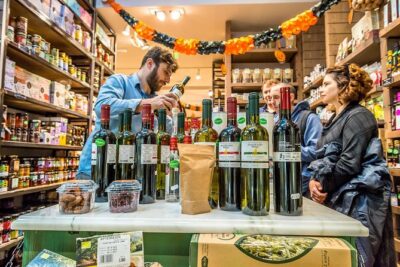
Athens Authentic Greek Food Walking Tour (Small Group)
Read our review →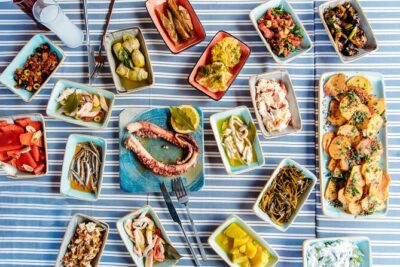
Athens: Ultimate Food Walking Tour with 15 Tastings
Read our review →
Browse the lists this tour appears in