
Review · TOKYO
Ramen & Gyoza Cooking Class in Tokyo with Local Supermarket Visit
Tokyo’s best food lessons do not always happen in polished cooking schools. At YUCa’s Japanese Cooking, you enter a real home kitchen in Arakawa and learn to make two everyday favorites: ramen and gyoza. YUCa leads the class with clear English, warmth, and plenty of cultural context.
I like the small maximum of seven people, which keeps the morning personal, and I like that the recipes are practical enough to try at home. The optional supermarket visit adds a useful look at Japanese ingredients and neighborhood life.
The main thing to understand is that this is not a full chef-training course. Some parts are hands-on, but with one kitchen, parts of the cooking can feel more like a demonstration. The supermarket visit is also optional, so confirm what is planned for your date.
Key points to know before booking
- A home-kitchen setting: You cook at YUCa’s own home rather than in a large commercial school.
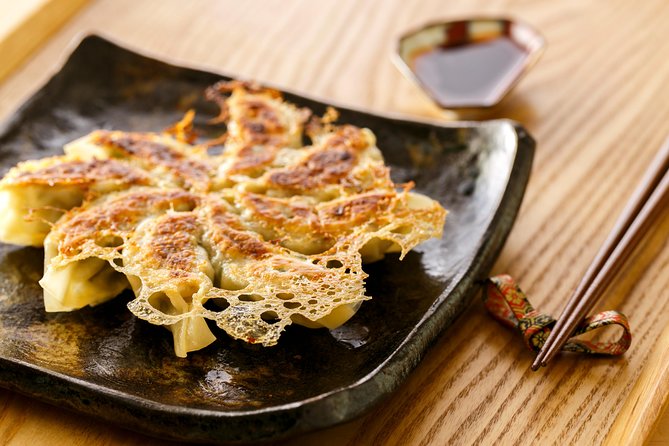
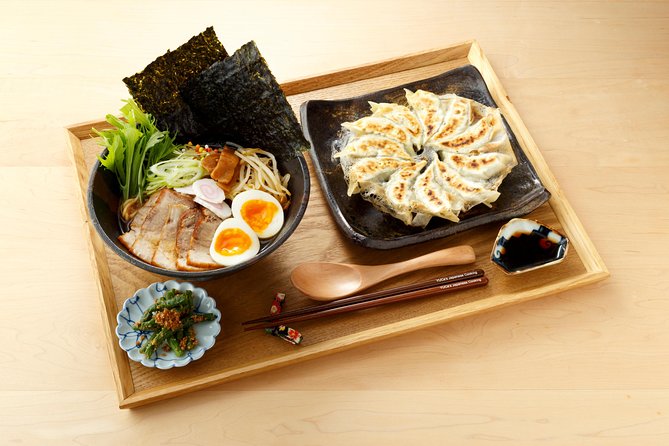
- Two Japanese staples: The class covers ramen and minced pork gyoza, with vegetables, meat, noodles, and soup components.
- Small group size: The class accepts a maximum of seven people, though some activities may still be demonstration-led.
- A practical Tokyo morning: The main class runs from 10:00 a.m. to 12:30 p.m., with an optional supermarket visit until about 1:00 p.m.
- Good for mixed ages: Families, teenagers, grandparents, couples, beginners, and experienced home cooks can all take part.
- Vegetarian option available: Tell YUCa about dietary needs when you book.
Starting in Arakawa, away from the main sightseeing circuit
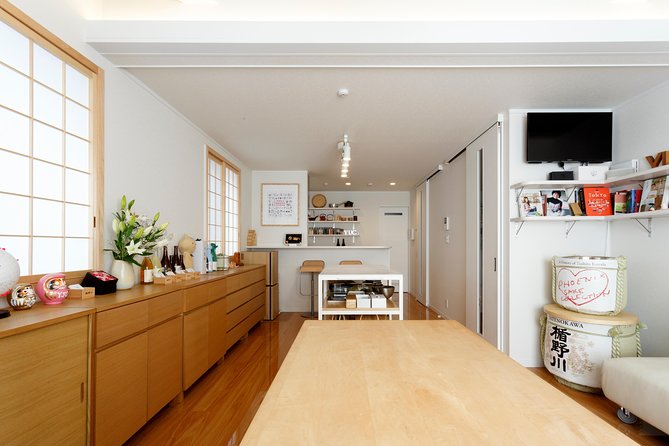
The meeting point is YUCa’s Japanese Cooking at 2-chōme-34-8 Nishiogu, Arakawa City. The class begins at 10:00 a.m. and returns to the same place, so you are not left figuring out a different end point while carrying your cooking notes and a full stomach.
Arakawa gives you a different look at Tokyo than the usual Shibuya, Asakusa, or Shinjuku circuit. The experience takes place in a neighborhood outside the city center, and part of its appeal is seeing an ordinary residential side of Tokyo. Public transportation is nearby, though the exact route depends on where you are staying. Build in extra time for finding the address, especially if this is your first morning in Tokyo.
YUCa welcomes you into her own kitchen, a detail that shapes the whole class. You are not simply watching a chef perform in a studio built for large groups. You are learning in the kind of domestic setting where Japanese meals are actually planned, prepared, and shared.
That setting also explains one limitation. A home kitchen has only so much room and equipment. If the class fills all seven places, you may not personally handle every step. You should expect a mix of demonstration, assigned tasks, explanations, and shared preparation rather than seven fully independent workstations.
More cooking classes around Tokyo:
- Ramen Making from Scratch +Akihabara Tour –Cooking Class
★ 5.0 · 25 reviews - Ramen Cooking Class at Ramen Factory in Kyoto
★ 5.0 · 1,937 reviews - Small Group Cooking Class & Market Food Tour in Florence
★ 5.0 · 1,574 reviews
The opening lesson on Japanese home cooking
From 10:15 to 10:30, YUCa gives a short talk about Japanese home cooking and lifestyle. It is brief, but it gives the food some context before you begin chopping, mixing, folding, and assembling.
This opening is useful because ramen and gyoza are often treated as restaurant dishes by visitors. In Japan, both fit into a much wider food culture. The class connects the recipes to home cooking and shows how ingredients and methods can change from one household to another.
YUCa is also the main reason the class feels personal. She has been described as friendly, energetic, patient, and easy to understand. She teaches in English and explains not only what to do, but also some of the culture behind the food. One especially personal touch mentioned by several participants is writing names in Japanese characters based on their pronunciation.
The tone is lively rather than formal. You will meet other people in the small group, and the cooking gives everyone an easy reason to talk. That can be a welcome change from a standard guided tour, particularly if you are traveling as a couple or solo and want a shared activity without committing to a full day.
Making ramen from simple building blocks
The cooking and tasting portion runs from about 10:30 a.m. to 12:30 p.m. The class covers ramen and gyoza, using different vegetables and meat as part of the preparation.
The ramen lesson is designed to be approachable. You work through the components, wait for parts to cook, and later assemble the bowl. That sequence matters because it lets you see how the dish comes together instead of receiving a finished bowl with no explanation.
Do not expect a highly technical lesson in handmade noodles or a long study of regional ramen styles. The available information describes a practical noodle soup class, not a specialist ramen workshop. The value is in learning a repeatable home-style method and understanding how the ingredients fit together.
Some participants have found parts of the ramen preparation less hands-on than expected, especially when the class involves adding measured powders or liquids rather than making every element from scratch. That is worth keeping in mind if you are an advanced cook looking for intensive knife work, broth-making, or noodle production.
For most people, however, the straightforward approach is a benefit. You are more likely to recreate the dish at home if the method does not require rare equipment or a full day of preparation. The class aims to give you a clear path from ingredients to bowl, not to turn you into a ramen specialist in two hours.
Folding gyoza while the ramen cooks
The gyoza portion brings more physical activity to the class. While the ramen ingredients cook, you make minced pork dumplings with vegetables and fold them by hand.
This timing is smart. Rather than waiting around for the soup, you use that period to prepare another dish. Folding gyoza is also an easy group activity because everyone can work at the same time, compare shapes, and improve with each dumpling.
Families in particular may appreciate this part. Children and teenagers can take on a clear role, and the activity does not demand advanced cooking skills. It also gives beginners a satisfying result quickly, even if their first few dumplings look less tidy than YUCa’s.
The class does not promise restaurant-level folding technique, so you should focus on learning the basic method and enjoying the process. You will likely leave with a better feel for how gyoza are filled and shaped, plus a recipe you can practice at home.
The food itself is a major part of the value. You eat the ramen and gyoza you prepare, rather than receiving a separate lunch unrelated to the lesson. Portions have been described as somewhat modest by at least one participant, so consider this a substantial tasting meal rather than an all-day feast.
More food workshops around Tokyo:
- Sushi Making Tokyo Roll and Authentic Japanese Sushi Class
★ 5.0 · 3,971 reviews - Tokyo: Roll and Authentic Sushi Making Class in Asakusa
★ 4.9 · 1,957 reviews - Tokyo: Sushi Making Class in a Happi Coat near a Famous Spot
★ 4.9 · 1,377 reviews - Tokyo Sushi Making Class in Tsukiji with Professional Chef
★ 5.0 · 1,177 reviews
Eating your own ramen and gyoza
At the end of the cooking session, you assemble the ramen bowls and sit down to eat. This is more than a convenient finish. Tasting the food immediately helps you connect the preparation steps with the result.
You can assess the balance of the soup, the texture of the noodles, and the contrast between the warm ramen and the dumplings. If you plan to cook the dishes later, this is the moment to ask YUCa what can be changed, substituted, or adjusted.
The recipes are intended for a range of cooking abilities. Beginners can follow the instructions, while confident home cooks can pay closer attention to technique and ingredient choices. The class is also suitable for families, couples, older adults, and teenagers. The group atmosphere is part of the experience, so you should be comfortable sharing the kitchen and table with people you do not know.
The meal is one reason the $122.70 price needs to be judged as an experience rather than as lunch. You are paying for roughly two and a half hours, instruction, food, access to a local home, cultural explanation, and a small group setting. If you only want to eat ramen cheaply, this is poor value. If you want a personal food lesson that gives you something to repeat at home, the price is easier to justify.
The optional supermarket visit and its limits
From about 12:30 to 1:00 p.m., YUCa may lead an optional local supermarket tour. This is a useful addition because supermarket shelves often explain Japanese food better than a formal lecture. You can see the ingredients used in everyday cooking and ask about unfamiliar products, labels, and packaged foods.
The neighborhood setting is part of the appeal. You are not visiting a market designed mainly for sightseeing. You are looking at the place local residents use for ordinary shopping, which can make Tokyo feel more understandable and less staged.
The supermarket stop is not guaranteed in the same way as the cooking session. It is listed as optional, and some people have left without taking part. One clear practical lesson is to confirm the supermarket plan when you arrive, particularly if this feature is the main reason you chose the class.
If the visit happens, allow the extra time through 1:00 p.m. If it does not, the cooking class still ends back at the meeting point around 12:30 p.m. Do not schedule a tight connection or an important midday reservation until you know which version of the morning you will have.
How hands-on is the class?
This is the most important question for many people. The answer is: hands-on, but not continuously hands-on.
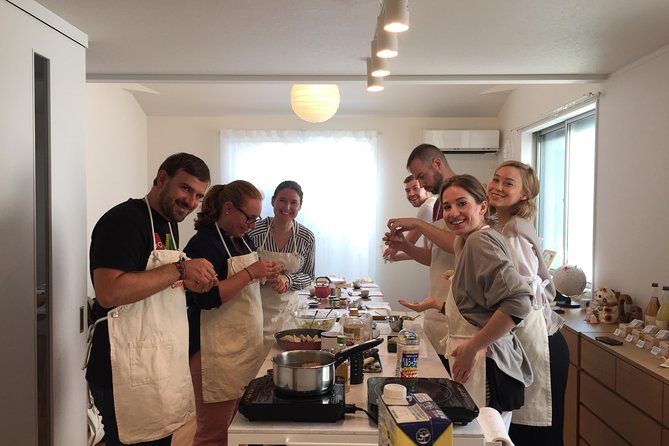
You should expect to participate in making gyoza, preparing parts of the ramen, and assembling the finished meal. YUCa divides tasks among the group and makes an effort to involve everyone. At the same time, there is one kitchen, and some steps are shown while participants watch.
That balance works well for beginners and families who want support. It may disappoint you if you expect a separate cutting board, burner, and full ingredient station for every person. The class has a maximum of seven, which is small compared with a large tour, but seven people still share a domestic kitchen.
I would choose this experience for learning a manageable recipe and meeting people, not for serious culinary training. The host’s explanations and cultural insight add value, but the class remains a friendly introduction rather than an advanced workshop.
Dietary needs, age range, and group fit
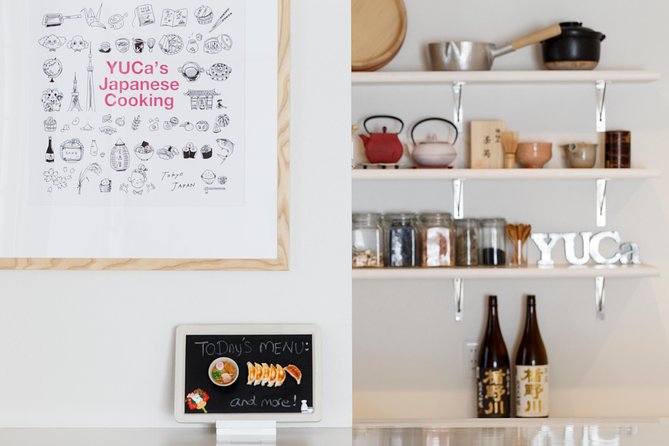
A vegetarian option is available, but you need to advise YUCa when booking. You should also report any other specific dietary requirements in advance. Do not wait until the morning of the class, since the cooking plan depends on the ingredients prepared.
The experience suits a wide age range. Families have included children aged 9, 13, and 14, and teenagers have enjoyed making the food. Grandparents can take part too, although the shared kitchen format may be less comfortable for anyone who needs a highly adapted cooking setup.
A minimum of two people is required per booking. Solo visitors should therefore check availability under the booking rules rather than assume they can reserve one place alone.
The maximum group size is seven. That is small enough for conversation and questions, but it does not mean a private class unless you book the required places for your own party.
Practical details that affect your morning
The total duration is about two and a half hours, or up to three hours if you join the supermarket visit. Start time is 10:00 a.m., with the short home-cooking talk at 10:15 and cooking beginning around 10:30.
The activity uses a mobile ticket, and confirmation is sent at booking. The meeting and ending point are the same, which simplifies the morning. The location is near public transportation, but you should still allow time to locate the home in Nishiogu.
Free cancellation is available if you cancel at least 24 hours before the start time. Cancellations or changes made inside that window are not refunded or accepted. The experience also requires a minimum number of people, so if the provider cancels for that reason, you are offered another date or experience, or a full refund.
Who should book this Tokyo cooking class?
Book it if you want a personal introduction to Japanese home cooking, enjoy meeting people in a small group, or want recipes you can try after returning home. It is especially well suited to families, couples, first-time cooks, and anyone who values conversation and cultural explanation as much as the food.
It is also a good choice if you have already seen Tokyo’s major sights and want to spend a morning in a residential part of the city. The class gives you a reason to visit Arakawa, rather than simply passing through it.
Think twice if you want a fully independent workstation, advanced ramen technique, generous restaurant-sized portions, or a guaranteed supermarket tour. Those needs do not match the format as closely.
Should you book it?
I would book this class for the warm home setting, approachable recipes, and personal teaching from YUCa. The food is the reward, but the larger benefit is leaving with a clearer idea of how Japanese home cooking works and how you might recreate ramen and gyoza yourself.
Before paying, confirm three things: the vegetarian or dietary plan, the expected supermarket visit, and how hands-on the class will be for your group. At $122.70, it is not a cheap meal, but it offers much more than lunch. For a friendly, practical food experience away from central Tokyo’s usual sights, it is a strong choice.
FAQ
Where does the ramen and gyoza class take place?
The class takes place at YUCa’s Japanese Cooking, 2-chōme-34-8 Nishiogu, Arakawa City, Tokyo 116-0011, Japan.
What time does the experience start?
The experience starts at 10:00 a.m. The home-cooking and lifestyle lecture begins around 10:15 a.m., followed by cooking at about 10:30 a.m.
How long does the class last?
The cooking class and tasting run until about 12:30 p.m. The optional supermarket visit can extend the experience to around 1:00 p.m.
What dishes will I make?
You will learn to prepare ramen and minced pork gyoza using vegetables, meat, noodles, and soup components.
Is the supermarket tour included?
The supermarket visit is listed as optional. You should confirm its availability for your date if it is important to your plans.
Is there a vegetarian option?
Yes. A vegetarian option is available, but you must advise YUCa when booking.
How many people can join?
The activity has a maximum of seven people. A minimum of two people per booking is required.
Is the class suitable for children?
The class is suitable for families and a range of ages. Children and teenagers can take part in tasks such as making gyoza, though the kitchen is shared with the rest of the group.
Can I cancel for a refund?
You can cancel for a full refund if you do so at least 24 hours before the local start time. Cancellations or changes made less than 24 hours before the experience are not refunded or accepted.
Fresh off the menu around Tokyo
- Shinjuku Tokyo: Authentic Japanese Home-Style Culinary Class★ 4.9 · 125 reviews
- Shinjuku: Golden Gai Food Tour★ 4.6 · 77 reviews
- Shibuya Tokyo: Sushi Making Class (Vegan/Vegetarian/Halal)★ 4.7 · 29 reviews
- Shinjuku: Food Tour – 15 Dishes at 4 local eateries★ 4.8 · 246 reviews
- Shibuya: Ramen Dojo Tokyo | Make All 3 (Tonkotsu/Shoyu/Miso)★ 4.8 · 207 reviews
- Tokyo: Secret Food Walking Tour★ 4.7 · 38 reviews
- Ramen Making from Scratch +Akihabara Tour –Cooking Class★ 5.0 · 25 reviews
- Exclusive Tokyo Ramen Kitchen Experience★ 4.7 · 34 reviews
Tokyo Food Tours, compared.
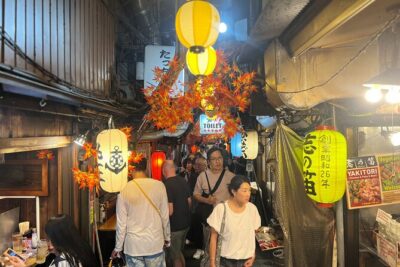
Tokyo: Shinjuku Food Tour (13 Dishes at 4 Local Eateries)
Read our review →
Sushi Making Tokyo Roll and Authentic Japanese Sushi Class
Read our review →
Tokyo Tsukiji Fish Market Food and Culture Walking Tour
Read our review →
Best of Shinjuku: Izakaya Food Tour (4 Stops, 14+ Tastings)
Read our review →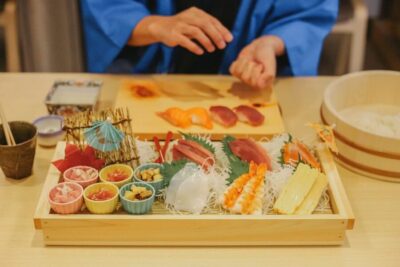
Tokyo: Sushi Making Class in a Happi Coat near a Famous Spot
Read our review →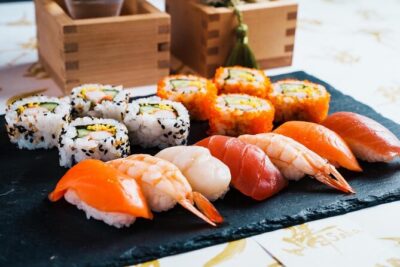
Sushi Making Tokyo! Popular Maki Sushi & Japanese Sushi(+Recipe!)
Read our review →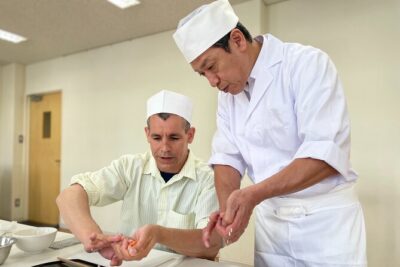
Tokyo Sushi Making Class in Tsukiji with Professional Chef
Read our review →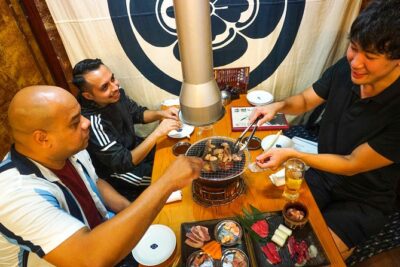
Tokyo Night Foodie Tour in Shinjuku – Seasonal Sushi, Wagyu Beef
Read our review →Browse the lists this tour appears in