
Review · TOKYO
Eat and Drink Like a Local: Tokyo Ueno Food Tour-Taverns&Ramen
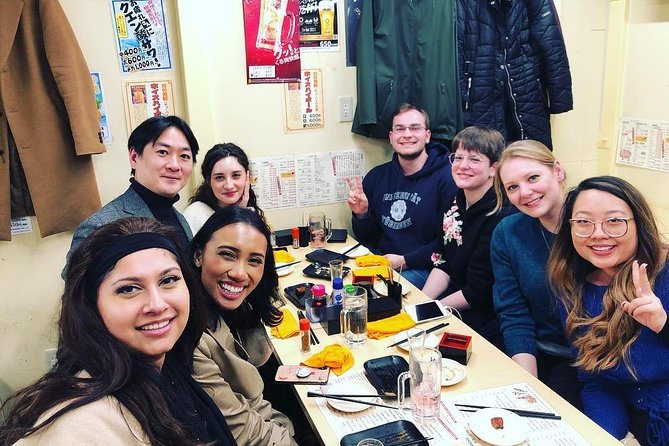
Ueno is one of Tokyo’s best districts for an evening of ordinary Japanese food, and this tour takes you past the station crowds and into the places where locals actually stop for a drink. You move through standing bars, izakaya taverns, and a ramen shop, sampling sashimi, skewered meat, grilled fish, stews, drinks, and other dishes that may not appear on a standard tourist menu.
I like two things right away. First, the guide removes the worry of walking into a small Japanese bar where the menu may be hard to read and nobody speaks much English. Second, the food arrives in several stages, so you get a useful introduction to Japanese eating and drinking rather than one large meal at one restaurant.
The main consideration is the adventurous menu. Some dishes are unusual, and a few people may find the flavors or textures challenging. This is a better choice for an open-minded eater than for someone seeking familiar sushi, tempura, and ramen only.
Key points to know before booking
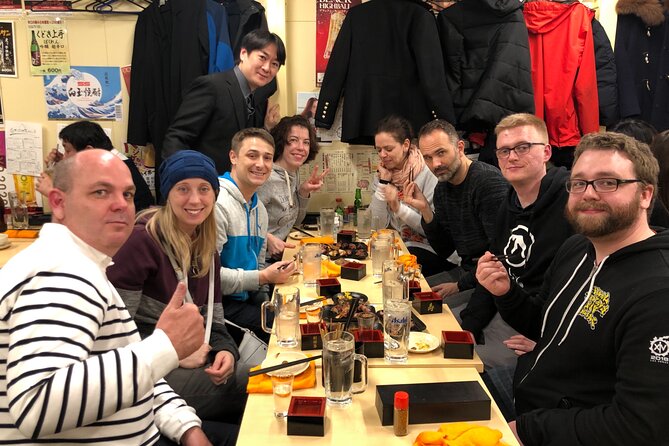
- Four food stops in about three hours: The route includes Ueno, Ameya Yokocho, Okachimachi, and a final ramen shop.
- A guide handles the language barrier: Aki, Akira, or another listed guide explains the dishes and helps with ordering.
- Food and drinks are included: Expect several tastings and Japanese alcoholic drinks, with options for non-drinkers.
- The group is capped at 10 people: That keeps the tour more personal and makes it easier to ask questions.
- Come hungry and flexible: Portions are described as plentiful, and the menu can include mystery meats and less familiar local dishes.
- The tour ends near Okachimachi: You finish at 5-chome Ueno, not back at the Starbucks meeting point.
Why Ueno is a smart place for a food tour
Ueno gives you a fast lesson in everyday Tokyo. The district is known for Ueno Park, Ueno Zoo, Ameya Yokocho market street, train connections, and a dense collection of small restaurants and bars. You get more than food here. You see how people move through the neighborhood, how the railway shapes the city, and how an evening meal can stretch across several modest establishments.
The meeting point is the Starbucks inside atré Ueno, near Ueno Station. That is a practical place to begin, especially if you are still getting used to Tokyo’s train system. The tour then moves through the Ueno and Okachimachi areas on foot.
Your guide begins with an introduction to Tokyo, Ueno Park, and Ueno Zoo before leading you to the first meal. I like this opening because it gives you a map of the neighborhood before the eating starts. You are not simply being carried from one restaurant to the next. You learn why the area matters and how it fits into the wider city.
The route also includes an explanation of Tokyo’s train system. That may sound basic, but it is useful early in a Japan trip. Ueno is a major transport point, and understanding the difference between the station areas, market streets, and nearby neighborhoods can make your later exploring much easier.
More Food Tours with Locals in Tokyo:
- Eat/Drink like a LOCAL-Taverns & Ramen
★ 4.9 · 23 reviews - Naples: Street Food Walking Tour with Local Guide
★ 4.9 · 4,976 reviews - Rome: Street Food Tour with Local Guide
★ 4.8 · 4,077 reviews
Stop one: four dishes in Ueno
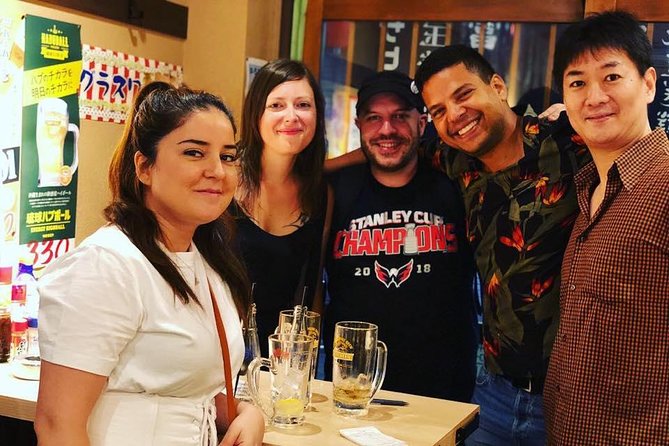
The first stop serves four dishes and comes with an explanation of what you are eating. The exact menu can change, but the experience is designed to introduce Japanese dishes in a setting that feels local rather than formal.
You may encounter sashimi, grilled fish, skewered meat, soup, stews, or other tavern dishes. The food is not presented as a fine-dining tasting menu. It is closer to the kind of varied meal you might order when sharing plates with friends at an izakaya.
That format is valuable because Japanese food culture is often built around ordering several small dishes for the table. A guide can explain what pairs well with a drink, which items are shared, and how to approach foods that are unfamiliar. You can ask questions as each plate arrives instead of trying to decode a menu by yourself.
The first stop lasts about 30 minutes, so expect a quick pace. Four dishes in half an hour means this is a tasting stop, not a long restaurant dinner. If you prefer to sit in one place for the entire evening, this style may feel rushed. If you like variety, it gives you a broad first look at Japanese tavern food.
Walking through Ameya Yokocho
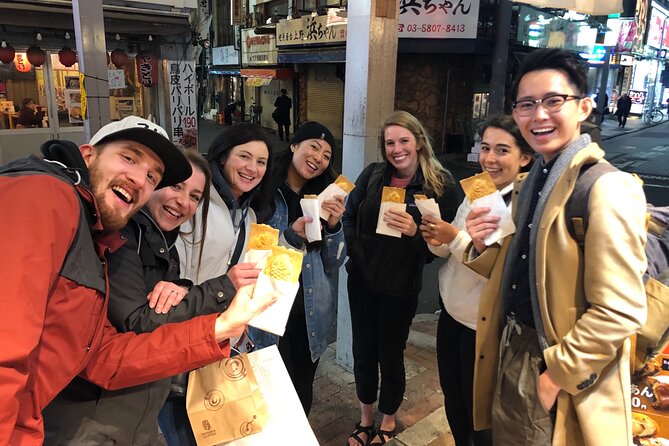
Between restaurants, the route passes through Ameya Yokocho. This well-known market street runs near the railway tracks and connects the Ueno and Okachimachi areas. It is a useful contrast to the quiet interior of a small bar: outside, you see shops, food stalls, signs, commuters, and the constant movement of a central Tokyo neighborhood.
Your guide uses the walk to explain the area and point out details you could easily miss alone. This is one of the strongest parts of the tour for first-time visitors, because the route gives you a practical sense of how the district is laid out.
You should wear comfortable shoes. The tour lasts about three hours and includes several walks between stops. There is no long-distance transport in the tour description, but you will be moving through busy streets and station areas.
Stop two: Okachimachi Ekimae Street
The second food stop is on Okachimachi Ekimae Street. Here, the focus shifts toward the dishes and drinking customs associated with the Okachimachi area.
This is a good point to ask about izakaya etiquette. Your guide can explain how to order, how the dishes are shared, and how drinks fit into the meal. Japanese taverns can feel intimidating when you first arrive, especially if the menu is handwritten or the room is packed with regulars. Having someone place the first orders and translate the choices gives you a practical lesson you can use later.
The stop lasts about 30 minutes. Like the first restaurant, it is one part of a moving meal. You are not trying to sample the full menu. You are getting a few well-chosen tastes, learning the setting, and then moving on.
I would pay attention to the differences between this stop and the first one. The value is not simply the amount of food. It is seeing how several small venues create a complete night out. A single restaurant can show you one menu. A route through different local places shows you more of the district’s eating culture.
More food tours around Tokyo:
- Tokyo: Shinjuku Food Tour (13 Dishes at 4 Local Eateries)
★ 5.0 · 6,603 reviews - Sushi Making Tokyo Roll and Authentic Japanese Sushi Class
★ 5.0 · 3,971 reviews - Tokyo Tsukiji Fish Market Food and Culture Walking Tour
★ 5.0 · 3,184 reviews - Tokyo: Shinjuku Food Tour (15 Dishes and 4 Eateries)
★ 4.9 · 2,033 reviews
Stop three: Japanese drinks and the izakaya experience
The third stop takes you deeper into Japanese drinking culture. Your guide explains the dishes and the alcoholic drinks, and you can ask questions while the food arrives.
Expect Japanese drinks rather than a generic bar crawl. The supplied details specifically mention sake and other Japanese alcoholic beverages, and past tour menus have included unusual drink choices. The experience is aimed at helping you understand how locals eat and drink in a tavern, not simply handing you a cocktail and sending you on your way.
Non-drinkers can still enjoy the food-focused side of the tour. The experience includes people who did not drink alcohol, and the food remains central. Still, if you do not drink, mention it when booking or at the start so the guide can plan appropriately.
The food may include items outside your comfort zone. One menu description refers to mystery meats, and some dishes may be difficult for cautious eaters. This is not a flaw for the right person. It is part of the point. But if you have strict preferences, allergies, or dietary rules, communicate them early. The guide has accommodated vegetarian diners and other food needs, but the information does not promise that every request can be met at every stop.
A useful detail is the guide’s role. Aki is praised for explaining every dish, keeping conversation moving, and helping the group feel relaxed. Akira is also named in the tour material, and Shota has led some departures. The guide assigned to your date may vary, so you should not book on the assumption that one specific person is guaranteed unless the booking details say so.
Stop four: ordering ramen near Panda Hiroba
The final stop is a ramen shop near Okachimachi Panda Hiroba. Here, your guide explains how to order and eat ramen.
For many people, this is the most familiar food of the night, but the ordering process can still be confusing. Some ramen shops use ticket machines, compact menus, or a quick ordering routine. A guide shows you how the system works and explains the proper way to approach the bowl.
Ramen is also a satisfying finish after several smaller dishes. You will have been eating across the route, so do not expect a light snack. Several people describe the food as plentiful, and the tour is best approached with a very empty stomach.
The ramen stop lasts about 30 minutes. It is also where the evening ends, at 5-chome Ueno. Plan your next activity from there rather than from Ueno Station. The ending point is still in a useful central area, but it is not the same as the starting location.
How much food and drink do you get for $95.21?
The price is $95.21 per person. That is not cheap for three hours of eating, but it includes the food tastings and drinks at several stops, plus a guide who translates, orders, explains the dishes, and leads you through a part of Tokyo that can be difficult to navigate on your own.
I would judge the value by comparing it with what you are buying. You are not paying only for four plates. You are paying for access to small restaurants, guidance through Japanese menus, local context, and the chance to sample multiple venues without guessing where to go.
The price makes less sense if you are mainly looking for one excellent bowl of ramen or a single inexpensive dinner. You could spend less by choosing a restaurant yourself. The tour earns its cost through variety and assistance.
It also helps that the group is limited to 10 people. A small group makes it easier to hear explanations, ask questions, and share dishes without turning the evening into a large organized outing. Some departures may be smaller still, including private-feeling groups of just a few people.
The guide and the human side of the evening
The strongest part of this experience is the guide’s personality. Aki is described as energetic, funny, attentive, and easy to talk with. His background in hospitality and kitchen work helps him explain both the food and the practical details of eating out in Japan.
That matters because the route involves more than translation. You learn how to enter a small restaurant, what to order, how dishes are served, and how the evening flows. You also get a chance to ask about Tokyo, Japanese culture, local neighborhoods, and the train system.
The tone is social. You may be eating with people from several countries, and the guide helps the group talk with one another. If you like meeting people over a shared meal, this is a strength. If you want a quiet, private dinner with no group conversation, choose a restaurant reservation instead.
Some descriptions also praise the guide for taking photos. That can be useful on a food tour, where your hands are usually occupied and the evening moves quickly. It is a small benefit, but a welcome one.
Who should book this Ueno food tour?
I would recommend it most strongly to first-time visitors who want a gentle push into local eating. It suits you if Japanese menus seem confusing, if you want to try more than sushi, or if you would not feel comfortable entering a small standing bar alone.
It also works well for adventurous eaters. You may try familiar foods such as sashimi and ramen, but you should be ready for grilled items, unusual meats, stews, and flavors that are not common outside Japan.
The tour is less suitable for picky eaters, people seeking luxury dining, or anyone expecting Michelin-level food. One departure received a sharply negative assessment because the food felt too unusual and the explanations were difficult to understand. That criticism points to two real risks: the menu is not designed for cautious eaters, and guide communication may vary by departure.
For families, the supplied information says most people can participate, but it does not give a child age policy or a special children’s menu. Check the booking details if you are traveling with young children.
Practical details that matter
The tour lasts approximately three hours and is offered with a mobile ticket. It begins at Starbucks Coffee in atré Ueno, at Ueno 7-chome, and ends at 5-chome Ueno near Okachimachi Panda Hiroba.
Public transportation is nearby, and the starting point is easy to connect with from Ueno Station. Give yourself enough time to find the Starbucks inside the atré complex. Tokyo station buildings can have several exits and levels, so arriving early is sensible.
The maximum group size is 10 people. Most people can participate, but you should expect walking and several restaurant visits. Wear comfortable shoes and arrive hungry.
Confirmation is provided when you book. You can cancel for a full refund up to 24 hours before the start time. Cancellations or changes made inside that 24-hour window are not refunded or accepted.
Should you book it?
Book this tour if you want a social, guided introduction to Ueno’s everyday food scene, especially if you are nervous about Japanese bars or cannot read the menus. The combination of sashimi, tavern dishes, Japanese drinks, market streets, cultural explanations, and ramen gives you a useful first evening in Tokyo.
Skip it if you want refined dining, a predictable menu, or one long relaxed meal. The tour rewards curiosity more than caution. Come hungry, accept that some dishes may surprise you, and you will get much more from the $95.21 price.
FAQ
How long does the Tokyo Ueno food tour last?
The tour lasts approximately three hours.
How much does the tour cost?
The listed price is $95.21 per person.
Where does the tour begin?
It begins at Starbucks Coffee in atré Ueno, at Ueno 7-chome, Taito City, Tokyo.
Where does the tour end?
The tour ends at 5-chome Ueno, near Okachimachi Panda Hiroba.
How many people can join the tour?
The maximum group size is 10 people.
Are food and drinks included?
Yes. Food tastings and drinks are included in the tour price.
What foods are served?
The tour can include sashimi, skewered meat, grilled fish, tavern dishes, other Japanese specialties, and ramen. The exact selection may vary.
Does the guide speak English?
The experience is designed to avoid language barriers, with the guide handling translation and explaining how to order and eat.
Can non-drinkers join?
Yes. Non-drinkers can enjoy the food-focused parts of the experience, although the tour includes Japanese alcoholic drinks.
Can the tour accommodate dietary restrictions?
The guide has accommodated vegetarian diners and other dietary needs. You should communicate restrictions in advance, but the supplied information does not guarantee that every request can be met at every stop.
Can I cancel for a refund?
You can receive a full refund if you cancel at least 24 hours before the experience begins. Cancellations and changes within 24 hours are not accepted and are not refunded.
Fresh off the menu around Tokyo
- Shinjuku Tokyo: Authentic Japanese Home-Style Culinary Class★ 4.9 · 125 reviews
- Shinjuku: Golden Gai Food Tour★ 4.6 · 77 reviews
- Shibuya Tokyo: Sushi Making Class (Vegan/Vegetarian/Halal)★ 4.7 · 29 reviews
- Shinjuku: Food Tour – 15 Dishes at 4 local eateries★ 4.8 · 246 reviews
- Shibuya: Ramen Dojo Tokyo | Make All 3 (Tonkotsu/Shoyu/Miso)★ 4.8 · 207 reviews
- Tokyo: Secret Food Walking Tour★ 4.7 · 38 reviews
- Ramen Making from Scratch +Akihabara Tour –Cooking Class★ 5.0 · 25 reviews
- Exclusive Tokyo Ramen Kitchen Experience★ 4.7 · 34 reviews
Tokyo Food Tours, compared.
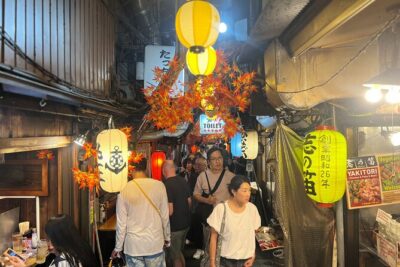
Tokyo: Shinjuku Food Tour (13 Dishes at 4 Local Eateries)
Read our review →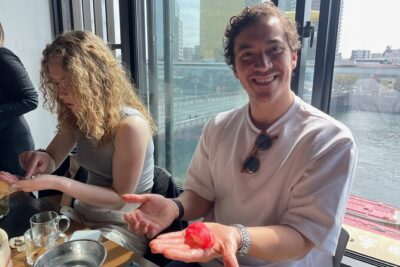
Sushi Making Tokyo Roll and Authentic Japanese Sushi Class
Read our review →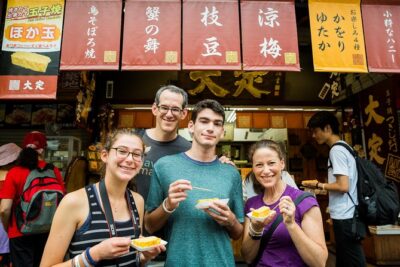
Tokyo Tsukiji Fish Market Food and Culture Walking Tour
Read our review →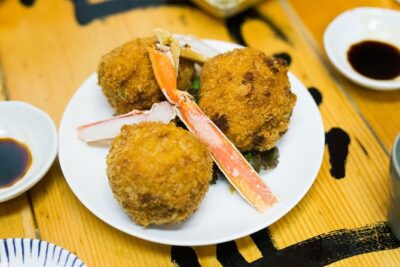
Best of Shinjuku: Izakaya Food Tour (4 Stops, 14+ Tastings)
Read our review →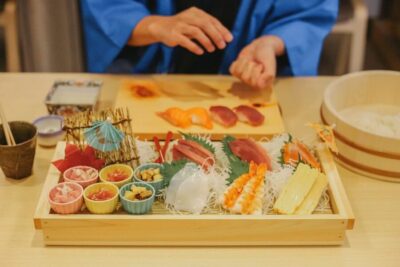
Tokyo: Sushi Making Class in a Happi Coat near a Famous Spot
Read our review →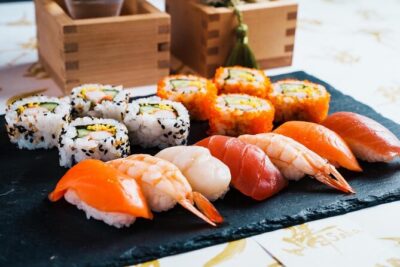
Sushi Making Tokyo! Popular Maki Sushi & Japanese Sushi(+Recipe!)
Read our review →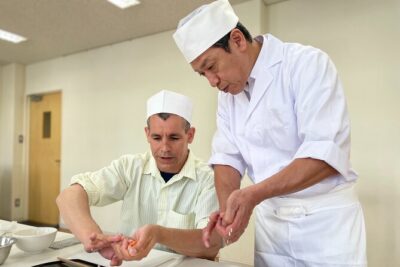
Tokyo Sushi Making Class in Tsukiji with Professional Chef
Read our review →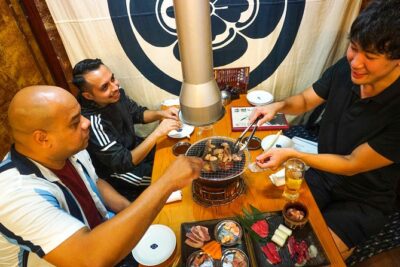
Tokyo Night Foodie Tour in Shinjuku – Seasonal Sushi, Wagyu Beef
Read our review →Browse the lists this tour appears in