
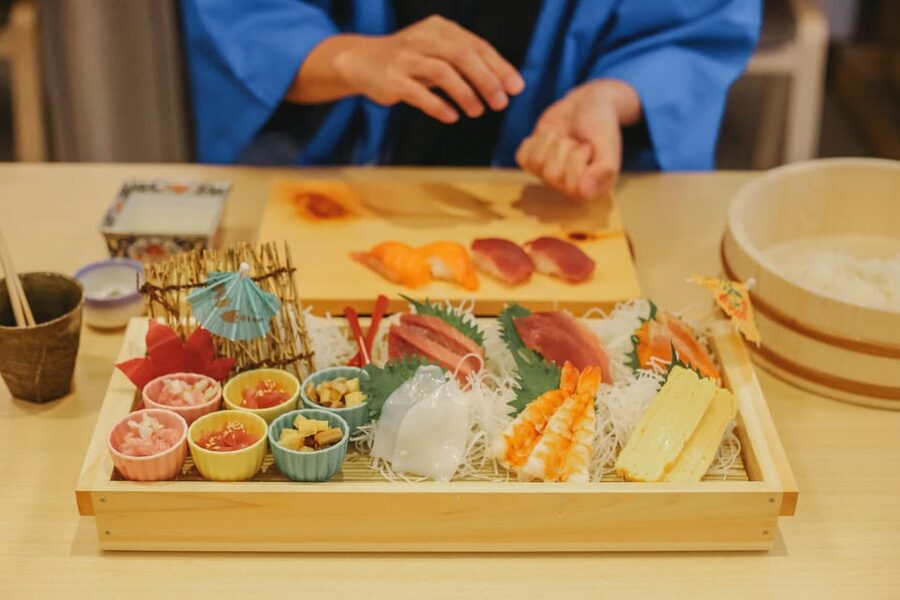
Review · TOKYO
Tokyo: Sushi Making Class in a Happi Coat near a Famous Spot
Tokyo makes a fine classroom for sushi, but this is not a watch-and-nod demonstration. You put on a happi coat, learn the basic hand movements, and make nigiri with tuna and salmon under a real chef’s direction. The best part is that you eat what you make, and the portions can amount to a proper lunch.
I like the small-group feel and the plain, patient teaching. Guides such as Hide, Mikoto, Kohji, Ami, and Masa have been praised for humor, clear English, and close help at the worktable. I also like that the class gives you a useful skill to take home, not just a few staged photos.
The main consideration is that the meeting point changes with the option you book, and some people have found the venue a little tricky to locate. Group size can vary, too. You may work with other customers rather than receive a private lesson, though smaller sessions sometimes feel almost one-to-one.
Key points at a glance
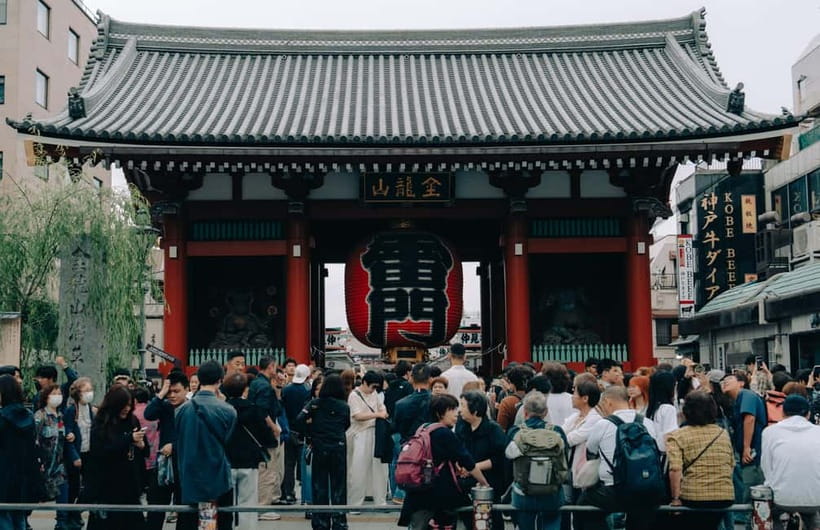
- Make and eat a full serving: You prepare sushi from scratch, then sit down to eat it. Several sessions provide enough food for lunch.
- Nigiri is the main lesson: Tuna and salmon feature prominently, with maki and other rolls included in some classes.
- Happi coats add real fun: The traditional Japanese coat gives the class a festive look and makes for good photos.
- English support is available: The class runs in English and Japanese, with guides praised for clear explanations.
- Dietary needs need advance notice: Vegetarian, vegan, and gluten-free choices are available if requested before the day of the class.
- Good location pairing: Afterward, you can continue around the nearby temple and market area, depending on the meeting-point option you choose.
A hands-on start at the sushi counter
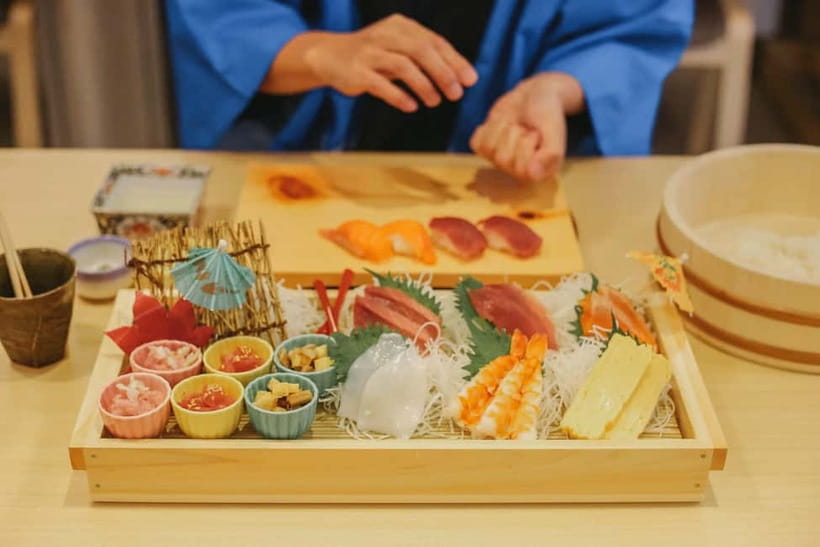
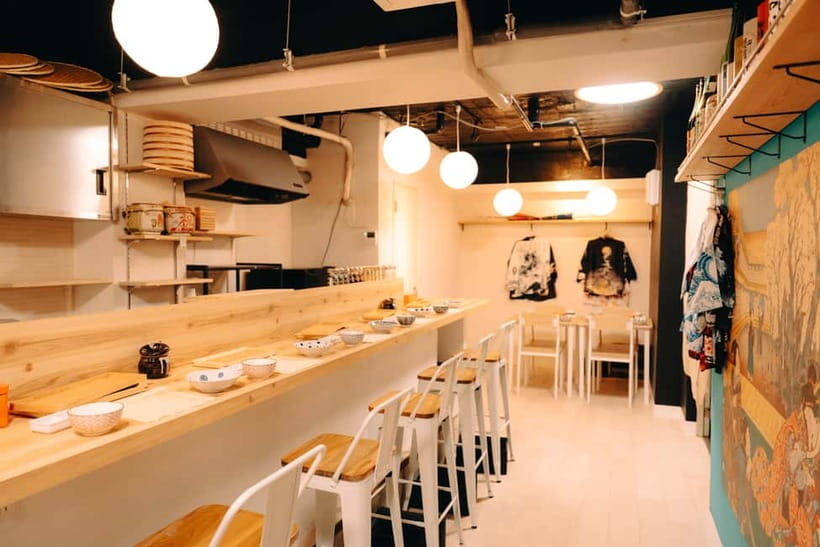
The class begins in a Japanese-style setting, with ingredients and equipment prepared before you arrive. That matters in a 90-minute session. You spend your time learning and making sushi instead of waiting for bowls, knives, or fish to appear.
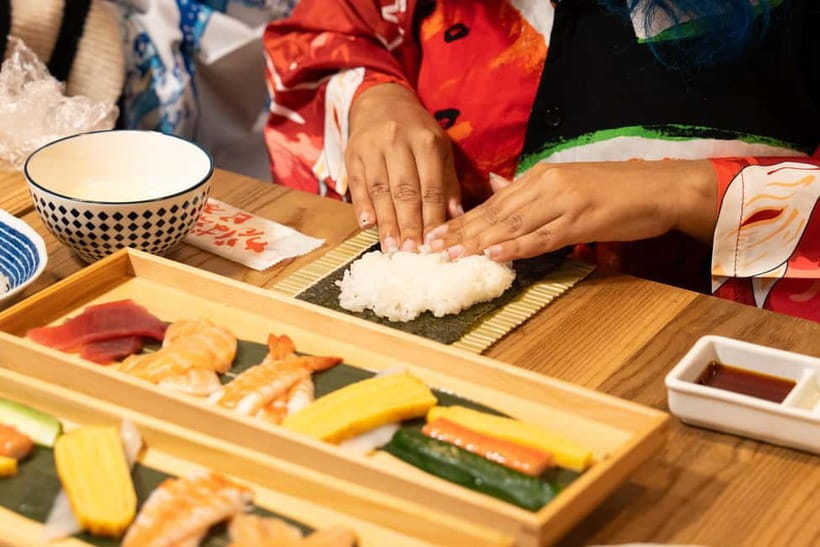
Your instructor first explains the basics. The lesson focuses on how sushi rice is handled, how fish is placed, and how to shape nigiri without crushing the rice. You then try the movements yourself while the chef watches and steps in when needed.
This is aimed at beginners, not home cooks who already know their way around a sushi counter. The teaching style is practical. You see a movement, copy it, and get a correction. Children and adults can take part, and several families have found the activity easy for first-timers.
The chefs are a major part of the experience. Names change by session, but recent classes have included Hide, Mikoto, Kohji, Ami, Masa, Miwa, Mai, Mizuki, and Emmy. Their styles may differ, but the useful pattern is the same: clear steps, friendly help, and plenty of room for questions.
English ability also varies by instructor, but the activity is offered in English and Japanese. The strongest feedback has singled out guides with very good English, including Mai and several of the hosts working with the chefs. If precise language support matters to you, check the selected time and option before paying.
More food workshops around Tokyo:
- Sushi Making Tokyo Roll and Authentic Japanese Sushi Class
★ 5.0 · 3,971 reviews - Tokyo: Roll and Authentic Sushi Making Class in Asakusa
★ 4.9 · 1,957 reviews - Tokyo Sushi Making Class in Tsukiji with Professional Chef
★ 5.0 · 1,177 reviews
Learning nigiri with tuna and salmon
Nigiri looks simple. It is only a small piece of rice topped with fish, but the shape, pressure, and balance all matter. This class lets you see why sushi chefs make the work look easier than it is.
The chef demonstrates how to portion the rice and place the topping. You then make your own pieces with tuna and salmon. The goal is not restaurant-level speed. It is to understand the feel of the rice and produce something that holds together and tastes good.
That makes this a better choice than a passive food tour if you want to learn a technique. You will not leave as a professional sushi chef, but you should have enough confidence to try the process at home. Several people have specifically liked having a skill they could use after returning home.
The fish and rice are the stars, so freshness matters. The class uses fresh ingredients, and the finished sushi is eaten during the session. That immediate payoff is important. You are not making a sample and then watching someone else clear it away.
Expect some pieces to look less tidy than the chef’s. That is part of the fun. The instructors are there to help you correct your grip and shape, not to take over the work. If you are cooking with children, allow them to make a few uneven pieces. The relaxed tone is more valuable than perfect presentation.
Maki, rolls, and the part that changes by session
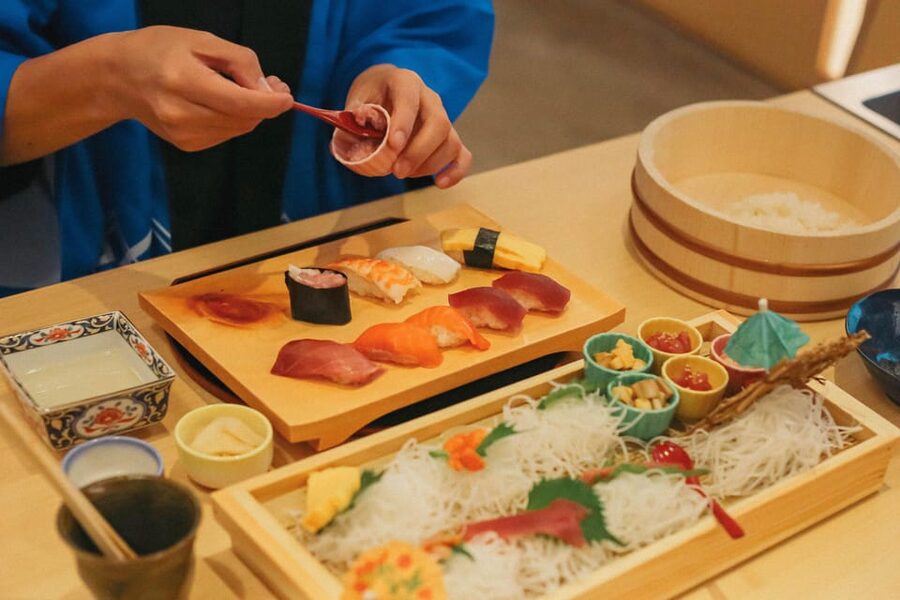
The headline lesson centers on nigiri, but the class can also include maki and other rolls. The exact mix depends on the session and the option you book. You might learn rolling as well as shaping individual pieces.
Maki gives the class a different rhythm. Instead of forming rice by hand and adding one topping, you spread ingredients and roll them together. It is often easier for beginners to understand, though cutting the finished roll neatly can take practice.
The instructors explain each stage and help when the roll is too loose or too full. This is where the small-group format helps. One recent session had five people per host, allowing the instructor to give attention to each person while another host worked with a separate group.
The class is social without requiring you to be outgoing. You may share a table with other customers if the venue is busy. Some people prefer a private lesson, and that can happen when a quiet time has few bookings, but you should not count on it.
If you want the most personal instruction, choose a time that suits your schedule rather than only the cheapest or most convenient slot. A quieter class may give you more time for questions, food advice, and conversation about Japanese culture.
Wearing the happi coat and taking photos
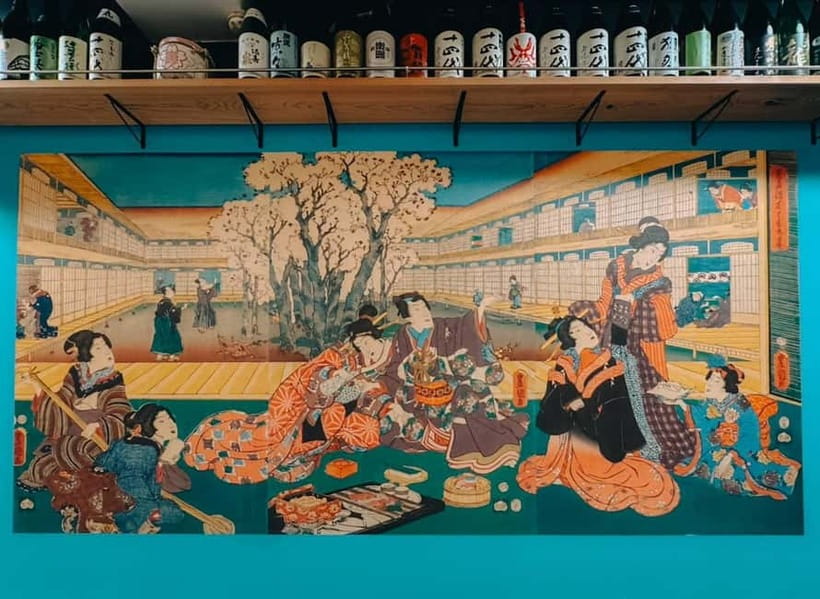
The happi coat is not a minor costume add-on. It changes the mood of the class. With its tube-style sleeves and traditional Japanese look, it makes you feel part of the sushi counter rather than someone simply following a recipe.
The coat also gives the activity a visual memory. Instructors may take photos and videos as you work, and there are picture spots and props available in some sessions. If you are traveling as a couple, with friends, or with children, the photos add a lighthearted record of the day.
This part will appeal most to people who enjoy cultural activities with a playful edge. If you want a quiet, formal lesson with no posing, the photo element may feel less important. You can still focus on the food and technique, but the setting is designed to be friendly and photogenic.
I would schedule this before visiting a temple or market nearby. The coat and food class take 90 minutes, leaving you time to continue exploring the area afterward. One useful pairing is class first, then a walk through the surrounding temple and market district. The exact nearby sights depend on the meeting point attached to your booking.
More food tours around Tokyo:
- Tokyo: Shinjuku Food Tour (13 Dishes at 4 Local Eateries)
★ 5.0 · 6,603 reviews - Tokyo Tsukiji Fish Market Food and Culture Walking Tour
★ 5.0 · 3,184 reviews - Tokyo: Shinjuku Food Tour (15 Dishes and 4 Eateries)
★ 4.9 · 2,033 reviews - Best of Shinjuku: Izakaya Food Tour (4 Stops, 14+ Tastings)
★ 5.0 · 1,863 reviews
Eating what you made
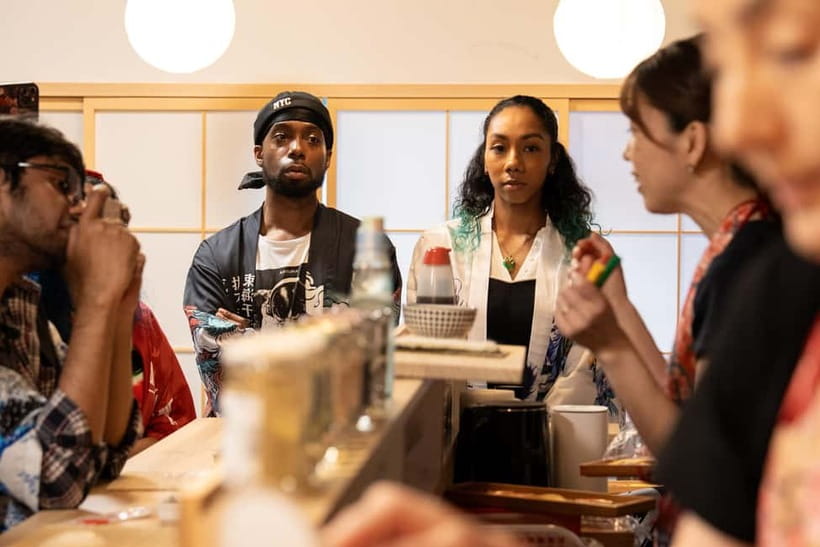
The class ends with the most convincing test: lunch. You eat the nigiri and rolls you prepared, rather than receiving a separate meal made by the staff.
Portions appear generous. Several sessions have produced enough sushi to leave people full, which makes the $42 price easier to justify. You are paying for instruction, ingredients, a cultural activity, and a meal, not just for a short lesson.
Still, keep the price in perspective. If your only goal is to eat excellent sushi, a sushi restaurant may offer more variety or a more refined meal. You pay for the work of making it yourself. That extra value is strongest if you enjoy hands-on activities and want to learn a repeatable skill.
The meal also helps children stay interested. They can make something with their own hands and then eat it. Parents should note that children over four are charged according to the listed child or adult fee, and children under four may share a dish. Check the exact booking terms for your group.
Sake may be available for an additional purchase, but it is not part of the included class. One person specifically enjoyed an orange bottle described as stronger and from southern Japan. Treat that as an optional extra, not a promised feature of every session.
Dietary requests and practical planning
Vegetarian, vegan, and gluten-free choices are available, but you need to ask in advance by message. Do not wait until you sit down. Same-day requests may not be possible.
You should also report allergies before the activity. The class works with fish and other sushi ingredients, so the chef needs time to prepare a safe alternative. The provided information does not promise that every allergy can be accommodated, only that allergies should be shared ahead of time.
The meeting point can vary by the option booked. Read the confirmation carefully and allow extra time to find the venue. One person had a little trouble locating the place, even though it became manageable once they had their bearings.
The activity lasts 90 minutes, and available starting times vary. A morning class can work well before sightseeing, while a midday booking can serve as lunch. If you have a train, airport transfer, or timed attraction afterward, leave a buffer. Tokyo addresses and busy streets can take longer to navigate than expected.
Cancellation is flexible: you can cancel up to 24 hours before the start for a full refund. The reserve-now, pay-later option also helps if your Tokyo plans are still shifting. These terms make the class easier to fit into a changing itinerary.
Who will get the most from this class
I would recommend it to first-time visitors who want something beyond temples, shopping, and observation decks. Sushi is familiar around the world, but making it in Japan gives you a direct way to connect food with everyday culture.
It works especially well for:
- Couples looking for a relaxed shared activity
- Families with children who enjoy making their own food
- Solo visitors who are comfortable joining a small table
- Food lovers who want a practical skill
- Anyone needing a rainy-day activity near a major Tokyo sight
- Visitors with a free morning or afternoon who also want a meal
It is less suited to anyone seeking advanced chef training. You will learn useful foundations, but the session is short and beginner-focused. It is also not the best pick if you want a long restaurant meal with many rare fish varieties.
The class has earned a 4.9 rating from 1,377 reviews, and the strongest praise centers on the same points: friendly instructors, clear teaching, tasty food, generous portions, and a warm setting. Those are the parts I would value most when comparing it with other cooking activities in Tokyo.
Is the $42 price fair?
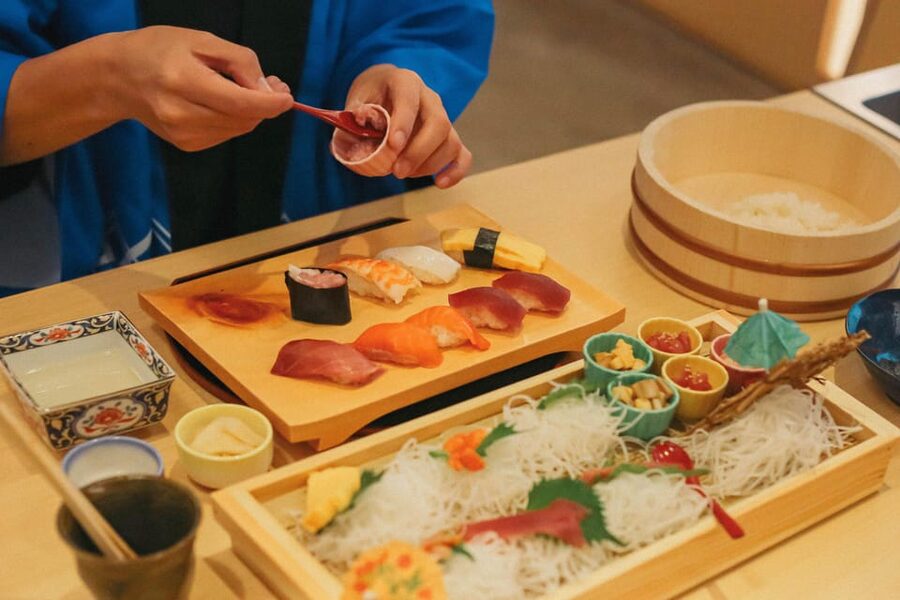
Yes, for the right kind of afternoon. At $42 per person, you receive the cooking class, ingredients, and instructor, then eat the sushi you prepare. Add the happi coat, photos, cultural explanation, and the chance to ask questions, and the cost is reasonable.
The value becomes even better if the class replaces lunch. A restaurant meal would still be necessary after some cooking workshops, but this one can leave you full. The exact amount depends on how much you make in your session, though portions have often been described as substantial.
Do not choose it solely for low-cost sushi. You are buying an activity first and food second. The quality of the experience depends on enjoying the process, accepting a few imperfect pieces, and taking part rather than simply being served.
Should you book SUSHI GARYU?
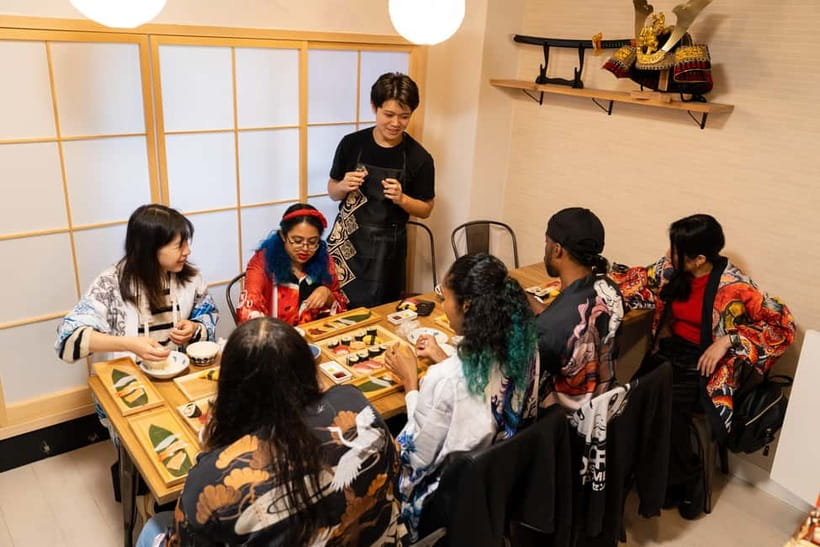
Book this class if you want a friendly, beginner-level activity with real participation, a meal, and a small taste of Japanese food culture. The mix of nigiri practice, possible maki rolling, happi coats, and helpful English-speaking guides gives it more substance than a quick photo stop.
I would book with three checks in mind: confirm the meeting point, send dietary or allergy requests early, and choose a time that leaves room around the 90-minute session. If those details suit your plans, this is a strong-value choice for couples, families, and anyone who has always wanted to make sushi but never knew where to start.
FAQ
How long does the sushi-making class last?
The activity lasts 90 minutes. Starting times vary, so check availability for the date you want.
What sushi will I learn to make?
The main lesson covers nigiri sushi with tuna and salmon. Depending on the session, you may also make maki and other rolls.
Is the class suitable for beginners?
Yes. The workshop is designed for beginners, with a chef demonstrating each step and helping you as you practice.
Is the class offered in English?
Yes. The activity is offered in English and Japanese. Instructor names and English fluency can vary by session.
Are vegetarian, vegan, and gluten-free options available?
Yes, those options are available if you request them in advance. Same-day requests may not be possible.
What should I do if I have a food allergy?
Tell the provider about your allergy in advance by message. The class information specifically asks participants to share allergy details before the activity.
Can children join the class?
Yes. Children over four are charged according to the applicable fee, while children under four may share a dish. Check the child pricing details when booking.
Can I cancel for a refund?
You can cancel up to 24 hours before the activity for a full refund. A reserve-now, pay-later option is also available.
Fresh off the menu around Tokyo
- Shinjuku Tokyo: Authentic Japanese Home-Style Culinary Class★ 4.9 · 125 reviews
- Shinjuku: Golden Gai Food Tour★ 4.6 · 77 reviews
- Shibuya Tokyo: Sushi Making Class (Vegan/Vegetarian/Halal)★ 4.7 · 29 reviews
- Shinjuku: Food Tour – 15 Dishes at 4 local eateries★ 4.8 · 246 reviews
- Shibuya: Ramen Dojo Tokyo | Make All 3 (Tonkotsu/Shoyu/Miso)★ 4.8 · 207 reviews
- Tokyo: Secret Food Walking Tour★ 4.7 · 38 reviews
- Ramen Making from Scratch +Akihabara Tour –Cooking Class★ 5.0 · 25 reviews
- Exclusive Tokyo Ramen Kitchen Experience★ 4.7 · 34 reviews
Tokyo Food Tours, compared.
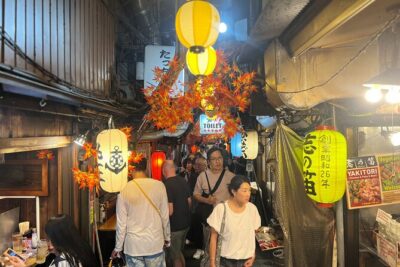
Tokyo: Shinjuku Food Tour (13 Dishes at 4 Local Eateries)
Read our review →
Sushi Making Tokyo Roll and Authentic Japanese Sushi Class
Read our review →
Tokyo Tsukiji Fish Market Food and Culture Walking Tour
Read our review →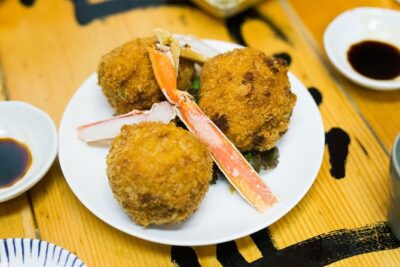
Best of Shinjuku: Izakaya Food Tour (4 Stops, 14+ Tastings)
Read our review →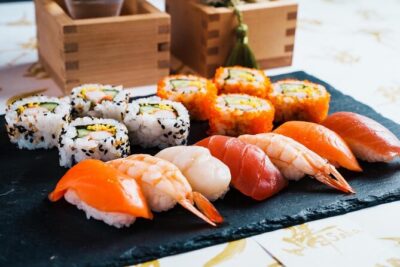
Sushi Making Tokyo! Popular Maki Sushi & Japanese Sushi(+Recipe!)
Read our review →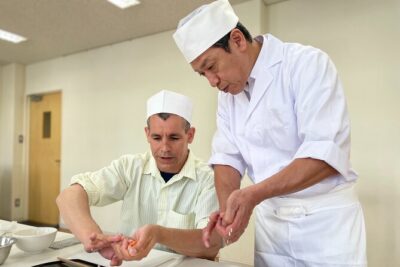
Tokyo Sushi Making Class in Tsukiji with Professional Chef
Read our review →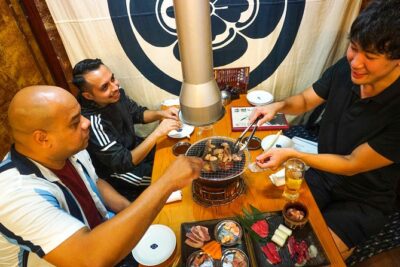
Tokyo Night Foodie Tour in Shinjuku – Seasonal Sushi, Wagyu Beef
Read our review →
Eat and Drink Like a Local: Tokyo Ueno Food Tour-Taverns&Ramen
Read our review →Browse the lists this tour appears in