
Review · TOKYO
Tokyo: Roll and Authentic Sushi Making Class in Asakusa
Tokyo’s sushi counters can feel mysterious. This class takes away the guesswork. In about 100 minutes, you learn how sushi developed, make maki rolls and nigiri, then sit down to eat your work. The lesson uses a light quiz, demonstrations, and plenty of guided practice, so you do not need kitchen experience.
I like the friendly English-speaking team, with instructors and helpers including Hitomi, Moe, Ken, Kaori, Jun, and Ryouko praised for clear teaching and good humor. I also like the setting: historic Asakusa, close to Sensoji Temple and Tokyo Skytree. The main consideration is pace. One session felt rushed to a participant, while others described a longer class, so do not expect a slow chef-training course.
Key points before you book
- You make two styles of sushi: Learn both rolled maki and hand-shaped nigiri, then eat the finished meal.
- The class begins with sushi history: A playful quiz gives useful context before you handle the ingredients.
- English support is built in: Staff explain each step, demonstrate techniques, and help when your rice or rolls go astray.
- Fresh ingredients matter here: Many participants singled out the quality of the fish and the final taste.
- Asakusa makes a smart location: The meeting point is about three minutes from Asakusa Station and close to Sensoji Temple.
- Dietary requests need advance notice: Vegan, vegetarian, gluten-free, halal, and allergy menus are available, but changes cannot be arranged on the day.
Why this Asakusa class works for first-time sushi makers
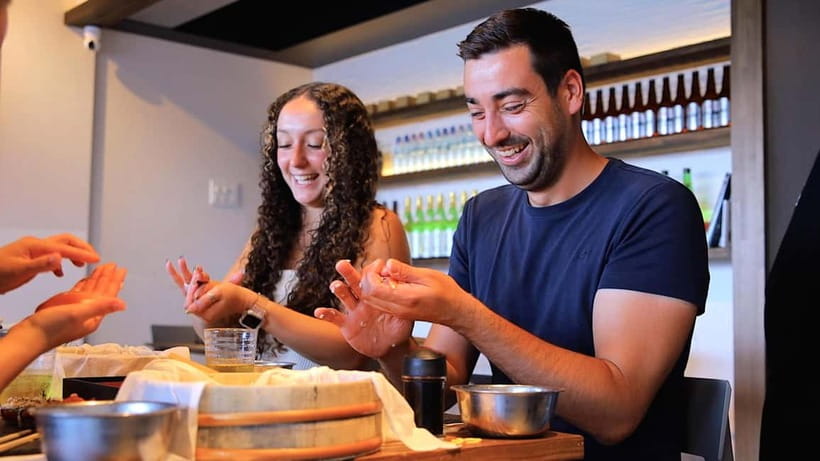
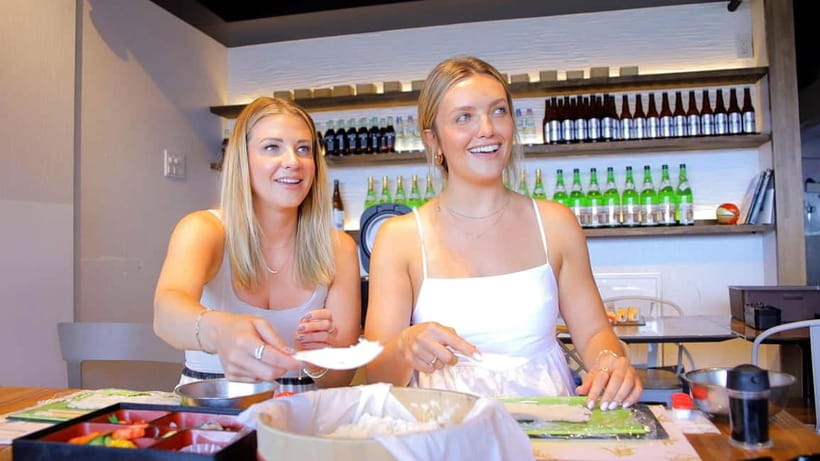
The best part of this experience is that you do not simply watch someone prepare sushi. You handle the rice, fillings, seaweed, and toppings yourself, with an instructor close by to keep the process manageable.
That distinction matters. Sushi looks simple when a professional forms it in seconds. At home, the rice can spread, the seaweed can split, and nigiri can end up looking more like a small rice mountain than a neat piece of sushi. The class lets you make those mistakes in a cheerful setting, then correct them with help.
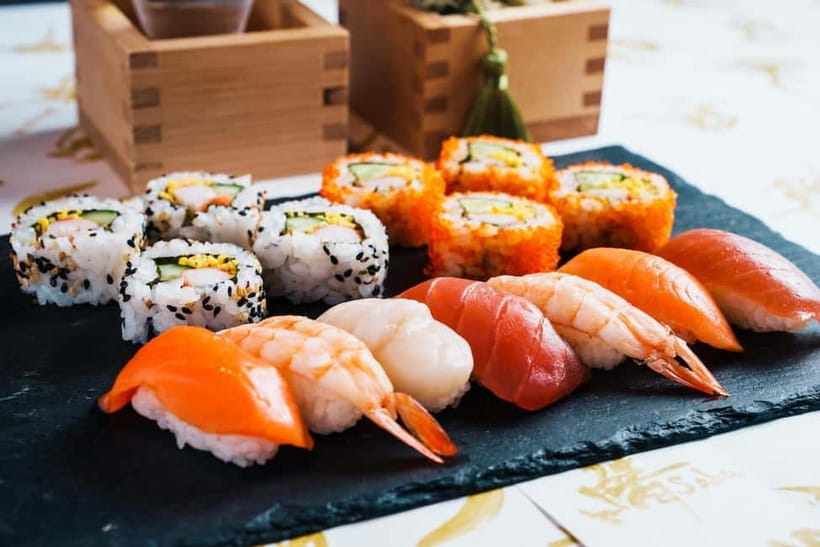
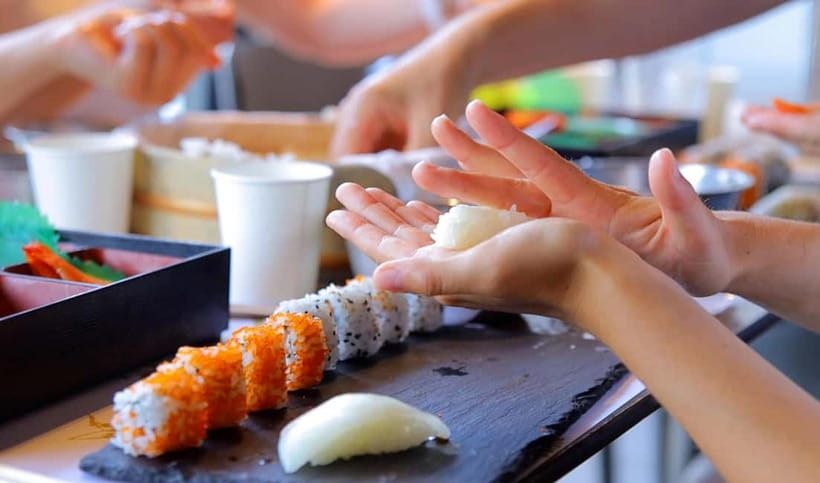
The lesson covers two familiar but different forms. Maki is the rolled sushi, formed with seaweed and fillings. Nigiri is the hand-shaped style, with a piece of fish or another topping placed over rice. Learning both gives you a useful picture of sushi preparation rather than one narrow technique.
I also like the short history section. The class does not treat sushi as a pile of raw fish. The quiz and explanations show how the food developed and how traditional forms differ from newer versions. That context makes the hands-on work more meaningful, especially if you plan to eat at sushi restaurants during your Japan trip.
More food workshops around Tokyo:
- Sushi Making Tokyo Roll and Authentic Japanese Sushi Class
★ 5.0 · 3,971 reviews - Tokyo: Sushi Making Class in a Happi Coat near a Famous Spot
★ 4.9 · 1,377 reviews - Tokyo Sushi Making Class in Tsukiji with Professional Chef
★ 5.0 · 1,177 reviews
Meeting near Sensoji in traditional Tokyo
The class takes place in Asakusa, one of Tokyo’s most useful areas for combining food and sightseeing. The meeting point is about three minutes from Asakusa Station, and the location is convenient for Sensoji Temple. Tokyo Skytree is also nearby.
That makes timing easy. You can schedule the class around a visit to Sensoji, a walk through Asakusa, or a trip to the Skytree area. I would avoid treating the lesson as an isolated activity. Asakusa gives it the right setting: old Tokyo streets, major religious sights, and a food tradition that feels connected to the city around you.
The exact meeting point should still be checked carefully before setting out. Asakusa has several stations and plenty of busy streets, so allow enough time to reach the class without hurrying. The activity information places it close to the station, but being early is especially useful if you are traveling with children or arranging a dietary menu.
The opening quiz makes sushi history easy to remember
The class begins with an interactive look at sushi history. Rather than launching straight into instructions, the staff use a lighthearted quiz to get everyone involved.
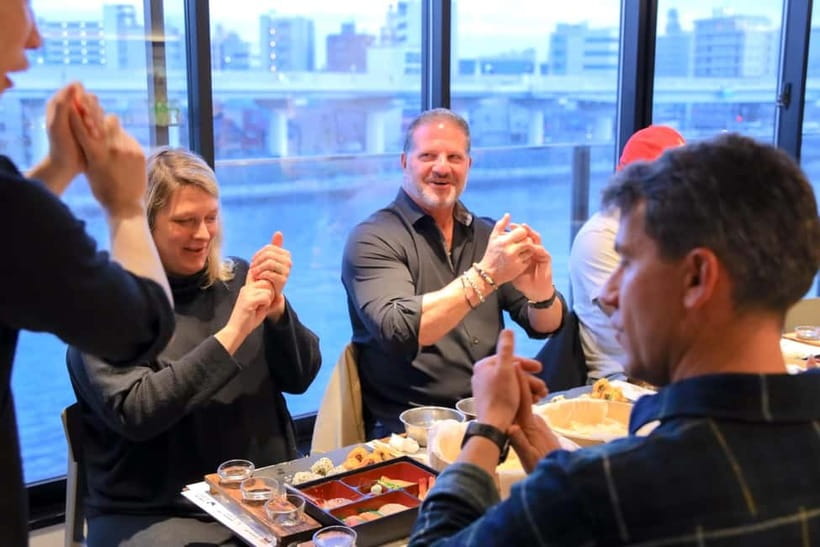
This is a good choice for a mixed group. If one person already knows sushi and another is trying it for the first time, the quiz gives everyone a common starting point. It also breaks the ice for solo participants, couples, and families sharing the table.
The tone is energetic. Instructors such as Jun, Kaori, Ryouko, Hitomi, Moe, and Ken have been singled out for humor, warmth, and encouragement. The staff do not simply recite information. They keep the room engaged, use demonstrations and physical examples, and invite you to take part.
One point to understand before booking: this is a lively cooking activity, not a quiet culinary lecture. There may be clapping, group interaction, and plenty of cheerful prompting. One participant found the style a little too tourist-focused, though that same assessment still described the instruction as excellent and said they would gladly do the class again. If you prefer a silent, formal lesson, this may not be your ideal format.
Making maki: the satisfying first success
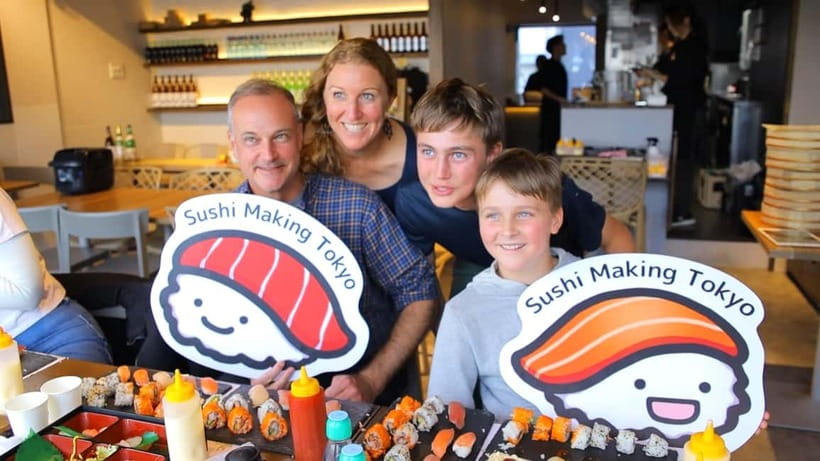
The rolled sushi section usually offers the fastest sense of achievement. You work with seaweed, seasoned rice, and fillings, then use the rolling technique shown by the instructor.
The staff demonstrate the process before you try it. Helpers move around the class to give individual tips, which is useful because the hardest part is often not the ingredients. It is controlling the amount of rice and keeping the roll tight enough to slice cleanly.
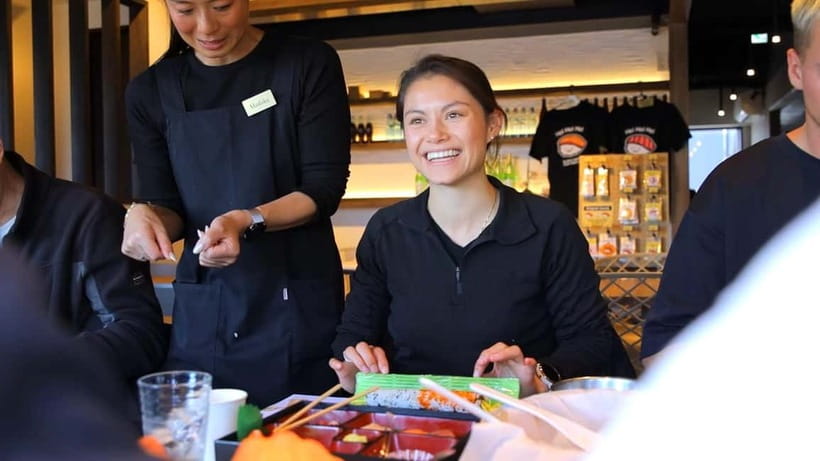
Do not worry if your first roll looks uneven. The point is to understand the order of the steps and get a feel for the pressure. The team’s role is practical: they show you, let you try, and step in when you need help. Several participants described the instruction as patient and easy to follow, which is exactly what you want in a short class.
Maki is also a good family activity. Children can take part in the preparation, and the finished pieces give them a clear reward for paying attention. The class has been especially well suited to families with children and to teenagers looking for something more active than sightseeing.
More food tours around Tokyo:
- Tokyo: Shinjuku Food Tour (13 Dishes at 4 Local Eateries)
★ 5.0 · 6,603 reviews - Tokyo Tsukiji Fish Market Food and Culture Walking Tour
★ 5.0 · 3,184 reviews - Tokyo: Shinjuku Food Tour (15 Dishes and 4 Eateries)
★ 4.9 · 2,033 reviews - Best of Shinjuku: Izakaya Food Tour (4 Stops, 14+ Tastings)
★ 5.0 · 1,863 reviews
Making nigiri: simple appearance, trickier technique
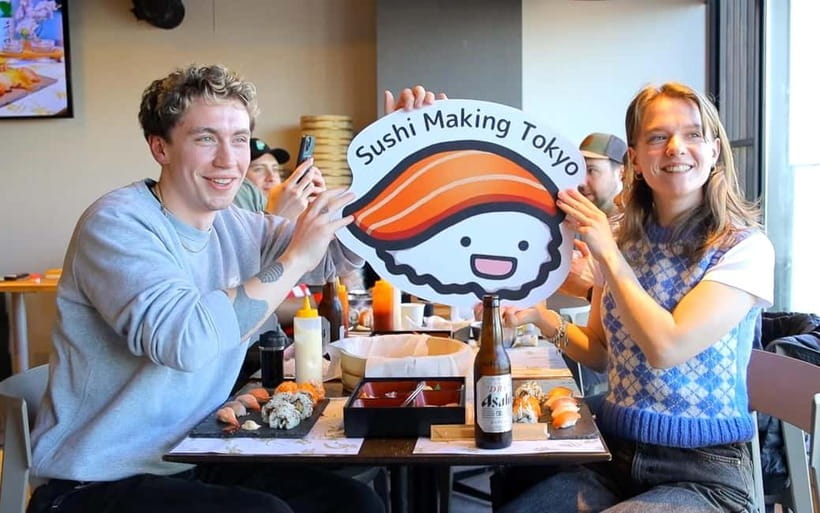
Nigiri looks minimal, but it demands more control. You shape a small portion of rice by hand and place the topping on it without crushing the rice or making the piece too large.
This is where the class shows the difference between watching sushi preparation and doing it yourself. One participant noted that the process was a little harder than it looked. That is fair. You are learning a food skill that depends on touch, portion size, and gentle handling.
The instructors explain both the technique and the reason for each step. They help you shape the rice and guide you toward pieces that hold together. You will not leave as a professional sushi chef after one short session, but you will understand why the form matters and gain enough confidence to try again.
The ingredients are another strong point. Fresh fish and good-quality ingredients were repeatedly praised, and that affects the final meal. A beginner may not know every cut or grade of fish, but you can still taste the difference between carefully prepared ingredients and an ordinary snack.
Eating your work is part of the lesson
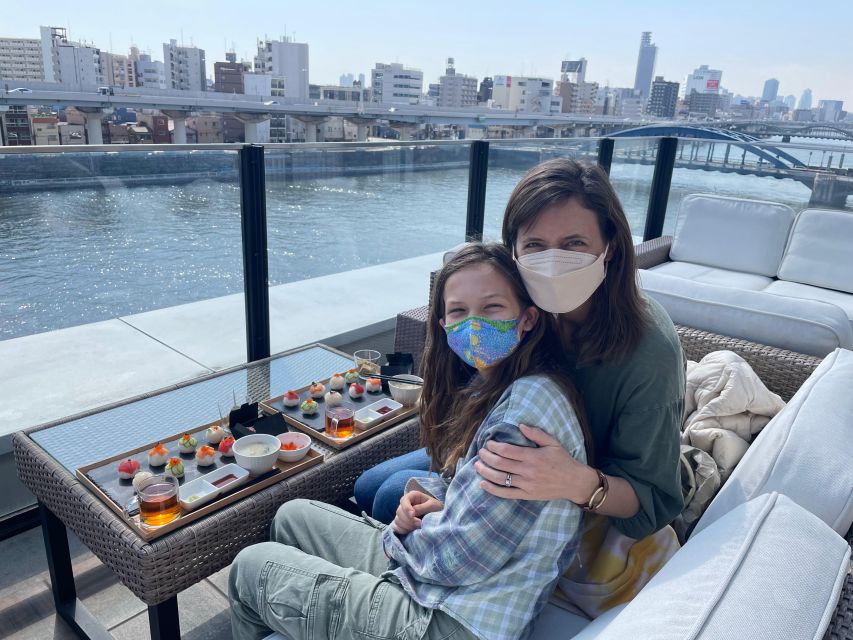
The payoff comes when you sit down with the maki and nigiri you have made. This is not a demonstration where the chef keeps the food and you take notes. The finished sushi becomes your meal.
The amount appears to be generous for most people. Several families described having plenty to eat, and one participant paired the meal with sake tasting. Beer and sake flights may be available, though the information provided does not promise them as part of the standard class, so treat those as possible extras rather than included features.
Portions can feel different depending on appetite. One person wanted more rice, and the staff said they could not provide extra. If you arrive very hungry, keep in mind that the class is a tasting and meal experience, not an all-you-can-eat sushi session.
Still, eating food you just shaped adds something a restaurant meal cannot. You notice the rice texture, the balance of filling, and the small imperfections. A crooked roll becomes part of the memory instead of a problem.
The English-speaking team keeps the class moving
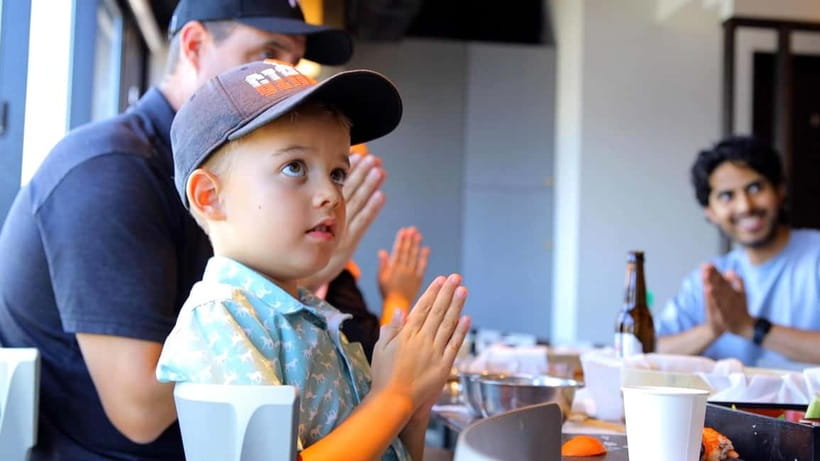
English is the stated teaching language, and the staff are used to helping people with no sushi-making background. The best descriptions of the class focus on clear demonstrations, patient correction, and an upbeat atmosphere.
The named instructors and helpers vary by session. Hitomi has been praised for being patient, thoughtful, and easy to follow. Moe has helped create a relaxed atmosphere for solo participants. Ken and Kazu have been described as funny and effective teachers, while Jun, Kaori, and Ryouko have been noted for their energy and kindness.
That variety is worth knowing. You may not have a particular instructor, but the activity is built around a team rather than one person doing everything. Helpers can offer extra attention when the room is busy, and an early session may feel more personal if fewer people attend.
Solo visitors should feel comfortable booking. The class is designed for shared participation, so you will have a chance to meet other people while still receiving guidance. Couples and families also fit naturally into the format.
Timing, pace, and the $58 price
The listed duration is 100 minutes, and that is a reasonable amount of time for a short lesson, food preparation, and a meal. Some accounts describe sessions closer to 80 minutes, while another describes about two hours. Plan around the stated 100 minutes, but keep your schedule slightly flexible.
The pace is the main tradeoff. You get a lot in a short period: history, a quiz, demonstrations, two sushi styles, hands-on practice, and eating. That makes the class good value, but it also means the lesson cannot pause for long technical discussions.
At $58 per person, the price is fair if you want instruction, ingredients, and a prepared meal in one activity. You are not paying only for food. You are paying for an English-speaking guide, the equipment and ingredients, help at the table, and a structured introduction to sushi.
The value is strongest for people who want an activity rather than another restaurant meal. If you only want the cheapest sushi in Tokyo, a shop will cost less. If you want to learn, participate, and leave with a story to tell, the fee makes more sense.
The booking terms also reduce some risk. You can cancel up to 24 hours in advance for a full refund, and the reserve-now, pay-later option lets you hold a place without paying immediately. The activity is listed as wheelchair accessible.
Dietary needs require planning
The class can accommodate vegan, vegetarian, gluten-free, halal, and allergy-related menu changes. Meat, nuts, fruit, and dairy are not used in the standard ingredient policy provided here.
You must contact the provider when making the reservation if you need a change. The staff cannot respond to requests made on the day, and they do not accept specific ingredient requests beyond the available menu changes.
That last point is important. If you have a serious allergy or a strict dietary requirement, give clear information well before the activity. Do not assume the staff can swap one individual ingredient at the last minute.
Vegetarian participants have received suitable meals, so this is not an activity limited to fish eaters. Still, confirm your needs at booking and follow the provider’s instructions.
Who should book this sushi class?
I would recommend it most strongly to:
- First-time visitors who want an easy introduction to Japanese food culture
- Couples looking for a shared activity in Asakusa
- Families with children or teenagers
- Solo visitors who enjoy meeting people in a guided setting
- Anyone curious about the difference between maki and nigiri
- Diners who want more context before visiting sushi restaurants
You should think twice if you want advanced knife work, a professional chef’s training, or a very quiet class. The activity is social, guided, and playful. Its aim is confidence and enjoyment, not certification.
The location also suits a full Asakusa day. Visit Sensoji, take in the surrounding streets, attend the class, and continue toward Tokyo Skytree if your schedule allows. The nearby sights make the activity easier to fit into a larger plan.
Should you book it?
Book this class if you want to make your own sushi, eat it afterward, and learn a little about why the food matters in Japan. The strongest reasons are the helpful English-speaking staff, fresh ingredients, clear demonstrations, and convenient Asakusa setting.
The main caution is the pace. You may be moving from quiz to demonstration to preparation without much downtime, and the exact length can vary. If you accept that this is a lively 100-minute introduction rather than a slow chef apprenticeship, the $58 fee offers good value.
For families, first-time sushi makers, solo visitors, and anyone staying near Asakusa, this is an easy activity to add to a Tokyo itinerary. Arrange dietary needs ahead of time, leave room around the scheduled finish, and come ready to eat a slightly imperfect but personally made plate of sushi.
FAQ
How long does the sushi-making class last?
The stated duration is 100 minutes. Individual accounts describe sessions lasting about 80 minutes to two hours, so allow some flexibility around the listed time.
Where does the class meet?
The meeting point is about three minutes from Asakusa Station in Tokyo. It is also close to Sensoji Temple and Tokyo Skytree.
Is the class taught in English?
Yes. English-speaking instructors and staff lead the class and explain the sushi-making steps.
Do I need previous sushi-making experience?
No. The class is designed for beginners, and the instructors demonstrate each step and provide help during the preparation.
Can the class accommodate dietary requirements?
Yes. Vegan, vegetarian, gluten-free, halal, and allergy-related menu changes are available. You must contact the provider when booking, because changes cannot be arranged on the day.
What is included in the price?
The $58 price includes the cooking class, ingredients, and instructor. Hotel pickup and drop-off are not included.
Fresh off the menu around Tokyo
- Shinjuku Tokyo: Authentic Japanese Home-Style Culinary Class★ 4.9 · 125 reviews
- Shinjuku: Golden Gai Food Tour★ 4.6 · 77 reviews
- Shibuya Tokyo: Sushi Making Class (Vegan/Vegetarian/Halal)★ 4.7 · 29 reviews
- Shinjuku: Food Tour – 15 Dishes at 4 local eateries★ 4.8 · 246 reviews
- Shibuya: Ramen Dojo Tokyo | Make All 3 (Tonkotsu/Shoyu/Miso)★ 4.8 · 207 reviews
- Tokyo: Secret Food Walking Tour★ 4.7 · 38 reviews
- Ramen Making from Scratch +Akihabara Tour –Cooking Class★ 5.0 · 25 reviews
- Exclusive Tokyo Ramen Kitchen Experience★ 4.7 · 34 reviews
Tokyo Food Tours, compared.
Tokyo: Shinjuku Food Tour (13 Dishes at 4 Local Eateries)
Read our review →
Sushi Making Tokyo Roll and Authentic Japanese Sushi Class
Read our review →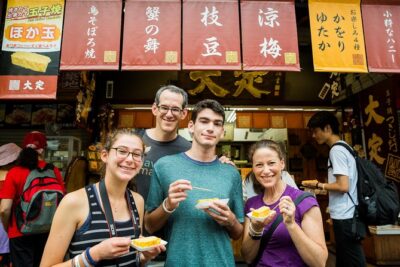
Tokyo Tsukiji Fish Market Food and Culture Walking Tour
Read our review →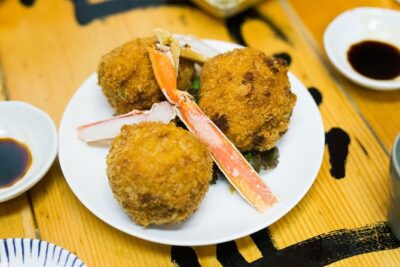
Best of Shinjuku: Izakaya Food Tour (4 Stops, 14+ Tastings)
Read our review →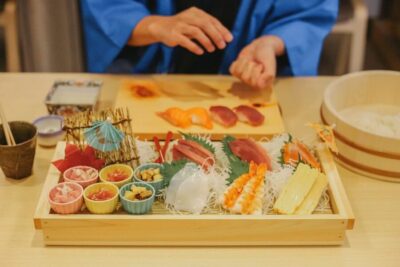
Tokyo: Sushi Making Class in a Happi Coat near a Famous Spot
Read our review →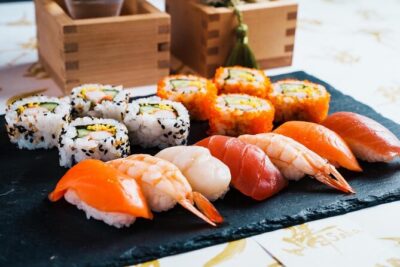
Sushi Making Tokyo! Popular Maki Sushi & Japanese Sushi(+Recipe!)
Read our review →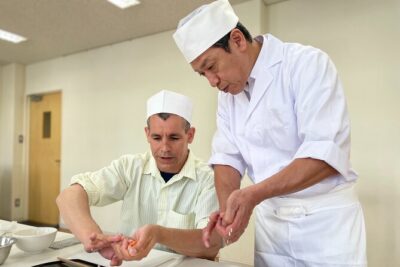
Tokyo Sushi Making Class in Tsukiji with Professional Chef
Read our review →
Tokyo Night Foodie Tour in Shinjuku – Seasonal Sushi, Wagyu Beef
Read our review →Browse the lists this tour appears in