
Review · TOKYO
Shibuya Tokyo: Sushi Making Class (Vegan/Vegetarian/Halal)
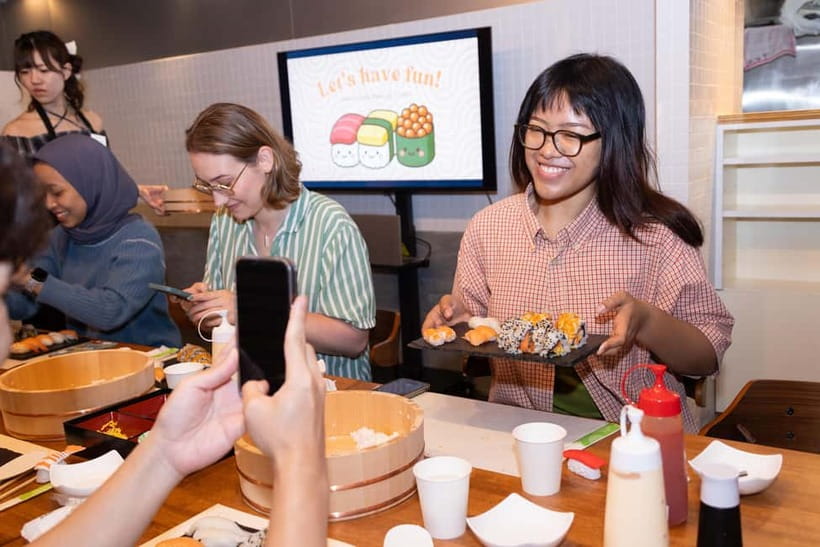
Shibuya’s bright streets and giant screens are only part of the neighborhood’s appeal. In this 90-minute sushi class, you get a calmer, hands-on look at Japanese food culture, making California rolls and nigiri with vegetables such as eggplant, mushrooms, tomato, and avocado. I like the short sushi quiz at the start, and I like that instructors such as Momoyo and Kaito keep the lesson friendly and easy for beginners.
I also like the careful approach to dietary needs. You can request vegan, vegetarian, halal-friendly, or gluten-free ingredients before booking. The main drawback is practical: the studio can take extra time to find, so allow more than the seven-minute walk from Shibuya Station.
Key details at a glance
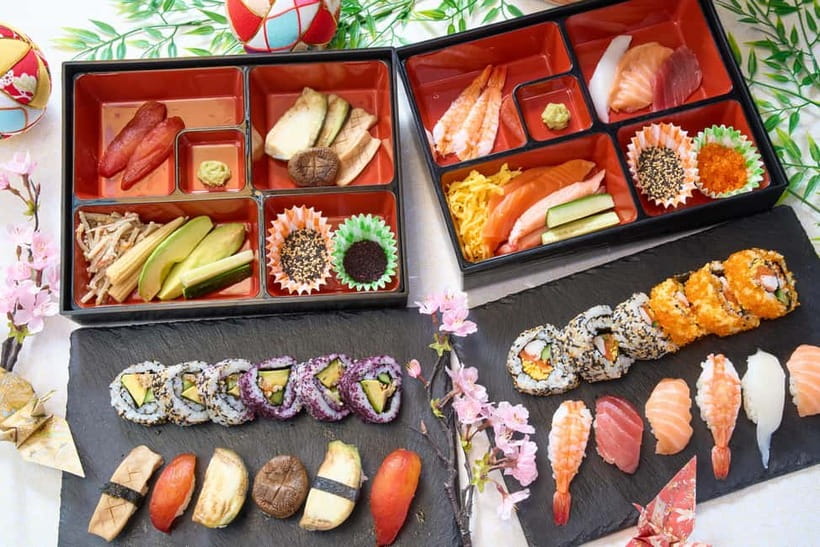
- Make two classic styles: Prepare California rolls and nigiri, then eat what you create.
- Start with sushi history: A short quiz gives the class a fun cultural opening before the cooking begins.
- Choose your menu in advance: Vegan, vegetarian, halal-friendly, and gluten-free options are available.
- Learn in English: Local instructors explain the techniques clearly, with no Japanese cooking experience required.
- Stay close to Shibuya Station: The studio is about a seven-minute walk from the station.
- Pay $58 for 90 minutes: The price includes ingredients, utensils, instruction, and the meal you make.
A sushi lesson with a Shibuya address
This is not a formal restaurant meal where someone else does all the work. You handle the ingredients, shape the rice, and try to make sushi that looks presentable before you eat it. That small change matters. You leave with a better sense of the work behind a simple plate of sushi.
The setting in Shibuya makes the class easy to fit into a Tokyo day. You can visit the crossing, shop, or explore the side streets before or after the lesson. Since the studio is only about seven minutes from Shibuya Station, it works well as a short activity between sightseeing plans.
I would still build in extra time for the final walk. The studio location is central, but the meeting point can vary depending on the option you book. Check your booking details carefully, and do not arrive at Shibuya Station with only a minute or two to spare.
More vegetarian and vegan food tours around Tokyo:
- Ha Noi Walking Food Tour, Non Vegetarian,Vegan, vegetarian Option
★ 5.0 · 846 reviews - Hanoi Vegan Street Food & Train Street Tour
★ 4.8 · 143 reviews - Private Vegan Food Tour By Scooter in Ho Chi Minh City
★ 4.9 · 96 reviews
The opening quiz gives the class some context
The lesson begins with a short quiz about sushi history. This is a useful touch because it gives you more than a recipe to follow. You hear a few facts about how sushi developed and why it became such an important part of Japanese food culture.
The quiz is meant to be light and social rather than an exam. That helps solo participants and mixed groups start talking before everyone begins handling food. It also gives the instructors a natural way to explain sushi terms and customs without turning the class into a lecture.
This part is brief, so you will not lose much cooking time. The main purpose is to put the food in context and get everyone comfortable with the class.
Making California rolls without a kitchen background
The hands-on portion starts with the basic ingredients and tools. You learn how the rice and fillings work together, then get tips for rolling sushi into a firm shape. The staff provides the cooking utensils and sushi-making tools, so you do not need to bring anything beyond yourself and your appetite.
The instructors explain each step in English. That is especially useful if you have never made sushi before, since the process looks simple but depends on small details. Rice placement, filling size, and pressure all affect the final roll.
You will work with fresh vegetables chosen for the menu. The supplied options include eggplant, mushroom, tomato, and avocado, giving the rolls different textures and flavors without fish or meat. The class focuses on making food that is attractive and tasty, not on demanding professional-level precision.
That makes this a good choice for beginners. If your first roll looks a little loose or uneven, you can fix the technique on the next one. The point is to learn the method and enjoy the result, not produce a restaurant display piece.
Nigiri adds a second sushi skill
The class also includes nigiri, the compact sushi style made by shaping rice and placing a topping on it. For many people, this is the most recognizable sushi form, and it requires a different hand technique from rolling.
You learn how to handle the rice and create a neat shape. With vegetarian and vegan ingredients, the topping might use one of the fresh vegetables prepared for the class. The supplied information does not promise a fixed topping list, so your exact combination can depend on the dietary option you choose.
Making both rolls and nigiri gives the lesson useful variety. You are not repeating one task for 90 minutes. You get to compare two basic sushi formats and understand why each needs a slightly different approach.
More food workshops around Tokyo:
- Sushi Making Tokyo Roll and Authentic Japanese Sushi Class
★ 5.0 · 3,971 reviews - Tokyo: Roll and Authentic Sushi Making Class in Asakusa
★ 4.9 · 1,957 reviews - Tokyo: Sushi Making Class in a Happi Coat near a Famous Spot
★ 4.9 · 1,377 reviews - Tokyo Sushi Making Class in Tsukiji with Professional Chef
★ 5.0 · 1,177 reviews
Dietary choices need to be made before class
The strongest feature for many people is the range of menu choices. You can request:
- Vegan sushi
- Vegetarian sushi
- Halal-friendly sushi
- Gluten-free sushi
You must provide your preference or dietary restriction when booking. Menu changes cannot be made on the day, so this is not the place to arrive and ask for a different arrangement at the last minute.
That advance planning is important for anyone with allergies or strict food requirements. The staff is described as accommodating, but you should still state your needs clearly and early. Gluten-free diners, in particular, should select the correct option when booking rather than assuming the standard ingredients will suit them.
For vegans, the class offers a way to enjoy a distinctly Japanese food activity without having to search for suitable dishes in a busy city. The fresh vegetable choices also keep the lesson from feeling like a reduced version of a seafood class. You still make recognizable sushi and take part in the same basic techniques.
Friendly English instruction keeps the pace relaxed
The instructors are local, English-speaking staff. Names that appear in connection with the class include Momoyo and Kaito, though the specific instructor for your session may vary.
Momoyo is particularly noted for making the class easy and comfortable, with clear explanations and friendly conversation. Kaito is also described as an enthusiastic teacher. The useful point is not a scripted performance. It is the relaxed teaching style, which helps you ask questions and keep working if your first attempt at rolling sushi goes wrong.
The class suits solo participants, couples, families, and groups of friends. You do not need cooking experience, and the instructions are designed for beginners. If you already cook Japanese food, you may find the techniques familiar, but the class still gives you a pleasant activity and a chance to practice sushi presentation.
The social side is part of the value. You work near other participants, share the occasional laugh, and sit down together to eat. It is more personal than simply ordering a plate of sushi, but less demanding than a long cooking school session.
Eating your own sushi is part of the lesson
After the preparation, you sit down and eat the sushi you made. This turns the class into both an activity and a meal. Several people describe the finished food as delicious and filling, with one participant specifically noting that it made a large, satisfying meal.
The instructors can take photos of your sushi before you eat it. That is useful because handmade rolls tend to disappear quickly once everyone sits down. You get a record of the finished plate, along with the practical memory of how you made it.
The meal is also a fair test of the lesson. You can see how the rice, vegetables, and shaping technique came together. If the sushi is not perfectly even, that is part of the charm. You made it yourself, and you can use the same ideas at home.
What makes the $58 price worthwhile
At $58 per person, this is not the cheapest way to eat lunch in Shibuya. You can buy prepared sushi for less, especially if your only goal is a quick meal. The price makes more sense when you count the full package: a local English-speaking instructor, the sushi quiz, fresh ingredients, cooking tools, the lesson, and the meal afterward.
You are also paying for an activity that takes up only 90 minutes. That is a useful length in Tokyo. It is long enough to learn several techniques, but short enough to fit around a shopping trip or an afternoon visit elsewhere.
I see the best value for people who want to bring home a skill, not just a memory. The class shows you how to make rolls and nigiri, and the methods are practical enough to try again with friends or family. The experience can also solve a real planning problem for vegan, vegetarian, halal-friendly, and gluten-free diners who want a food activity with their group.
The value is weaker if you are looking for advanced knife skills, a long chef-led demonstration, or a broad meal with many courses. The class is focused and beginner-friendly rather than elaborate.
Who should book this Shibuya activity
I would recommend it most strongly to:
- First-time visitors who want a hands-on Japanese food experience
- Vegans and vegetarians looking for a clearly planned sushi activity
- Families seeking a short, practical class
- Couples or friends who want something more memorable than another restaurant meal
- Solo participants who enjoy small group activities in English
- Anyone who wants to learn a dish they can recreate at home
It is also a good rainy-day plan. The lesson gives you a set activity in a central neighborhood without requiring a full day outdoors.
You may want to skip it if you dislike group cooking, have no interest in eating sushi, or expect a quiet private lesson. The activity is designed to be social and interactive. Also, do not book first and sort out dietary details later. Your menu must be selected ahead of time.
Planning your 90 minutes in Shibuya
The activity lasts 90 minutes, with starting times based on availability. Plan to arrive with enough time to walk from the station and locate the correct meeting point. Since the meeting point may differ by booking option, read the confirmation information rather than relying only on a general map pin.
Wear something comfortable for sitting and working with food. No special equipment is listed as necessary, since the utensils and sushi tools are provided. Audio recording is not allowed, so keep your phone available for photos rather than recording the class.
The experience is taught in English. That makes it a straightforward choice if you want instruction without translation concerns. You can ask questions as the class progresses, and the staff can take a photo of your finished sushi before the meal.
Free cancellation is available up to 24 hours before the activity for a full refund. The reserve-now, pay-later option also helps if your Tokyo schedule is still shifting.
Final decision: a good fit for food-minded visitors
Book this class if you want a friendly, manageable introduction to sushi making near the center of Tokyo. The strongest reasons are the clear English instruction, the chance to make both California rolls and nigiri, and the advance support for vegan, vegetarian, halal-friendly, and gluten-free menus.
The main caution is simple: allow time to find the studio, and choose your dietary option before the day. At $58, the class costs more than buying sushi, but it gives you instruction, ingredients, a meal, and a skill you can use again. For a short Shibuya activity with a personal, hands-on feel, that is a reasonable trade.
FAQ
How long does the sushi-making class last?
The class lasts 90 minutes.
Where is the sushi class located?
The studio is in the heart of Shibuya, about a seven-minute walk from Shibuya Station. The exact meeting point may vary depending on the option booked.
Is the class taught in English?
Yes. The instructor language is English, and the class is led by English-speaking local staff.
Can I book a vegan or vegetarian sushi option?
Yes. Vegan and vegetarian options are available. You must state your food preference when booking.
Are halal-friendly and gluten-free options available?
Yes. Halal-friendly and gluten-free options are available. Select the suitable option in advance, since menu changes cannot be made on the day.
What is included in the $58 price?
The price includes the English-speaking instructor, the sushi history quiz, fresh ingredients, cooking utensils and sushi-making tools, the hands-on lesson, and the sushi you make and eat.
Fresh off the menu around Tokyo
- Shinjuku Tokyo: Authentic Japanese Home-Style Culinary Class★ 4.9 · 125 reviews
- Shinjuku: Golden Gai Food Tour★ 4.6 · 77 reviews
- Shinjuku: Food Tour – 15 Dishes at 4 local eateries★ 4.8 · 246 reviews
- Shibuya: Ramen Dojo Tokyo | Make All 3 (Tonkotsu/Shoyu/Miso)★ 4.8 · 207 reviews
- Tokyo: Secret Food Walking Tour★ 4.7 · 38 reviews
- Ramen Making from Scratch +Akihabara Tour –Cooking Class★ 5.0 · 25 reviews
- Exclusive Tokyo Ramen Kitchen Experience★ 4.7 · 34 reviews
- Eat/Drink like a LOCAL-Taverns & Ramen★ 4.9 · 23 reviews
Tokyo Food Tours, compared.
Tokyo: Shinjuku Food Tour (13 Dishes at 4 Local Eateries)
Read our review →
Sushi Making Tokyo Roll and Authentic Japanese Sushi Class
Read our review →
Tokyo Tsukiji Fish Market Food and Culture Walking Tour
Read our review →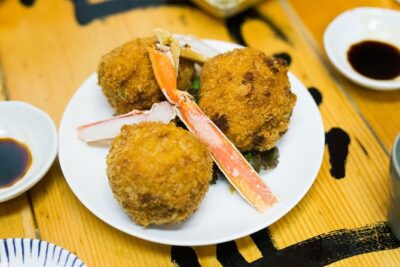
Best of Shinjuku: Izakaya Food Tour (4 Stops, 14+ Tastings)
Read our review →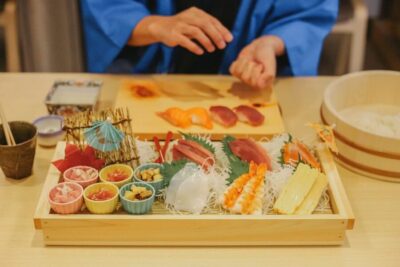
Tokyo: Sushi Making Class in a Happi Coat near a Famous Spot
Read our review →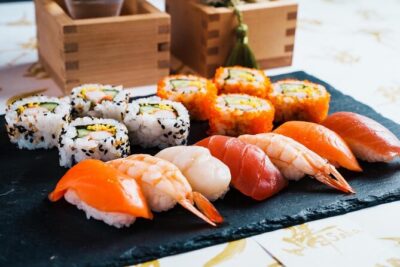
Sushi Making Tokyo! Popular Maki Sushi & Japanese Sushi(+Recipe!)
Read our review →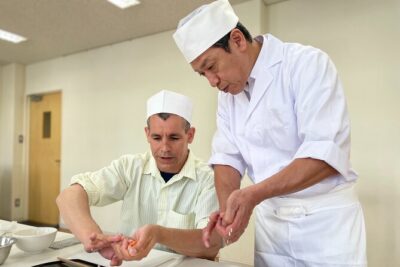
Tokyo Sushi Making Class in Tsukiji with Professional Chef
Read our review →
Tokyo Night Foodie Tour in Shinjuku – Seasonal Sushi, Wagyu Beef
Read our review →Browse the lists this tour appears in