
Review · TOKYO
Tokyo: Easy Ramen Cooking Experience in Kabukicho, Shinjuku
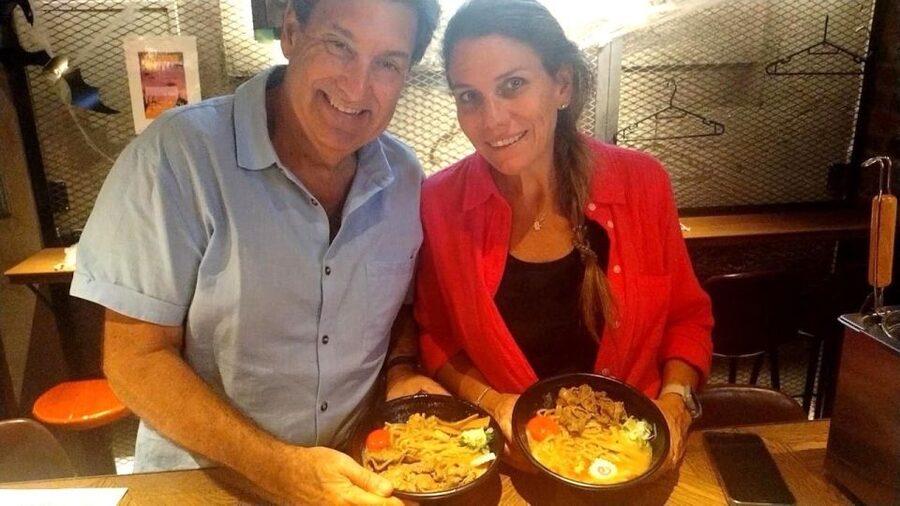
Ramen is not just a quick bowl of noodles here. You learn how soup, noodles, meat, eggs, and toppings come together, then cook and build your own meal in a small upstairs bar near the Godzilla statue. The class keeps the work simple enough for beginners, but still gives you useful insight into a dish that normally takes much longer to prepare.
I like the hands-on format: you choose your soup, boil the noodles, and arrange the toppings instead of watching a chef do everything. I also like the small-group setting, often capped at six people, which leaves room for questions and personal help from guides such as Tak, Mikhail, Hinata, and Kai.
The main catch is that this is not a full ramen-from-scratch course. Traditional soup and noodles take many hours or days, so the class uses a shortened recipe and prepared elements. The soup contains pork, chicken, and beef, and the venue is on the second floor with no elevator.
Key points before you book
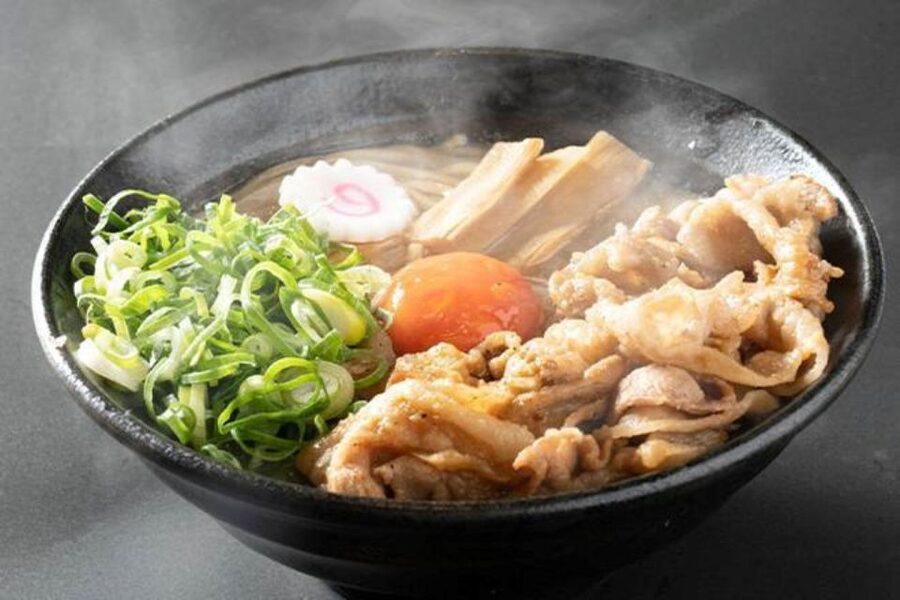
- Your bowl is assembled by you: Choose the soup, cook the noodles, and add meat, vegetables, eggs, and other toppings.
- The full ramen process is shortened: Broth and noodles are prepared ahead because the real process takes much longer than one hour.
- The class takes place at Shinjuku Ale: You will find it in Kabukicho, close to the Godzilla statue, with the cooking room upstairs.
- Small groups make the lesson personal: Groups may be limited to six, and solo participants can sometimes receive nearly one-to-one help.
- The $29 price includes food and instruction: Bottled drinks, extra food, and some optional add-ons cost more.
- Dietary limits matter: The soup contains pork, chicken, and beef, and the class is not suitable for vegans, vegetarians, or people with gluten intolerance.
What the one-hour ramen class actually teaches
The class begins with a plain-language explanation of ramen and its place in Japanese food culture. You learn that ramen is built from several parts rather than being simply noodles in a meat stew: broth, noodles, meat, eggs, vegetables, seasoning, and toppings all affect the final bowl.
That introduction gives the cooking a useful purpose. You are not just following directions with a ladle and a pair of chopsticks. You begin to see why soup choice, noodle texture, and topping balance matter.
The guide then explains the traditional process. This is important because the class is honest about its limits. Making proper ramen broth and noodles can take many hours or several days, so the experience uses a condensed method designed to fit into about an hour. You will not make every ingredient from raw materials, but you will take part in the parts that work well in a short class.
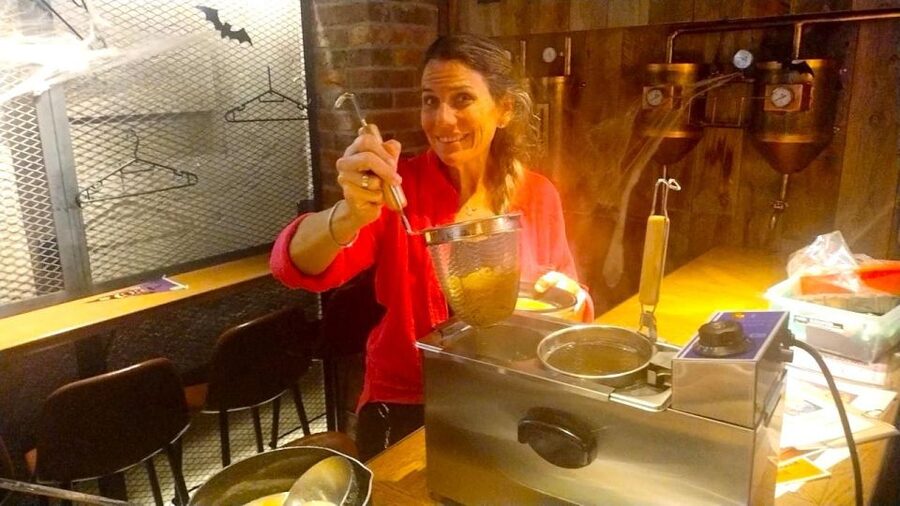
After the explanation, the practical work begins. You choose your soup, boil the noodles, and add the ingredients to your bowl. The steps are straightforward, so you do not need cooking experience. Guides show you what to do and help with timing, which matters when noodles can quickly go from pleasantly firm to soft.
You then eat the ramen you made. The meal is included in the $29 price, and the class ends after you finish eating. That makes this a compact activity for a day in Shinjuku rather than a long formal cooking course.
More cooking classes around Tokyo:
- Ramen & Gyoza Cooking Class in Tokyo with Local Supermarket Visit
★ 5.0 · 823 reviews - Ramen Making from Scratch +Akihabara Tour –Cooking Class
★ 5.0 · 25 reviews - Ramen Cooking Class at Ramen Factory in Kyoto
★ 5.0 · 1,937 reviews
Choosing your soup and building the bowl
The most enjoyable part is the control you have over the final bowl. You select your soup, cook your noodles, and add the toppings according to your taste. One participant specifically enjoyed making a spicy ramen bowl, while others appreciated being able to adjust the assembly to their own preferences.
The choice is useful for first-time ramen eaters because it gives you a basic sense of how different parts work together. You can pay attention to the broth, noodle texture, meat, vegetables, and seasonings instead of treating the dish as one fixed recipe.
The class can also help you understand why ramen varies so much from bowl to bowl in Japan. The lesson covers the ingredients and process, while the assembly lets you see how small choices affect the result. You may not leave with a complete restaurant recipe, but you will have a clearer idea of what you are tasting during the rest of your trip.
The soup needs careful attention. It contains pork, chicken, and beef, and the exact recipe is kept secret. This means the class is not suitable for anyone avoiding one of those meats. It also rules out vegans, vegetarians, and people with gluten intolerance.
If you have food allergies or strict dietary needs, this is not a good activity to book casually. The supplied information does not promise substitutions, and the soup ingredients are not fully disclosed.
A friendly class in a small Kabukicho bar
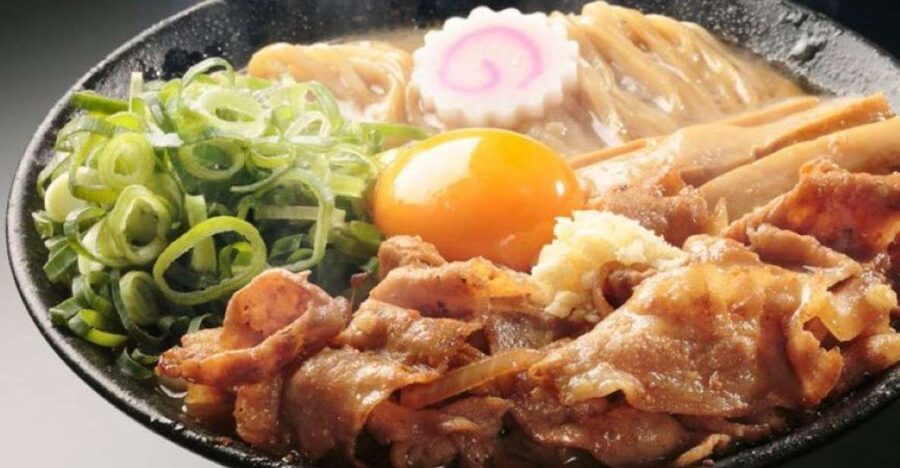
The setting is part of the experience. Shinjuku Ale is a small bar in Kabukicho, and the cooking room is on the second floor. The venue has a quirky, intimate feel rather than the polished look of a large cooking school. One description noted decorative equipment and unusual bottles at the bar, including habushu, which adds a distinctly Japanese touch.
The location works well if you already plan to visit Shinjuku. The venue is close to the Godzilla statue, so you can combine the class with a walk through Kabukicho and the surrounding entertainment district. One useful warning: Shinjuku Station is complicated, and arriving at the correct building can take longer than expected. Give yourself extra time to find the meeting point.
When you arrive, tell the staff that you are making a trial reservation. The meeting point is Shinjuku Ale, and the provided Google Maps plus code can help you locate it. You will need an ID card, though a copy is accepted.
Because the cooking room is upstairs and there is no elevator, this activity may not work for anyone who needs step-free access. That detail is easy to miss when planning a busy Tokyo day.
Guides who make the difference
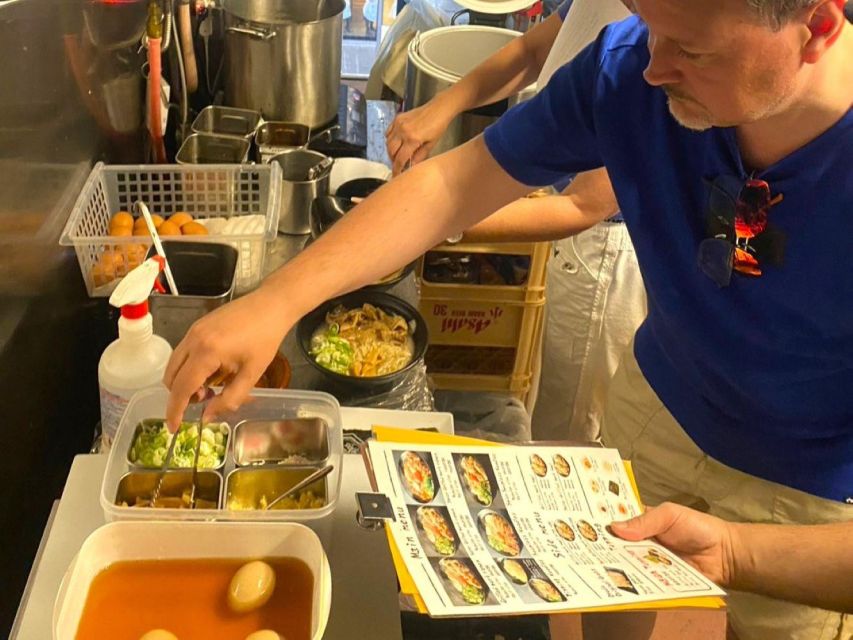
The teaching style is a major strength. The class is simple enough for someone who rarely cooks, yet guides leave room for questions about ramen and Japanese food. Several guides are praised by name, including Tak, Mikhail, Hinata, Kai, Chihiro, Nina, and Shuma.
Tak has helped participants through the cooking steps and offered suggestions for places to visit in Tokyo. He also assisted a 10-year-old participant, showing that the practical work can be adapted for children who meet the age rules and have an adult with them.
Mikhail has been described as passionate about ramen and good at explaining techniques. Hinata has carefully explained the difference between the full ramen process and the shortened class version. Kai and Chihiro have also received praise for clear instruction and a friendly approach.
The staff language level can vary. Some guides speak excellent English, while others may use a translation machine. That should not prevent you from following the cooking steps, but it may make long, detailed conversations about Japanese food less smooth. If asking questions is a major reason for booking, keep that possibility in mind.
The small groups help. The activity may have no more than six participants, and sometimes only one person or a few people attend. That gives you a better chance to ask questions and receive help with the noodles, soup, and toppings.
More food tours around Tokyo:
- Tokyo: Shinjuku Food Tour (13 Dishes at 4 Local Eateries)
★ 5.0 · 6,603 reviews - Sushi Making Tokyo Roll and Authentic Japanese Sushi Class
★ 5.0 · 3,971 reviews - Tokyo Tsukiji Fish Market Food and Culture Walking Tour
★ 5.0 · 3,184 reviews - Tokyo: Shinjuku Food Tour (15 Dishes and 4 Eateries)
★ 4.9 · 2,033 reviews
What is included for $29
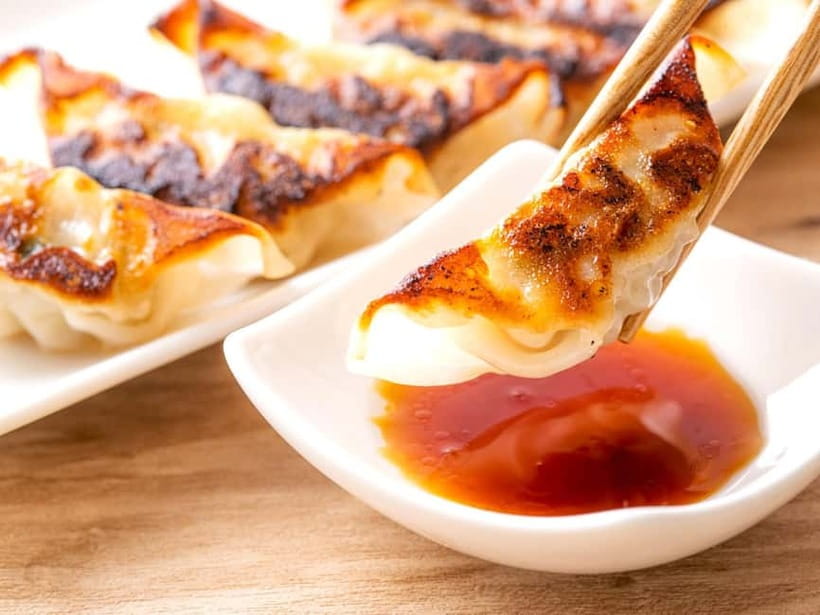
At $29 per person, the class offers a reasonable mix of instruction and a full meal. You receive the ramen cooking experience and the bowl you prepare. For someone already planning to eat ramen in Tokyo, the extra value is the chance to understand the dish and take part in making it.
The price is strongest for travelers who want a short cultural activity rather than a long cooking school. One hour fits neatly before dinner, after sightseeing, or between other Shinjuku plans. You also avoid paying for a full-day course when your main goal is to learn the basics and eat.
Do not assume the $29 covers everything on the menu. Bottled drinks, extra meals, and additional drinks are not included. Some participants have chosen an option with gyozas and an alcoholic drink, but those are additions rather than part of the standard experience. Ask about the final cost before selecting extras, especially if you are watching your budget.
Alcohol is prohibited by law for anyone under 20. Participants under 20 must be accompanied by a parent or guardian, and the venue does not permit underage drinking.
The cancellation terms are practical: you can cancel up to 24 hours ahead for a full refund, and the reserve-now, pay-later option keeps you from paying immediately. Changes still depend on the stated cancellation rules, so check the conditions at booking.
Who will enjoy this and who should skip it
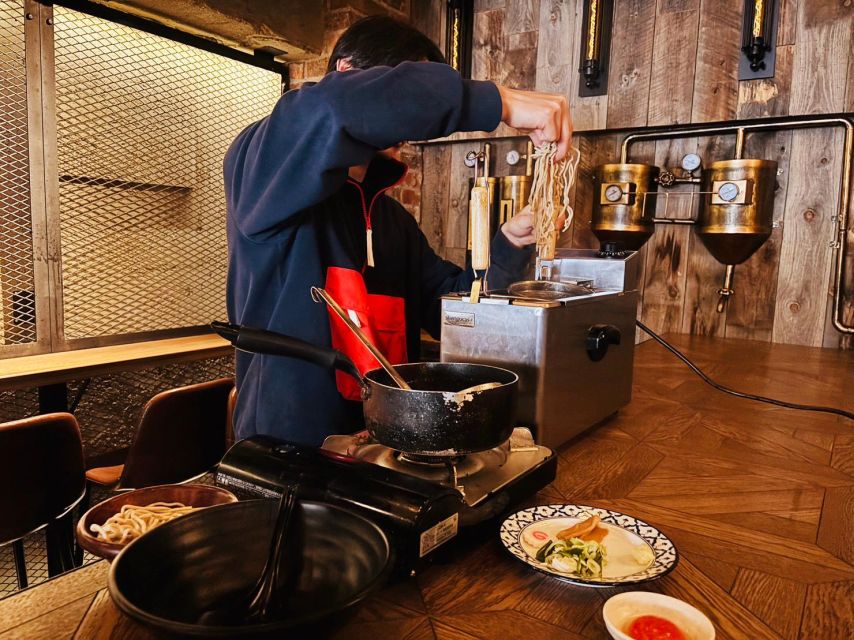
I would recommend this class to first-time ramen makers, families with older children, couples, solo visitors, and anyone who likes a small group activity. The practical steps are easy, and the meal gives the class a satisfying finish.
It is especially good for people who want something beyond the usual Tokyo sightseeing list. You are still in central Shinjuku, but for one hour you are focused on food, technique, and conversation rather than simply taking photos or moving between major sights.
Families should pay attention to the age rules. Children under four are not suitable for the activity, and anyone under 20 must attend with a parent or guardian. The cooking can work well for older children and teenagers when an adult is present.
I would skip it if you want to make ramen broth and noodles entirely from scratch. The class explains that process, but it cannot reproduce the full preparation time in an hour. You should also skip it if you need vegetarian, vegan, or gluten-free food, or if you need an elevator.
A good stop before or after the Godzilla statue

The Kabukicho location makes this easy to add to a Shinjuku day. You can visit the Godzilla statue nearby, explore the surrounding streets, and then settle into the ramen class. The timing also works in reverse, with cooking first and more evening sightseeing afterward.
The area is lively, and the venue gives you a small indoor break from the busy streets. Do not treat this as a quiet countryside food lesson. It is a compact urban activity in one of Tokyo’s best-known entertainment districts.
The class may also appeal to people who want local advice. Guides have answered questions about Japan and suggested other dishes to try beyond sushi. That informal conversation can be as useful as the formal cooking instruction, especially if you are still planning meals for the rest of your trip.
Some sessions may offer photographs, with the option to purchase them afterward. That is an extra, not part of the standard price, but it can be a nice record of the cooking steps and your finished bowl.
My verdict on the ramen experience
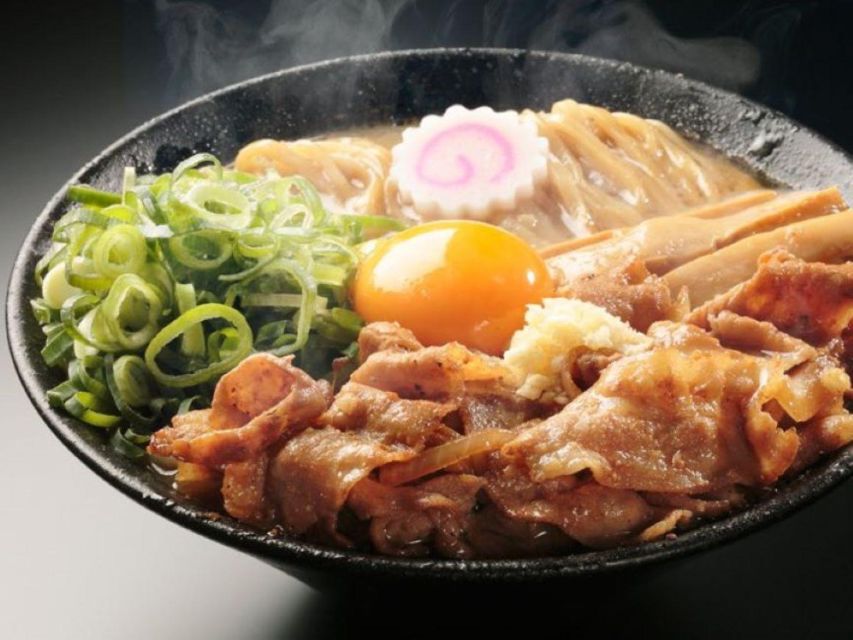
I like this activity because it gets the balance mostly right. You receive a real meal, practical cooking tasks, a short lesson on ramen, and time with a guide, all in one hour and for $29. The class is friendly and manageable even if your cooking skills begin and end with boiling water.
The biggest limitation is also clear: you do not make the broth and noodles from the beginning. That matters if you are seeking serious culinary training. For most visitors, though, the shortened format is a sensible tradeoff. You learn what goes into ramen, practice the final cooking and assembly, and eat the result while it is fresh.
Book it if you want a relaxed, social food activity in Shinjuku and you eat pork, chicken, beef, and gluten. Ask about extras before paying, allow extra time to find the building, and remember that the classroom is upstairs. If those conditions suit you, this is a well-priced way to turn a familiar Japanese dish into a personal meal.
FAQ
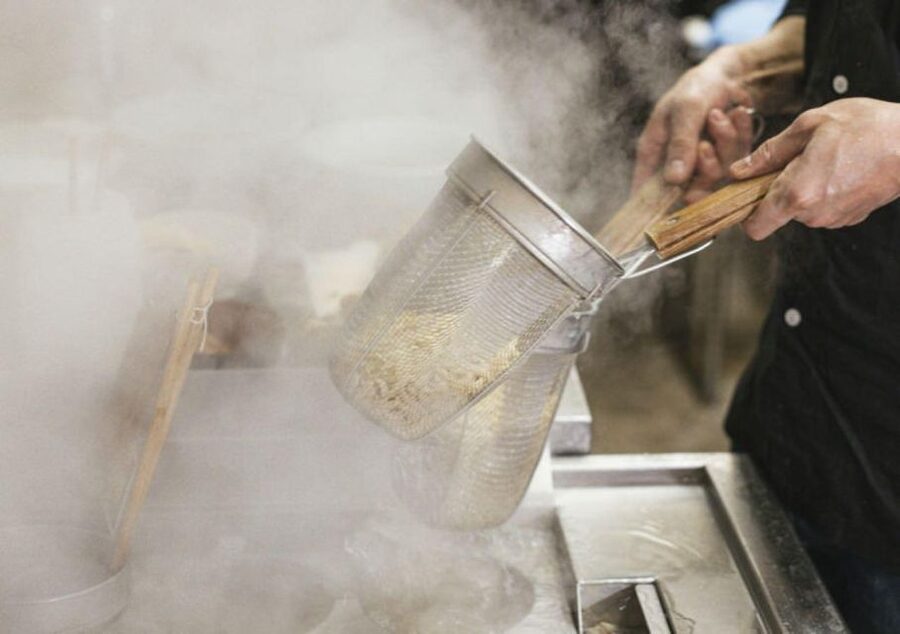
How long does the ramen cooking experience last?
The activity lasts one hour, including the explanation, cooking, assembly, and eating.
How much does the experience cost?
The listed price is $29 per person.
Where does the class take place?
It takes place at Shinjuku Ale in Kabukicho, Shinjuku. The meeting place is on the second floor.
Is an elevator available?
No. The experience takes place on the second floor, and there is no elevator.
Do I make the ramen broth and noodles from scratch?
No. The full process takes many hours or days, so the class uses a shortened recipe. You learn about the traditional process, then choose your soup, boil the noodles, and assemble the bowl.
What does the meal include?
You receive the ramen cooking experience and the meal you prepare. Bottled drinks, additional meals, and extra drinks are not included.
Can vegetarians, vegans, or people with gluten intolerance join?
No. The activity is not suitable for vegans, vegetarians, or people with gluten intolerance. The soup contains pork, chicken, and beef, and the exact recipe is secret.
What should I bring, and are there age rules?
Bring an ID card, and a copy is accepted. Children under four are not suitable, and participants under 20 must be accompanied by a parent or guardian. Alcohol is prohibited for anyone under 20.
Fresh off the menu around Tokyo
- Tokyo: Private Personalized Local Food Tour★ 4.5 · 101 reviews
- Tokyo: Kichijoji Gourmet Tour with Lunch★ 4.5 · 40 reviews
- Tokyo: Locals´ Secret Food Tour // Eat like a Japanese★ 5.0 · 35 reviews
- Tokyo: 3-Hour Food Tour of Shinbashi at Night★ 4.9 · 45 reviews
- Tokyo: Authentic Food Tour in Ginza and Shimbashi★ 4.9 · 33 reviews
- Tokyo: 2-Hour Vegan and Vegetarian Ramen Guided Walking Tour★ 4.8 · 33 reviews
- Shinjuku Tokyo: Authentic Japanese Home-Style Culinary Class★ 4.9 · 125 reviews
- Shinjuku: Golden Gai Food Tour★ 4.6 · 77 reviews
Tokyo Food Tours, compared.
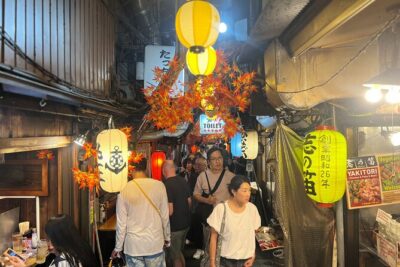
Tokyo: Shinjuku Food Tour (13 Dishes at 4 Local Eateries)
Read our review →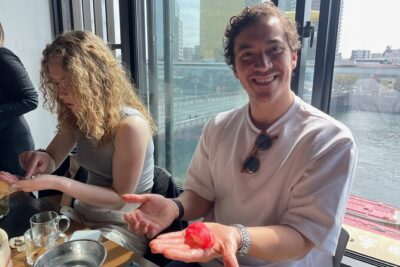
Sushi Making Tokyo Roll and Authentic Japanese Sushi Class
Read our review →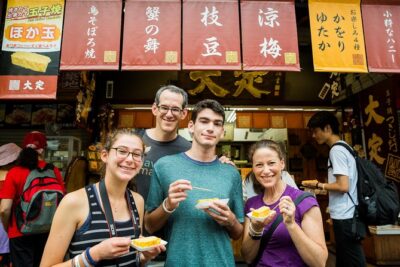
Tokyo Tsukiji Fish Market Food and Culture Walking Tour
Read our review →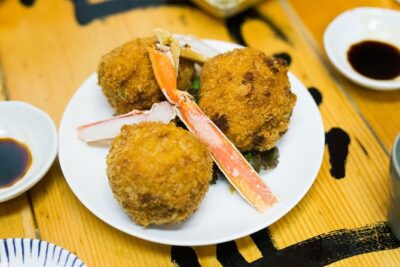
Best of Shinjuku: Izakaya Food Tour (4 Stops, 14+ Tastings)
Read our review →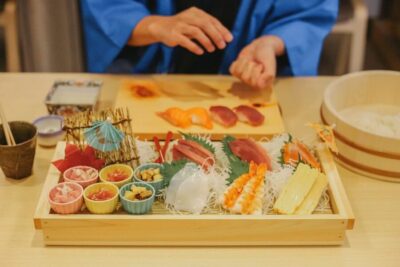
Tokyo: Sushi Making Class in a Happi Coat near a Famous Spot
Read our review →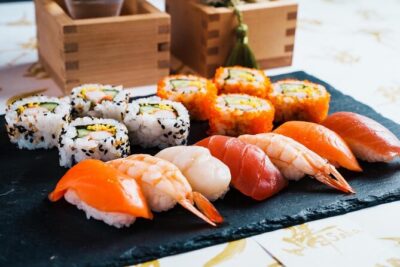
Sushi Making Tokyo! Popular Maki Sushi & Japanese Sushi(+Recipe!)
Read our review →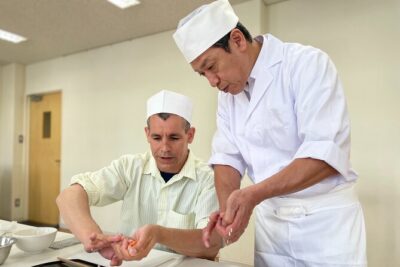
Tokyo Sushi Making Class in Tsukiji with Professional Chef
Read our review →
Tokyo Night Foodie Tour in Shinjuku – Seasonal Sushi, Wagyu Beef
Read our review →Browse the lists this tour appears in