
Review · TOKYO
Tokyo: Authentic Food Tour in Ginza and Shimbashi
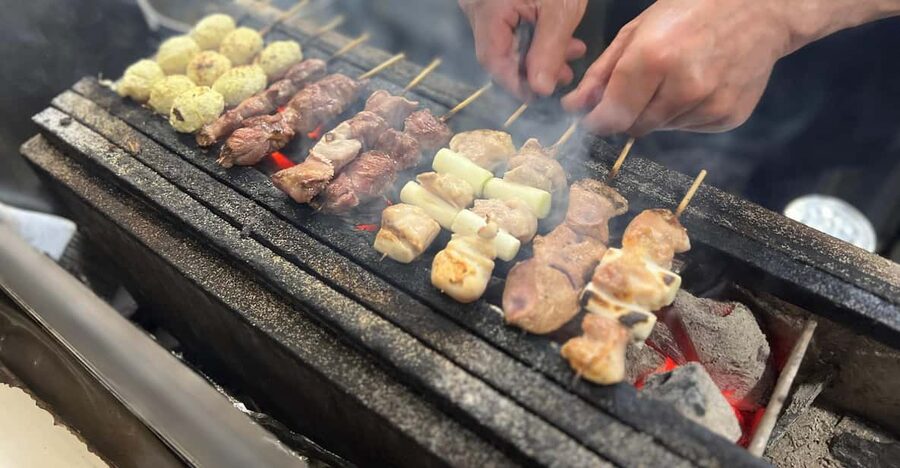
Ginza is known for designer shops and polished department stores, but this tour takes you toward the local food scene behind the glossy streets. In three hours, you walk through Ginza, Yurakucho, and Shimbashi, stopping at three areas for regional foods and traditional desserts.
I like the small group size, capped at 10, because food questions are easier to ask and the guide can adjust the conversation. I also like the route itself: short five-minute walks connect each stop, so you get a look at central Tokyo without spending the evening on trains. Guides such as Doren, Reo, Ryota, and Yota have been singled out for friendly conversation and practical advice about Japanese food and daily life.
The main thing to consider is the $146 price. That is a serious spend for three hours, and the details do not specify exactly how many dishes or drinks are included. You are paying for access, guiding, and a structured introduction to three food districts, not simply a cheap dinner.
Key points at a glance
- Three central districts: Walk from Ginza through Yurakucho to Shimbashi, returning to the starting point.
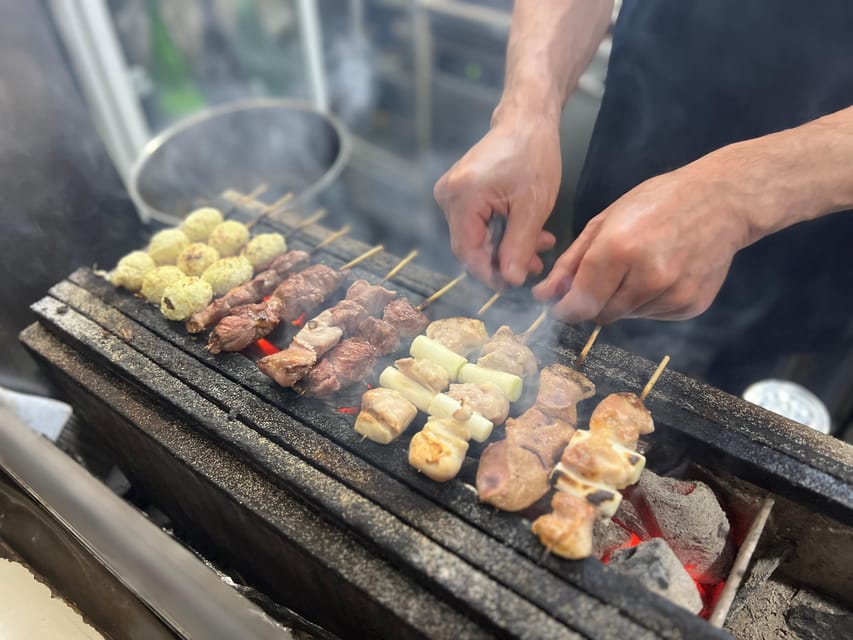
- Local food focus: Try Japanese dishes and traditional desserts in restaurants that can be hard to choose on your own.
- Small English-speaking group: The tour accepts up to 10 participants, with room for questions and conversation.
- Short walking route: Each transfer on foot takes about five minutes, keeping the pace manageable.
- Useful Tokyo advice: Ask your guide for help planning later meals and parts of your itinerary.
- Easy booking terms: You can cancel up to 24 hours ahead for a full refund and reserve without paying at once.
Why this route gives you three views of Tokyo food
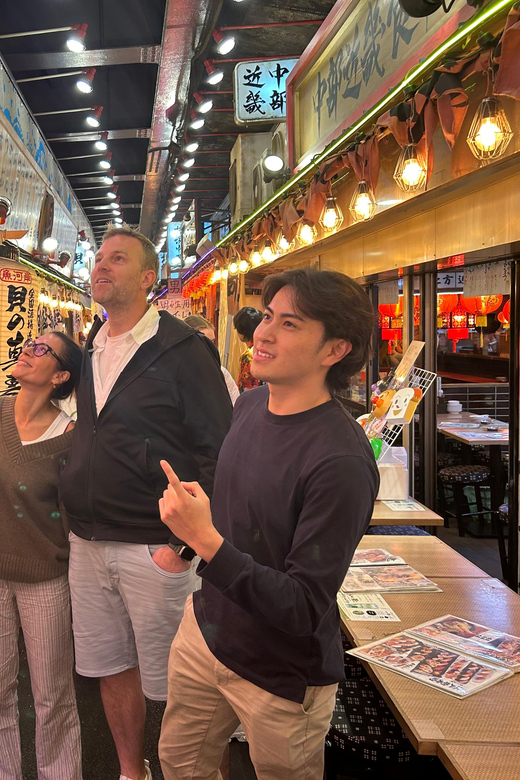
A food tour in Ginza can easily become a parade of expensive storefronts. This experience takes a more useful approach by linking Ginza with Yurakucho and Shimbashi, three neighboring areas with different moods and dining habits.
You begin at Tokyu Plaza Ginza, then move on foot through the surrounding streets. The route is compact, so the food remains the main event, but the walks give you time to see how the city changes from luxury shopping to more everyday places to eat.
I like this setup for a first evening in Tokyo. You get an introduction to Japanese food culture while also learning where the districts sit in relation to one another. If your guide is Doren, Reo, Ryota, or Yota, you can also ask for suggestions that fit the rest of your trip, from places to eat to help with Japanese dining customs.
The experience is not presented as a cooking class or a market tour. It is a guided restaurant walk. That distinction matters. You are paying for someone to lead you to selected places, explain what you are eating, and help you feel more at ease in a food culture that can seem hard to read at first.
More food tours around Tokyo:
- Tokyo: Shinjuku Food Tour (13 Dishes at 4 Local Eateries)
★ 5.0 · 6,603 reviews - Sushi Making Tokyo Roll and Authentic Japanese Sushi Class
★ 5.0 · 3,971 reviews - Tokyo Tsukiji Fish Market Food and Culture Walking Tour
★ 5.0 · 3,184 reviews
Starting at Tokyu Plaza Ginza
The meeting point is in front of the BOSS store at Tokyu Plaza Ginza. From Ginza Station, use exit C2 or C3 to reach street level. The store should be directly in front of you, which makes the meeting point easier to find than a location tucked inside a station corridor.
I recommend arriving with a few minutes to spare. Ginza Station has several exits and underground passages, and the area can feel confusing if you are watching the clock. The listed coordinates are 35.672245025634766, 139.7624053955078 if you need to check your position on a map.
Tokyu Plaza is a sensible starting place because it is easy to recognize and close to the first part of the walk. You do not need a taxi or a separate transfer once you arrive. From here, the guide leads the group on foot.
Ginza: polished streets, local eating
The Ginza portion lasts about 50 minutes. This is the area most people picture when they hear the name: broad streets, luxury stores, department stores, and a strong sense of presentation.
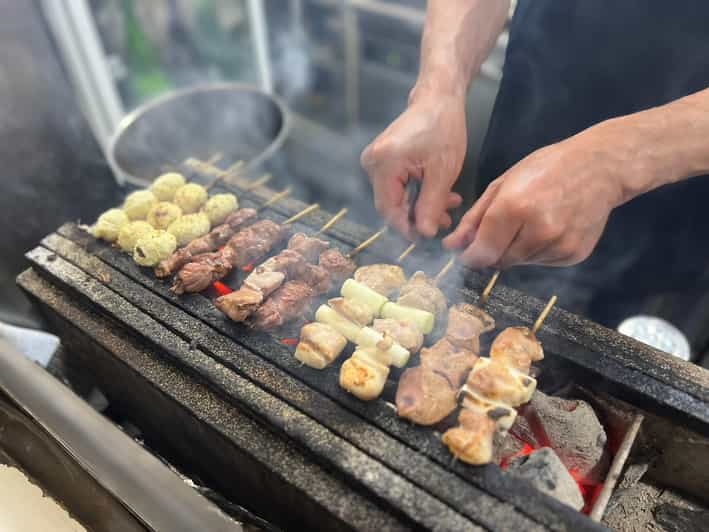
The food stop gives you a different angle. Rather than treating Ginza as a shopping district alone, the tour uses it as a place to find Japanese food that local diners enjoy. The exact restaurants and dishes are not listed in advance, so you should expect the guide to choose the stops rather than select from a fixed public menu.
That uncertainty can be useful. A set menu tells you exactly what you will receive, while a local guide can point out places that are less obvious to an independent visitor. At the same time, you should ask before booking if you need a precise menu, have allergies, or avoid particular ingredients. The supplied details do not promise dietary substitutions.
The first stop also sets the tone for the rest of the evening. You can ask how to order, what customs matter, and what kinds of food are worth seeking out elsewhere in Tokyo. This is especially helpful if you have just arrived and are still learning how restaurants work.
Yurakucho: a five-minute walk to a new mood
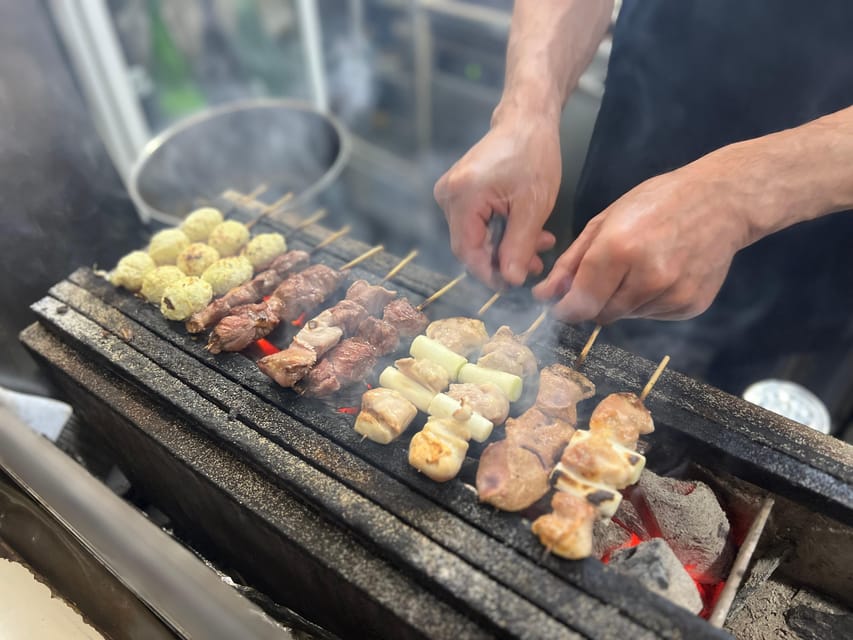
After Ginza, you walk for about five minutes to Yurakucho. The short transfer is one of the tour’s practical strengths. You are not losing a large part of the three-hour schedule to public transportation, and you can continue talking with the guide as the scenery changes.
Yurakucho is treated as a separate food stop lasting about 50 minutes. The schedule gives you enough time to sit down, eat, and talk, rather than rushing in for one quick taste before moving on.
This part of the route helps you compare nearby districts. Ginza has a polished public face, while Yurakucho gives the food walk a more neighborhood-based pause. The tour description identifies the stops as regional food experiences, but it does not name specific dishes. You may find that the value here comes less from checking famous items off a list and more from understanding how Japanese food fits into ordinary city life.
Your guide is also a useful source of practical context. Reo has been praised for sharing information about good food and drinks as well as the Japanese way of life. Ryota has been noted for lively, funny conversation, while Yota has been described as friendly and well informed about Tokyo’s food scene and culture. The guide on your date may be someone else, but these comments give you a good idea of the intended style: social, conversational, and focused on more than the plate.
Same city, a different plate:
- Tokyo: Shinjuku Food Tour (15 Dishes and 4 Eateries)
★ 4.9 · 2,033 reviews - Tokyo: Roll and Authentic Sushi Making Class in Asakusa
★ 4.9 · 1,957 reviews - Best of Shinjuku: Izakaya Food Tour (4 Stops, 14+ Tastings)
★ 5.0 · 1,863 reviews - Tokyo: Sushi Making Class in a Happi Coat near a Famous Spot
★ 4.9 · 1,377 reviews
Shimbashi: the final food stop
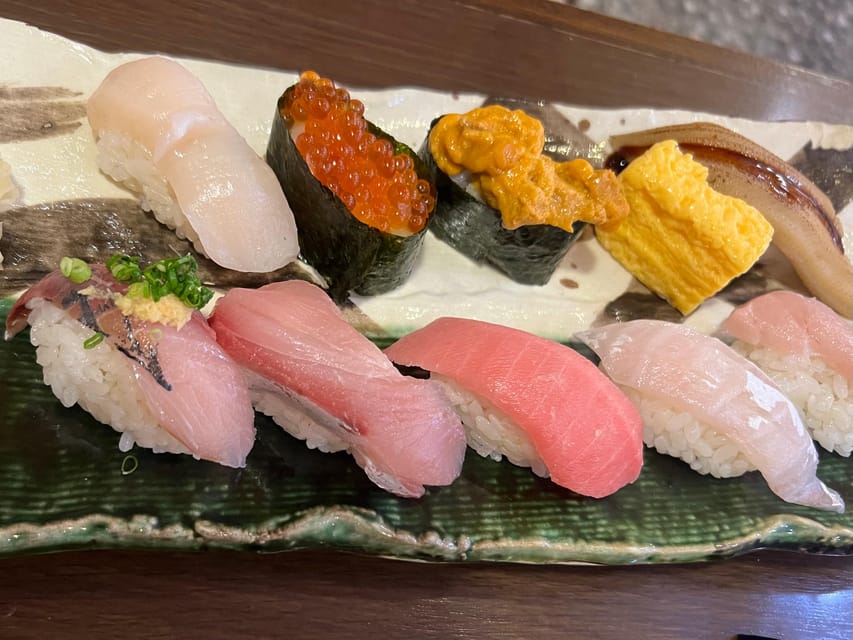
The next five-minute walk brings you to Shimbashi, where you spend another 50 minutes. This is the final eating area before returning to Tokyu Plaza Ginza.
Shimbashi adds a useful contrast to Ginza. The route presents the three districts as connected but distinct places to eat, giving you a broader sense of central Tokyo than a single-neighborhood tour would. You can use this final stop to ask where you should eat on later nights and which parts of the city fit your taste.
The menu is not specified, so I would not book this tour expecting a precise sushi, ramen, or seafood itinerary. Those dishes may or may not appear. What is promised is a selection of local Japanese foods and traditional desserts across three areas.
The dessert element is worth noting. A food tour can become heavy if every stop is savory, and traditional sweets give the evening some variety. Since no particular dessert is named, you should view this as part of the general tasting plan rather than a guaranteed specialty.
What the guides add to the meal
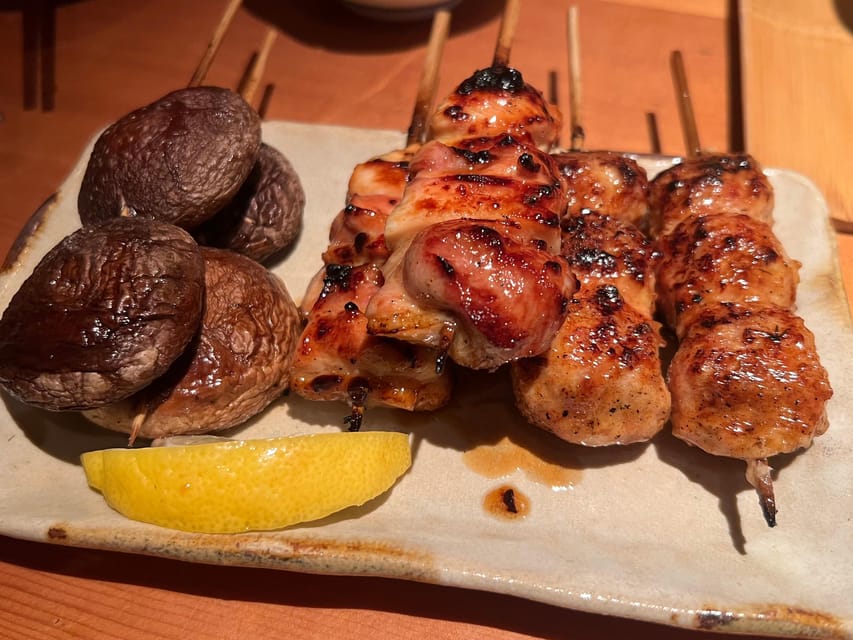
The guide is central to the experience. Without that personal element, you would simply be visiting three restaurants in a fashionable part of Tokyo. With an English-speaking guide, you can ask why a dish is eaten a certain way, how to handle unfamiliar ordering customs, and where to go next.
The group limit of 10 is a good middle ground. A private tour can offer more flexibility, but it usually costs more. A large food group can make restaurant visits noisy and limit your time with the guide. Ten people keeps the social side of the evening while remaining small enough for questions.
One booking ended up functioning as a private tour because no other participants arrived. That is not something you should count on, but it shows that the format can become more personal when the group is small.
The named guides have different strengths. Doren has been praised for creating a relaxed evening and offering advice about Tokyo’s food culture. Reo is described as considerate and enthusiastic about food and drinks. Ryota brings humor and conversation, and Yota combines friendliness with a strong grasp of Japanese culture and Tokyo dining. Guide assignments can vary, so treat these names as examples rather than a guarantee.
Is $146 a fair price?
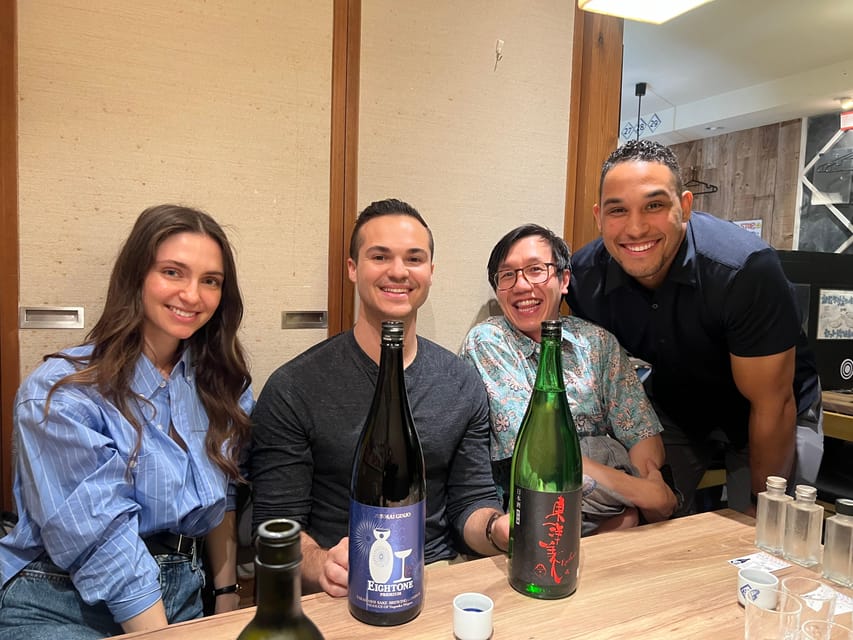
At $146 per person, this is not a bargain meal. The price makes the most sense if you value guidance, restaurant access, and help getting oriented in Tokyo more than you value the lowest possible cost per dish.
The tour lasts three hours and includes three food areas, with roughly 50 minutes at each one. The five-minute walks between stops keep the route efficient. Still, the available details do not state the exact number of dishes, drinks, or total food value, so you should check the current booking details before paying.
I would compare the price with what you might spend on a self-guided evening. Eating at three places on your own could cost less, but you would need to choose the restaurants, understand the ordering system, and find your way between them. The tour charges for reducing that guesswork.
The value is strongest early in your Tokyo stay. A guide can help you plan later meals and point you toward foods you may otherwise skip. If you already know Ginza and feel comfortable ordering anywhere in Japan, the price may be harder to justify.
Timing, pace, and practical limits
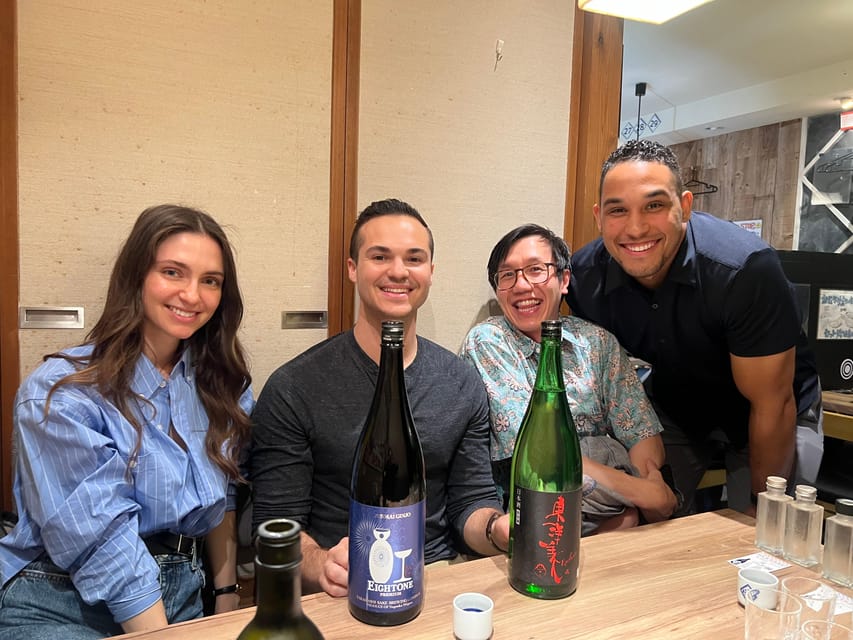
This is a three-hour walking experience. The route is not described as strenuous, and each transfer is only about five minutes, but you should still wear comfortable shoes. You will be moving between restaurants and spending time on your feet in central Tokyo.
The tour runs in English and uses a small group format. Starting times vary, so check availability for your chosen date. The experience returns to Tokyu Plaza Ginza, which makes it simple to continue your evening from the same central area.
Wheelchair users should note that the activity is listed as unsuitable for them. If you have mobility concerns that are not related to wheelchair use, ask the provider before booking, since the supplied details do not explain the walking surface, seating, or restaurant access.
Cancellation is flexible up to 24 hours before the start for a full refund. You can also reserve now and pay later, which helps if your Tokyo plans are still shifting.
Who should book this Ginza food walk?
I would recommend it to first-time Tokyo visitors who want a friendly introduction to local food without spending an evening guessing which door to enter. It also suits solo visitors and couples who enjoy conversation and want a guide to help connect food with Japanese customs.
The tour is a good fit if you like variety across several neighborhoods. You will not stay in one restaurant for a long, elaborate meal. Instead, you move through three areas and sample the food culture of each.
It may not suit you if you want a fixed list of famous dishes, a market visit, or a long private dinner. The exact menu is not provided, and the route is designed around local restaurants rather than a single signature food.
Should you book it?
Book this tour if you want a compact, social introduction to Ginza, Yurakucho, and Shimbashi, especially near the start of your Tokyo trip. The strongest reasons are the small group, short walking links, English guidance, and practical help with Japanese food customs.
Think twice if $146 feels high for an evening without a clearly stated dish count or drink allowance. For the right person, the fee buys confidence and good local direction. For an experienced Tokyo diner, booking restaurants independently may offer better value.
FAQ
How long does the Tokyo food tour last?
The tour lasts three hours.
Where does the tour meet?
It meets at Tokyu Plaza Ginza, in front of the BOSS store.
How do I find the meeting point from Ginza Station?
Use exit C2 or C3. At street level, the BOSS store should be in front of you.
Which areas does the tour visit?
The route includes Ginza, Yurakucho, and Shimbashi, then returns to Tokyu Plaza Ginza.
How long is spent at each food stop?
The schedule allows about 50 minutes in Ginza, 50 minutes in Yurakucho, and 50 minutes in Shimbashi.
How much walking is involved between stops?
The listed walks between the three areas take about five minutes each.
Is the tour offered in English?
Yes. It includes a live English-speaking guide.
How many people can join the group?
The group is limited to 10 participants.
Fresh off the menu around Tokyo
- Tokyo: Private Personalized Local Food Tour★ 4.5 · 101 reviews
- Tokyo: Kichijoji Gourmet Tour with Lunch★ 4.5 · 40 reviews
- Tokyo: Locals´ Secret Food Tour // Eat like a Japanese★ 5.0 · 35 reviews
- Tokyo: 3-Hour Food Tour of Shinbashi at Night★ 4.9 · 45 reviews
- Tokyo: Easy Ramen Cooking Experience in Kabukicho, Shinjuku★ 4.6 · 321 reviews
- Tokyo: 2-Hour Vegan and Vegetarian Ramen Guided Walking Tour★ 4.8 · 33 reviews
- Shinjuku Tokyo: Authentic Japanese Home-Style Culinary Class★ 4.9 · 125 reviews
- Shinjuku: Golden Gai Food Tour★ 4.6 · 77 reviews
Tokyo Food Tours, compared.
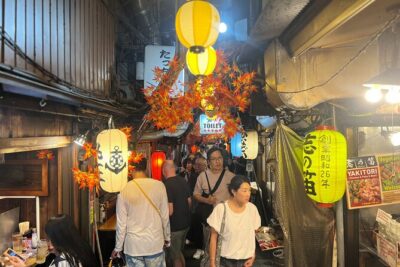
Tokyo: Shinjuku Food Tour (13 Dishes at 4 Local Eateries)
Read our review →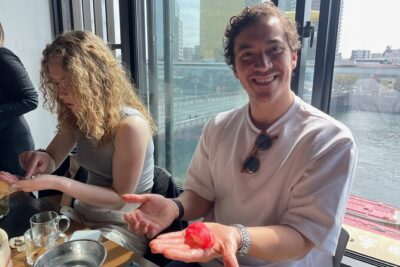
Sushi Making Tokyo Roll and Authentic Japanese Sushi Class
Read our review →
Tokyo Tsukiji Fish Market Food and Culture Walking Tour
Read our review →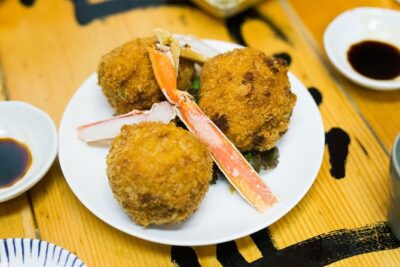
Best of Shinjuku: Izakaya Food Tour (4 Stops, 14+ Tastings)
Read our review →
Tokyo: Sushi Making Class in a Happi Coat near a Famous Spot
Read our review →
Sushi Making Tokyo! Popular Maki Sushi & Japanese Sushi(+Recipe!)
Read our review →
Tokyo Sushi Making Class in Tsukiji with Professional Chef
Read our review →
Tokyo Night Foodie Tour in Shinjuku – Seasonal Sushi, Wagyu Beef
Read our review →Browse the lists this tour appears in