
Review · KYOTO
Nishiki Market Food Tour with Cooking Class
Nishiki Market is easy to rush through in 15 minutes. With a private guide, you get time to ask what unfamiliar foods are, learn market manners, taste pickles, and find the stalls that matter. Then you use market ingredients to cook your own donburi, a Japanese rice bowl, in a dedicated studio.
I like the private format, which lets you set the pace and request substitutions. I also like the practical bridge from market to kitchen: you do not just look at Japanese ingredients, you prepare and eat them. The main drawback is time. About an hour in the market and an hour cooking can feel brief, especially if the aisles are crowded or you want to shop on your own.
Key points
- Starts at Nishiki Market’s western entrance, where an English-speaking local guide introduces the market and its food customs.
- Choose one of three donburi meals: seafood, tempura, or chicken and egg.
- Ingredients are included, and different people in one group can choose different dishes.
- Private guiding means real questions are welcome, including help translating with shop staff.
- Pickle samples and other market tastings add flavor before the cooking class.
- Taxi transport to the cooking studio is included, along with a recipe and the food needed for your meal.
Nishiki Market Is More Than a Quick Walk
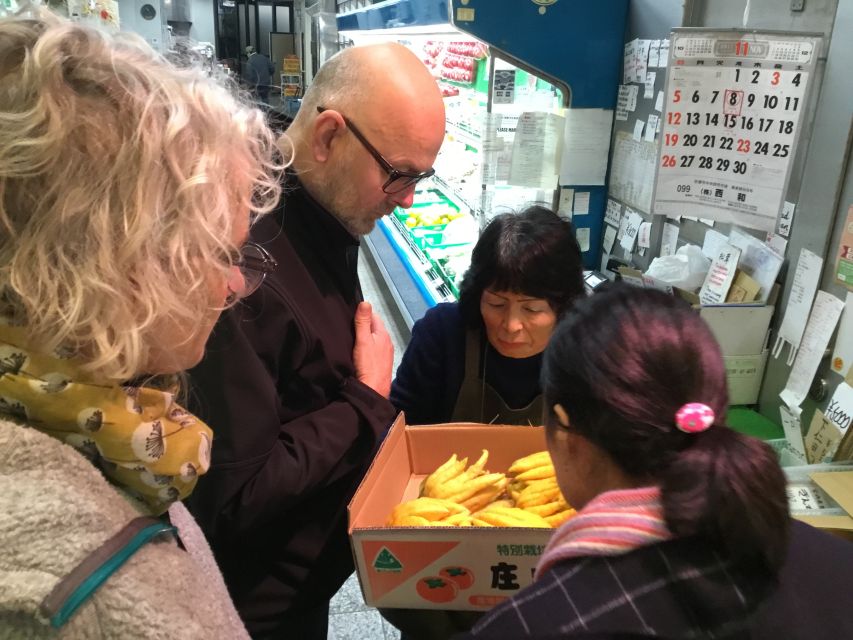
Nishiki Market runs through central Kyoto and is packed with food stalls, small shops, and long-established sellers. You can walk through it quickly, but that gives you only the shell of the experience. The useful part is knowing what you are seeing and how to behave around food vendors.
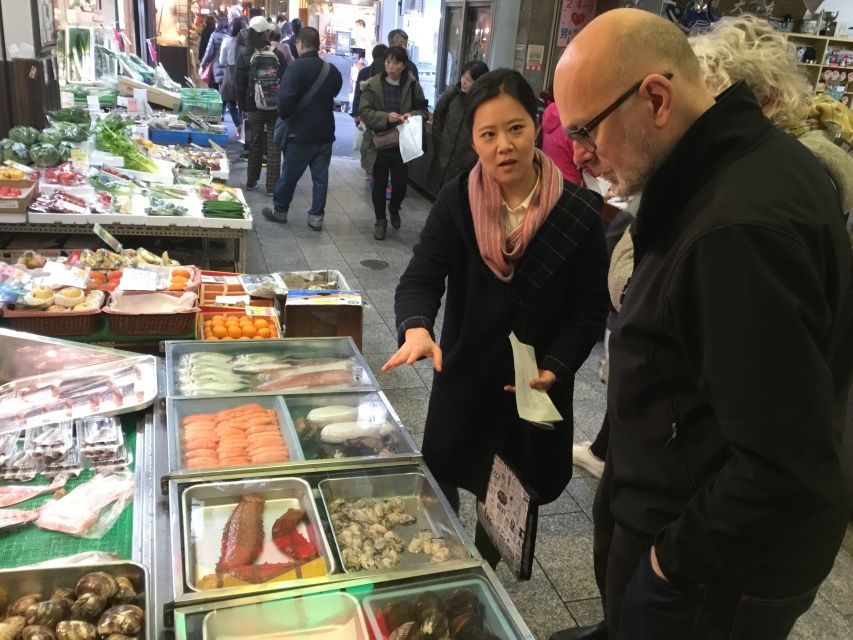
Your guide meets you at the western entrance and gives you a short briefing before leading you into the market. The tour usually spends about one hour here. That is enough time to get a broad introduction, though it is not enough for a relaxed shopping expedition at every stall.
A private guide makes a real difference. You can point to something unfamiliar and ask what it is, how it is used, and whether it is worth buying. Your guide can also help translate questions for shop staff, which is useful when a product has no obvious English explanation.
The market has plenty of stalls aimed at people passing through, but your guide can help separate the long-established shops from the more tourist-oriented sellers. You may learn why a particular shop is known for pickles, spices, meat, or another specialty. That context helps you decide where to return later, instead of buying the first attractive snack you see.
More Market Food Tours in Japan
- Nishiki Market Brunch Walking Tour (7 Tastings + Brunch)
★ 5.0 · 1,355 reviews - Kyoto: Local Food Tasting Tour at the Nishiki Market
★ 4.7 · 135 reviews - Kyoto: Nishiki Market and Depachika Food Tour with a Local
★ 4.7 · 76 reviews
Pickles, Samples, and Market Manners
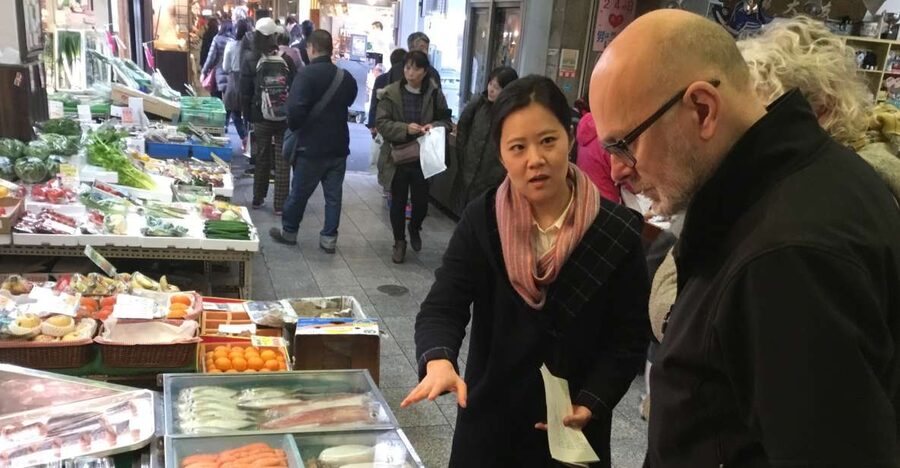
Food samples are part of the walk. Japanese pickles are a featured tasting, and they give you a quick lesson in how much variety can fit under one simple category. Different vegetables, seasonings, and textures can make the experience quite different from the standard pickles many visitors know at home.
Other sample foods are included as part of the market visit. The exact selection can vary, so you should not treat the tour as a full lunch. Foods you choose to buy for yourself are not included in the tour fee.
One useful lesson is how to eat in the market. You may not know that eating while walking is considered poor manners in this setting. Your guide explains the local etiquette, helping you avoid an awkward moment in a crowded aisle. Small instructions like this are easy to miss when you visit alone, but they make your time in Nishiki Market more comfortable.
You can also ask for recommendations to revisit after the tour. One past participant used the guide’s suggestions to return and buy favorite items later. That is a good way to handle the market: use the tour to learn, then come back for private shopping when you are not watching the clock.
From Market Ingredients to Your Own Donburi
The most distinctive part of this activity is that the market walk leads directly into a cooking class. Rather than touring food stalls and then moving on to a separate attraction, you work with ingredients selected for your own meal.
You choose from three bowls:
- Kaisen-don: a seafood rice bowl
- Ten-don: a tempura rice bowl
- Oyako-don: chicken and egg over rice
People in the same private group can choose different options. That is handy for couples, families, or friends who want to compare dishes. Substitutions may also be possible. One group requested tofu instead of chicken, and the guide accommodated the change.
The ingredients for the donburi are included, as is the taxi ride from the market to the cooking studio. This keeps the transition simple. You are not expected to carry groceries across Kyoto or work out how to reach the next location yourself.
Expect roughly one hour of cooking and eating. The class takes place in a clean, well-stocked kitchen intended for cooking lessons. It is described as cozy and welcoming rather than a large commercial school, which suits the private-group format.
What the Cooking Lesson Actually Teaches
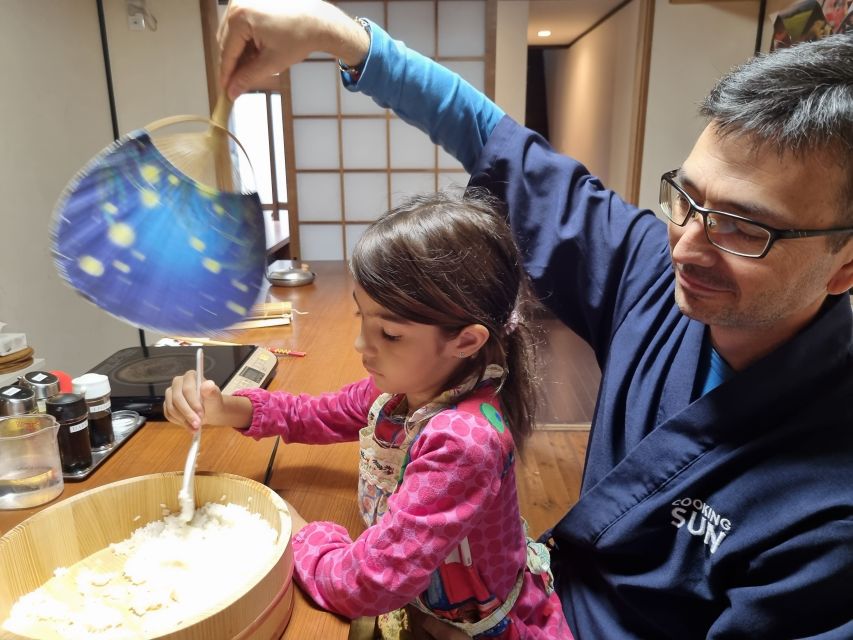
This is not only a meal preparation session. The instruction includes basic Japanese cooking methods, sauces, seasoning choices, and presentation. You may learn how to prepare dashi, how different sauce brands are used, and how to arrange the finished bowl so it looks as good as it tastes.
That detail is especially useful if you cook at home. Donburi is practical food, not a complicated restaurant performance. Once you understand the method, you can adapt it with ingredients available in your own kitchen.
The class also keeps people involved. Groups have prepared all three bowl types at once, and families with children found that the different tasks held their attention. A child who is not keen on one dish may still enjoy watching tempura preparation or helping with another part of the meal.
The teachers named in past sessions include Mio, Momo, Chie, and Mae. The exact instructor can vary, but English instruction is part of the activity. Several guides have been praised for clear teaching, patience, and the ability to adjust the meal to personal tastes.
You should expect to participate rather than simply watch. The class is hands-on, with instruction through each stage, followed by eating the meal you prepared. A recipe is provided, so you have a useful reference when you try the dish at home.
More Market Food Tours in Kyoto:
- Kyoto: Nishiki Market Tour with a Local Foodie & Tastings
★ 4.5 · 67 reviews - Kyoto: Nishiki Market Food Tour
★ 4.9 · 21 reviews - Chef Guided Food Tour of Pike Place Market
★ 5.0 · 3,733 reviews - Tokyo Tsukiji Fish Market Food and Culture Walking Tour
★ 5.0 · 3,184 reviews
A Private Pace, With a Few Limits
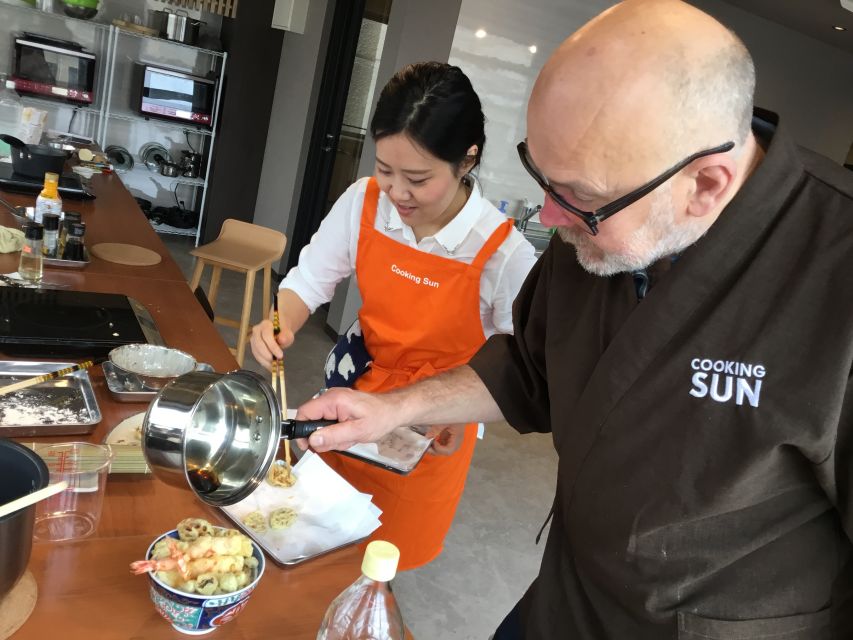
The private group setup is one of the strongest reasons to choose this experience. You can ask as many questions as you like without worrying about holding up a large group. If you are interested in sauces, Kyoto ingredients, cooking technique, or the history of a particular stall, you can steer the conversation in that direction.
It also helps families and mixed-interest groups. One person may want seafood, another tempura, and another chicken and egg. Since each participant can choose a dish, the class does not force everyone into the same menu.
Still, private does not mean unlimited time. The full activity lasts 150 minutes, and the market portion can feel short if Nishiki Market is crowded. One participant wanted more explanation and more time for tastings during the market walk. If your main goal is shopping, plan to return afterward rather than trying to fit all purchases into the scheduled tour.
Clarify the shopping plan at the start. The ingredients for the cooking class are covered, but personal purchases are not. You may have time to buy something during the walk, but the activity is built around learning and cooking, not a long free-shopping stop.
Is $109 a Fair Price?
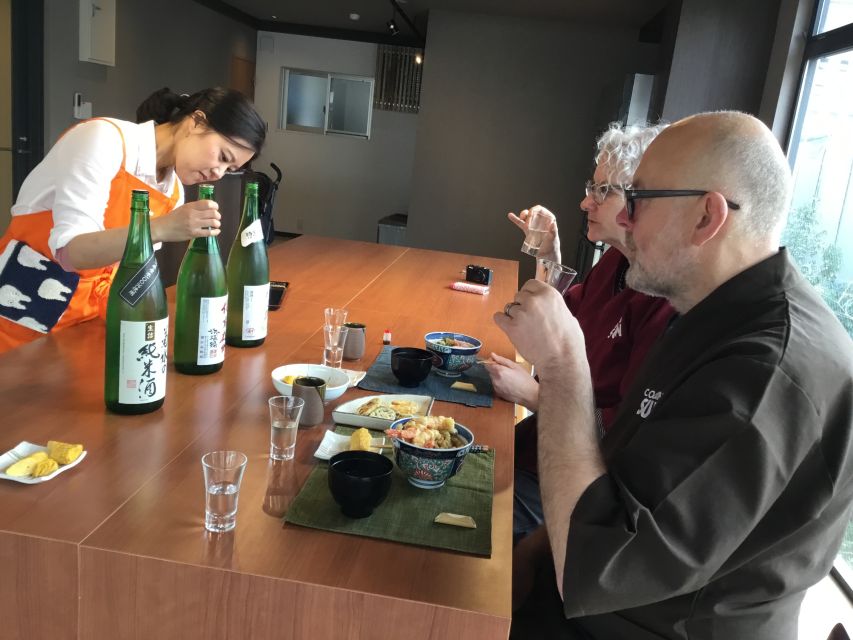
At $109 per person, this is not the cheapest way to see Nishiki Market or eat a rice bowl. You are paying for more than a guided walk, though. The price includes a private English-language guide, market samples, cooking instruction, ingredients, a recipe, and taxi transport to the studio.
The value depends on what you want from the morning or afternoon. If you only want to stroll through the market and grab inexpensive snacks, this will feel costly. You can do that independently for much less.
If you want an explanation of the food, help with translation, a structured introduction to market etiquette, and a meal you prepare yourself, the price is easier to justify. The private format is also valuable for families or small groups who would not enjoy a fixed group class.
The included ingredients remove one uncertainty. You are not paying the class fee and then facing an extra grocery bill for the main dish. Personal market food is separate, but the central meal is covered.
One small caution concerns ingredient quality. Most of the cooking experience has been warmly received, but a participant found the fatty tuna less satisfying than hoped. Seafood quality can vary, and kaisen-don may be a better choice for someone who wants the market experience more than a guaranteed luxury meal.
Who Will Enjoy This Most?
I would recommend this experience to you if you want to understand what you are seeing in Kyoto’s food market, not just pass through it. It suits first-time visitors who want a friendly introduction to Japanese ingredients and customs.
It is also a strong fit for:
- Families looking for a hands-on activity
- Couples or friends with different food preferences
- Home cooks interested in dashi, sauces, and presentation
- Visitors who value private guiding and plenty of questions
- Anyone who wants a practical recipe to take home
The class may be less suitable if you dislike seafood, tempura, chicken, or egg and do not want to request a substitution. It may also disappoint if your main goal is extensive shopping time or a long, leisurely market tasting session.
The tour works best when you treat Nishiki Market as the classroom and the cooking studio as the payoff. You learn what to notice first, then turn that knowledge into lunch.
Timing, Cancellation, and Useful Planning
The activity lasts 150 minutes, with about one hour in Nishiki Market and about one hour cooking and eating. The remaining time covers the briefing and the transfer to the studio.
Meet at the western side entrance of Nishiki Market. The taxi from the market to the studio is included, which is helpful after walking through crowded aisles with a group.
The tour is conducted in English and is offered as a private group. You can cancel up to 24 hours in advance for a full refund, and the reserve-now, pay-later option lets you keep your schedule flexible.
Wear comfortable clothes suitable for a cooking class, and arrive ready to ask questions. If you plan to buy souvenirs or food, leave time to return to the market afterward. The scheduled experience does not replace a separate shopping visit.
My Verdict: Book It If You Want to Cook, Not Just Browse
Book this Nishiki Market experience if you want a personal introduction to Kyoto food followed by a meal you help create. The private guide, English instruction, flexible dish choices, included ingredients, and recipe give the activity more substance than a simple market stroll.
I would be more cautious if you want lots of free time for shopping or expect a full-scale market feast. The 150-minute schedule moves along, and the market can be crowded.
For families, curious eaters, and home cooks, this is a well-balanced choice. You get local explanation, practical etiquette, tastings, and a useful cooking lesson in one compact experience. Just save your serious shopping for later.
FAQ
Where does the Nishiki Market food tour begin?
The tour begins at the western side entrance of Nishiki Market in Kyoto.
How long does the activity last?
The experience lasts 150 minutes, or two and a half hours.
Is the tour private?
Yes. It is offered for a private group, so you can ask questions and move at your own pace.
Which languages are available?
The tour and cooking instruction are provided in English.
Which donburi dishes can I choose?
You can choose kaisen-don with seafood, ten-don with tempura, or oyako-don with chicken and egg.
Are the cooking ingredients included?
Yes. The ingredients for the donburi cooking class are included in the tour fee. Personal foods or purchases from the market are not included.
Is transportation to the cooking studio included?
Yes. The taxi cost from Nishiki Market to the cooking studio is included.
More food workshops around Kyoto
- Kyoto: Small-Group Authentic Sushi Making Workshop
★ 5.0 · 137 reviews - Kyoto Michelin Ramen Workshop or Painting Ramen Essentials
★ 4.9 · 100 reviews - Kyoto: Sushi Making Class with Sushi Chef
★ 4.8 · 64 reviews - Sushi Making Tokyo Roll and Authentic Japanese Sushi Class
★ 5.0 · 3,971 reviews
More cooking classes around Kyoto
- Ramen Cooking Class at Ramen Factory in Kyoto
★ 5.0 · 1,937 reviews - Kyoto: Ramen Cooking Class at a Ramen Factory with Souvenir
★ 4.9 · 532 reviews - Kyoto: Ramen, Gyoza, and Onigiri Cooking Class
★ 5.0 · 445 reviews - Gyoza Cooking Class in Kyoto: Traditional Japanese Dumplings
★ 5.0 · 210 reviews
Fresh off the menu around Kyoto
- Kyoto: Sushi Making Class with Sushi Chef★ 4.8 · 64 reviews
- Kyoto: Small-Group Authentic Sushi Making Workshop★ 5.0 · 137 reviews
- Kyoto: Ramen, Gyoza, and Onigiri Cooking Class★ 5.0 · 445 reviews
- Kyoto: Sake Brewery and Tasting Tour in Fushimi★ 4.8 · 55 reviews
- Kyoto: Foodie Night Tour in Gion with 9 dishes + 6 Sake★ 4.4 · 26 reviews
- Kyoto: Nishiki Market Tour with a Local Foodie & Tastings★ 4.5 · 67 reviews
- Kyoto: Ramen Cooking Class at a Ramen Factory with Souvenir★ 4.9 · 532 reviews
- Kyoto Michelin Ramen Workshop or Painting Ramen Essentials★ 4.9 · 100 reviews
Kyoto Food Tours, compared.
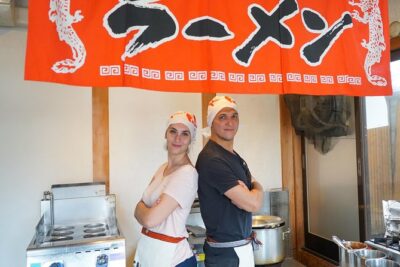
Ramen Cooking Class at Ramen Factory in Kyoto
Read our review →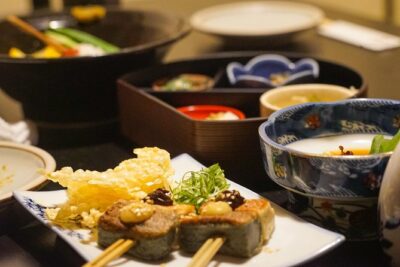
Kyoto Night Foodie Tour in Gion (9+ dishes + 6 Sake tastings)
Read our review →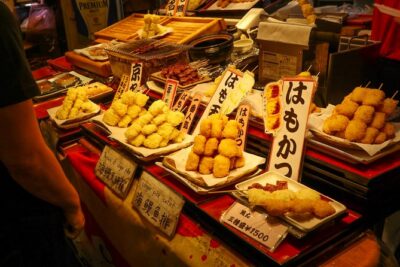
Nishiki Market Brunch Walking Tour (7 Tastings + Brunch)
Read our review →
Kyoto Night All-Inclusive Eats and Streets, Gion and Beyond
Read our review →
Kyoto: Gion & Pontocho Food Tour with 13 Dishes
Read our review →
Gyoza Cooking Class in Kyoto: Traditional Japanese Dumplings
Read our review →
Kyoto: Small-Group Authentic Sushi Making Workshop
Read our review →Browse the lists this tour appears in