
Review · KYOTO
Kyoto: Nishiki Market and Depachika Food Tour with a Local
Nishiki Market is Kyoto’s best-known food street, but it can be hard to know what to taste first. This tour pairs its narrow arcade with Daimaru Kyoto’s polished basement food hall, giving you two very different views of the city’s cooking in a short outing. You’ll try items such as yuba sashimi, Nishiki gyoza, and tempura hamo fish before finishing at a small Shinto shrine.
I like the small group of no more than nine, since a guide can answer questions and adjust the pace. I also like the mix of guided tastings and free time to browse. The main caution is timing: the advertised tour lasts two hours, while the listed stop durations add up to longer, so confirm the exact schedule when booking.
Key points at a glance
- Four named tastings: Try yuba sashimi, a soy milk donut, Nishiki gyoza, and Uoriki tempura hamo fish.
- Two sides of Kyoto food: Compare a department-store depachika with the traditional stalls of Nishiki Market.
- Small English-speaking group: The group is limited to nine people, making questions and food explanations easier.
- A quiet shrine finish: Nishiki-Tenmangu offers a calmer stop after the crowded market aisles.
- Flexible same-day planning: Multiple start times and reserve-now, pay-later booking suit a short Kyoto visit.
- Good guide track record: Guides including Mao, Kats, Ai, Boris, Jasmine, and Richard have been praised for food explanations and local suggestions.
Starting at Apple Kyoto, then heading underground
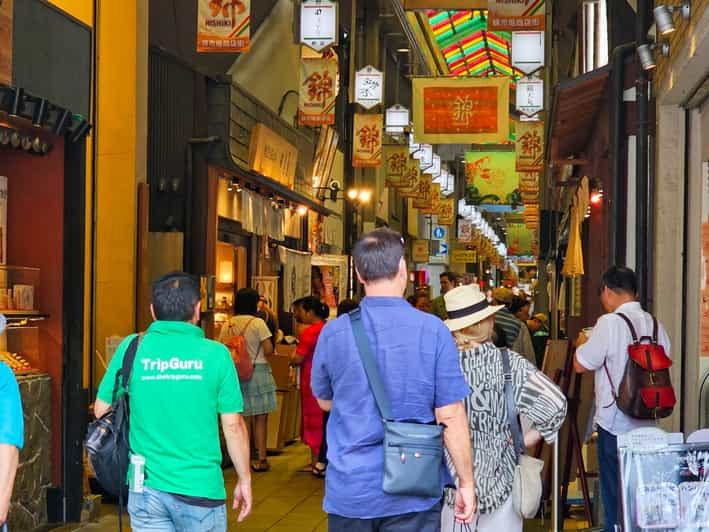
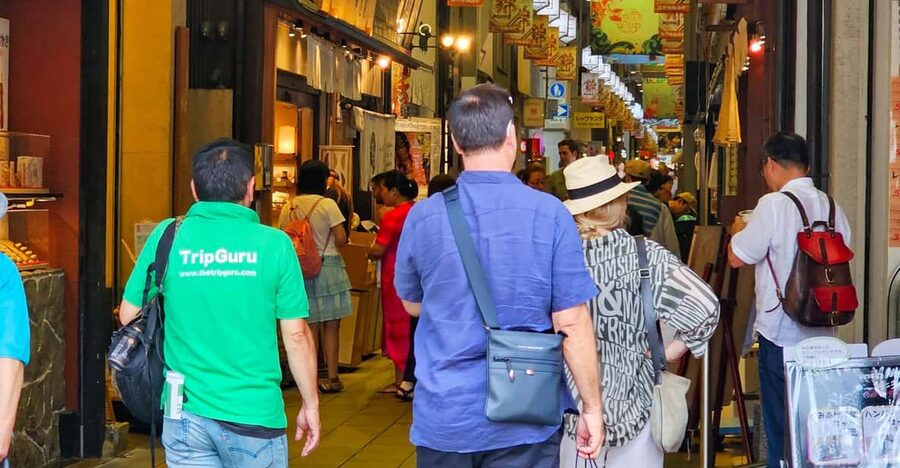
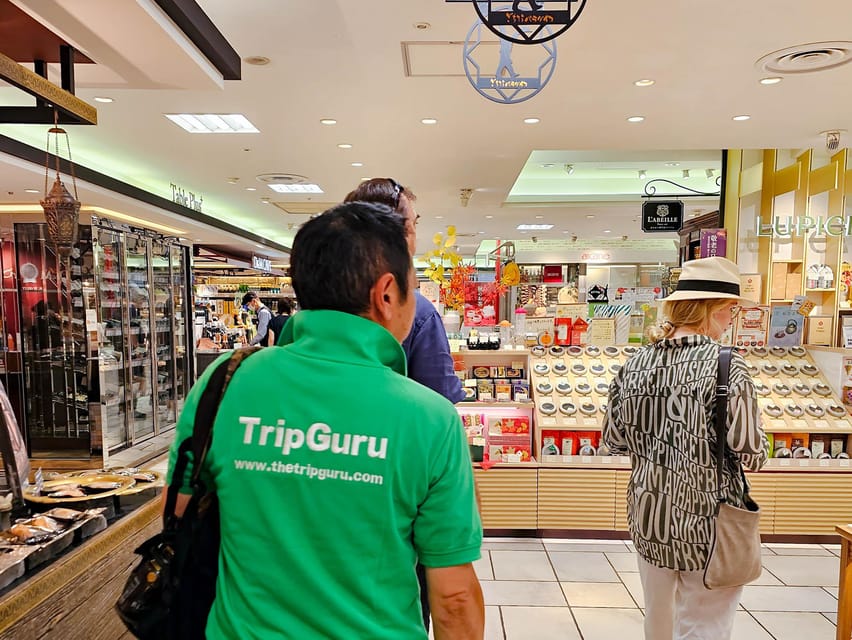
The meeting point is Apple Kyoto. Your TripGuru guide should be wearing a TripGuru shirt or holding a TripGuru sign, and you need to arrive at least 10 minutes early. The guide waits no more than 10 minutes, so give yourself extra time in central Kyoto, especially during busy morning periods.
The tour is conducted in English. With a maximum of nine participants, it is more personal than a large coach-style food walk. That matters in a market, where narrow lanes, passing customers, and small tasting counters can make a big group awkward.
The schedule offers multiple starting times, which is useful if you have a temple visit in the morning or dinner plans later. It also makes this a practical choice for a short stay in Kyoto. At $42 per person, the price is reasonable if you value an English-speaking guide and the included tastings. It is less compelling if you mainly want to wander and purchase food on your own.
Bring comfortable shoes, a camera, and cash. Hotel pickup and drop-off are not included, and extra food, drinks, and personal purchases cost more.
More Market Food Tours in Japan
- Nishiki Market Brunch Walking Tour (7 Tastings + Brunch)
★ 5.0 · 1,355 reviews - Kyoto: Local Food Tasting Tour at the Nishiki Market
★ 4.7 · 135 reviews - Kyoto: Nishiki Market Tour with a Local Foodie & Tastings
★ 4.5 · 67 reviews
Daimaru Kyoto and the polished world of depachika
The first food stop is Daimaru Kyoto, where your guide introduces you to a depachika. The word refers to an underground department-store food hall, and it offers a very different scene from Nishiki Market.
Here, food is arranged with care in counters and display cases. You may see Japanese sweets, prepared foods, fine ingredients, and international gourmet products. The setting is clean, organized, and easy to browse, but it can also feel less rough-edged and local than an old market street.
This is where a guide helps. Japanese food displays are not always easy to interpret if you cannot read the labels, and many attractive items may have unfamiliar ingredients or customs attached to them. Guides such as Ai have explained what to buy, what to skip, and how to judge certain foods. One useful bit of advice recorded from the tour was to think carefully before spending heavily on expensive fruit such as cantaloupes.
The food hall is also a good place to understand Japanese gift culture. Presentation matters, portions are often carefully packed, and everyday food can look almost too handsome to eat. You should have time to browse, but do not assume every item is part of the included tasting.
One past tour participant found the Daimaru stop so interesting that the group lingered there. That points to a useful strength of the tour: an attentive guide may allow some flexibility when the group is especially interested. Still, the experience works best if you stay aware of the clock. A two-hour food walk can disappear quickly in a department-store basement.
The four included tastes and what they tell you
The included tastings give you a compact introduction to Kyoto food rather than a full meal. You receive yuba sashimi, a soy milk donut, Nishiki gyoza, and Uoriki tempura hamo fish.
Yuba sashimi is tofu skin, made from the delicate layer that forms on the surface of heated soy milk. It has a soft, subtle texture and is a useful reminder that Japanese cuisine often treats soy in several forms, not only as tofu or soy sauce. One family visiting Kyoto enjoyed it enough to return to the market for the same dish the next day.
The soy milk donut offers a sweeter and more familiar contrast. It is a simple way to break up the savory foods, and it may appeal to children or anyone who is cautious about unfamiliar dishes.
Nishiki gyoza brings a more recognizable format, though the fillings and preparation may differ from what you know at home. Uoriki’s tempura hamo fish is the more regional tasting. Hamo is a long, slender fish associated with Kyoto cuisine, and tempura gives it a crisp exterior and mild flavor.
These four items are not the only food you can eat. They are the planned tastings, while additional snacks and drinks are your responsibility. If you want a larger lunch, keep cash available and ask the guide for suggestions.
A useful detail is that the guide may buy the tasting items for the group rather than simply point at a stall and send you off. That makes the experience easier for first-time visitors. It also reduces the pressure of choosing from a crowded counter while trying to understand an unfamiliar menu.
Walking through Nishiki Market, Kyoto’s Kitchen
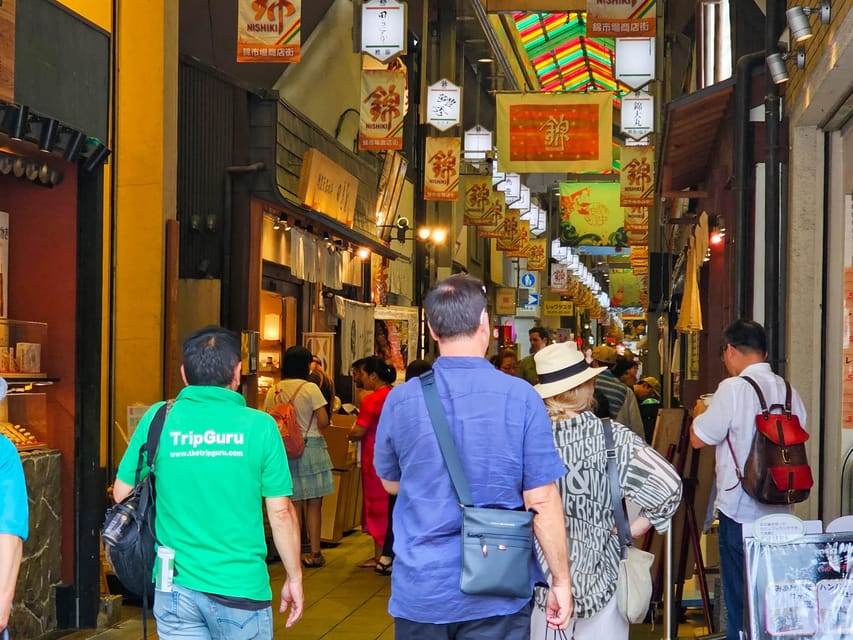
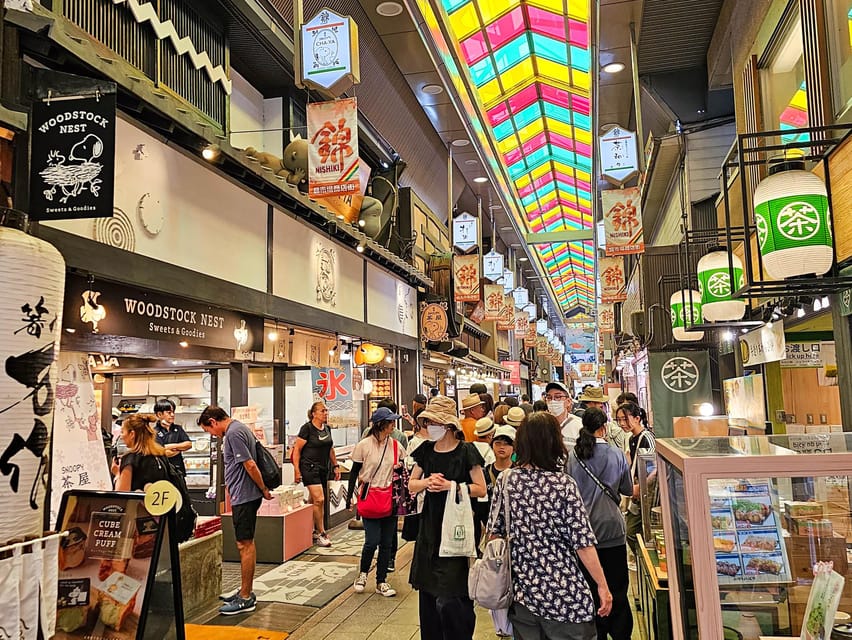
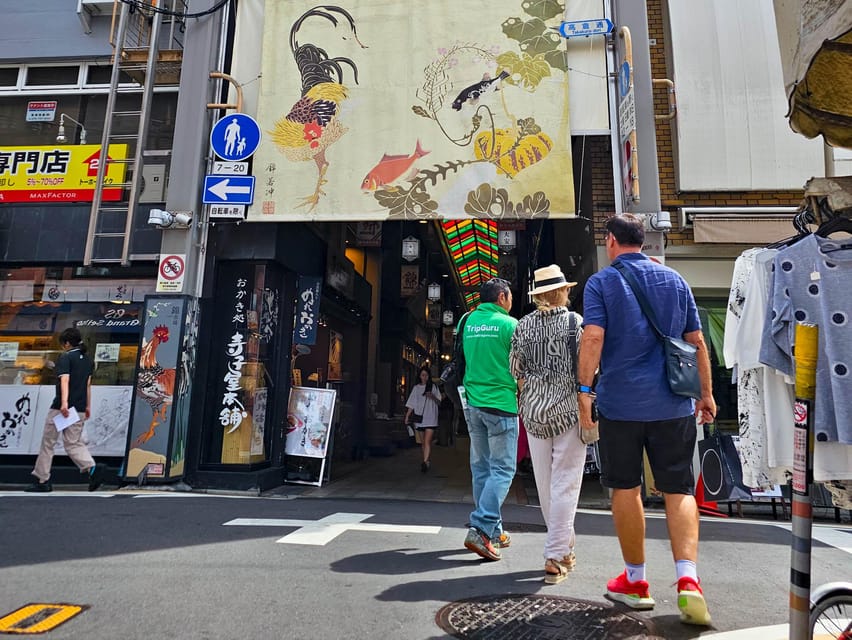
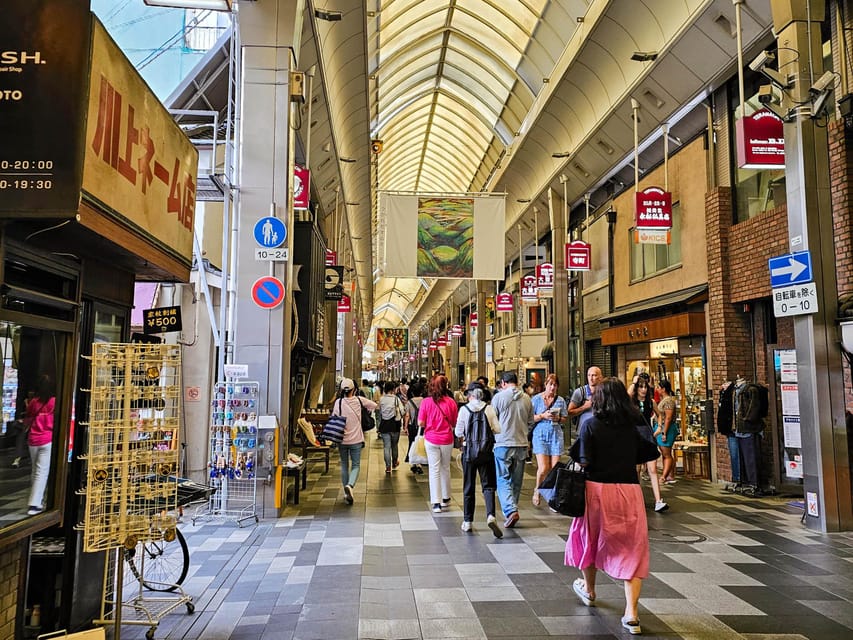
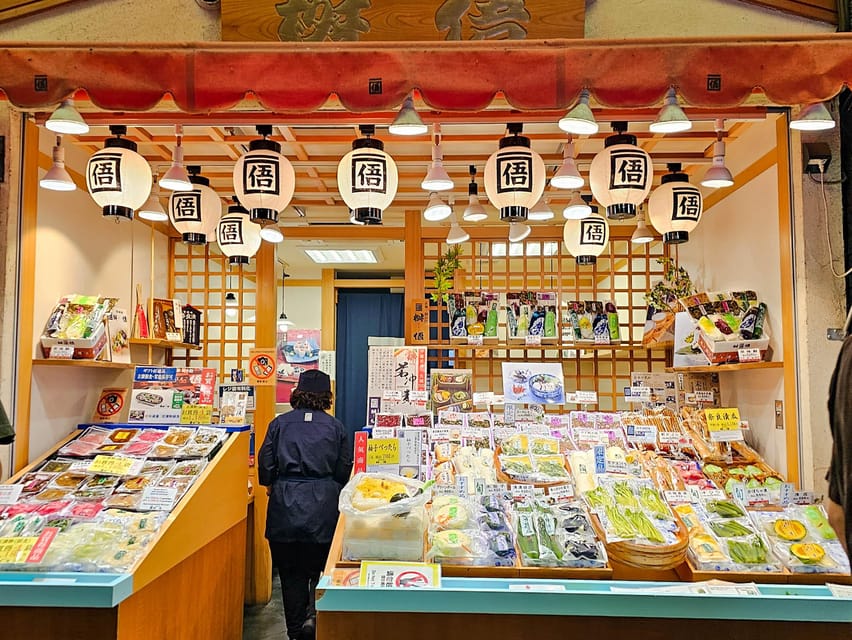
Nishiki Market is an indoor shopping arcade lined with food sellers and specialty shops. The name Kyoto’s Kitchen fits its range: seasonal produce, seafood, pickles, sweets, cookware, knives, and other items connected with Japanese cooking.
The market’s appeal is not just the food. Some businesses have been operated by the same families for generations, and a guide can explain how certain ingredients fit into Kyoto cooking. The best part of the walk is often the interpretation between tastings: what an item is, how it is normally eaten, and why it matters in the local food scene.
You may see more than you taste. That is important to understand before booking. The market sells far more than the four included items, but the tour does not promise unlimited sampling. Use the guided walk to identify things you want to return to, then shop after the formal tour if you have enough time.
The arcade can be crowded, and the walking surface is not always ideal for anyone who has trouble with mobility. You may need to pause along the side while the guide explains a food or waits for the group to come together. This is not a quiet sit-down tasting. It is a moving market visit with frequent stops.
The guide style can shape the experience. Boris has been praised for explaining the cultural background of food and for answering many questions. Richard has offered local food and drink suggestions. Jasmine has given guests time to shop while organizing the tastings, and Ai has helped first-time visitors decide what to try.
That variety is useful, but it also means the exact tone can differ from one departure to another. One participant felt unsure about when food would be served because the guide waited for a request while the participant expected the guide to announce each tasting. If you want a more structured experience, ask at the start which foods are included and when you will try them.
More Market Food Tours in Kyoto:
- Nishiki Market Food Tour with Cooking Class
★ 4.9 · 42 reviews - Kyoto: Nishiki Market Food Tour
★ 4.9 · 21 reviews - Chef Guided Food Tour of Pike Place Market
★ 5.0 · 3,733 reviews - Tokyo Tsukiji Fish Market Food and Culture Walking Tour
★ 5.0 · 3,184 reviews
Nishiki-Tenmangu Shrine after the market
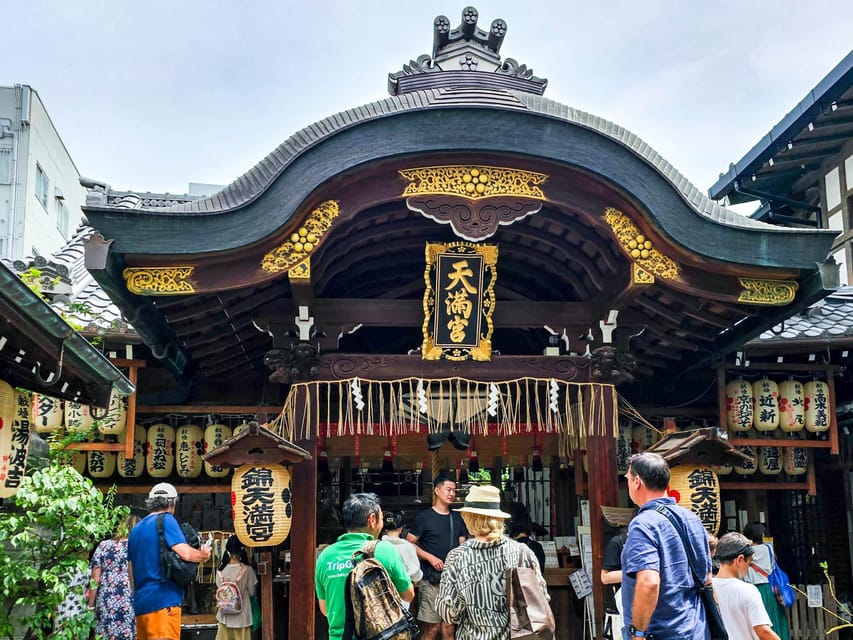
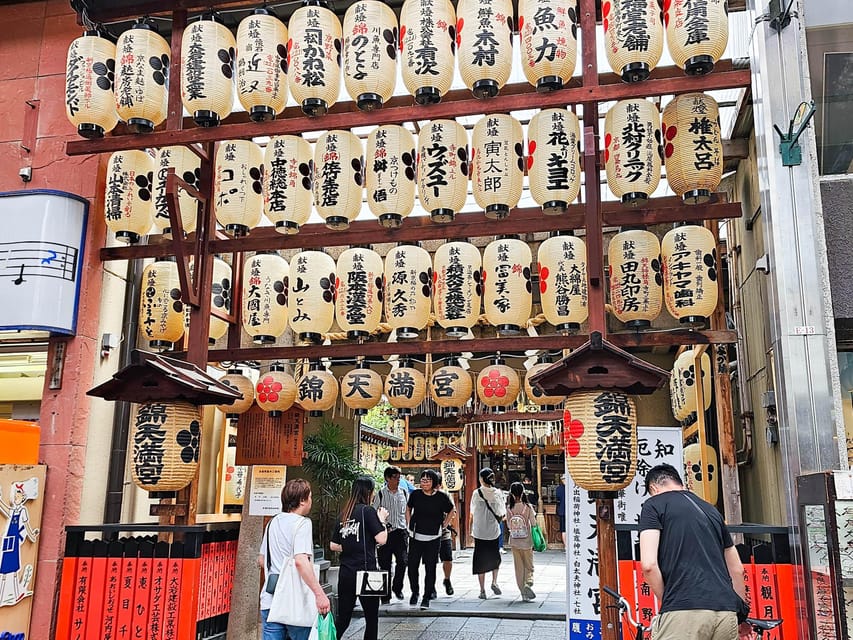
After the food stops, the route goes to Nishiki-Tenmangu Shrine. It is close to the market, yet the mood changes quickly once you enter the shrine grounds.
The shrine is dedicated to the deity of learning. Your guide can explain the architecture, the role of the shrine, and the proper sequence for using the sacred water fountain to cleanse your hands. This adds cultural context to a food tour without taking you far from the market area.
I like this stop because it gives the tour a pause. Nishiki Market can be crowded and sensory-heavy, so a few quiet minutes at the shrine help balance the meal-focused part of the walk. You can admire the details, ask about Shinto customs, and take a breath before continuing into central Kyoto.
The tour ends at Kyoto-Kawaramachi Station. That is convenient for onward plans in the shopping and dining center of town, though you will need to make your own way back to your hotel.
How the guides shape the experience
The strongest part of this tour is the human explanation. Kyoto food can be easy to photograph and hard to understand. A guide turns a row of unfamiliar items into a set of choices you can make with confidence.
Past departures have included guides named Mao, Kats, Ai, Boris, Jasmine, Richard, Vincent, Yoku, Miya, Brook, Simon, and others. Kats, who was born and raised in Kyoto, has been noted for strong English and useful advice about what to do after the tour. Mao has explained both regional food and shrine customs. Boris has handled detailed questions about culture and ingredients, including from families with a child who had a limited palate.
That family-friendly flexibility is helpful, but this is still a walking food tour, not a private custom itinerary. You should tell the guide early about preferences or foods you cannot eat. The supplied information does not list a formal allergy policy, so do not assume every tasting can be replaced.
The small group also gives you a chance to talk with other participants. One person specifically liked being able to chat with everyone in the group. If you prefer to explore alone, you may find the fixed route and group pace restrictive. If you want a confident start to Kyoto eating, the conversation and guidance are worth the trade-off.
Is $42 good value for two hours?
At $42, the value depends on what you are buying. You are paying for an English-speaking guide, a small group, local explanations, the market route, shrine visit, and four specified tastings. You are not paying for a full lunch, transportation, hotel service, or every food you see.
For a first visit to Kyoto, I think the price is fair. Yuba sashimi and hamo fish may not be obvious choices if you are exploring alone, and the depachika can be confusing if you do not know how the department-store food system works. The guide also saves you from spending your limited time guessing at stalls.
The price is harder to justify for repeat visitors who already know Nishiki Market or for confident eaters who enjoy choosing their own food. In that case, you may prefer to spend $42 on several individual purchases and take your time.
The tour’s value improves if you treat it as an orientation. Keep notes or take photos of shops you want to revisit, then return later for a slower meal or shopping trip.
Timing, comfort, and who should book
The headline duration is two hours. Yet the listed itinerary gives Daimaru 1.5 hours, Nishiki Market one hour, and Nishiki-Tenmangu 30 minutes, which totals three hours. Since those figures do not match, confirm the current timing and start time before you commit to a train, restaurant reservation, or major sightseeing plan.
The route includes walking and time in crowded indoor areas. Comfortable shoes are essential. The activity is not suitable for pregnant women or people with mobility, heart, or respiratory issues, according to the supplied conditions.
I would recommend it most to:
- First-time visitors who want help ordering and identifying Japanese foods
- People with only a short window in central Kyoto
- Families and small groups who enjoy tasting unfamiliar dishes
- Anyone curious about both department-store food halls and traditional market stalls
- Visitors who want a local guide before exploring Kyoto restaurants independently
I would be more cautious if you need a fully accessible route, dislike crowds, want a substantial meal, or expect a long list of tastings. The tour gives you a guided sample of Kyoto food, not an all-you-can-eat market crawl.
Should you book the Nishiki food tour?
Book this tour if you want a friendly introduction to Kyoto’s food culture and would rather have someone explain the choices than wander the market alone. The combination of Daimaru, Nishiki Market, and Nishiki-Tenmangu gives you food, shopping, and a small cultural stop in one compact outing.
The best reason to book is the guide support. Strong guides such as Mao, Kats, Ai, Boris, and Richard have made the walk more useful by explaining ingredients, customs, and places to try next. Just clarify the tasting schedule at the beginning, arrive early, carry cash, and verify the actual duration.
Skip it if you already know Nishiki Market well or want to spend your entire time eating at your own pace. For everyone else, $42 is a sensible price for a short, structured start to Kyoto’s food scene.
FAQ
Where does the tour meet?
The meeting point is Apple Kyoto. Your guide will wear a TripGuru shirt or hold a TripGuru sign.
Where does the tour finish?
The tour finishes at Kyoto-Kawaramachi Station.
How long does the activity last?
The advertised duration is two hours. The listed stop times add up to longer, so confirm the current schedule when booking.
What language is the tour conducted in?
The tour is conducted in English with a live English-speaking guide.
How many people are in the group?
The group is limited to nine participants.
What foods are included?
The included tastings are yuba sashimi, a soy milk donut, Nishiki gyoza, and Uoriki tempura hamo fish.
Is a full meal included?
No. The tour includes the listed tastings, but additional food and drinks are not included.
Should I bring cash?
Yes. Cash is listed as something to bring, and you may want to purchase extra food or personal items.
Is hotel pickup included?
No. Hotel pickup and drop-off are not included.
How early should I arrive?
Arrive at least 10 minutes before the stated meeting time. The guide will wait a maximum of 10 minutes.
Can I cancel for a full refund?
Yes. You can cancel up to 24 hours in advance for a full refund.
Is the tour suitable for people with mobility or health concerns?
The activity is not suitable for pregnant women or people with mobility impairments, heart problems, or respiratory issues.
More Food Tours with Locals in Kyoto
- Naples: Street Food Walking Tour with Local Guide
★ 4.9 · 4,976 reviews - Rome: Street Food Tour with Local Guide
★ 4.8 · 4,077 reviews - Eat Like a Local: Venice 3-Hour Small-Group Food Tasting Tour
★ 5.0 · 3,137 reviews - Marrakech: Street Food Tour with a Local Guide
★ 4.9 · 3,119 reviews
Fresh off the menu around Kyoto
- Kyoto: Sushi Making Class with Sushi Chef★ 4.8 · 64 reviews
- Nishiki Market Food Tour with Cooking Class★ 4.9 · 42 reviews
- Kyoto: Small-Group Authentic Sushi Making Workshop★ 5.0 · 137 reviews
- Kyoto: Ramen, Gyoza, and Onigiri Cooking Class★ 5.0 · 445 reviews
- Kyoto: Sake Brewery and Tasting Tour in Fushimi★ 4.8 · 55 reviews
- Kyoto: Foodie Night Tour in Gion with 9 dishes + 6 Sake★ 4.4 · 26 reviews
- Kyoto: Nishiki Market Tour with a Local Foodie & Tastings★ 4.5 · 67 reviews
- Kyoto: Ramen Cooking Class at a Ramen Factory with Souvenir★ 4.9 · 532 reviews
Kyoto Food Tours, compared.
Ramen Cooking Class at Ramen Factory in Kyoto
Read our review →
Kyoto Night Foodie Tour in Gion (9+ dishes + 6 Sake tastings)
Read our review →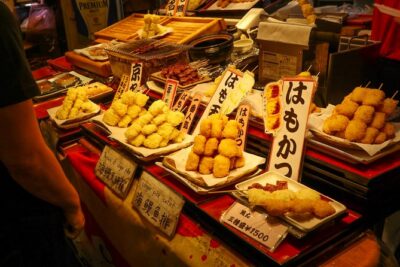
Nishiki Market Brunch Walking Tour (7 Tastings + Brunch)
Read our review →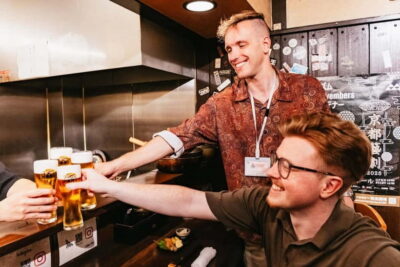
Kyoto Night All-Inclusive Eats and Streets, Gion and Beyond
Read our review →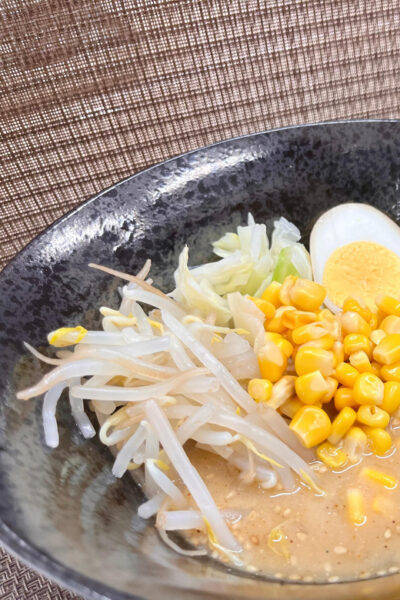
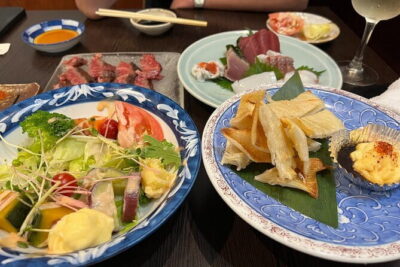
Kyoto: Gion & Pontocho Food Tour with 13 Dishes
Read our review →
Gyoza Cooking Class in Kyoto: Traditional Japanese Dumplings
Read our review →
Kyoto: Small-Group Authentic Sushi Making Workshop
Read our review →Browse the lists this tour appears in