
Review · TOKYO
Tokyo: Private Personalized Local Food Tour
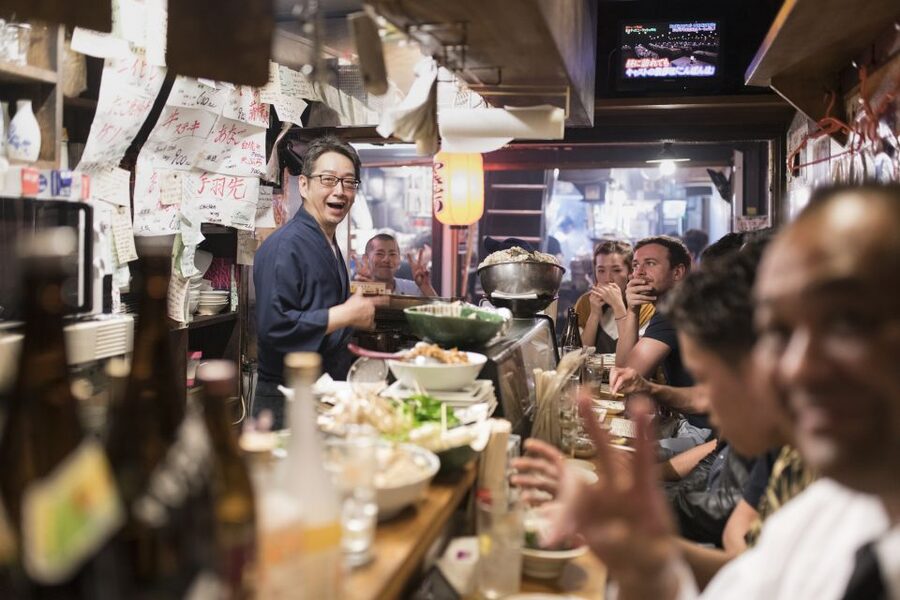
Tokyo’s best food experiences often begin after you leave the famous restaurant lists behind. This private tour takes you into neighborhood izakayas, ramen shops, alleyways, and yatai-style spots, with your host choosing the route around your appetite and curiosity. You might begin near Sun Mall in Nakano, warm up with oden and sake, or start with ramen before moving through several small eateries.
I like two things in particular: the personal planning and the useful local orientation. The questionnaire gives your host a sense of your tastes, while guides such as Mari, Apy, Steven, and Michael have helped visitors handle menus, customs, transport, and unfamiliar dishes. The main consideration is cost: at $172 per person for three hours, this is best value for people who want company, translation, and local guidance, not simply a cheap meal.
Key points to know before booking
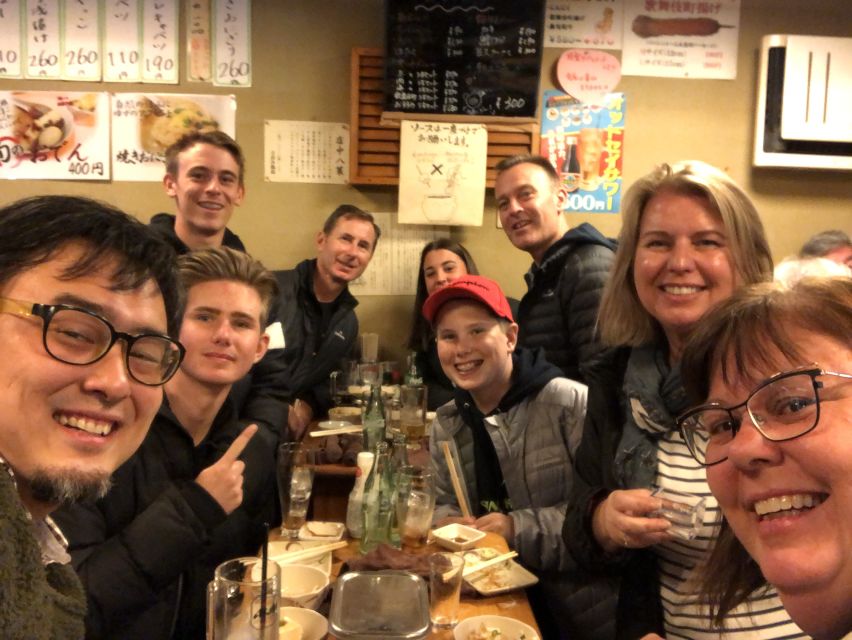
- Your route is built around your tastes: Share food preferences, interests, and the kind of evening you want before meeting your host.
- Eight to ten tastings are included: Expect food and drink across two or three eateries, with dishes changing according to the neighborhood and your preferences.
- The focus is local Tokyo life: Izakayas, ramen shops, small alleys, and casual spots replace a standard sightseeing route.
- Guides can help beyond the plate: Past hosts have explained Japanese customs, dish origins, railway travel, and local neighborhoods.
- It is a private walking experience: Hotel pickup can be arranged from central Tokyo, but transport between areas may cost extra.
- Dietary needs should be discussed early: A guide has assisted with vegetarian and other food preferences, but your questionnaire and direct contact are important.
A three-hour food walk built around you
This is not a fixed restaurant crawl. Your host receives a short questionnaire covering your personality, food preferences, and interests, then uses it to plan a flexible route. That structure matters in Tokyo, where a tiny shop can be a better fit than a famous destination if you want a relaxed meal, unusual dishes, or a more local setting.
You can ask for comfort food, unfamiliar flavors, traditional drinks, vegetarian choices, or a simple introduction to Japanese eating customs. You can also leave room for surprise. The plan may change once your host sees what you enjoy and how hungry you are.
The private format gives you room to ask basic questions without holding up a larger group. If you are unsure how to order, eat a dish, or use a railway station, your host can slow down and explain. That practical help is one reason the tour has worked well as a first-day activity for several people.
The route is not guaranteed to follow one neighborhood. The meeting point is JR Nakano Station, while hotel pickup is available from central Tokyo hotels. Past experiences have also included areas such as Shibuya, Ueno’s Ameyoko Street, Tsukiji Market, and other local districts. Confirm the proposed route with your host after booking.
More food tours around Tokyo:
- Tokyo: Shinjuku Food Tour (13 Dishes at 4 Local Eateries)
★ 5.0 · 6,603 reviews - Sushi Making Tokyo Roll and Authentic Japanese Sushi Class
★ 5.0 · 3,971 reviews - Tokyo Tsukiji Fish Market Food and Culture Walking Tour
★ 5.0 · 3,184 reviews
Starting in Nakano, from Sun Mall to side streets
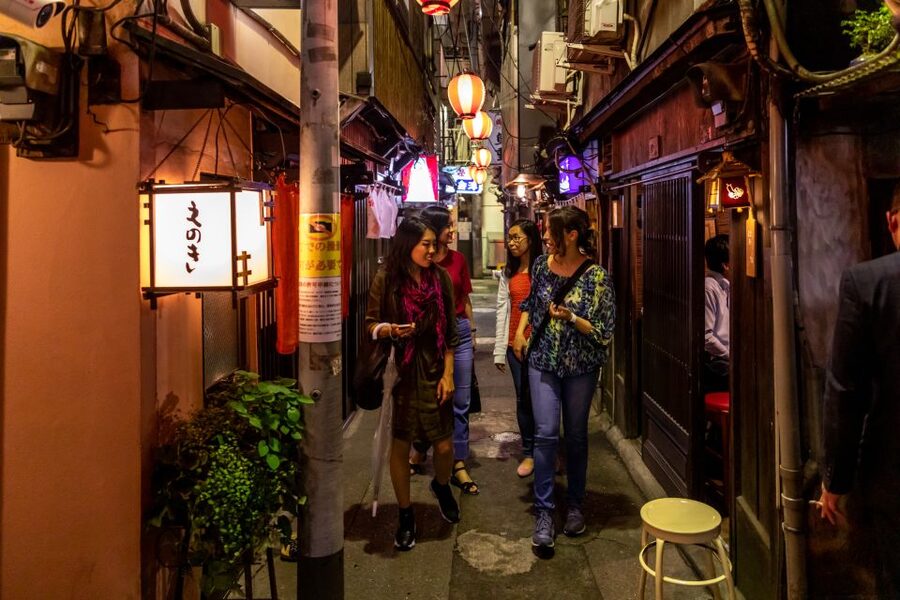
JR Nakano Station is a useful starting point because it puts you near Sun Mall, a covered shopping street with restaurants, shops, and plenty of foot traffic. The stated plan suggests beginning there, where ramen steam, lanterns, and small food businesses create a quick introduction to neighborhood Tokyo.
Your host might instead lead you into a quieter alley for oden and sake. Oden is a gentle way to start: ingredients simmer in broth, making it easy to sample several textures without ordering a large meal. Sake adds a traditional drink component, though you can discuss drink preferences with your host.
Nakano also helps you see how Tokyo food districts work. A street may look ordinary from the outside, then open into a small counter restaurant or izakaya. Your host can explain the setting and help you understand the customs that make these places run smoothly.
Keep in mind that the exact first stop is flexible. You are not guaranteed a particular ramen shop, oden counter, or restaurant. That freedom is useful if your group has mixed appetites, but it also means you should not book this expecting a fixed menu.
Eight to ten dishes across two or three eateries
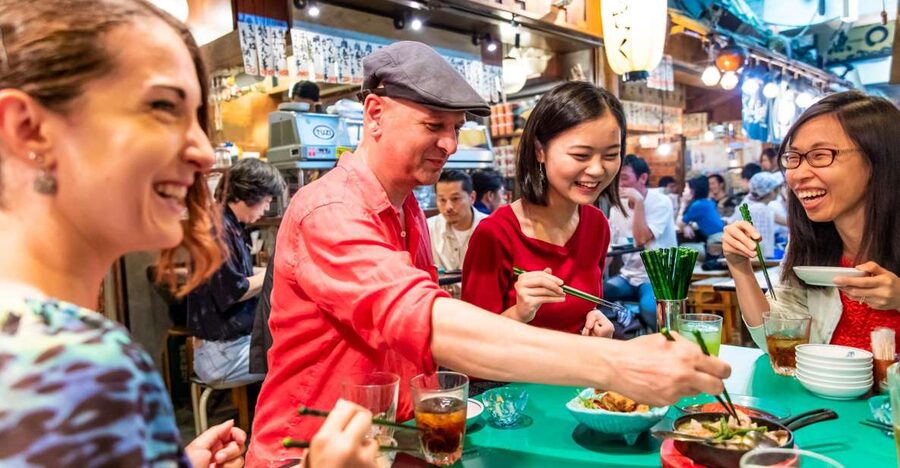
The tour includes eight to ten local dishes and drink tastings at two or three eateries. That sounds generous for three hours, but many izakaya dishes are designed for sharing, and tastings may be smaller than a full restaurant meal.
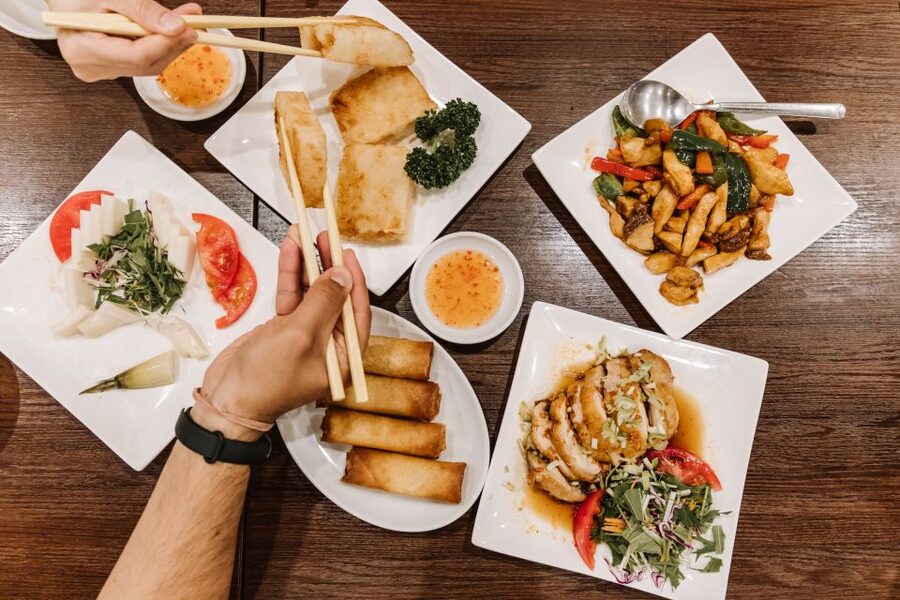
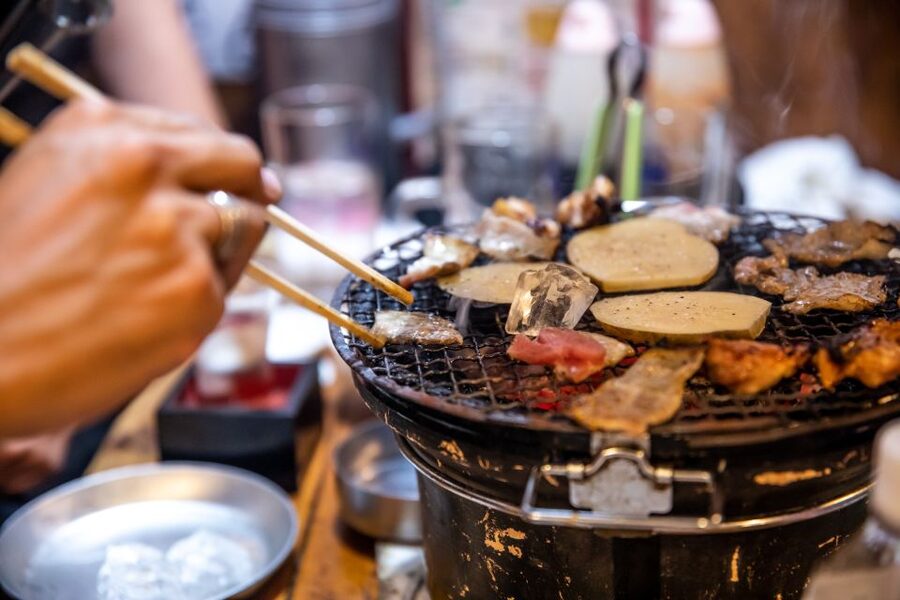
A typical progression could include crispy karaage, grilled skewers, miso eggplant, ramen, oden, plum wine, sake, or another local drink. The available foods depend on the route, the season, the restaurants open that day, and your preferences. You should arrive hungry, but not so hungry that you rush the conversation and explanations.
The variety is the real point. One stop may focus on fried food, another on grilled items, and another on a dish you would not have chosen from a Japanese menu. Your host can explain what you are eating, where the dish comes from, and how it fits into everyday dining.
You should also tell your host about allergies, religious restrictions, vegetarian needs, and strong dislikes. One guide, Mari, was able to assist with a dietary restriction, and another guide, Till, accommodated a vegetarian, a young child, and different food preferences. That is encouraging, but it is not a guarantee that every restriction can be handled at every stop.
Izakayas and the social side of dinner
Izakayas are casual Japanese drinking and dining places. You order several plates for the table rather than one large main course, making them a natural fit for a tasting tour. They can be lively, compact, and informal, with menus that are not always easy to decode on your own.
Your host acts as translator, dining companion, and local guide. You may learn how to order, what to share, and which drink suits a dish. The social side is part of the experience too. The supplied description points to conversations with locals, shared cheers, and spontaneous bites when an opportunity appears.
That spontaneity can make the evening feel less polished than a standard food tour. You may wait briefly for a popular ramen shop, as one group did when visiting at opening time. You may also spend more time at one place than planned if the food and conversation are working well.
If you want a tightly timed list of ten named dishes, this format may frustrate you. If you want to see how people actually eat and socialize in a Tokyo neighborhood, the loose structure is a strength.
Same city, a different plate:
- Tokyo: Shinjuku Food Tour (15 Dishes and 4 Eateries)
★ 4.9 · 2,033 reviews - Tokyo: Roll and Authentic Sushi Making Class in Asakusa
★ 4.9 · 1,957 reviews - Best of Shinjuku: Izakaya Food Tour (4 Stops, 14+ Tastings)
★ 5.0 · 1,863 reviews - Tokyo: Sushi Making Class in a Happi Coat near a Famous Spot
★ 4.9 · 1,377 reviews
What the guides add beyond food
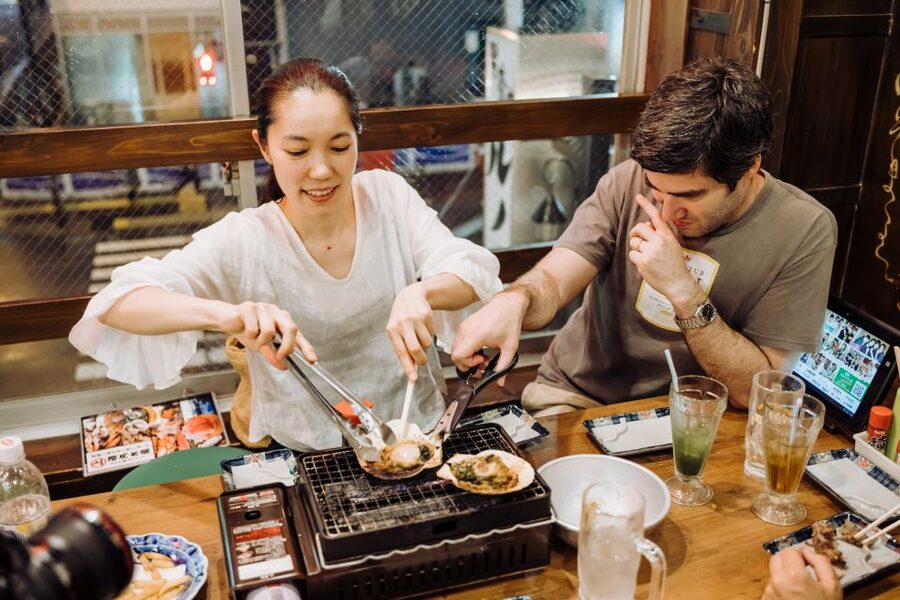
The strongest part of this experience is the human guide. Food is the entry point, but the better guides add context about Tokyo, Japanese customs, and daily routines.
Apy has helped first-time visitors understand Tokyo districts, local cuisine, and the railway system. Steven explained foods, their regional origins, and Japanese customs while chatting over a meal. Michael has combined food with history, sightseeing, and suggestions for vegetarian ramen on a later day.
Mari has taken people to less touristy places, answered questions, and adjusted activities to match their interests. Yuki did the same for a group that wanted to shape the day around specific hopes. Other guides, including Ayaka, Megumi, Martina, and Sergio, have been praised for friendly conversation, local insight, and practical help.
Guide quality can vary because the host is assigned after you complete the questionnaire. One past guide, Susumu, provided excellent English and useful help with train reservations, but gave less area-specific and cultural explanation than expected. That is a useful warning: tell the company and your host exactly how much food education, sightseeing, translation, or transport help you want.
More than dinner: neighborhood orientation
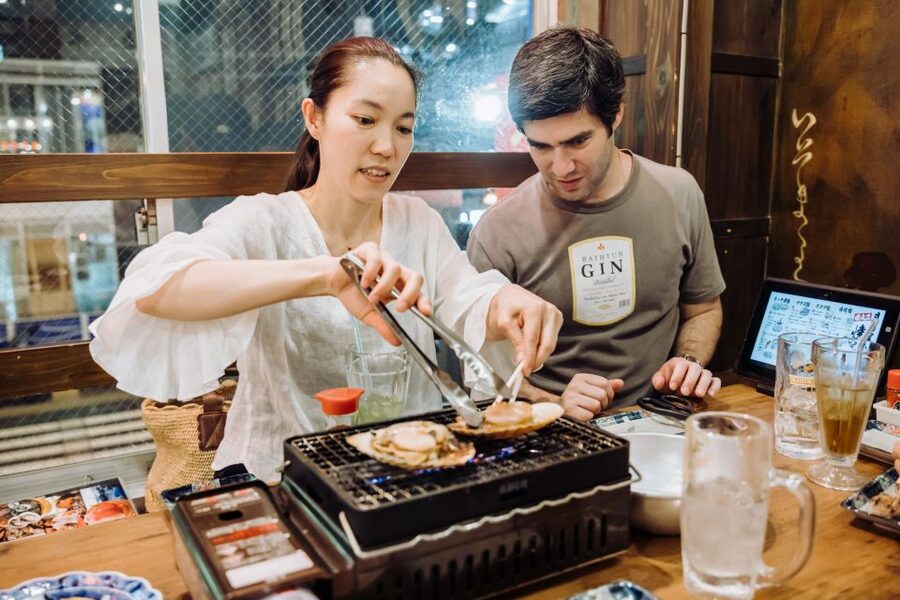
This tour can work as a first activity in Tokyo because it gives you a sense of how the city connects. Several guides have helped people understand rail travel, find later restaurants, and plan the rest of their Japan trips.
The experience may include more than eating. Past routes have included a shrine, bonsai, cherry blossoms, Tsukiji Market, and Ameyoko Street. These details are not promised for every booking, but they show how the private format can expand beyond a restaurant table when your interests point that way.
I would book this early in your trip if you want local food advice for later days. You can ask your host for recommendations, and some guides have suggested restaurants or dishes to try afterward. You may finish with a short list of places that would be difficult to find from a standard guidebook.
Do not expect a full sightseeing tour of Tokyo. Three hours is enough for a neighborhood and several food stops, not for major districts spread across the city. If the route moves between areas, you may use public transport or a taxi, and those costs are separate.
The price: worthwhile for guidance, less so for a simple meal
The price is $172 per person. For three hours, that is a serious food-tour budget, especially because extra food, drinks, attraction tickets, and transport are not included beyond the stated tastings.
The value improves if you want a private host who can translate, adjust the menu, explain customs, and help you find your way around Tokyo. A private group also means you do not need to match the pace or interests of strangers. For first-time visitors, the orientation alone may justify part of the price.
The value is weaker if your main aim is to eat as much as possible for the least money. Tokyo has many affordable meals, and the included food is limited to tastings at two or three eateries. You may also want to budget for extra drinks or dishes if your appetite continues.
I would consider the price reasonable for a couple, family, or small private group that values personal attention. Solo visitors should weigh the cost more carefully, since the per-person price does not become cheaper because the experience is private.
Walking, timing, and access
The activity lasts three hours and runs at available starting times. Since it is a walking tour, comfortable shoes are sensible. You may also use public transport or local taxis between sites, with those fares discussed directly with your host.
Central Tokyo hotel pickup can be arranged. Otherwise, you meet at JR Nakano Station, 5 Chome Nakano, Nakano City, Tokyo 164-0001. Because the tour may take place outside the immediate meeting area, ask your host for the expected route and transport plan before the day begins.
The experience is listed as wheelchair accessible, but the walking format and small local eateries can make conditions different from one stop to another. Discuss mobility needs when you complete the questionnaire so the route can be planned sensibly.
English and Japanese are available. Direct communication before the tour gives you a chance to explain dietary needs, preferred neighborhoods, drinking preferences, and how much walking suits your group.
Who will get the most from this experience?
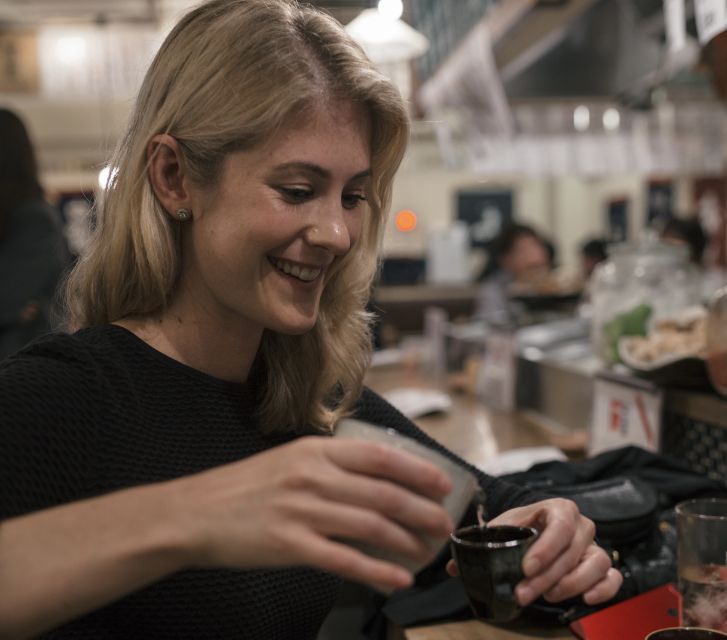
I would recommend it most strongly to first-time visitors who want a gentle introduction to Tokyo food and customs. It also suits families, couples, and small groups with different tastes, since the route can be adjusted instead of forcing everyone into one fixed menu.
Food-curious people will enjoy the chance to try unfamiliar dishes with help close at hand. The same is true for anyone nervous about ordering in Japanese. You can ask questions as they arise, rather than trying to solve every menu and restaurant custom alone.
It may be less suitable for serious food specialists who want a fixed list of acclaimed restaurants or a detailed culinary lecture. It is also not ideal if you dislike walking, want a low-cost dinner, or need guaranteed access to a particular restaurant.
The experience has earned a 4.5 rating from 101 reviews, with repeated praise for friendly hosts, flexible planning, local restaurants, translation, and help with Tokyo transport. The occasional shortfall is clear too: some guides provide more cultural explanation than others, and an early booking mix-up once caused confusion about paying for food. Confirm inclusions with your host at the start.
Should you book this Tokyo food tour?
Book it if you want a private introduction to neighborhood food, practical help in Tokyo, and the freedom to change direction when a dish or district catches your interest. It is particularly useful during your first few days, when a local host can help you understand restaurants, rail travel, and dining customs.
Skip it if you mainly want the cheapest possible meal or a guaranteed restaurant-by-restaurant itinerary. At $172 per person, you are paying for access, translation, companionship, and planning as much as for the eight to ten tastings.
Before booking, use the questionnaire carefully. Name foods you love, foods you avoid, your preferred level of adventure, drinking habits, mobility needs, and how much sightseeing you want. That simple preparation gives your host the best chance of creating the relaxed, personal evening this experience promises.
FAQ
How long does the Tokyo private food tour last?
The experience lasts three hours.
How many dishes and drinks are included?
You receive tastings of eight to ten local dishes and drinks across two or three eateries.
Is this a private tour?
Yes. It is arranged as a private group experience.
Where does the tour meet?
The stated meeting point is JR Nakano Station, 5 Chome Nakano, Nakano City, Tokyo 164-0001, Japan.
Is hotel pickup available?
Yes. Hotel pickup can be arranged from any central Tokyo hotel.
Which languages are available?
The tour is offered in English and Japanese.
Is transportation included?
No. This is a walking tour. Public transport or local taxis may be used between sites, but those costs are additional.
Can the food route accommodate dietary preferences?
The route is personalized around your preferences, and a past guide assisted with a dietary restriction. You should provide full details in the questionnaire and discuss them directly with your host.
Can I choose the type of food I try?
You can share your food preferences, interests, and preferred mood through the questionnaire. Your host then plans a flexible route that may include foods such as ramen, oden, karaage, grilled skewers, miso eggplant, sake, or plum wine.
Is the tour wheelchair accessible?
The experience is listed as wheelchair accessible. Since it is a walking tour and may include different local eateries, discuss your access needs with the host before the tour.
Can I cancel the booking?
Yes. You can cancel up to 24 hours in advance for a full refund.
Do I have to pay when I book?
No. The reserve now and pay later option lets you book without paying immediately.
Fresh off the menu around Tokyo
- Tokyo: Kichijoji Gourmet Tour with Lunch★ 4.5 · 40 reviews
- Tokyo: Locals´ Secret Food Tour // Eat like a Japanese★ 5.0 · 35 reviews
- Tokyo: Easy Ramen Cooking Experience in Kabukicho, Shinjuku★ 4.6 · 321 reviews
- Tokyo: 3-Hour Food Tour of Shinbashi at Night★ 4.9 · 45 reviews
- Tokyo: Authentic Food Tour in Ginza and Shimbashi★ 4.9 · 33 reviews
- Tokyo: 2-Hour Vegan and Vegetarian Ramen Guided Walking Tour★ 4.8 · 33 reviews
- Shinjuku Tokyo: Authentic Japanese Home-Style Culinary Class★ 4.9 · 125 reviews
- Shinjuku: Golden Gai Food Tour★ 4.6 · 77 reviews
Tokyo Food Tours, compared.
Tokyo: Shinjuku Food Tour (13 Dishes at 4 Local Eateries)
Read our review →
Sushi Making Tokyo Roll and Authentic Japanese Sushi Class
Read our review →
Tokyo Tsukiji Fish Market Food and Culture Walking Tour
Read our review →
Best of Shinjuku: Izakaya Food Tour (4 Stops, 14+ Tastings)
Read our review →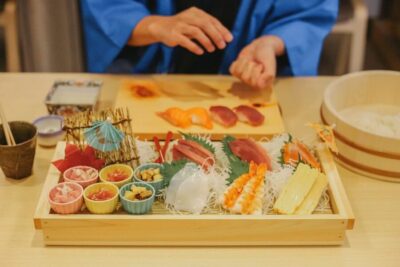
Tokyo: Sushi Making Class in a Happi Coat near a Famous Spot
Read our review →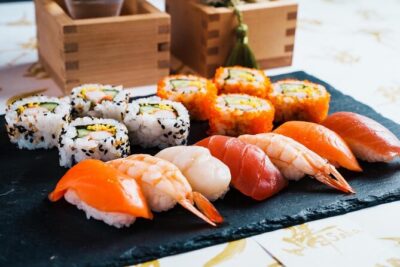
Sushi Making Tokyo! Popular Maki Sushi & Japanese Sushi(+Recipe!)
Read our review →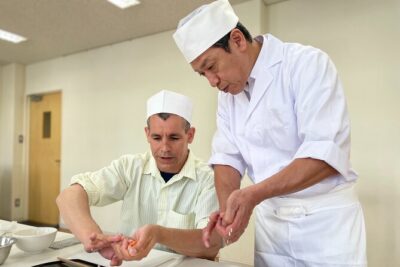
Tokyo Sushi Making Class in Tsukiji with Professional Chef
Read our review →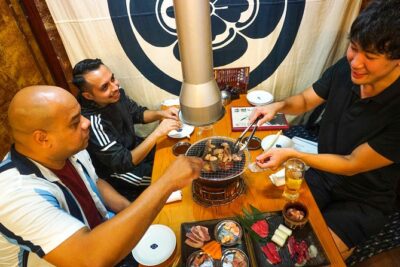
Tokyo Night Foodie Tour in Shinjuku – Seasonal Sushi, Wagyu Beef
Read our review →Browse the lists this tour appears in