
Review · KYOTO
Kyoto: Sushi Making Class with Sushi Chef
Kyoto’s sushi lesson turns a familiar Japanese meal into a hands-on craft. You start with a practice sushi model, then move to real fish, nigiri, and rolls before arranging everything on your plate and eating it. The fish comes from Kyoto Central Wholesale Market, bought early that morning and prepared shortly before class.
I like the small groups of no more than eight, which gives the chef time to correct your grip and answer questions. I also like the photo and video service, since you can focus on shaping sushi instead of constantly reaching for your phone. The main consideration is food: this class is not suitable for people with food allergies, and strong fragrances are not allowed.
Key points to know before booking
- Fresh market fish: Ingredients are purchased at Kyoto Central Wholesale Market early in the morning and prepared for the class.
- A gentle learning curve: You begin with a sushi sample toy before handling real fish and rice.
- Three-hour range: The class can last from 90 minutes to three hours, depending on the session and pace.
- Personal instruction: Groups are limited to eight, with English and Japanese instruction.
- More than rolling: The lesson can include nigiri, maki, sushi etiquette, fish, knives, and preparation methods.
- A meal at the end: You eat the sushi you make, along with Japanese-style dashi soup and tea or water.
Starting near Shijo Karasuma
The class takes place at one of two venues around Shijo Karasuma. The exact room depends on the number of people booked, so you receive a Google Maps link by email rather than a fixed venue shown in advance. At the meeting time, look for the welcome board.
This arrangement is practical, but it means you should check your email before setting out. Do not assume the class is at the same address used by someone else in your party or on an older message. The area is well placed for a Kyoto day, with the class fitting neatly between shopping, temple visits, and time around the Kamo River.
One past class took place at a venue overlooking the river, described as cozy and welcoming. That view may depend on the assigned location, so I would treat it as a pleasant possibility, not a guaranteed feature.
The class is offered in English and Japanese. That matters here because sushi technique is physical and visual. Even when a term is unfamiliar, you can watch the chef’s hand position, follow the demonstration, and copy the movement.
More food workshops around Kyoto:
- Ramen Cooking Class at Ramen Factory in Kyoto
★ 5.0 · 1,937 reviews - Kyoto: Ramen Cooking Class at a Ramen Factory with Souvenir
★ 4.9 · 532 reviews - Kyoto: Ramen, Gyoza, and Onigiri Cooking Class
★ 5.0 · 445 reviews
From toy sushi to real nigiri
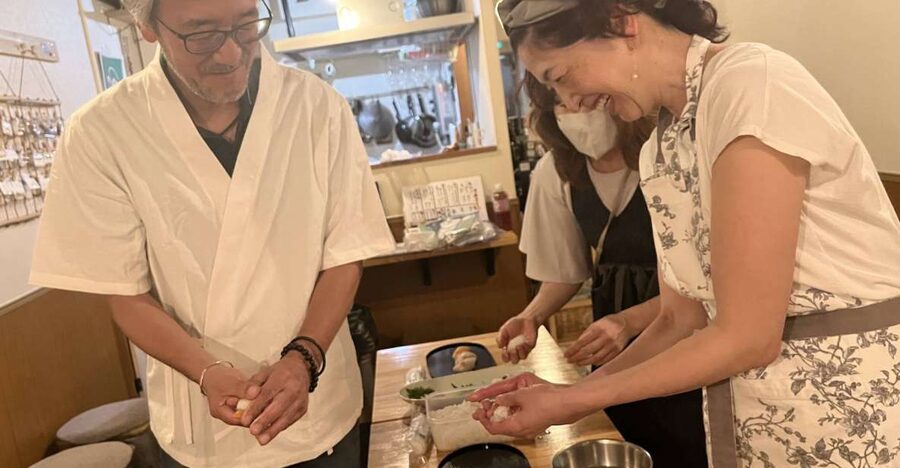
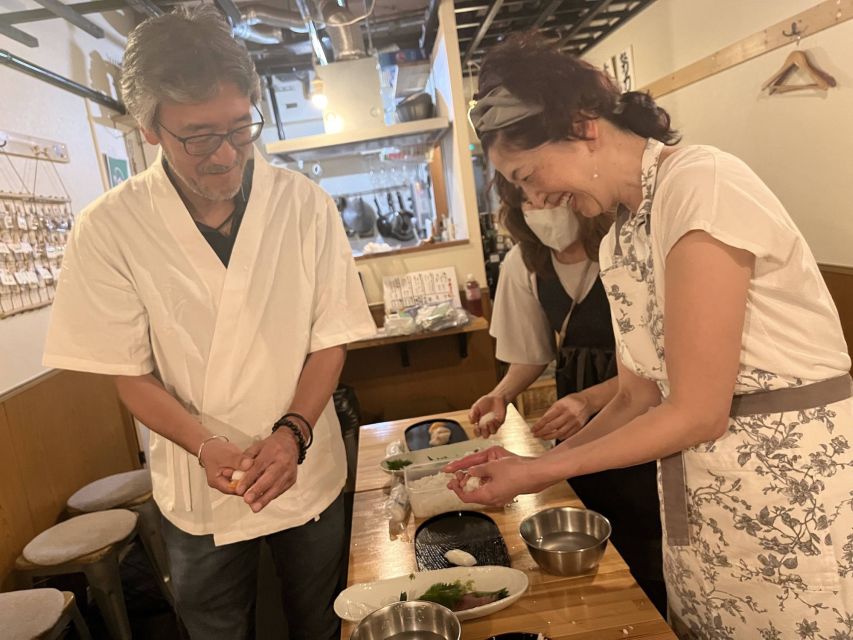
The opening exercise uses a sushi sample toy. This may sound aimed at children, but it is a useful start for adults too. Nigiri looks simple, yet the pressure of your fingers matters. Too much force can crush the rice, while too little leaves the piece loose.
Once you have practiced, the chef moves you to real nigiri sushi. You learn to place fish over the rice and shape the piece with care. The lesson is not only about making food that looks good. It gives you a better sense of why sushi chefs use such controlled movements.
This gradual approach is one reason the class suits families. A five-year-old was able to enjoy the activity with a patient teacher, and older children and teenagers also handled the process well. The instructors Hide, Nami, Yutaka, Yone, Yune, and Yukihide have all been praised for clear demonstrations and calm guidance in different sessions.
You should not expect to become a professional sushi chef in one visit. You can, however, leave with a practical understanding of the basic form and enough confidence to keep practicing at home.
Fresh fish from Kyoto Central Wholesale Market
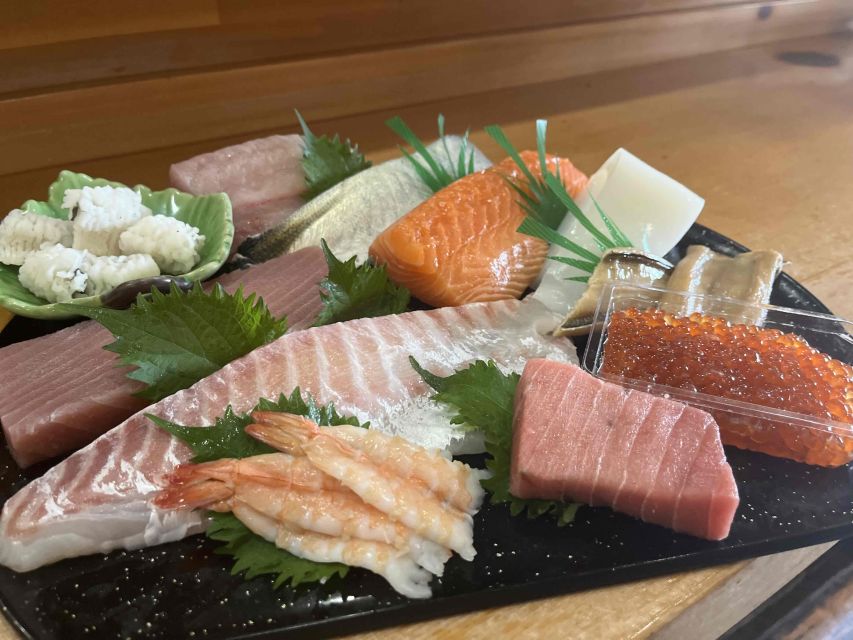
The fish is bought early each morning at Kyoto Central Wholesale Market and prepared shortly before the class. That timing gives the meal a strong connection to Kyoto’s food culture, even though you are not touring the market itself.
You can also learn about the fish being used. One instructor explained the different fish, the knives used for particular jobs, and the reasons behind certain steps. That extra context makes the meal more than a simple cooking activity. It helps you notice texture, cut, and presentation when you order sushi later in Japan.
The quality of the fish received repeated praise, including from people who were not big fans of raw fish. That does not mean every diner will suddenly like every piece. It does mean the class offers a careful introduction, with fresh ingredients and an instructor present to explain what you are eating.
The class information does not promise that you will cut the fish yourself. In fact, one participant specifically wished for more preparation work, including cutting the fish and making the rice. If you want a full kitchen lesson from raw ingredients, this may feel limited. If your main goal is shaping and eating good sushi, the prepared fish keeps the class moving and makes it easier for beginners.
Making maki with a special tool
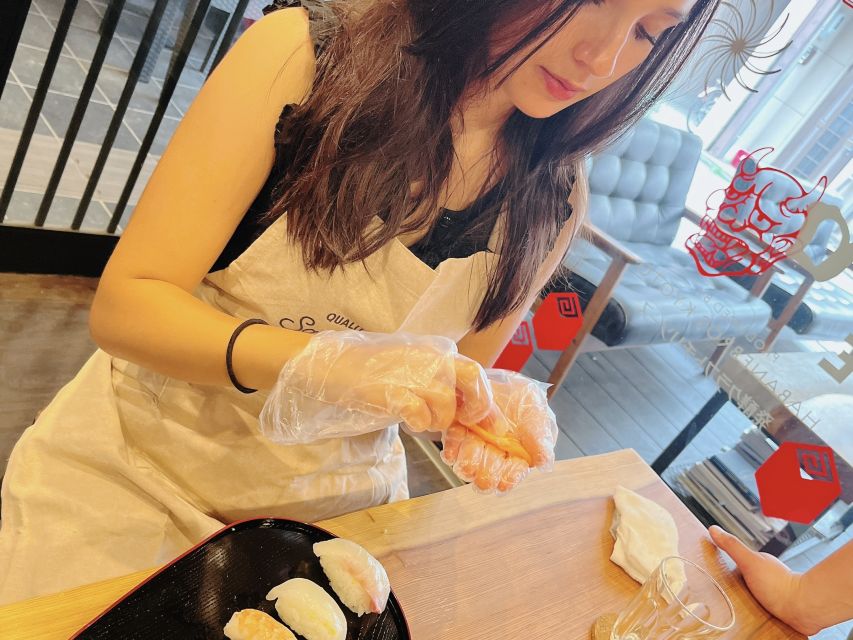
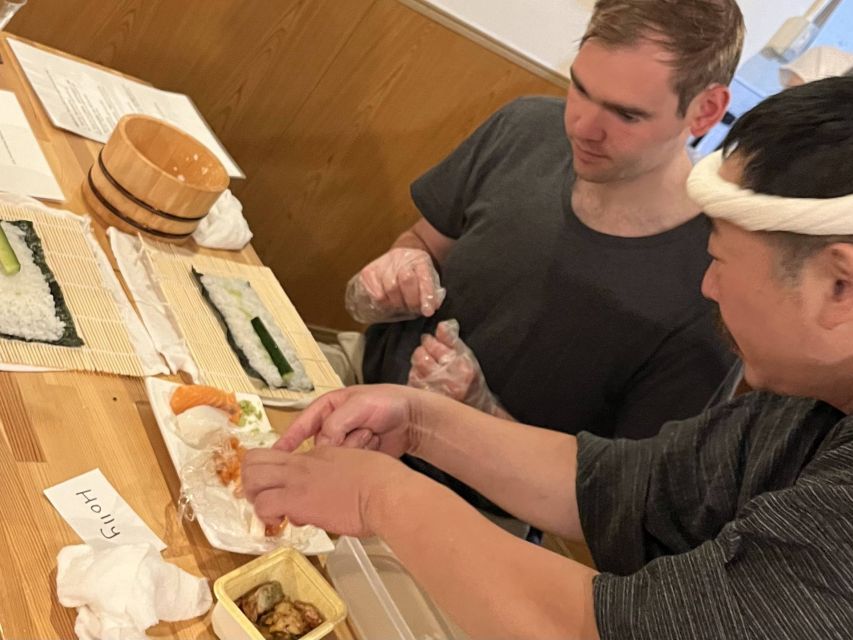
After nigiri, you make a sushi roll using a special tool. This gives you a second style of sushi to practice. Maki can look easy, but filling, tightening, and cutting a roll neatly takes coordination.
The tool makes the process more approachable, particularly for children and first-time cooks. You still need to handle the rice and fillings carefully, but the equipment gives the roll structure while you learn.
The lesson has been described as including three different types of sushi in some sessions. The exact selection may vary, but the basic pattern is clear: practice first, make nigiri, prepare rolls, then arrange the finished pieces for your meal.
I like this order because it keeps the class active. You are not sitting through a long demonstration before being allowed to touch anything. You learn one shape, then move to another, with the instructor able to help before a small mistake becomes a messy plate.
More food tours around Kyoto:
- Kyoto Night Foodie Tour in Gion (9+ dishes + 6 Sake tastings)
★ 5.0 · 1,762 reviews - Nishiki Market Brunch Walking Tour (7 Tastings + Brunch)
★ 5.0 · 1,355 reviews - Kyoto Night All-Inclusive Eats and Streets, Gion and Beyond
★ 4.6 · 576 reviews - Kyoto: Gion & Pontocho Food Tour with 13 Dishes
★ 4.9 · 235 reviews
Arranging the plate and eating your work
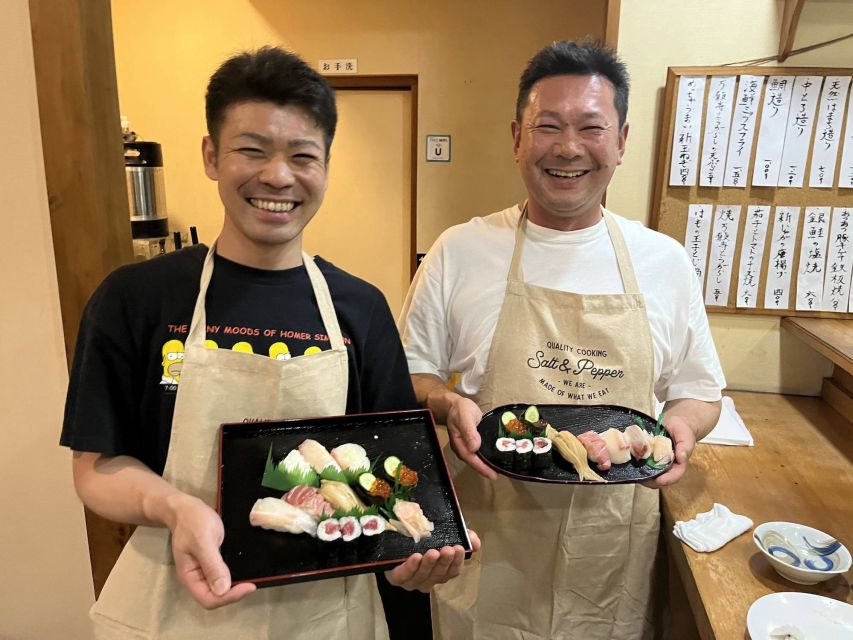
At the end, you decorate your sushi plate with the pieces you made. This final step gives the class a clear finish. You see the difference between the first practice attempt and the food in front of you, then sit down to eat it as a lunch.
The meal includes Japanese-style dashi soup and tea or water. Dashi is a savory Japanese stock, and it makes a good partner for sushi without competing with the fish. The meal is modest, but it is part of the value: you are not paying only for a demonstration or a recipe. You are making and eating the main dish yourself.
Several sessions also included a short lesson in sushi etiquette. You may learn how sushi is eaten in a restaurant and how to handle it politely. This is useful for the rest of your Japan trip, especially if you plan to visit sushi counters or traditional restaurants.
The food portion is also a strength for families. Children get a clear reward at the end, and adults can compare the pieces they shaped. The experience is social without requiring a large group. With a maximum of eight people, the room should feel more like a shared lesson than a scheduled food show.
What the camera service adds
The staff take photos and videos during the class and share the data afterward. This is a small but smart feature. Cooking requires both hands, and trying to document each step can make you miss the demonstration.
The photos can also capture the less polished parts of the lesson: the first toy practice, the shaping process, and the final plate. You can focus on listening and working, then look back at the experience later.
The information does not specify how many images or videos you receive, so do not book this expecting a professional photo session. Think of it as a useful record of the class, handled by the staff while you concentrate on sushi.
A patient class for children and beginners
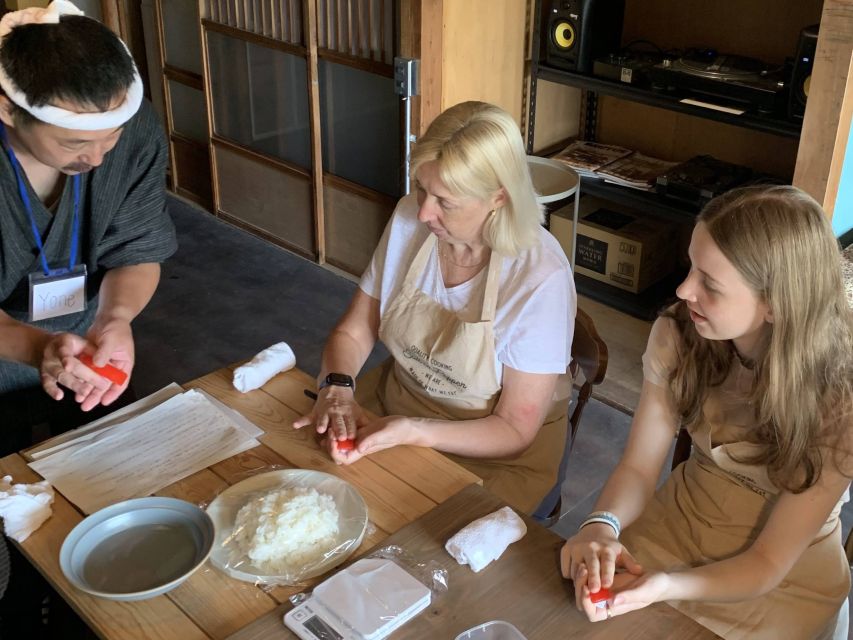
The strongest pattern in the experience is the teaching. Hide is repeatedly described as relaxed, patient, and easy to follow, with decades of experience as a sushi chef. Other instructors, including Nami, Yutaka, Yone, Yune, and Yukihide, have also been praised for clear explanations and friendly guidance.
That variety matters because the instructor for your session may not be the same person listed in someone else’s account. The class is built around a chef-led format rather than one named teacher guaranteed for every booking.
Families should find the pace approachable. A five-year-old enjoyed the class, and teenage children were able to make sushi that looked and tasted good with guidance. The sample toy at the start removes some pressure, while the small group allows the teacher to help individual participants.
Adults who already make sushi at home may find the lesson basic in places. You are unlikely to cover every part of professional preparation. The value is strongest for beginners, families, curious eaters, and people who want to understand sushi etiquette and technique before ordering more widely in Japan.
Allergies, fragrances, and other practical limits
People with food allergies should not book this experience. The supplied information specifically says it is not suitable for people with food allergies, so do not assume substitutions are available.
Gluten-free needs have been accommodated in at least some sessions, with extra support and even translation help for other restaurants. Still, you should contact the provider before booking rather than rely on a past accommodation. A dietary preference is not the same as a serious allergy, and the class may involve fish, soy-based products, and other ingredients.
Strong fragrances are not allowed. This rule makes sense in a small room where the smell of perfume can affect both the chef and the food. Arrive without heavy fragrance, and you will also be more considerate of the rest of the group.
The class is listed as lasting from 90 minutes to three hours. That is a wide range, so check the available start time and expected duration when you book. A shorter session may suit a packed sightseeing day, while a longer session gives more room for questions, etiquette, and careful practice.
Is $74 a fair price?
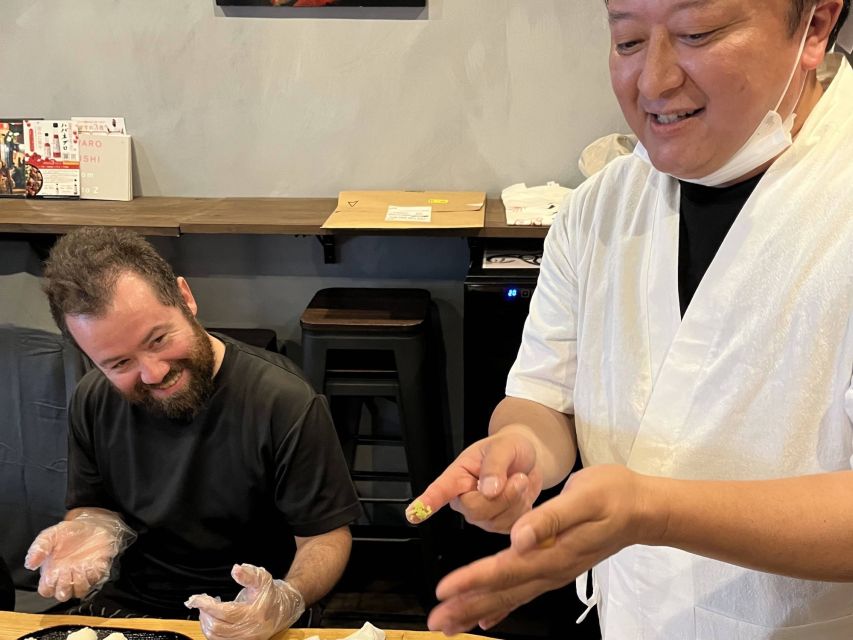
At $74 per person, the class sits above a simple meal but includes much more than lunch. You receive instruction from a sushi chef, fresh fish bought at the wholesale market, the meal you prepare, dashi soup, tea or water, and shared photo data.
The price makes the most sense if you value the process. A restaurant meal could cost less, especially if you choose inexpensive sushi. It would not give you the same chance to shape nigiri, make maki, ask about knives and fish, and take the result to your own table.
The small group also improves the value. Eight people is still enough for a social setting, but it is not a crowded demonstration where you only watch from the back. If you are booking for a family, the cost covers an activity that combines food, learning, and a shared memory.
I would compare it with the cost of a standard meal plus a separate cultural activity. On that basis, $74 is reasonable for anyone who wants active participation rather than another meal eaten at a counter.
Who should book this Kyoto sushi class?
I would recommend it to first-time sushi makers, families with children, couples who want a food activity, and anyone who plans to eat sushi during a Japan trip but wants more confidence first. It is also a good rainy-day option because the main activity takes place indoors and does not depend on sightseeing weather.
It suits people who enjoy guided learning but do not want a formal, high-pressure cooking course. The toy practice, patient instruction, and prepared fish keep the technical demands manageable.
I would think twice if you have serious food allergies, dislike raw fish, or want to prepare every ingredient from the beginning. The class focuses on shaping nigiri and rolls, not on a complete lesson in rice cooking, fish cutting, or professional knife work.
Should you book it?
Book this class if you want to understand sushi by making it yourself, not simply eating it. The fresh market fish, small group, patient chefs, etiquette tips, and final meal give the experience real substance for the price.
Skip it if your schedule cannot handle the uncertain 90-minute to three-hour range, or if you need firm control over every ingredient. For everyone else, this is a practical and friendly way to add food culture to a Kyoto itinerary, with skills you can keep using after you return home.
FAQ
Where does the sushi class take place?
It takes place at one of two venues around Shijo Karasuma. The exact venue depends on the number of participants, and a Google Maps link is sent by email.
How will I find the meeting point?
At the scheduled time, the staff will be present with a welcome board. Check the emailed map link before leaving for the class.
How long does the class last?
The stated duration is between 90 minutes and three hours. Check the available session details when booking because the exact length can vary.
What languages are spoken?
Instruction is available in English and Japanese.
How many people are in each group?
The class is limited to eight participants, making it a small-group activity.
What will I make?
You begin by practicing with a sushi sample toy, then make real nigiri sushi and a sushi roll using a special tool. Some sessions include three different types of sushi.
Is the fish fresh?
The fish is bought early each morning at Kyoto Central Wholesale Market and prepared shortly before the class.
Do I eat the sushi I make?
Yes. After decorating your sushi plate, you eat the sushi as a meal. Japanese-style dashi soup and tea or water are also included.
Are photos and videos included?
Yes. Staff take photos and videos during the class and share the data with you afterward.
Can people with food allergies join?
The activity is not suitable for people with food allergies. Strong fragrances are also not allowed. Gluten-free support has been provided in some sessions, but you should confirm your needs with the provider before booking.
Fresh off the menu around Kyoto
- Nishiki Market Food Tour with Cooking Class★ 4.9 · 42 reviews
- Kyoto: Small-Group Authentic Sushi Making Workshop★ 5.0 · 137 reviews
- Kyoto: Ramen, Gyoza, and Onigiri Cooking Class★ 5.0 · 445 reviews
- Kyoto: Sake Brewery and Tasting Tour in Fushimi★ 4.8 · 55 reviews
- Kyoto: Foodie Night Tour in Gion with 9 dishes + 6 Sake★ 4.4 · 26 reviews
- Kyoto: Nishiki Market Tour with a Local Foodie & Tastings★ 4.5 · 67 reviews
- Kyoto: Ramen Cooking Class at a Ramen Factory with Souvenir★ 4.9 · 532 reviews
- Kyoto Evening Gion Food Tour★ 4.9 · 35 reviews
Kyoto Food Tours, compared.
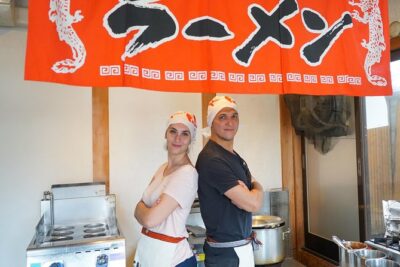
Ramen Cooking Class at Ramen Factory in Kyoto
Read our review →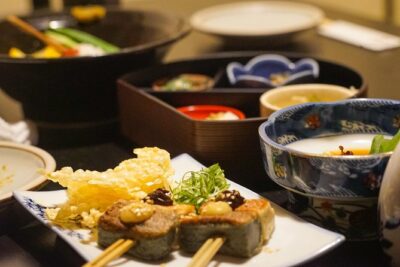
Kyoto Night Foodie Tour in Gion (9+ dishes + 6 Sake tastings)
Read our review →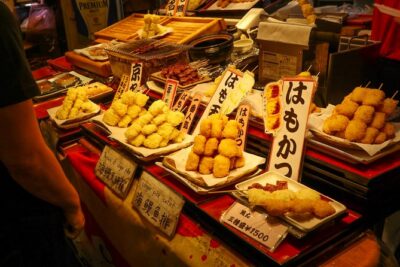
Nishiki Market Brunch Walking Tour (7 Tastings + Brunch)
Read our review →
Kyoto Night All-Inclusive Eats and Streets, Gion and Beyond
Read our review →
Kyoto: Gion & Pontocho Food Tour with 13 Dishes
Read our review →
Gyoza Cooking Class in Kyoto: Traditional Japanese Dumplings
Read our review →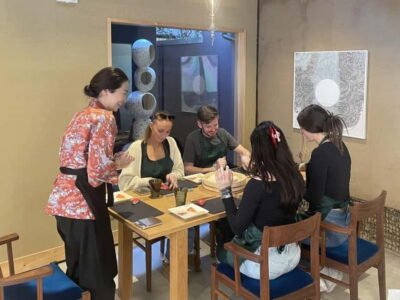
Kyoto: Small-Group Authentic Sushi Making Workshop
Read our review →Browse the lists this tour appears in