
Review · KYOTO
Kyoto Evening Gion Food Tour
Gion is at its most atmospheric after sunset, when lanterns glow along narrow lanes and old teahouses frame the walk. This three-hour tour pairs that evening scenery with a 10-course kaiseki dinner, so you get both Kyoto’s streets and its table in one outing.
I like the small group of up to 10, which gives your guide room to explain Maiko and Geiko culture without turning the walk into a moving crowd. I also like the chance to sample small Kyoto snacks before dinner. The main consideration is that this is more of a Gion neighborhood walk with a substantial restaurant meal than a stop-by-stop food crawl.
Key points to know before booking
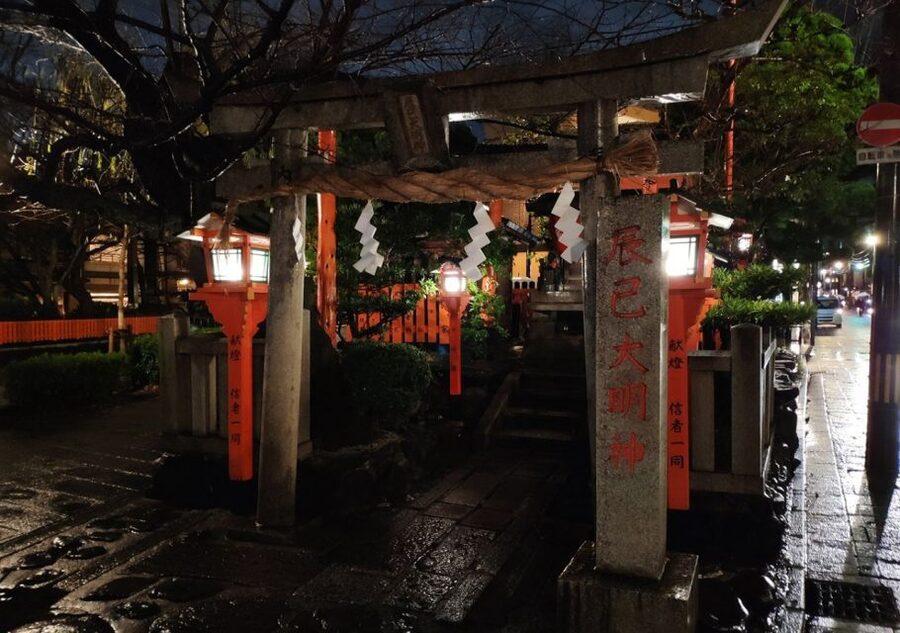
- Twilight timing: Gion and Shirakawa are especially atmospheric as lanterns come on and the old streets quiet down.
- Ten-course dinner: Seasonal and regional ingredients arrive in carefully arranged courses, with dessert and one drink included.
- Small-group format: The group is limited to 10 people, and the live tour is conducted in English.
- Culture beyond costumes: The guide explains current Maiko and Geiko practices, not just the visual appeal of kimono and teahouses.
- A little food before dinner: You make several snack stops, though the main meal is served at the final restaurant.
- Plan for punctuality: Meet in front of the Japan Kanji Museum and Library, and do not count on a late arrival. The guide waits only five minutes.
Gion after sunset, with a guide who sets the scene
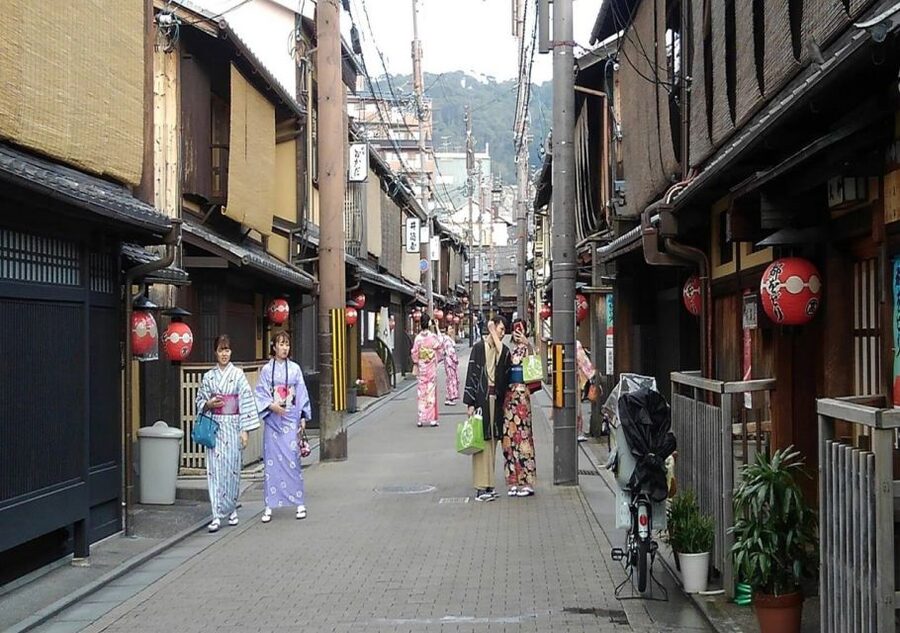
The best part of this outing is the timing. Gion can feel busy in daylight, but the mood changes as evening arrives. Lanterns begin to glow, wooden facades catch the last light, and the narrow lanes of Gion and Shirakawa take on the quiet look people hope to find in old Kyoto.
Your meeting point is in front of the Japan Kanji Museum and Library in Gionmachi Minamigawa. The guide holds a sign, and the group leaves promptly. The five-minute waiting limit is worth taking seriously. Give yourself extra time to reach Gion, since a rushed arrival is a poor start to a walking tour that depends on atmosphere.
The route focuses on historic streets, traditional architecture, and the old entertainment district. You are not simply being led from one restaurant to another. The walk gives shape to the neighborhood, helping you understand why the small lanes, teahouses, and carefully maintained facades matter.
I would treat this first part as a cultural orientation. If this is your first evening in Kyoto, it can help you read the city more confidently for the rest of your stay. The guide can also explain local etiquette and practical ways to get around Japan, a detail that David especially valued during his tour with the guide Russ.
More Evening Food Tours in Japan
- Kyoto Night Foodie Tour in Gion (9+ dishes + 6 Sake tastings)
★ 5.0 · 1,762 reviews - Kyoto Night All-Inclusive Eats and Streets, Gion and Beyond
★ 4.6 · 576 reviews - Kyoto: Casual Pontocho Evening Food Tour
★ 4.8 · 31 reviews
Understanding Maiko and Geiko culture
Gion is closely linked with Kyoto’s Maiko and Geiko traditions, but it is easy to reduce this world to a few postcard images. A good guide gives you a more useful picture. The tour explains the history and current practices of these performers, along with the artistry, training, and formal customs behind the clothing and public appearances.
That context matters. You may see someone in kimono during your walk, but the tour encourages you to understand the difference between a staged tourist display and the working culture of Kyoto’s entertainment districts. Your guide can also explain how to behave respectfully around people moving through the neighborhood.
Several guides have received particularly warm praise for making this subject clear and personable. Sae was described as giving detailed explanations while also pointing out good spots for snacks and souvenirs. Miki was praised for linking the food, Gion, and the Geisha world in a way that made the district easier to understand. Marie and Mickey were also singled out for their energy and friendly manner.
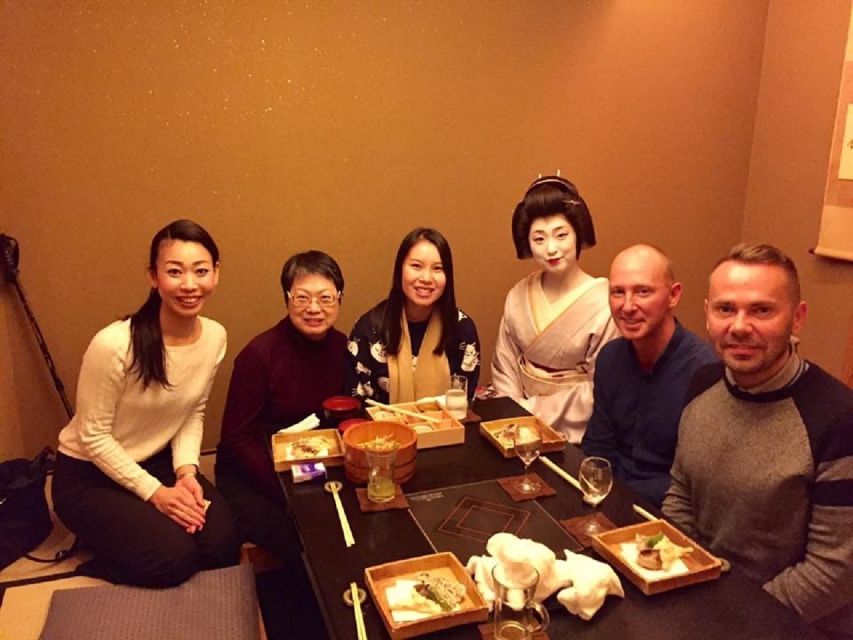
Sightings are never the reason to book this tour. You could see a Maiko or Geiko, as happened for one group, but that is luck rather than a promised feature. The dependable experience is the explanation of the culture and the chance to walk through the district at the right hour.
Shirakawa lanes and Kyoto architecture
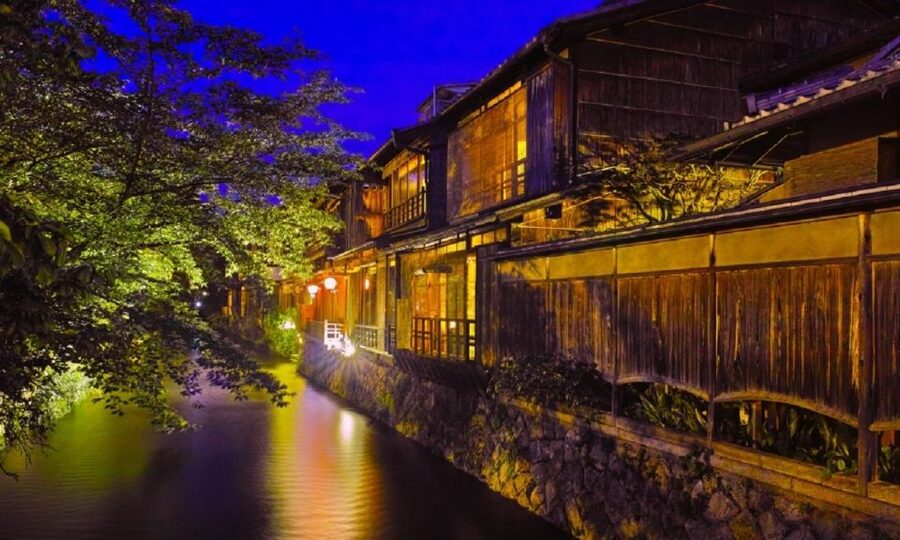
The Shirakawa area gives the walk some of its prettiest scenery. Water, bridges, traditional buildings, and lantern-lit lanes create a calm setting that feels very different from Kyoto’s larger streets. The appeal is not one grand monument. It is the way small details work together: woodwork, tiled roofs, narrow entrances, and the measured design of the old neighborhood.
You will walk for much of the three hours, so comfortable shoes are essential. The tour is not designed for someone who wants to sit between every stop. At the same time, the pace appears to leave room for stories, food samples, and questions, especially because the group is capped at 10.
The architectural walk also gives the dinner more meaning. Kaiseki is not only about taste. Presentation, season, ceramics, spacing, and the order of courses all matter. Seeing Kyoto’s traditional buildings first helps you notice the same care in the meal later.
If you visit during cherry blossom season, the streets can be especially attractive. One spring outing combined the walk with blossoms and a meal, while another took place during Sakura season and included a fortunate sighting of a Maiko and Geiko. These seasonal touches are bonuses, not guarantees, but they show why the evening setting works so well.
Snack stops that introduce Kyoto flavors
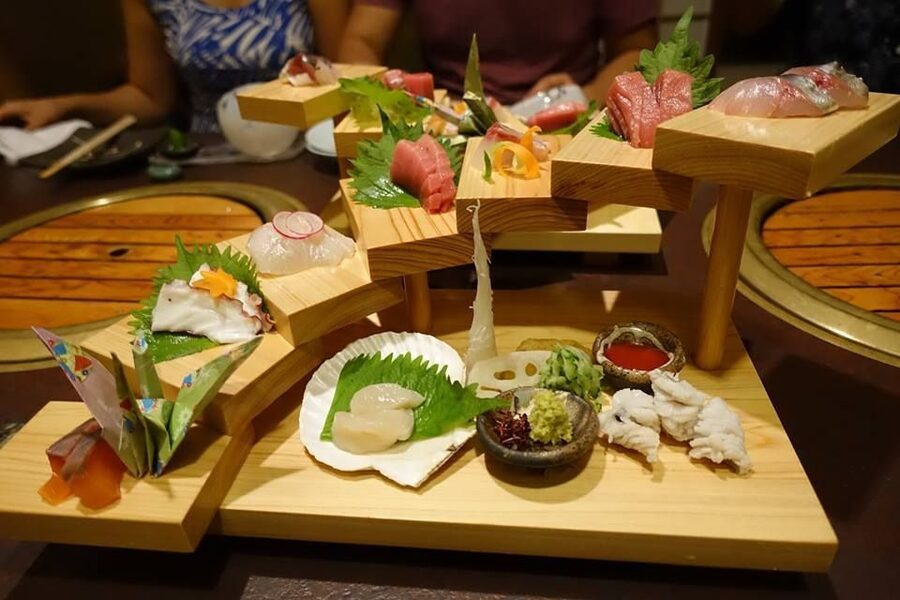
The tour includes several small stops for traditional Kyoto snacks. These are useful because they let you taste local food in modest portions before the main dinner. You might find familiar ingredients prepared in a new way, or notice how much care goes into a bite that looks simple.
The exact snack selection is not specified, so do not book this expecting a fixed menu of named dishes. What is clear is that the food stops are part of the neighborhood walk, not a replacement for dinner. One detailed account described only two bites in stores along the way and judged the outing to be primarily a Gion tour followed by a restaurant meal.
That distinction helps you choose correctly. If your priority is visiting many food counters and eating throughout the entire walk, this may feel light on snacks. If you want a little tasting, local context, and then a proper sit-down meal, the format makes sense.
The guides add value here by explaining what you are eating and where it fits into Kyoto’s food culture. They can also point out shops and souvenir stops. Sae received special credit for including both food and shopping suggestions without rushing the group.
Be sure to tell the operator about allergies or dietary requirements before the tour. Russ handled a group with several food restrictions successfully, but advance notice is still important. You should not assume every course can be changed on the spot.
More Evening Food Tours in Kyoto:
- Kyoto: Foodie Night Tour in Gion with 9 dishes + 6 Sake
★ 4.4 · 26 reviews - Winner 2025 Rome Twilight Trastevere Food Tour by Eating Europe
★ 5.0 · 5,157 reviews - Winner 2025 Florence Sunset Food & Wine Tour by Eating Europe
★ 5.0 · 5,015 reviews - Saigon By Night and Street Food By Motorbike | Opt: Ao Dai Riders
★ 5.0 · 4,066 reviews
The 10-course kaiseki dinner
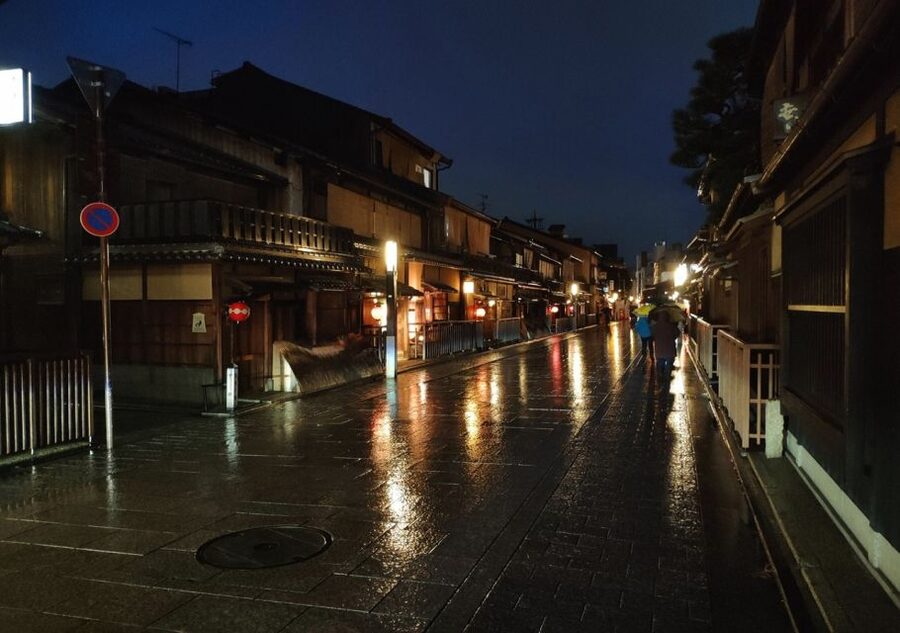
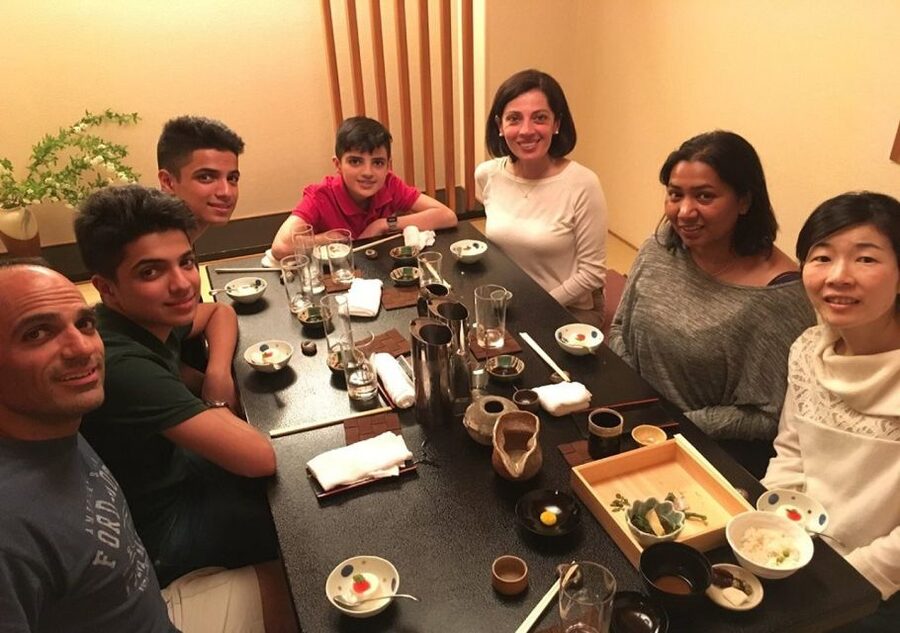
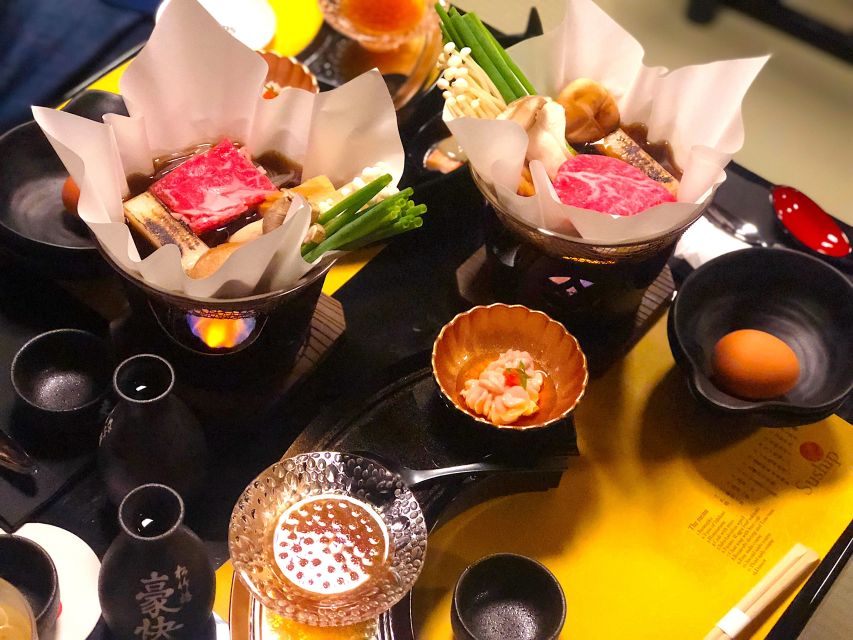
The final restaurant meal is the centerpiece of the food side of the experience. You receive 10 courses, dessert, and one drink. The menu uses seasonal and regional ingredients, with each course arranged on small Japanese ceramics.
Kaiseki is best approached as a sequence rather than one large plate. A course may focus on a delicate texture, a clean broth, grilled fish, vegetables, tofu, or another seasonal ingredient. The supplied description points to flavors such as miso, yuba, and smoky grilled fish, though the actual menu will change with the time of year.
The presentation is part of the pleasure. Small dishes and careful arrangement encourage you to pause and notice color, texture, and temperature. This is not the meal for someone who wants one giant serving of a single familiar dish. It is a gradual meal built around variety and restraint.
Several guides were praised for making the dinner feel special, and the food itself was repeatedly described as delicious or superb. One account called it a feast for both the eyes and the mouth. Another was more reserved, calling the food good rather than exceptional, while praising the restaurant atmosphere and the guide’s handling of the evening.
That mixed assessment is useful. You should expect a polished cultural dining experience, not necessarily the finest meal of your Japan trip. The value comes from the combination of food, setting, explanation, and the ease of having the dinner arranged as part of the evening.
One drink is included. Additional drinks and extra food cost more, so budget accordingly if you would like to linger over sake, beer, or another beverage.
What the $216 price really covers
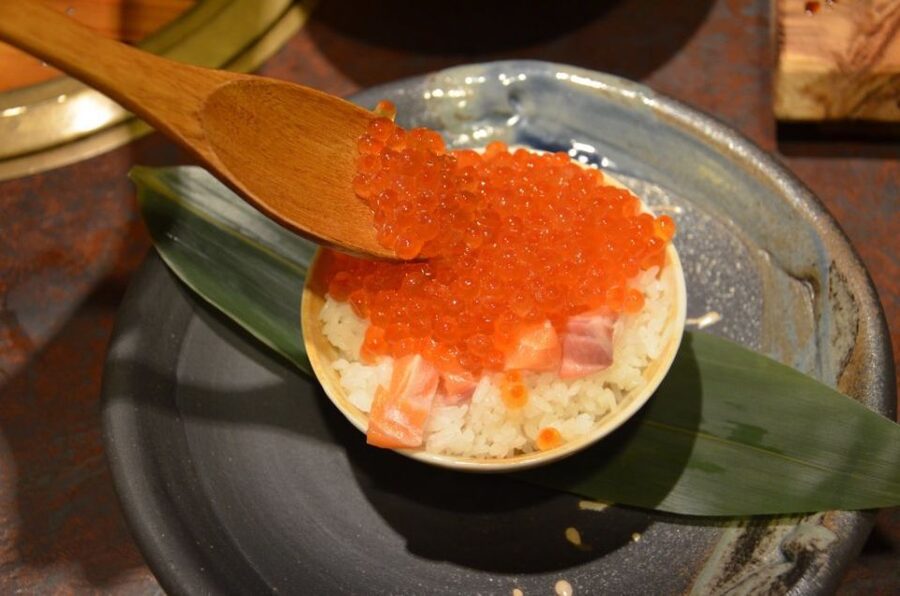
At $216 per person, this is a serious splurge for a three-hour activity. The price includes a local English-speaking guide, the Gion and Shirakawa walk, snack stops, a 10-course dinner, dessert, and one drink. It does not include hotel pickup, transportation, or additional food and drinks.
I see the value most clearly for a first evening in Kyoto. You are paying for a small group, a guide who can explain a difficult cultural subject, and a formal meal that might be harder to arrange with confidence on your own. The dinner alone is only part of the cost. The guiding and neighborhood access are what turn it into an organized introduction to old Kyoto.
The value is less convincing if you mainly want cheap local eating. You can spend far less on casual Kyoto dishes, and this is not a long procession of restaurant stops. You also need to pay your own way to the meeting point and back afterward.
The small group helps justify the cost. Ten people is large enough to keep the price below a private tour, but small enough for questions and personal attention. Past guides such as Sae, Miki, Marie, Mickey, and Russ have been praised for being friendly, clear, and patient. Since guide quality can shape the evening, that is an important part of the purchase.
Timing, walking, and practical details
The tour lasts three hours, with starting times varying by availability. Evening is the right choice for Gion, but it can also mean a later dinner and a walk after dark. Wear comfortable shoes and bring only what you want to carry through narrow streets.
The meeting point is:
Japan Kanji Museum and Library
Gionmachi Minamigawa, Higashiyama Ward
Kyoto, Kyoto Prefecture 605-0074, Japan
The guide waits no more than five minutes after the scheduled start. I would arrive early, especially if you are unfamiliar with Kyoto’s streets.
A minimum of two people is required per booking. A copy of passport information is required for every participant aged 10 and over. The tour is offered in English, and hotel pickup can be arranged for an extra charge, but it is not included.
Cancellation is free up to 24 hours before the start time, and you can reserve now and pay later. Those terms are helpful if your Kyoto schedule is still moving around, but they do not remove the need to confirm the start time and plan your transportation.
Who will enjoy this Kyoto evening most
I would recommend this tour to you if you want a guided introduction to Gion and prefer one well-planned dinner over a long list of casual tastings. It suits first-time visitors who want cultural context, couples looking for a special evening, and families with older children who can manage a three-hour walk and a formal meal.
It is also a good fit if you are curious about Maiko and Geiko culture but want more than a photo opportunity. The guide’s explanations are a major part of the experience.
You may want something else if you are a serious food hunter seeking many independent restaurants, market bites, or extensive tastings. The snack stops are limited, and the main food event happens at one restaurant. Diners with complex allergies should contact the operator before paying and explain their needs clearly.
Should you book the Kyoto Evening Gion Food Tour?
Book it if you want Gion at twilight, a small-group walk, clear cultural background, and a carefully presented 10-course dinner in one compact evening. It is an efficient way to get your bearings in Kyoto while enjoying a meal that feels more formal than everyday sightseeing food.
Skip it if $216 feels too high for a three-hour outing or if your main goal is a full food crawl. The honest description is a Gion neighborhood tour with snack samples and a kaiseki dinner at the end.
For the right audience, that balance is the strength. You get the lantern-lit streets, the old architecture, the stories behind Maiko and Geiko culture, and a memorable seasonal meal without having to coordinate the evening yourself.
FAQ
How long does the Kyoto Evening Gion Food Tour last?
The tour lasts three hours.
Where does the tour meet?
Meet in front of the Japan Kanji Museum and Library at Gionmachi Minamigawa, Higashiyama Ward, Kyoto. The guide will hold a sign.
What food and drinks are included?
The experience includes several snack stops, a 10-course dinner, dessert, and one drink. Additional drinks and food are not included.
Is the tour conducted in English?
Yes. The tour has a live English-speaking guide.
How large is the group?
The group is limited to 10 participants.
What should I know before booking?
Wear comfortable walking shoes, and tell the operator about food allergies or dietary requirements. At least two people are required per booking, and participants aged 10 and over must provide a copy of their passport information.
Fresh off the menu around Kyoto
- Kyoto: Sushi Making Class with Sushi Chef★ 4.8 · 64 reviews
- Nishiki Market Food Tour with Cooking Class★ 4.9 · 42 reviews
- Kyoto: Small-Group Authentic Sushi Making Workshop★ 5.0 · 137 reviews
- Kyoto: Ramen, Gyoza, and Onigiri Cooking Class★ 5.0 · 445 reviews
- Kyoto: Sake Brewery and Tasting Tour in Fushimi★ 4.8 · 55 reviews
- Kyoto: Nishiki Market Tour with a Local Foodie & Tastings★ 4.5 · 67 reviews
- Kyoto: Ramen Cooking Class at a Ramen Factory with Souvenir★ 4.9 · 532 reviews
- Kyoto: Foodie Night Tour in Gion with 9 dishes + 6 Sake★ 4.4 · 26 reviews
Kyoto Food Tours, compared.
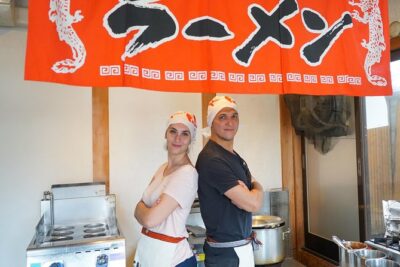
Ramen Cooking Class at Ramen Factory in Kyoto
Read our review →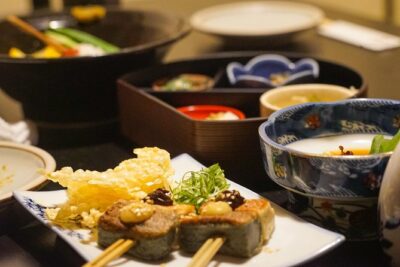
Kyoto Night Foodie Tour in Gion (9+ dishes + 6 Sake tastings)
Read our review →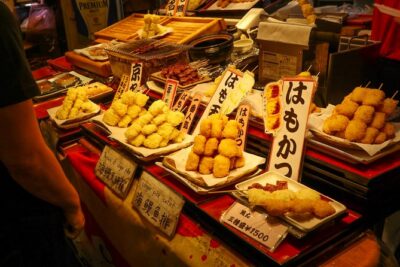
Nishiki Market Brunch Walking Tour (7 Tastings + Brunch)
Read our review →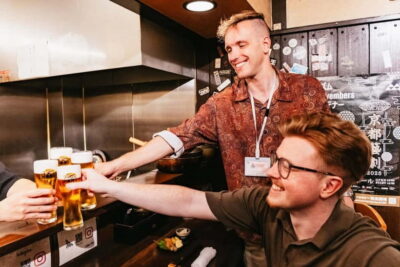
Kyoto Night All-Inclusive Eats and Streets, Gion and Beyond
Read our review →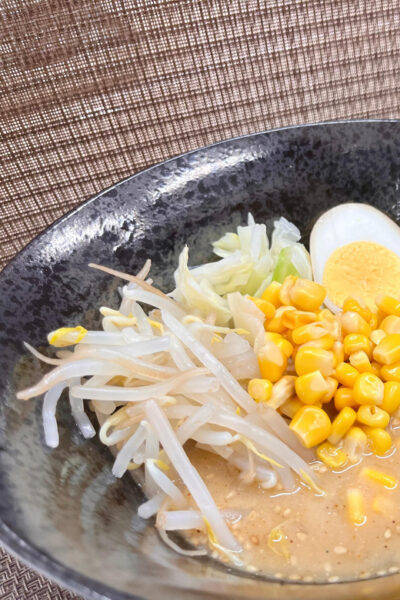
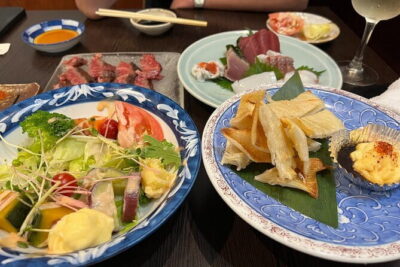
Kyoto: Gion & Pontocho Food Tour with 13 Dishes
Read our review →
Gyoza Cooking Class in Kyoto: Traditional Japanese Dumplings
Read our review →
Kyoto: Small-Group Authentic Sushi Making Workshop
Read our review →Browse the lists this tour appears in