
Review · OSAKA
Osaka: Kuromon Market Food Walking Tour (6 stops, 6 tastes)
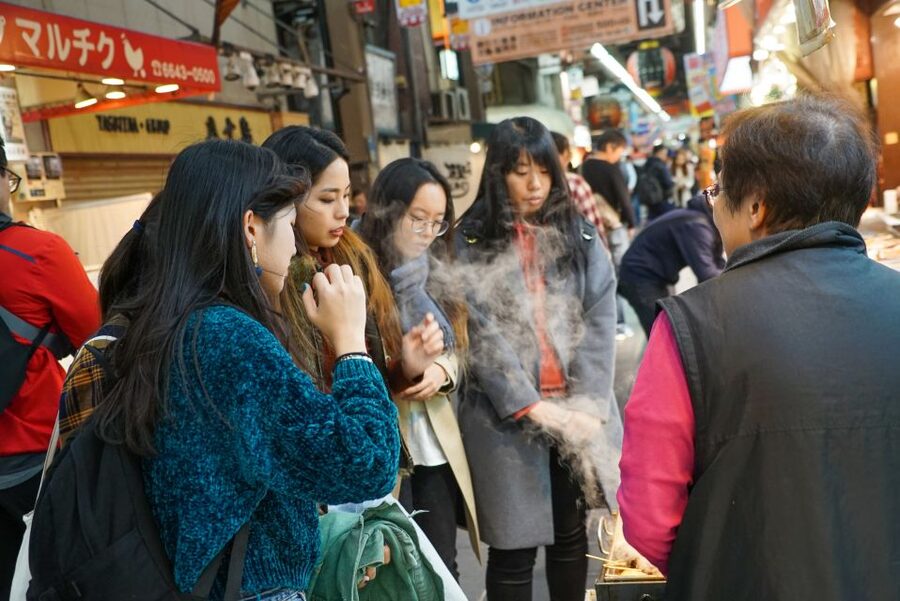
Osaka’s food culture makes the most sense when you eat your way through it, and this tour puts you in the middle of the action at Kuromon Market. You’ll sample five or six local foods, then walk through kitchenware shops, a small shrine area, Hozenji Yokocho, and Dotonbori. The useful part is having a guide help you choose among stalls instead of guessing at every menu.
I especially like the generous food portion, which can serve as a satisfying lunch, and the way the tour links food to Osaka’s past and present. I also like the practical shopping advice, especially around Sennichimae Doguyasuji Shotengai, where Japanese knives, cookware, and tableware make far better souvenirs than another keychain.
The main drawback is that this is a walking tour through crowded market streets, with some locations unsuitable for wheelchairs and strollers. Food restrictions also need careful planning: vegetarian and vegan requests may be possible with advance notice, but gluten-free, allergy-free, and last-minute substitutions cannot be guaranteed.
Key points at a glance

- Five or six substantial tastings: Expect Osaka favorites such as takoyaki, grilled scallops, yakitori, sushi, sweets, and other market foods, depending on the day and your guide.
- A food tour with local context: Guides such as Nina, Niko, Aiko, Noz, and Yusuke explain Osaka’s food customs, neighborhoods, and cultural history in English.
- Kuromon plus kitchenware street: You get more than a market visit, with time at Sennichimae Doguyasuji Shotengai for knives, cookware, and tableware.
- A useful first-day orientation: The route ends around Dotonbori and passes Hozenji Yokocho, giving you a head start on exploring central Osaka.
- Photos are included: Guides take pictures during the walk and share the tour photos afterward.
- Good value for a filling two hours: At $49, the price covers the guide, five or six food samples, and photos, but extra drinks and purchases cost more.
Kuromon Market gives the tour its flavor
Kuromon Ichiba Market is the heart of this experience. Often called the Kitchen of the Nation, it has long served as a food center for Osaka, with many family-run businesses operating for decades. You walk past displays of seafood, fruit, prepared foods, snacks, and ingredients used in Japanese cooking.
The market is not just a place to grab lunch. It shows how Osaka’s food culture works at street level. You see products before they reach restaurants, watch vendors prepare simple dishes, and get a sense of how freshness shapes Japanese cooking.
Your guide helps sort through the choices. That matters here because the market can feel like a long row of tempting possibilities, with little obvious guidance for a first-time visitor. A local guide can point you toward the best use of your limited time and explain what you are eating before you take the first bite.
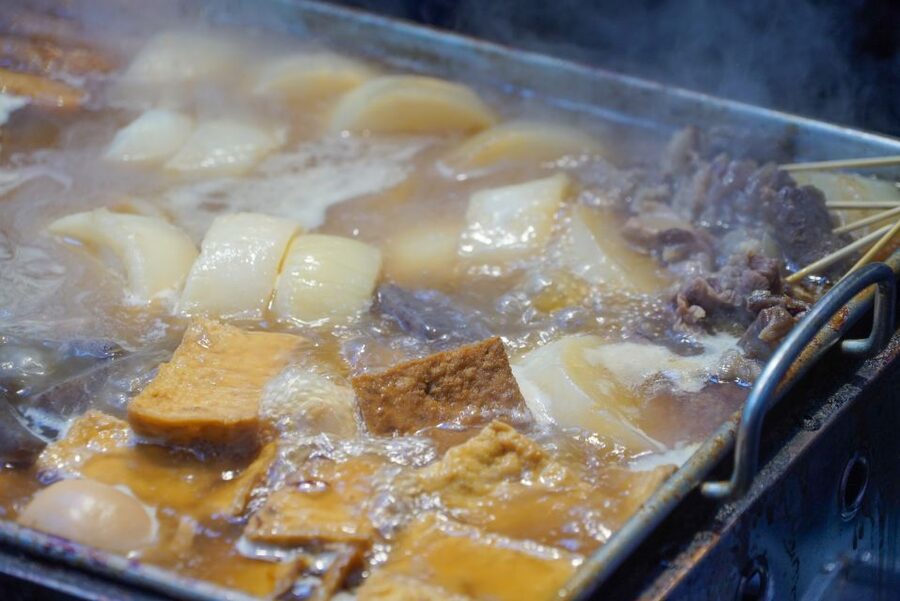
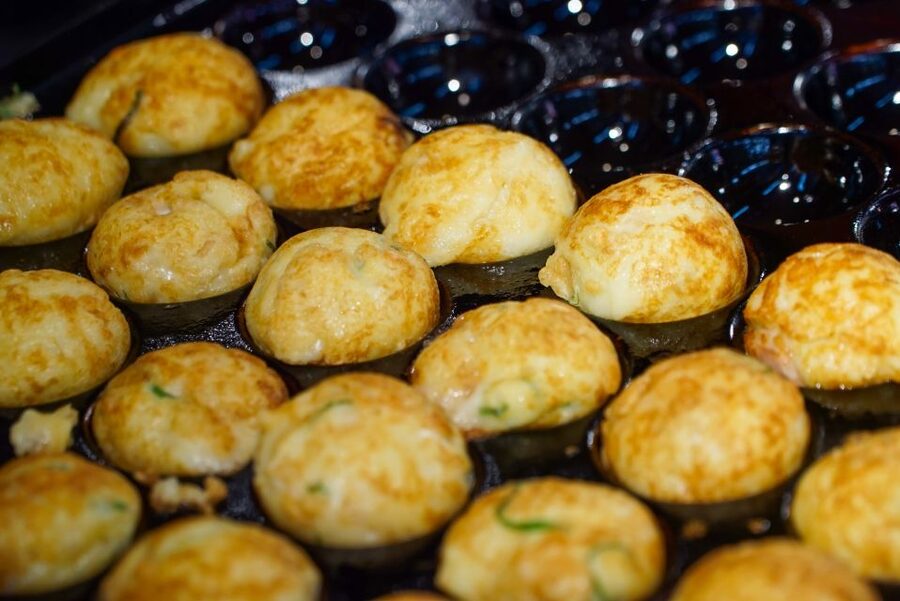
The exact food lineup can change, but the tour is designed around six tastes. Common examples include takoyaki, grilled scallops, grilled yakitori skewers, tempura, sushi, fresh fruit, mochi, taiyaki, and ice cream. Some people have tried tuna belly sashimi, roast chestnuts, dried fruit, gyoza, sakura mochi, and fresh strawberries on different walks.
That variety is one of the tour’s strengths. You are not simply eating six versions of the same snack. You may move from hot savory food to raw seafood, then finish with a sweet. If you are open to trying unfamiliar foods, your guide can make the choices less intimidating.
More Market Food Tours in Japan
- Tokyo Tsukiji Fish Market Food and Culture Walking Tour
★ 5.0 · 3,184 reviews - Nishiki Market Brunch Walking Tour (7 Tastings + Brunch)
★ 5.0 · 1,355 reviews - Tsukiji Fish Market Guided Tour and Sushi Making with Pro Chef
★ 5.0 · 775 reviews
The tastings are enough to count as lunch
Come hungry. Five or six samples may sound modest, but the portions are described as generous enough to leave you full. This is not a tour where you pay for a guide and then need to find lunch immediately afterward.
The food is included in the $49 price, which makes the cost easier to judge. You are paying for the samples, a certified local guide, neighborhood interpretation, and photos. At the same time, you should bring cash for extra food and drinks if you want to add something beyond the planned tastings.
The tour is especially useful if you are unsure how to approach Japanese street food. You can ask what an item is, how it is normally eaten, and which flavors are typical in Osaka. Guides often let you make the final choice rather than pressuring you to try everything.
Food preferences can be handled only to a point. Vegetarian and vegan requests may be accommodated if you notify the operator at least one day ahead, but choices may be limited. Gluten-free requests cannot be accommodated, and allergy-free meals or substitutions are not guaranteed because food comes from outside kitchens.
The route adds more than market stalls
The tour begins near Nippon-bashi, in front of the SMBC ATM at Nippon-bashi 1chome, close to Kintetsu Nippon-bashi Station Exit 10. Look for a guide holding a MagicalTrip sign. The starting point can be a little tricky to find, so give yourself extra time. The tour starts on schedule, and a late arrival cannot join, reschedule, or receive a refund.
The first part includes a short guided visit to a less obvious local stop. The supplied route allows about 15 minutes here. Since the exact point can vary, think of it as an introduction to the neighborhood before the main market walk rather than a major sightseeing stop.
You then spend about 30 minutes at Kuromon Ichiba Market. In practice, the food sampling may take up much of this time. The market can be crowded, so a small group helps you move between stalls without getting separated.
Next comes Sennichimae Doguyasuji Shotengai, with roughly 20 minutes for browsing. This covered shopping street is a highlight for anyone who enjoys cooking or wants a useful Japanese souvenir. Look for knives, pans, restaurant-style dishes, chopsticks, serving pieces, and other kitchen goods.
You may not have time for a long shopping session, but the guide can show you where to return later. Several people have used the tour as a scouting trip, then gone back to Kuromon or the kitchenware area on their own. That is a strong reason to schedule this experience early in your Osaka stay.
Kitchenware makes a better souvenir than another trinket
Sennichimae Doguyasuji Shotengai gives the walk a practical edge. Food tours often end with a full stomach and a few photos. This one also puts you near shops where you can buy something tied to Japanese daily life.
A kitchen knife is the obvious temptation, but you should buy carefully and check airline and luggage rules. Tableware may be easier to pack, and a small serving dish or pair of chopsticks can bring back the memory of the meal without taking much space.
Your guide’s help is valuable here because shopping for Japanese kitchen goods can be confusing. You may want to ask about care, intended use, and whether an item is suitable for travel. The route gives you an introduction, not a private shopping consultation, so keep your expectations realistic if you are looking for a highly specialized knife.
More Market Food Tours in Osaka:
- Chef Guided Food Tour of Pike Place Market
★ 5.0 · 3,733 reviews - London Bridge & Borough Market Food Tour with 7 Authentic Dishes
★ 5.0 · 1,972 reviews - Pike Place Market Tasting Tour
★ 5.0 · 1,696 reviews - Small Group Cooking Class & Market Food Tour in Florence
★ 5.0 · 1,574 reviews
Hozenji Yokocho slows the pace
The route continues to a local restaurant area and then Hozenji Yokocho, with about 10 minutes allocated to each stop. These shorter sections break up the food tasting and show a quieter side of central Osaka.
Hozenji Yokocho is known for its narrow lanes and traditional atmosphere. The tour also includes a shrine visit, which adds a small cultural pause between the market and the bright entertainment district. Guides use these moments to explain how Osaka combines old neighborhood customs with modern commercial life.
Do not expect a long temple visit or a detailed religious tour. Ten minutes is enough for a look, a brief explanation, and a few photos. That limited time is also part of the tradeoff: you cover several places, but none receives the attention of a dedicated sightseeing tour.
Dotonbori is the colorful finish
The final 25 minutes take you toward Dotonbori, one of Osaka’s best-known entertainment and food districts. The route gives you a useful first look at the area without leaving you to navigate it alone.
Dotonbori can feel loud and crowded, especially around its most famous signs and canal-side streets. That energy makes a fitting ending after the calmer lanes near Hozenji. Your guide can point out places to return to later, and the tour’s food suggestions may help you choose dinner after the official walk ends.
The tour does not attempt to cover all of Dotonbori. Instead, it gives you an orientation and connects the district to the market and neighborhoods you have already seen. If you want a detailed nightlife, shopping, or restaurant crawl, you will need more time on your own.
The guide can make or break the experience
The strongest part of this tour is the guide-led approach. The company uses English-speaking local guides, and named guides including Nina, Niko, Aiko, Noz, Yusuke, Mari, and Rhi have led particularly well-received walks.
The useful qualities are clear: friendly conversation, good English, local food advice, and an ability to adjust the pace. Small groups make it easier to ask questions and move through the market. Private tours are also available if you want more control over food choices and timing.
The guide may take photos throughout the walk and share them afterward. That lets you focus on eating and looking around instead of repeatedly stopping to photograph your group. It is a small benefit, but a meaningful one for solo visitors, couples, and families.
The tour also works well for families with older children and teenagers. Several guides have helped families choose foods and suggested ways to handle hot weather. Infants and babies can be accommodated in some cases, but the crowded streets and uneven access still make this less suitable for anyone with mobility concerns.
Plan around Osaka’s weather and crowds
Osaka’s weather can be demanding. Summer temperatures may reach about 40°C, while winter lows can fall near -5°C. Wear shoes suited to two hours of walking, carry water, and dress for the forecast.
A summer morning or cooler part of the day may be more comfortable, though starting times vary. One guide prepared chilled neck rings for a group on a very hot day, but you should treat that as a kind gesture, not a guaranteed part of the tour.
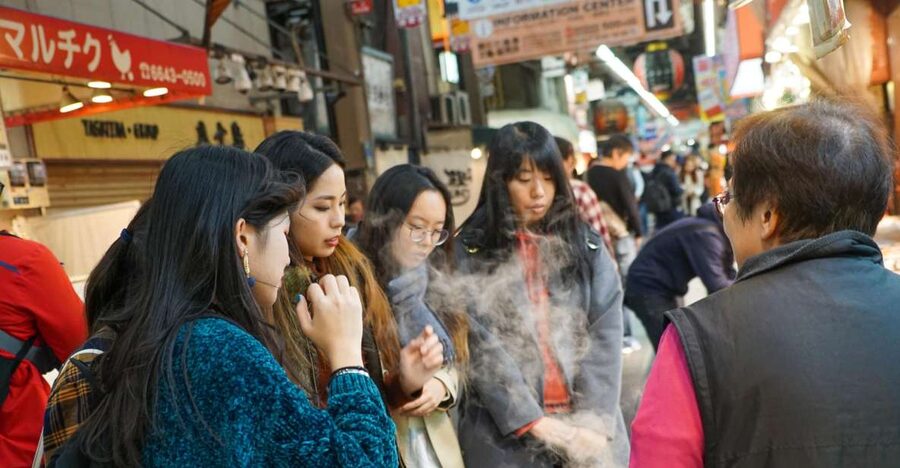
The market’s popularity means you will share the route with many other people. At times, there may be limited space to stand and eat. A good guide may buy the food and lead the group to a quieter place nearby, but this remains a market walk, not a seated restaurant meal.
The pace is usually manageable, and the route can sometimes run slightly over two hours. Still, keep your schedule flexible afterward. You may want to linger in the kitchenware district, return to a favorite food stall, or continue through Dotonbori.
Who should book this Osaka food walk?
I would choose this tour for a first visit to Osaka, especially if you want an easy introduction to local food without spending half a day on a formal cooking class. It suits curious eaters, couples, families with older children, and solo visitors who want company and local direction.
It is also a smart choice early in your trip. You will learn which dishes interest you, locate Kuromon Market and Dotonbori, and receive ideas for later meals. The included food is substantial enough to replace lunch for many people.
I would hesitate if you have strict dietary needs, cannot eat seafood or foods prepared in shared kitchens, or need step-free access throughout the route. The market streets can be crowded, some stops are not wheelchair or stroller accessible, and substitutions cannot be promised.
At $49 per person, the tour offers solid value if you use the guide’s local advice and sample the full range of food. It is less compelling if you mainly want to browse the market independently or plan to buy lots of extra food and drinks, which are not included.
Should you book it?
Book this tour if you want a friendly, food-focused introduction to Osaka that also covers kitchenware shops, a shrine area, Hozenji Yokocho, and Dotonbori. The combination gives you more than a meal and more than a simple market walk.
Skip it if you prefer to explore at your own pace, have serious dietary restrictions, or need an accessible route. For most first-time visitors who arrive hungry and on time, this is a practical way to get your bearings, try foods you might otherwise miss, and leave with a short list of places worth revisiting.
FAQ
How long does the Kuromon Market food tour last?
The tour lasts two hours. The route includes Kuromon Ichiba Market, Sennichimae Doguyasuji Shotengai, a local restaurant area, Hozenji Yokocho, and Dotonbori.
What food is included?
Five or six food samplings are included. Possible foods include takoyaki, grilled scallops, yakitori skewers, sushi, tempura, fruit, mochi, taiyaki, and other Osaka specialties. The exact selection can vary.
Are drinks included?
No. Additional food and drinks are available for purchase, and you should bring cash if you want anything beyond the included tastings.
Is the tour available in English?
Yes. The tour is conducted in English by a certified local guide.
Can vegetarian or vegan guests join?
Vegetarian and vegan requests may be accommodated, but options can be limited. You must inform the operator at least one day in advance. Same-day requests cannot be accepted.
Is the tour wheelchair accessible?
No. Some locations are not wheelchair or stroller accessible, and the tour is not recommended for wheelchair users or people with mobility issues.
More Food Walking Tours in Osaka
- Osaka Local Foodie Walking Tour in Dotonbori and Shinsekai
★ 5.0 · 985 reviews - Reykjavik Food Walk – Local Foodie Adventure in Iceland
★ 5.0 · 18,952 reviews - New Orleans Food Walking Tour of the French Quarter with Small-Group Option
★ 5.0 · 6,118 reviews - Naples: Street Food Walking Tour with Local Guide
★ 4.9 · 4,976 reviews
Fresh off the menu around Osaka
- Hidden Osaka – Yukaku Red Light Tour & Culinary Adventure★ 4.8 · 96 reviews
- Eat Like a Local in Osaka – Private Custom Street Food Tour★ 4.3 · 33 reviews
- Osaka: Sushi Making in Spacious Studio (SAME-DAY OK!)★ 5.0 · 75 reviews
- Osaka: Ramen and Gyoza Cooking Class in Dotonbori★ 5.0 · 378 reviews
- Osaka: Roll and Authentic Sushi Making Class in Dotonbori★ 4.9 · 239 reviews
- Osaka: Sushi Class in Dotonbori★ 4.9 · 160 reviews
- Osaka: Gluten-Free Ramen and Gyoza Cooking Class★ 5.0 · 42 reviews
- Osaka: Local Foodie Tour in Dotonbori and Shinsekai★ 4.7 · 95 reviews
Osaka Food Tours, compared.

Osaka: Shinsekai Food Tour with 13-15 Dishes at 5 Eateries
Read our review →
Osaka Food Tour: 13 Dishes at 5 Local Eateries
Read our review →
Hungry Osaka Street Food Tour:15 Tastings & 3 Drinks with a Local
Read our review →
Sushi Making Osaka Roll and Authentic Japanese Sushi Class
Read our review →
Osaka Local Foodie Walking Tour in Dotonbori and Shinsekai
Read our review →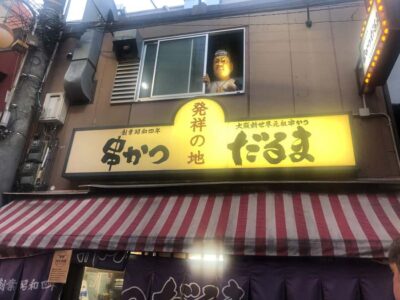
Hungry Osaka Street Food Tour: 15 Dishes & 3 Drinks
Read our review →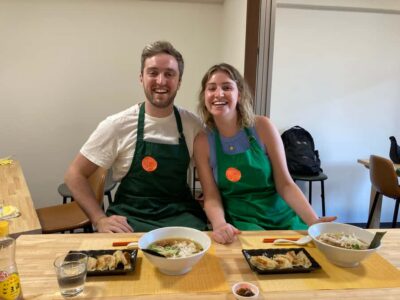
Osaka: Ramen and Gyoza Cooking Class in Dotonbori
Read our review →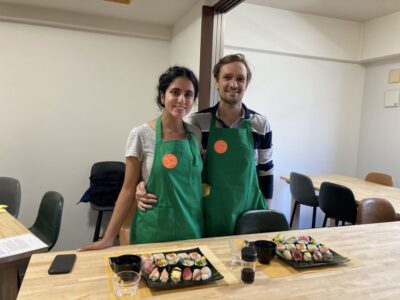
Browse the lists this tour appears in