
Review · OSAKA
Osaka: Gluten-Free Ramen and Gyoza Cooking Class
Osaka’s most useful cooking class may be the one that tackles dishes usually off-limits to people avoiding wheat. In three hours, chef Yuki teaches you to make rice-flour ramen noodles and gyoza wrappers from scratch, then turns them into two ramens and pan-fried dumplings in her Japanese-style home.
I like the tiny group, limited to four people, because you get real help rather than a quick demonstration. I also like that Yuki teaches practical skills you can repeat at home, from noodle texture to gyoza folding. The main consideration is the price: at $103 per person, this costs more than a casual Osaka meal, though it includes a full cooking lesson and everything you eat.
Key points to know
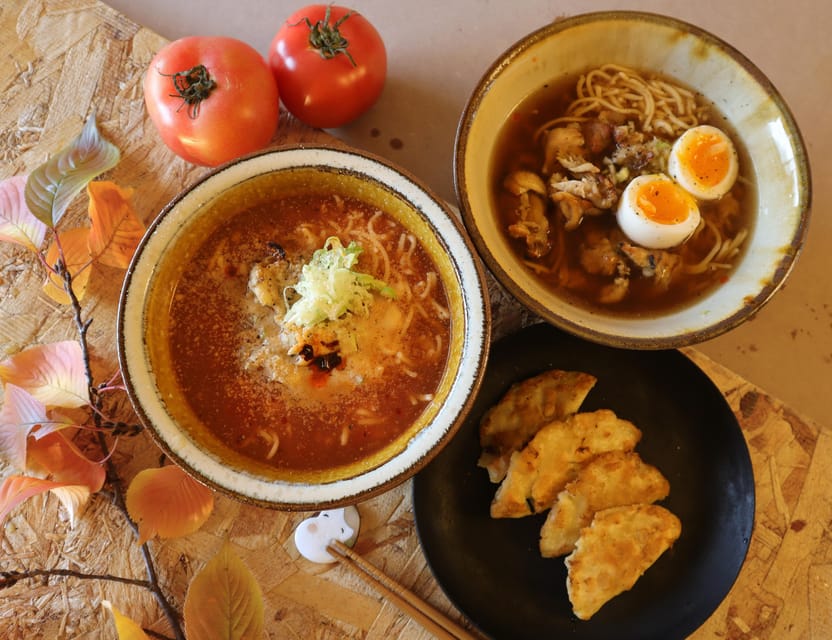
- Two ramen styles in one class: Make classic soy sauce ramen and a less common tomato ramen.
- Everything begins with rice flour: You prepare both the noodles and gyoza wrappers yourself.
- Chef Yuki teaches in English: Her calm, patient approach suits beginners as well as confident home cooks.
- The group is limited to four: This is a personal class, not a large demonstration.
- You eat what you make: The three-hour session ends with your ramen and crispy gyoza.
- Optional sake pairing: Add three 45-milliliter servings, including chilled Junmai, chilled Junmai Ginjo, and warm Junmai.
Why this Osaka class is different
Most visitors can find ramen and gyoza all over Osaka. Finding both in a gluten-free form is much harder, especially when you also want to learn how the food is made.
This class deals with that problem at its source. Instead of simply serving you a modified meal, Yuki shows you how rice flour can replace wheat in two foods built around wheat dough. That makes the experience useful for anyone who avoids gluten, but it also gives curious cooks a reason to book.
You will work in Yuki’s home at 4-19 Nukata-cho, a five-minute walk from Nukata Station. The setting is residential and quiet, with a welcoming sign at the entrance. It feels less like a commercial cooking studio and more like being invited into someone’s kitchen for a carefully planned meal.
Yuki brings more than 10 years of professional cooking experience and has spent more than a year teaching international participants. Her instruction is in English, with Japanese also part of her background, and the class is designed to keep the pace friendly rather than rushed.
More cooking classes around Osaka:
- Osaka: Ramen and Gyoza Cooking Class in Dotonbori
★ 5.0 · 378 reviews - Osaka: Cooking Class Ramen & Gyoza Course in Nanba
★ 4.9 · 86 reviews - Ramen Cooking Class at Ramen Factory in Kyoto
★ 5.0 · 1,937 reviews
The first 30 minutes: ingredients, tools, and Japanese cooking basics
The class starts with a welcome and an introduction to the ingredients and equipment. This opening matters because gluten-free cooking depends on texture and timing, not just swapping one flour for another.
Yuki explains the techniques behind her recipes and how traditional Japanese flavors can work with gluten-free ingredients. You can ask questions as you go, and the small group means you should not have to wait long for help.
This is also where you get a feel for the class level. No cooking experience is required. If you are new to dough making, Yuki breaks the work into manageable steps. If you already cook, you will still find useful details in the handling of rice flour and the shaping of dumplings.
Wear comfortable clothes suitable for cooking. You should also arrive hungry, since the class produces a substantial meal rather than a few token samples.
Making rice-flour ramen noodles from scratch
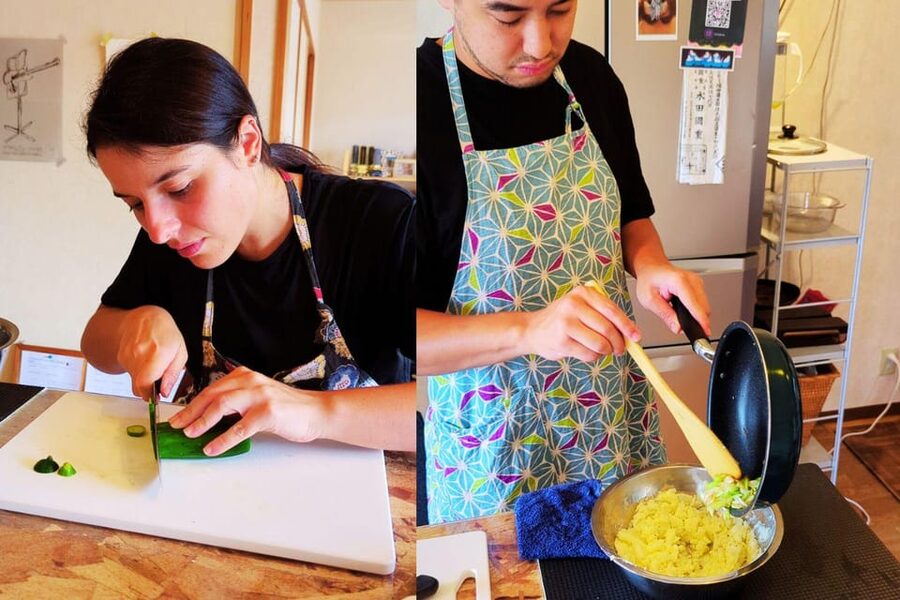
The first major task is the ramen dough. You work with rice flour and learn how to shape it into noodles with a pleasantly chewy texture.
This is the technical heart of the class. Wheat noodles have a familiar elasticity, while gluten-free dough behaves differently. Yuki’s value here is not simply handing you a finished recipe. She walks you through the process so you understand how to handle the dough and what kind of texture you are aiming for.
For someone with gluten-free dietary needs, this is a rare chance to learn a Japanese staple without treating the noodles as an afterthought. For everyone else, it is a good lesson in how much craft hides inside a simple bowl of ramen.
The recipe and tips are provided, so you can try the noodles again at home. Still, remember that homemade noodles require some patience. You will be learning a technique, not pressing a button.
Soy sauce ramen brings the classic Japanese flavor
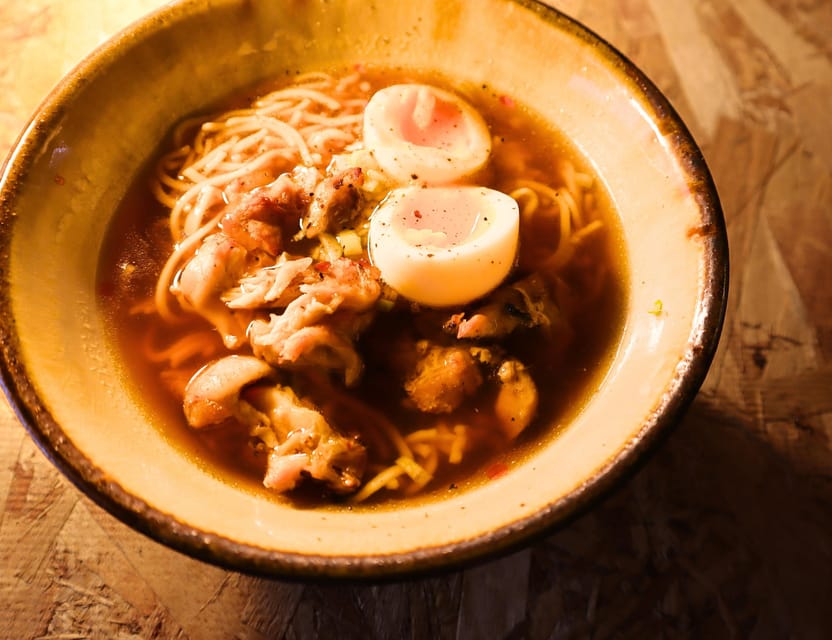
Once the noodles are ready, you prepare a savory soy-based broth. Soy sauce ramen is the more traditional of the two bowls, and it gives you a clear sense of the familiar Japanese flavor profile.
The important point is that this is not just a tasting of a finished dish. You are building the bowl as part of the cooking process, pairing your noodles with the broth and learning how the components work together.
Yuki also shares tips about Japanese seasoning and flavor balance. The class description does not promise a specific choice of toppings, so do not book expecting a particular meat, egg, or vegetable garnish. The focus is on the noodles, broth, and the process of preparing them in a gluten-free way.
I would treat this bowl as your benchmark. The soy ramen lets you appreciate the chewy rice-flour noodles in a familiar setting before moving to the more unusual tomato version.
More food workshops around Osaka:
- Sushi Making Osaka Roll and Authentic Japanese Sushi Class
★ 5.0 · 1,220 reviews - Osaka: Roll and Authentic Sushi Making Class in Dotonbori
★ 4.9 · 239 reviews - Osaka: Sushi Class in Dotonbori
★ 4.9 · 160 reviews - Sushi Making Tokyo Roll and Authentic Japanese Sushi Class
★ 5.0 · 3,971 reviews
Tomato ramen adds a modern turn
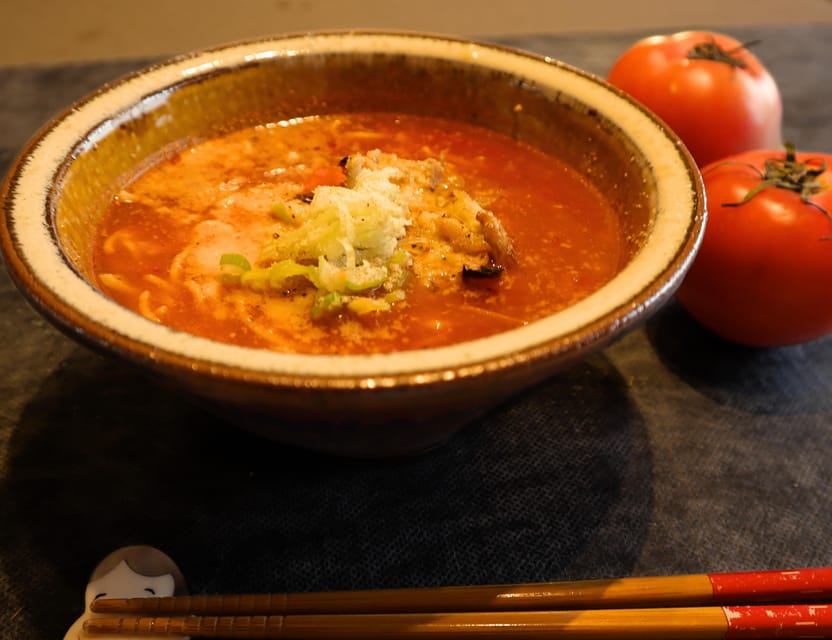
The second bowl is tomato ramen, described as a refreshing and tangy variation that remains uncommon in Japan. It is a smart addition to the class because it shows that ramen is not locked into one flavor pattern.
The tomato broth brings a different balance from the soy version. You get a chance to compare the two bowls side by side and see how the same handmade noodles respond to different broths.
This part may appeal most to adventurous eaters, though it is also useful if you are trying to recreate Japanese food at home without relying on a single standard recipe. Yuki presents the tomato bowl as a modern variation, so you are learning about adaptation as well as tradition.
By the time both ramens are ready, you have made two complete dishes rather than one recipe with a minor variation. That helps justify the three-hour length.
Folding gluten-free gyoza without tearing the wrappers
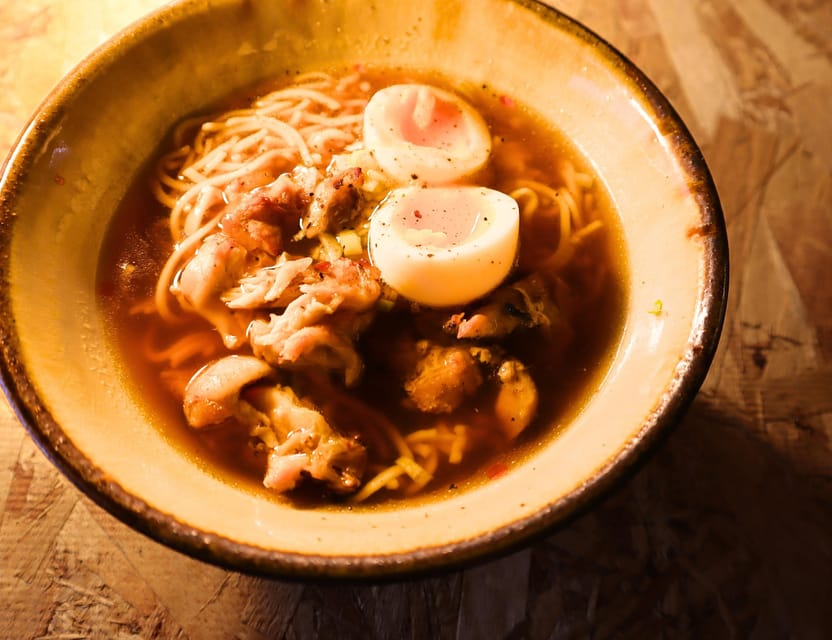
After the ramen, the focus shifts to gyoza. You prepare wrappers from rice flour, then make the savory filling and assemble the dumplings.
Making gyoza wrappers is not the same as buying a packet from a shop. Gluten-free dough can be less forgiving, so this is another point where Yuki’s close instruction matters. The class is limited to four people, and that should give you room to ask for help when a wrapper needs attention.
Then comes the part many people look forward to: folding. Yuki teaches you how to create the familiar pleated shape, with guidance suited to your skill level. You do not need to arrive with nimble fingers or previous dumpling experience.
The shape is more than decoration. A well-folded gyoza holds its filling and cooks evenly. You will also leave with a repeatable method rather than a vague memory of watching someone else do it.
Pan-frying the dumplings to get the crisp bottom
The final cooking step is pan-frying the gyoza. The goal is a crisp, golden outside with a tender filling inside.
This is a satisfying contrast to the soft noodles and broth. You get to see how the dumplings change in the pan, and Yuki guides the timing so the wrappers do not remain undercooked or lose their texture.
The class description places special emphasis on crispy dumplings, so this is not simply a boiling or steaming lesson. If you enjoy the browned base of a good gyoza, you will appreciate having a hand in that part of the process.
As with the ramen, you should expect active participation. The appeal is not sitting back while a chef cooks. You will mix, shape, fold, and cook.
Sitting down to eat your homemade meal
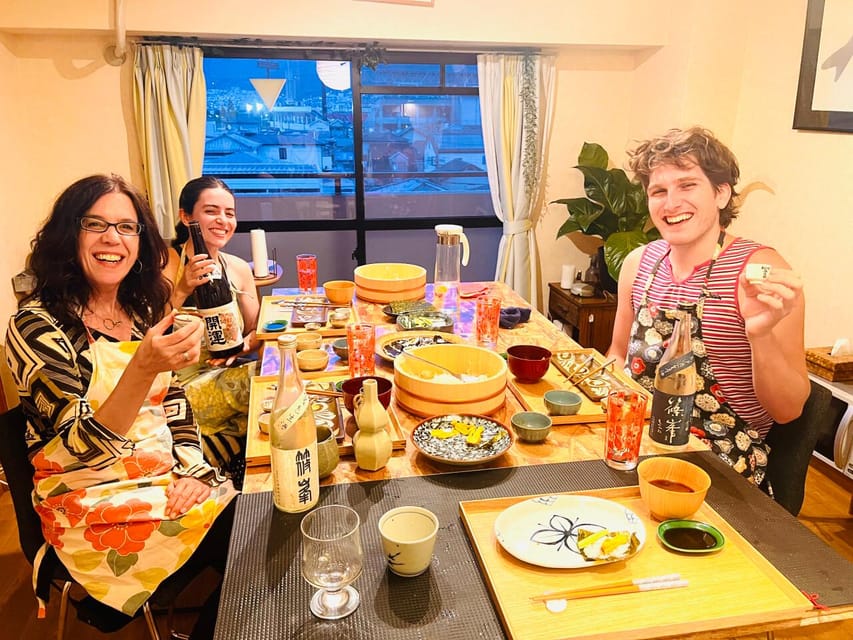
When the cooking is complete, you gather in the dining area to eat the ramen and gyoza you made. That meal is included in the $103 price, along with the instructor, recipes, and cooking class.
I like this format because the meal gives the lesson a clear finish. You can taste the results while the steps are still fresh in your mind. It also lets Yuki talk through the flavors and explain how the sake pairing works if you choose that option.
The reviews repeatedly praise the food itself, as well as Yuki’s ability to explain each stage. People describe making two ramens and gyoza in one session, which is a generous amount of cooking for a three-hour class.
Portions and exact serving details are not specified, so I would not treat this as a replacement for a full day of eating around Osaka. It is a hearty cooking meal, but the real value is the instruction and the rare gluten-free recipes.
The optional sake pairing
You can add a sake pairing with three 45-milliliter servings:
- Chilled Junmai
- Chilled Junmai Ginjo
- Warm Junmai
The selection gives you three different ways to compare sake with the meal. The class includes an explanation of how the drinks complement the dishes, so this is more than simply adding alcohol to lunch or dinner.
At 45 milliliters each, the servings are modest. That is useful if you want to taste several styles without turning the cooking class into a drinking session. It is also an optional extra, so you can skip it if you do not drink or prefer to focus on the food.
No separate sake price is provided in the activity details, so check the current booking page before you add it.
Why the four-person limit matters
A maximum of four participants changes the feel of this class. You should have a chance to work directly with the ingredients and receive corrections while you are making the noodles and dumplings.
That matters most during the dough and folding stages. In a large class, you might watch a demonstration and then struggle at your own station. Here, Yuki can respond to individual cooking levels and answer questions as they come up.
The small group also makes the home setting more natural. You are not joining a formal food school with a crowd. You are spending part of an Osaka day in a personal kitchen with a chef who teaches both cooking and local food customs.
The tradeoff is that spaces are limited, so available start times may be less flexible than those of a large commercial class. The activity lasts three hours, and you should check the current schedule before building the rest of your day around it.
Getting to 4-19 Nukata-cho
The meeting point is a short five-minute walk from Nukata Station. The venue is in a quiet neighborhood at 4-19 Nukata-cho, Osaka, and the entrance has a welcoming sign.
Transportation to the venue is not included. Detailed directions are provided after booking, which should make the final walk easier, but leave enough time to find a residential address without rushing.
This location is part of the experience’s appeal, though it may not suit someone who wants a class right beside Osaka’s major sightseeing areas. You are going to a local neighborhood, not a central tourist kitchen.
Is $103 a fair price?
At $103 per person, this is not a bargain meal. You can eat ramen or gyoza for much less in Osaka.
The comparison changes when you count what is included. You receive three hours of hands-on instruction, two types of ramen, handmade noodles, handmade gyoza wrappers, a dumpling filling, the meal itself, recipes, and direct help from a professional chef. The group size also keeps the class personal.
I consider the price fair for a visitor who values a special food experience and wants skills to take home. It is less attractive if you only want to eat ramen cheaply or if you have little interest in cooking.
The free cancellation policy allows a full refund when you cancel at least 24 hours ahead, and the reserve-now, pay-later option gives you some flexibility. Those policies do not lower the price, but they reduce the risk of fitting the class into a changing Osaka schedule.
Who should book this class?
I would choose this class if you have a gluten-free diet and have struggled to find Japanese cooking experiences that include noodles and dumplings. It offers something more useful than a meal labeled gluten-free because you learn how to prepare the dishes yourself.
It also suits couples, solo cooks, and small groups who prefer a quiet, personal activity. Yuki’s patient style and clear explanations make it friendly for beginners, while the rice-flour dough and two-broth format give experienced cooks enough to think about.
Families should check the group setup and cooking needs before booking. The activity data says it is not suitable for people over 95, but it does not provide a separate child age policy.
If you want a fast, polished cooking show with no work, choose another activity. You will be handling ingredients throughout this class, and the fun comes from making the food rather than just watching it appear.
My verdict on the gluten-free ramen and gyoza class
I would book this if gluten-free Japanese food is important to you, or if you want a cooking lesson with real cultural and practical value. Chef Yuki’s class gives you two ramen styles, handmade gyoza, a meal, and recipes in a four-person setting.
The price is the main hurdle, and the residential location means you need to plan the walk from Nukata Station. But the class offers something difficult to find elsewhere: the chance to make gluten-free ramen noodles and gyoza wrappers from the beginning, then sit down and eat the results.
Book it for the learning, the small group, and the chance to repeat the dishes at home. Skip it only if you are looking for the cheapest meal in Osaka or would rather not cook during your sightseeing day.
FAQ
How long does the Osaka gluten-free ramen and gyoza class last?
The class lasts three hours.
How much does the class cost?
The listed price is $103 per person.
Where does the class take place?
It takes place at 4-19 Nukata-cho, Osaka, about a five-minute walk from Nukata Station.
How many people can join?
The class is limited to four participants.
What language is used for instruction?
The instructor teaches in English.
Do I need cooking experience?
No. The class is suitable for beginners, and no previous cooking experience is required.
What will I make?
You will make gluten-free ramen noodles from rice flour, soy sauce ramen, tomato ramen, gluten-free gyoza wrappers, gyoza filling, and pan-fried gyoza.
Is the meal included?
Yes. You eat a full meal made from your cooking, and recipes and tips are included.
Is sake included?
An optional sake pairing is available. It includes three 45-milliliter servings: chilled Junmai, chilled Junmai Ginjo, and warm Junmai.
Is transportation included?
No. You are responsible for getting to the venue.
Can I cancel for a full refund?
Yes. You can cancel up to 24 hours in advance for a full refund.
Can I reserve now and pay later?
Yes. The activity offers a reserve-now, pay-later option.
Fresh off the menu around Osaka
- Hidden Osaka – Yukaku Red Light Tour & Culinary Adventure★ 4.8 · 96 reviews
- Eat Like a Local in Osaka – Private Custom Street Food Tour★ 4.3 · 33 reviews
- Osaka: Sushi Making in Spacious Studio (SAME-DAY OK!)★ 5.0 · 75 reviews
- Osaka: Ramen and Gyoza Cooking Class in Dotonbori★ 5.0 · 378 reviews
- Osaka: Roll and Authentic Sushi Making Class in Dotonbori★ 4.9 · 239 reviews
- Osaka: Sushi Class in Dotonbori★ 4.9 · 160 reviews
- Osaka: Kuromon Market Food Walking Tour (6 stops, 6 tastes)★ 4.6 · 272 reviews
- Osaka: Local Foodie Tour in Dotonbori and Shinsekai★ 4.7 · 95 reviews
Osaka Food Tours, compared.

Osaka: Shinsekai Food Tour with 13-15 Dishes at 5 Eateries
Read our review →
Osaka Food Tour: 13 Dishes at 5 Local Eateries
Read our review →
Hungry Osaka Street Food Tour:15 Tastings & 3 Drinks with a Local
Read our review →
Sushi Making Osaka Roll and Authentic Japanese Sushi Class
Read our review →
Osaka Local Foodie Walking Tour in Dotonbori and Shinsekai
Read our review →
Hungry Osaka Street Food Tour: 15 Dishes & 3 Drinks
Read our review →
Osaka: Ramen and Gyoza Cooking Class in Dotonbori
Read our review →
Osaka: Kuromon Market Food Walking Tour (6 stops, 6 tastes)
Read our review →Browse the lists this tour appears in