
Review · BERLIN
Berlin Center Food Tour with 8+ Authentic Local Tastings
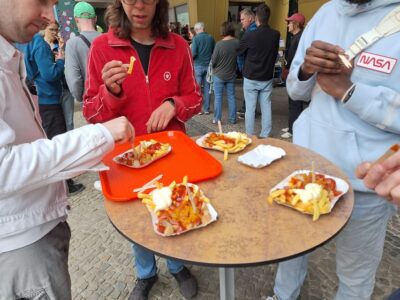
Berlin makes more sense when you eat your way through it. This three-hour tour links kebab, currywurst, pastries, beer, and Riesling with street art, Cold War stories, and the East Side Gallery. It is less a restaurant crawl than a moving lesson in how Berlin became a city shaped by German tradition and immigration.
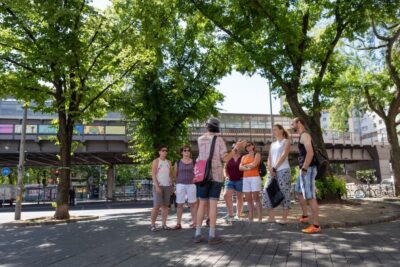
I like the way the route mixes small food stops with overlooked corners of the city, rather than keeping you on a standard sightseeing path. I also like the compact group size, capped at 12, and the guides who bring different strengths: Daniel is praised for his energy, Francesco for his local recommendations, and Vincent for his architecture knowledge.
The main caution is value. At $118.51 per person, the tastings need to feel like a substantial meal for you to be satisfied. Some stops may offer larger portions instead of many tiny samples, and the exact menu can change with availability, weather, or dietary needs.
Key Points at a Glance
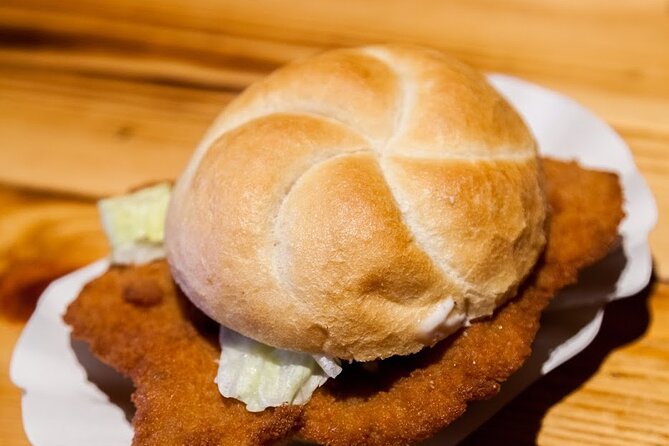
- Eight or more tastings: Expect Berlin kebab, currywurst, Berliner doughnuts, Käsespätzle, pastries, beer, Riesling, and a secret dish.
- History with every bite: The route connects Berlin food to immigration, Cold War politics, reunification, and urban change.
- Art-filled walking route: See street murals, hidden courtyards, galleries, Soviet-era boulevards, and the East Side Gallery.
- Small group format: The maximum group size is 12, making it easier to hear the guide and ask questions.
- Good first-day choice: The guides often share restaurant suggestions for the rest of your stay.
- Come hungry and wear good shoes: The tour lasts about three hours and includes a fair amount of walking and food.
Berlin Food as a Guide to the City
The best thing about this experience is its point of view. Berlin food is not one tidy national cuisine. It reflects old German cooking, Turkish migration, postwar division, modern street food, and a city that keeps changing.
A bite of currywurst tells one story. A Turkish sweet tells another. Käsespätzle points toward southern German comfort food, while a kebab shows how immigrant food became part of Berlin’s everyday identity. The tour uses these dishes as clues, so you are not simply eating between sights.
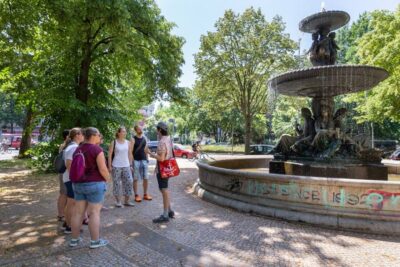
That balance matters. A standard walking tour may explain Berlin’s major landmarks, but this route gives you smaller details too: a courtyard covered in murals, a former church with Cold War significance, a market beside an old train station, or a quiet alley filled with cafes and cinemas.
You should expect the food to be central, but the history is not filler. Guides such as Fotini, Francesco, Daniel, Dania, and Vincent have been praised for connecting the dishes to the neighborhoods around them. Vincent, in particular, brings an architecture background, which adds another angle when you move through Berlin’s changing streets.
More food tours around Germany:
- Hamburg: Schanzenviertel Culinary Tour
★ 4.6 · 2,051 reviews - Hamburg: Elbphilharmonie Plaza and HafenCity Food Tour
★ 4.7 · 1,711 reviews - Munich: Viktualienmarkt Food Tour
★ 4.5 · 1,127 reviews
Starting Near Berlin’s Historic Center
The listed meeting point is Burgstraße 19, near Berlin’s central sights, while the tour description also refers to meeting at Warschauer U-Bahn Station. Since those details do not perfectly match, confirm the exact starting place with the provider before you set out.
The route includes a secret side of central Berlin, with courtyards, hidden passages, old alleyways, cafes, cinemas, and street art. This is a strong opening because it gives you a feel for Berlin’s habit of hiding history behind plain facades.
One early stop includes Berliner doughnuts at a small pastry shop. These are not merely a sweet snack to fill time. The Berliner is one of the city’s best-known baked treats, and beginning with pastry sets the tone for the rest of the morning or afternoon.
The exact timing can vary, but the first section appears to last only about 10 minutes at one listed stop. That means you will not spend long standing in one place. You keep moving, which suits Berlin, but it also means the experience is not designed for people who want a leisurely sit-down meal at every stop.
Kebab, Migration, and Berlin’s Modern Food Culture
A kebab stop comes early in the wider route, described as one of Berlin’s best kebab shops. This is one of the most useful tastings because it shows how strongly Turkish food has shaped everyday Berlin eating.
You will not need to treat kebab as an exotic side note. In Berlin, it is part of normal city life. The tour uses the dish to introduce the city’s immigrant communities and the way food changes when it moves across borders.
The menu includes a famous Berlin kebab, though the precise shop and preparation may change. That flexibility is worth noting. Food tours depend on open businesses, available dishes, and local conditions, so you should treat the advertised list as a guide rather than a locked menu.
The amount served may also differ by stop. Some people will like getting enough food to feel nearly full. If you prefer a larger number of very small portions, you may find the food side less varied than expected. That is the clearest value concern in this experience.
Street Art, Galleries, and East Berlin’s Long Change
After the early tastings, the walking route moves through art galleries, colorful murals, Soviet-era boulevards, and former East Berlin districts. This is where the tour earns its keep for anyone who wants more than a list of dishes.
The visit to Berlin’s Raw Market helps frame the city’s transformation from the 19th century through the Cold War and the fall of the Wall. The area is linked to Berlin’s industrial past and its newer creative life, so it gives you a useful sense of how former working spaces can take on new purposes.
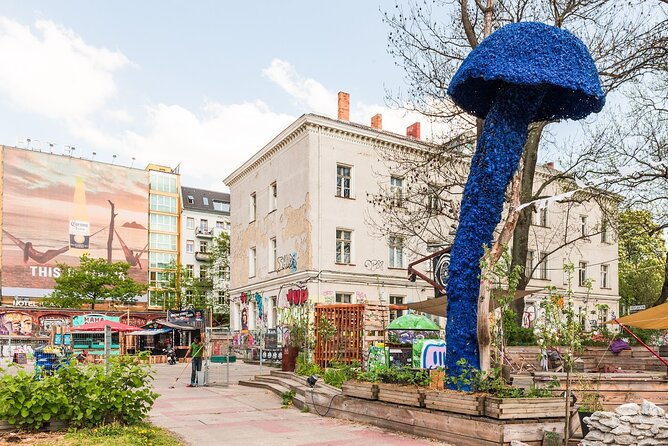
The route also includes art-covered courtyards and alleyways. These passages are part of Berlin’s appeal: you can turn a corner and move from a plain street into a pocket of murals, cafes, galleries, and old brickwork.
The art is not presented as a separate gallery visit. You are seeing it while walking between food stops. That keeps the pace lively, although anyone wanting time to study each mural in detail may find the schedule brisk.
A listed historical stop is an 18th-century Evangelical church that was once the site of a clandestine mass led by Martin Luther King during the Cold War. This gives the tour a more serious turn. Berlin’s past is not only about walls and grand monuments. Smaller places can reveal how politics, religion, and daily life overlapped.
Same city, a different plate:
- Munich: Beer and Food Tour with Dinner & Oktoberfest Museum
★ 4.7 · 1,086 reviews - Kreuzberg: Culinary Food Tour
★ 4.5 · 770 reviews - Cologne: Südstadt Guided Foodie Walking Tour
★ 4.6 · 624 reviews - Munich: Viktualienmarkt & Altstadt Food Tour
★ 4.7 · 481 reviews
Flammenkuchen, Pastries, and Comfort Food
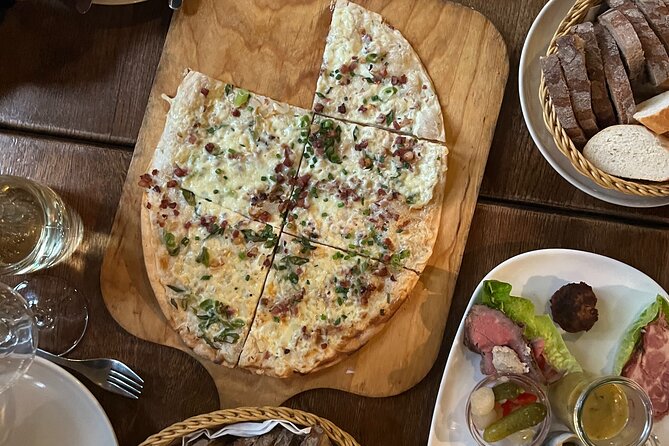
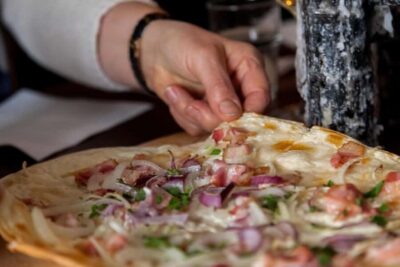
At a local restaurant, you stop for Flammenkuchen, a thin flatbread-style German tart. It is often a good midway food because it is more substantial than a pastry but lighter than a full restaurant meal.
The tour also includes Käsespätzle, a comforting German dish built around soft egg noodles and cheese. Along with traditional baked pastries, it gives you a taste of food that feels homely rather than designed only for tourists.
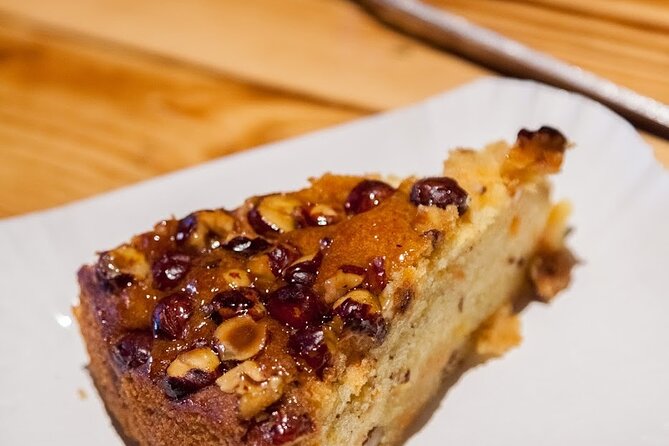
Another bakery stop brings a selection of cakes and pastries. Together with the Berliner doughnut, this part of the route gives you a useful look at Berlin’s bakery culture. The food is familiar, filling, and easy to share within a small group.
The food list also includes traditional beer garden food, though the exact item is not specified. That is another reason to contact the provider before booking if a particular dish matters to you. The menu can change, and the company asks you to share dietary requirements in advance.
Currywurst and the City’s Best-Known Snack
Currywurst is the tour’s most obvious Berlin classic. The dish combines sausage with curry-spiced sauce and is closely tied to the city’s street-food identity.
A stop for original Berlin currywurst gives you something direct and local. You do not need a formal restaurant setting to understand Berlin food. Some of the city’s most recognizable eating happens at simple counters and casual spots.
This is also a good point to consider portion size. The overall menu is meant to add up to a full meal, but the experience includes several foods that are dense and filling: kebab, flatbread, cheese noodles, sausage, pastries, and sweets. If you have a small appetite, you may need to pace yourself.
The tour is less suited to careful sampling of delicate dishes. It is better for people who want to try hearty local food and leave with a clear picture of what Berliners eat in casual settings.
Turkish Sweets and the East Side Gallery Finale
The Turkish sweet near the end of the route brings the city’s immigrant food culture back into focus. It also keeps the menu from feeling like a parade of sausage and bread.
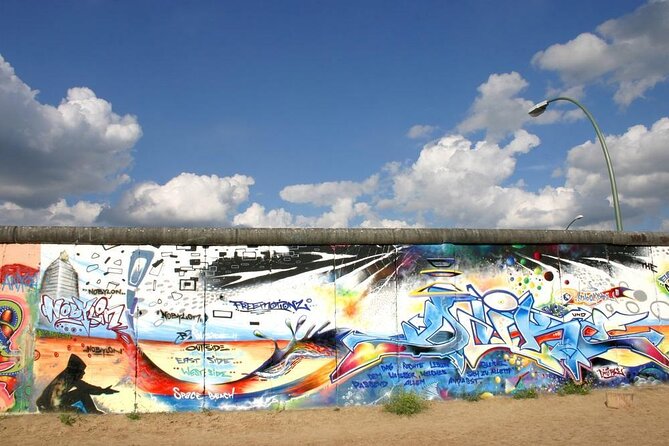
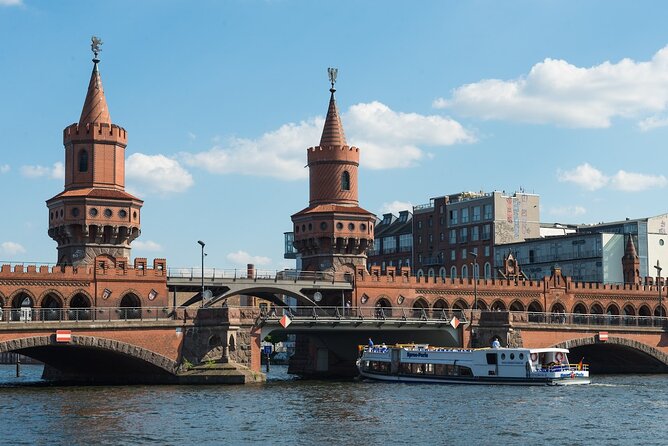
The final destination is the East Side Gallery, one of the best-known surviving sections of the Berlin Wall. This is a smart place to finish. After hearing about Berlin’s division and change, you arrive at a long stretch of Wall covered in murals and political art.
The final food treat is described as a signature secret dish, so the exact item is not disclosed. That can add a little fun to the finish, but it also means you should not plan your dietary expectations around it.
The endpoint is Hackescher Markt, at 10178 Berlin. That location is useful for continuing your day in central Berlin, though hotel pickup and drop-off are not included. You will need to make your own way to the start and onward from the end.
What the $118.51 Price Gets You
At $118.51, this is not a cheap snack walk. You are paying for food, drinks, a guide, and the structure of a small-group route through several parts of Berlin.
Included items are:
- Famous Berlin kebab
- Traditional baked pastry
- Berliner doughnut
- Currywurst
- Käsespätzle
- Traditional beer garden food
- A Turkish sweet
- A signature secret dish
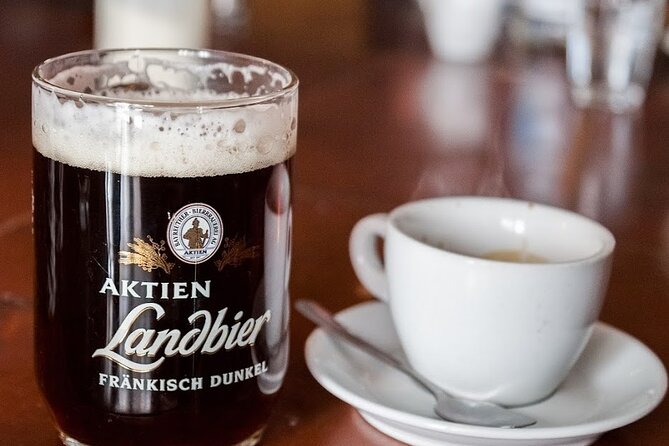
- A glass of German Riesling
- A pint of local draft beer
The drink package adds real value if you enjoy beer and wine. Several people have also noted that non-alcoholic choices are available, although the supplied information does not specify every alternative. If you do not drink beer, ask ahead about replacing it with coffee, soft drinks, or another option.
I would compare the cost with what you would spend on a full meal, a guided walking tour, and separate sightseeing time. The price makes more sense if you want all three in one organized outing. It makes less sense if you mainly want inexpensive samples or already know Berlin’s history well.
The strongest value comes from the guide. Daniel, Francesco, Fotini, Dania, and Vincent are among the named guides associated with especially positive experiences. Their appeal is not just factual information. They answer questions, point out places you might miss, and often suggest restaurants for later meals.
Pace, Group Size, and Practical Comfort
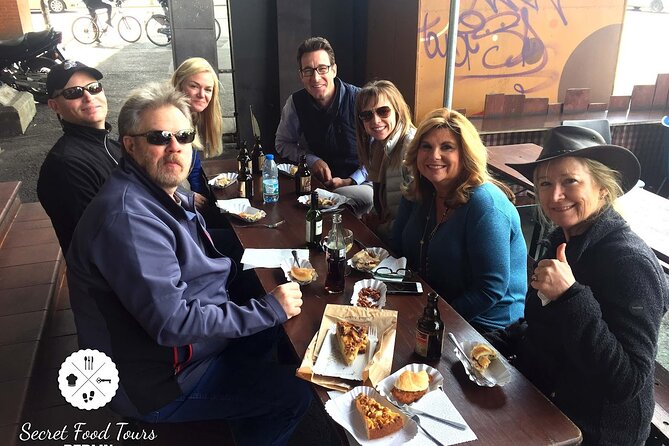
The maximum group size is 12. That is small enough for a guide to keep the group together without shouting, but it is still a shared experience rather than a private tour.
You should wear comfortable shoes. The route involves walking between food stops, street art, historic sites, and the East Side Gallery. One account describes the walking as comfortable rather than strenuous, but the official advice still calls for a fair amount of walking.
The tour is offered in English and lasts about three hours. It is near public transportation, and most people can take part. Hotel pickup and drop-off are not included.
The experience is listed for the morning in one description, while several comments refer to an afternoon outing. Check the confirmed start time, especially if you are planning museum visits, train travel, or a meal afterward.
The group may encounter rain or changes at food shops. The menu and route can change with weather, location availability, or other conditions. This is normal for a food walk, but it is worth knowing before you book.
Who Will Enjoy This Berlin Food Tour
I would choose this for a first or second day in Berlin. You get an overview of several neighborhoods, a working sense of the city’s history, and food suggestions that can guide the rest of your stay.
It suits you if you enjoy:
- Hearty German food and street food
- Learning history while walking
- Street art, courtyards, and less formal sights
- Small groups
- Beer, wine, and non-rushed conversation
- A substantial food experience rather than tiny tasting spoons
Families can make it work, including families with teenagers, but the amount of food may be more than some children want. A person with strict dietary needs should contact the provider in advance. The company says it will try to accommodate requirements, but the menu is subject to change.
I would be more cautious if you want fine dining, lots of vegetarian variety, or a very light lunch. The listed dishes lean toward bread, pastry, noodles, sausage, meat, and cheese. The route offers cultural range, but the food itself is not especially delicate.
Should You Book It?
Book this tour if you want Berlin explained through ordinary food and neighborhood walks. The strongest part is the connection between what you eat and what the city has lived through, from migration and Cold War division to reunification and street art.
At $118.51, go in hungry and treat it as a guided meal plus sightseeing, not a low-cost tasting sampler. Confirm the meeting point, tell the provider about dietary needs, wear comfortable shoes, and keep your schedule flexible. If that sounds right, this is a practical and enjoyable introduction to Berlin, especially early in your visit.
FAQ
How long does the Berlin Center Food Tour last?
The experience lasts approximately three hours.
How much does the tour cost?
The listed price is $118.51 per person.
How many people can join the tour?
The group has a maximum of 12 participants.
What foods are included?
The listed foods include Berlin kebab, a traditional baked pastry, currywurst, traditional beer garden food, Käsespätzle, a Berliner doughnut, a Turkish sweet, and a signature secret dish.
Are drinks included?
Yes. The listed inclusions are a glass of German Riesling and a pint of local draft beer. Non-alcoholic options may be available, and you should ask if you prefer not to drink alcohol.
Where does the tour finish?
The tour ends at Hackescher Markt, 10178 Berlin, Germany.
Is hotel pickup included?
No. Hotel pickup and drop-off are not included.
Can dietary requirements be accommodated?
You should contact the provider in advance with any dietary requirements so they can assess how best to accommodate you. The itinerary and menu may change based on availability, weather, and other conditions.
Fresh off the menu around Germany
- Stuttgart: Culinary Excursion through Bad Cannstatt★ 4.7 · 82 reviews
- “Rotes Bier” and “Blaue Zipfel”. A historical-culinary walk★ 4.4 · 190 reviews
- Nuremberg: Christmas City Culinary Tour★ 4.6 · 40 reviews
- Berlin: Guided Street Food Tour with Tastings★ 4.8 · 310 reviews
- Munich: Old Town Food Tour with 10+ Tastings, Beer & Pretzel★ 4.9 · 70 reviews
- Munich: Christmas Markets Food & Drink Tour★ 4.6 · 50 reviews
- Munich: Guided Food Walking Tour with Beer Tasting★ 4.7 · 183 reviews
- Munich: 3-Hour Culinary Nightwatch Tour★ 4.3 · 87 reviews
Berlin Food Tours, compared.
Berlin: Downtown Food Tour with 8 Authentic Local Tastings
Read our review →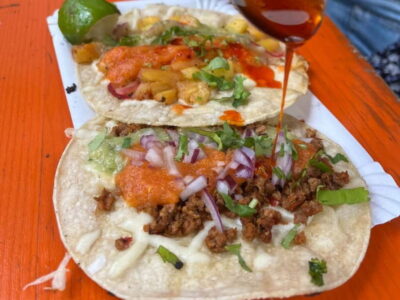
Browse the lists this tour appears in