
Review · MUNICH
Munich: 3-Hour Culinary Nightwatch Tour
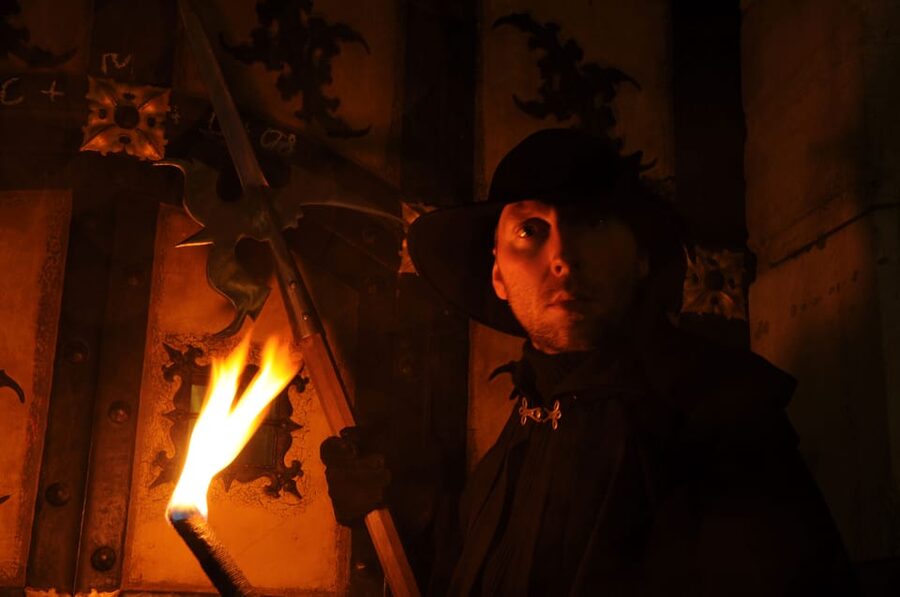
Munich’s Old Town takes on a different character after dark, when a costumed night watchman leads you past churches, old walls, prisons, and alleys filled with grim stories. This is part walking tour, part traditional meal, and part theatrical history lesson, with a hearty plate and drink at the start and dessert with a nightcap at the end.
I like the way the food gives the evening a clear shape, and I like the guide’s role-play, which turns dry dates into tales of corpses, church scandals, and medieval lawbreaking. The main caution is that the experience is German-language only, and the dining room can feel cramped when the group is large.
Key points at a glance
- A three-hour Old Town route: Walk from Marienplatz past St. Peter’s, the Old Town Hall, the Old Court, Frauenkirche, and major palaces.
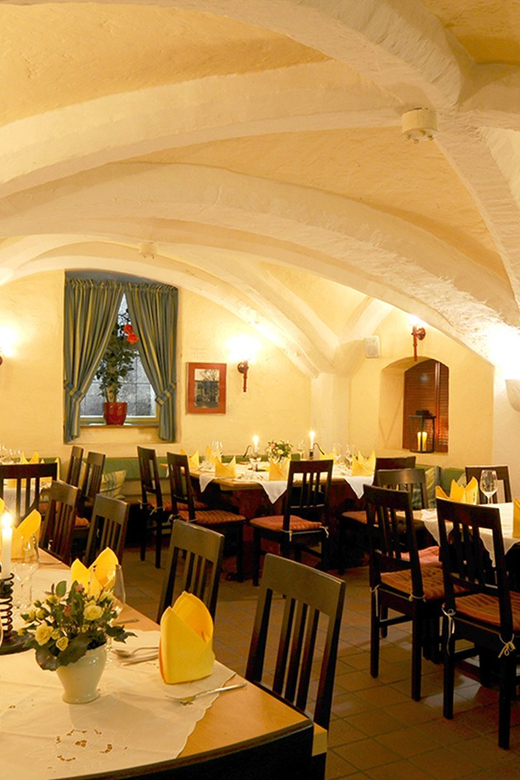
- Food at both ends: Start with meat, bread, and a drink, then finish with dessert and a nightcap.
- A proper night-watchman character: Your guide wears historical costume and keeps watch over the alleys as you move through Munich.
- Grisly history: Expect stories about cemetery customs, foul-smelling corpses, torture, prison, host desecration, and old city defenses.
- German-speaking performance: The tour is designed for people who understand German well enough to follow spoken stories and jokes.
- Good value for a full evening: At $88 per person, the price includes the guide, first meal and drink, dessert, and final drink.
Meeting the night watchman at Mariensäule
The evening begins at the Mariensäule on Marienplatz, Munich’s central square. Look for the guide carrying a big blue bag marked Weis(s)er Stadtvogel in white letters. That is the practical detail most worth remembering, since Marienplatz can be busy and the guide is easier to spot by the bag than by costume alone.
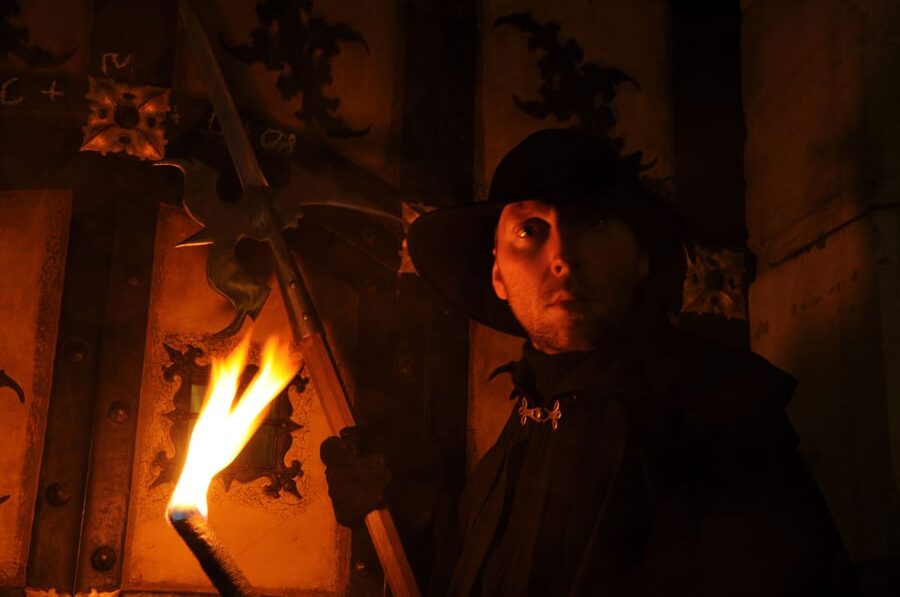
The night watchman is not simply a guide in old clothing. He takes on the job of a medieval city watchman, the person responsible for keeping order after dark and making sure the streets were free of troublemakers. That role gives the walk a playful thread: you are not just following a lecturer from monument to monument, but accompanying someone on his nightly round.
Guide quality matters a lot here. Matthias, one guide associated with the experience, has been praised for humor, strong historical detail, and a lively delivery. One particularly successful evening ran a little over three hours and included plenty of laughter and even singing. That tells you something useful about the mood: this is not a quiet, academic walk. It can become a social evening, especially when the group is in good spirits.
The meeting point is listed at the Mariensäule at Marienplatz, while the route itself also refers to the Marktplatz. Use the specific booking instructions and look for the blue bag at the column. Arriving early gives you time to find the meeting point without rushing.
More three-hour food tours around Germany:
- Leipzig: 3-Hour Sightseeing and Food Tour
★ 4.9 · 113 reviews - Munich: 3-Hour Food Tour Through Haidhausen in GERMAN
★ 4.7 · 21 reviews - Award-Winning Geneva Chocolate &Old Town Tour with Boat Ride (3h)
★ 5.0 · 3,721 reviews
The first tavern stop: meat, bread, and a drink
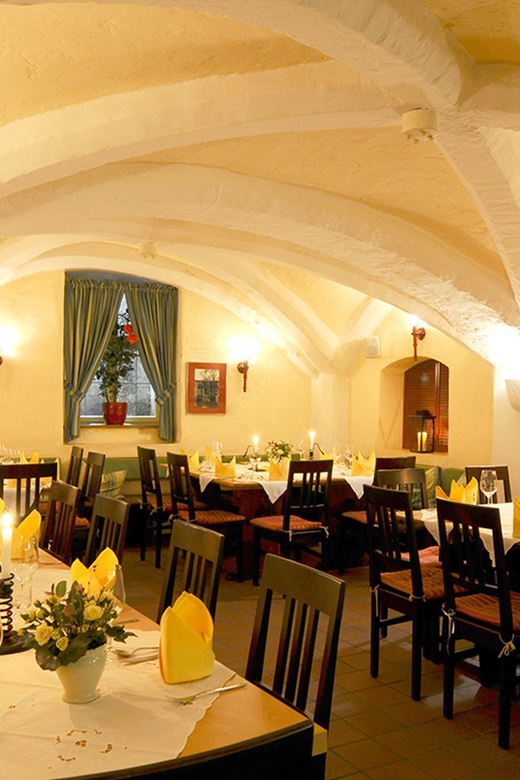
Before the walking begins, you visit a traditional Munich tavern for a night-watch meal. The included food is described as meat and bread, along with a drink. It is meant to be filling rather than delicate, which fits the character of the evening and gives you a proper base before heading into the cold or dark streets.
I like this format more than a tour that adds a rushed snack halfway through. You eat first, settle into the group, and then begin the historical route with some energy. The drink also helps set the tavern mood, though the exact food and beverage choices are not specified.
Food quality appears to be less consistent than the guiding. One evening was described as very good, while another assessment found the meal only average. You should book this for the full combination of history, atmosphere, and food rather than expecting a carefully planned gourmet dinner.
The dining room can also feel tight when attendance is high. If you dislike close seating, this is worth keeping in mind. The meal is part of the experience, but it is not the reason to choose this tour over a restaurant reservation.
St. Peter’s and the uncomfortable side of old Munich
Once outside, the night watchman leads you toward St. Peter’s Church, one of Munich’s key historic landmarks. The focus here is not only the church building itself, but the cemetery and the customs that surrounded death.
You hear about funerary practices, epitaphs, unpleasantly decaying bodies, and even missing church pews. These details make the stop memorable because they show how public, physical, and sometimes disorderly death could be in earlier centuries. The stories are meant to be grisly, so this is not the right tour for anyone who wants a polished, gentle version of Munich’s past.
The cemetery material also gives the tour a useful change of scale. You are not only hearing about rulers and grand buildings. You are hearing about the practical problems faced by ordinary people, churches, and city officials. The night watchman’s job becomes more believable when the stories turn to smells, burial customs, and keeping order around sacred places.
Old Town Hall, Salzstraße, and a changed city skyline
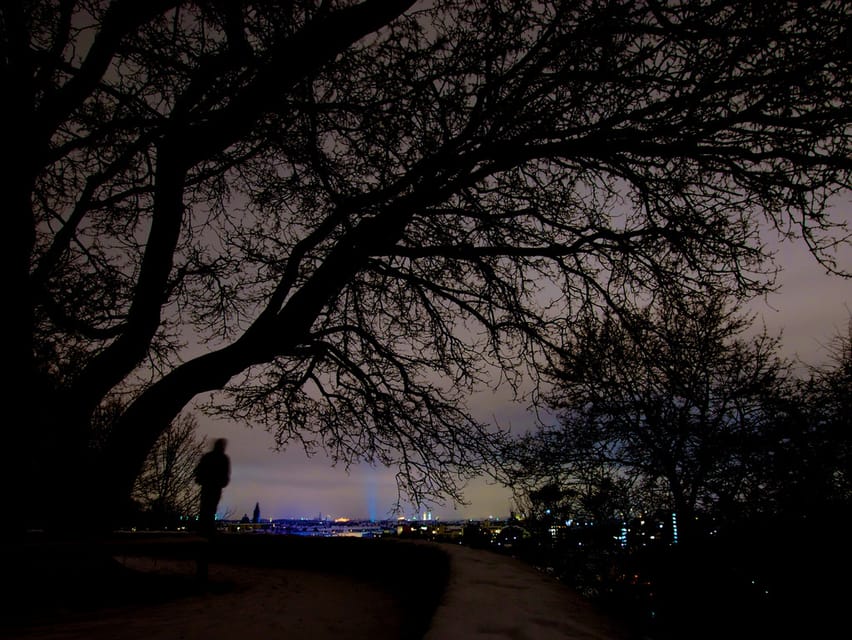
The route continues to the Old Town Hall along the historic street known as Salzstraße. Here, the guide explains the old city gate and the reconstruction of the building’s spire in the 1970s.
This is a good reminder that Munich’s past is not frozen in place. What you see today reflects both medieval origins and later rebuilding. A night tour can make those layers easier to notice because the guide connects a street, gate, tower, and political center rather than treating each sight as a separate photo stop.
The Old Town Hall is also useful for understanding how concentrated medieval Munich was. The old city gates and walls were not distant museum pieces. They shaped daily movement, trade, security, and the watchman’s duties. As you walk, look for the way narrow streets and older building lines suggest a city that once had a much smaller footprint.
More food tours around Germany:
- Hamburg: Schanzenviertel Culinary Tour
★ 4.6 · 2,051 reviews - Hamburg: Elbphilharmonie Plaza and HafenCity Food Tour
★ 4.7 · 1,711 reviews - Berlin Center Food Tour with 8+ Authentic Local Tastings
★ 5.0 · 1,227 reviews - Munich: Viktualienmarkt Food Tour
★ 4.5 · 1,127 reviews
Torture, prison, and the Old Court
The mood turns darker as you pass a torture chamber and prison on the way to the Old Court. The guide then follows the line of the original twelfth-century city wall, leading west after leaving the moated castle.
This section should appeal to you if you prefer history with hard edges. The city wall was not merely a defensive feature. It marked the limits of civic authority, controlled entry, and helped define where Munich began and ended. The prison and torture material shows the other side of that authority, punishment rather than protection.
The route does not present medieval life as quaint. That is one of its strengths. The old city had food, faith, trade, and ceremony, but it also had disease, public punishment, foul smells, and strict control. The night-watchman character gives these subjects a natural voice without turning the whole walk into a formal lecture.
Gruftgasse and the wine-drinking Munich of the past
At Gruftgasse, expect more gruesome tales. The name itself fits the tone, and the stories here continue the evening’s interest in death, burial, and the less pleasant corners of city life.
In Schäfflergasse, you learn a detail that may surprise many modern visitors: medieval Munich favored wine over beer as the drink of choice. That small fact is exactly the sort of correction that makes a walking tour worthwhile. Modern Bavaria is closely linked with beer, but the city’s earlier drinking habits were not identical to today’s image.
This stop also shows why food and drink are woven into the route. The tavern meal is not just a convenient package extra. It connects with the old city’s social life and gives the guide a way to talk about what people drank, ate, and shared. Still, the tour does not provide a full culinary tasting, so keep your expectations at the level of a substantial traditional meal rather than a sequence of food samples.
Frauenkirche, Promenadeplatz, and Munich’s grander face
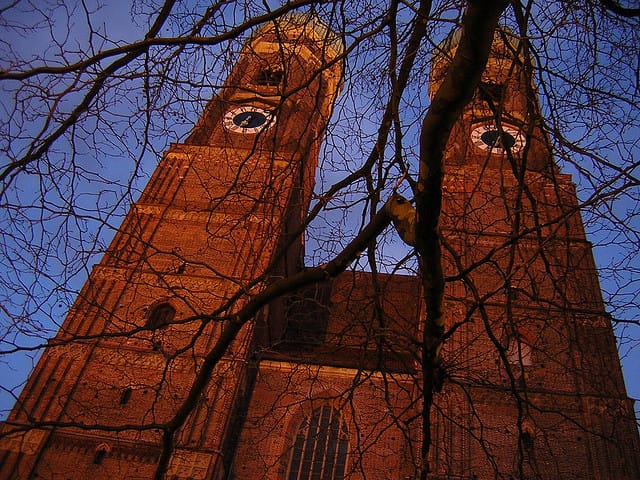
The two towers of Frauenkirche provide one of the evening’s most recognizable sights. The church is a landmark on the Munich skyline, and seeing it during an evening walk gives you a strong sense of place even if the route does not include a long interior visit.
From there, the walk passes Promenadeplatz, Palais Portia, and Palais Holnstein. The route shifts from medieval alleys and punishments to the city’s grander civic and aristocratic spaces. You get a compact lesson in how Munich developed from a walled medieval town into a city of palaces, churches, and formal squares.
I like this contrast. The tour does not stay in one historical period or one type of street. It moves from cemetery customs and prison stories to courtly buildings and religious landmarks. That variety helps the three hours pass quickly, although the amount of walking and standing means comfortable shoes are sensible.
Church scandals and the Theatine Church
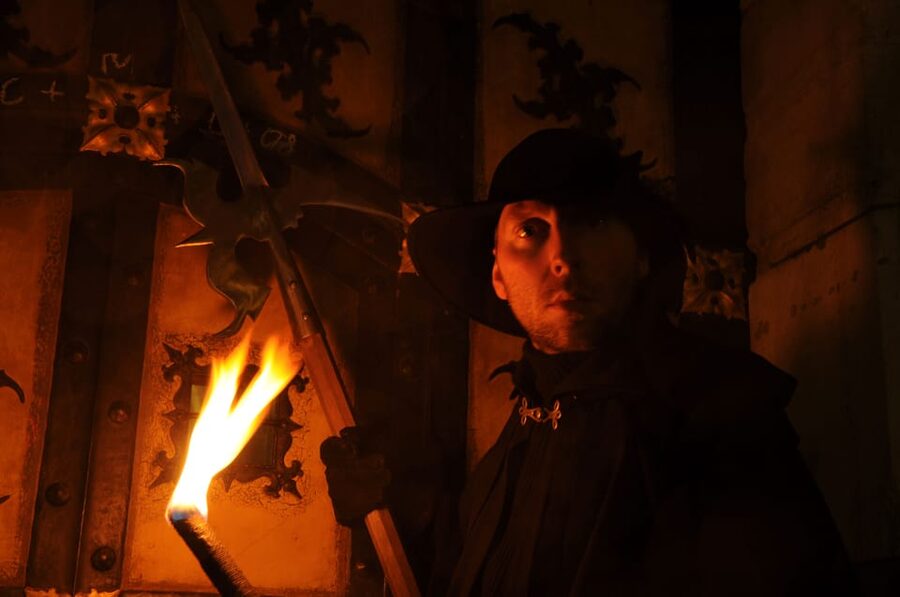
At Salvatorkirche, the night watchman tells the story of a shocking act of host desecration. The subject reflects the religious fears and tensions of earlier centuries, when accusations involving sacred objects could have serious consequences.
The story is likely to feel harsh by modern standards, which is precisely why it belongs in a night-watchman performance. The guide is showing you how belief, rumor, punishment, and public emotion could collide. If you prefer history without religious controversy or frightening tales, this portion may feel heavy.
The final major church stop is the Theatine Church, where you hear about Henriette Adelaide. Her son later ensured that the Theatine cloister was built. This provides a more personal and dynastic story after the darker material at Salvatorkirche.
Together, these church stops show different sides of Munich’s religious past: fear and accusation at one site, court influence and family legacy at another. The guide’s job is to link those stories to the streets around you, not just point out impressive facades.
Dessert and a nightcap back at the tavern
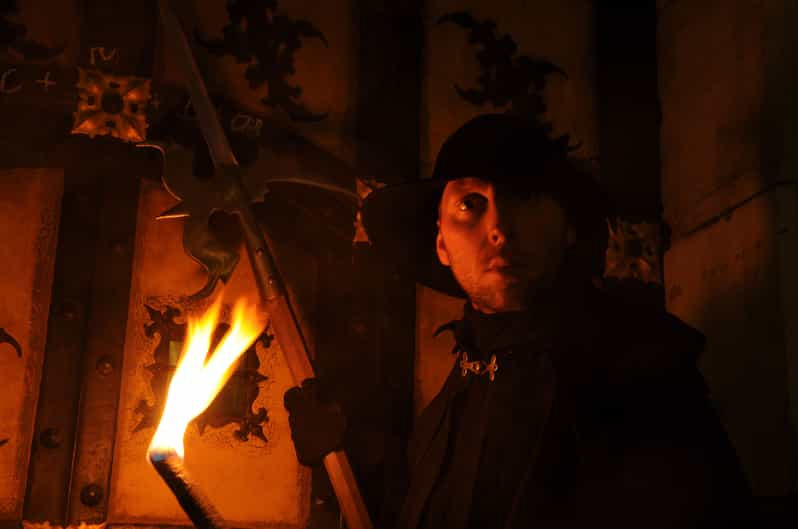
At the end, you return to the tavern for dessert and a final drink. Kaiserschmarrn has been served as the dessert, though the exact offering can vary. The meal’s closing course gives the evening a friendly finish after several hours of grim tales.
There is one practical drawback here: the dessert stop is in the same tavern as the opening meal. If you expect a second venue or a change of scene, you may find the ending repetitive. On the other hand, returning to the same place keeps the schedule simple and lets the group wind down without another transfer.
This final stop can also affect the tone of the night. A strong guide and a sociable group may turn the ending into a relaxed round of conversation, laughter, or even singing. The experience has enough structure to feel organized, but enough room for the evening to become informal.
What $88 buys you
The price is $88 per person. That is not cheap for a three-hour walking tour, but it includes more than a standard guided stroll: a costumed German-speaking guide, a substantial first meal with a drink, dessert, and a nightcap.
For me, the value depends on how you would otherwise spend the evening. If you would book dinner and a historical tour separately, the combined price can make sense. If you want a focused sightseeing walk with no food component, you may find less expensive options.
The best value comes from the performance and route. You see several central landmarks while hearing stories that are hard to absorb from a guidebook alone. The food is useful, but the guiding carries the experience, especially when the night watchman is as funny and engaging as Matthias.
The rating of 4.3 from 87 reviews suggests a generally strong experience with some unevenness. The main weak points are not hidden: the food may be merely average, seating may be tight, and the tour can be canceled if too few people sign up. One booking was canceled two days beforehand despite a party of seven, so keep a backup evening plan if this tour is central to your schedule.
You can cancel up to 24 hours before the start for a full refund, and you can reserve now while paying later. The activity is listed as wheelchair accessible. The exact starting time depends on availability, and the live tour is in German.
Who will enjoy this Munich evening
I would recommend this tour to you if you enjoy local history told through characters, odd details, and dark humor. It is especially suitable if you want to see the central Old Town at night while also having a meal built into the plan.
It works well for adults and older children who can follow German storytelling and are comfortable with subjects such as death, torture, prison, and religious violence. The tone is theatrical and sometimes gruesome, so it is not a mild family folklore walk.
You should think twice if your German is limited, if you want a quiet architectural tour, or if you care more about excellent food than historical entertainment. The walk includes many strong sights, but the meal should be judged as traditional fuel for the evening, not as a destination restaurant.
The group atmosphere matters, too. A large party may mean crowded seating, while a lively group can make the final tavern stop especially enjoyable. You are buying a shared evening as much as a route through the city.
Should you book the Culinary Nightwatch Tour?
Book it if you want Munich history with a theatrical edge, a filling tavern meal, and stories that go well beyond kings and church facades. The strongest reasons are the unusual subject matter, the central route, and guides such as Matthias, who can make three hours feel social and quick.
Skip it if you need English, want a polished culinary experience, or dislike gruesome stories. Also keep a backup plan because low attendance can lead to cancellation. For the right audience, though, this is a memorable way to meet Munich after dark, one cemetery tale, old wall, and nightcap at a time.
FAQ
Where does the Munich Culinary Nightwatch Tour meet?
The meeting point is the Mariensäule at Marienplatz in Munich. Look for a guide carrying a big blue bag with the words Weis(s)er Stadtvogel in white.
How long does the tour last?
The scheduled duration is three hours. One evening ran slightly longer than three hours.
What language is the tour conducted in?
The live tour guide speaks German. The activity information lists German as the available language.
What food and drinks are included?
The first tavern stop includes a night-watch meal with meat, bread, and a drink. The second stop includes dessert and a nightcap. Kaiserschmarrn has been served as dessert, but the exact food offering is not specified.
Which Munich sights are included?
The route includes St. Peter’s Church, the Old Town Hall, Salzstraße, the Old Court, the former twelfth-century city wall route, Gruftgasse, Schäfflergasse, Frauenkirche, Promenadeplatz, Palais Portia, Palais Holnstein, Salvatorkirche, and the Theatine Church.
Is the tour wheelchair accessible?
Yes. The activity is listed as wheelchair accessible.
Can I cancel the booking?
Yes. You can cancel up to 24 hours in advance for a full refund. You can also reserve now and pay later.
Fresh off the menu around Germany
- Stuttgart: Culinary Excursion through Bad Cannstatt★ 4.7 · 82 reviews
- “Rotes Bier” and “Blaue Zipfel”. A historical-culinary walk★ 4.4 · 190 reviews
- Nuremberg: Christmas City Culinary Tour★ 4.6 · 40 reviews
- Berlin: Guided Street Food Tour with Tastings★ 4.8 · 310 reviews
- Munich: Old Town Food Tour with 10+ Tastings, Beer & Pretzel★ 4.9 · 70 reviews
- Munich: Guided Food Walking Tour with Beer Tasting★ 4.7 · 183 reviews
- Munich: Christmas Markets Food & Drink Tour★ 4.6 · 50 reviews
- Munich: 3-Hour Food Tour Through Haidhausen in GERMAN★ 4.7 · 21 reviews
Munich Food Tours, compared.

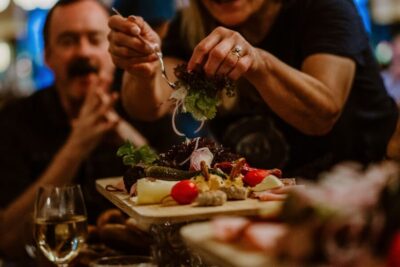
Munich: Beer and Food Tour with Dinner & Oktoberfest Museum
Read our review →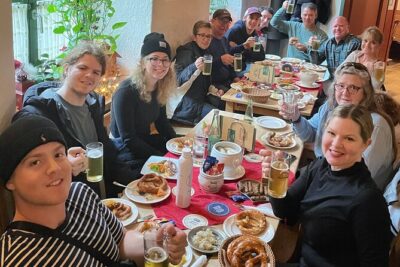
Lunch Like a Local: Munich’s ORIGINAL Viktualienmarkt Food Tour
Read our review →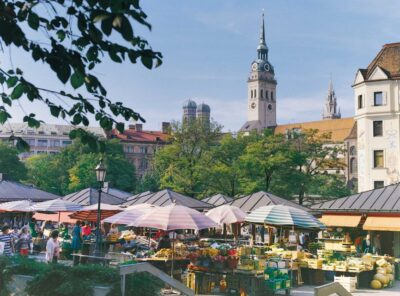
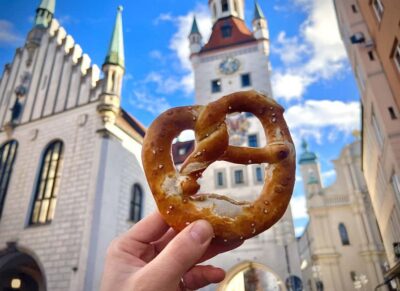
Munich: Old Town Food Tour with 10+ Tastings, Beer & Pretzel
Read our review →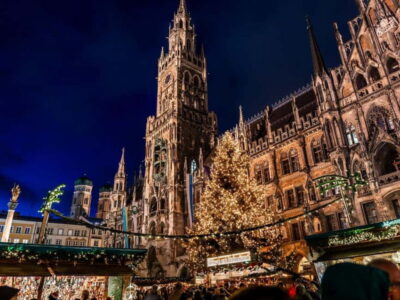
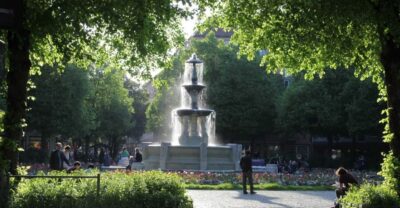
Munich: 3-Hour Food Tour Through Haidhausen in GERMAN
Read our review →Browse the lists this tour appears in