
Review · BERLIN
Kreuzberg: Culinary Food Tour
Kreuzberg’s best stories are found between its snack bars, courtyards, protest sites, and old working-class streets. This three-hour food walk pairs five tastings with a sharp look at the neighborhood’s divided-city past, immigrant communities, nightlife, and famously unruly character.
I like the way the tour replaces one large meal with five smaller stops, so you can try Berlin recipes, international dishes, and modern crossover food without committing to a single restaurant. I also like the route’s range, from Kottbusser Tor and Oranienstraße to SO36 and Admiralstraße. The main caution is that the quality of the storytelling may depend on your guide. Most guides have been praised for preparation and energy, but one recent assessment found some information less consistent.
Key points to know before booking

- Five food stops: Sample local recipes, international delicatessen, and modern crossover dishes at five separate restaurants.
- A history walk with real context: Hear about working-class housing, left-wing protests, GDR escape attempts, Martin Luther King’s 1964 visit, and the district’s changing identity.
- Kreuzberg’s SO36 core: The route passes through one of the neighborhood’s most famous areas, including sites linked with May Day demonstrations.
- Private group option: The listed price is $589 for up to 10 people, making the cost much more sensible when shared by a full group.
- Vegetarian, not vegan: Vegetarian tastings are available, but the experience does not offer a vegan option.
- Dress for a moving meal: Food may occasionally be served outdoors and eaten standing up, so comfortable shoes and practical clothing matter.
Why this Kreuzberg walk works

Kreuzberg is not a postcard district where every sight comes with a neat plaque. Its character comes from collision: old tenements beside late-night food shops, political murals beside polished cafés, and stories of poverty, migration, protest, and reinvention packed into a few streets.
That makes a food tour a good fit here. You are not simply stopping at restaurants. You are moving through the places that shaped the neighborhood and tasting the cultures that now shape its daily life.
The route begins at Kotti, the familiar shorthand for Kottbusser Tor. The exact meeting point can vary by booking option, with FightClub Casino listed as one starting location, so check the final meeting instructions carefully. After a short introduction, your guide sets the scene before the first tasting.
The experience is offered in English or German, and a private group can book together. That matters in Kreuzberg, where a guide who can explain the setting clearly adds far more than a person who simply leads you from one snack to the next.
More food tours around Germany:
- Hamburg: Schanzenviertel Culinary Tour
★ 4.6 · 2,051 reviews - Hamburg: Elbphilharmonie Plaza and HafenCity Food Tour
★ 4.7 · 1,711 reviews - Berlin Center Food Tour with 8+ Authentic Local Tastings
★ 5.0 · 1,227 reviews
Kottbusser Tor and the Neues Kreuzberger Zentrum
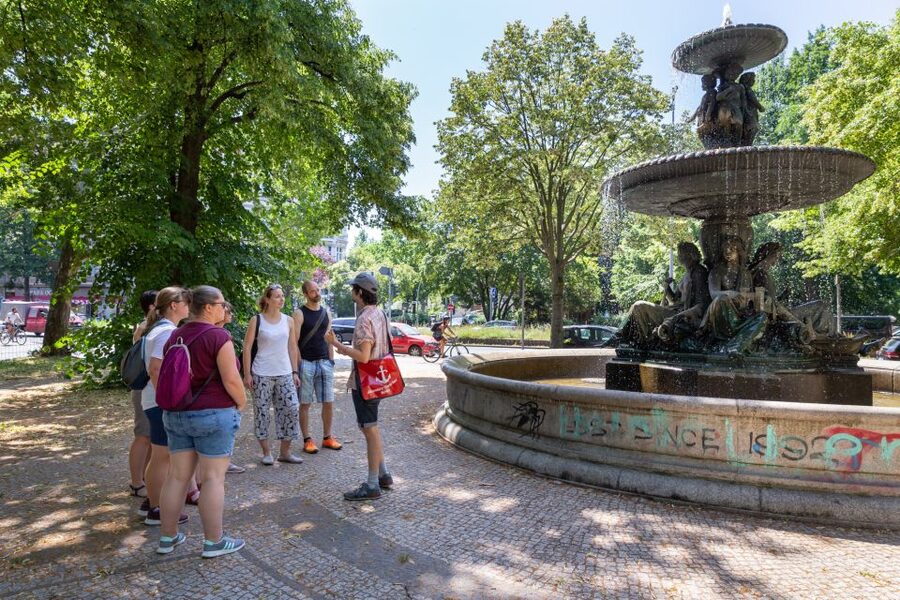
The first major stop is the Neues Kreuzberger Zentrum, the large complex beside Kottbusser Tor. You spend about 40 minutes in this area with sightseeing, storytelling, and food tasting.
Kottbusser Tor gives you a quick lesson in Kreuzberg’s many layers. The area reflects the district’s working-class roots and its role as a home for people from many backgrounds. Your guide explains how Kreuzberg grew as a working-class quarter in the middle of the 19th century, then connects that earlier period with present-day street life.
This is also where the tour begins to explain how crowded housing once worked. On Oranienstraße and nearby streets, people did not always rent a full apartment or even a private room. Some paid for an eight-hour stay on a mattress. That small detail makes the old housing conditions easier to grasp than a string of dates would.
The first tasting is useful here because it gives you a reason to pause and look around. You are not rushing through a landmark, taking a picture, and leaving. You are eating in the same neighborhood whose social conditions helped shape its politics and culture.
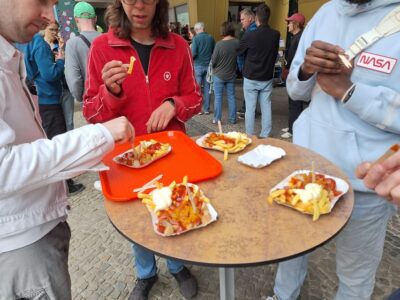
One practical point: the tasting can sometimes be served outside the restaurant. You may need to eat standing up, so do not expect a formal first course with a table and long sit-down service.
Oranienstraße, where history meets a food crawl
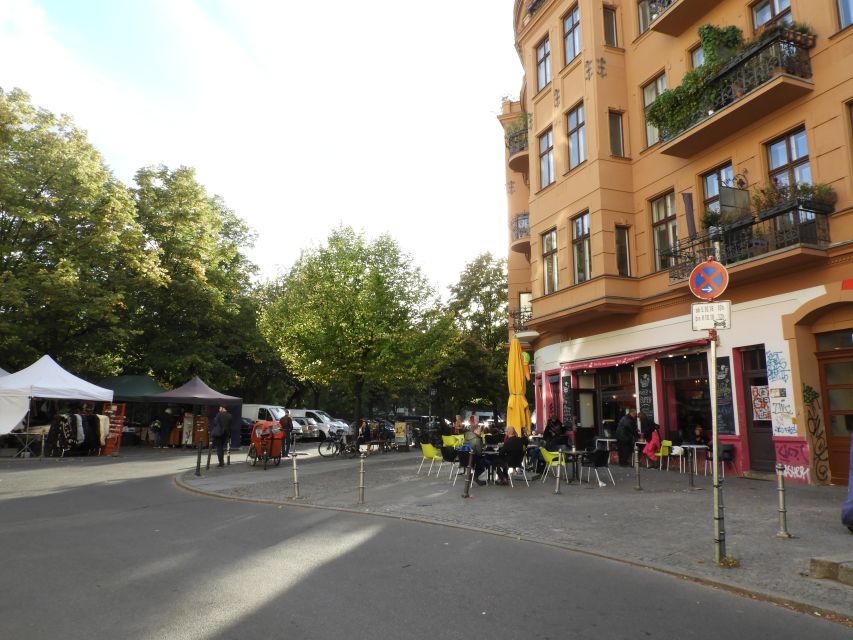
Oranienstraße receives the longest portion of the walk, about one hour. This is the stretch where the neighborhood’s past and present come together most clearly.
The guide discusses working-class life, the district’s left-wing tradition, and the demonstrations that made Kreuzberg famous far beyond Berlin. You also get a sense of how the area moved from hardship and political conflict into its current mix of restaurants, bars, independent businesses, and nightlife.
The food stops here are central to the experience. Instead of filling you with one heavy plate, the tour offers smaller samples that represent Kreuzberg’s international character. Depending on the current restaurant selection, you might try an original Berlin recipe, a Turkish or other international specialty, or a modern dish that blends culinary traditions.
Past food selections have included döner or dürüm, currywurst, flammkuchen, baklava, vegetarian sushi, and roasted nuts in sweet and savory forms. The precise menu is not fixed in the supplied details, so you should treat those as examples rather than a guaranteed list. That flexibility is normal for a neighborhood food walk, but it also means you should not book it expecting a set tasting menu.
I like this part of the route because it shows that Kreuzberg’s food culture is not a side attraction. It is part of the neighborhood’s social story. A Berlin classic, a family-run international dish, and an inventive vegetarian bite can sit within a short walk of one another.
Rio-Reiser-Platz and the district’s cultural voice
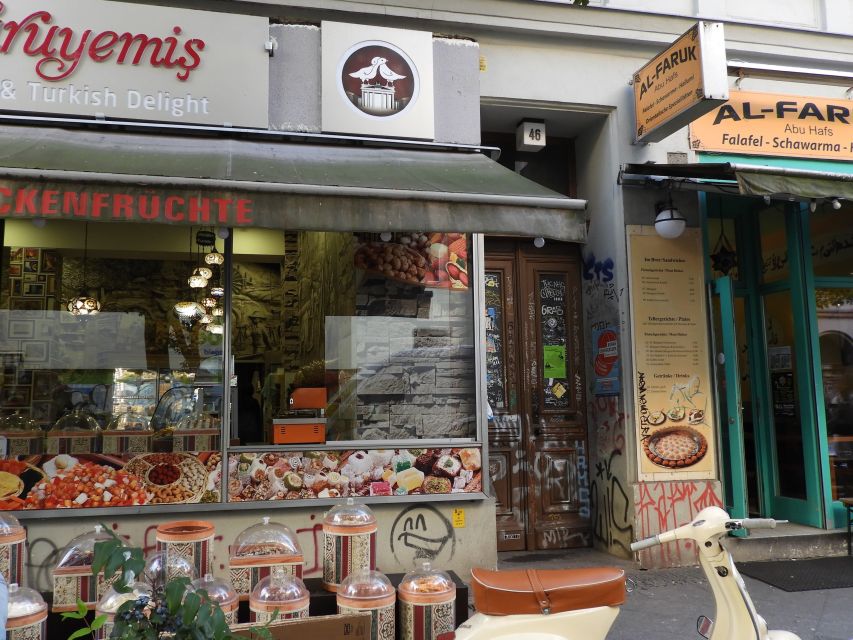
The stop at Rio-Reiser-Platz lasts about 15 minutes. It is brief, but it adds a cultural note to the walk.
Your guide uses the square and its surroundings to connect Kreuzberg with Berlin’s music, counterculture, and outspoken political spirit. The tour is not only about buildings and dates. It asks you to notice how public spaces carry the memory of the people who lived, performed, marched, and argued there.
A short stop like this can feel rushed if you want a long photo break. It works better if you see it as one chapter in a moving conversation. The guide’s job is to keep the story flowing while the food stops give you regular pauses.
Same city, a different plate:
- Munich: Viktualienmarkt Food Tour
★ 4.5 · 1,127 reviews - Munich: Beer and Food Tour with Dinner & Oktoberfest Museum
★ 4.7 · 1,086 reviews - Cologne: Südstadt Guided Foodie Walking Tour
★ 4.6 · 624 reviews - Munich: Viktualienmarkt & Altstadt Food Tour
★ 4.7 · 481 reviews
Mariannenstraße and the everyday side of Kreuzberg
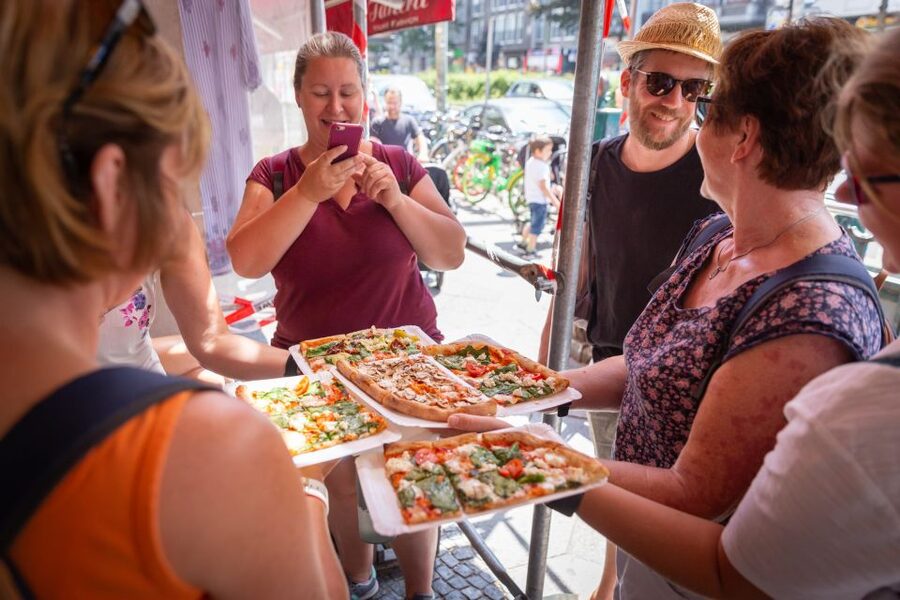
The route continues to Mariannenstraße 4 for roughly 20 minutes. Here, you get another food tasting along with more walking and local context.
Mariannenstraße helps shift the focus away from the big reputation of Kottbusser Tor and SO36. The most useful part of a neighborhood tour is often this middle ground, where the guide can explain how famous stories relate to normal daily life.
The experience presents Kreuzberg as a place where people of different origins, political views, lifestyles, sexualities, and incomes live close together. That does not mean every part of the district is simple or harmonious. It means the neighborhood cannot be reduced to one identity.
For you, this stop is a chance to ask questions. On a private tour, you have more room to steer the conversation toward food, architecture, politics, migration, or modern Berlin life. If your guide is Niclas or Nike, the supplied feedback describes both as engaging and well prepared, but guide assignment can vary.
Oranienplatz and Dresdener Straße
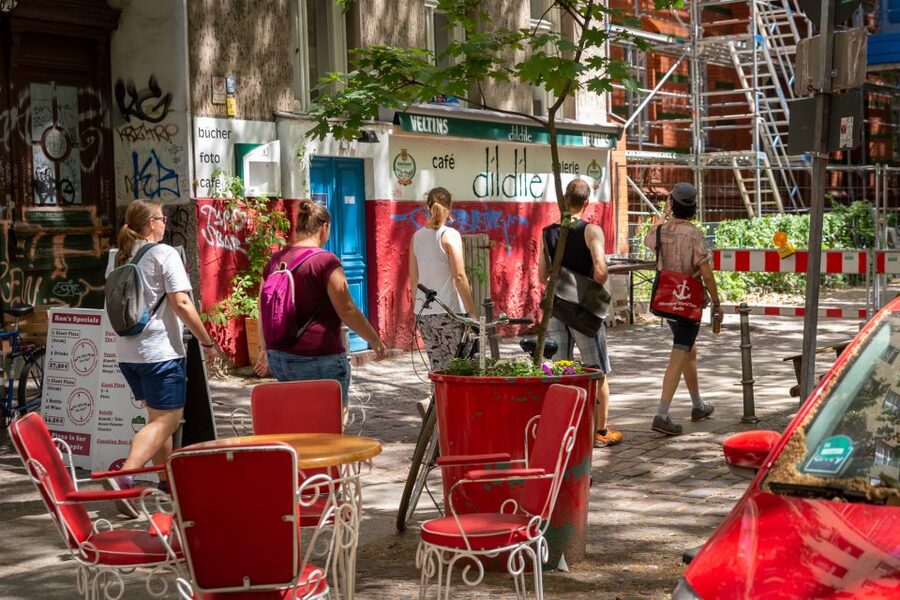
The stop at Oranienplatz is short, about five minutes, followed by roughly 10 minutes on Dresdener Straße. These portions are mostly walking and sightseeing, with no listed food tasting at either point.
That may sound minor, but these short links help the route make sense. You are moving between the larger tasting and storytelling stops instead of being driven from one restaurant to another. The city remains part of the experience.
Your guide also uses the route to discuss Kreuzberg’s social and political life. The district has a strong tradition of demonstrations and public protest, and the walk gives you a better feel for the streets connected with that tradition.
Keep your expectations realistic. This is not an architecture tour with detailed access to every historic building. You are getting an overview of key places and the stories attached to them, with the food stops providing the rhythm.
Admiralstraße and the final stretch
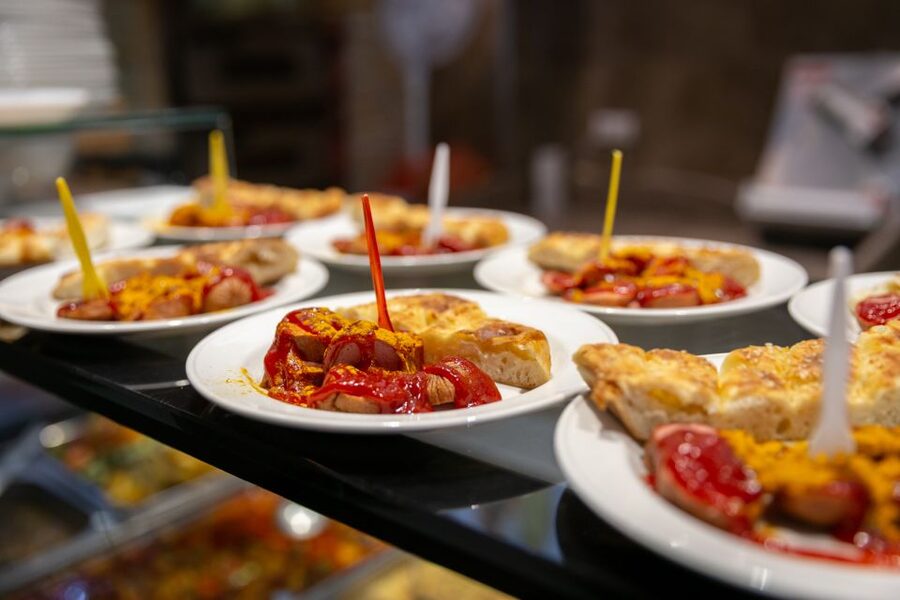
Admiralstraße receives about 40 minutes, including another tasting, photography, and guided sightseeing. It is one of the longer sections and gives the tour space to pull its themes together.
You may hear about the former GDR traffic-light men, the familiar walking figures once associated with East Germany. The route also covers dramatic attempts to escape the GDR, Martin Luther King’s visit to Berlin in 1964, and the story of Berlin’s so-called Jack the Ripper.
These are very different stories, and that variety is part of the appeal. Some are political, some personal, and some are dark pieces of urban folklore. A good guide will explain why each belongs in the story of Kreuzberg instead of tossing out disconnected trivia.
The route finishes at Grimmstraße 23, in the 10967 Berlin area. You are not returned to the original meeting point, so plan your next move from the finish rather than assuming the walk is a loop.
What the five tastings are really worth
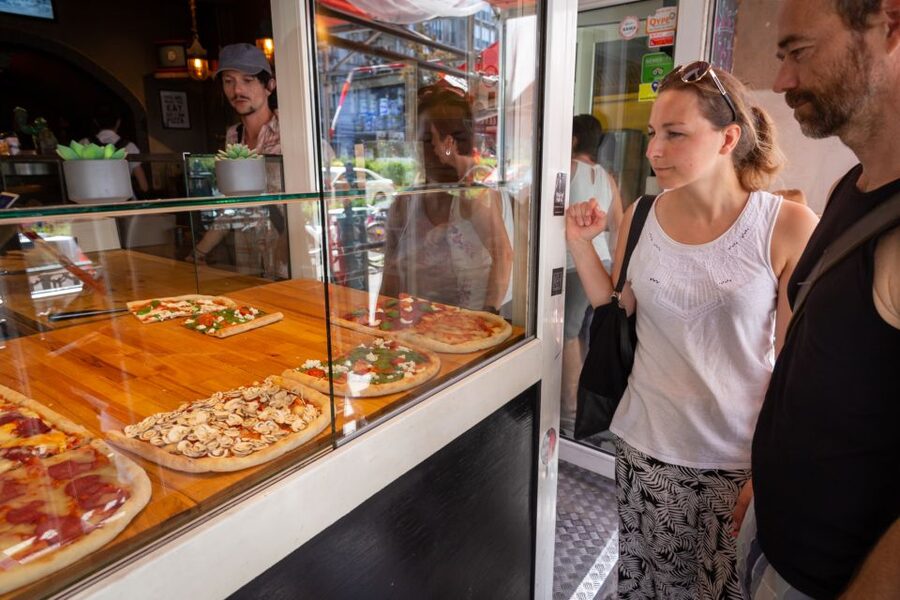
The strongest reason to book this experience is the chance to taste across several traditions in one compact walk. You are not looking for a single famous dish. You are sampling the neighborhood’s mix of Berlin staples, international cooking, and newer cross-cultural ideas.
The food also helps you manage a three-hour walking route. Small portions give you energy without turning the afternoon into a long, heavy meal. If you are curious about Berlin food but do not know where to start, the structure removes some guesswork.
Still, this is not a substitute for a full lunch. The amount served at each of five stops is not specified, and drinks are not included. If you arrive hungry, you may want to eat something light first. If you are hoping for a seated restaurant meal at every stop, this tour may disappoint.
Vegetarians can take part, which is a real plus given the range of stops. Vegans cannot book with the expectation of a dedicated vegan menu, since no vegan option is available.
Guides, group size, and the human factor
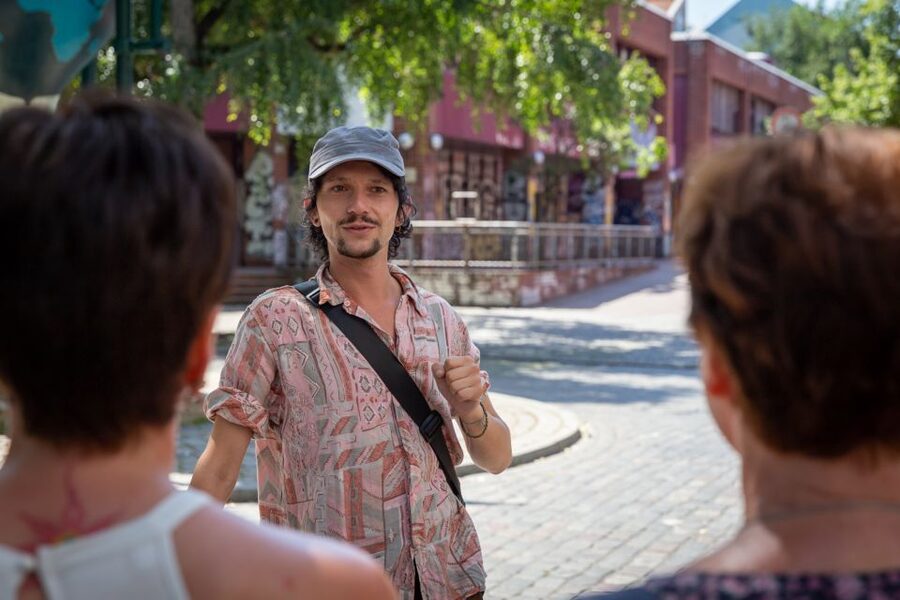
The guide can make or break a history walk, and the available feedback points to a generally strong showing. Niclas is described as especially well prepared, while Nike is credited with making the tour interesting and appealing. Another recent assessment praised the food stations but found parts of the information less clear, even though the guide worked hard to entertain the group.
That is a fair warning. The tour covers a lot in three hours: 19th-century housing, political demonstrations, GDR escape stories, cultural figures, nightlife, and five restaurants. Some guides may tell a tighter, more structured story than others.
The private format is valuable here. The price is $589 for a group of up to 10, which is expensive for one person but more reasonable at full capacity. Split among 10 people, it works out to about $59 per person before drinks. For a small group of two, the cost is much harder to justify unless you place a high value on a private guide and a tailored pace.
The tour is available in English or German. A private group also gives you the chance to ask for clarification, linger at a food stop, or keep the conversation focused on the subjects you care about.
Who should book this Kreuzberg experience?
I would recommend it to first-time Berlin visitors who want a local district explained through both food and history. It suits people who prefer several tastings to one formal meal, and it is a good choice for families, friends, or private groups sharing the cost.
It also works well for repeat visitors who have seen Berlin’s major sights but have not spent much time in Kreuzberg. The walk deals with subjects that are easy to miss on your own, including the area’s working-class past, left-wing identity, GDR connections, and role in Berlin nightlife.
You should think twice if you need vegan food, dislike eating outdoors, or want a quiet seated meal. You should also be comfortable walking for three hours with several standing stops. Exact portion sizes, restaurant names, and the final meeting point are not fixed in the information provided, so confirm those details when booking.
Cancellation is flexible, with a full refund available if you cancel at least 24 hours ahead. You can also reserve now and pay later, which helps if your Berlin schedule is still taking shape.
Should you book it?
Book this tour if you want Kreuzberg in a single, well-paced outing: five food tastings, stories from working-class Berlin and the divided city, and a route through Kottbusser Tor, Oranienstraße, SO36, Oranienplatz, and Admiralstraße.
The value improves sharply with a full private group. Vegetarian diners are covered, while vegans should skip it. I would also confirm the starting point and arrive ready to eat standing up at times.
For a group of friends or family members, this is a practical way to get both food and context without planning five restaurants yourself. For a solo visitor paying the full group price, the cost is harder to defend. The best reason to choose it is not simply the snacks. It is the chance to understand why Kreuzberg tastes, argues, remembers, and changes the way it does.
FAQ
Where does the Kreuzberg food tour start?
The tour meets at Kotti, in the center of Kreuzberg. FightClub Casino is listed as a starting location option, but the meeting point can vary depending on the option booked. Check your booking details before setting out.
Where does the tour finish?
The walk finishes at Grimmstraße 23, 10967 Berlin, Germany.
How long does the experience last?
The guided walking tour lasts three hours.
How many food tastings are included?
You receive five different food tastings at five distinct restaurants.
Are drinks included?
No. Drinks are not included in the tour price.
Is there a vegetarian option?
Yes. Vegetarian food is available.
Is there a vegan option?
No. A vegan option is not available.
What languages are offered?
The live tour guide is available in English or German.
Can I book a private group?
Yes. A private group is available, and the listed price is $589 for up to 10 people.
Fresh off the menu around Germany
- Stuttgart: Culinary Excursion through Bad Cannstatt★ 4.7 · 82 reviews
- “Rotes Bier” and “Blaue Zipfel”. A historical-culinary walk★ 4.4 · 190 reviews
- Nuremberg: Christmas City Culinary Tour★ 4.6 · 40 reviews
- Berlin: Guided Street Food Tour with Tastings★ 4.8 · 310 reviews
- Munich: Old Town Food Tour with 10+ Tastings, Beer & Pretzel★ 4.9 · 70 reviews
- Munich: Christmas Markets Food & Drink Tour★ 4.6 · 50 reviews
- Munich: Guided Food Walking Tour with Beer Tasting★ 4.7 · 183 reviews
- Munich: 3-Hour Culinary Nightwatch Tour★ 4.3 · 87 reviews
Berlin Food Tours, compared.

Berlin Center Food Tour with 8+ Authentic Local Tastings
Read our review →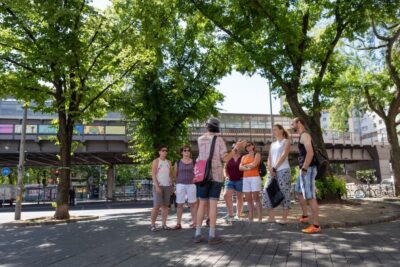

Browse the lists this tour appears in