
Review · HONG KONG
Hong Kong’s Tin Hau Hidden Eats Food Tour with 7+ Local Tastings
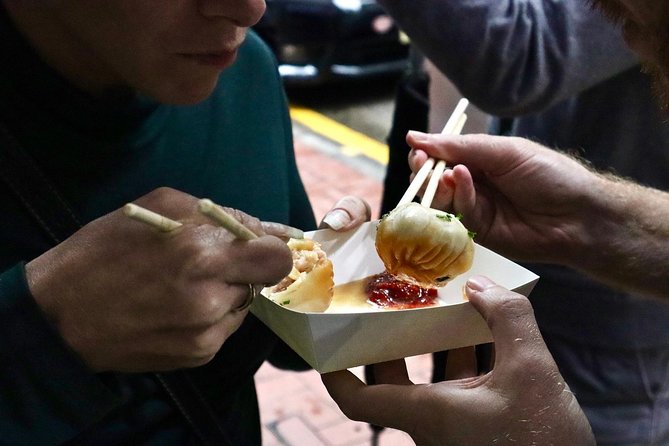
Tin Hau is one of the best places on Hong Kong Island to connect food with daily life. This three-hour walk takes you from beef brisket noodles and roast goose to dim sum, pineapple buns, fruit, sweets, and a secret dish, with temples and a wet market along the way. It is a full meal disguised as a neighborhood stroll.
I like the small-group limit of 12, which gives guides such as Sandy, Bessy, Katie, and Roger room to answer questions and help you order past the language barrier. I also like the mix of food, local history, and ordinary street life rather than a string of restaurant visits.
The main consideration is the amount of food and walking. Arrive hungry, wear comfortable shoes, and tell the operator about dietary needs before the tour. The wet market may also feel confronting if you prefer not to see the meat and seafood side of food production.
What makes this Tin Hau food tour worth your time
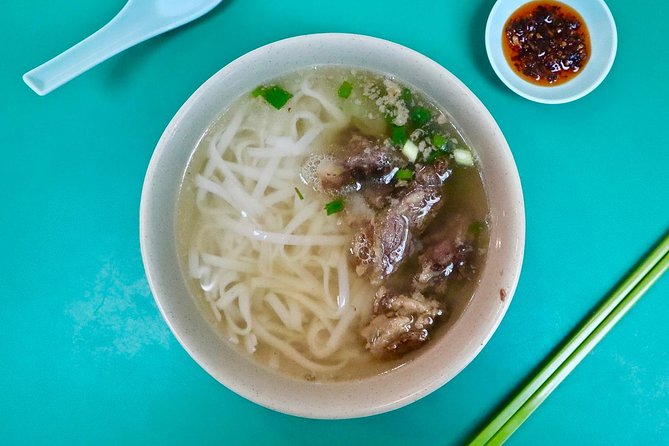
- Seven or more tastings: Beef brisket soup with rice noodles, roast goose with rice and plum sauce, dim sum, fruit, local sweets, Chinese tea, water, and a secret dish are included.
- A real neighborhood route: You walk through Tin Hau and nearby Tai Hang rather than staying inside a tourist-only dining zone.
- More than eating: Tin Hau Temple, Victoria Park, Lin Fa Kung Temple, Queen’s College, the Hong Kong Central Library, and a wet market add context.
- Guides who shape the experience: Sandy is frequently named for her energy and local insight, while Bessy, Katie, Roger, Michael, Sonya, and others have also led the tour.
- Useful for first days: The food walk can help you learn what to order for the rest of your stay.
- A satisfying but active three hours: The pace keeps you moving between stops, so this suits you best if you enjoy walking as much as sitting down to eat.
Starting in Tin Hau with a serious appetite
The meeting point is in the Tin Hau and Causeway Bay area, and the tour returns there at the end. You do not get hotel pickup or drop-off, so plan to reach the starting point by public transportation. The area is served by the MTR, and the temple itself gives Tin Hau station and the surrounding neighborhood their name.
The first practical tip is simple: do not eat a full breakfast before a morning departure. The portions add up quickly, and several stops serve proper plates rather than token samples. Even for an afternoon tour, a light meal beforehand makes sense.
The group can include no more than 12 people. That is small enough for a guide to keep the group together on busy streets and explain unfamiliar dishes without shouting across a large crowd. It also helps when you want to ask about ingredients, customs, or places to eat later.
You may be led by Sandy, who is often praised for her energy and clear explanations, or by Bessy, Katie, Roger, Michael, or Sonya. The exact guide is not guaranteed, but the repeated pattern is clear: the guide is an important part of the tour. You are not simply handed food and sent onward. Your guide explains what you are eating, helps with local ordering habits, and adds general information about Hong Kong.
More food tours around China:
- Authentic Local Food Tour in Central Shanghai
★ 5.0 · 1,382 reviews - Shanghai: 3-Hour Local Food Tasting Tour
★ 4.9 · 806 reviews - Eat Like A Local: Shanghai Night Food Tour
★ 5.0 · 616 reviews
Brisket noodles and the first taste of local eating
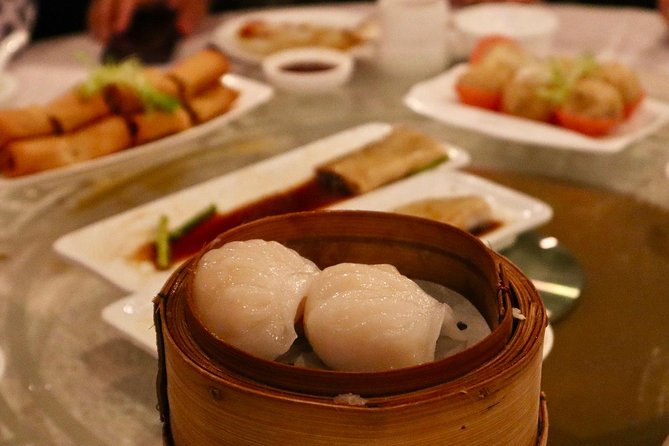
One of the key food stops is beef brisket soup with rice noodles. This is a useful introduction to Hong Kong eating because it is filling, familiar enough for cautious eaters, and still distinct from the Cantonese dishes many visitors know from home.
The soup is served with rice noodles and beef brisket, and one stop is associated with a Michelin-rated bowl. That detail matters less as a badge than as a sign that the tour is not relying only on generic street snacks. You get a dish people seek out in its own right.
This is also where the guide can help you understand how a local meal works. You can ask about the noodles, the broth, or how the dish fits into everyday Hong Kong food culture. If you are not a Cantonese speaker, that guidance makes a real difference. It gives you the confidence to return later instead of simply remembering that the food tasted good.
Roast goose with rice and plum sauce
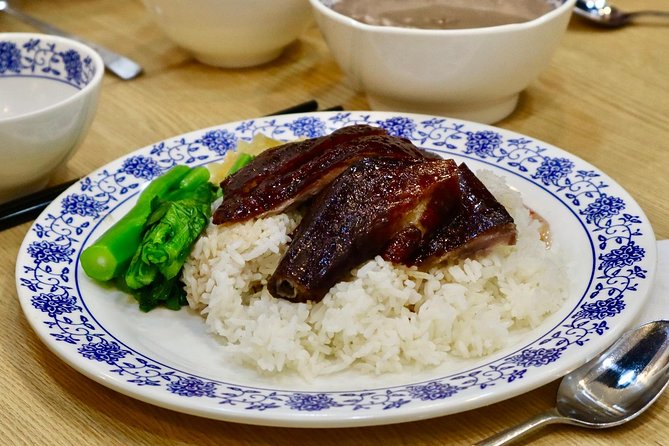
The next major plate is roasted goose with rice and plum sauce. This brings a different texture and flavor to the tour, and it gives you a chance to compare a roasted specialty with the earlier noodle soup.
The dish is served as a proper rice plate, not just a bite. Plum sauce adds sweetness alongside the roast meat, and the combination helps explain why Cantonese food can balance savory, sweet, crisp, and rich elements on one plate.
One stop is associated with Ki’s Roasted Goose, where some departures have met Mr. Ki himself. That kind of encounter is not guaranteed, but it points to the sort of local connection the route can offer. You are visiting established food businesses rather than eating from a preselected international chain.
If you do not eat meat, this stop needs advance discussion. The tour includes several meat-based dishes, including brisket and goose, so dietary requests should be sent before the day of the tour. The operator says it will try to cater for requirements when given notice, but no specific alternative menu is promised.
Temples, parks, and the Tin Hau neighborhood
Food is only half the point. The route also uses Tin Hau’s streets and landmarks to show how eating fits into the neighborhood.
Tin Hau Temple is a declared monument and the source of the area’s name. A stop here gives you a pause from the food and a chance to see one of the local places that shaped the identity of the district. The temple is not an isolated attraction. It is tied directly to the MTR station and to the name you see on maps and transport signs.
Victoria Park provides another change of pace. The large public park lies between Causeway Bay and Tin Hau stations, on the northern side of Hong Kong Island. It offers open space amid the dense city, although the tour remains a walking experience rather than a long park visit.
Lin Fa Kung Temple, at the end of Lin Fa Kung Street in Tai Hang, adds another cultural stop. The temple is also a tourist attraction, but its place on a neighborhood street makes it feel connected to local movement and daily routines. Your guide supplies the context, so this is more useful than simply passing a building and taking a photograph.
The route also takes in Queen’s College and the Hong Kong Central Library. Queen’s College was the first public secondary school founded in Hong Kong by the British colonial government, and it received its present name in 1894. The library is the largest in Hong Kong, with a collection that accounts for a substantial share of the city’s public library holdings.
These stops may matter most to you if you enjoy seeing how food districts sit alongside schools, public institutions, temples, parks, and housing. If you want a tour made only of restaurant tables, the history and walking sections may feel like interruptions. I see them as the reason this is more than a tasting menu.
Same city, a different plate:
- Eat Like a Local Through Shanghai’s French Concession
★ 5.0 · 353 reviews - Small-Group Hong Kong Island Food Tour
★ 5.0 · 343 reviews - Beijing: Hidden Gems Guided Food Tour with Beer and Tastings
★ 4.9 · 306 reviews - Beijing Private Hutong Food Walking Tour
★ 5.0 · 299 reviews
Dim sum, baked treats, fruit, and sweets
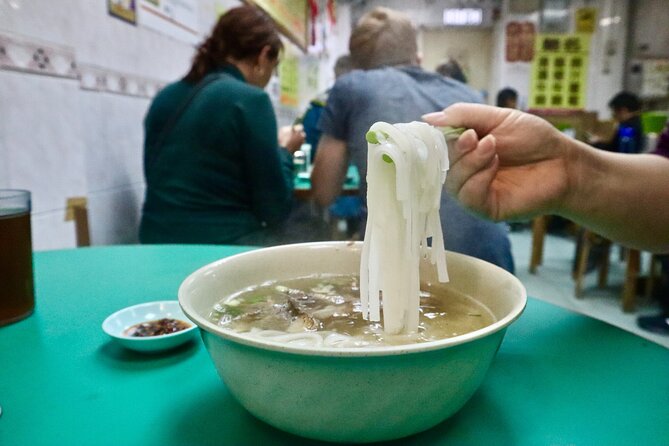
Fresh-baked dim sum is included, and this is one of the tour’s most useful stops for first-time visitors. Dim sum can mean a wide range of steamed, baked, and fried items, and a guide helps you understand what is on the table rather than guessing from appearance.
The tour also includes fresh seasonal fruit. That may sound modest beside roast goose and noodles, but it provides a welcome break between heavier dishes. Seasonal produce gives the route a connection to what is being sold locally that day, especially when paired with the market visit.
Local sweets and baked items round out the meal. Several food descriptions include pineapple buns, milk tea, and Hong Kong-style French toast. The pineapple bun is particularly worth noting because its name refers to the cracked, golden top, not to pineapple filling. It is a sweet bakery item with a crisp surface and soft bread beneath.
The French toast stop may not suit every palate. One tasting has been described as a butter sandwich, which can feel plain after the stronger savory dishes. Think of it as a local comfort food rather than a refined dessert. The point is to sample the range of Hong Kong snack culture, including simple bakery items that may not be on a standard sightseeing menu.
Chinese tea and water are included throughout. Tea helps clear the palate between stops, while water is essential on a warm day because the route involves steady walking. Alcohol is not part of the stated menu.
The wet market and the less polished side of food
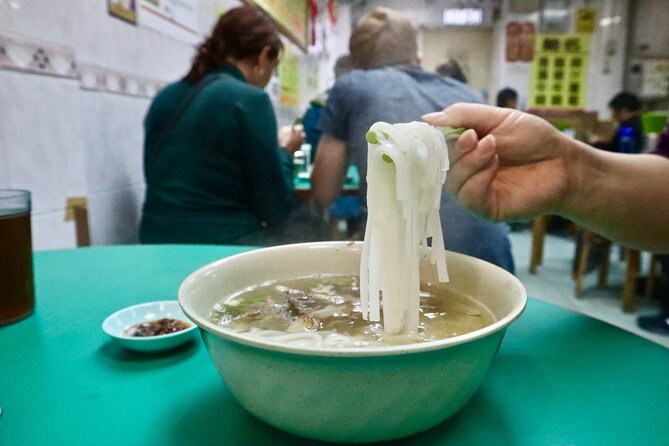
The local wet market is one of the more revealing stops. You can see fresh produce and meat being sold, and the guide can explain how the market fits into everyday food shopping.
This part of the tour is not polished for sightseeing. You may see the practical, messy side of the food chain, including meat handling. If you are comfortable with that, the market adds useful context to the dishes you have just eaten. If you prefer not to think about where meat comes from, you may find this stop uncomfortable.
That is not a reason to reject the tour, but it is worth knowing before you book. The operator describes the experience as involving a fair amount of walking and a market visit, so this is not a carefully filtered food display. It is a look at a working neighborhood.
The secret dish and the value of the menu
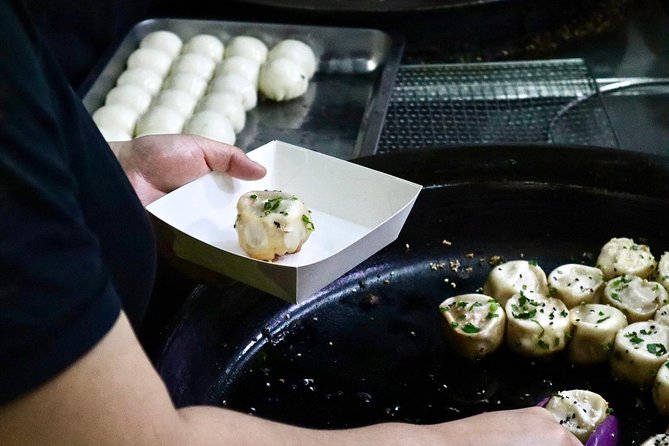
The tour includes one secret dish in addition to the named foods. Because it is not specified in advance, you should treat it as a small element of surprise rather than a reason to book on its own. The menu can change with restaurant availability, weather, and other conditions.
At $107 per person, the tour is not a cheap way to get lunch. It becomes better value if you count the meal, the number of tastings, the small group, the guide, and the neighborhood orientation together. You are paying for a planned route through places that can be difficult to choose or order from on your own.
It is especially useful at the start of a Hong Kong visit. A good guide can point out dishes and places you can return to later, saving you some trial and error. Several stops serve enough food that you should expect to leave full, not merely acquainted with a few flavors.
The value is weaker if you are already comfortable ordering Cantonese food, know Tin Hau well, and would rather spend $107 choosing your own restaurants. You also may not want this tour if you dislike group pacing or prefer long, leisurely meals at one table.
Walking, timing, and practical planning
The experience lasts about three hours and ends at the original meeting point. The exact order of stops and food can change, so you should not build a tightly timed appointment immediately afterward.
Comfortable shoes are important. You walk between food businesses, temples, public spaces, and the market, and Hong Kong sidewalks can make a short distance feel busy. The tour needs good weather, and poor conditions can lead to a new date or a full refund.
A mobile ticket is available, and the area is near public transportation. You should allow enough time to reach Tin Hau or Causeway Bay without rushing. Since the start and finish are in the same general area, you can continue exploring nearby afterward, but the tour itself does not include transportation back to your hotel.
Free cancellation is available up to 24 hours before the start time. Cancellation within 24 hours is not refunded, and changes in that period are not accepted. The same 24-hour timing applies according to local time, so check the clock carefully if you are changing plans.
Who should book the Tin Hau food walk?
I would suggest this tour to you if you are visiting Hong Kong for the first time, enjoy trying several foods in one outing, or feel uncertain about ordering in local restaurants. It is also a good fit if you like a guide who can connect food with temples, schools, parks, and markets.
Families and mixed groups may appreciate the range. There are noodles, rice, dim sum, fruit, sweets, tea, and bakery items, so the meal is not built around one single flavor. Still, the strong meat focus means you should ask about dietary arrangements before paying.
This is also a smart choice for people who want food guidance without spending an entire day on a formal city tour. Three hours gives you a useful orientation while leaving the rest of the day open.
I would be more cautious if you have limited mobility, dislike walking in busy urban areas, or need a fixed menu. The tour is active, the route can change, and the market may not be comfortable for everyone. The group cap helps, but it does not turn the experience into a private tour.
Should you book this Tin Hau food tour?
Book it if you want a generous introduction to Hong Kong food and do not mind walking between stops. The strongest reasons are the guide-led ordering help, the small group, the substantial menu, and the chance to see Tin Hau as a working neighborhood rather than a list of attractions.
For the best experience, schedule it early in your stay, skip a large breakfast, wear good shoes, and arrive ready for both the delicious and less polished parts of local food life. At $107, it is a considered purchase, but the combination of a full meal, local guidance, and cultural stops makes it worthwhile for many first-time visitors.
Skip it if you prefer to eat slowly on your own, already know the district, or are uncomfortable with meat-heavy dishes and wet markets. For everyone else, this is a practical way to get your bearings fast and leave with a short list of foods and restaurants worth revisiting.
FAQ
How long does the Tin Hau food tour last?
The tour lasts approximately three hours and finishes back at the meeting point in the Tin Hau and Causeway Bay area.
What food is included?
The included tastings are beef brisket soup with rice noodles, roasted goose with rice and plum sauce, fresh seasonal fruit, local sweets, fresh-baked dim sum, and a secret dish. Chinese tea and water are also included.
How many people can join the tour?
The group has a maximum of 12 travelers. Group discounts may be available.
Does the tour include hotel pickup?
No. Hotel pickup and drop-off are not included. The meeting area is near public transportation, and the activity begins and ends at the stated meeting point.
What landmarks are visited?
The route includes Tin Hau Temple, Victoria Park, Lin Fa Kung Temple, Queen’s College, the Hong Kong Central Library, and a local wet market where fresh produce and meat are sold.
Can I cancel for a full refund?
Yes. You can cancel at least 24 hours before the start time for a full refund. Cancellations or changes made less than 24 hours before the start time are not accepted for a refund. If poor weather or an insufficient number of participants cancels the tour, you will be offered another date or a full refund.
Fresh off the menu around China
- Shanghai Must-See and Foodie Test Bike Tour( Day & Night)★ 4.7 · 70 reviews
- Shanghai-Cooking Dumpling & Meal in Local Family-w/Vegan★ 4.9 · 36 reviews
- Shanghai: Evening Walking Food Tour★ 4.9 · 115 reviews
- Shanghai: Half-Day Biking and Local Food Tour★ 4.9 · 170 reviews
- Late night food tour in Shanghai’s French Concession★ 4.9 · 31 reviews
- Beijing Hutong Food Crawl Delights: Peking duck, Hotpot&More★ 4.9 · 32 reviews
- Beijing: Dumpling Making Workshop with Meal and Tea★ 4.7 · 69 reviews
- Beijing: Hutong Breakfast Food Tour★ 5.0 · 22 reviews
Hong Kong Food Tours, compared.
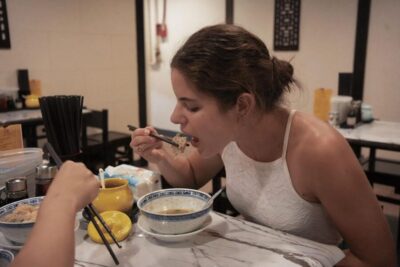
Hong Kong: Street Food Tour with Locals – Dim Sum and Wonton
Read our review →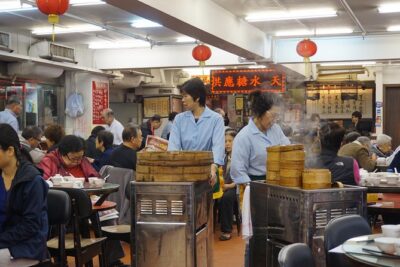
Hong Kong Day Tour: Priority Peak Tram, City Walk & Dim Sum
Read our review →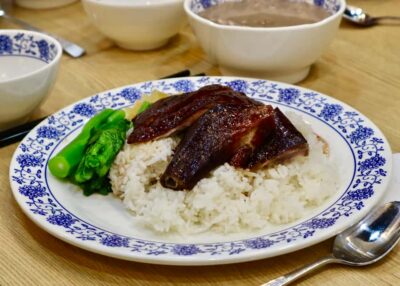
Hong Kong: Private Street Food Tour with a Local Insider
Read our review →Browse the lists this tour appears in