
Review · SHANGHAI
Shanghai: 3-Hour Local Food Tasting Tour
Shanghai food is best understood one small plate at a time. This three-hour walking tour takes you from Xintiandi to Huaihai Road and Yunnan Road, pairing soup dumplings, noodles, pork, chicken, fruit, tea, and sweets with a look at the streets between them.
I like the mix of local restaurants and food variety, and I like that guides such as Jade, TJ, Kurt, and Jim explain both the dish and the city around it. The main catch is simple: there is a lot of food, so arrive hungry and expect to walk between stops.
Key points at a glance
- Starts near Xintiandi: Meet at Exit 2 of South Huangpi Road metro station, close to the site of the first CPC National Congress.
- Several local food stops: The route includes three restaurants and a dessert shop, with other stops described as tea, fruit, or noodle shops.
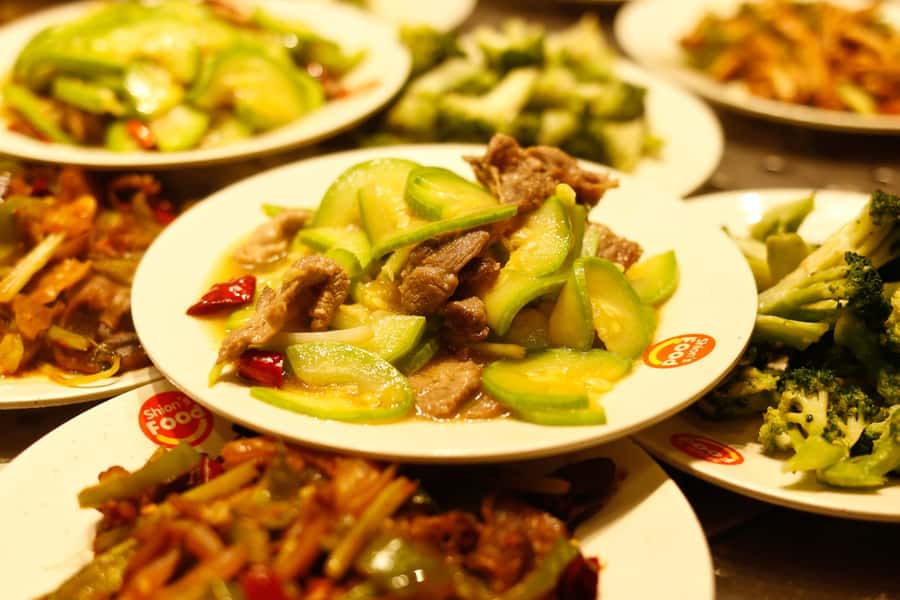
- Shanghai classics on the table: Expect soup dumplings, scallion oil noodles, red-braised pork, parched chicken, candied lotus rice, moon cakes, and more.
- Food and city history together: Your guide explains the French Concession, shikumen architecture, local eating habits, and the background of the dishes.
- A filling experience: Portions are substantial enough that you should not eat a full meal beforehand.
- Flexible booking: The tour costs $79 per person, lasts three hours, and allows cancellation up to 24 hours before departure for a full refund.
Starting with soup dumplings near Xintiandi
The tour begins at Exit 2 of South Huangpi Road station on Metro Line 1. The meeting point is also written in Chinese as 地铁一号线一大会址-黄陂南路站二号出口. That detail matters in Shanghai, where showing the Chinese address to a taxi driver can save time.
You can also meet near No. 333 Huaihai Road, in front of Xintiandi Plaza. Your guide waits at the stated meeting point, which is useful if you are arriving by taxi rather than metro.
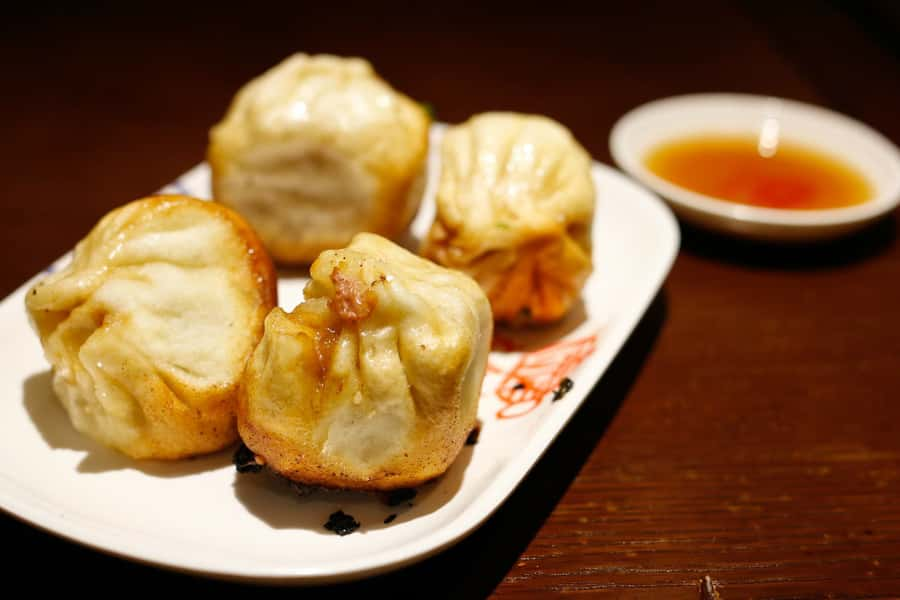
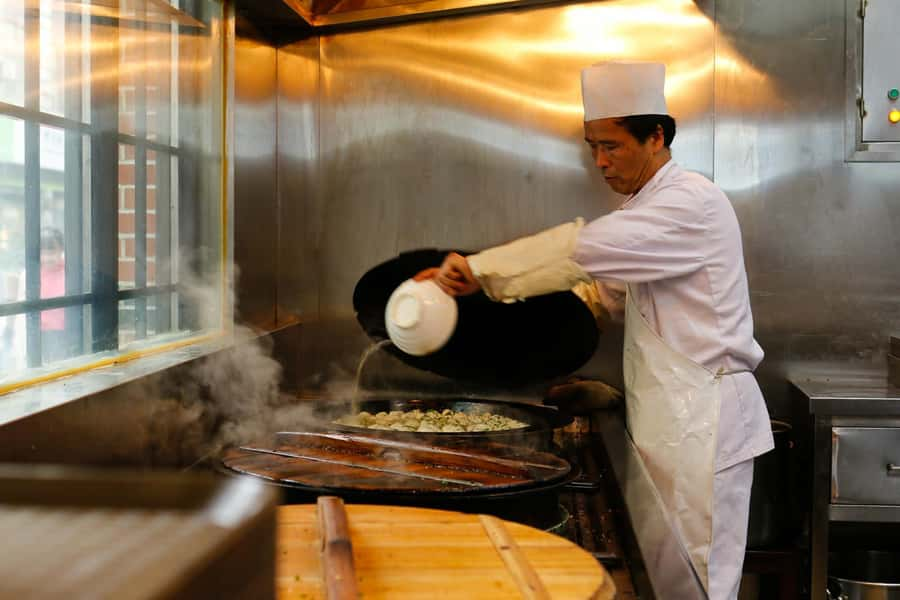
The first food stop is a soup dumpling restaurant near Xintiandi. This is a smart opening course. Soup dumplings are one of Shanghai’s best-known foods, but a good first taste needs more than a quick picture. Your guide can help you understand how to handle the hot broth and how the dish fits into Shanghai’s everyday food culture.
This opening stop also gives you a quick sense of the tour’s method. You are not simply shown a restaurant and left to order at random. The guide helps choose dishes, explains what is on the table, and keeps the meal moving so you can sample several types of food within three hours.
More three-hour food tours around China:
- Award-Winning Geneva Chocolate &Old Town Tour with Boat Ride (3h)
★ 5.0 · 3,721 reviews - Eat Like a Local: Venice 3-Hour Small-Group Food Tasting Tour
★ 5.0 · 3,137 reviews - Porto: 3-Hour Food Tour
★ 4.9 · 807 reviews
From French Concession streets to shikumen lanes
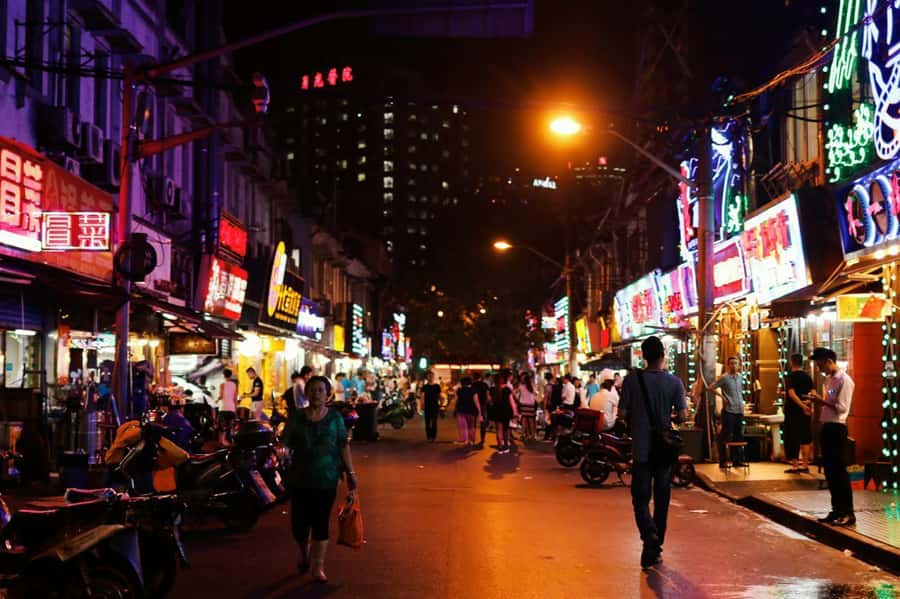
Between meals, you walk through central Shanghai. The route brings together the area around Xintiandi, Huaihai Road, and Yunnan Road, with the architecture changing as you go.
The walk includes streets associated with the former French Concession and areas lined with shikumen buildings. Shikumen architecture is especially useful for understanding Shanghai because it combines Western design features with traditional Chinese residential forms. The result is very different from the city’s modern towers and shopping malls.
I like this part of the tour because it gives the food a setting. You are not moving between unrelated dining rooms. The streets help explain why Shanghai feels layered, with older homes, commercial roads, historic sites, and modern development close together.
The walking sections also create space between tastings. That is welcome, since the food portions can add up quickly. You should still wear comfortable shoes, and you should not bring oversize luggage. The activity is wheelchair accessible, but the supplied details do not describe the exact route or every restaurant entrance, so it is sensible to confirm specific access needs before booking.
The main meal: noodles, pork, chicken, and more
After the opening dumplings, the tour continues to three different restaurants around Huaihai Road and the wider route. The exact order of dishes may change, but the food list gives you a broad look at Shanghai cooking.
Scallion oil noodles are one of the most appealing stops for anyone who likes simple dishes done well. The noodles are built around scallion flavor and oil rather than a thick sauce or a long list of toppings. One particularly memorable combination mentioned by the guide experience is scallion noodles with roast duck, showing how a basic noodle dish can be paired with a more substantial topping.
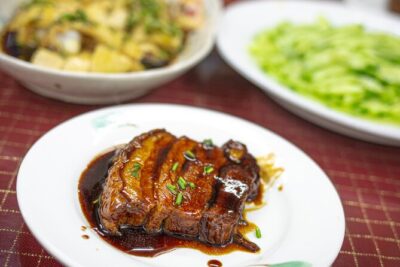
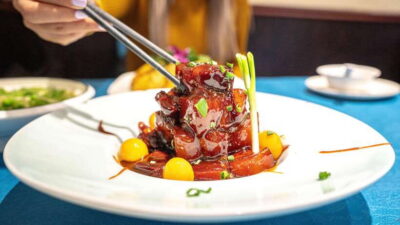
Red-braised pork gives you a different side of local cooking. The sauce is typically dark and sweet-savory, and the dish feels heavier than noodles or dumplings. It is the sort of food that makes the warning to arrive hungry very practical.
Parched chicken adds another change in texture and flavor. The tour is not limited to famous snacks, and that is one of its strengths. You get a spread of familiar Shanghai dishes, everyday restaurant food, and less obvious things you might not think to order without help.
Some meals include food from one shop being taken to another vendor for a different preparation. One guide arranged for duck from one place to be used in egg pancake rolls at another. That sort of stop shows how local food routes can be more flexible than a standard restaurant meal, although the exact dish selection will depend on what is available that day.
You may also try fruit, including pomegranate or other fruit common in Shanghai. Fruit is a useful break from savory food, especially on a route with rich pork, noodles, dumplings, and fried or baked items.
Tea, dessert, and the final stretch
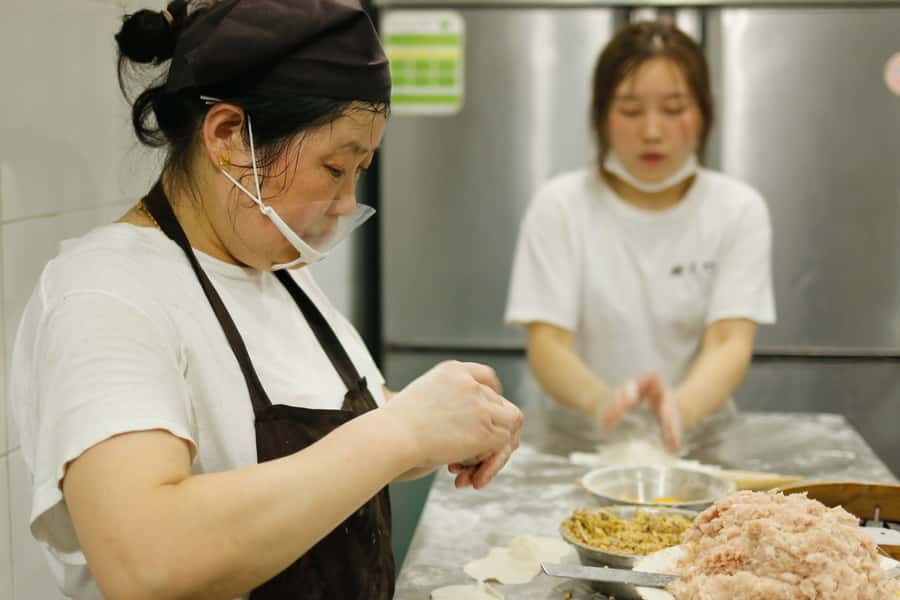
Tea is one of the more distinctive parts of the experience. You can try authentic Longjing green tea or Fujian black tea, depending on the route and availability.
Longjing is closely associated with the Hangzhou area near Shanghai and is usually light, fresh, and delicate. Fujian black tea gives you a stronger contrast. The point is not to turn the tour into a formal tea lesson, but to show how tea fits into daily eating and conversation.
The tea shop has been a highlight for many people booking this experience. It is also the kind of place that can be hard to identify on your own if you do not read Chinese or know which local shops are worth entering. Your guide handles the introduction and explains what you are tasting.
Dessert stops may include candied lotus rice, moon cakes, egg tarts, mango, ice cream, or other sweets. The advertised food list specifically includes candied lotus rice and moon cakes, while individual routes can include different desserts. One useful point: the tour description promises a dessert shop, but the exact final sweet is not fixed. If you have your heart set on one particular item, ask your guide during the tour.
The amount of food is one of the tour’s strongest features and one of its few drawbacks. Some people describe finishing completely full, while one person wished for a more substantial dessert at the end. I would treat the experience as a generous tasting meal, not a light snack walk.
More food tours around China:
- Authentic Local Food Tour in Central Shanghai
★ 5.0 · 1,382 reviews - Eat Like A Local: Shanghai Night Food Tour
★ 5.0 · 616 reviews - Eat Like a Local Through Shanghai’s French Concession
★ 5.0 · 353 reviews - Hong Kong’s Tin Hau Hidden Eats Food Tour with 7+ Local Tastings
★ 5.0 · 352 reviews
Your guide shapes the whole experience
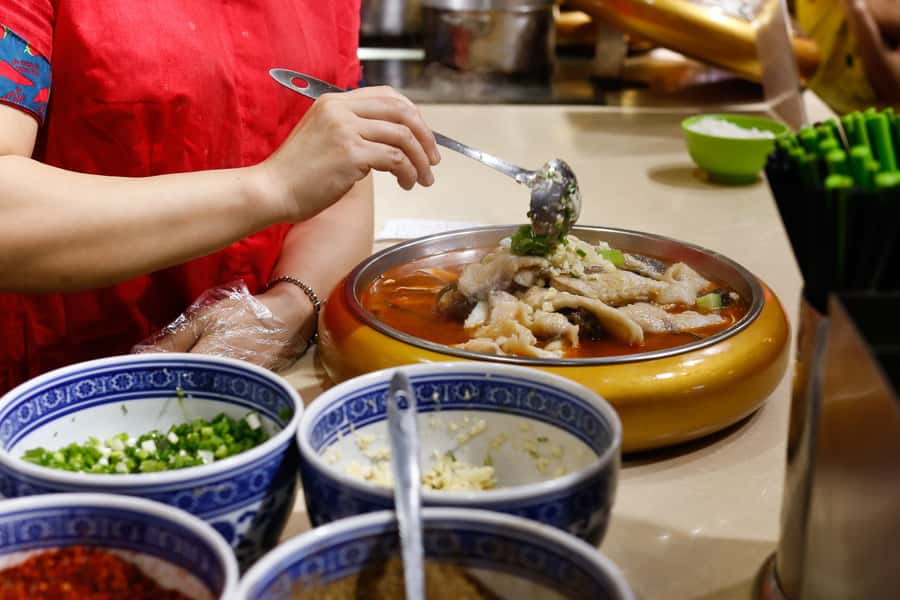
The food matters, but the guide determines how easy and rewarding the evening feels. Guides named in the supplied information include Jade, TJ, Kurt, Jim, Yu, Helen, and Ken.
Jade appears often in the feedback, and her role is described as warm, energetic, helpful, and good at explaining the city as well as the dishes. TJ is praised for clear English, local information, and an easy way with questions. Kurt is described as entertaining and strong on both food and city history. Jim is noted for making the route relaxed and well organized.
These details matter because ordering unfamiliar food can be awkward when you are alone. A guide can select a useful range of dishes, explain how to eat them, and adjust the pace. One experience also included help with dietary needs, with the guide changing the food choices for the group. You should still state your restrictions when booking and again at the start, since the available information does not promise that every dietary request can be met.
The walking commentary covers more than food. You can hear about Shanghai’s history, nightlife, neighborhoods, architecture, and changes over time. The best version of this tour is therefore part meal, part city orientation. It can help you decide where to eat later in your trip.
Is $79 a fair price?
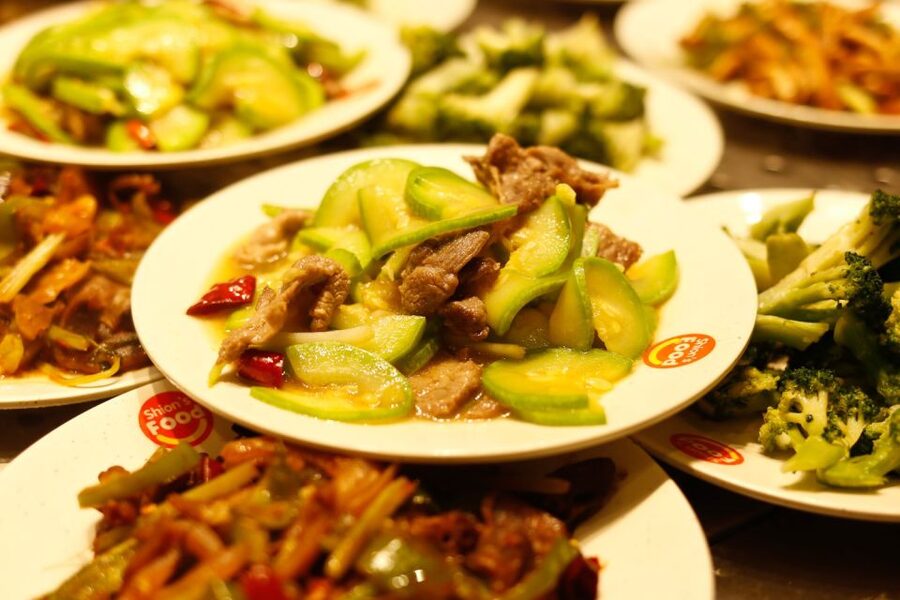
At $79 per person, this is not the cheapest way to buy individual dishes in Shanghai. You are paying for the food and drinks, the guide, route planning, translation help, and the chance to visit several places without having to research them first.
The value improves if you are new to Shanghai, do not speak Chinese, or want to eat local dishes without guessing at a menu. You also receive a substantial amount of food. Several people found the portions large enough to replace dinner, which makes the price easier to justify.
The value is weaker if your main goal is a long, relaxed meal at one restaurant, or if you already know the city’s food districts and can order confidently. A three-hour group route also means you do not control every stop or dish.
For a first or second night in Shanghai, I think the price is reasonable. You get a quick introduction to several foods and neighborhoods, and you can use what you learn for the rest of your stay.
Who will enjoy this Shanghai food tour?
This tour suits you if you want a broad first taste of Shanghai rather than a single specialty. It works especially well for couples, solo visitors, families with older children, and small groups that enjoy talking while they eat.
It is also a good choice if you are curious about food but uneasy about ordering alone. Your guide can explain unfamiliar dishes and point out foods you might otherwise miss, including local sweets, tea, fruit, and noodle preparations.
You should think twice if you have a very limited diet, dislike walking between meals, or prefer to eat only familiar dishes. The route is built around variety, and some of the fun comes from trying food you did not plan to order.
Because the tour starts in central Shanghai, it can work well early in your visit. You will learn the names of foods, see how neighborhoods connect, and leave with ideas for later meals.
Practical details before you book
The tour lasts three hours, with starting times depending on availability. Food and drinks are included, as is the local guide. Hotel pickup and drop-off are not included, so you need to reach South Huangpi Road station or the Xintiandi meeting point yourself.
English and Chinese are available. Cancellation is free up to 24 hours before the start time, and you can reserve now and pay later. That is useful if your Shanghai plans are still shifting.
The tour has a separate entrance for skipping the line, although the main value is the food route rather than waiting time at major sights. Do not bring oversize luggage. Comfortable shoes and an empty stomach will serve you better.
Should you book it?
Book this Shanghai food tasting tour if you want a well-fed introduction to local food, with enough walking and city context to make the meal feel connected to Shanghai. The strongest reasons are the number of stops, the range of dishes, the tea tasting, and the help of guides such as Jade, TJ, Kurt, and Jim.
Skip it if you want a quiet restaurant dinner, need a tightly guaranteed menu, or have little interest in trying unfamiliar foods. For most first-time visitors who want local flavor without the stress of ordering alone, $79 buys a useful and filling start to Shanghai.
FAQ
How long is the Shanghai food tasting tour?
The tour lasts three hours.
How much does the tour cost?
The listed price is $79 per person.
Where does the tour meet?
Meet at Exit 2 of South Huangpi Road station on Shanghai Metro Line 1. You can also take a taxi to No. 333 Huaihai Road, in front of Xintiandi Plaza.
What food is included?
Food and drinks are included. Possible dishes include soup dumplings, parched chicken, red-braised pork, scallion oil noodles, candied lotus rice, moon cakes, fruit, and other local foods.
Is tea included?
Yes. You can try Longjing green tea or Fujian black tea.
Are hotel transfers included?
No. Hotel pickup and drop-off are not included.
What languages does the guide speak?
The tour is available with a live guide in English or Chinese.
Can I cancel the booking?
Yes. You can cancel up to 24 hours in advance for a full refund.
Can I reserve now and pay later?
Yes. The activity allows you to reserve your place and pay later.
Is the tour wheelchair accessible?
Yes. The activity is listed as wheelchair accessible. Oversize luggage is not allowed.
Fresh off the menu around China
- Shanghai Must-See and Foodie Test Bike Tour( Day & Night)★ 4.7 · 70 reviews
- Shanghai-Cooking Dumpling & Meal in Local Family-w/Vegan★ 4.9 · 36 reviews
- Shanghai: Evening Walking Food Tour★ 4.9 · 115 reviews
- Shanghai: Half-Day Biking and Local Food Tour★ 4.9 · 170 reviews
- Late night food tour in Shanghai’s French Concession★ 4.9 · 31 reviews
- Beijing Hutong Food Crawl Delights: Peking duck, Hotpot&More★ 4.9 · 32 reviews
- Beijing: Dumpling Making Workshop with Meal and Tea★ 4.7 · 69 reviews
- Beijing: Hutong Breakfast Food Tour★ 5.0 · 22 reviews
Shanghai Food Tours, compared.
Authentic Local Food Tour in Central Shanghai
Read our review →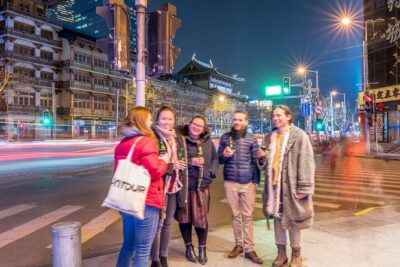
Eat Like a Local Through Shanghai’s French Concession
Read our review →
Shanghai Must-See and Foodie Test Bike Tour( Day & Night)
Read our review →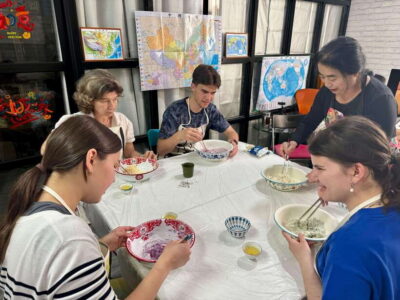
Shanghai-Cooking Dumpling & Meal in Local Family-w/Vegan
Read our review →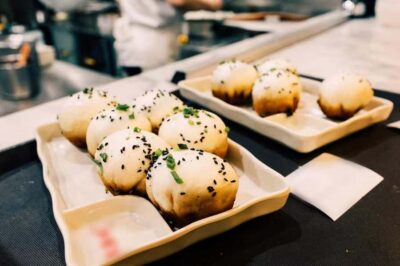
Late night food tour in Shanghai’s French Concession
Read our review →Browse the lists this tour appears in