
Review · HONG KONG
Secret Food Tours Hong Kong
Hong Kong’s food story makes the most sense when you taste it street by street. This three-hour Tin Hau tour moves from Northern Chinese beef brisket to Southern-style roast goose, local tea, dim sum, and dessert, showing how Hong Kong has adapted Chinese food to its own fast-moving city life. You finish with a full stomach and a better sense of how locals eat.
I like the strong mix of food and culture, especially the market visit and stop at Tin Hau Temple. I also like the small-group limit of ten, since guides such as Sandy, Siu Wai, and Ginny Chan can explain dishes, answer questions, and adjust the pace more easily. The main drawback is that this is not a good choice for wheelchair users or anyone with major mobility limits, and queues can be part of the experience.
Key points at a glance
- Seven stops in Tin Hau: A compact route gives you several dishes and local sights without taking up a full day.
- Beef brisket worth queuing for: The opening bowl comes from a shop that draws diners from across Hong Kong.
- Market to temple: You pass through a local food market and visit Tin Hau Temple, adding context beyond the plate.
- A useful East meets West menu: Roast goose, milk tea, dim sum, and Chinese dessert show Hong Kong’s mixed food traditions.
- Guides who add personal detail: Sandy, Siu Wai, and Ginny Chan have been praised for friendly explanations and practical help.
- Come hungry and wear good shoes: Food and drinks are included, but transport is not, and the portions add up quickly.
Why Tin Hau is a smart place to eat
The tour begins outside Tin Hau MTR station, Exit A1, on King’s Road. That makes the meeting point simple to reach by subway, and the route ends at the same place, so you do not need to work out a return transfer from an unfamiliar neighborhood.
Tin Hau gives the tour a useful setting. It is part of central Hong Kong, yet the experience moves through ordinary food shops, a local market, and a working temple rather than keeping you inside a polished dining district. You see how food fits into daily routines, from a quick bowl of noodles or brisket to tea, dim sum, and sweets.
The route is designed for eating, not for a long sightseeing walk. One participant described the walking as manageable, but comfortable shoes still matter. You will likely stand at some stops, move through busy public areas, and wait for food at the most popular shop.
With a maximum group of ten, the outing should feel more personal than a large coach tour. The group may be smaller. One booking even became a private tour for a solo participant, with the guide offering extra conversation and advice about what to do afterward. That kind of flexibility depends on the day, but the group limit is a real advantage.
More Hidden Gem Food Tours in the world:
- Alicante: Secret Flavors Food Tour
★ 4.8 · 1,514 reviews - Southern & Secret Walking Food Tour
★ 4.5 · 1,413 reviews - Edinburgh Food Tour with Scotch, Haggis, a Secret Dish & More
★ 5.0 · 1,172 reviews
The beef brisket opening sets the pace
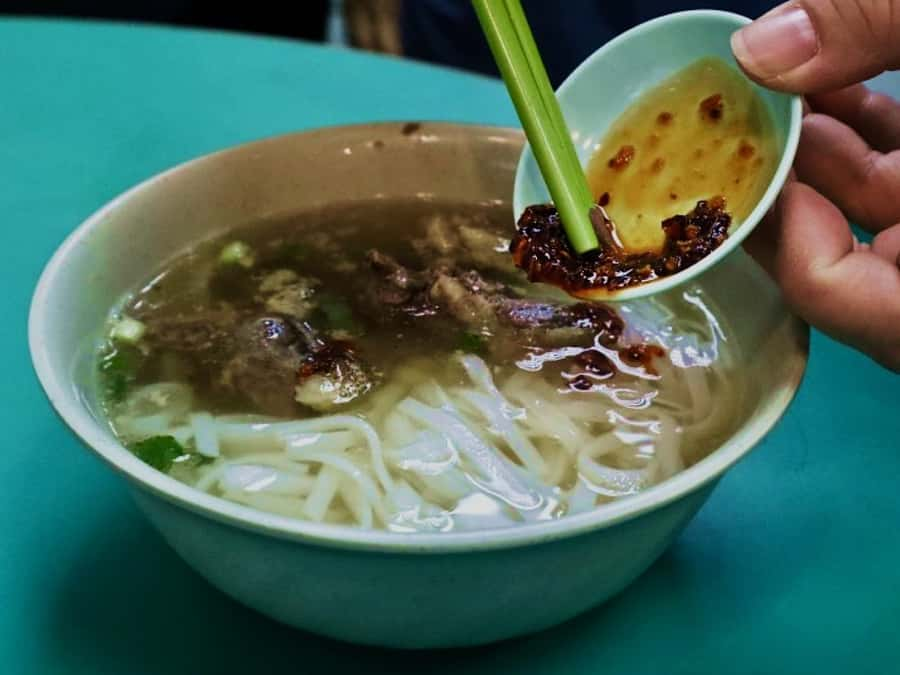
Your first major tasting is beef brisket. This is not presented as a quick sample from a counter. You stop at a place known well enough that people cross Hong Kong to eat a bowl there, so queuing is expected.
That wait is part of the lesson. A food tour can show you famous restaurants, but it can also explain why a local shop earns its place in the daily food routine. The brisket gives the tour a hearty start and introduces the Northern Chinese side of the menu before the route moves toward other Hong Kong favorites.
I would avoid eating beforehand. The tour includes enough food to replace a meal, and the brisket is only the first substantial stop. If you arrive after breakfast or lunch, you may spend the afternoon trying to keep up rather than enjoying each dish.
The exact serving style and portion size can vary, but you should expect a proper taste rather than a token bite. If you are sensitive to waiting in line, keep that in mind. The tradeoff is clear: a short delay for a dish selected because locals consider it worth the effort.
A market stop brings Hong Kong food down to street level
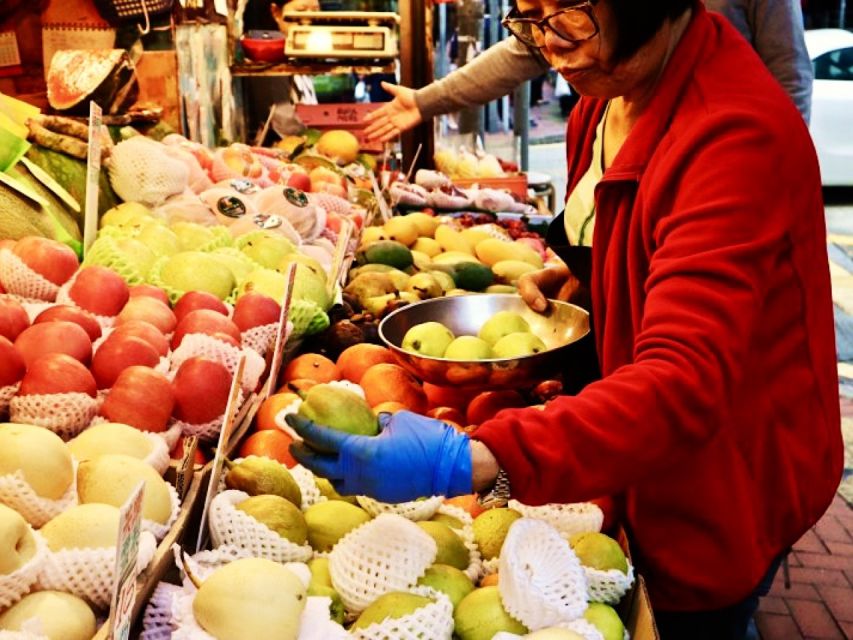
After the brisket, the route passes through a local food market. This adds something a restaurant-only tour cannot provide. You see ingredients and everyday shopping around you, then continue to a stop for roast goose with plum sauce.
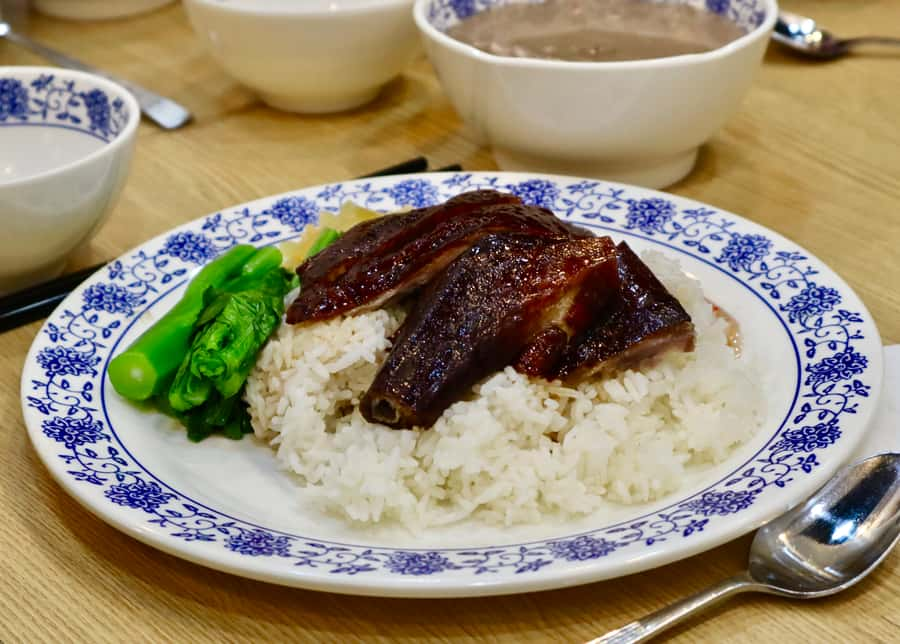
Roast goose is one of the most recognizable Cantonese dishes, and the plum sauce brings a sweet contrast to the meat. The pairing gives you a good example of how Hong Kong food often balances savory, sweet, roasted, and fresh flavors in one meal.
The market also gives your guide room to explain how food reaches the table. One guide has taken participants behind the scenes of a live market and into a kitchen, although you should not assume that every tour includes the same extra access. The important point is that this is not only a sequence of restaurant tables. Your guide can connect what you eat with the ingredients, preparation, and local habits around you.
Public markets can be crowded and uneven underfoot. This is one reason the tour is not suitable for wheelchair users or people with mobility impairments. If you need frequent seating or have trouble walking through tight spaces, choose a less active food experience.
Seasonal fruit and Tin Hau Temple add a pause
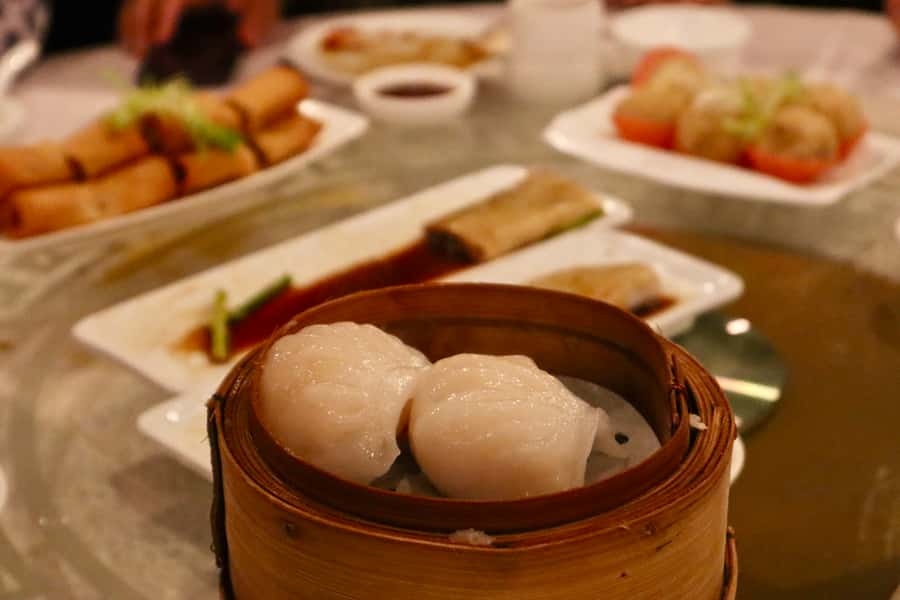
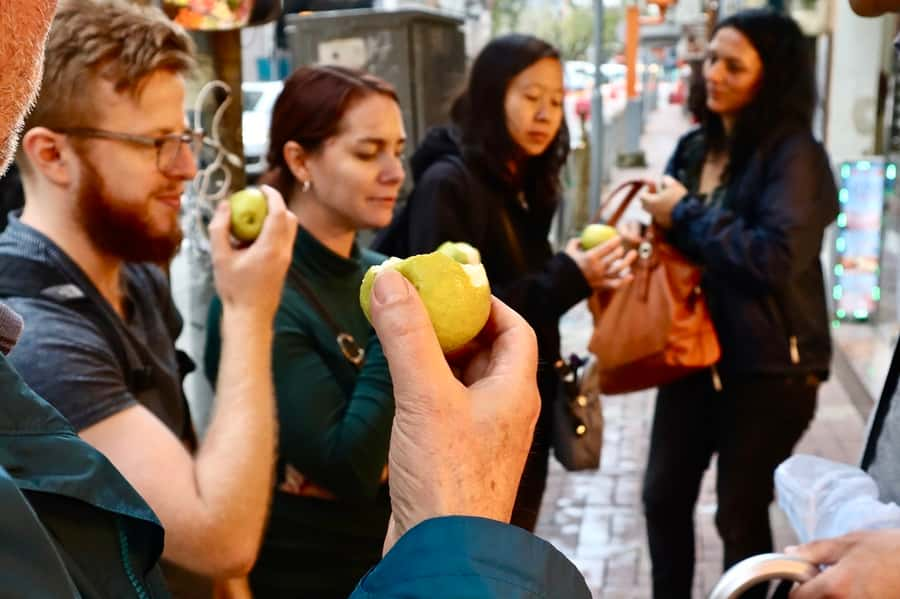
The route includes seasonal fruit while you walk toward Tin Hau Temple. That small stop matters because it changes the rhythm. After the richer brisket and roast goose, fresh fruit gives you a lighter taste and a chance to reset before the next meal.
At Tin Hau Temple, the guide can explain local customs and the role of temple practice in Hong Kong life. The tour is not a full temple excursion, so you should think of the visit as cultural context within a food walk. It helps show that eating, worship, business, and neighborhood life often sit close together here.
The temple stop also gives the tour a broader purpose. You are not simply collecting dishes. You are learning how a local area works and how food fits alongside family routines, faith, and commerce. Guides such as Sandy have been praised for explaining customs in a clear, friendly way, including traditional temple practices.
Because the activity lasts about three hours, the temple visit will be brief compared with a dedicated cultural tour. That is a fair trade for the range of food included. If your main goal is detailed religious history, book a temple-focused visit separately. If you want a useful introduction during lunch, this stop does the job.
More food tours around the world:
- Reykjavik Food Walk – Local Foodie Adventure in Iceland
★ 5.0 · 18,952 reviews - Dubai: Old Town, Creek, Museums, Souks, & Street Food Tour
★ 4.8 · 10,816 reviews - Madrid: Live Flamenco Show with Food and Drinks Options
★ 4.5 · 9,901 reviews - Ho Chi Minh City Street Food Tour & Sightseeing By Motorbike
★ 5.0 · 9,413 reviews
Tea, milk tea, and a Hong Kong-style sweet
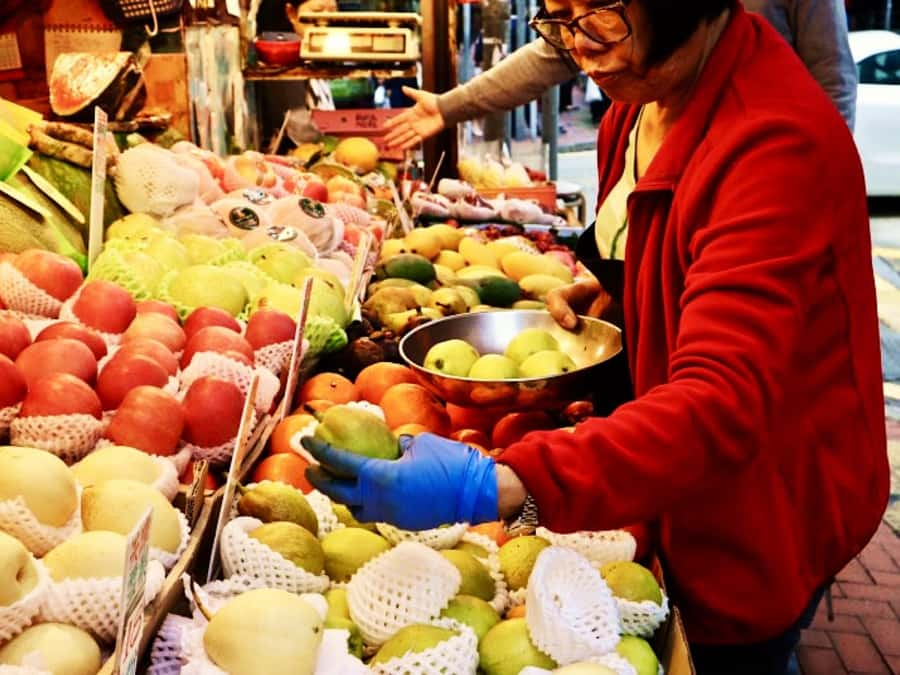
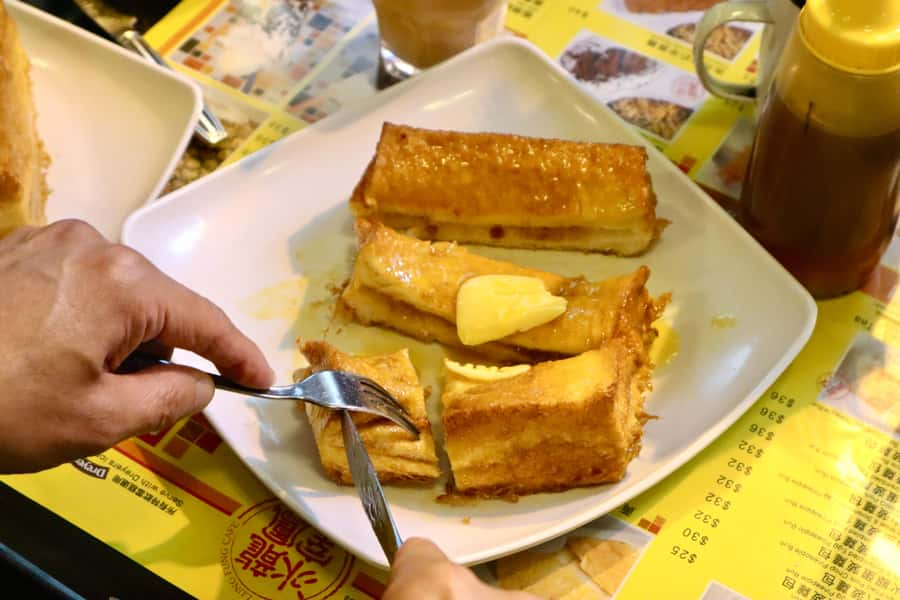
The next food stop takes you to a local tea and milk tea shop. Hong Kong milk tea is closely tied to the city’s cafe culture, and tasting it in a local shop gives you a better feel for that tradition than ordering a generic tea at a hotel.
The tour also includes a local sweet. The food here reflects the city’s East meets West character, with Chinese traditions shaped by Hong Kong’s modern, outward-looking culture. That theme runs through the whole route, but the tea stop makes it especially easy to understand.
This is also a good place to ask questions. Guides have been praised for explaining how dishes are made and where ingredients come from. English is the tour language, so you can ask about unfamiliar food without having to work out every detail alone.
Dietary needs need advance planning. You are asked to provide information about restrictions before booking. Do not wait until the meeting point, since the tour is built around several fixed stops and substitutions may not be possible.
Dim sum, dessert, and the secret dish
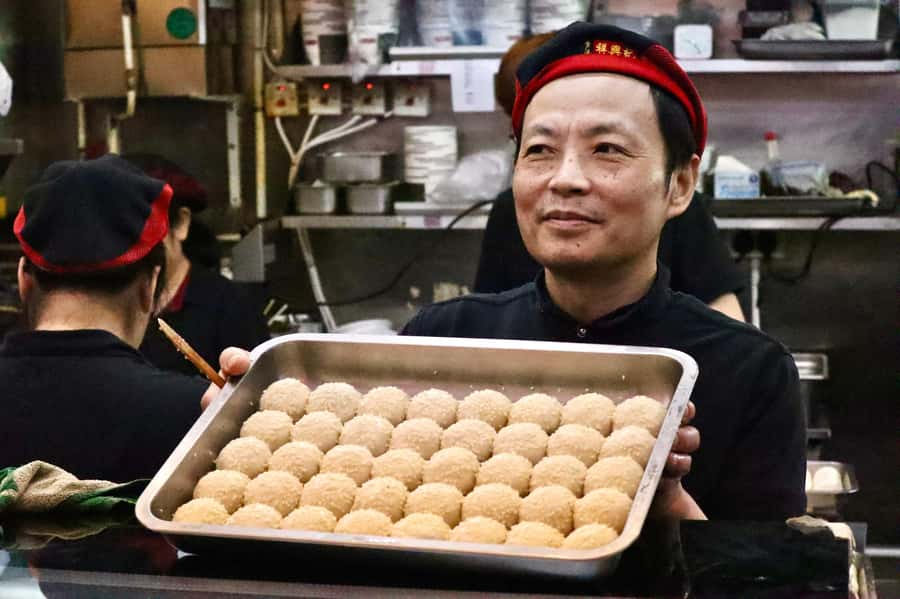
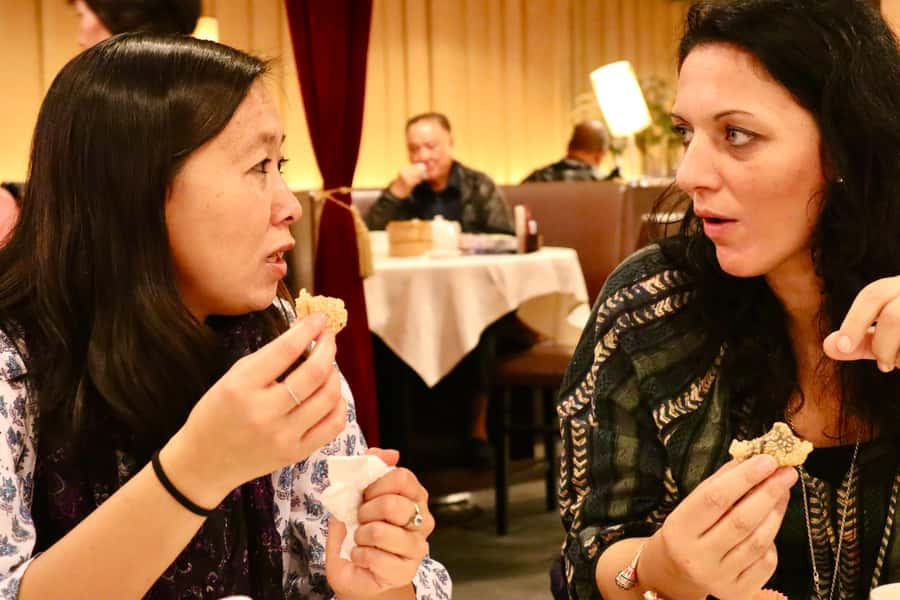
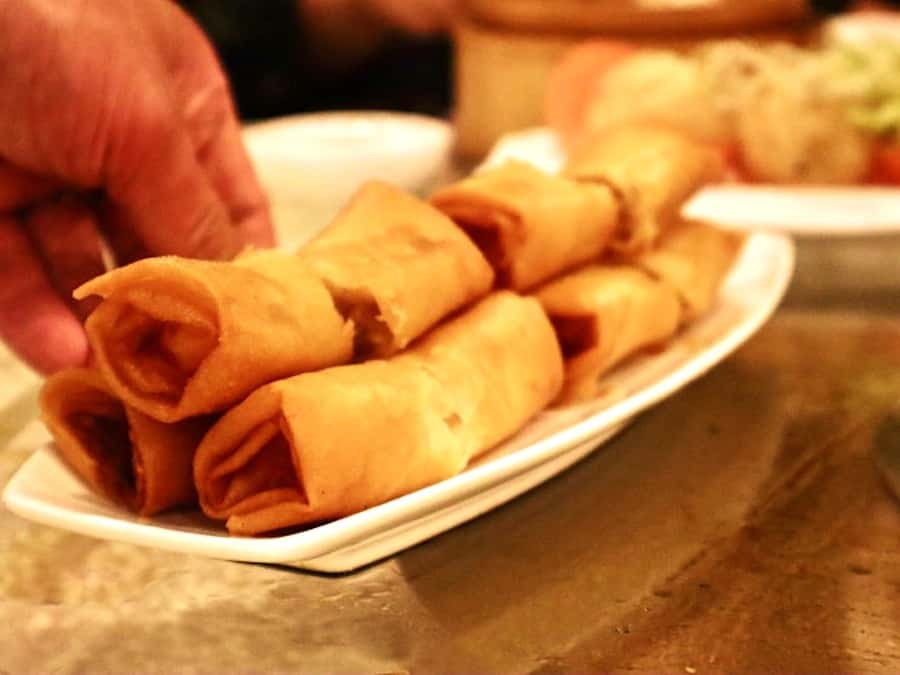
The final major food stop is a dim sum meal with a Chinese dessert. This gives the tour a broad finish, since dim sum brings together small steamed, fried, filled, and savory dishes that are meant to be shared.
Dim sum is also one of the best ways to eat with a group. You can see several items at once, compare textures, and ask your guide what to try first. The menu may vary, but the plan is to sample a range rather than settle for one plate.
Then comes the tour’s secret dish. You are not told the item in advance, which keeps one part of the meal open to surprise. Past tastings have included unusual food, including chicken foot soup, so this is not necessarily the place to expect only familiar flavors. Your guide can encourage you to try something new, but you should mention dietary restrictions before booking.
The dessert rounds out the meal rather than serving as an afterthought. By this point, you will have eaten across several parts of the Chinese food tradition, from brisket to roast goose and tea to dim sum. That variety is the real strength of the itinerary.
What the guides add to the meal
The food matters, but the guide makes the difference between a list of tastings and a useful introduction to Hong Kong. Sandy has been described as organized, warm, practical, and full of information. Siu Wai has been praised for gracious hosting and for choosing strong food stops. Ginny Chan has been remembered for making the afternoon feel like time with a friend while explaining the local food and temple setting.
Those details point to the tour’s best feature: conversation. You can ask where to eat next, how a dish is prepared, or what a local custom means. One guide even offered practical suggestions for the rest of the day, which is especially useful if you have just arrived in Hong Kong.
The experience is conducted in English. The maximum group size of ten supports questions and makes it easier for a guide to keep the group together in market and restaurant settings. A private-feeling experience is possible, but it is not guaranteed, so book with the expectation of a small shared group rather than a private guide.
The tour’s rating is 4.9 from 37 ratings, and the praise centers on the same points: the food selection, the mix of culture and eating, and guides who explain things clearly. That consistency matters more than any single dish.
Is $115 a fair price?
At $115 per person, this is not the cheapest way to eat in Hong Kong. You could spend far less by ordering one meal at a local shop and finding your own way through Tin Hau.
The price includes food and drinks at seven stops, an English-speaking local guide, the market route, the temple visit, and the work of organizing several tastings. It also removes much of the guesswork. You do not need to identify a good brisket shop, decide which roast goose to order, or figure out how to approach unfamiliar dim sum alone.
I see the value most clearly on a first visit. If you want a structured introduction to Hong Kong food and would otherwise pay for several small meals, the cost becomes easier to justify. It is less compelling if you already know the city, prefer to choose every dish yourself, or want a cheap street-food crawl.
Transportation to the meeting point is not included. You must reach Tin Hau MTR on your own, but the station meeting point is practical and the tour returns there at the end.
Who should book this Tin Hau food tour?
I would choose this experience if you want to understand Hong Kong through food rather than spend three hours ticking off famous sights. It suits first-time visitors, solo diners who want company, and curious eaters who enjoy trying dishes they might not order alone.
It is also a good fit if you want a manageable half-day activity. The route includes walking, but it is not described as an intense hike. Still, wear comfortable shoes, expect queues, and prepare for public-market conditions.
Families and cautious eaters should consider the secret dish and the advance dietary policy. The guide can explain what you are eating, but the tour is designed to introduce local food, not to guarantee a familiar menu.
People using wheelchairs or those with serious mobility limits should choose another activity. The market, temple route, queues, and changing public spaces make this tour unsuitable for those needs.
Practical details before you book
The experience lasts about three hours, with starting times shown when you check availability. Meet outside Tin Hau MTR station at Exit A1 on King’s Road, and return to that same meeting point at the end.
Food and drinks are included. Hotel pickup and other transportation are not. English is the only listed tour language.
You can cancel up to 24 hours before the start for a full refund. You can also reserve now and pay later, which helps if your Hong Kong schedule is still shifting.
Most important, contact the operator about dietary restrictions before booking. Bring comfortable shoes, arrive hungry, and leave room for the final dim sum, dessert, and secret dish.
Should you book it?
Book this tour if you want a well-rounded first taste of Hong Kong with enough explanation to make each stop meaningful. The strongest reasons are the seven-stop menu, the market and temple context, and guides such as Sandy, Siu Wai, and Ginny Chan who add practical local insight.
Skip it if you need step-free access, dislike waiting, or prefer to build your own food route. For most curious eaters, though, $115 buys more than a meal. It buys a guided introduction to how Hong Kong eats, from a prized bowl of brisket to a shared dim sum table.
FAQ
Where does the tour start and finish?
Meet outside Tin Hau MTR station at Exit A1 on King’s Road, Hong Kong. The tour ends back at the same meeting point.
How long does the experience last?
The tour lasts about three hours. Starting times depend on availability when you book.
What food and drinks are included?
The tour includes beef brisket, roast goose with plum sauce, seasonal fruit, tea or milk tea, dim sum, a Chinese dessert, and a secret dish. Food and drinks are included in the price.
Is transportation included?
No. You are responsible for reaching the Tin Hau MTR meeting point, and hotel pickup is not included.
What language is the tour conducted in?
The tour is conducted in English with a live local guide.
Can people with dietary restrictions join?
You should email the operator about dietary restrictions before booking. The tour is not suitable for wheelchair users or people with mobility impairments.
Fresh off the menu around the world
- Taste of Chiang Mai: Michelin Guide & Street Food Tour★ 4.9 · 159 reviews
- Eat Porto Like a Local: The Ultimate Full-Meal Food Tour★ 5.0 · 97 reviews
- Vienna: The Ultimate Full Meal Austrian Food Tour★ 4.8 · 112 reviews
- Jerez: Traditional Tapas Tour★ 4.6 · 138 reviews
- Taste my Fribourg Self-Guided Food Tour★ 4.5 · 29 reviews
- Taste of Albania: Tirana Food Tour★ 5.0 · 26 reviews
- Taormina Pizza making class★ 4.8 · 140 reviews
- Taormina: Pizza Making Class with Lunch and Wine Tasting★ 4.8 · 145 reviews
Hong Kong Food Tours, compared.
Hong Kong: Street Food Tour with Locals – Dim Sum and Wonton
Read our review →
Hong Kong’s Tin Hau Hidden Eats Food Tour with 7+ Local Tastings
Read our review →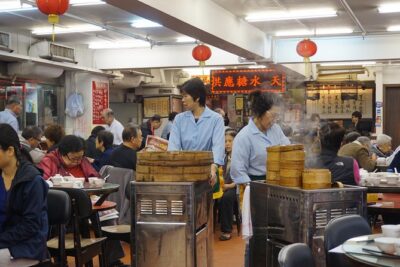

Hong Kong Day Tour: Priority Peak Tram, City Walk & Dim Sum
Read our review →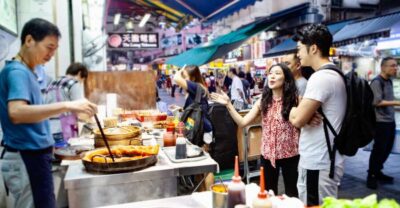
Hong Kong: Private Street Food Tour with a Local Insider
Read our review →Browse the lists this tour appears in