
Review · HONG KONG
Hong Kong: Street Food Tour with Locals – Dim Sum and Wonton
Hong Kong’s food story is easiest to understand one bite at a time. This three-hour walk through Sheung Wan and Central links dim sum and wontons to the city’s past as an opium port, labor-export center and financial capital. You may taste more than 10 items, from roast pork and har gow to egg tarts and herbal tea, while a Hong Kong-born guide such as Hody, Jasmine, Michael or Stephen explains what belongs on the plate and how locals eat it.
I like the tour’s mix of small local stops and street-level history, rather than a parade of polished international restaurants. I also like the range: savory noodles, seafood, tea, roast meats and sweets give you a useful first map of Hong Kong food. The main catch is important: this is not a tour for vegetarians, halal diners or people with serious dietary restrictions, and three hours of walking and eating can leave you very full.
Key points to know before booking
- More than 10 tastings across 7 to 8 stops: Expect dim sum, wonton noodles, BBQ pork, egg tarts, egg waffles, tea and local snacks.
- Sheung Wan is part of the lesson: Wing Lok Street and nearby streets connect luxury dried seafood, overseas labor and Hong Kong’s growth.
- The guides make the difference: Hody, Jasmine, Michael, Stephen, Alice, Summer, Isaac and others bring local food knowledge and personal stories.
- The food is substantial: Several people found they had little room for dinner afterward, so arrive hungry.
- The meeting point needs care: Find Exit E2 at Sheung Wan MTR while you are still on the platform.
- Dietary limits are a real concern: Vegetarian, halal and special-diet requests cannot be reliably accommodated.
Start at Sheung Wan, where trade shaped the city
Meet at Sheung Wan MTR Station Exit E2, not simply at the station concourse. This detail matters because once you leave the platform area, exits A through D do not lead you back to Exit E. I would check the station signs before stepping off the train and allow a few minutes to get oriented.
The tour begins near Open Piazza and moves through Sheung Wan, one of the best areas in Hong Kong for seeing old trades beside modern towers. You are not just walking toward food. You are following the city’s older commercial spine, where dried seafood shops, small cafés, traditional medicine businesses and newer urban life sit close together.
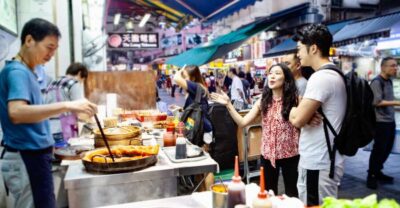
The route is a moderate walk. Hong Kong streets can be crowded, and the tour includes standing, short walks between stops and time spent in compact food shops. Comfortable shoes are a must. The pace is generally designed to let you eat and listen without racing from one address to the next, though the amount of ground and food still makes this an active afternoon.
More Dim Sum and Dumpling Tours in the world:
- Warsaw’s No 1 cooking class-Polish dumplings with liqueur tasting
★ 5.0 · 576 reviews - Hong Kong Day Tour: Priority Peak Tram, City Walk & Dim Sum
★ 4.5 · 266 reviews - Gyoza Cooking Class in Kyoto: Traditional Japanese Dumplings
★ 5.0 · 210 reviews
Wing Lok Street and the business of dried seafood
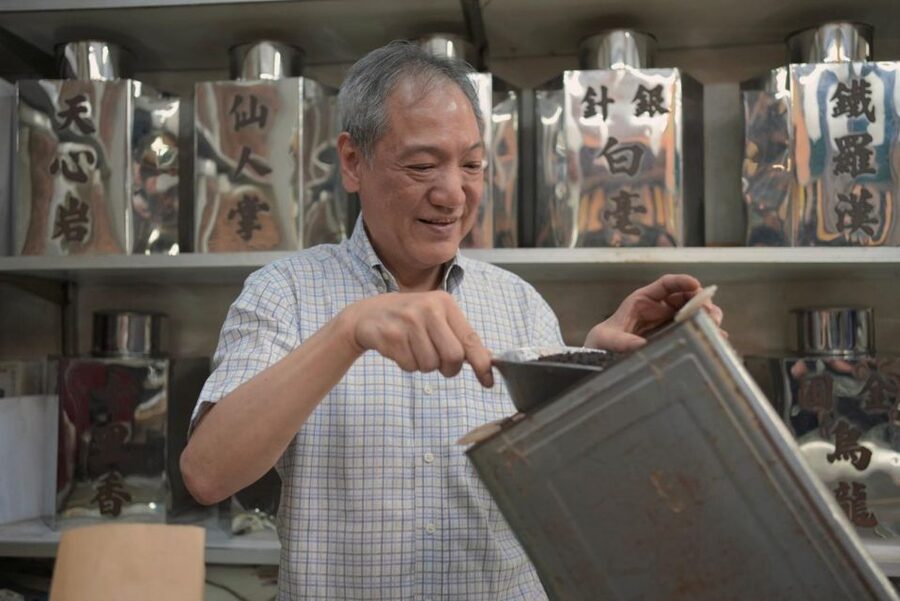
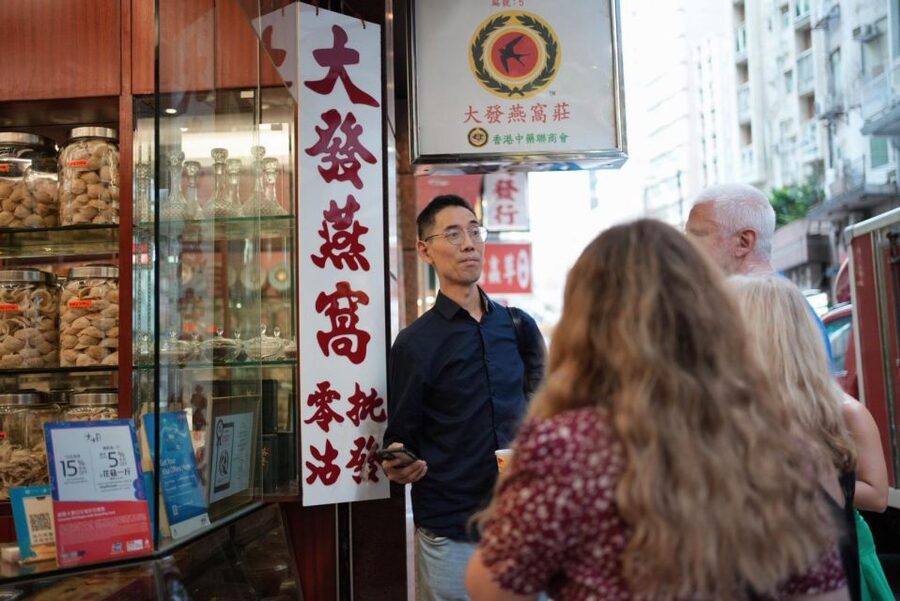
Wing Lok Street gives the tour its strongest historical setting. The area is known for Chinese luxury dried seafood, including shark fin, bird’s nest and cordyceps. You may see ingredients priced at levels that feel startling, including cordyceps costing around HKD 200,000 per catty.
This stop helps explain a side of Chinese food culture that is easy to miss if you only visit restaurants. Some ingredients carry status, gift value and traditional associations as well as flavor. The guide can explain why these goods mattered to merchants and families, and how Sheung Wan became tied to trade networks reaching far beyond Hong Kong.
The history also reaches into the difficult side of Hong Kong’s past. These streets once connected to the trade in opium, then to the shipping of Chinese laborers to places such as the United States, Malaysia and gold-mining regions. The tour uses food and commerce to show how a port city changed into a major labor hub and, later, a financial center.
I value this context because it keeps the food from becoming a checklist. A dried seafood shop is not just a photogenic stop. It is evidence of the trade systems, social customs and economic changes that helped shape the city.
Tea, cafés and the post-war birth of local comfort food
One likely early food stop is a cha chaan teng, the Hong Kong café style that grew from changing tastes and post-war conditions. These cafés offered affordable, filling food that mixed Chinese cooking with Western-inspired items. The result is practical rather than fancy, which is exactly the point.
You may try Hong Kong-style milk tea, often called silk-stocking tea because it is strained through a long cloth sack. The nickname sounds more dramatic than the process. The tea is not made with a stocking. The cloth filter helps create the drink’s smooth texture and strong flavor.
French toast is another classic. It is not a French dish in the usual sense, but a Hong Kong café creation with a sweet, crisp and comforting character. Depending on the day’s menu, you may also encounter a drink such as Mandarin Duck, a local mixture of tea and coffee.
These stops are useful for understanding everyday Hong Kong eating. Fine dining gets attention, but the café is where you see how ordinary people adapted outside influences into something local. The food may feel familiar in one bite and completely different in the next.
Wonton noodles and the craft of a small bowl
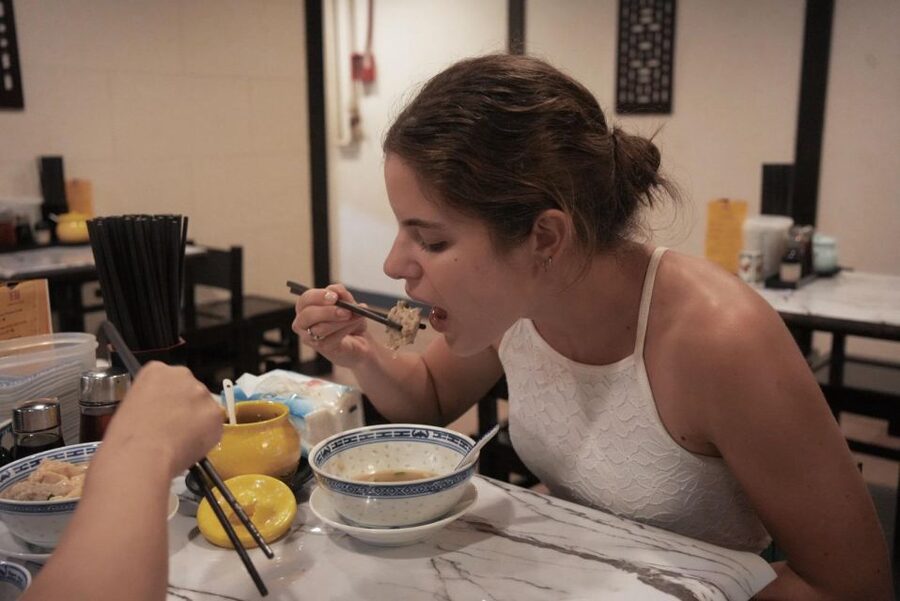
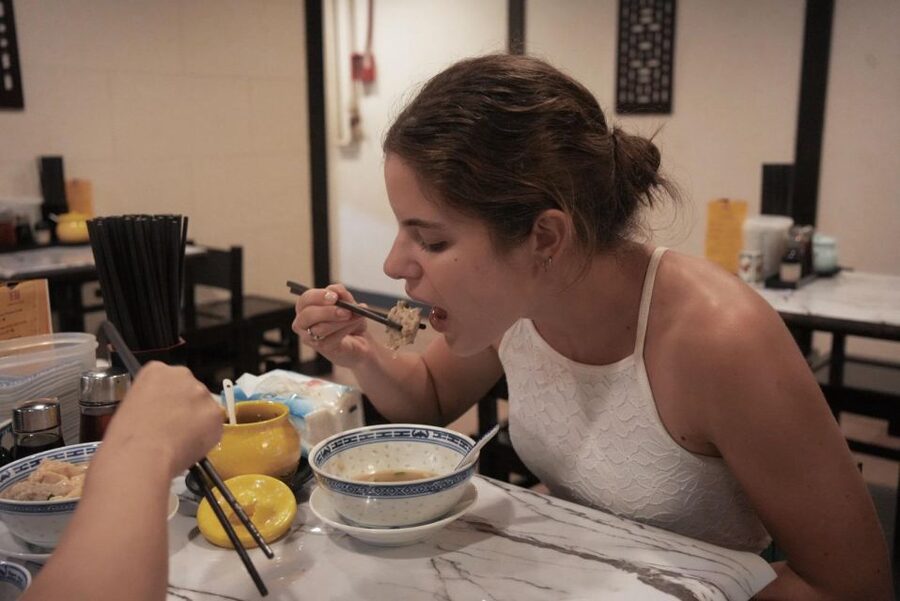
The noodle portion is one of the tour’s clearest food lessons. At a local noodle stop, you may watch Chiu Chow-style artisans fold shrimp-filled wontons and prepare a flounder-based broth.
Wonton noodles can look simple when they arrive: noodles, broth, dumplings and perhaps a few garnishes. The work is in the details. The wonton filling has to stay balanced, the wrapper needs to hold without becoming heavy, and the broth must have flavor without drowning out the seafood.
This is also a good point to ask your guide about texture and etiquette. Local dining customs are part of the tour, and a Hong Kong-born guide can explain how to approach dishes that may be unfamiliar to you. Guides such as Wing, Alice, Summer and Stephen have been especially praised for explaining food clearly and helping people feel at ease when a dish is new to them.
Do not expect a large restaurant meal at every stop. The portions are usually tasting-sized, but the combined amount adds up quickly. Wonton noodles, roast meats, dim sum, sweets and drinks make this a food tour that can replace lunch for many people.
More Street Food Tours in the world:
- Dubai: Old Town, Creek, Museums, Souks, & Street Food Tour
★ 4.8 · 10,816 reviews - Ho Chi Minh City Street Food Tour & Sightseeing By Motorbike
★ 5.0 · 9,413 reviews - Medellin: Comuna 13 Graffiti Tour, Cable Car & Street Food
★ 4.8 · 9,046 reviews - Dubai: Old Town, Souks, Street Food, Guided Tour & Abra Ride
★ 4.9 · 7,170 reviews
Dim sum as daily food, not just a special occasion
The dim sum stop brings the tour’s title into focus. You may taste bamboo-steamed har gow, the translucent shrimp dumplings familiar from dim sum restaurants. The guide may also discuss how dim sum developed from a high-status tea-and-snack tradition into an everyday part of Hong Kong dining.
That change is worth understanding. Dim sum is often presented to visitors as a grand brunch, with carts and large dining rooms. In Hong Kong, it can also be a practical social meal, a quick snack or a regular family habit. The tour shows how a food once associated with higher social circles became part of daily life.
Har gow is particularly useful for learning by sight. The thin wrapper, pleated edge and shrimp filling make the dumpling easy to recognize, but the preparation is not as simple as it looks. One guide also explained that sweet potato is used in the wrapping, an unexpected detail even for someone familiar with Cantonese food.
The dim sum may be one of the highlights of your walk, but it is not the only seafood-based item. Because the final menu depends on availability, the exact dishes can change. Go expecting a broad introduction rather than a fixed restaurant menu.
Roast meats, egg tarts and Hong Kong’s sweet side
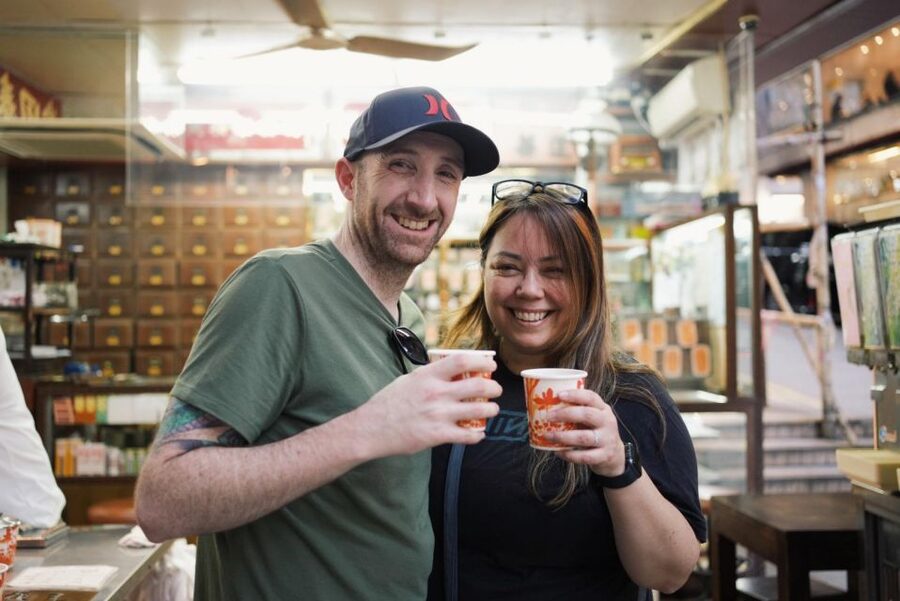
The tour moves between savory and sweet food instead of saving all desserts for the end. BBQ pork, roast pork and pork belly may appear among the tastings. These dishes show how a small portion of well-seasoned meat can carry plenty of flavor without becoming a full sit-down meal.
Egg tarts offer a different texture, with a pastry shell and soft egg custard. They are familiar enough to be approachable, yet distinctly tied to Hong Kong’s café and bakery culture. If you have already eaten dim sum and noodles, the tart gives you a needed change of pace.
Egg waffles may also appear. Their round pockets make them one of the easiest Hong Kong snacks to recognize, but the appeal is more than appearance. They are crisp and light at the edges, with a softer center, making them a pleasant late-tour bite.
The balance between savory and sweet is one of the tour’s strengths. You are not pushed through ten versions of the same dumpling. Instead, you get a working sense of how Hong Kong meals move between meat, seafood, starch, tea and dessert.
Herbal tea and the city’s old social habits
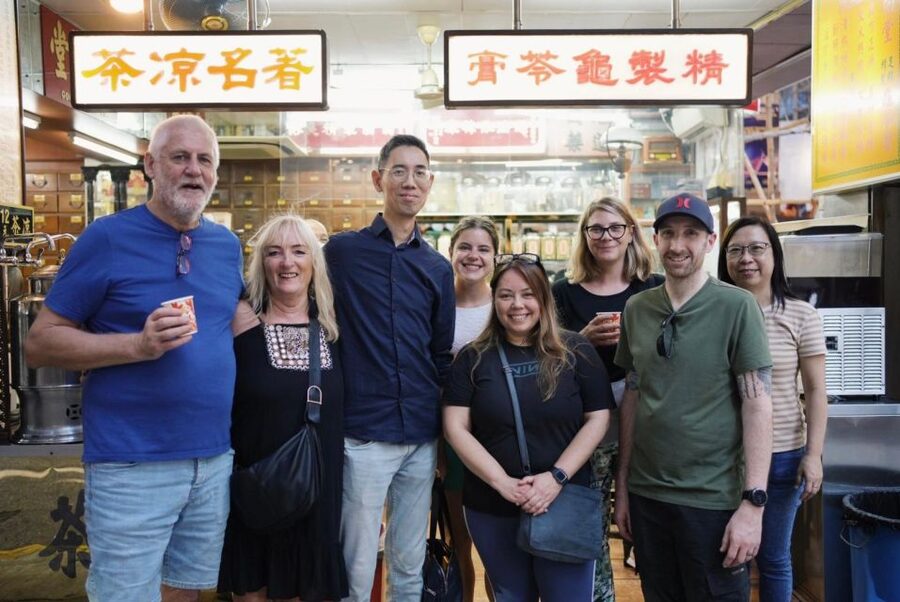
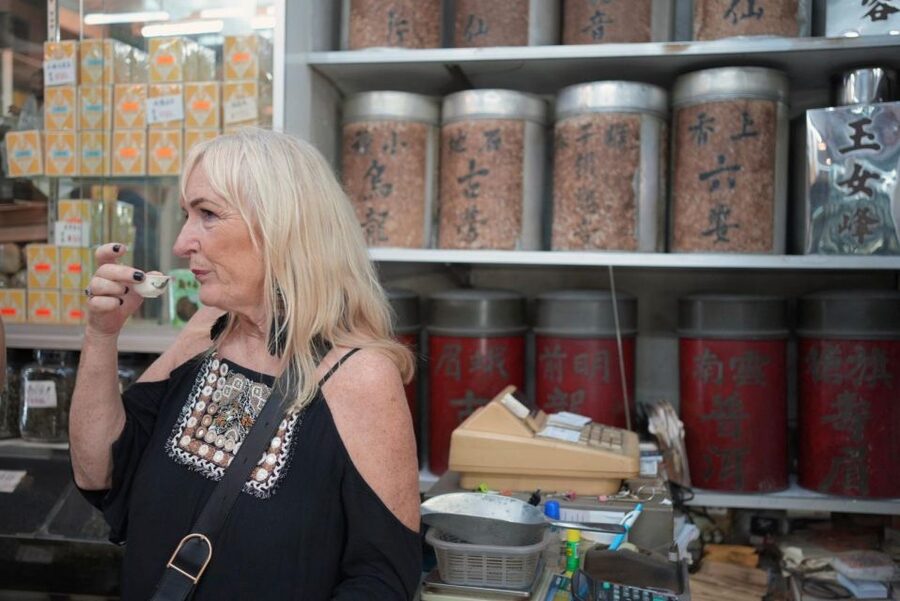
A tea stop may include Five Flowers tea or the much more challenging 24 Flavors tea. These herbal drinks are part of Hong Kong’s traditional food culture, but they may not match the sweet tea familiar to many visitors.
The bitter flavors are the point. Your guide can explain how herbal tea stalls functioned as social places, especially in earlier decades, and why people sought out these drinks. The 1950s connection gives this stop a human scale. It is less about buying a souvenir and more about seeing how a small drink could fit into everyday neighborhood life.
Some people will enjoy the herbal brews. Others will prefer the milk tea or a sweet snack. I like that the tour includes both. A food walk should not only serve easy crowd-pleasers. It should give you a chance to try something you might not order on your own, while still offering plenty of familiar choices.
Queen’s Road Central and the modern city around the food
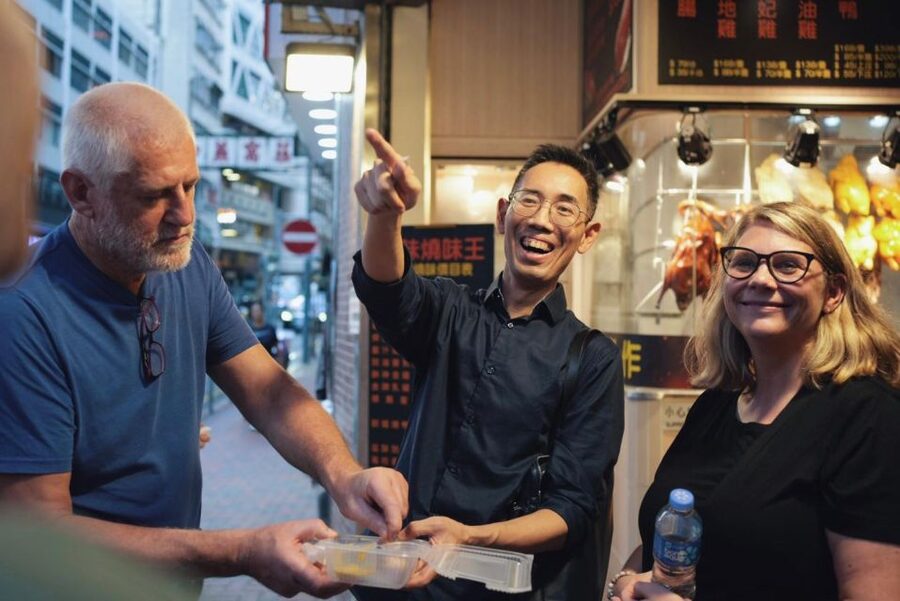
Later, the route reaches Queen’s Road Central, where the older streets meet Hong Kong’s commercial core. This part of the walk helps connect the food stops to the city you see in photographs: tall buildings, busy roads and a strong financial identity.
The contrast is the lesson. In a short distance, you can move from dried seafood shops and family-run cafés to the polished center of international business. The tour explains how those worlds developed together rather than treating old Hong Kong and new Hong Kong as separate places.
You may also see locations connected with popular culture along the route. One stop has been linked to a scene from The Dark Knight near the long escalator area, though the food and local stories remain the main purpose of the walk.
The tour finishes at Central Market. That is a useful endpoint because you are left in a central area with more options for continuing your day. The activity does not include hotel pickup or drop-off, so you should plan your own way back afterward.
How much food do you really get for $51?
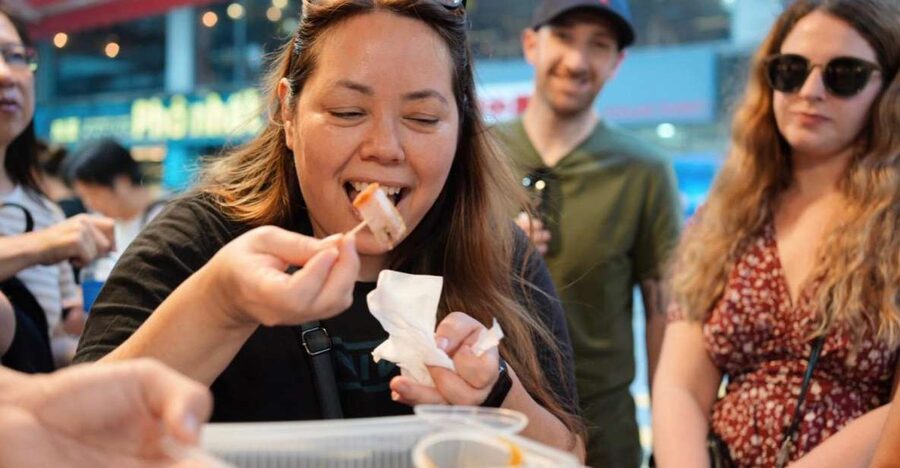
At $51 per person, the value depends on how you use the experience. If you treated every tasting as a separate purchase, the food alone would add up, but the better value is the combination of food access, interpretation and navigation.
You are paying for a local guide who takes you to places you might not find easily, explains customs and translates the meaning of dishes. A visitor can certainly eat more cheaply by ordering one bowl of noodles or visiting a bakery alone. You would not get the same range in three hours, or the background linking each dish to Hong Kong’s past.
The quantity appears generous. People regularly finish the route full, and several food combinations can easily replace both lunch and a light dinner. I would avoid booking a large evening meal immediately afterward. Treat the tour as your main meal for the day.
The strongest value comes if you are new to Hong Kong food. You can use the tour to identify dishes and cafés you may want to revisit on your own. Several participants marked down small local places for later, which is exactly how a good food tour should work.
Who should book, and who should skip it?
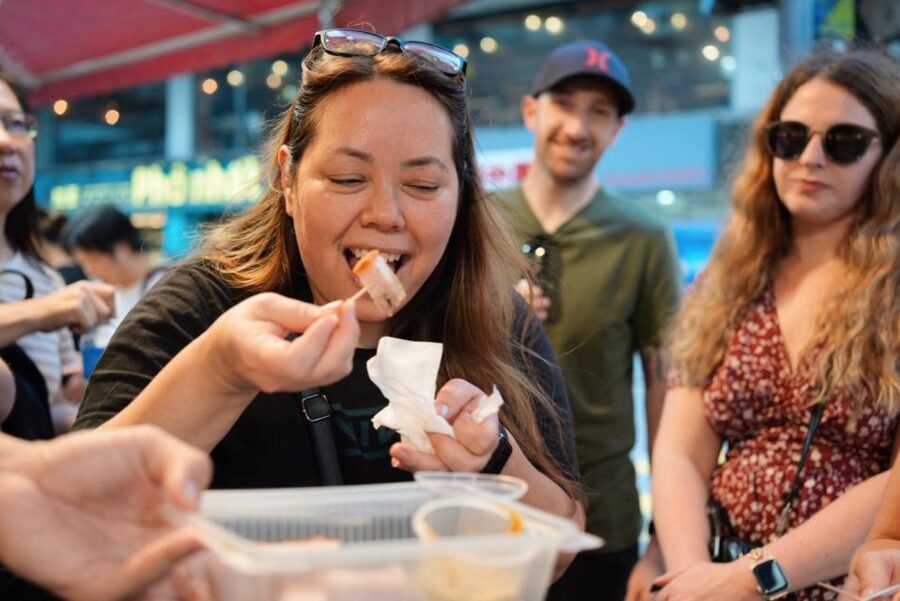
This experience suits first-time visitors, curious eaters, solo visitors and anyone who wants history with their food. It is also useful for people who feel unsure about ordering in Hong Kong. Guides such as Michael, Jasmine, Hody, Isaac and Wing have been praised for being warm, funny, attentive and willing to answer questions.
The tour can work for families with older children. A 13-year-old enjoyed the food and the stops, but younger children may find the walking and repeated tastings tiring. The amount of eating also means you should arrive hungry.
You should skip it if you are vegetarian, need halal food or have dietary restrictions that require careful control. The stated conditions say special diets cannot be accommodated, and the final menu can change with availability. People with allergies should contact the provider before booking rather than assume substitutions will be possible.
Weather is another consideration. The tour may be canceled in poor conditions, with an alternative date or full refund offered. Free cancellation is available up to 24 hours ahead, and you can reserve now and pay later, which helps if your Hong Kong schedule is still moving.
Should you book this Hong Kong food walk?
I would book it if you want a practical introduction to Hong Kong food rather than a single restaurant meal. The best parts are the mix of wonton noodles, dim sum, roast meats and local sweets, plus the walk through Sheung Wan’s trade history.
Book with realistic expectations. The exact tasting list can change, the route involves moderate walking, and the food is not designed for special diets. If those conditions work for you, $51 is fair for three hours of tastings, local guidance and a useful first look at how Hong Kong eats.
Arrive at Sheung Wan MTR with comfortable shoes, find Exit E2 before leaving the platform, and skip your next meal reservation. Guides rotate, but names including Hody, Jasmine, Michael, Stephen, Alice, Summer, Isaac and Wing have all been associated with the friendly, informative style this tour needs. You should leave with a full stomach and a short list of places to revisit.
FAQ
Where does the tour meet?
The meeting point is Sheung Wan MTR Station Exit E2. Find the exit while you are still on the platform because you cannot return to Exit E after entering the concourse for exits A through D.
Where does the tour finish?
The tour finishes at Central Market.
How long does the experience last?
The walking and food tour lasts three hours.
What food can I expect to taste?
The tastings may include dim sum, har gow, wonton noodles, BBQ pork, roast pork, pork belly, egg tarts, egg waffles, milk tea, herbal tea and other local snacks.
How many tastings are included?
The tour includes food at around 7 to 8 stops, with more than 10 dishes and drinks in total.
Is the final menu fixed?
No. The final tasting menu can change depending on availability.
Is the tour suitable for vegetarians?
No. The tour is not suitable for vegetarians.
Is halal food available?
No. Halal food is not provided.
What language is the tour conducted in?
The live tour guide speaks English.
What should I bring?
Bring comfortable shoes because a moderate amount of walking is involved.
More Food Tours with Locals in the world
- Naples: Street Food Walking Tour with Local Guide
★ 4.9 · 4,976 reviews - Rome: Street Food Tour with Local Guide
★ 4.8 · 4,077 reviews - Eat Like a Local: Venice 3-Hour Small-Group Food Tasting Tour
★ 5.0 · 3,137 reviews - Marrakech: Street Food Tour with a Local Guide
★ 4.9 · 3,119 reviews
Fresh off the menu around the world
- Taste of Chiang Mai: Michelin Guide & Street Food Tour★ 4.9 · 159 reviews
- Eat Porto Like a Local: The Ultimate Full-Meal Food Tour★ 5.0 · 97 reviews
- Vienna: The Ultimate Full Meal Austrian Food Tour★ 4.8 · 112 reviews
- Jerez: Traditional Tapas Tour★ 4.6 · 138 reviews
- Taste my Fribourg Self-Guided Food Tour★ 4.5 · 29 reviews
- Taste of Albania: Tirana Food Tour★ 5.0 · 26 reviews
- Taormina Pizza making class★ 4.8 · 140 reviews
- Taormina: Pizza Making Class with Lunch and Wine Tasting★ 4.8 · 145 reviews
Hong Kong Food Tours, compared.
Hong Kong’s Tin Hau Hidden Eats Food Tour with 7+ Local Tastings
Read our review →

Hong Kong Day Tour: Priority Peak Tram, City Walk & Dim Sum
Read our review →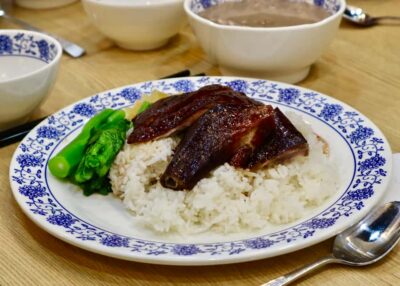
Hong Kong: Private Street Food Tour with a Local Insider
Read our review →Browse the lists this tour appears in