
Review · BEIJING
Beijing: Hutong Breakfast Food Tour
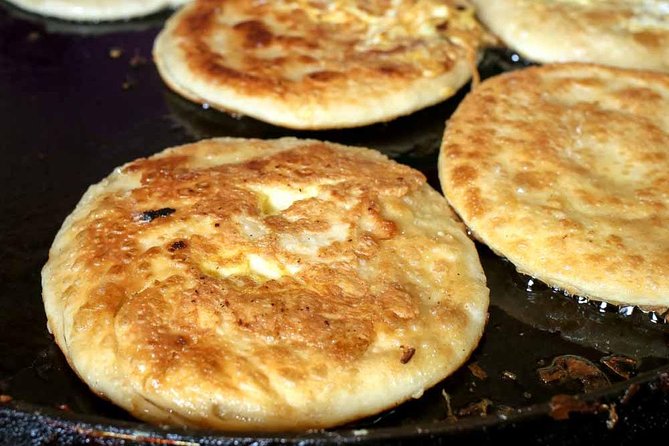
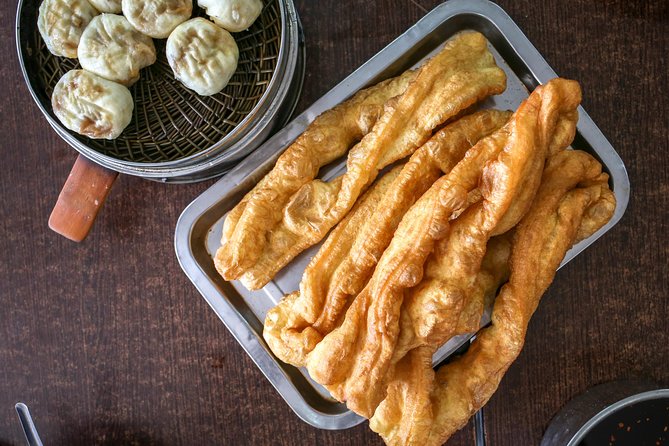
Beijing’s best breakfast often comes from a narrow street, a family stall, or a shop with barely enough room for its counter. This three-hour hutong food tour takes you into that everyday world, with more than 12 tastes at five or more local stops. You may try handmade pork zongzi from Aunt Jie, beef flatbread and tofu pudding from Mr. Yu, cheesy jianbing, crispy meat pies, red bean sweets, and the famously sharp douzhi.
I like the focus on people and food stories, not just dishes. I also like that the route includes hutong details such as stone doorways, old signs, and courtyards, so you are learning how the neighborhood works as you eat. The main consideration is that some flavors are bold, especially douzhi, and a run of sweet red bean desserts can feel repetitive.
Key points to know before you book
- Aunt Jie’s pork zongzi: Taste handmade rice dumplings tied to a generations-old family recipe.
- Douzhi for the brave: Try Beijing’s fermented mung bean drink, a sharp local classic with a Michelin-recognized reputation.
- Five or more small stops: The route serves 12 or more dishes and includes a local market.
- Hutong stories between bites: Look for clues in stone doorways, signs, and private courtyards.
- English-speaking guides: Kelly, Lynn, and Yoyo have led this route, with praise for their clear explanations and storytelling.
- A practical breakfast price: At $45 per person, the tour works best for people who want many tastings, drinks, and local context in one morning.
Why this breakfast tour feels different from a standard Beijing meal
Many Beijing food experiences center on one famous dish, such as Peking duck or noodles. This one gives you a wider look at the city’s morning table. You move from savory pastries to soy-based foods, rice dumplings, pancakes, fermented drinks, and sweets made in an older imperial tradition.
That range matters because Beijing breakfast is not one neat category. It is quick, filling, portable, and often shaped by family habits. A flatbread may be eaten on the way to work. A pancake may be folded around eggs and crisp toppings. A bowl of tofu pudding may be a simple childhood favorite.
I like that the tour does not stop at food names. You meet the people behind some of the dishes, including Aunt Jie and Mr. Yu. Their presence gives the meal a human scale. You are not just checking off unfamiliar foods. You are seeing how recipes and daily routines survive in a changing city.
The setting adds another layer. Beijing’s hutongs are old residential lanes built around courtyards, and the route points out small details you could easily walk past. Stone entrances, signs, and courtyard layouts can reveal how the neighborhood was organized and who once lived or worked there.
More food tours around China:
- Authentic Local Food Tour in Central Shanghai
★ 5.0 · 1,382 reviews - Shanghai: 3-Hour Local Food Tasting Tour
★ 4.9 · 806 reviews - Eat Like A Local: Shanghai Night Food Tour
★ 5.0 · 616 reviews
Meeting at the National Art Museum subway station
The meeting point is Zhongguo Meishuguan, or National Art Museum, Subway Station, Exit B, at street level. The station is on Line 8, and the guide waits outside the exit with a bright yellow Lost Plate tote bag.
Use the subway if you can. The directions specifically recommend it because traffic in this part of Beijing can be heavy during rush hour. If you take a taxi or Didi, show the driver this Chinese location: 地铁8号线中国美术馆地铁站 B出口.
The meeting instructions deserve care. The station exit and the nearby museum can be confusing on map apps, especially in China. Follow the signs inside the station to Exit B, then go upstairs and outside. Allow extra time rather than arriving at the last minute.
The route itself is not designed for luggage. Large bags are not allowed, and comfortable shoes are important. You will be walking and standing around small food businesses, so a light day bag and practical clothing make more sense than a suitcase or bulky backpack.
The first tastes: market food and handmade zongzi
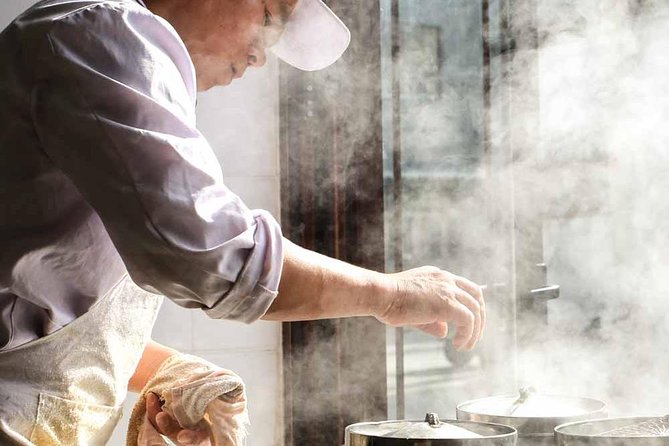
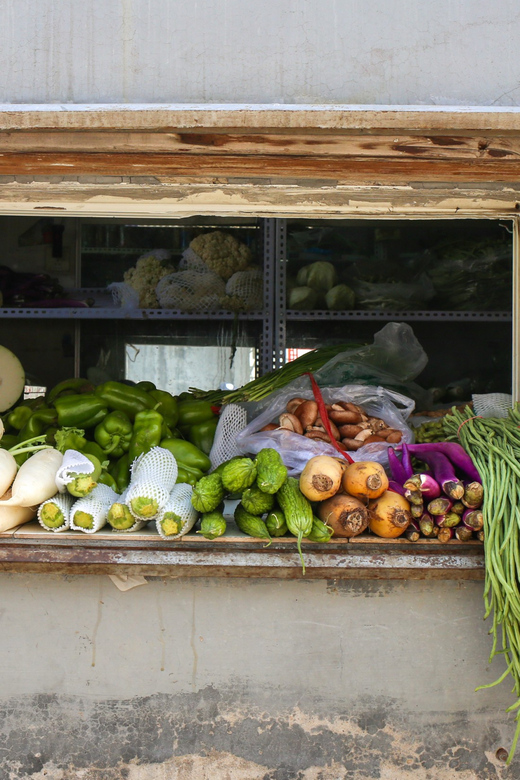
The route includes a local market, which is one of its strongest features. Markets show you the basic ingredients, rhythms, and shopping habits behind the foods you later eat. This is more useful than visiting only prepared-food counters because you can connect the cooked dishes to the produce and pantry staples around them.
A highlight is Aunt Jie’s handmade pork zongzi. Zongzi are sticky rice dumplings wrapped in leaves, and this version gives the tour a direct link to home cooking. The key appeal is not simply the pork or rice. It is the chance to try something made from a family recipe rather than a standardized snack.
You should expect the market and food stops to feel local rather than polished for sightseeing. That can mean narrow spaces, simple seating, and a faster rhythm. If you prefer a long meal at one comfortable table, this is not the right format. If you want to sample many foods without ordering full portions at every stop, it is a smart setup.
The tour includes unlimited food and drinks at more than six eateries and street stalls, while the route description highlights five or more food locations. The exact number of stops can vary, but the useful promise is clear: you get a broad tasting menu rather than one breakfast plate.
Douzhi: Beijing’s sharpest breakfast challenge
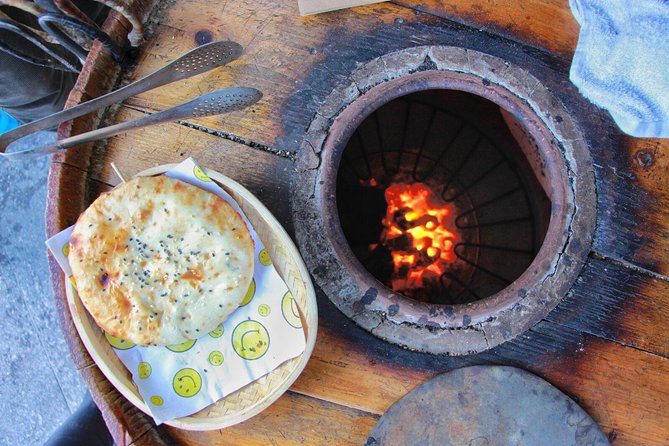
Douzhi is the taste that may divide the group. This fermented mung bean drink is one of Beijing’s best-known traditional foods, and it is famous for its sour, earthy character. The tour presents it as a bold local tradition with Michelin recognition, not as a mild beverage designed to please everyone.
Approach it with curiosity, not with the expectation of a sweet breakfast drink. A small taste tells you something about local food habits even if it is not your favorite. This is the kind of dish that makes a food tour worthwhile: it gives you a story and a point of comparison you probably would not seek out alone.
The guide’s role matters here. Kelly, Lynn, and Yoyo have all been praised for explaining the foods and making unfamiliar stops easy to understand. A good explanation can turn a challenging flavor into a cultural reference point instead of a failed snack.
There is no need to pretend you will love every dish. The tour is better approached as a guided survey of Beijing breakfast, including foods that are mild, sweet, savory, fermented, and unusual.
Same city, a different plate:
- Eat Like a Local Through Shanghai’s French Concession
★ 5.0 · 353 reviews - Hong Kong’s Tin Hau Hidden Eats Food Tour with 7+ Local Tastings
★ 5.0 · 352 reviews - Small-Group Hong Kong Island Food Tour
★ 5.0 · 343 reviews - Beijing: Hidden Gems Guided Food Tour with Beer and Tastings
★ 4.9 · 306 reviews
Mr. Yu’s beef flatbread and tofu pudding
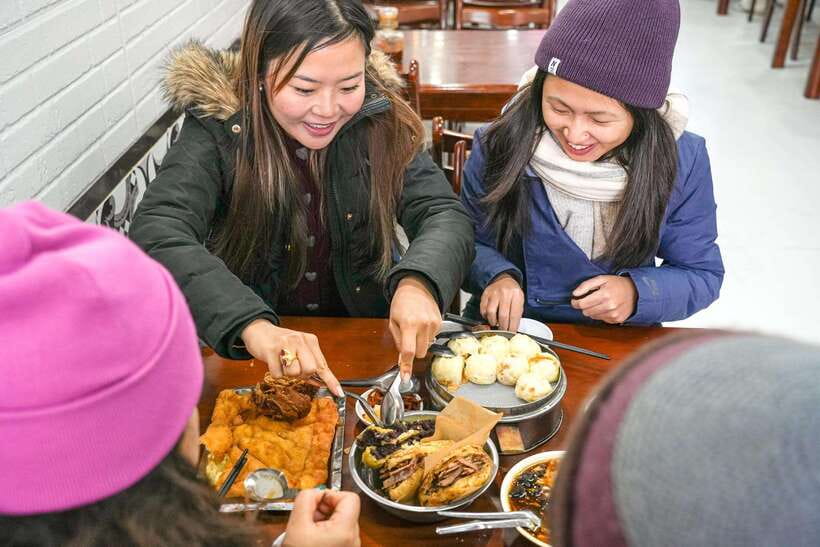
The stop connected with Mr. Yu focuses on comfort food. His beef flatbread and tofu pudding represent the filling, familiar side of the morning meal, the sort of food that works as a daily staple rather than a special occasion dish.
The beef flatbread brings a savory, crisp element to the route. Tofu pudding offers a softer contrast and helps show how soy products fit into Chinese breakfast. Together, the two dishes give you a useful break from pancakes and sweets.
This is also where the personal stories help. Hearing about childhood favorites gives context that a menu translation cannot. You learn not only what the food contains but why it matters to the people serving it.
Portions are designed for tasting many dishes, not for ordering one oversized breakfast. By the time you reach the later stops, you will have eaten a substantial amount. Pace yourself early, especially if you plan to sample everything offered.
Cheesy jianbing at a small neighborhood favorite
Jianbing is one of the most recognizable Chinese breakfast foods, usually made as a thin savory pancake with egg and crisp fillings. This route adds a cheesy version at a small, hole-in-the-wall favorite spot.
The cheese makes the dish familiar to some visitors, but the format remains distinctly Beijing. You get a useful example of how popular street foods change with modern tastes while keeping their basic identity.
One particularly useful detail from the tour feedback is that the egg and bacon pancake was a favorite for one participant, along with a sweet pancake. Those combinations suggest that the route includes both traditional flavors and more approachable variations. If you are nervous about strong fermented foods, the jianbing may be one of the easier early wins.
The stop also captures the practical nature of hutong food. You are not entering a grand dining room. You are seeing how a small shop serves breakfast to the neighborhood, likely with limited space and quick service. That setting is part of the experience, though it may be less comfortable for anyone who needs frequent seating or more room to move.
Imperial-era sweets and the sugar question
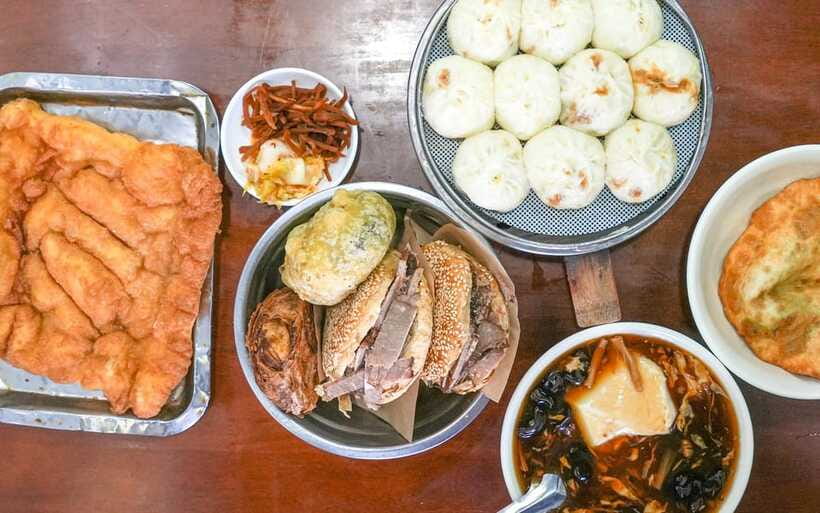
The route also includes sweets once made for emperors. That detail gives the food a link to court traditions, but it should not lead you to expect a formal dessert service. These are still part of a moving breakfast route through local shops and stalls.
The sweet foods may include red bean paste, and this is the one area where I would manage expectations. One person found that several red bean desserts in a row became repetitive. If you enjoy bean-based sweets, this may be a pleasure. If you prefer salty breakfast foods, the sequence could feel heavy.
A drink with the sweet courses might have improved the balance, so keep that in mind. Water and soft drinks are included, but the route does not promise a special beverage pairing for every course.
Still, the sweets earn their place because they show a different side of Beijing food. A good food tour should not offer only the safest dishes. It should help you understand what local people consider a treat, even when the flavor profile differs from your usual dessert.
Hutong details between the food stops
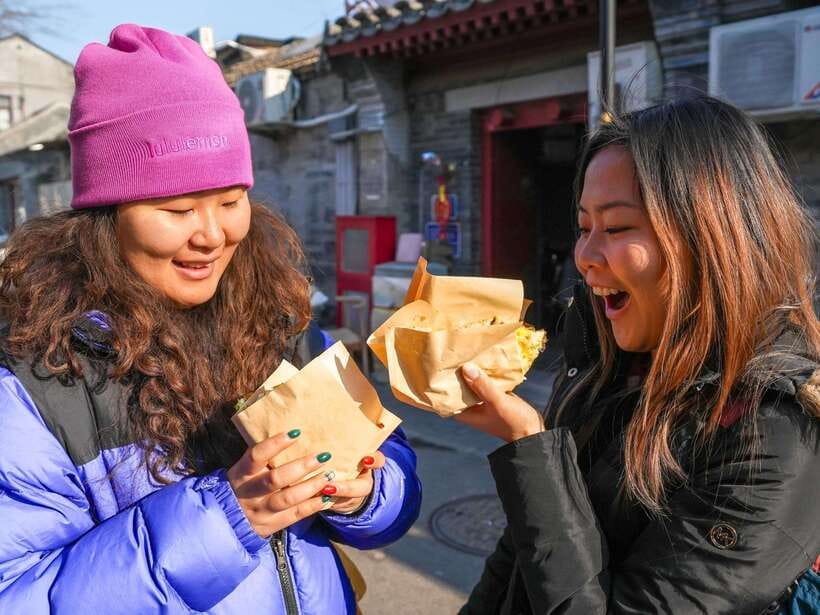
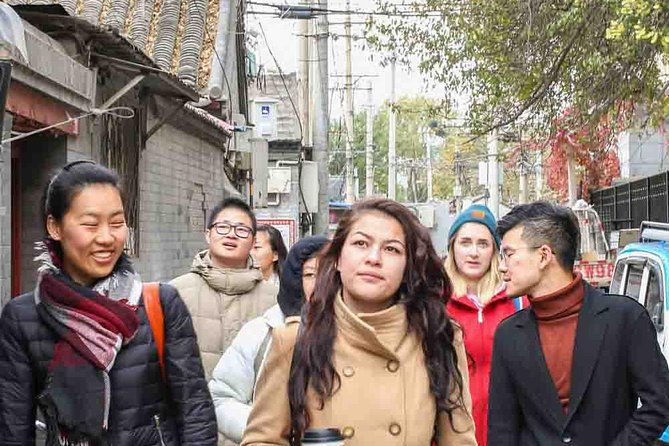
The walking portions are not filler. The guide points out stone doorways, signs, and courtyards, including small clues that reveal how the hutongs function. These details help you read the neighborhood rather than simply pass through it.
You might notice how an entrance frames a courtyard, how a sign marks a business, or how a narrow lane shifts from public street to residential space. The tour description does not promise access to private homes, so expect observation and explanation from the lanes rather than an inside visit to every courtyard.
This part of the tour is especially useful if you have already seen Beijing’s major monuments and want a closer look at ordinary city life. The hutongs connect the food to a real neighborhood setting. You are eating where people live and work, not in a restaurant district built only for sightseeing.
The route operates rain or shine. Beijing weather can affect your comfort, so check the forecast and dress accordingly. Comfortable shoes matter more than fashionable ones, and the tour is not suitable for people with mobility impairments.
Guide quality and what to expect from the English tour
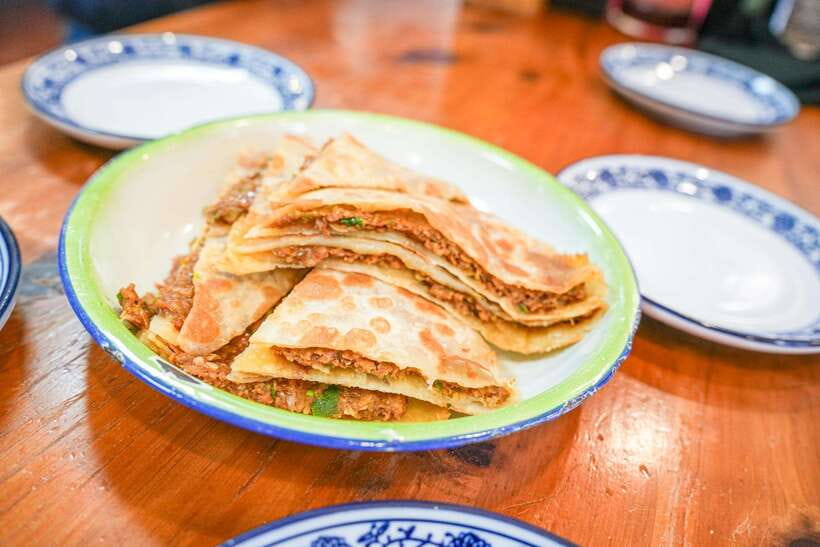
The experience is conducted in English with a live professional guide. Kelly received repeated praise for her food explanations, local stories, and calm handling of the morning. Lynn was also praised for taking the group to places that would be difficult to find independently, including the market. Yoyo was noted for linking each dish to a story before serving it.
Your assigned guide may not be one of these three, but their strengths show what the tour is built around: interpretation, introductions to small food businesses, and practical help at each stop. This is not simply a guide who leads you from address to address.
You should also expect the quality of the morning to depend partly on group rhythm. With more than 12 dishes in three hours, the pace is active. The guide needs to keep the group moving while giving enough time for questions and tasting.
The minimum operating requirement is two people. If that number is not met, the tour can be canceled after confirmation, with an alternative date or full refund offered. That is worth noting if you are planning around a tight schedule.
Is $45 a fair price for three hours?
At $45 per person, this is not the cheapest way to eat breakfast in Beijing. You could buy individual street foods for far less. The value comes from the number of tastings, the English explanations, the market visit, and access to small places you might not locate or feel comfortable ordering from alone.
The package includes food and drinks at more than six eateries and street stalls, along with unlimited water and soft drinks. Hotel pickup and drop-off are not included, so you need to reach the station yourself.
I see the price as fair for a first morning in Beijing, especially if you want a guided introduction to local food without spending time guessing at menus. It is less compelling for an experienced China visitor who already knows the hutongs and speaks enough Chinese to order independently.
Free cancellation is available up to 24 hours before the tour for a full refund, and you can reserve while paying later. Those terms help if your Beijing schedule is still changing, but the practical details of meeting at Exit B still deserve your attention.
Who should book this hutong breakfast?
I would choose this tour for first-time Beijing visitors, curious eaters, and anyone who wants a social morning with plenty of small tastes. It is also a good first-day activity because the guide can give you food vocabulary and local context that may help with later meals.
It suits people who enjoy trying unfamiliar dishes without needing every flavor to be a favorite. Douzhi, tofu pudding, red bean sweets, and fermented or savory foods make this a better fit for open-minded eaters than for someone seeking a predictable Western-style breakfast.
Families with younger children may find the walking and strong flavors less convenient, though the supplied information does not set an age limit. People with mobility impairments should choose another experience, since this tour is specifically listed as unsuitable for them.
Vegetarians can join, but substitutions are not available for every dish. If you avoid meat strictly, ask about the available choices before booking rather than assuming every stop can be adapted.
Should you book the Lost Plate hutong breakfast tour?
Book it if you want local food access with a guide, especially if a market, small stalls, and everyday hutong life appeal to you more than a formal restaurant meal. The variety is the strongest reason to go, and the personal stories from people such as Aunt Jie and Mr. Yu give the food more meaning.
Skip it if you need a slow seated meal, dislike fermented or bean-based foods, have mobility limits, or are uncomfortable walking in rain or tight neighborhood spaces. Also remember that a few sweet red bean dishes may arrive close together.
For most curious first-time visitors, $45 buys a useful and filling introduction to Beijing breakfast. Wear good shoes, leave your luggage at the hotel, find Exit B early, and arrive ready to taste beyond the familiar.
FAQ
Where does the Beijing Hutong Breakfast Food Tour meet?
It meets at Zhongguo Meishuguan, or National Art Museum, Subway Station, Exit B, at street level. The station is on Line 8, and the guide carries a bright yellow Lost Plate tote bag.
How long does the tour last?
The tour lasts three hours.
How many foods will I try?
You can expect 12 or more dishes at five or more food stops. The included food and drinks are provided at more than six eateries and street stalls.
Is the tour conducted in English?
Yes. It includes a live English-speaking guide.
Is the tour suitable for vegetarians?
Vegetarians can join, but substitutions are not available for every dish. Check what choices are possible before booking if you have strict dietary needs.
Can I bring luggage?
No. Luggage and large bags are not allowed. Bring comfortable shoes and a small personal bag instead.
What happens if the tour does not reach the minimum number of participants?
At least two people are required for the tour to operate. If that minimum is not met after confirmation, you will be offered another date or a full refund.
Fresh off the menu around China
- Shanghai Must-See and Foodie Test Bike Tour( Day & Night)★ 4.7 · 70 reviews
- Shanghai-Cooking Dumpling & Meal in Local Family-w/Vegan★ 4.9 · 36 reviews
- Shanghai: Evening Walking Food Tour★ 4.9 · 115 reviews
- Shanghai: Half-Day Biking and Local Food Tour★ 4.9 · 170 reviews
- Late night food tour in Shanghai’s French Concession★ 4.9 · 31 reviews
- Beijing Hutong Food Crawl Delights: Peking duck, Hotpot&More★ 4.9 · 32 reviews
- Beijing: Dumpling Making Workshop with Meal and Tea★ 4.7 · 69 reviews
- Eat Like A Local: Shanghai Night Food Tour★ 5.0 · 616 reviews
Beijing Food Tours, compared.
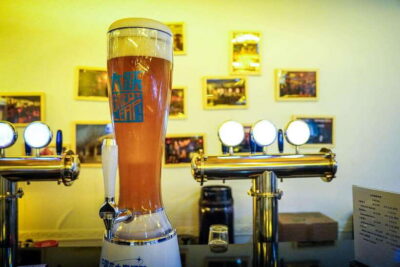
Beijing: Hidden Gems Guided Food Tour with Beer and Tastings
Read our review →
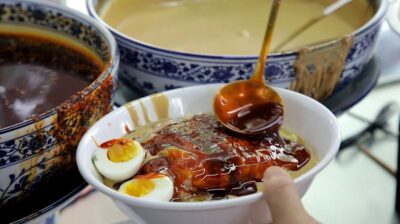
Beijing: Hutong Culinary Walking Tour with 15+ Tastings
Read our review →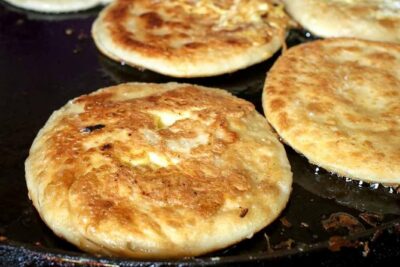
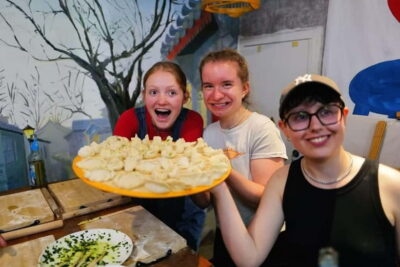
Beijing: Dumpling Making Workshop with Meal and Tea
Read our review →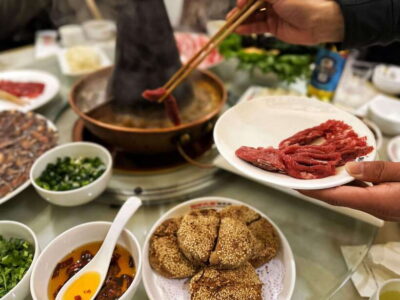
Beijing Hutong Food Crawl Delights: Peking duck, Hotpot&More
Read our review →Browse the lists this tour appears in