
Review · OSAKA
Sushi Making Osaka Roll and Authentic Japanese Sushi Class
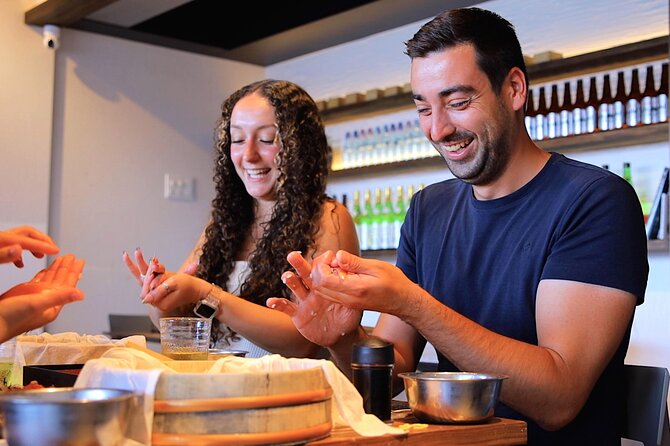
Osaka’s food scene is easy to enjoy from a restaurant table. This class lets you get your hands into the process instead. In about 100 minutes, you learn to shape maki rolls and nigiri, then eat the sushi you made yourself.
I like the ready-to-use ingredients, which keeps the class focused on technique rather than chopping and cleanup. I also like the central location, just near Dotonbori and Shinsaibashi, so you can fit the lesson into a day of sightseeing. The main caution is time: some people find the class rushed, especially when making photos, eating, and learning all compete for the last few minutes.
Key points at a glance
- Make two classic styles: Learn the basic methods for rolled maki and hand-formed nigiri.
- Expect a real meal: The class can produce one maki roll and roughly four to eight pieces of nigiri, depending on your pace.
- Beginner-friendly instruction: English-speaking teachers such as Reika, Fuko, Aina, Arisa, Matty, Yui, and Ina have led sessions.
- Stay near Osaka’s food center: The meeting point is at 1-chōme-16-20 Higashishinsaibashi, close to Dotonbori and Shinsaibashi.
- Good for families: Children and first-time cooks can take part, with instructors moving around to help.
- Plan around the clock: The class lasts about 1 hour 40 minutes, but allow extra time to find the third-floor room and arrive ready to start.
Making sushi instead of simply ordering it
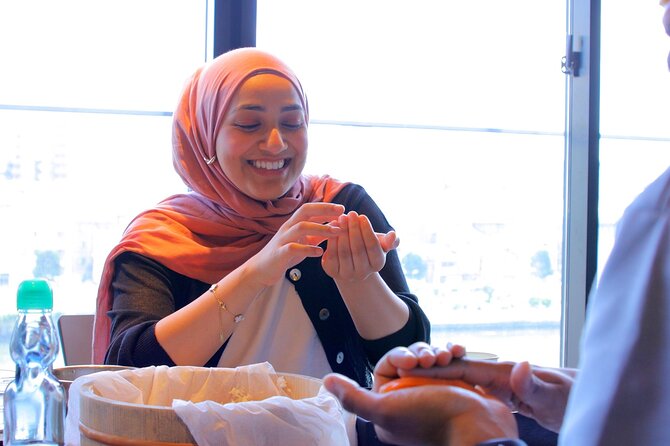
This class works because it turns one of Japan’s best-known foods into an activity. You are not asked to master restaurant-level knife work or prepare every ingredient from scratch. The food is set out for you, and the instructor takes you through the process in manageable steps.
That setup makes sense for a short Osaka activity. You spend your time learning how sushi is assembled, how to handle the rice, and how to shape each piece. The class is practical without pretending that one session will make you a sushi chef.
The tone is friendly and light. Teachers use English, explain the steps, and answer questions about sushi. Several instructors have been praised for humor, patience, and energy. Fuko, Reika, Aina, Arisa, Matty, Yui, and Ina are among the teachers named in feedback, although your instructor will depend on the class time.
The activity is also social. You work alongside other people rather than sitting through a formal demonstration. That makes it a useful choice for families, couples, friends, and solo visitors who want an easy way to meet others over food.
More food workshops around Osaka:
- Osaka: Ramen and Gyoza Cooking Class in Dotonbori
★ 5.0 · 378 reviews - Osaka: Roll and Authentic Sushi Making Class in Dotonbori
★ 4.9 · 239 reviews - Osaka: Sushi Class in Dotonbori
★ 4.9 · 160 reviews
Finding the class near Dotonbori
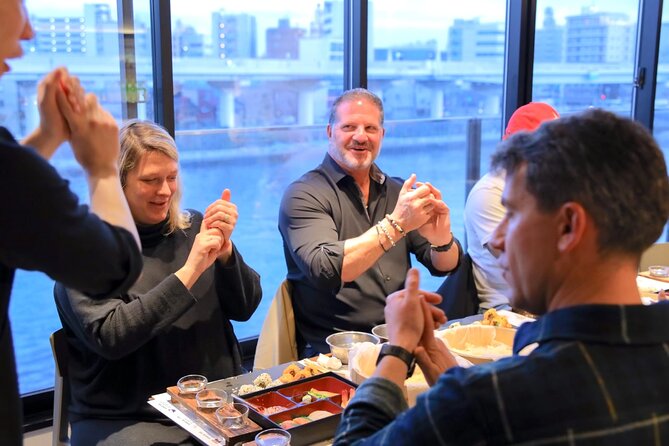
The meeting point is Sushi Making Osaka, at 1-chōme-16-20 Higashishinsaibashi in Chuo Ward. It is near the Dotonbori shopping street and Shinsaibashi, two of the easiest places to combine with an Osaka day out.
The central address is a real advantage. You can schedule the class before an evening around Dotonbori, after shopping in Shinsaibashi, or between other activities in central Osaka. No hotel pickup is provided, so you need to make your own way there.
Give yourself more time than your map app suggests. One person found the room tricky to locate, while another described it as a small room on the third floor about one block from Dotonbori. That is useful advice in a crowded commercial area where signs, buildings, and entrances can look similar.
The class ends at the same place where it begins. There is no onward transport to arrange, which leaves you free to continue exploring on foot or make your own way back to your hotel.
The opening lesson: sushi, culture, and basic technique
The class begins with an introduction to sushi and some background on how it developed in Japan. This gives the food a little more meaning than simply placing fish on rice. You learn why the forms differ and what makes nigiri and maki separate styles.
The cultural section is brief, not a full cooking lecture. Some people appreciate the balance of history, explanation, practice, and tasting. One person would have preferred less background and more time making and eating sushi. If you are mainly interested in the hands-on work, keep that preference in mind.
English-speaking instruction is one of the strongest features. You can ask questions as you work, and the teachers explain each step rather than leaving you to copy a demonstration from across the room. That matters when small changes in pressure or shape affect the result.
The teaching style appears to vary by instructor. Fuko was praised for patience and humor, while other teachers were described as energetic, encouraging, and personable. A male instructor was also singled out for walking around the table and helping people individually. Your own session may feel more or less lively depending on who leads it.
Rolling maki, the first hands-on challenge
Maki is usually the more familiar sushi form for beginners. You place ingredients on rice and seaweed, roll the combination, and cut it into pieces. It sounds simple until you try to keep the roll firm, even, and neat.
The ingredients are prepared before you arrive. That saves a lot of time and keeps the class manageable, especially for children or anyone who does not cook often. You can concentrate on spreading, filling, rolling, and cutting instead of spending half the class washing and chopping.
The class typically gives you enough food to make one maki roll. The exact filling selection is not specified in the activity details, so do not book this expecting to choose from a large menu. If you have dietary requirements or strong dislikes, note them when booking. One person reported that a shrimp substitution was not possible because the request had not been included in the reservation.
This is also the point where the class becomes a useful lesson for home cooking. You see how much filling is enough, how tightly to roll, and why professional sushi looks more uniform than a first attempt. Your pieces may not win a beauty contest, but they should be satisfying to make and eat.
More food tours around Osaka:
- Osaka: Shinsekai Food Tour with 13-15 Dishes at 5 Eateries
★ 4.8 · 2,204 reviews - Osaka Food Tour: 13 Dishes at 5 Local Eateries
★ 5.0 · 2,149 reviews - Hungry Osaka Street Food Tour:15 Tastings & 3 Drinks with a Local
★ 5.0 · 1,727 reviews - Osaka Local Foodie Walking Tour in Dotonbori and Shinsekai
★ 5.0 · 985 reviews
Shaping nigiri by hand
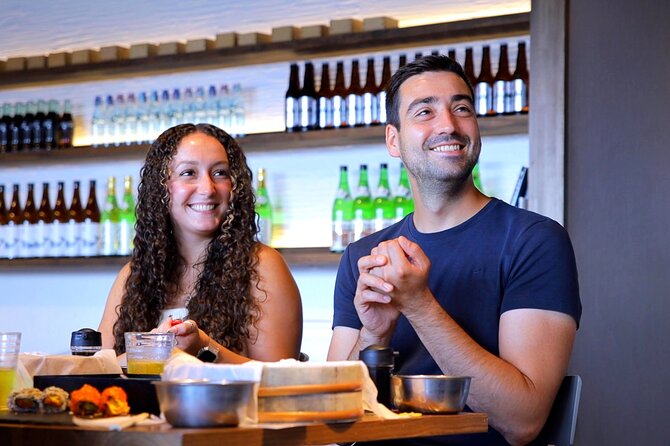
Nigiri gives you a different challenge. Rather than rolling the ingredients inside seaweed, you shape rice by hand and place a topping over it. The technique looks effortless when a sushi chef does it. At the table, it requires a little more care.
The class teaches you the correct way to form nigiri and offers several chances to practice. Depending on how quickly you work, you may make roughly four to eight pieces. That range is worth noting because the amount of food depends partly on your pace and technique.
This hands-on portion is where individual help matters most. An instructor can show you how to hold the rice, how much pressure to use, and how to keep each piece together. The class size can reach 20 people, so the level of one-to-one attention may not be constant. Still, the teaching team is described as moving around the table and helping with the details.
You should expect a learning exercise, not perfect uniformity. Some pieces may be too loose, too large, or a little uneven. That is part of the fun, and it gives you a better sense of the skill behind the sushi you order in Osaka.
Eating the sushi you made
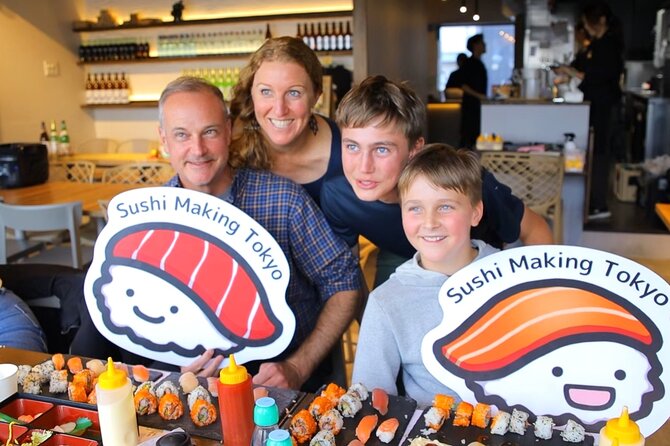
The reward comes at the end, when the maki and nigiri become your meal. The amount is generally described as generous enough for lunch, and one person specifically estimated a full maki roll plus four to eight pieces of nigiri.
This meal is included in the price, along with the cooking ingredients and English-speaking instruction. You do not simply watch someone else prepare food. You make it, sit down with it, and taste the result.
The food quality has been described as good, and vegetarian and fish options have both been enjoyed in class. Still, the available details do not promise a fully vegetarian menu or a specific list of fish. If you have allergies, religious restrictions, or ingredients you cannot eat, state them before the activity and confirm that the class can accommodate them.
Here is the one timing issue I would take seriously. The official duration is approximately 1 hour 40 minutes, but some descriptions call it an hour-long class. One person felt hurried while eating and said cleanup began before the meal was finished. Another felt the length was just right. Your pace, group size, and instructor will affect the experience, but do not count on a long, leisurely lunch.
Take photographs when the instructor allows it, rather than leaving them all until the end. The room lighting has also been described as less than ideal for photos, with dark shadows in some pictures. If your main aim is a polished social media shoot, this is not the best setting. If you want a few memory shots of your own sushi, you should have an opportunity, but work efficiently.
Is the $31.01 price good value?
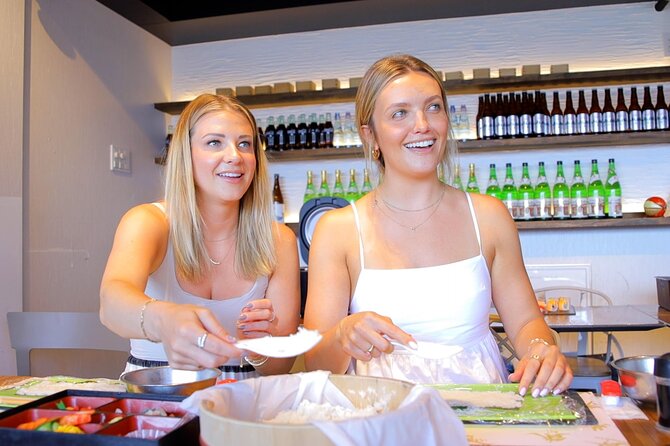
At $31.01 per person, the class sits in the affordable range for a guided food activity in central Osaka. The price includes instruction, ingredients, and the sushi you make. It does not include transportation, drinks, or hotel pickup.
I think the value is strongest if you treat the class as both a meal and a cultural activity. Buying sushi for the same amount might give you dinner, but it would not give you the shared work, the instruction, or the chance to ask questions. The central location also saves you from traveling across Osaka for a short lesson.
The value is less convincing if you want a long cooking workshop or a relaxed meal with drinks. Sake and beer are not listed as included, and no extra drink service is promised. The class is designed to keep moving, so you should not expect a slow restaurant-style lunch.
For families, the price can make sense because children can take part rather than simply wait while adults eat. The teachers have been described as patient with kids, and the process gives younger cooks a clear task at each stage.
Who will enjoy this most?
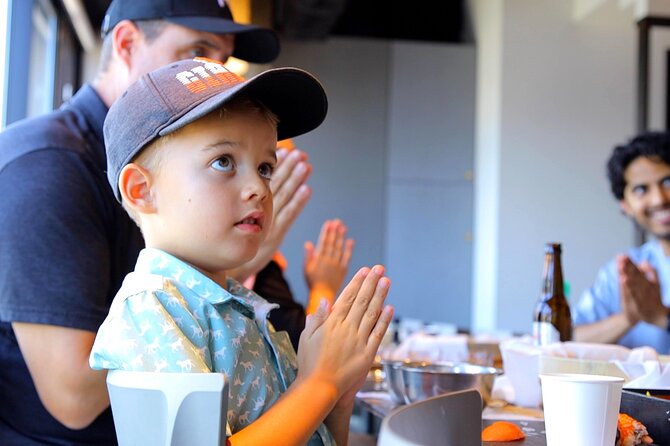
I would recommend this class to first-time sushi makers, families with older children, couples, and friends looking for a shared Osaka activity. You do not need cooking experience, and the prepared ingredients remove much of the intimidating work.
It also suits anyone who enjoys food but wants more context than a restaurant meal provides. The short introduction to sushi, combined with the practical lesson, gives you a better understanding of what you are eating.
You may want to choose another activity if you dislike group classes, need a quiet meal, or want detailed knife training. A maximum of 20 people is allowed, so the room can feel active. The experience is social and guided, not private or highly specialized.
It is also not ideal for anyone with unmentioned dietary needs unless those needs are confirmed in advance. The activity information specifically supports vegetarian and fish options in some classes, but it does not promise every substitution.
Timing, group size, and small practical matters
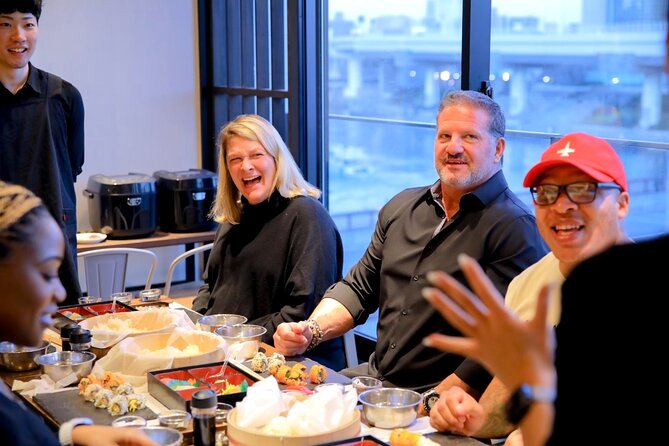
Morning, afternoon, and evening sessions are available, which makes this easy to fit around an Osaka itinerary. A morning class can become an early meal before sightseeing. An afternoon session works well between Shinsaibashi shopping and an evening in Dotonbori. An evening class gives you an activity before or after exploring Osaka’s food streets.
The maximum group size is 20 people. That is large enough to create a lively room, though it may limit how long the instructor can spend with each person. Arrive early enough to find the room, settle in, and avoid losing part of the lesson.
Mobile tickets are accepted, and booking confirmation is provided at the time of booking. Service animals are allowed, and the meeting point is near public transportation. The activity does not include hotel pickup or drop-off.
You can cancel for a full refund if you do so at least 24 hours before the start time. Changes or cancellations made later are not accepted for a refund, and the cut-off follows Osaka local time.
My verdict on the Osaka sushi class
I would book this if you want an affordable, hands-on food activity near Dotonbori. The best parts are clear: prepared ingredients, friendly English-speaking teachers, a proper chance to make both maki and nigiri, and enough food to serve as a light meal or lunch.
Go in with sensible expectations. You are learning the basics in a group, not receiving private chef training. The class can feel rushed at the eating and photo stage, and the room may not produce perfect pictures. Note dietary requests when booking and arrive early, especially since the third-floor location can take a little finding.
For a first sushi lesson, a family activity, or a fun break from sightseeing, the $31.01 price is fair. If you want a quiet, slow meal or a serious culinary course, spend your money elsewhere.
FAQ
How long does the sushi class last?
The listed duration is approximately 1 hour 40 minutes. Some descriptions of the class refer to it as about an hour, so the pace can vary by session.
Where does the class meet?
The meeting point is Sushi Making Osaka at 1-chōme-16-20 Higashishinsaibashi, Chuo Ward, Osaka, 542-0083, Japan.
Does the class end at the meeting point?
Yes. The activity ends back at the same meeting point.
Is the class near Dotonbori?
Yes. The class is conveniently located near Dotonbori and Shinsaibashi. It is described as about one block from the Dotonbori shopping street.
What types of sushi will I make?
You will learn to make maki rolls and authentic nigiri sushi.
How much sushi will I make?
The amount depends on your pace. One description estimates one maki roll and about four to eight pieces of nigiri.
Do I need cooking experience?
No. The class is designed for beginners, and all ingredients are prepared before you arrive.
Is the instruction in English?
Yes. An English-speaking instructor is included.
Is food included in the price?
Yes. The cooking ingredients and the sushi meal you make are included. Hotel transportation and pickup are not included.
Can I cancel for a full refund?
Yes, if you cancel at least 24 hours before the experience starts. Cancellations or changes made less than 24 hours before the start time are not accepted for a refund.
Fresh off the menu around Osaka
- Hidden Osaka – Yukaku Red Light Tour & Culinary Adventure★ 4.8 · 96 reviews
- Eat Like a Local in Osaka – Private Custom Street Food Tour★ 4.3 · 33 reviews
- Osaka: Sushi Making in Spacious Studio (SAME-DAY OK!)★ 5.0 · 75 reviews
- Osaka: Ramen and Gyoza Cooking Class in Dotonbori★ 5.0 · 378 reviews
- Osaka: Roll and Authentic Sushi Making Class in Dotonbori★ 4.9 · 239 reviews
- Osaka: Sushi Class in Dotonbori★ 4.9 · 160 reviews
- Osaka: Kuromon Market Food Walking Tour (6 stops, 6 tastes)★ 4.6 · 272 reviews
- Osaka: Gluten-Free Ramen and Gyoza Cooking Class★ 5.0 · 42 reviews
Osaka Food Tours, compared.
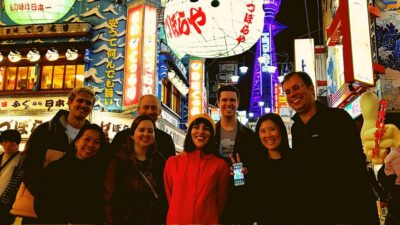
Osaka: Shinsekai Food Tour with 13-15 Dishes at 5 Eateries
Read our review →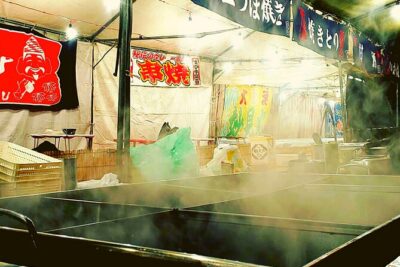
Osaka Food Tour: 13 Dishes at 5 Local Eateries
Read our review →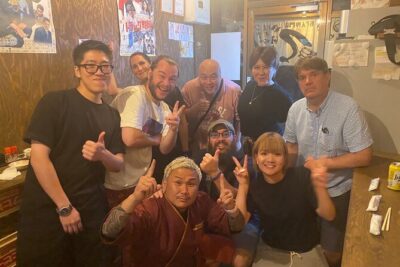
Hungry Osaka Street Food Tour:15 Tastings & 3 Drinks with a Local
Read our review →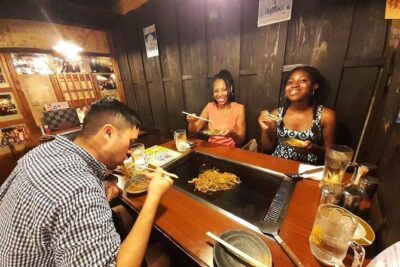
Osaka Local Foodie Walking Tour in Dotonbori and Shinsekai
Read our review →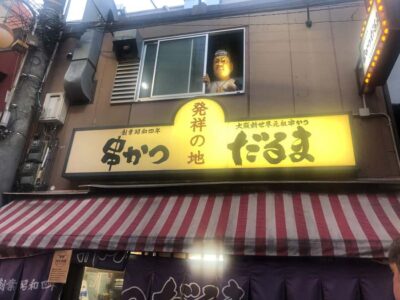
Hungry Osaka Street Food Tour: 15 Dishes & 3 Drinks
Read our review →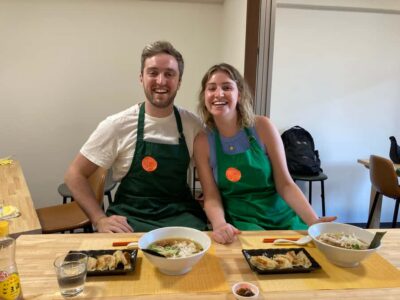
Osaka: Ramen and Gyoza Cooking Class in Dotonbori
Read our review →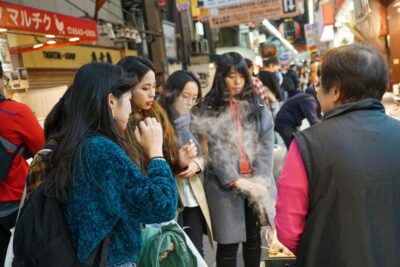
Osaka: Kuromon Market Food Walking Tour (6 stops, 6 tastes)
Read our review →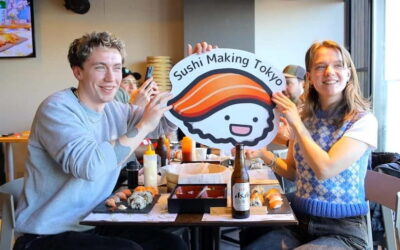
Osaka: Roll and Authentic Sushi Making Class in Dotonbori
Read our review →Browse the lists this tour appears in