
Review · SHANGHAI
Shanghai-Cooking Dumpling & Meal in Local Family-w/Vegan
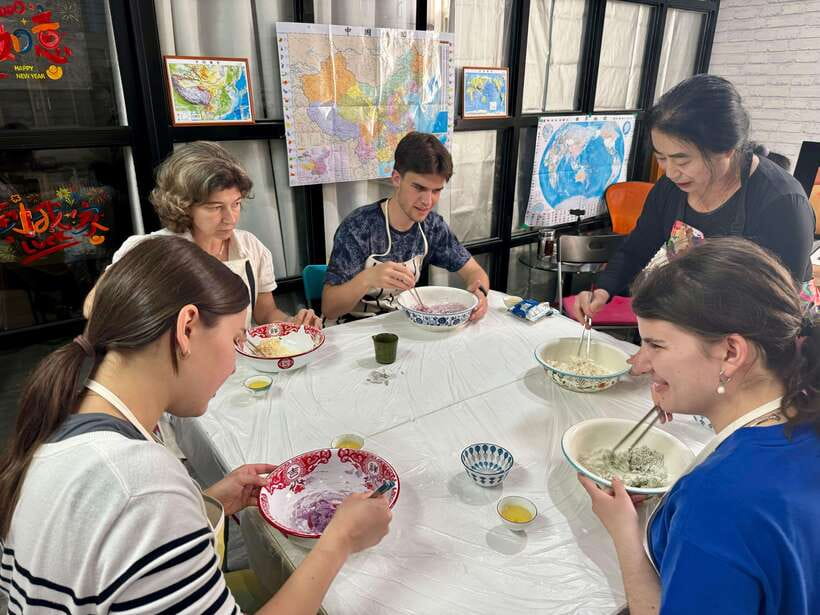
Making dumplings with Bonnie and her mother gives you something a restaurant meal cannot: a place at a local family table. You’ll prepare dough, fillings, and several dumpling shapes, then eat your work alongside Shanghai specialties such as tofu, lotus root, greens, and other family dishes. The small group keeps the lesson personal.
I like the calm, hands-on teaching and the generous meal afterward. Bonnie explains the food and Shanghai in English, while her mother adds the practical tricks that come from years in the kitchen. I also like the free travel advice, which can help you choose sights and food beyond the usual first-day route.
The main consideration is the price: at $82 per person, this costs more than a basic market snack or short cooking lesson. You are paying for three and a half hours, a full meal, a family setting, and one-on-one destination advice, so the value depends on how much you want conversation and cultural contact along with your food.
Key points at a glance
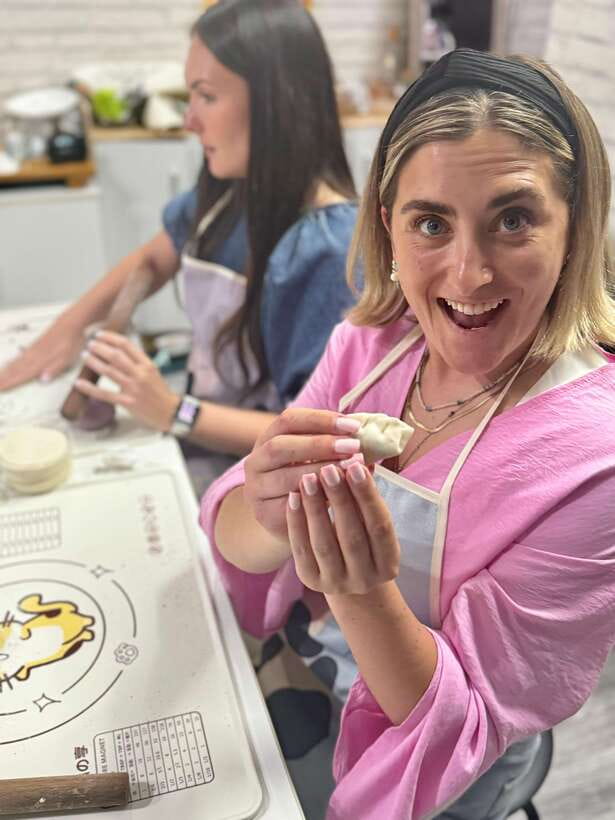
- A family kitchen lesson with Bonnie and her mother: You learn by making dumplings from the dough up, not by watching from the sidelines.
- A full tasting meal after class: Dumplings are only part of the table, with local dishes, tea, drinks, and snacks included.
- A maximum of six participants: The small group makes it easier to ask questions and get help with folding and shaping.
- English instruction with Shanghai travel advice: Bonnie can suggest food, gardens, art, observation decks, and places in nearby cities.
- Vegetarian and vegan arrangements are possible: Tell the host about allergies and foods you avoid after booking.
- An easy metro meeting point: Meet at Zhongxing Road Station on Metro Line 8, Exit 2, then return to the same location.
Why this Shanghai dumpling class feels different
Many food classes give you a recipe, a quick demonstration, and a plate to eat. This one is built around a family visit. That changes the pace and the feel. You are not simply learning how to fold dumplings. You are spending an afternoon with Bonnie, her mother, and possibly another family member, sharing food and talking about Shanghai.
Bonnie leads the class in English. Her mother contributes the hands-on advice that is hard to put into a cookbook: how much filling to use, how to press the wrapper, and how to make the shape hold together. The class is suited to beginners because the instruction starts at the very beginning and works toward a finished dumpling.
I especially like the way the food lesson opens into a wider conversation. Bonnie can discuss Shanghai customs, local eating, and places to visit. Her suggestions may include alley food, modern art, classical gardens, skyscraper viewing spots, and surrounding cities. You should not expect a formal sightseeing tour, but you can expect useful ideas shaped around your interests.
The experience has a warm, social side, too. A solo visitor can meet other participants without having to arrange a group in advance. Couples and families can cook together, and the six-person limit helps prevent the class from feeling like a factory line.
More Dim Sum and Dumpling Tours in China:
- Beijing: Dumpling Making Workshop with Meal and Tea
★ 4.7 · 69 reviews - Hong Kong: Street Food Tour with Locals – Dim Sum and Wonton
★ 4.8 · 673 reviews - Warsaw’s No 1 cooking class-Polish dumplings with liqueur tasting
★ 5.0 · 576 reviews
Meeting at Zhongxing Road Station
The meeting point is 兴亚广场商务楼, reached from Metro Line 8 at Zhongxing Road Station, Exit 2. The Chinese metro directions are 地铁8号线,中兴路地铁站,2号口. You return to the same building after the cooking and meal.
This is useful for a half-day plan because the start and finish are clear. You do not need to coordinate a second pickup point after eating. Still, I would allow a little extra time to find the building, especially if you do not read Chinese signs. Keep the Chinese address handy on your phone, and contact the provider through WhatsApp if you need more guidance.
The class takes place in Jing’an, with about two and a half hours devoted to cooking and roughly forty minutes for food tasting. The advertised total is three and a half hours, leaving time for arrival, introductions, conversation, and the meal.
Rolling dough and shaping your first dumplings
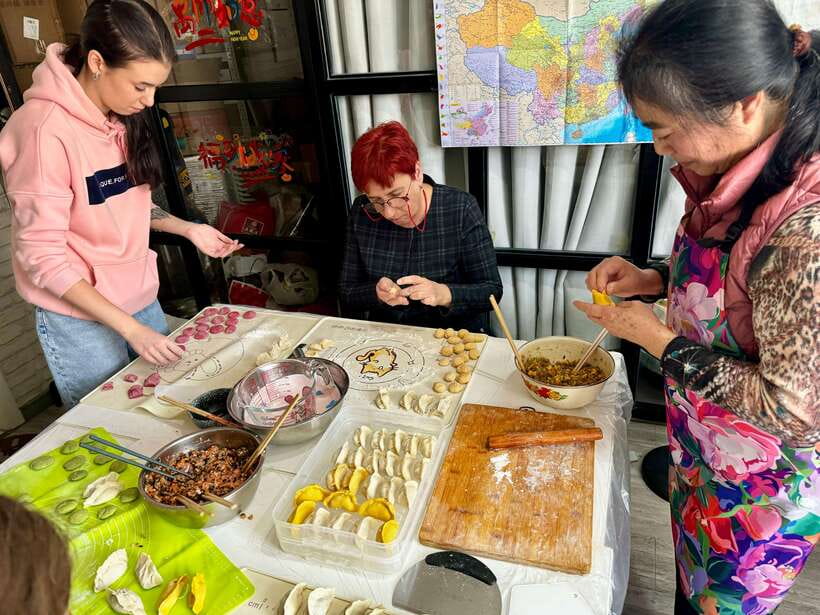
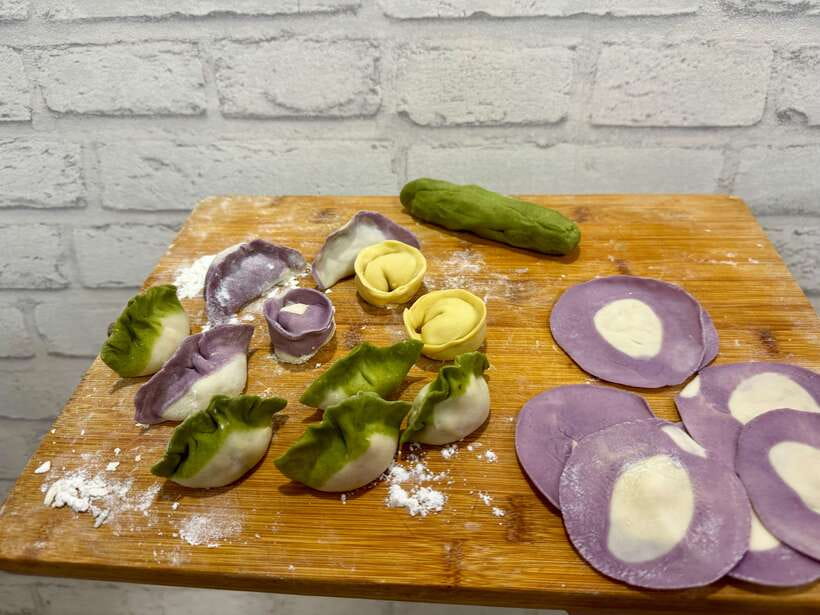
The cooking begins with an introduction to dumplings and their place in Chinese food culture. You then work through the basic stages: preparing or handling the dough, rolling wrappers, mixing fillings, and folding the dumplings.
For a first-timer, the wrapper is often the tricky bit. Too thick and it becomes heavy. Too thin and it may split. Bonnie’s mother can show you the small adjustments that make a difference, while Bonnie explains each step in English.
You should expect to repeat the process several times. That is a good thing. One dumpling is rarely enough to make the folding motion feel natural, and the lesson gives you plenty of practice. The focus is on doing the work yourself, not simply posing for a photograph beside a finished plate.
The class also lets you try different styles of dumpling. The exact fillings and shapes can vary, but the meal includes the dumplings you make together. This gives the session a satisfying rhythm: prepare, shape, cook, and eat.
Bring patience rather than perfection. Your first dumpling may look more like a small pouch than a restaurant crescent. That is part of the fun, and the small group means you can receive help instead of quietly struggling at the end of a crowded table.
The family meal after cooking
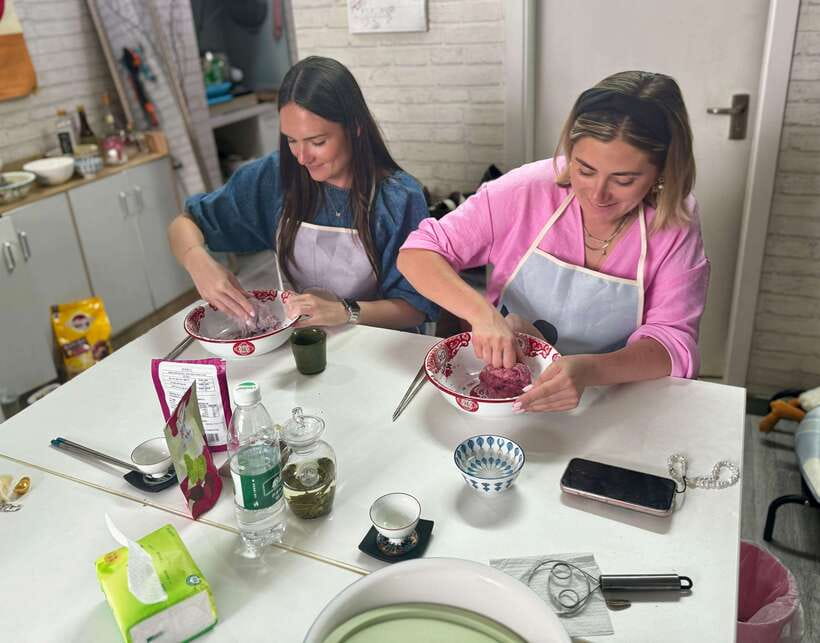
After the dumpling work, the class moves to a broader local meal. This is one of the strongest parts of the experience because the dumplings are not treated as the entire event. You also taste several Chinese dishes prepared by the family.
The food described for the meal includes items such as century eggs, salted eggs, stinky tofu, mushrooms with pork, jellyfish with cucumber, chicken, tofu noodles, pak choi, lotus root, and spicy seaweed. Not every dish should be treated as guaranteed on every date, but you can expect more variety than a single bowl of dumplings.
Some of these foods are familiar to regular Chinese diners and unusual to many visitors. Jellyfish, century eggs, and stinky tofu can be strong introductions to local tastes. You do not have to pretend that every flavor is your favorite. The point is to try a range of foods in a setting where you can ask what you are eating.
Tea, beverages, and snacks are included. Green tea accompanies the meal, and rice wine may also be served. If you do not drink alcohol, have dietary or religious restrictions, or simply prefer not to try a particular item, tell the host in advance.
The vegetarian and vegan option deserves special attention. The experience specifically asks you to contact the provider after booking if you are vegan, have an allergy, or avoid certain foods. Do this early. The food examples include pork, chicken, eggs, and seafood, so a plant-based meal needs planning rather than a last-minute request.
More cooking classes around China:
- Ramen Cooking Class at Ramen Factory in Kyoto
★ 5.0 · 1,937 reviews - Small Group Cooking Class & Market Food Tour in Florence
★ 5.0 · 1,574 reviews - Athens: Food Market Visit and Cooking Class with Wine
★ 4.9 · 1,087 reviews - Ramen & Gyoza Cooking Class in Tokyo with Local Supermarket Visit
★ 5.0 · 823 reviews
Bonnie’s Shanghai advice
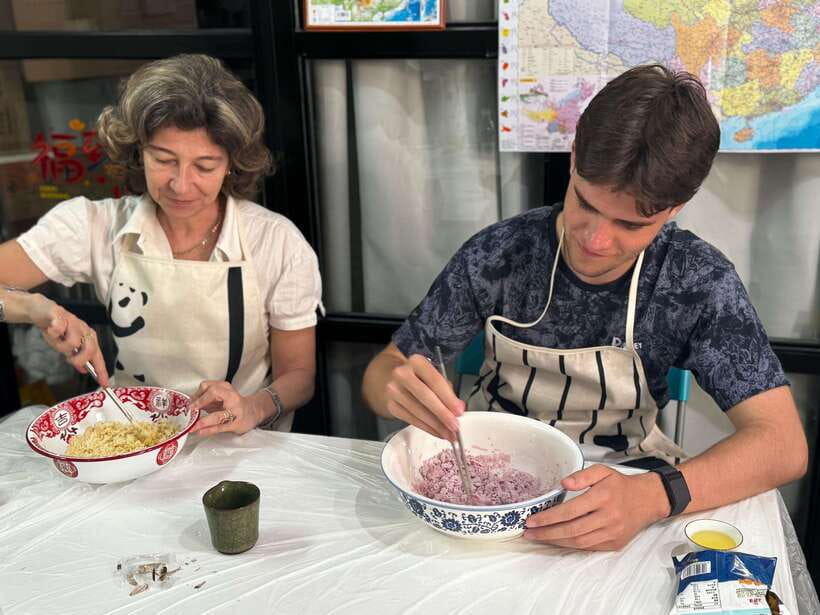
The travel advice is an unusual extra. Bonnie can act as your English-speaking local contact for questions about Shanghai and nearby cities. This can be valuable if you have already seen the Bund and want help planning the next day.
Ask specific questions. You might want a neighborhood for small local restaurants, an art exhibition, a classical garden, a high-rise viewing deck, or a day trip outside Shanghai. The more clearly you explain your interests, the more useful the suggestions are likely to be.
I would write down recommendations during the meal. Food names and Chinese place names are easy to forget, and a note or message can save you time later. The advice is not a substitute for a full guidebook, and the activity does not promise transportation or guided visits to those places. Its value is the personal conversation and the chance to get ideas from someone who lives in the city.
Bonnie also takes photos and videos during the experience when appropriate, according to the information provided. If you prefer not to be photographed, say so clearly.
How the timing works
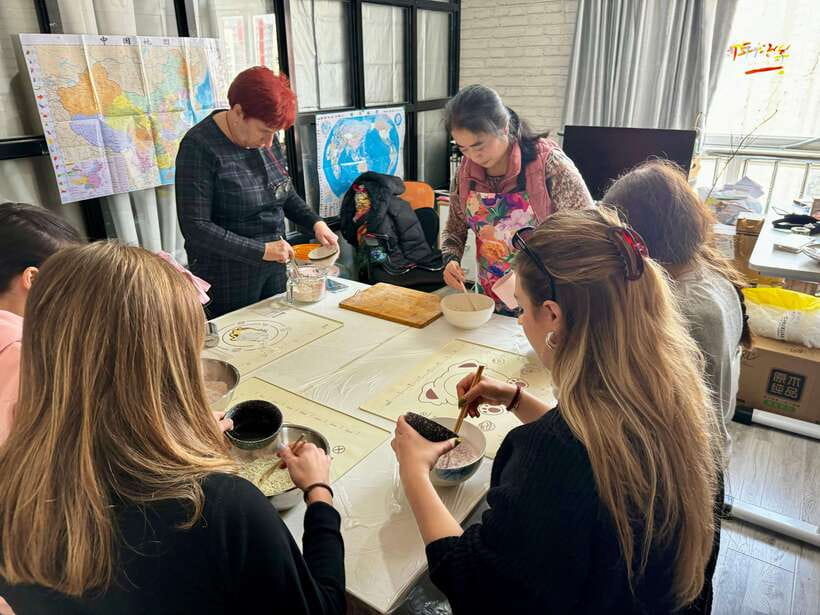
The total duration is about three and a half hours. Cooking takes around two and a half hours, and food tasting takes about forty minutes. The remaining time covers meeting, settling in, explanations, and conversation.
This is long enough to feel like an event, not a quick demonstration. You have time to make mistakes, try different folds, and eat without rushing. It also means you should not book this immediately before a timed museum entry, train, or evening show.
The pace may feel leisurely if you only want to learn one basic dumpling shape. It makes more sense for someone who values the meal and conversation as much as the recipe. The family setting is the reason to choose this class, and family meals rarely run like a stopwatch.
Price, group size, and practical value
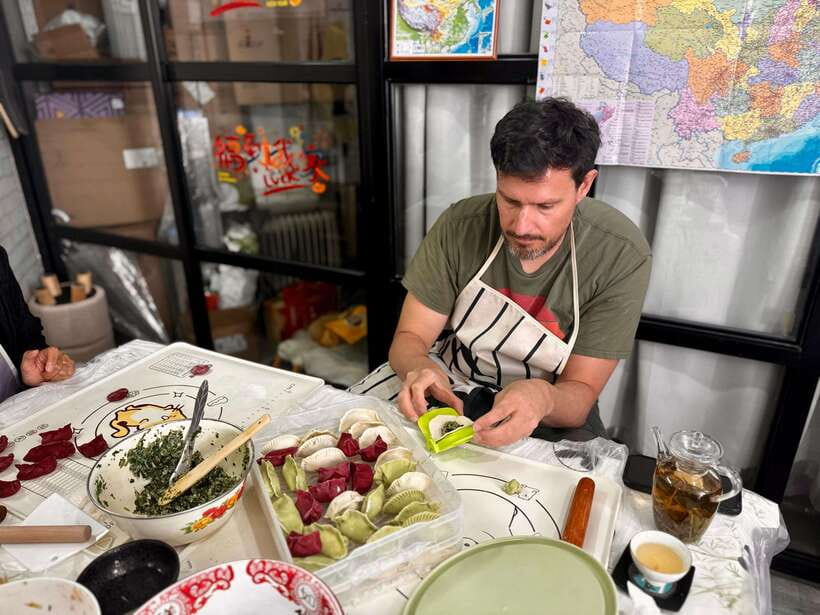
The price is $82 per person. That is not a bargain cooking lesson, especially if you compare it with buying dumplings from a street shop. The comparison is not quite fair, though. The fee covers materials, an English-speaking dumpling instructor, the hands-on lesson, a main local meal, tea, beverages, and snacks.
You are also buying access to a small family setting and personal Shanghai suggestions. With a limit of six participants, the instructor has more time to correct your technique and answer questions. If the class fills to six, you still get a much more personal format than a large commercial workshop.
The booking information says the fee charged here is used to reserve your spot. Before committing, I would confirm how the remaining payment is handled and exactly what the posted $82 includes. That is a sensible step whenever a listing describes the online charge as a reservation fee.
Free cancellation is available up to 24 hours before the activity for a full refund. You can also reserve and pay later, which helps if your Shanghai schedule is still changing. Wheelchair access is listed, but you should still contact the provider about your specific mobility needs, since the accessible route within the building is not described.
Who should book this experience
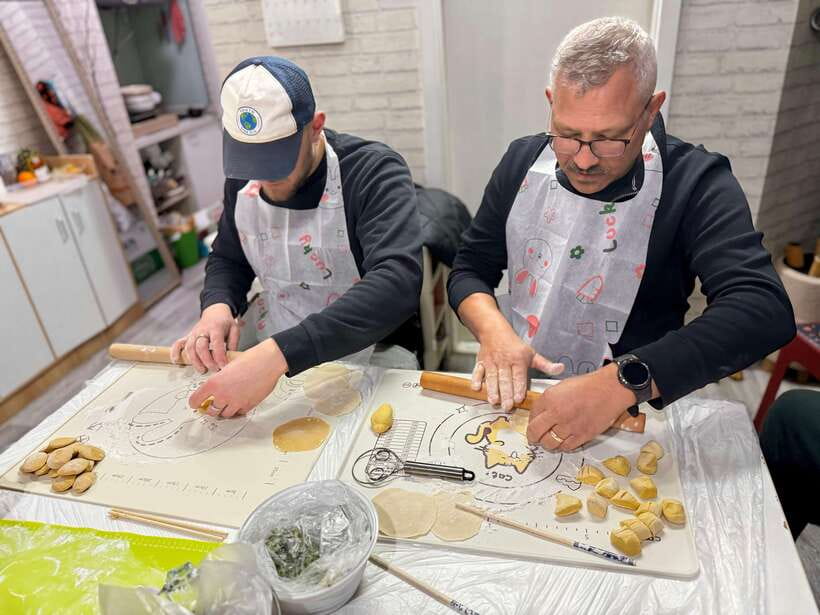
I would recommend this to anyone who wants food and conversation rather than a polished cooking show. It works particularly well for solo visitors, couples, families, and small groups who enjoy sitting at a local table and trying dishes they might not order alone.
It is also a good choice for a first visit to Shanghai. The class gives you a relaxed introduction to local food, plus ideas for using the rest of your stay. You can ask about the city while you are already in a comfortable setting.
Food-curious visitors should be prepared for strong or unfamiliar ingredients. Stinky tofu, century eggs, jellyfish, salted eggs, and spicy dishes may not suit everyone. That is not a flaw, but it is worth knowing before you book.
I would choose another activity if you want a formal chef-led course, a market visit, professional certification, or a lesson focused on advanced technique. This class is more about family hospitality, basic skills, eating together, and cultural exchange.
What to arrange before you arrive
After reserving, contact the host through WhatsApp. Tell Bonnie about allergies, vegan or vegetarian needs, foods you do not eat, and any serious dietary restrictions. The host has shown care with food preferences, but advance notice is essential because the meal includes many dishes and shared family cooking.
Confirm the meeting details if you are unsure about the building. Use both the English and Chinese meeting information: 兴亚广场商务楼 and Metro Line 8, Zhongxing Road Station, Exit 2.
Wear comfortable clothes for a kitchen session, and avoid arriving very hungry if you are unfamiliar with the menu. Snacks and tea are included, but the food portion comes after the cooking. Most important, arrive ready to participate. The class is best when you roll, fold, ask questions, and taste something new.
Should you book the Shanghai dumpling experience?
Book it if you want a personal afternoon with a local family, a full spread of Chinese food, and practical Shanghai advice in English. Bonnie and her mother provide the human connection, while the six-person limit keeps the cooking active and friendly.
The $82 price makes sense for a three-and-a-half-hour experience with a meal and one-on-one attention. It makes less sense if your only goal is to eat inexpensive dumplings or learn one quick recipe. For a visitor who values local contact as much as food, this is one of the stronger ways to spend half a day in Shanghai.
FAQ
Where does the Shanghai dumpling class meet?
Meet at 兴亚广场商务楼 near Zhongxing Road Station. Take Metro Line 8 and use Exit 2. The activity returns to the same location.
How long does the experience last?
The full experience lasts about three and a half hours. Around two and a half hours are planned for cooking, followed by about forty minutes of food tasting.
What language is used during the class?
The instruction is in English. Bonnie is the English-speaking host and dumpling teacher.
How many people can join the class?
The class is limited to six participants, making it a small-group experience.
Is the activity suitable for vegans?
Vegan arrangements are available if you contact the provider after booking. You should also report allergies and any foods you do not eat in advance.
What food is included after the dumpling making?
The meal includes the dumplings you prepare, a main local meal, tea, beverages, and snacks. Additional dishes may include tofu, vegetables, eggs, chicken, pork, seafood, lotus root, and seaweed.
Is the experience wheelchair accessible?
The activity is listed as wheelchair accessible. Contact the provider if you need details about the route or your specific access requirements.
Can I cancel or pay later?
You can cancel up to 24 hours in advance for a full refund. Reserve now and pay later is also available, helping you keep your plans flexible.
More vegetarian and vegan food tours around China
- Ha Noi Walking Food Tour, Non Vegetarian,Vegan, vegetarian Option
★ 5.0 · 846 reviews - Hanoi Vegan Street Food & Train Street Tour
★ 4.8 · 143 reviews - Private Vegan Food Tour By Scooter in Ho Chi Minh City
★ 4.9 · 96 reviews - From Hanoi: Old Quarter Vegetarian Food Tour
★ 4.8 · 96 reviews
Fresh off the menu around China
- Shanghai Must-See and Foodie Test Bike Tour( Day & Night)★ 4.7 · 70 reviews
- Shanghai: Evening Walking Food Tour★ 4.9 · 115 reviews
- Shanghai: Half-Day Biking and Local Food Tour★ 4.9 · 170 reviews
- Late night food tour in Shanghai’s French Concession★ 4.9 · 31 reviews
- Beijing Hutong Food Crawl Delights: Peking duck, Hotpot&More★ 4.9 · 32 reviews
- Beijing: Dumpling Making Workshop with Meal and Tea★ 4.7 · 69 reviews
- Beijing: Hutong Breakfast Food Tour★ 5.0 · 22 reviews
- Eat Like a Local Through Shanghai’s French Concession★ 5.0 · 353 reviews
Shanghai Food Tours, compared.
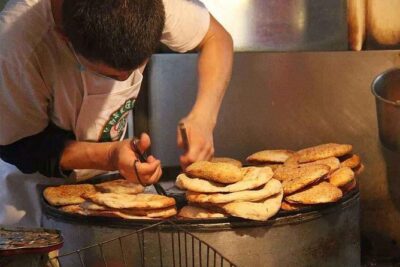
Authentic Local Food Tour in Central Shanghai
Read our review →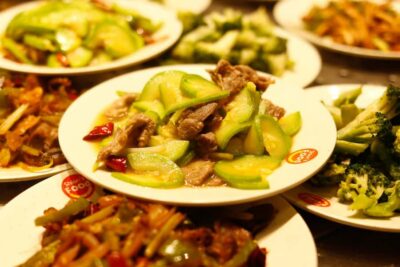
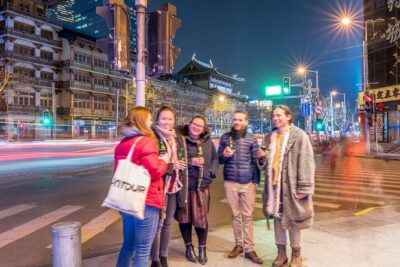
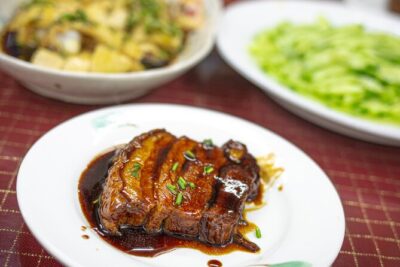
Eat Like a Local Through Shanghai’s French Concession
Read our review →
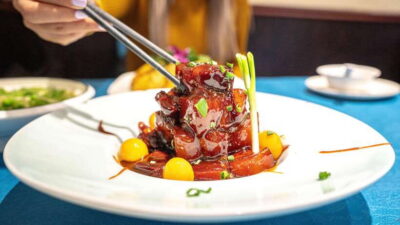
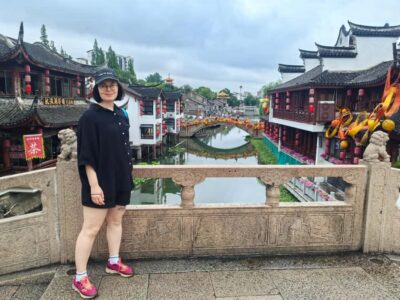
Shanghai Must-See and Foodie Test Bike Tour( Day & Night)
Read our review →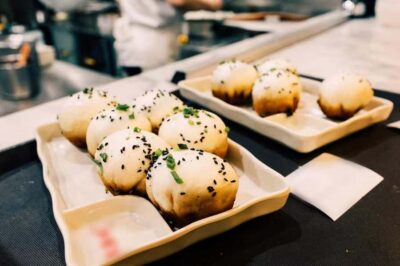
Late night food tour in Shanghai’s French Concession
Read our review →Browse the lists this tour appears in