
Review · OSAKA
Osaka: Sushi Making in Spacious Studio (SAME-DAY OK!)
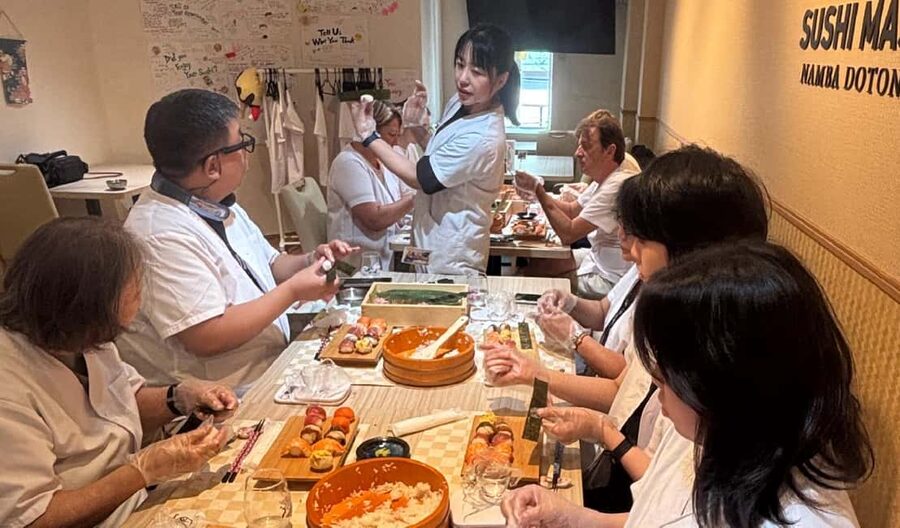
The best part of this 90-minute sushi class is that you do not just watch a chef work. You handle the rice, shape the sushi, and eat the finished pieces on the spot. Instructors such as Naho, Aki, Tsuki, and Seina guide you in clear English, making this a friendly first lesson in one of Japan’s most famous foods.
I like the central Namba location, only about three minutes from the station, and the fact that the class works well for solo visitors, couples, and families. I also like the small certificate and Japanese souvenir, which give the experience a pleasant finish. The main consideration is that drinks cost extra, and vegetarians need to contact the organizers ahead of time so the fish toppings can be replaced.
Key points to know before you book
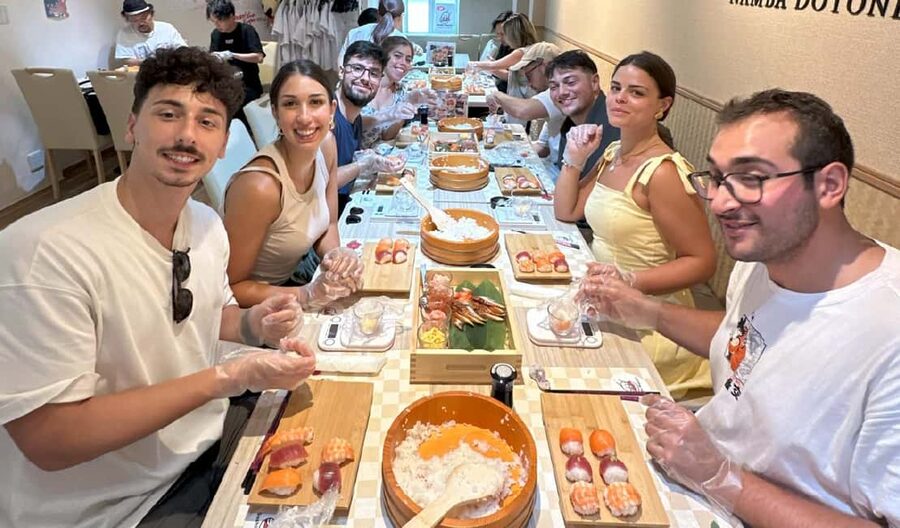
- Make 8 or 10 pieces yourself: Choose the Standard Sushi Making Course with 8 pieces or the Premium course with 10.
- Learn from English-speaking instructors: Naho, Aki, Tsuki, Seina, and other instructors lead the hands-on lesson in English and Japanese.
- Start with sushi rice: The class explains one of the most important parts of good sushi before you assemble your pieces.
- Eat your own finished sushi: Your handmade sushi is included, so the lesson also serves as a small meal.
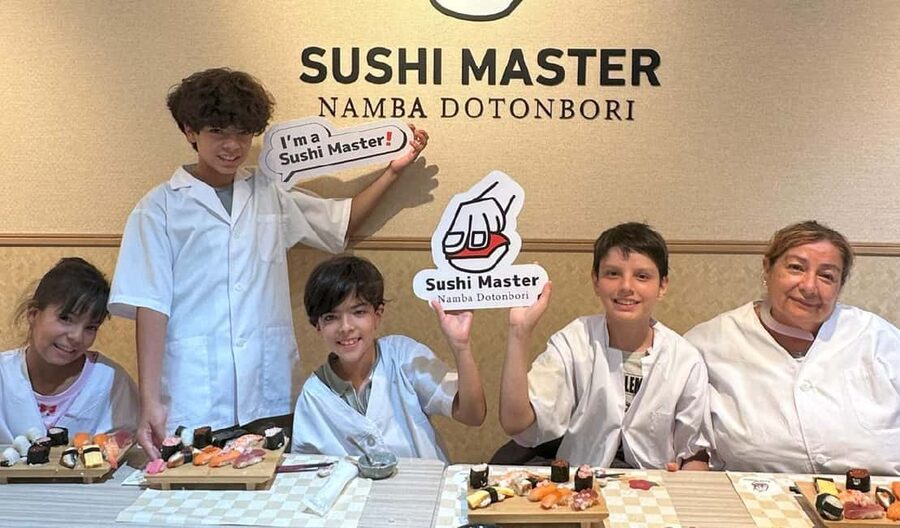
- Take home a certificate and souvenir: You receive a Sushi Master Certificate and a cute Japanese gift.
- Vegetarian substitutions are available: Send a message before arrival if anyone in your group needs vegetable toppings.
Why this Namba class works so well
Sushi can look simple from the outside. A small mound of rice, a topping, perhaps a strip of seaweed. Yet the shape, temperature, pressure, and balance all matter. This class gives you a chance to understand those small details without committing half a day to a formal cooking school.
At $25 per person, the value is strong. You receive ingredients, a meal, instruction in English, a certificate, and a souvenir. In Osaka, that is a reasonable price for an activity that combines food, culture, and something you can do with your hands. You are not paying only for a snack. You are paying for a short lesson and a finished meal.
The class has earned a listed rating of 5 from 75 ratings, and the most consistent praise is directed at the instructors. That matters here because sushi making depends on patient correction. Seina is described as patient, while Naho is repeatedly praised for her friendly teaching style. Aki is noted for clear communication, and Tsuki is described as kind and easy to follow.
More food tours around Osaka:
- Osaka: Shinsekai Food Tour with 13-15 Dishes at 5 Eateries
★ 4.8 · 2,204 reviews - Osaka Food Tour: 13 Dishes at 5 Local Eateries
★ 5.0 · 2,149 reviews - Hungry Osaka Street Food Tour:15 Tastings & 3 Drinks with a Local
★ 5.0 · 1,727 reviews
Arriving near Namba Station
The studio is about three minutes from Namba Station, making it an easy activity to fit between sightseeing, shopping, and dinner. You will need to search Google Maps for Sushi Master Namba rather than rely on a perfectly precise pin, since the map location may be slightly misaligned.
Look for the second floor of a narrow orange-colored building. This is the sort of arrival detail worth saving before you leave your hotel. If you have trouble finding it, the supplied contact number is 0664848070.
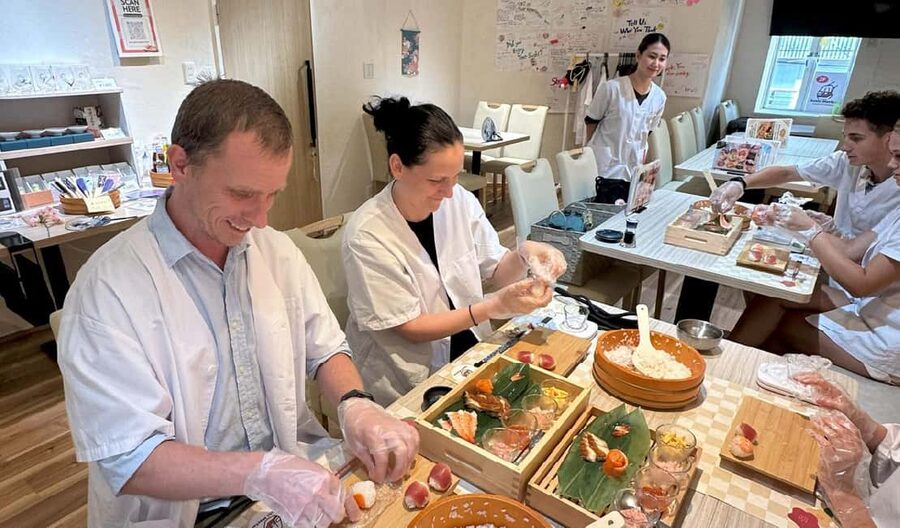
The room is described as spacious, which is useful for a hands-on activity. You will need room for ingredients, plates, rice, seaweed, and your own movements. The setting is not presented as a traditional sushi counter, so you should book this for practical learning and a relaxed atmosphere rather than an intimate restaurant meal.
Smoking is not allowed, and outside food or drinks are not permitted.
The opening lesson: Japanese food culture first
The session begins with a warm welcome and an introduction to Japanese food culture. This gives the class some context before you start pressing rice and arranging toppings.
The opening also helps first-time visitors understand that sushi is not limited to the rolls often found outside Japan. The instruction includes basic forms such as nigiri and gunkan, and some sessions have included temari sushi. The precise selection may depend on the class, but you can expect to work with recognizable sushi forms rather than simply rolling one large makizushi.
This is a good feature for families and first-time cooks. You get enough background to understand what you are making, but the session stays active. An informative video may be used at the start, followed by direct instruction and preparation.
Sushi rice is the real lesson
The most useful skill here is learning how to make and handle sushi rice. Good toppings cannot rescue rice that is too wet, too dry, too warm, or packed too firmly.
The class introduces the basics of preparing perfect sushi rice and then shows you how to use it. In practice, the rice is prepared in advance, while you learn how to cool and handle it for sushi. One detailed account described the fish, egg, seaweed, and rice as already prepared so participants could focus on cooling the rice and assembling the sushi.
That arrangement is sensible for a 90-minute class. Cooking rice from the beginning would consume much of the session, leaving less time for shaping and eating. You still learn the important handling technique without turning the class into a long kitchen workshop.
Expect some pieces to look better than others. Your first nigiri may be uneven, and that is part of the fun. The instructor can show you how much pressure to use and how to keep the rice together without crushing it.
Same city, a different plate:
- Sushi Making Osaka Roll and Authentic Japanese Sushi Class
★ 5.0 · 1,220 reviews - Osaka Local Foodie Walking Tour in Dotonbori and Shinsekai
★ 5.0 · 985 reviews - Hungry Osaka Street Food Tour: 15 Dishes & 3 Drinks
★ 4.9 · 694 reviews - Osaka: Ramen and Gyoza Cooking Class in Dotonbori
★ 5.0 · 378 reviews
Assembling nigiri, gunkan, and other pieces
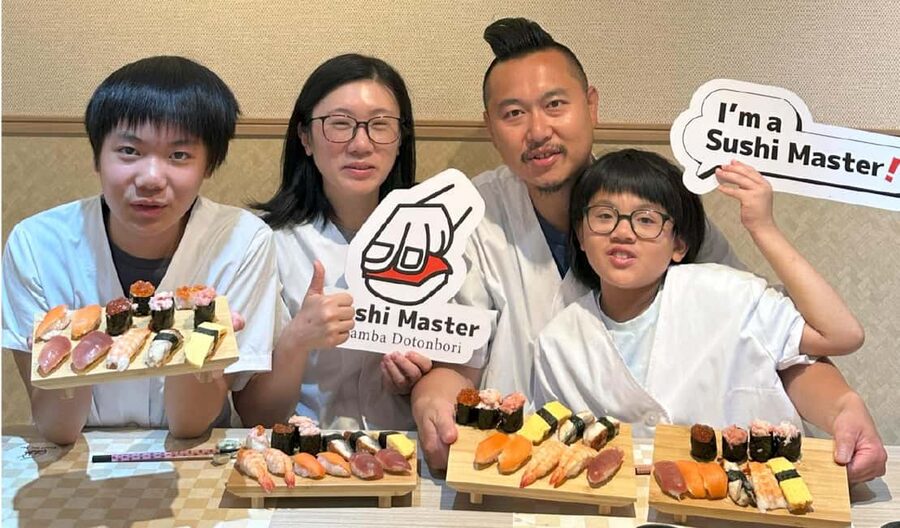
Once the rice is ready, you move on to assembly. The ingredients listed in the experience include fish toppings, egg, and seaweed, while the course description also mentions vegetable substitutions for vegetarians.
Nigiri is a good test of control. You shape the rice, add the topping, and try to create a piece that holds together while still feeling light. Gunkan uses seaweed around the rice, giving you a different shape and a chance to practice a slightly different method.
Some classes also teach temari sushi, the round style that can be especially approachable for beginners. You may find this form easier to shape than traditional nigiri, and it can look attractive even when your technique is still developing.
The instructors are there to keep the process moving. Naho, Aki, Tsuki, and Seina are among the named teachers associated with the sessions, and the strongest pattern in the feedback is their patience and friendliness. That is more important than a polished demonstration. You want someone who notices when your rice is too tightly packed and explains the fix without making you feel clumsy.
Eating your own sushi at the end
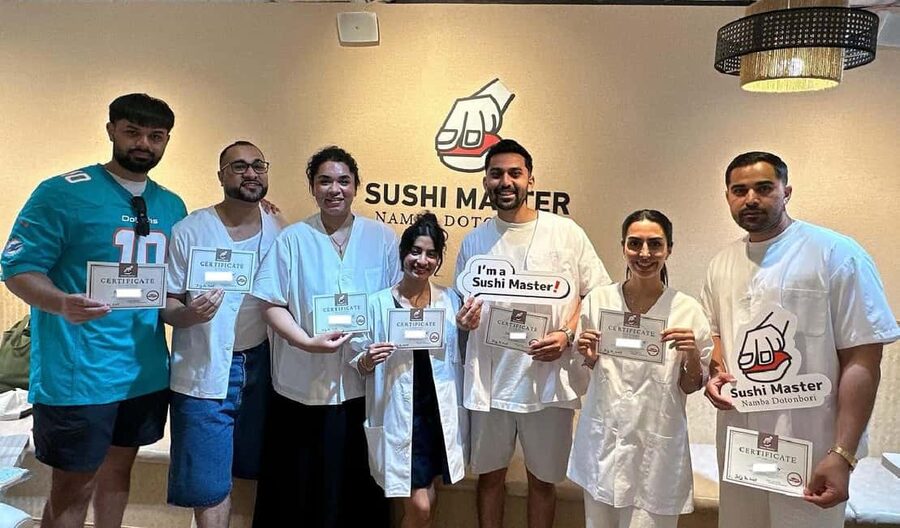
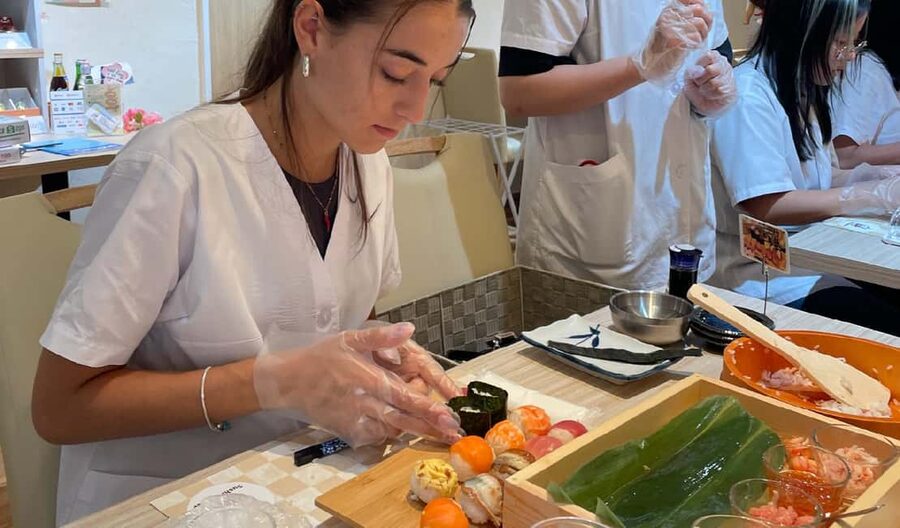
The reward comes quickly. You eat the sushi you have made during the class, and the food is included in the price.
The Standard course includes 8 pieces, while the Premium course includes 10. That is enough for a satisfying tasting portion, though you should not book this as a large Osaka dinner. If you arrive very hungry, you may want to plan another meal afterward, especially if you choose the smaller course.
The portion size has been described as decent, and the ingredients as good quality. Your meal will also feel more satisfying because you made it yourself. Even a slightly imperfect piece becomes part of the story of the afternoon.
Drinks are not included, but you can order soft drinks and alcohol during the class. Carefully selected sake is mentioned as an option to enjoy with the sushi. Since alcohol costs extra, check the price before ordering if you are keeping close track of your budget.
A certificate and a small Japanese gift
At the end, you receive a Sushi Master Certificate and a small souvenir. This is a lighthearted touch, not a professional qualification, but it gives the class a clear ending.
The certificate works particularly well for children and families. It also makes a nice travel keepsake for a solo visitor who wants something more tangible than photographs. The small gift adds another bit of Japanese character without changing the main value of the experience.
You can also ask the instructor to take photos during the class. That is useful if you are traveling alone or if everyone in your group wants to appear in the picture.
How good is the English instruction?
English is one of the main reasons to choose this class. The instructors speak English and Japanese, and the teaching is designed for international visitors.
The specific instructor may vary. Naho is noted for explaining each part clearly and patiently. Aki is described as easy to understand, while Tsuki and Seina are also praised for making the process comfortable. The class includes demonstrations, explanations, and direct help as you assemble the sushi.
You do not need prior cooking experience. The course is built around simple steps, and you can ask questions as you go. This is especially helpful if you want to understand why sushi rice is handled in a certain way instead of simply copying a movement.
Vegetarian and allergy planning
Vegetarian substitutions are available, but you need to send a direct message in advance. The fish toppings can be replaced with vegetable-based ingredients.
Do the same for allergies. The instructions specifically ask you to report allergies ahead of time. Do not wait until you are seated, since the ingredients may already be prepared.
The available information confirms vegetarian substitutions, but it does not provide a full allergen chart or a complete ingredient list. If you have a serious allergy, contact the provider before booking and explain exactly what you need. That is the sensible approach for any hands-on food class.
Who will enjoy this most?
I would recommend the class to several types of visitors:
- First-time visitors to Japan: You get a simple introduction to sushi and Japanese food culture without needing advanced knowledge.
- Solo visitors: The friendly teaching style and guided format make it easier to join on your own.
- Families: The certificate, souvenir, and hands-on work give children something to do beyond looking at food.
- Couples and friends: You can compare your finished pieces and share a relaxed activity before dinner.
- Food-focused visitors on a budget: $25 includes instruction, ingredients, and the sushi you make.
- Vegetarians: You can take part with vegetable toppings if you arrange this in advance.
I would be less likely to choose it if I wanted a long, advanced chef training session or a full restaurant meal. Ninety minutes gives you a useful introduction, not professional sushi certification.
Timing, flexibility, and practical value
The class lasts 90 minutes, which is a good length for a busy Osaka day. It is long enough to include cultural context, rice instruction, assembly, eating, and the certificate, but short enough to fit around other plans in Namba.
Same-day booking may be available, depending on remaining space. For a popular date or a vegetarian request, I would still book earlier rather than count on a last-minute opening.
You can cancel up to 24 hours in advance for a full refund, and the reserve-now, pay-later option helps if your Osaka schedule is still changing. Those policies are useful, but the bigger practical advantage is the short duration and central location.
Should you book Osaka Sushi Making in a Spacious Studio?
Book this class if you want an affordable, active food experience near Namba. The strongest reasons are the patient English instruction, the chance to make several types of sushi, the included meal, and the friendly extras at the end.
The class is not a replacement for an omakase dinner or an advanced culinary course. It is better understood as a welcoming introduction. You learn enough to see sushi differently, eat what you make, and leave with a certificate, a souvenir, and a new kitchen skill.
I would book it for a first visit to Osaka, especially if you want a break from sightseeing that still feels distinctly Japanese. Just confirm vegetarian or allergy needs in advance, allow a few extra minutes to find the orange building, and remember that drinks are separate.
FAQ
How long does the sushi-making class last?
The class lasts 90 minutes.
How much does the experience cost?
The listed price is $25 per person.
Where is the class located?
It is in Namba, Osaka, about three minutes from Namba Station. The studio is on the second floor of a narrow orange-colored building.
How do I find the meeting point?
Search for Sushi Master Namba on Google Maps. The map pin may be slightly misaligned, so look for the orange building. You can call 0664848070 if you have trouble finding it.
Which languages are spoken?
Instruction is available in English and Japanese.
How many pieces of sushi will I make?
The Standard Sushi Making Course includes 8 pieces. The Premium Sushi Making Course includes 10 pieces.
Can I eat the sushi I make?
Yes. The sushi meal you prepare is included in the experience.
Are drinks included?
No. Soft drinks and alcohol can be ordered during the class, but they cost extra.
Can vegetarians join?
Yes. Fish toppings can be replaced with vegetable-based ingredients, but you need to send a message in advance.
What is included besides the sushi?
Ingredients, the sushi meal you make, a Sushi Master Certificate, and a small Japanese souvenir are included.
Fresh off the menu around Osaka
- Hidden Osaka – Yukaku Red Light Tour & Culinary Adventure★ 4.8 · 96 reviews
- Eat Like a Local in Osaka – Private Custom Street Food Tour★ 4.3 · 33 reviews
- Osaka: Ramen and Gyoza Cooking Class in Dotonbori★ 5.0 · 378 reviews
- Osaka: Roll and Authentic Sushi Making Class in Dotonbori★ 4.9 · 239 reviews
- Osaka: Sushi Class in Dotonbori★ 4.9 · 160 reviews
- Osaka: Kuromon Market Food Walking Tour (6 stops, 6 tastes)★ 4.6 · 272 reviews
- Osaka: Gluten-Free Ramen and Gyoza Cooking Class★ 5.0 · 42 reviews
- Osaka: Local Foodie Tour in Dotonbori and Shinsekai★ 4.7 · 95 reviews
Osaka Food Tours, compared.
Osaka: Shinsekai Food Tour with 13-15 Dishes at 5 Eateries
Read our review →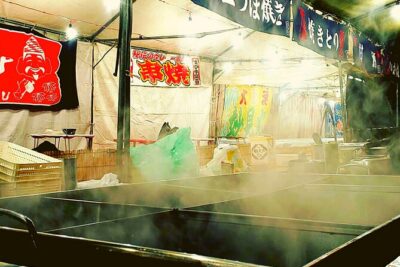
Osaka Food Tour: 13 Dishes at 5 Local Eateries
Read our review →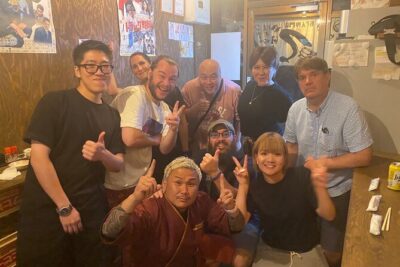
Hungry Osaka Street Food Tour:15 Tastings & 3 Drinks with a Local
Read our review →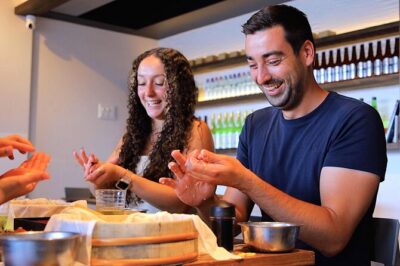
Sushi Making Osaka Roll and Authentic Japanese Sushi Class
Read our review →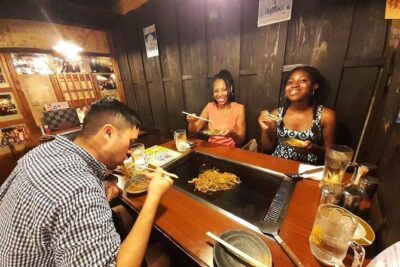
Osaka Local Foodie Walking Tour in Dotonbori and Shinsekai
Read our review →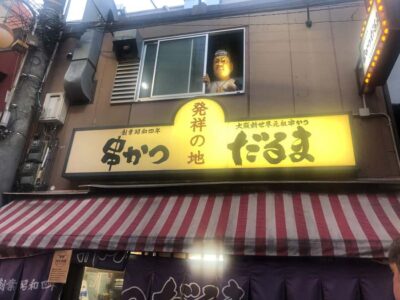
Hungry Osaka Street Food Tour: 15 Dishes & 3 Drinks
Read our review →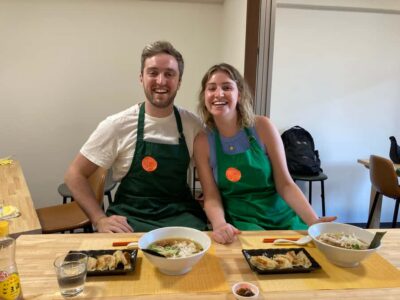
Osaka: Ramen and Gyoza Cooking Class in Dotonbori
Read our review →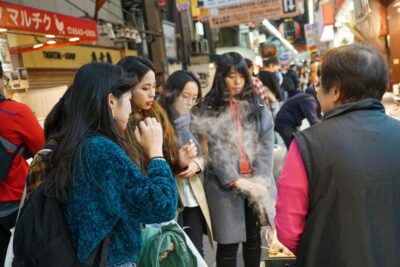
Osaka: Kuromon Market Food Walking Tour (6 stops, 6 tastes)
Read our review →Browse the lists this tour appears in