
Review · OSAKA
Osaka: Roll and Authentic Sushi Making Class in Dotonbori
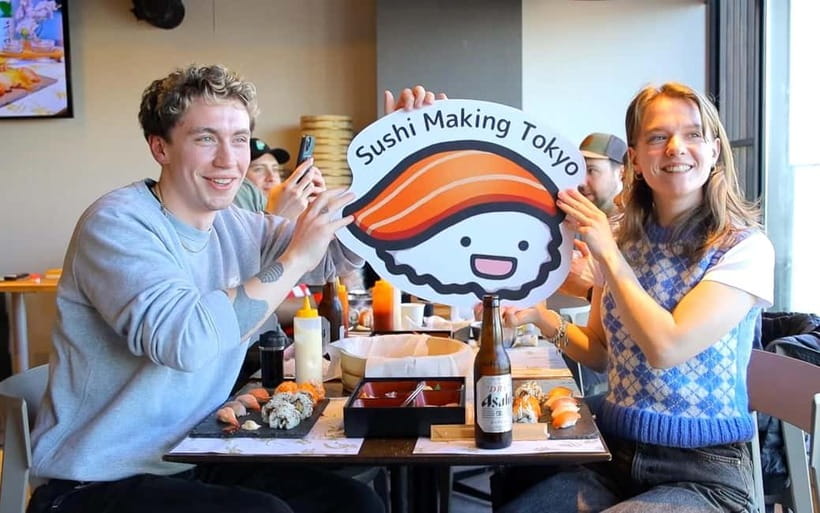
Sushi making here is part cooking lesson, part Osaka social hour. You learn to make maki rolls and nigiri, then eat your work in the same central neighborhood where food is one of the city’s main attractions. I like the short sushi-history quiz and the lively teaching style, with instructors such as Shoki, Yui, Takara, and Rika keeping the room moving. I also like that beginners can join without any kitchen experience.
The main drawback is time. One hundred minutes sounds generous, but shaping all the pieces and eating them can feel rushed. The workshop is on the third floor, and although the building has an elevator, it does not reach the workshop floor, so check access details before booking.
What makes this Osaka sushi class worth your time
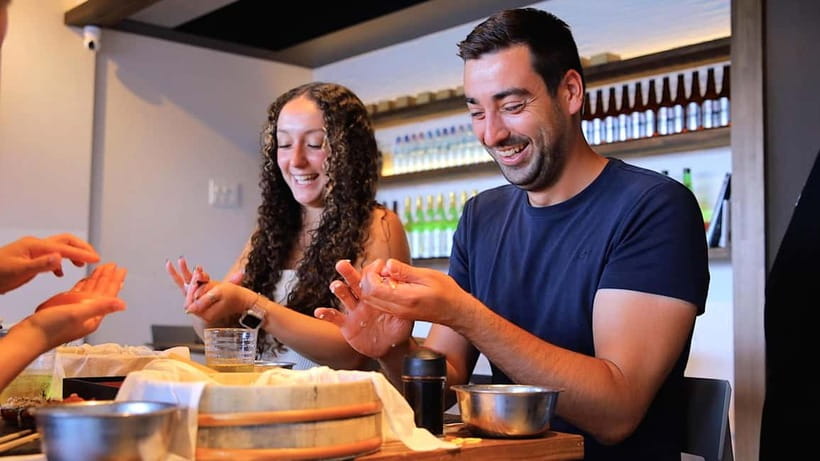
- Two sushi styles in one class: Make both rolled maki and hand-shaped nigiri instead of learning only one technique.
- A playful history lesson: A quiz and short explanations give you context before the rice hits your hands.
- English-speaking local instructors: Teachers including Shoki, Yui, Takara, Rika, and others guide each step and answer questions.
- A full meal for $45: Ingredients, instruction, and the sushi you make are included.
- Central Dotonbori location: The class fits neatly into a day around Shinsaibashi, Dotonbori, and Osaka’s food streets.
- Dietary requests are possible: Vegan, vegetarian, gluten-free, halal, and allergy adjustments can be requested at least three days before class.
Why make sushi in Osaka?
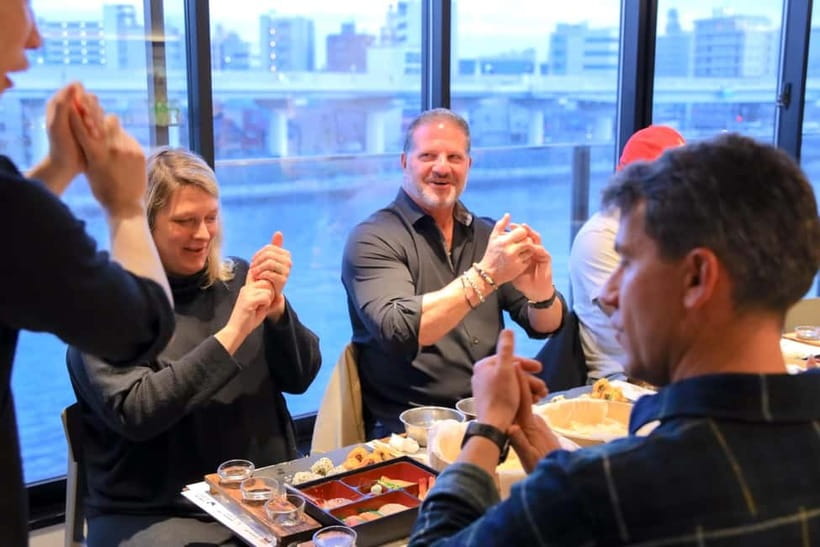
Osaka is famous for eating well, but a cooking class gives you a different way into that food culture. You are not just choosing a restaurant and waiting for a plate. You handle the rice, learn how the pieces are formed, and get a better sense of why sushi looks simple but takes care and practice.
This is not a formal chef-training course. Prepared rice and ingredients keep the class moving, which is good news if you have limited time or little cooking experience. You still do the important hands-on work: rolling maki, shaping nigiri, and arranging the finished pieces.
I see the class as a practical cultural stop between sightseeing. It is light, social, and easy to fit around a visit to Dotonbori. You leave with a meal, a few techniques to try at home, and a better idea of the difference between the sushi styles you order in Japan.
More food workshops around Osaka:
- Sushi Making Osaka Roll and Authentic Japanese Sushi Class
★ 5.0 · 1,220 reviews - Osaka: Ramen and Gyoza Cooking Class in Dotonbori
★ 5.0 · 378 reviews - Osaka: Sushi Class in Dotonbori
★ 4.9 · 160 reviews
Finding the workshop near Shinsaibashi
The meeting point is on the third floor of the Galleria Acca Building, about a five-minute walk from Shinsaibashi Station. The location puts you close to Dotonbori, so you can pair the class with a walk along the canal, shopping around Shinsaibashi, or dinner nearby.
The building entrance can be easy to miss. One participant described it as a concrete building with an interesting architectural look, but do not expect a large street-front cooking school sign to guide you from every angle. Allow a few extra minutes to find the entrance rather than arriving at the last second.
The activity is wheelchair accessible in its general information, but there is an important detail: the elevator does not go to the workshop floor. Contact the operator before booking if you need step-free access. That small check could save you an unpleasant surprise.
There is no hotel pickup or drop-off. You make your own way to the building, which is not a problem for most visitors staying in central Osaka. The location is actually one of the class’s strengths because you can continue exploring on foot afterward.
The first few minutes: introductions and sushi history
The class begins with a welcome from an English-speaking instructor. The teaching style is friendly rather than stiff. Instructors ask where you are from, make conversation, and use jokes and demonstrations to help everyone settle in.
Before the preparation starts, you get a short introduction to sushi history. This is not a long lecture. It is presented through an interactive, lighthearted quiz, which gives you useful context without turning the activity into a school lesson.
That opening matters because sushi is more than raw fish placed on rice. The class helps you understand the different forms you are about to make and why the techniques are not identical. You also get a clearer idea of what makes a roll different from nigiri before trying either one.
The quiz is particularly helpful for families and mixed-age groups. It gives people something to do together right away, even if one person is already excited about sushi and another is mainly along for the ride.
Making maki rolls with clear demonstrations
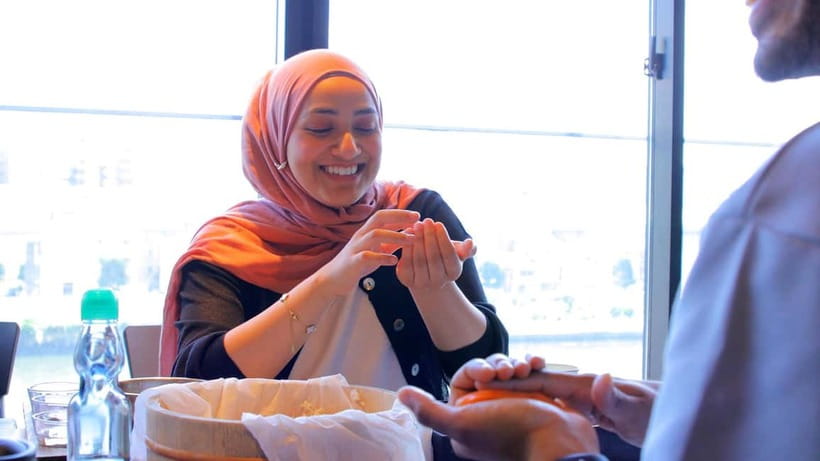
The first hands-on section focuses on maki, the rolled sushi wrapped in nori. You watch a demonstration, then follow the same steps at your place. Video and live demonstrations are used, so you are not relying on spoken English alone.
The instructors break the process into manageable actions. You work with the rice and fillings, roll the nori, and cut the finished piece. The key is not to rush the pressure and shape. A loose roll can fall apart, while too much force can squeeze out the filling.
This is where the class feels most useful for home cooking. You see the order of the steps and the kind of care needed to make a roll hold together. You do not become a professional sushi chef in one session, but you finish with enough confidence to try a simple version again.
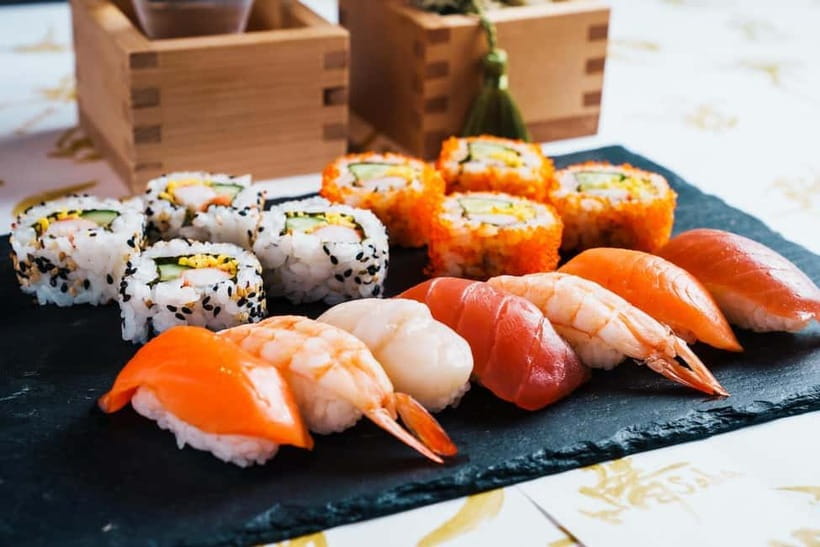
The class has been described as producing about six maki pieces and six nigiri pieces in a session. That gives you a proper tasting portion rather than one token sample. The exact amount can depend on the class setup, but the experience is designed to end with enough food to count as a light lunch.
More food tours around Osaka:
- Osaka: Shinsekai Food Tour with 13-15 Dishes at 5 Eateries
★ 4.8 · 2,204 reviews - Osaka Food Tour: 13 Dishes at 5 Local Eateries
★ 5.0 · 2,149 reviews - Hungry Osaka Street Food Tour:15 Tastings & 3 Drinks with a Local
★ 5.0 · 1,727 reviews - Osaka Local Foodie Walking Tour in Dotonbori and Shinsekai
★ 5.0 · 985 reviews
Shaping nigiri and learning a different touch
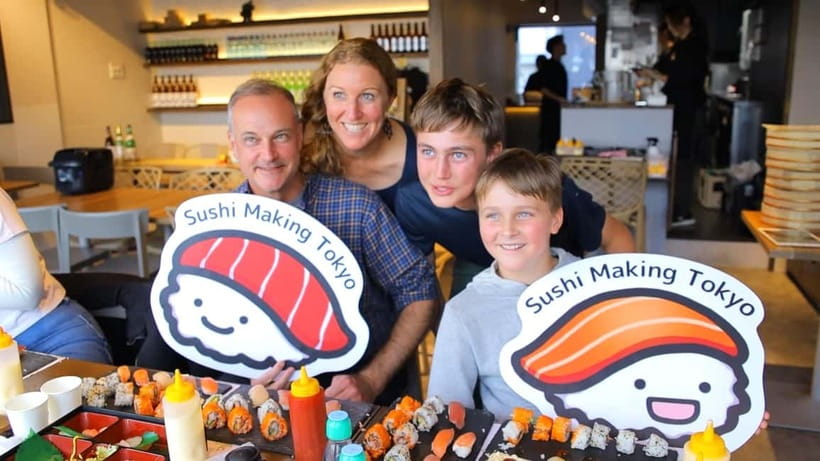
Nigiri looks simple: a piece of topping over a small mound of rice. It is also the part where the class asks you to be gentle. You shape the rice without crushing it, then place the topping so the piece holds together and looks balanced.
The instructors use demonstrations and direct guidance here. A calm teacher makes a real difference. Names that appear in the teaching team include Shoki, Yui, Takara, Rika, Hinata, and Fuji, although your instructor depends on the session.
This section also gives the class its most memorable personality. One instructor encouraged students to be kind to the sushi, a funny reminder that rough handling can ruin the shape. Another recurring bit of class energy is the cheerful Hoi Hoi Hoi call while making nigiri. It is playful, but it helps turn a technical step into a shared activity.
You do not need to arrive with knife skills or restaurant experience. The food is prepared for the lesson, and the instructor shows you what to do. Your job is to follow the sequence and pay attention. As one practical point, the best-looking pieces usually come from slowing down rather than trying to finish first.
Eating what you have made
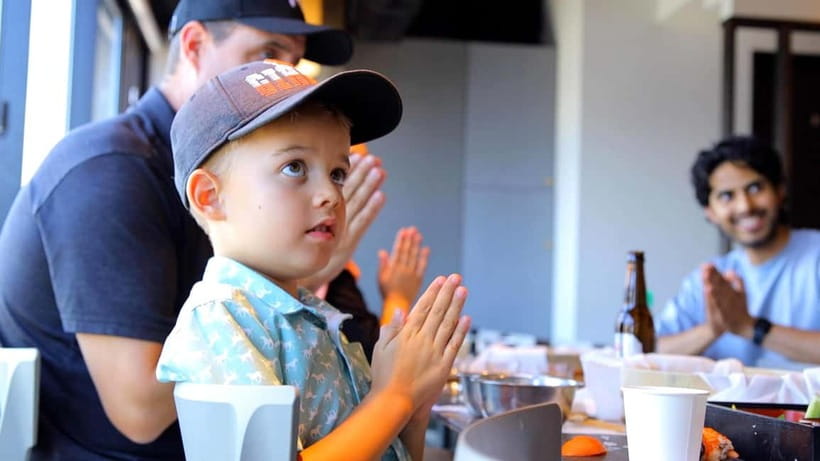
The reward comes quickly: you eat the sushi you prepared. That makes the activity feel more satisfying than a demonstration where you watch someone else cook and receive a small taste at the end.
The ingredients are included, and the selection has been described as generous. The finished sushi is also a useful measure of your progress. A slightly uneven roll still tastes good, and a carefully shaped nigiri gives you a small sense of achievement.
Time is the one concern. The class lasts 100 minutes, but the preparation takes most of that time. Some people finish with only a short period to eat, and one detailed account noted that the ingredient tray was collected before everyone felt fully finished.
My advice is simple: listen closely during each demonstration, keep your work area organized, and do not spend too long trying to make one piece perfect. If you are taking photographs, do it quickly between steps rather than letting it cut into your eating time.
The teaching style and group atmosphere
The strongest feature of this activity is the staff. The instructors are repeatedly described as energetic, patient, funny, and easy to follow. They use English and adjust their approach to the people in front of them, which matters when a group includes complete beginners.
The class can work for solo visitors because the format naturally creates conversation. It also suits couples, families, and small groups who want an activity with a shared result. You are not simply sitting beside one another while each person follows a private audio guide. The social side is part of the experience.
The atmosphere is upbeat, with jokes, questions, and local suggestions mixed into the lesson. Instructors have offered ideas about places to eat and things to do in Osaka, though the central purpose remains sushi making.
If you prefer a quiet, highly formal cooking school, this may feel a little loud or theatrical. The repeated enthusiasm and group responses are part of the style. For most people looking for a relaxed holiday activity, that energy is a plus. For anyone hoping for advanced sushi theory or professional knife training, the class will feel too basic.
Dietary requests and what to arrange early
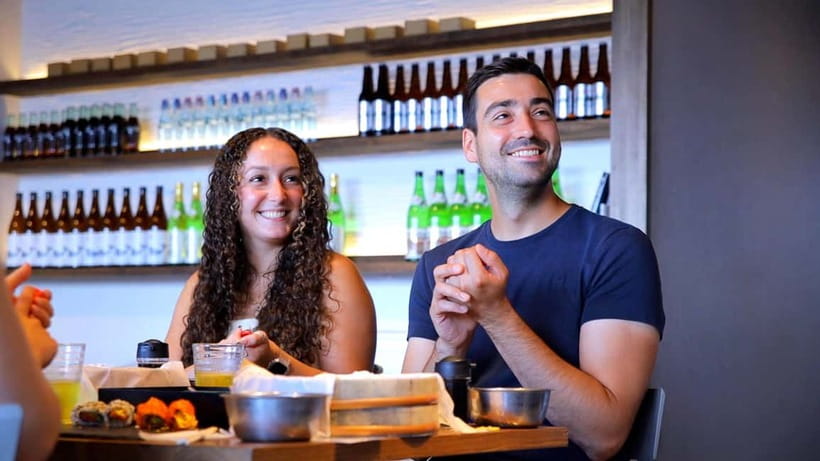
The menu can be adjusted for vegan, vegetarian, gluten-free, halal, and allergy needs. Meat, nuts, fruits, and dairy are listed as ingredients that are not used.
You must contact the operator when making your reservation if you need a menu change. The deadline is three days in advance, and same-day changes are not accepted. The operator also cannot accept individual ingredient specifications, so do not assume you can request a particular replacement or ask for a custom personal menu.
This is worth handling early, especially for halal and allergy needs. A request made in advance allows the correct ingredient box to be prepared. Several class participants specifically appreciated staff checking dietary requirements before the lesson.
Is $45 a fair price?
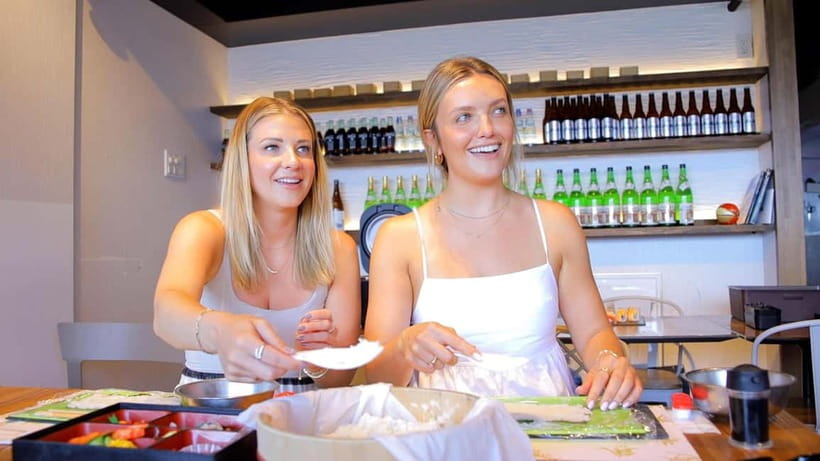
At $45 per person, the class is reasonably priced for a central Osaka activity lasting 100 minutes. You are paying for instruction, ingredients, and a meal, not just a short photo opportunity.
The value is strongest if you want three things at once: a hands-on activity, a cultural explanation, and lunch. Buying sushi at a restaurant could cost less, particularly if you choose a simple meal, but it would not give you the instruction or the chance to make both maki and nigiri.
The price also makes sense for a couple or family seeking an indoor activity during a busy sightseeing day. You do not need to buy equipment, shop for ingredients, or spend time working out a recipe. The class handles the setup and gives you a finished meal within a fixed schedule.
The limitation is that the lesson is introductory. If you already make sushi at home or have taken several Japanese cooking classes, you may not learn many new techniques. For a first sushi lesson, though, the mix of food, instruction, and entertainment is solid value.
Who should book this class?
I would choose this class for first-time sushi makers, food-focused visitors, families, couples, and solo visitors who like meeting people while on the road. It is also a good rainy-day plan because the activity takes place indoors and does not depend on sightseeing weather.
It suits people who want a taste of Japanese food culture without committing to a long cooking course. The English instruction removes a major barrier, and the demonstrations make the process accessible even if cooking is not your strength.
I would think twice if you need a very slow pace, want advanced sushi training, or dislike group activities with lots of enthusiasm. The class is designed to be fun and social. It is not a quiet chef’s apprenticeship.
Practical booking advice for your Osaka day
Book the class at a time that leaves room before or after it. Since the workshop is near Dotonbori and Shinsaibashi, you can easily build a half-day around it, but avoid scheduling a major attraction immediately afterward if you dislike feeling rushed.
Arrive with enough time to find the Galleria Acca Building. The entrance is not necessarily obvious, and the workshop is on the third floor. Wear something comfortable for sitting and working at a table, and keep your camera ready for quick photos rather than a long photo session during the lesson.
You can cancel up to 24 hours in advance for a full refund, and the reserve-now, pay-later option keeps your schedule flexible. Starting times vary, so check availability for the day you want.
Should you book the Osaka sushi class?
Book it if you want to make your own lunch, learn the difference between maki and nigiri, and spend 100 minutes with cheerful English-speaking instructors in central Osaka. The quiz, local conversation, generous ingredients, and hands-on work give the class more character than a simple cooking demonstration.
Skip it if you already have strong sushi-making skills or want a long, technical lesson. Also check the workshop access arrangement and send dietary requests at least three days ahead.
For most visitors, the $45 price is justified by the combination of instruction, food, and a memorable Osaka activity. Just work at a steady pace so you have enough time to enjoy what you make.
FAQ
How long does the sushi-making class last?
The class lasts 100 minutes.
How much does the activity cost?
The listed price is $45 per person.
Where does the class meet?
The meeting point is on the third floor of the Galleria Acca Building, about a five-minute walk from Shinsaibashi Station.
Is the class taught in English?
Yes. The instructors provide English-language teaching, and English is the listed activity language.
What types of sushi will I make?
You make two types: maki sushi rolls and authentic Japanese sushi in the nigiri style.
Do I need previous cooking experience?
No. The class is designed for beginners, and the instructors guide you through the process with demonstrations and explanations.
Can the menu accommodate dietary needs?
Vegan, vegetarian, gluten-free, halal, and allergy-related menu changes are available when requested at least three days in advance. Same-day changes are not accepted, and individual ingredient specifications cannot be accommodated.
Is the workshop wheelchair accessible?
The activity is listed as wheelchair accessible, but the building elevator does not reach the workshop floor. Contact the operator before booking if you need step-free access.
Fresh off the menu around Osaka
- Hidden Osaka – Yukaku Red Light Tour & Culinary Adventure★ 4.8 · 96 reviews
- Eat Like a Local in Osaka – Private Custom Street Food Tour★ 4.3 · 33 reviews
- Osaka: Sushi Making in Spacious Studio (SAME-DAY OK!)★ 5.0 · 75 reviews
- Osaka: Ramen and Gyoza Cooking Class in Dotonbori★ 5.0 · 378 reviews
- Osaka: Sushi Class in Dotonbori★ 4.9 · 160 reviews
- Osaka: Local Foodie Tour in Dotonbori and Shinsekai★ 4.7 · 95 reviews
- Osaka: Kuromon Market Food Walking Tour (6 stops, 6 tastes)★ 4.6 · 272 reviews
- Osaka: Gluten-Free Ramen and Gyoza Cooking Class★ 5.0 · 42 reviews
Osaka Food Tours, compared.

Osaka: Shinsekai Food Tour with 13-15 Dishes at 5 Eateries
Read our review →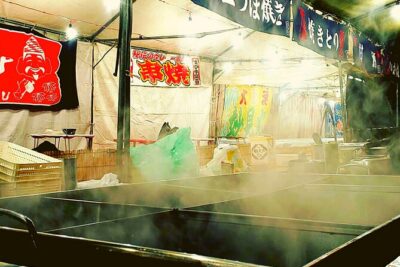
Osaka Food Tour: 13 Dishes at 5 Local Eateries
Read our review →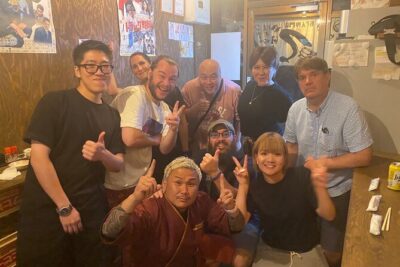
Hungry Osaka Street Food Tour:15 Tastings & 3 Drinks with a Local
Read our review →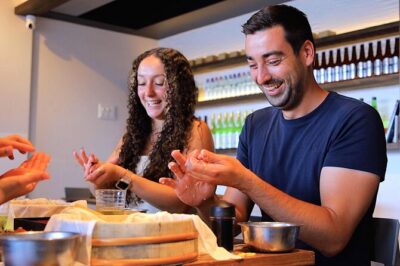
Sushi Making Osaka Roll and Authentic Japanese Sushi Class
Read our review →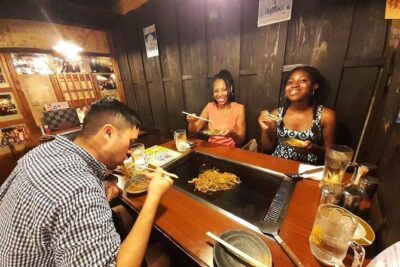
Osaka Local Foodie Walking Tour in Dotonbori and Shinsekai
Read our review →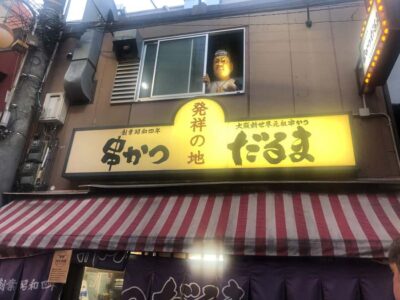
Hungry Osaka Street Food Tour: 15 Dishes & 3 Drinks
Read our review →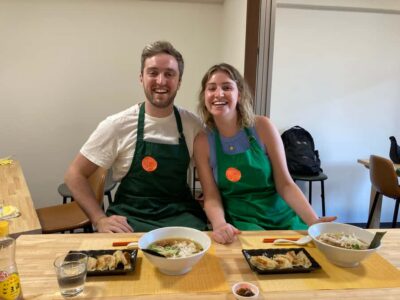
Osaka: Ramen and Gyoza Cooking Class in Dotonbori
Read our review →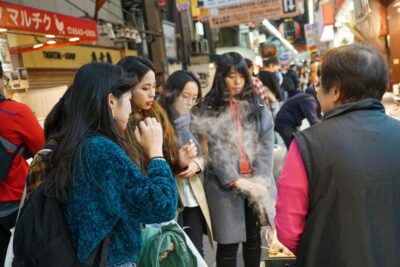
Osaka: Kuromon Market Food Walking Tour (6 stops, 6 tastes)
Read our review →Browse the lists this tour appears in