
Review · BEIJING
Beijing: Hutong Culinary Walking Tour with 15+ Tastings
Beijing’s Hutongs are best understood one bite at a time. This tour takes you through quiet old lanes and a string of local food stops, with 15 or more tastings ranging from soup dumplings and fried pancakes to hot pot, yogurt, and Xinjiang lamb skewers. Your guide explains what you are eating, how locals eat it, and where each dish fits into Chinese food culture.
I like the flexible food plan, since you can ask for familiar classics or take on less usual dishes such as intestines, fried liver, or thousand-year-old egg. I also like the personal scale: this is a private group with an English-speaking guide, not a large procession trailing behind a flag. The main consideration is quantity. You need to arrive very hungry, and stop locations change from day to day.
Key points to know before booking
- 15 or more tastings: Try dumplings, pancakes, noodles, hot pot, pastries, lamb skewers, drinks, and more in one outing.
- Dongsi starting point: Meet at Exit B of Dongsi Subway Station, a practical central launch point for the Hutong walk.
- Food choices can change: Your guide adjusts the stops for preferences, previous meals, and comfort with unusual ingredients.
- Private English-speaking tour: Guides including Jimmy, Lucy, Anson, Mike, Miko, Andy, Allen, Jay, and May lead the experience.
- Three to four hours on foot: Expect several nearby food stops, short walks, conversation, and a very full finish.
- Optional hotel transfer: Pickup and drop-off by private transfer can be selected when booking.
Why a Beijing food tour works best in the Hutongs
A restaurant meal gives you a dish. A Hutong food walk gives you a sense of how food fits into daily life.
The lanes around Dongsi offer a more personal setting than a formal dining room. You walk between small restaurants, stalls, and neighborhood food shops while your guide explains the area, local habits, and the story behind each bite. The walking matters because it breaks up the eating and lets you see the older residential side of Beijing along the way.
Your meeting point is Dongsi Subway Station Exit B. The guide holds a sign with your name, which is useful in a city where a busy station exit can feel like a small puzzle. If you take a taxi, the supplied Chinese phrase asks the driver to take you near Dongsi Subway Station Exit B.
The route is not fixed. That is worth understanding before you book. You are not promised a precise list of restaurants or the same order of dishes every day. Instead, your guide chooses stops based on what is open, what fits the group, and what you want to try. That gives the outing a more natural feel, but it also means you should treat the published food list as a menu of possible tastings rather than a guaranteed sequence.
More Food Walking Tours in China:
- Beijing Private Hutong Food Walking Tour
★ 5.0 · 299 reviews - Shanghai: Evening Walking Food Tour
★ 4.9 · 115 reviews - Reykjavik Food Walk – Local Foodie Adventure in Iceland
★ 5.0 · 18,952 reviews
From sesame cakes to fried dough twists
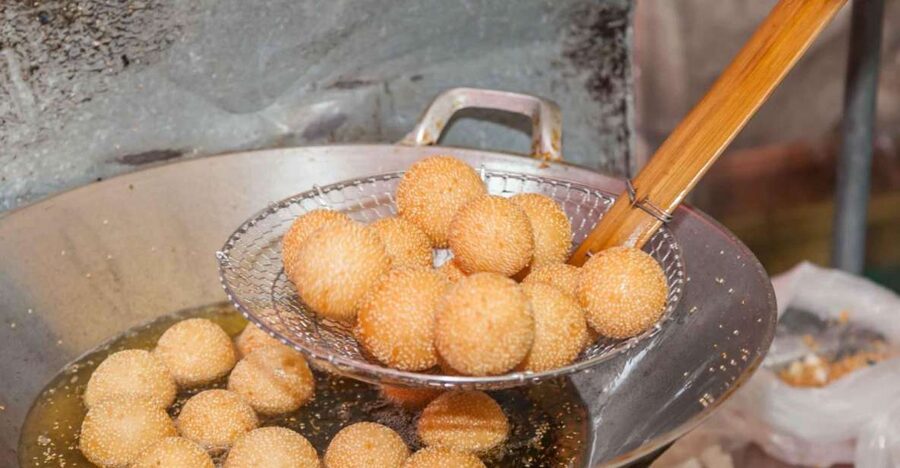
The early stops may introduce you to simple, filling snacks that are easy to overlook if you are eating only at well-known restaurants.
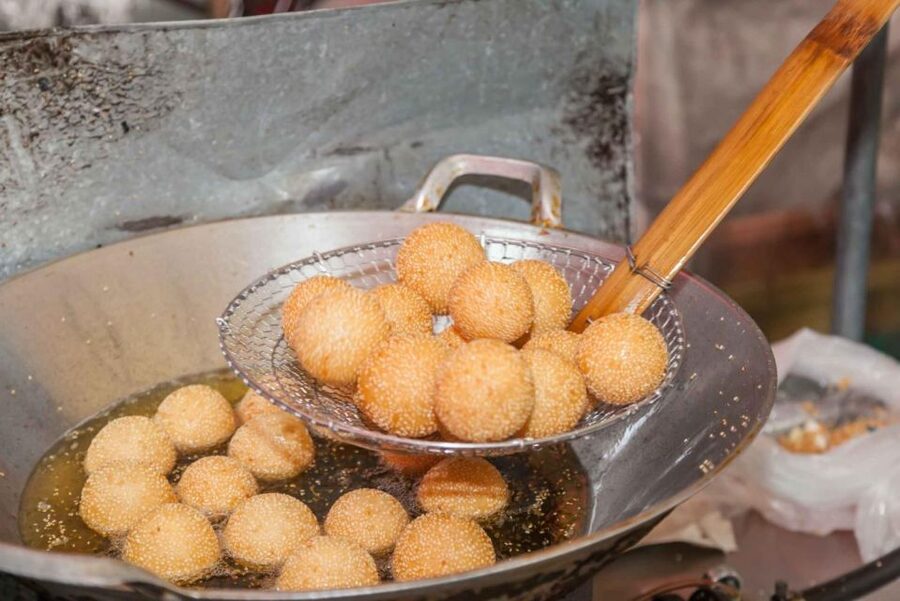
Sesame cakes can be sweet, with sesame and sometimes honey, while ma hua is a fried dough twist with a crisp texture. A crispy fried ring is another everyday snack, the sort of small food that helps explain the difference between a formal regional dish and something people might grab during an ordinary day.
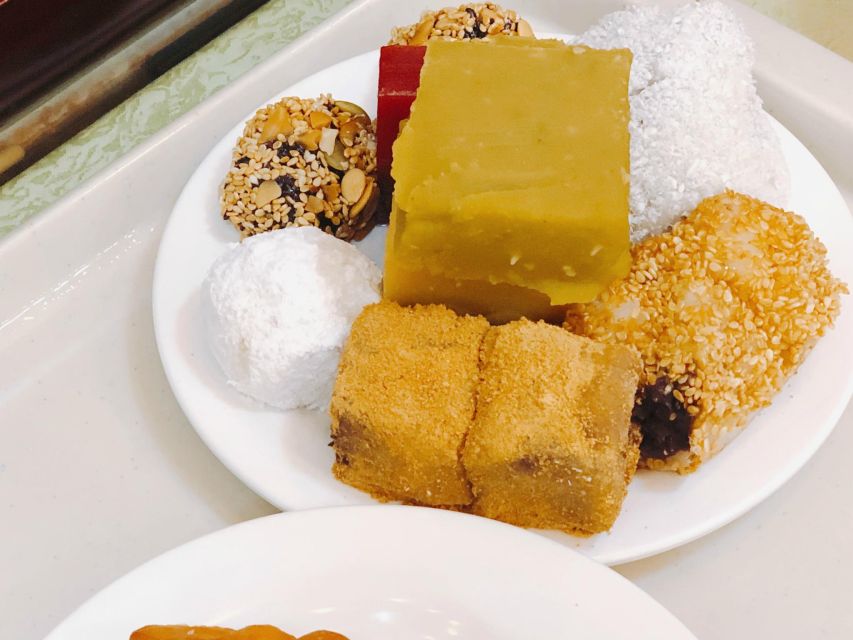
You might also try steamed rice cakes with sweet filling and other Beijing pastries. These are useful first bites because they ease you into the range of textures found on the tour. Some foods are crisp, some sticky, some soft, and some are served hot enough to require patience.
The drawback is that several snack-sized portions add up quickly. If you have already eaten lunch, you may enjoy the first few stops and then spend the rest of the walk negotiating with your appetite. I would leave several hours clear before meeting the guide.
Soup dumplings, pancakes, and noodles
The tour also brings you to more substantial foods. Soup dumplings are a highlight for many people because they combine a thin wrapper, hot filling, and broth. Your guide can help you understand the local eating etiquette and the practical way to approach a dumpling without burning your mouth.
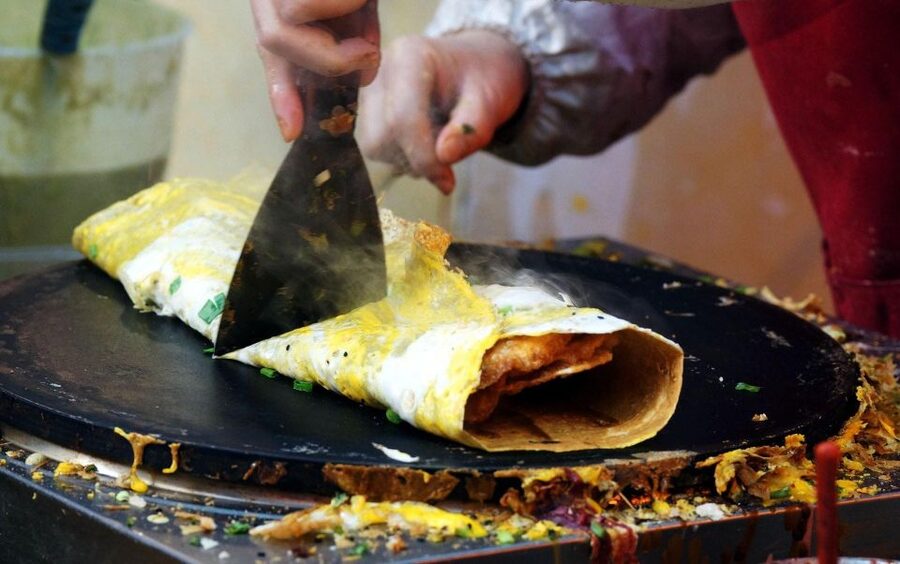
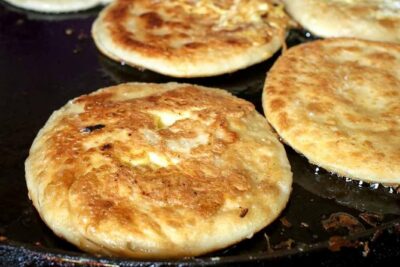
Jianbing, often spelled in several ways in English, is a fried pancake made to order. It gives you a taste of Beijing’s street-food culture and is especially interesting because you can watch the basic preparation rather than simply receiving a finished plate.
Other possible stops include cross-bridge rice noodles, a dish from Yunnan Province, and hand-made noodles. One experience included watching noodles being made, which adds a useful visual element to the food. You are not only tasting a dish, you are seeing some of the work and technique behind it.
Food stops are generally close enough to keep the walking manageable, though this remains a walking tour. Wear shoes that feel good on uneven city streets, and keep room in your schedule. The listed duration is three to four hours, depending on the route and pace.
Hot pot and the art of choosing your bowl
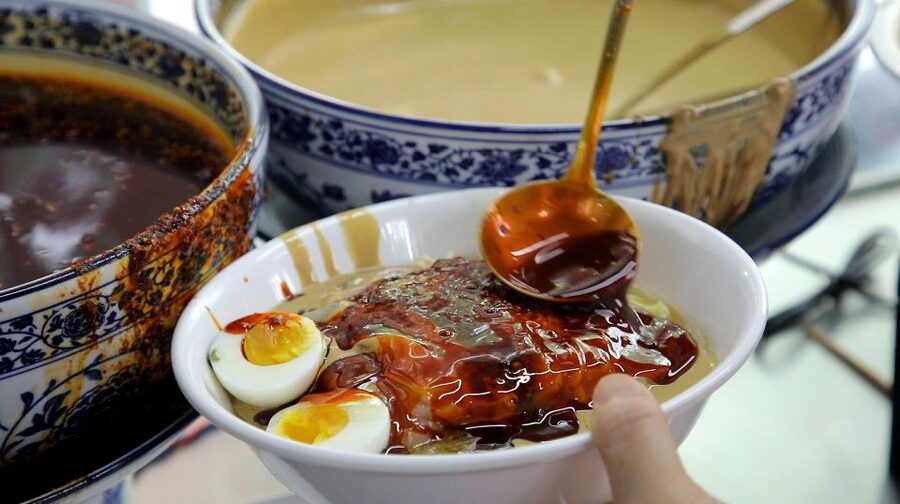
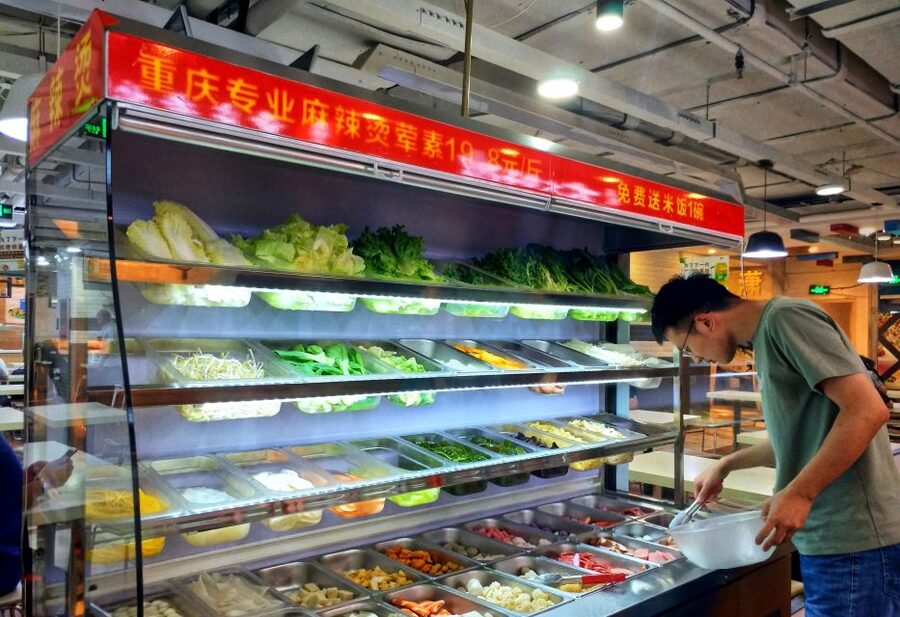
Malatang is one of the more interactive parts of the experience. It is related to hot pot and uses a spicy soup base with ingredients such as vegetables, meat, seafood, and noodles.
This stop can be especially useful if you are unsure how to order hot pot-style food in Beijing. Your guide can identify unfamiliar ingredients and help you choose. One family with a vegetarian child received suitable vegetarian dishes, and another couple was guided through a mix of vegetables, tofu, and egg they had not tried before.
The spice level and ingredients may not suit everyone, so tell your guide early if you avoid spicy food, meat, seafood, or certain textures. The tour is designed to adjust to preferences, but it works best when you explain those preferences clearly at the start.
For adventurous eaters, the guide may suggest fried liver, intestine soup, or other stronger flavors. You can ask for a substitute if those foods do not appeal to you. This is one of the tour’s strengths: trying an unfamiliar dish should feel like a choice, not a test.
More food tours around China:
- Authentic Local Food Tour in Central Shanghai
★ 5.0 · 1,382 reviews - Shanghai: 3-Hour Local Food Tasting Tour
★ 4.9 · 806 reviews - Eat Like A Local: Shanghai Night Food Tour
★ 5.0 · 616 reviews - Eat Like a Local Through Shanghai’s French Concession
★ 5.0 · 353 reviews
Lamb skewers, Nang bread, and a stronger drink
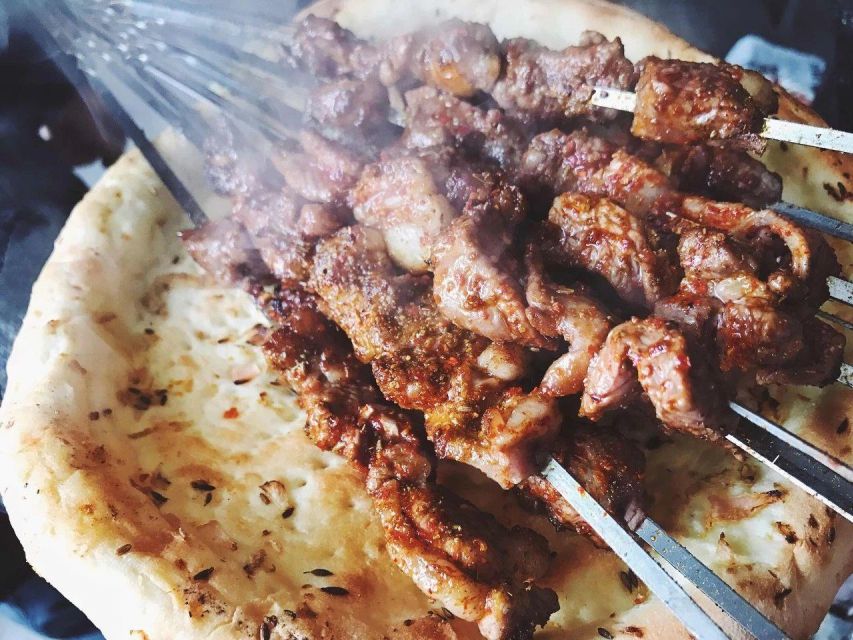
Xinjiang lamb skewers add a smoky, savory finish to the food route. They may be served with Nang bread and vegetable or lamb kabobs. This part of the tour shows how Beijing’s food scene draws from many parts of China, not just the capital’s own traditional snacks.
Baijiu may also be offered. This clear Chinese liquor commonly ranges from 35 to 60 percent alcohol by volume, so treat it with respect. You do not need to be a spirits enthusiast to learn something from the tasting, but you should tell your guide if you do not drink alcohol.
Local soft drinks and bottled water are included. Some guides have also offered beer during the walk, but that is not presented as a standard part of the package, so do not count on it. If you want to keep the evening comfortable, pace yourself with both the alcohol and the food.
How adventurous should you be?
You can keep this tour fairly approachable. Dumplings, pancakes, noodles, pastries, yogurt, lamb skewers, and hot pot offer plenty of choices without requiring you to eat anything unusual.
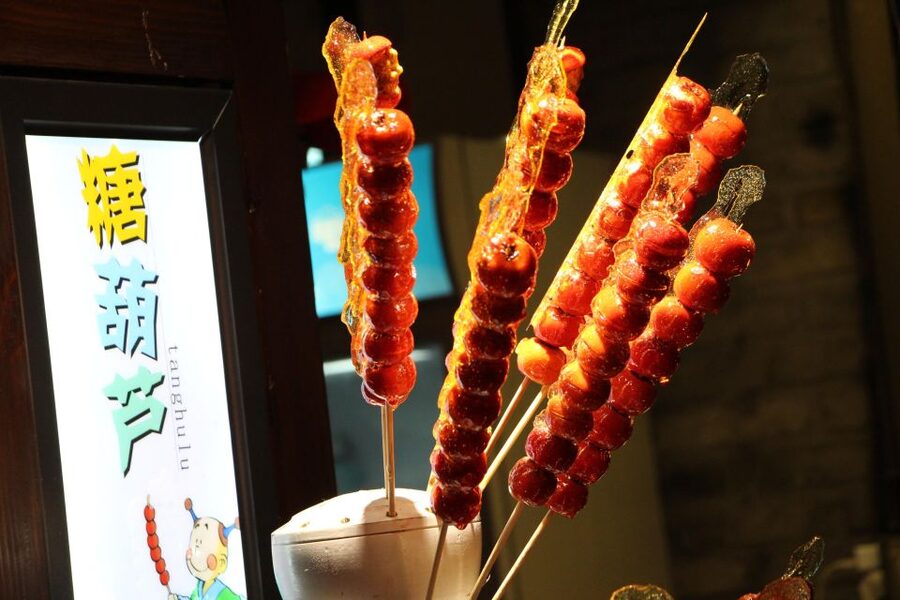
You can also ask for more daring options. The possible extras include a donkey burger, fried liver, intestine soup, thousand-year-old egg, and bamboo worm. The bamboo worm is at your own cost, while the included tastings cover the planned food stops.
I like that the guide can act as a bridge between curiosity and caution. A dish may look strange when you see it on a menu with no explanation. It becomes easier to try when someone tells you what it is, how it is normally eaten, and what flavor or texture to expect.
Still, the tour cannot remove every surprise. If you have a strong dislike of offal, spicy broth, unfamiliar meats, or fermented flavors, say so before the first restaurant. Guides such as Allan, Miko, Lucy, Jimmy, Anson, and Mike have been praised for adjusting food choices and explaining unfamiliar dishes clearly, but communication works both ways.
What the guide adds to the meal
The food is the main attraction, but the guide shapes the quality of the experience.
The strongest guide reports consistently point to clear English, helpful explanations, and conversations about ordinary life in Beijing. Guides have discussed Hutong neighborhoods, street vendors who later opened shops, regional culinary traditions, food origins, and the history of Beijing.
Several guides have also adjusted the route based on what people had already eaten during their trip. That is useful if you do this tour early in your stay. You can learn what dishes to look for later, how to recognize some familiar ingredients, and which foods deserve another meal.
The named guides include Jimmy, Lucy, Anson, Mike, Miko, Andy, Allen, Jay, May, Allan, and others. Your exact guide is assigned by the operator, so you cannot assume you will receive one particular person. The consistent pattern is an English-speaking guide leading a private group and adapting the conversation to your interests.
Price, timing, and what you receive
At $76 per person, this is not a cheap snack crawl. It is a private, three to four hour experience with 15 or more tastings, bottled water, local soft drinks, neighborhood walking, and a guide who handles the language and food choices.
The value improves if you want a broad introduction to Beijing food in a single outing. Buying every dish separately, finding small local stops, and working out what to order can take time and lead to plenty of missed opportunities. Here, the guide does the searching and helps you sample rather than commit to a full meal at each stop.
The value is less clear if you prefer a slow dinner at one restaurant or already feel comfortable ordering local food in Beijing. You are paying for access, explanation, and variety, not for a luxury dining room.
Hotel pickup and drop-off are optional. Without that service, you meet at Dongsi Subway Station Exit B. With it, the guide waits in your hotel lobby holding a sign with your name. The transfer option may be worth considering if you are tired, unfamiliar with Beijing’s transport system, or carrying luggage, but the subway meeting point is straightforward if you can reach Dongsi.
Free cancellation is available up to 24 hours before the tour for a full refund, and you can reserve now and pay later. Starting times depend on availability, so check the schedule when you book.
Who should book this Hutong food walk?
I would choose this tour for a first or second day in Beijing, especially if you want practical food guidance before making your own restaurant choices. It is also a good fit for couples, families, and small private groups with different levels of food courage.
Families should mention children’s needs and vegetarian preferences in advance. The route can be adjusted, and one family had vegetarian food arranged for a child, but clear information helps the guide plan well.
This is less suitable if you have limited mobility, dislike walking between stops, or want a predictable fixed menu. The exact restaurants vary, the food list is broad, and the outing includes both eating and neighborhood walking.
A rainy day does not necessarily cancel the experience. One guide continued in pouring rain, but you should still bring suitable clothing and accept that the Hutong walk may be less comfortable in bad weather.
Should you book the Beijing Hutong Culinary Walking Tour?
Book it if you want variety, local context, and a guide-led introduction to Beijing food rather than one long restaurant meal. The 15 or more tastings make the $76 price reasonable for people who would otherwise struggle to find small neighborhood stops on their own.
I would book it early in your Beijing visit, arrive genuinely hungry, and tell the guide about allergies, dislikes, alcohol preferences, and dietary needs before the first stop. Choose this tour for conversation and discovery, not for a tightly fixed itinerary.
If you like trying unfamiliar foods but want someone to explain the choices, it is a strong pick. If you want total control over every dish or prefer a quiet, leisurely meal, spend the money at a restaurant instead.
FAQ
Where does the tour meet?
The meeting point is Dongsi Subway Station Exit B. Your guide holds a sign with your name.
Can I reach the meeting point by subway?
Yes. The meeting point is at Dongsi Subway Station Exit B.
Can I take a taxi to the meeting point?
Yes. You can show the driver the Chinese phrase 请带我去东四地铁B出口附近, which asks to be taken near Dongsi Subway Station Exit B.
How long does the tour last?
The tour lasts about three to four hours, with roughly three hours of food stops and Hutong walking.
How many tastings are included?
The tour includes 15 or more food tastings. Bottled water and local soft drinks are also included.
What foods might I try?
Possible foods include sesame cakes, fried dough twists, soup dumplings, Beijing jar yogurt, cross-bridge rice noodles, jianbing, crispy fried rings, steamed rice cakes, malatang, lamb skewers, Nang bread, and other Beijing snacks.
Can I try unusual foods?
Yes. Adventure options may include donkey burger, fried liver, intestine soup, thousand-year-old egg, and bamboo worm. The bamboo worm is at your own cost, and you can ask for a substitute if you prefer not to try a particular dish.
Is hotel pickup available?
Yes. Hotel pickup and drop-off by private transfer are available if you choose that option. The guide waits in the hotel lobby with a sign bearing your name.
Is the tour private and in English?
Yes. It is a private group tour with a live English-speaking guide.
Fresh off the menu around China
- Shanghai Must-See and Foodie Test Bike Tour( Day & Night)★ 4.7 · 70 reviews
- Shanghai-Cooking Dumpling & Meal in Local Family-w/Vegan★ 4.9 · 36 reviews
- Shanghai: Evening Walking Food Tour★ 4.9 · 115 reviews
- Shanghai: Half-Day Biking and Local Food Tour★ 4.9 · 170 reviews
- Late night food tour in Shanghai’s French Concession★ 4.9 · 31 reviews
- Beijing Hutong Food Crawl Delights: Peking duck, Hotpot&More★ 4.9 · 32 reviews
- Beijing: Dumpling Making Workshop with Meal and Tea★ 4.7 · 69 reviews
- Beijing: Hutong Breakfast Food Tour★ 5.0 · 22 reviews
Beijing Food Tours, compared.
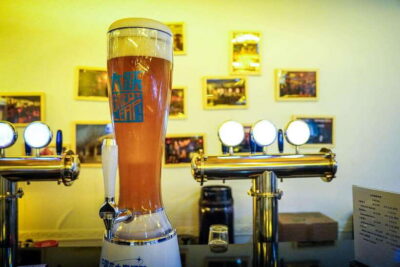
Beijing: Hidden Gems Guided Food Tour with Beer and Tastings
Read our review →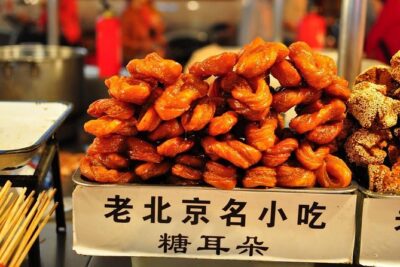
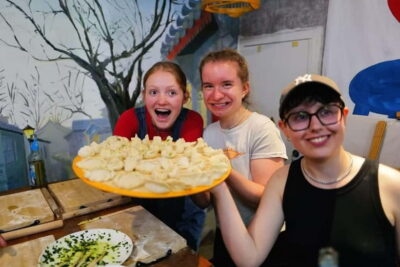
Beijing: Dumpling Making Workshop with Meal and Tea
Read our review →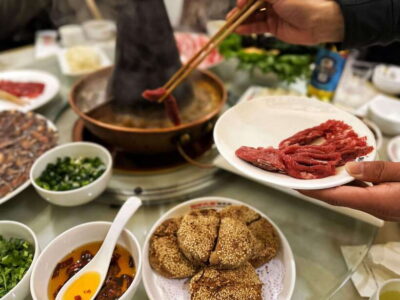
Beijing Hutong Food Crawl Delights: Peking duck, Hotpot&More
Read our review →Browse the lists this tour appears in