
Review · FLORENCE
Florence: Cooking Class with Local Food Market Tour
Florence’s best cooking classes do more than hand you a bowl of flour. This one starts in the Central Market, where you taste olive oil, balsamic vinegar, cheese, cured meats, and truffle products before returning to the kitchen to make fresh pasta, lasagna, sauces, and tiramisù. The market gives you a useful sense of what Florentine cooks actually buy and why those ingredients matter.
I like the small-group feel, which gives chefs such as Alice, Roberta, Victoria, and Federico time to correct your pasta technique and answer questions. I also like the full meal at the end, with Chianti and dessert wine included. The main drawback is timing: the market is not open on Sundays, and the full experience can last five hours, so eat breakfast first and plan the rest of your day carefully.
Key points at a glance
- Begin at Florence’s Central Market: Taste local products and learn how to choose ingredients with an English-speaking chef.
- Make pasta from scratch: Depending on the session, you may prepare tagliatelle, ravioli, lasagna, and two sauces.
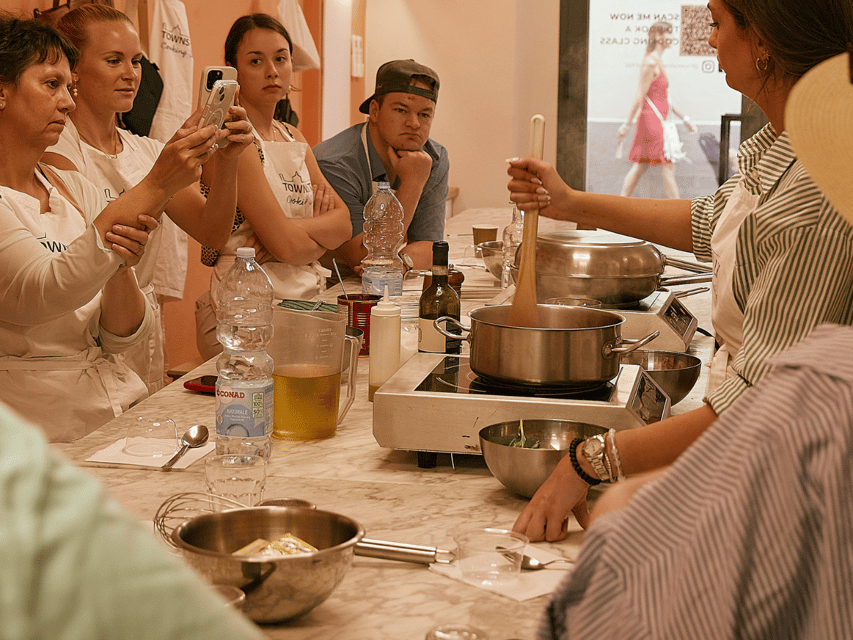
- Cook in a fully hands-on class: You work beside the chef rather than watching a long demonstration.
- Finish with a proper Tuscan meal: Eat your own food at the table with Chianti, snacks, and a sweet dessert wine.
- Good for solo visitors and families: The social format makes it easy to meet people, and children under 18 may join with an adult.
- Plan around dietary limits: Vegetarian dishes are available with advance notice, but the class is not suitable for vegans or people with celiac disease.
Why the market visit matters in Florence
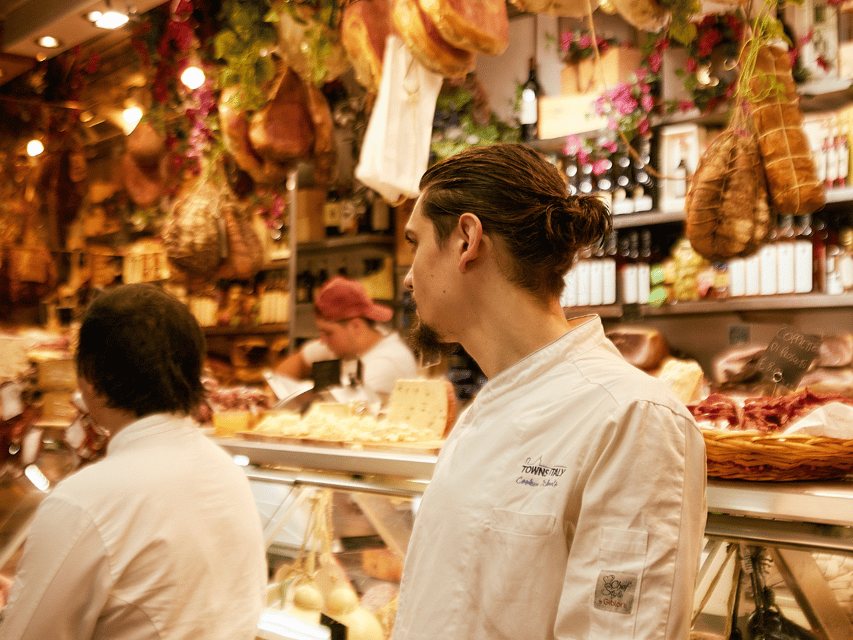
The class begins with a guided walk through Florence’s historic Central Market. This is not just a quick stop to pick up ingredients. Your chef helps you read the market as an Italian cook would, with attention to seasonal produce, meat, fish, oils, vinegars, cheese, and preserved foods.
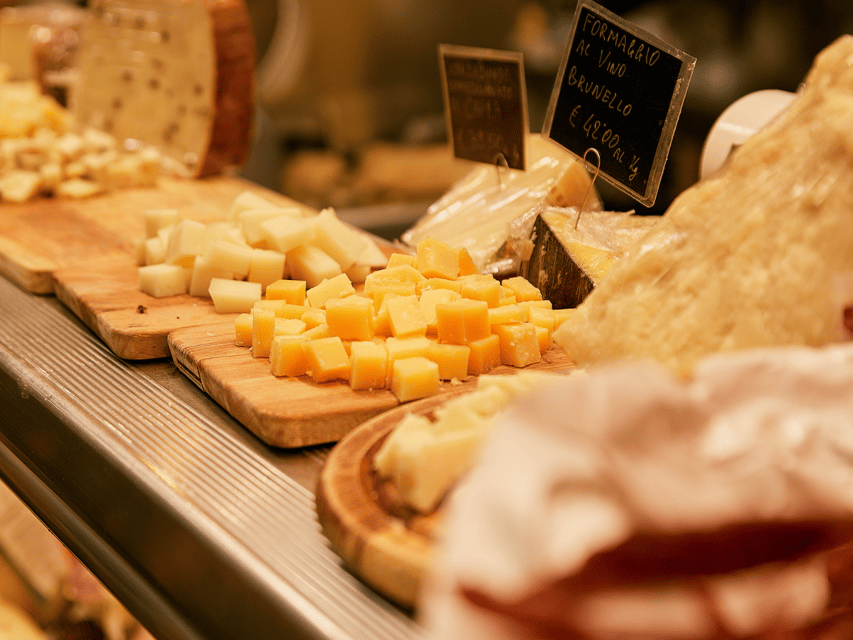
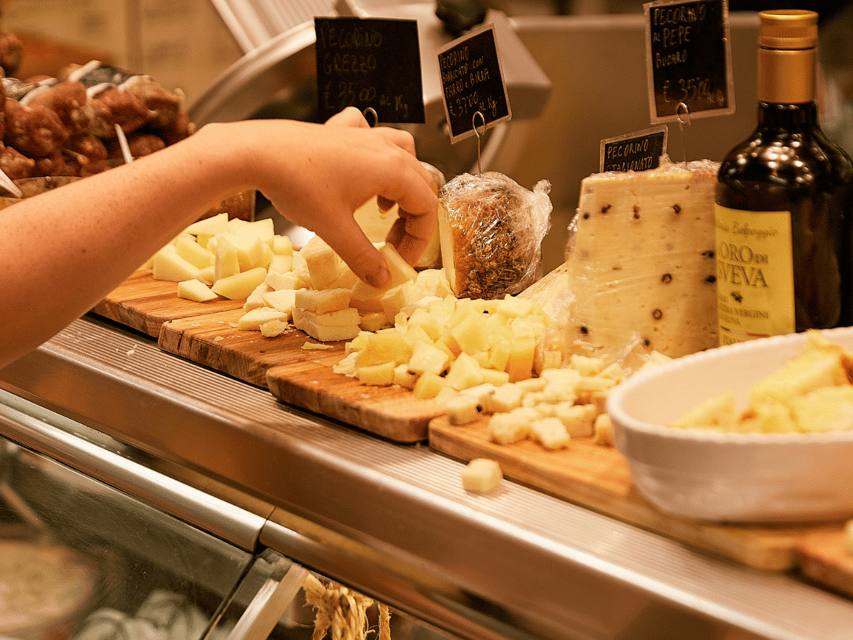
The tasting portion is one of the strongest reasons to choose the market option instead of a shorter cooking class. You may sample cured meats and cheeses, compare olive oils, taste balsamic vinegar, and try truffle-based products. One market stop includes a specialist named Emily, who has been praised for explaining truffle products and helping visitors understand the differences between oils and vinegars.
I like this part because it gives context to the meal that follows. You are not simply told that an ingredient is traditional. You taste it, hear how it is used, and then see how it fits into Italian cooking. That connection makes the recipes easier to remember at home.
The market can also be a practical lesson in Italian food shopping. You learn to ask questions, look for seasonal items, and understand why a small amount of a strong ingredient can change a dish. The walk is conducted in English, but the market itself can be noisy. In a large group, stay close to the guide so you do not miss explanations in narrow aisles or around busy stalls.
The market option is generally the better choice if you have enough time. On Sundays, however, the Central Market is closed. In that case, the class may spend more time cooking instead. That is not necessarily a bad substitute, but book this experience on another day if the food shopping is important to you.
More Market Food Tours in Italy
- Small Group Cooking Class & Market Food Tour in Florence
★ 5.0 · 1,574 reviews - Florence: Sant’Ambrogio Market Food Tour of 10+ Local Dishes
★ 4.6 · 21 reviews - Bologna Food & Market Tour with 6 Tastings, Pasta, Wines & More
★ 5.0 · 1,328 reviews
From market ingredients to Nonna’s kitchen
After the market, you return to the cooking school for the practical part of the experience. The school presents itself as Florence’s original cooking class, with more than twenty years of teaching visitors the basics of Italian home cooking. The theme is the family kitchen associated with Nonna Wilma, a grandmother-style approach built around simple ingredients, fresh pasta, and food shared at the table.
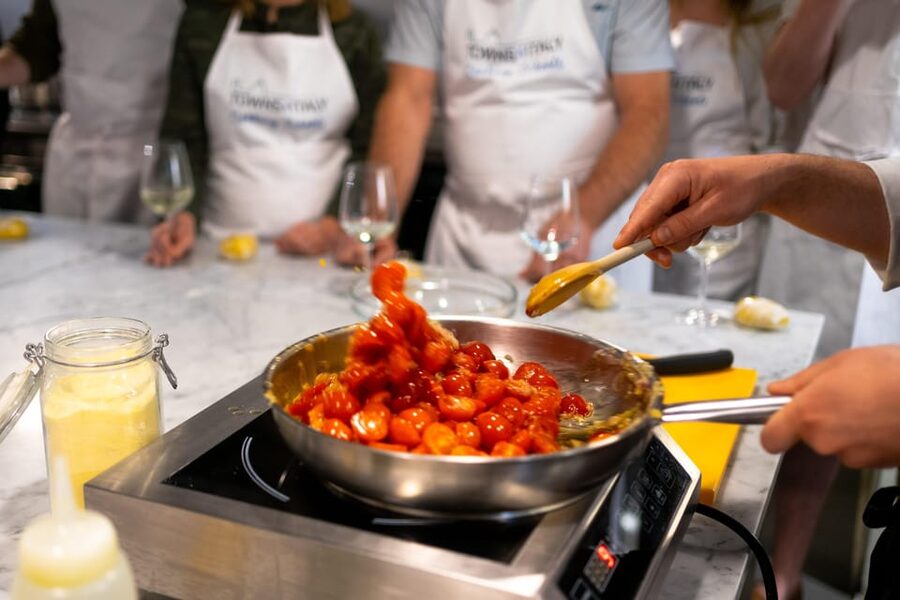
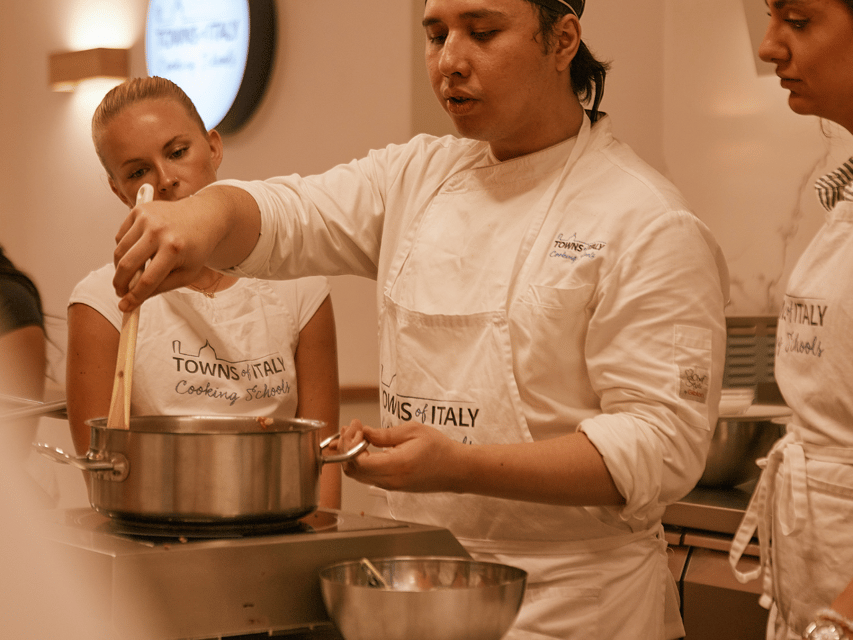
The class is designed to be 100 percent hands-on. You do not spend most of the session watching a chef prepare everything while you stand behind a counter. You mix, shape, roll, fill, stir, and assemble the food yourself, with guidance from the instructor.
The exact menu can vary, but the advertised program includes a Nonna-style lasagna workshop, fresh pasta, Bolognese ragù, seasonal sauces, and tiramisù. Specific sessions have included tagliatelle, ravioli with ricotta and spinach, sage butter, pesto, and meat sauce. You may prepare two types of pasta, depending on the group and the day.
That variety gives the class good value. You learn more than one basic pasta shape, and you see how the same dough can become different dishes. The session is also paced with periods of active work and short breaks for food, wine, and conversation. Several hours may sound long, but the cooking, tasting, and shared meal divide the time naturally.
Making fresh pasta without feeling rushed
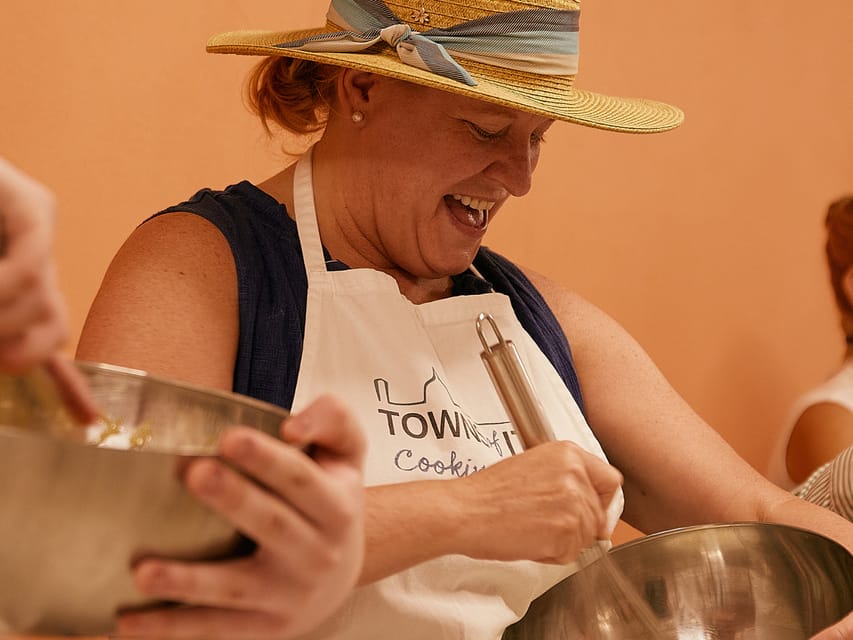
Pasta making is the central skill here. Your chef shows you how to handle the dough, roll it thin, and shape it into the required form. The focus is on technique you can repeat at home, not on producing a perfect restaurant plate at your first attempt.
This is where the instructor can make or break the experience. Federico has been praised for offering clear tips on preparing pasta, while Alice, Roberta, Victoria, and the other named chefs are described as patient, funny, and willing to help at individual workstations. The best part of a small group is that you can ask for help before a sticky dough problem becomes a full kitchen disaster.
Do not expect every item to be made completely alone. Some sauces may be prepared as a group, while each participant shapes pasta or works on particular stages of the recipe. That arrangement lets the class cover several dishes without turning the session into a long wait for one pot to cook.
You should also expect a social kitchen rather than a silent lesson. You work beside other people, share tasks, and eat together later. For a solo visitor, this can be a pleasant way to meet people. For families, the shared jobs help children and teenagers take part even if they do not normally cook.
The class is suitable for beginners. You do not need professional equipment or prior pasta-making experience, since the tools and ingredients are supplied. Still, you should be comfortable standing, working with your hands, and following several steps in an active kitchen.
Lasagna, ragù, and the Italian family table
The lasagna workshop is presented as one of the class’s signature lessons. You work from fresh pasta toward a layered dish with Bolognese ragù. The value here is not just learning a recipe. You see how Italian cooking builds flavor through a few carefully handled components.
A good lasagna lesson teaches useful habits: how thin the pasta should be, how much sauce to use, and how to balance layers so the finished dish is not heavy or watery. The class also places lasagna in the setting of a family meal, where food is prepared over time and then shared rather than rushed.
The sauces may include ragù, pesto, seasonal preparations, or butter-based sauces. The range depends on the session, so do not book expecting one exact menu unless the provider confirms it. The supplied information consistently points to fresh pasta, traditional sauces, and tiramisù as the main elements.
One advantage of making the food yourself is portion and flavor control during the process. You can ask why an ingredient is used, what can be substituted, and how to repeat the recipe once you return home. The digital recipe booklet helps with that, although you should still take notes if a chef gives a useful technique that is not written down.
More Market Food Tours in Florence:
- Chef Guided Food Tour of Pike Place Market
★ 5.0 · 3,733 reviews - Tokyo Tsukiji Fish Market Food and Culture Walking Tour
★ 5.0 · 3,184 reviews - London Bridge & Borough Market Food Tour with 7 Authentic Dishes
★ 5.0 · 1,972 reviews - Pike Place Market Tasting Tour
★ 5.0 · 1,696 reviews
Tiramisù and the sweet finish
Tiramisù provides a slower, lighter part of the lesson after the pasta work. You prepare it from scratch and learn the basic structure of the dessert, including the coffee element and the creamy layers.
One session offered an alternative for a participant who did not want coffee in the tiramisù. That suggests it is worth asking about adaptations before you begin, though you should not assume every substitution will be possible. The class also includes a specialty dessert wine for the sweet finish.
The tiramisù lesson suits people who want a recipe that is easy to repeat at home. It requires less equipment than fresh pasta and works well as a final project while the main meal is being completed. You leave with a dessert technique as well as the pasta recipes, which makes the class more useful than a single-dish workshop.
Sitting down to the food you prepared
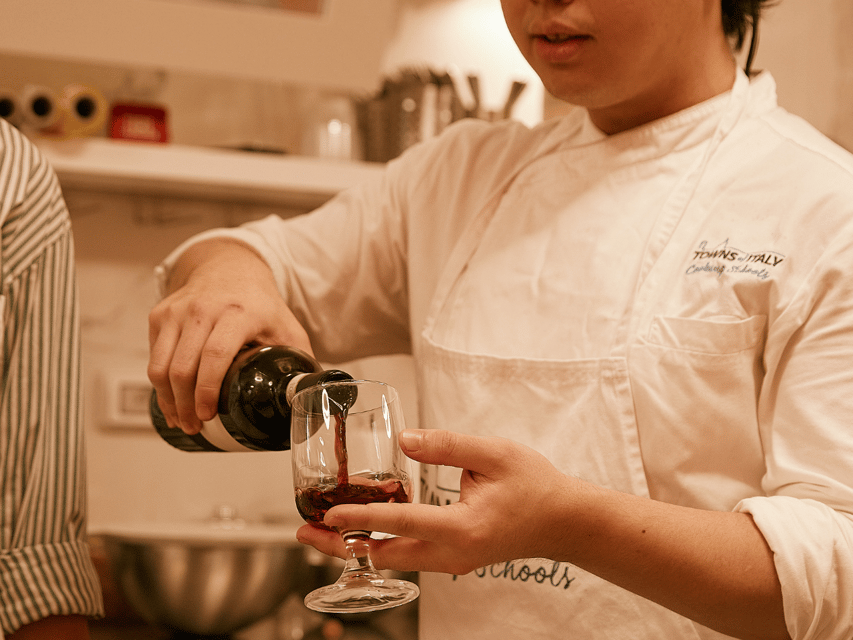
The class ends around a shared table with the food you helped make. Chianti is included, along with snacks and a curated Tuscan wine pairing. The meal is not an extra restaurant stop. It is the payoff for the work in the kitchen.
I like this format because it changes the class from a lesson into a social meal. You can compare pasta shapes, talk through what you made, and enjoy the relaxed pace of an Italian table. The food is also more satisfying because you understand the work behind it.
Come with breakfast already eaten. One class participant noted that lunch did not arrive until around 1 p.m., and the full market-and-cooking schedule can take five hours. The class includes tastings along the way, but those are not a replacement for breakfast if you are hungry in the morning.
Wine is part of the experience, so tell the instructor if you do not drink or prefer not to have it. The provided information confirms the wine pairing, but it does not promise a separate nonalcoholic pairing. If that matters to you, ask before booking.
Group size, guides, and the teaching style
The experience is sold as a small-group class, though the exact number can change. Sessions have included groups as small as four or six, while one account describes a larger class where hearing the guide in the market was difficult.
The kitchen seems best suited to a modest group. A small number of participants means more attention when you are rolling pasta, shaping ravioli, or checking a sauce. It also gives you more time to talk with the chef and the people at your table.
The instructors vary by departure. Named chefs and guides include Alice, Roberta, Victoria, Federico, Stefano, Tommaso, Alicia, David, Lisa, and Jon. Their teaching styles differ, but the strongest pattern is practical instruction mixed with humor and encouragement. You should expect an English-language class with a friendly, informal tone rather than a formal culinary-school lecture.
If you are in a larger group, stand near the chef during the market walk and move closer during explanations. The market is lively and can be hard to hear, especially in a narrow passage. In the kitchen, ask questions as you go instead of waiting until the end.
Is the $63 price good value?
At $63 per person, this is a strong value if you want food, instruction, and a meal in one half-day experience. The price includes the market tour, tastings, cooking tools, fresh ingredients, the full meal, wine, dessert wine, a digital recipe booklet, and a graduation certificate.
A restaurant meal in Florence could cost less or more depending on the setting, but it would not give you the market context or the practical lesson. A short pasta class may cost less in total time, yet this longer option offers several dishes and a more complete food experience.
The value is strongest for solo visitors, couples, and families who want an activity with a clear result. You are not paying only to watch someone cook. You are paying for instruction, ingredients, a meal, and a social setting.
The price is less appealing if you already plan several food tours and cooking classes. It is also not the right choice if you want a quiet market visit or a quick activity between museum bookings. Allow three to five hours, and remember that the meeting point can vary according to the option you book.
Dietary needs and practical limits
Vegetarians are welcome when you request the option in advance. Alternative recipes are included, and the provider asks you to give notice about allergies and intolerances.
The class is not suitable for vegans or people with gluten intolerance, and it is specifically not suitable for people with celiac disease. Do not rely on an informal substitution at the venue. Ask before booking if your needs are complex.
The experience is also listed as unsuitable for people with mobility impairments. You should tell the provider about special needs or limited mobility in advance, since the team will try to accommodate where possible, but no full accessibility guarantee is given.
Pets are not allowed. Children and teenagers under 18 must be accompanied by at least one adult. Arrive 15 minutes early because the group leaves at the scheduled time, and late arrival does not qualify for a refund.
Free cancellation is available up to 24 hours before the start time, and you can reserve now and pay later. Those terms help if your Florence schedule is still changing, but they do not make a late arrival flexible.
Who should book this Florence cooking class?
I would choose this experience if you want to connect a market visit with food you actually prepare. It suits beginners, curious eaters, solo visitors, families with older children, and anyone who likes a social table more than a formal demonstration.
It is especially useful early in a Florence trip. After the class, you will recognize ingredients and dishes on restaurant menus, and you may have enough confidence to try fresh pasta or tiramisù at home.
I would choose the shorter pasta-and-gelato option if you have only three hours or do not need the market. The cappuccino-and-tiramisù option is better for a light, dessert-focused activity. Those alternatives are available at checkout, so compare the timing before you pay.
Should you book it?
Book this class if you want a substantial half-day built around Florence’s food culture, not just a quick cooking demonstration. The Central Market tastings, hands-on pasta work, tiramisù, shared meal, and wine make the $63 price easy to justify for most food-focused visitors.
Skip it if you are vegan, need a gluten-free or celiac-safe kitchen, dislike group activities, or have a tightly packed sightseeing schedule. If you do book, choose a non-Sunday date for the full market experience, request dietary options in advance, eat breakfast, and arrive early. That small planning effort will help you enjoy the part that makes this class special: learning how market ingredients become a meal at the family table.
FAQ
How long does the Florence cooking class last?
The experience lasts between three and five hours, depending on the option booked. Check the available start times and meeting point for your selected session.
Is the Central Market visit included?
Yes. The full experience includes an English-speaking guided visit to Florence’s historic Central Market, with tastings of seasonal local specialties. The market is closed on Sundays, so the itinerary may include more cooking instead on that day.
What will I cook?
The advertised program includes fresh pasta, Nonna-style lasagna with Bolognese ragù, seasonal sauces, and tiramisù. Specific pasta dishes can vary, and sessions have included tagliatelle, ravioli, pesto, and sage butter.
Is the class suitable for vegetarians?
Yes. Vegetarian and other alternative recipes are available, but you should notify the provider in advance when booking.
Can people with gluten intolerance or celiac disease join?
No. The class is not suitable for people with gluten intolerance or celiac disease. It is also listed as unsuitable for vegans.
What happens if I need to cancel?
You can cancel up to 24 hours before the activity for a full refund. You can also reserve now and pay later. Arrive at least 15 minutes early, since late arrival does not qualify for a refund.
More food workshops around Florence
- Florence: Private Pizza Making Class with Wine Tasting
★ 4.3 · 22 reviews - Sushi Making Tokyo Roll and Authentic Japanese Sushi Class
★ 5.0 · 3,971 reviews - Authentic Pizza Making Class in Naples with Appetizers and Drink
★ 5.0 · 3,178 reviews - Tokyo: Roll and Authentic Sushi Making Class in Asakusa
★ 4.9 · 1,957 reviews
More cooking classes around Florence
- Ramen Cooking Class at Ramen Factory in Kyoto
★ 5.0 · 1,937 reviews - Athens: Food Market Visit and Cooking Class with Wine
★ 4.9 · 1,087 reviews - Ramen & Gyoza Cooking Class in Tokyo with Local Supermarket Visit
★ 5.0 · 823 reviews - Warsaw’s No 1 cooking class-Polish dumplings with liqueur tasting
★ 5.0 · 576 reviews
Fresh off the menu around Florence
- Florence: San Gimignano & Volterra Day Trip with Food & Wine★ 4.7 · 57 reviews
- From Florence: Sunset Wine Tasting Tour in Vintage Car★ 5.0 · 68 reviews
- Florence: Taste of Tuscany Wine and Local Food Tour★ 4.7 · 27 reviews
- Florence: Tuscan Food and Wine Guided Walking Tour★ 4.8 · 72 reviews
- Florence Street Food Walking Tour with Wine in Duomo Area★ 4.9 · 76 reviews
- Florence: Street Food Walking Tour with Wine★ 4.9 · 719 reviews
- Florence: Small-Group Sunset Food & Wine Tour in Oltrarno★ 4.8 · 39 reviews
- Florence’s Ultimate Food Tour: Full Tuscan Meal with a Local★ 4.7 · 92 reviews
Florence Food Tours, compared.
Winner 2025 Florence Sunset Food & Wine Tour by Eating Europe
Read our review →
From Florence: Small Group Wine Tasting Tour to Tuscany
Read our review →
Florence: Cinque Terre Park Day Trip with Optional Street Food
Read our review →
From Florence: Tuscany Wine & Food Tour with Guide
Read our review →
Small Group Cooking Class & Market Food Tour in Florence
Read our review →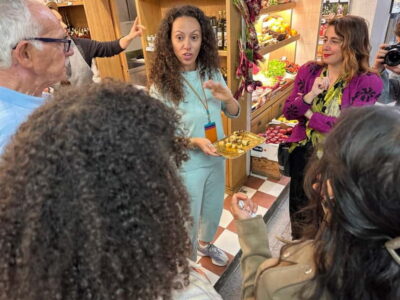
Florence: Street Food Tour with Wine & Local Guide
Read our review →
Florence Exclusive PRIVATE Food Tour with 6 or 10 Tastings
Read our review →Browse the lists this tour appears in