
Review · MARRAKECH
Cooking Classes Farm to Table Marrakech
The best part of this Marrakech cooking class comes before the cooking. You walk through the old medina to shop for vegetables, meat, herbs, fruit, and spices, then leave the city for a peaceful farm kitchen where you prepare lunch with your own hands. I like that the food begins at the market, not with ingredients already measured out.
I also like the small group limit of 12 and the choice built into many sessions. Depending on the day, you may prepare chicken, lamb, beef, or vegetarian tajine, along with couscous, bread, and several salads. The main caution is that this is a half-day activity with market walking and outdoor cooking, so hot weather can make it tiring.
Key points at a glance
- Market shopping comes first: Learn about Moroccan produce, spices, meat, and herbs while gathering the ingredients for the meal.
- The cooking is hands-on: You prepare your own tajine rather than simply watching a chef demonstrate.
- The farm setting changes the pace: Tea, sweets, trees, and garden space offer a calm break from Marrakech’s medina.
- Chef Abdel is central to the experience: He teaches in English, explains Moroccan cooking methods, and keeps the class lively.
- The menu can vary: Past sessions have included tajine, couscous, fresh bread, meatballs, and as many as nine Moroccan salads.
- The group stays intimate: The maximum is 12 people, with private-class options sometimes available at a higher price.
From Koutoubia to the Marrakech food market
The meeting point is at Koutoubia in central Marrakech, and the activity ends back at that point. Pickup is also offered, but the practical details should be confirmed when you book, since the published meeting instructions focus on meeting inside the medina.
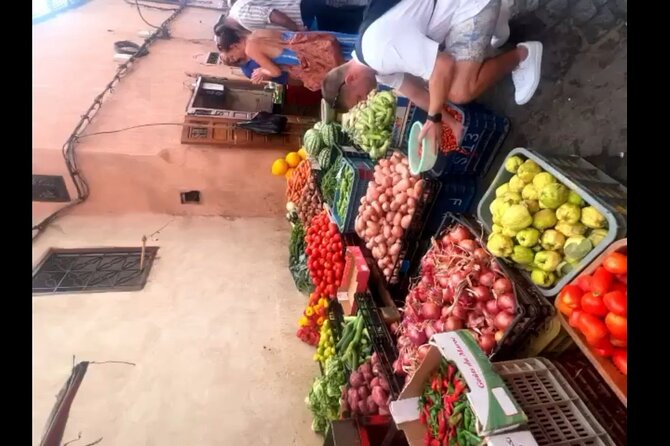
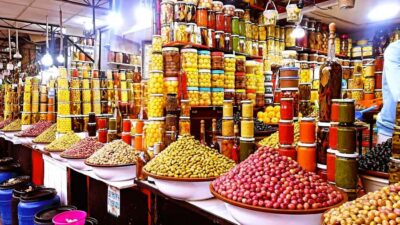
From Koutoubia, you head through the alleys of the old city toward a local market. This is not just a quick stop to collect ingredients. The market gives you a useful introduction to the raw materials behind Moroccan cooking.
You may help choose fresh vegetables, meat or poultry, herbs, fruit, and spices. The guide can explain what is in season and how different ingredients are used. It is also a good time to ask about preserved lemons, ras el hanout, couscous, and the spice combinations that give Moroccan food its familiar flavor.
Bring your phone or camera if you like taking pictures. The market portion offers plenty of chances for photos and short videos, but remember that it is a working food market, not a staged attraction. Stay close to the group and follow the guide’s lead when photographing people or vendors.
The market walk is one of the most useful parts of the day for anyone who has eaten tajine in Morocco but wants to understand it better. You see the ingredients before they become lunch. That simple link between shopping and cooking makes the meal feel more connected to the place.
More Farm to Table Experiences in Morocco:
- From Porto: 2 Wine Regions, Farm-to-Table Lunch & Boat
★ 4.9 · 5,724 reviews - Maui: Road to Hana Adventure with Farm to Table Lunch
★ 5.0 · 877 reviews - Thai Cooking Class | Since 2012 | Farm to Table
★ 5.0 · 496 reviews
The drive to a garden cooking space
After shopping, you go to the farm where the cooking takes place. The change is clear: you leave the narrow medina lanes and settle into an outdoor setting with trees and vegetation.
The farm is important to the character of the class. You are not cooking in a polished city studio with everything hidden behind the scenes. You can walk around the grounds, have Moroccan tea and sweets, and then move to an outdoor kitchen to begin preparing the meal.
I like this pause between the market and the cooking. Marrakech can be noisy and crowded, especially around the central medina. The farm gives you time to slow down before you start chopping, seasoning, and assembling the dishes.
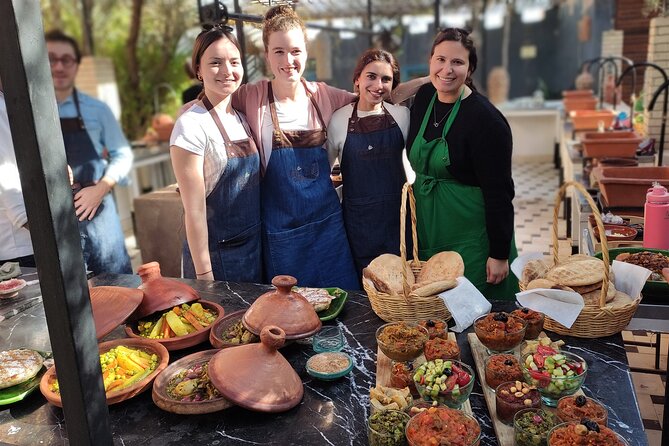
The setting also makes the class feel social. Several people can work at once, with some tasks handled individually and others done as a group. Past menus have included multiple salads and shared dishes, so the table can become quite a feast by lunchtime.
Keep your expectations sensible. This is a working farm setting, not a luxury restaurant. Outdoor cooking can mean heat, sun, and a less formal setup. That is part of the appeal, but it may not suit you if you want a polished indoor kitchen or a quick, tightly scripted lesson.
Cooking tajine with Chef Abdel
Chef Abdel, also referred to as Abdelhak in the activity details, leads the class with help from his team. Fathima has also been praised for her work behind the scenes. Abdel speaks English and explains the ingredients, preparation steps, and Moroccan food traditions as you cook.
The central dish is tajine, the slow-cooked Moroccan meal prepared in the familiar cone-shaped pot. You do not simply watch a finished dish arrive at the table. You work with the ingredients and learn the traditional method for building flavor.
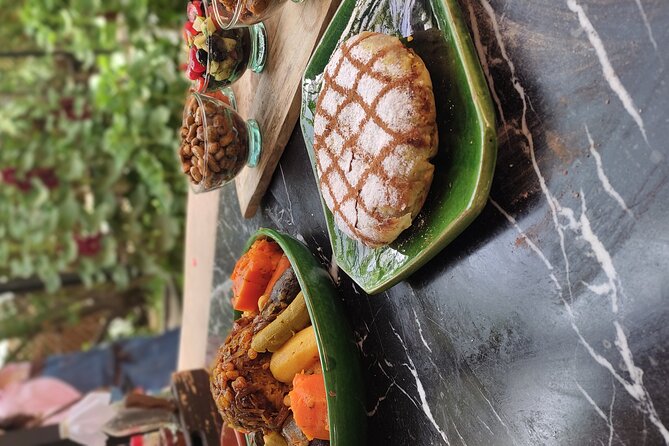
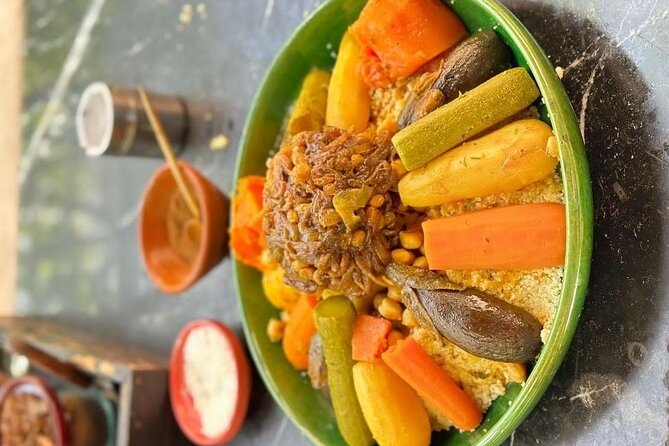
The exact menu is not fixed in every account of the class. Options have included sweet or savory tajine, chicken, lamb, beef, and vegetarian versions. Some sessions have also included couscous, fresh bread, meatballs, and several salads.
That flexibility is useful for groups with different tastes. One person can choose a meat dish while another chooses a vegetarian option. If a particular dish matters to you, ask about the current menu before booking, since the supplied information does not promise one fixed selection for every class.
The instruction appears suited to beginners. You can ask questions as you work, and the chef explains the role of spices and preparation methods rather than rushing through the steps. The class also has a practical quality: you learn by handling the food, not by sitting through a long lecture.
Expect a fair amount of food preparation. The class has produced four to six salads in some sessions and as many as nine in another. That variety is enjoyable, but it also means the experience may involve more chopping and group work than the simple phrase cooking tajine suggests.
Spices, salads, and the meal you make yourself
Moroccan food is not only about the tajine pot. The side dishes help you understand how a Moroccan meal is built, with several small salads, bread, couscous, and a main dish sharing the table.
The class can introduce you to ras el hanout, preserved lemons, herbs, and other staples. These are the ingredients that help explain why a dish can taste complex without relying on heavy sauces. You learn what the spices look and smell like before tasting them in the finished food.
The salads are especially useful for home cooks. They add contrast to the slower, warmer tajine and show how vegetables are seasoned in Moroccan kitchens. If you take notes, focus on the order of preparation and the balance of spices, not just the ingredient list.
Some participants have received recipes afterward by email. That is helpful if you want to recreate the meal, but check your junk folder if you do not see the message. It is also smart to write down unfamiliar spice names during the class rather than relying only on a later email.
The food portion is generous. A group may prepare a large shared meal, with each person working on an individual tajine or helping with communal dishes. You should arrive ready to eat, but not expecting a restaurant menu with unlimited choices. The class menu depends on the ingredients selected and the plan for that day.
More cooking classes around Morocco:
- Ramen Cooking Class at Ramen Factory in Kyoto
★ 5.0 · 1,937 reviews - Small Group Cooking Class & Market Food Tour in Florence
★ 5.0 · 1,574 reviews - Athens: Food Market Visit and Cooking Class with Wine
★ 4.9 · 1,087 reviews - Ramen & Gyoza Cooking Class in Tokyo with Local Supermarket Visit
★ 5.0 · 823 reviews
What the five-hour schedule feels like
The activity lasts about five hours, generally taking up half a day. The morning market visit, transfer to the farm, tea, cooking, and meal all fit into that block, though the exact timing can vary.
That length works well for a Marrakech trip. You get a substantial cultural activity without giving up the whole day. Afterward, you still have time for the souks, a museum, a hammam, or an evening meal in the city.
The pace is not designed as a race. You have time to look around the market, prepare food, and sit down to eat. I would still avoid scheduling an important timed attraction immediately afterward. Market shopping and group cooking rarely finish to the minute.
The experience suits people who enjoy participation. If you want to spend five hours tasting food with little work, choose a food tour instead. Here you are expected to chop, mix, season, assemble, and help create the meal.
Families can also find it a good fit. One account describes a group with six children and teenagers between eight and fifteen who all enjoyed the class. Younger children may need close supervision around knives, hot cookware, and outdoor cooking, but the hands-on structure gives older children a clear role.
Is $75.60 a fair price?
At $75.60 per person, the price covers more than a single cooking demonstration. You are paying for the market visit, the farm setting, instruction, tea and sweets, ingredients, the meal, and roughly five hours of organized activity.
That makes the price reasonable if you value the full experience. You see how ingredients are chosen, learn how the dishes are prepared, and eat what you make. It also saves you from arranging your own transport between the medina and a cooking venue.
The value is less clear if your main goal is simply to eat Moroccan food cheaply. Marrakech has many inexpensive places to order tajine, and a class costs more than lunch. The difference is that you leave with methods, ingredient knowledge, and a better sense of how the meal fits into Moroccan food culture.
Private classes may cost more. One private session involved shopping with Abdel and preparing about six dishes, including four salads, chicken tajine, and fresh bread. If you prefer personal instruction or are visiting during a quieter period, the extra cost may make sense. For most people, the small shared group already offers enough direct contact with the chef.
The experience is often booked well ahead, about 37 days in advance on average. That is useful planning information for a short Marrakech stay. If your dates are fixed, do not leave it until the final day.
Who will get the most from this class?
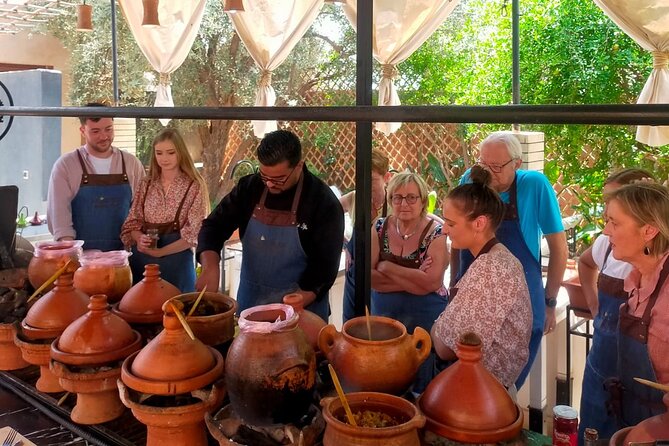
I would recommend it to you if you want a practical introduction to Moroccan food and enjoy meeting other people while cooking. It is particularly good for first-time visitors who have eaten tajine but want to understand the spices, shopping, and preparation behind it.
It also suits experienced home cooks. You may already know how to chop onions or season meat, but the market visit and traditional cooking methods add local context. The class is not limited to complete beginners.
Families with older children can enjoy the shared work, especially if everyone chooses a dish. Couples and small groups may prefer the private option when available, but the regular class keeps the price lower and adds a social element.
I would be more cautious if you have limited mobility or dislike uneven medina lanes, though the supplied details do not give a formal accessibility description. You should ask the provider before booking if walking through the old city or moving around the farm kitchen is a concern.
Hot weather is another consideration. The activity requires good weather, and much of the cooking takes place outdoors. Marrakech can be very hot in summer, so a cooler season may make the market walk and farm session more comfortable.
Booking details and cancellation
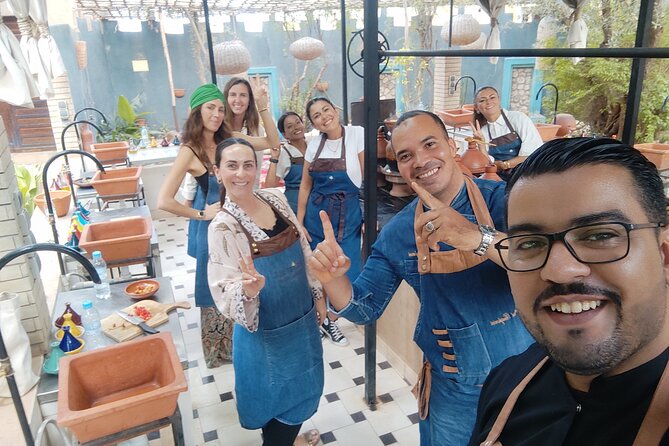
Confirmation is provided at booking, and the activity accepts mobile tickets. The group maximum is 12 people, which keeps the class from becoming a large demonstration.
Free cancellation is available up to 24 hours before the start time for a full refund. Changes or cancellations made less than 24 hours before the start time are not accepted for a refund. The cut-off uses local time.
Because the class depends on good weather and a minimum number of participants, the provider may cancel. In that case, you are offered another date or experience, or a full refund.
For transportation, the published start point is Koutoubia in Marrakech, while pickup is listed as available. Confirm the exact pickup plan, meeting instructions, and current menu before the day of the class.
Should you book Farm to Table Marrakech?
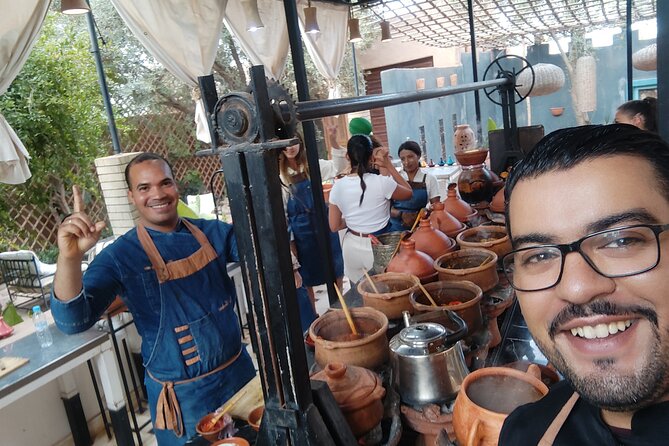
Yes, if you want more than a meal. The strongest part of this experience is the complete chain from medina market to farm kitchen to shared table. Chef Abdel’s clear instruction, the small group size, the choice of dishes, and the calm setting give the class real substance.
Book it especially if Moroccan food is a major reason for your trip, or if you like taking recipes home and trying them in your own kitchen. The price is fair for a five-hour activity with food, teaching, ingredients, and transport between settings.
Skip it if you want a short tasting, dislike cooking outdoors, or need a rigid schedule. For everyone else, this is a well-rounded half-day that gives you a better understanding of Moroccan cooking than simply ordering another tajine at a restaurant.
FAQ
Where does the cooking class start?
The listed starting point is Koutoubia, Marrakech 40000, Morocco. The activity ends back at the meeting point.
Is pickup available?
Pickup is offered, but the published meeting details also identify Koutoubia as the start point. Confirm the exact pickup arrangements when booking.
How long does the experience last?
The cooking class lasts approximately five hours, making it a half-day activity.
How many people can join the class?
The maximum group size is 12 participants.
What food do you cook?
The main dish is traditional Moroccan tajine. Depending on the session, you may also prepare couscous, salads, fresh bread, meatballs, or other dishes, with chicken, lamb, beef, and vegetarian options mentioned.
Is the class suitable for children?
The activity information does not set a minimum age. A group with children and teenagers aged eight to fifteen took part successfully, but young children may need supervision around cooking equipment.
What happens if the weather is poor?
If the class is canceled because of poor weather, you are offered a different date or a full refund.
Can I cancel for a full refund?
Yes. You must cancel at least 24 hours before the experience start time to receive a full refund. Cancellations or changes made less than 24 hours in advance are not accepted.
More food workshops around Morocco
- Sushi Making Tokyo Roll and Authentic Japanese Sushi Class
★ 5.0 · 3,971 reviews - Authentic Pizza Making Class in Naples with Appetizers and Drink
★ 5.0 · 3,178 reviews - Tokyo: Roll and Authentic Sushi Making Class in Asakusa
★ 4.9 · 1,957 reviews - Tokyo: Sushi Making Class in a Happi Coat near a Famous Spot
★ 4.9 · 1,377 reviews
More farm stops around Morocco
- Sorrento Farm and Food Experience including Olive Oil, Limoncello, Wine tasting
★ 5.0 · 2,524 reviews - Kauai Chocolate Farm Tasting Tour
★ 5.0 · 666 reviews - Sorrento: Farm Tour with Cheese Tasting & Pizza Making Class
★ 5.0 · 503 reviews - Farm-To-Table Healthy Cooking Class: Half-Day Tour
★ 4.8 · 41 reviews
Fresh off the menu around Morocco
- Tangier: Food Walking Tour★ 4.9 · 43 reviews
- Rabat: Walking Food Tour★ 4.9 · 48 reviews
- Marrakesh: Guided Street Food Tasting by Locals★ 4.6 · 47 reviews
- Marrakech: Medina Stories Food Tour with 15+ Tastings★ 5.0 · 141 reviews
- Marrakech Night Street Food Tour / Taste The Real Marrakech★ 4.9 · 200 reviews
- Marrakech: Authentic Moroccan Food Walking Tour & Dinner★ 4.8 · 261 reviews
- Fez: Foodie tour in the old Medina★ 4.7 · 27 reviews
- Night Tour of Casablanca with Street Food Tasting★ 4.8 · 29 reviews
Marrakech Food Tours, compared.
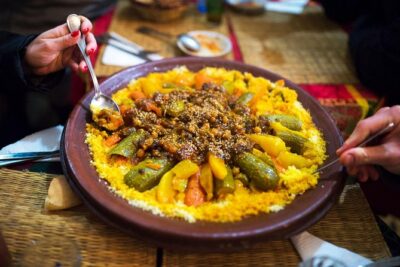
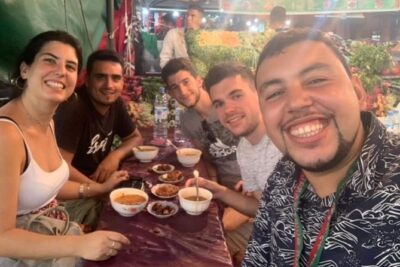
Authentic Moroccan Food Tour in Marrakech with Dinner
Read our review →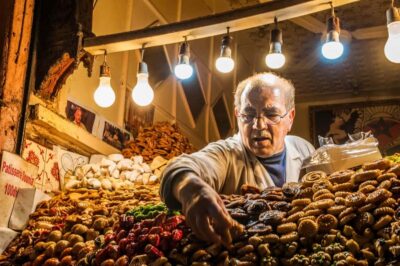
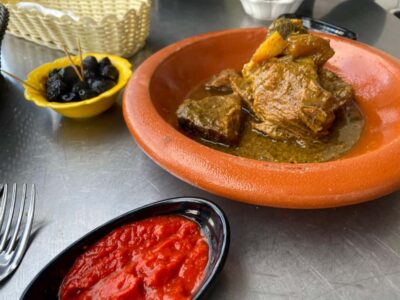
Marrakech Night Street Food Tour / Taste The Real Marrakech
Read our review →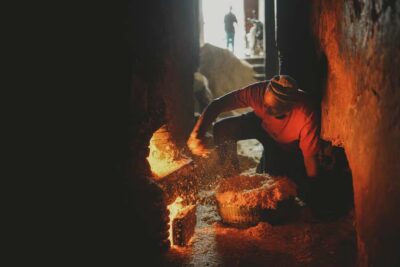
Marrakech: Medina Stories Food Tour with 15+ Tastings
Read our review →
Medina Tasting Tour: Experience Local Street Food & Culture!
Read our review →Browse the lists this tour appears in