
Review · MARRAKECH
Marrakech: Street Food Tour by Night
The best part of this Marrakech food tour is its sheer variety. You move from Jemaa el-Fnaa into the Medina’s side lanes, tasting olives, dates, soup, pastries, snails, roasted meat, and Moroccan specialties before sitting down to a full meal. Guides such as Yaya, Ali, Mohammed, and Omar add food lore, local stories, and plenty of humor.
I like that the food is not treated as a string of random samples. Your guide explains how tagine, tangia, harira, kofte, and local sweets fit into Moroccan cooking. I also like the value: at $43, you may receive a dozen or more tastings, drinks, and a three-course dinner, all while getting your bearings in the Medina.
The main consideration is appetite and pace. This is much more filling than a light tasting walk, and some groups can be large, with one group reaching 18 people. You may also encounter a herbalist stop that some participants found interesting but others felt included too much sales talk.
Key points to know before booking
- Expect a full dinner, not just snacks: Many routes finish with a three-course Moroccan meal on a rooftop restaurant.
- The food is unusually varied: Tastings can include olives, dates, almond drink, pastries, harira, snails, salads, tagine, tangia, kofte, and flatbreads.
- Your guide matters: Yaya, Ali, Mohammed, Omar, and others are praised for explaining dishes, keeping groups together, and making unfamiliar foods approachable.
- It is a useful first-night activity: You see Jemaa el-Fnaa, the souks, the Medina, and Koutoubia Mosque while learning what to eat during the rest of your stay.
- Come hungry and wear good shoes: The tour lasts two to three hours and includes repeated stops on uneven Medina streets.
- Choose private service for a quieter pace: Shared groups are social and good value, while a private tour gives you more room for questions and dietary discussions.
Starting at Jemaa el-Fnaa after dark
The meeting point is in the heart of Marrakech, generally around Hôtel Restaurant Café de France or another point shown with your booking. From there, the tour heads toward Jemaa el-Fnaa, the city’s famous main square.
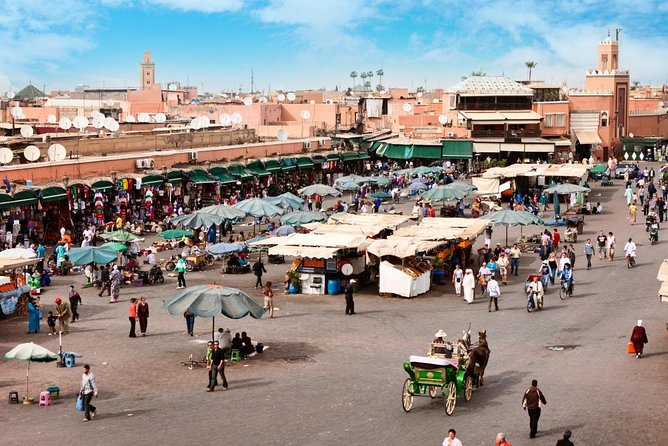
At night, the square becomes a stage of food stalls, movement, smoke, noise, and strong smells. It is a useful introduction to Marrakech, but it can also feel confusing at first. Having a guide is valuable here because you can concentrate on the food and atmosphere instead of trying to work out which lane leads where.
The itinerary allows about 30 minutes around Jemaa el-Fnaa for a visit, walking, and a photo stop. Do not expect a formal sightseeing lecture. This is more about getting your bearings, noticing how the square works, and beginning the evening with small tastes and local context.
The guide may explain what you are seeing around the stalls and how food fits into daily life in Marrakech. You can ask questions as you go, which is especially helpful if you are unsure about unfamiliar dishes or local eating customs.
More Street Food Tours in Morocco:
- Marrakech: Street Food Tour with a Local Guide
★ 4.9 · 3,119 reviews - Marrakech Night Street Food Tour / Taste The Real Marrakech
★ 4.9 · 200 reviews - Marrakesh: Guided Street Food Tasting by Locals
★ 4.6 · 47 reviews
Into the Mellah and the main market
The route continues toward the Mellah and the city’s main market. Here, the food is not prepared only for tourists. You pass displays of fresh fruit, meat, poultry, vegetables, spices, and herbs used in Moroccan cooking.
This part gives the tour more substance than a simple eat-and-walk outing. You see the ingredients before tasting them, and your guide can connect them to dishes later in the evening. Saffron, cumin, fresh herbs, olives, dates, and almonds all become easier to recognize once you have seen them in their market setting.
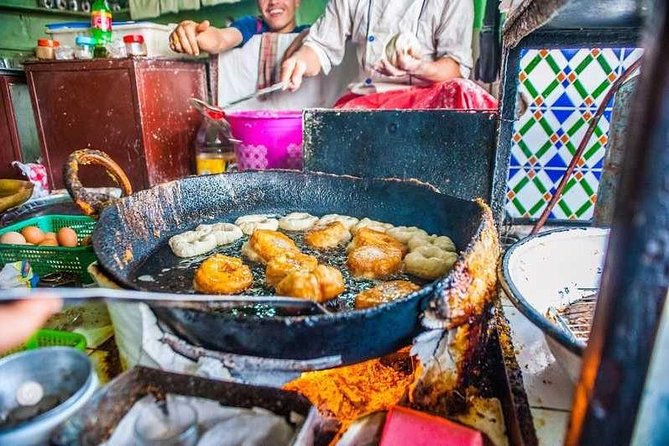
You may also watch an artisan prepare a local pastry. That small stop is worth your attention. Moroccan food is often shaped by hand, and seeing the work gives you a better sense of the time and skill behind something that might otherwise look like an ordinary sweet.
Haggling is another part of the scene. You get a glimpse of how buying food and goods works in the Medina, though this is not a shopping tour. Keep your attention on the guide, especially when the lanes are crowded.
Tasting tagine, pastries, and almond drink
The early tastings usually move between sweet and savory foods. You might try a Moroccan pastry, a charcoal-baked tagine, or another local snack before continuing through the market.
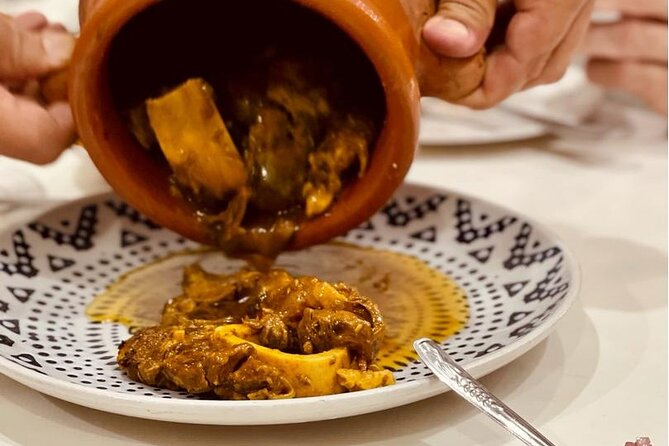
Tagine is not a single recipe. The word refers to both the cooking vessel and a broad family of slow-cooked dishes. Ask your guide about the different versions, the role of spices, and how the cooking method affects the food. That explanation makes the later meal more meaningful because you are not simply being handed a plate with a familiar name.
The charcoal-baked preparation is particularly interesting because it shows a cooking style that is tied to street food rather than a polished restaurant presentation. It may not look like the tagine you expect from a hotel dining room, and that is part of its appeal.
A small almond drink provides a pause between tastings. It is sweet, refreshing, and associated with local tastes. These palate breaks help because the evening includes a lot of food, often in quick succession.
You also receive a local recipe to take home. It is a modest souvenir, but a useful one. If you enjoy the meal, the recipe gives you a way to keep the experience going after Morocco.
Following the side streets of Souk Semmarine
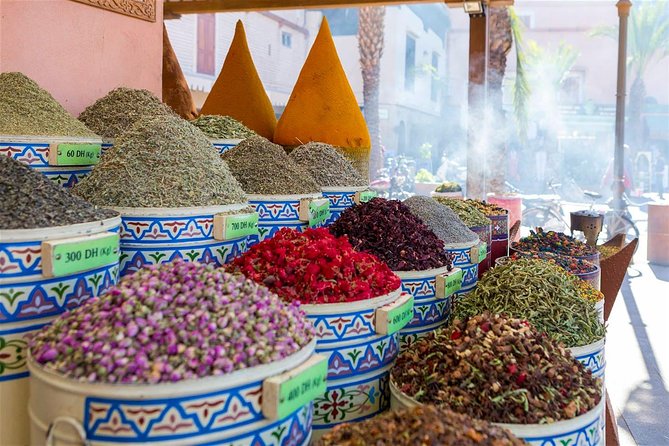
The tour then moves through Souk Semmarine and nearby lanes. This is where a guide earns the price of admission. The Medina is a maze, and some food stops are easy to miss if you are only following the busiest shopping street.
Expect about 30 minutes around the souk, though the full experience can run longer when the group pauses for food. Guides such as Yaya and Ali are praised for leading groups into side streets and introducing stalls that participants would not have tried alone.
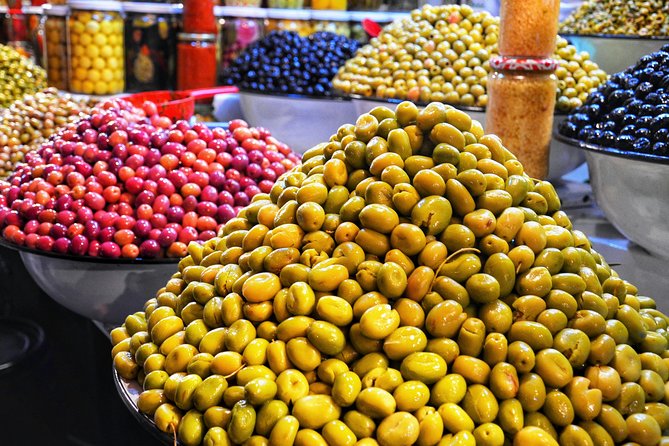
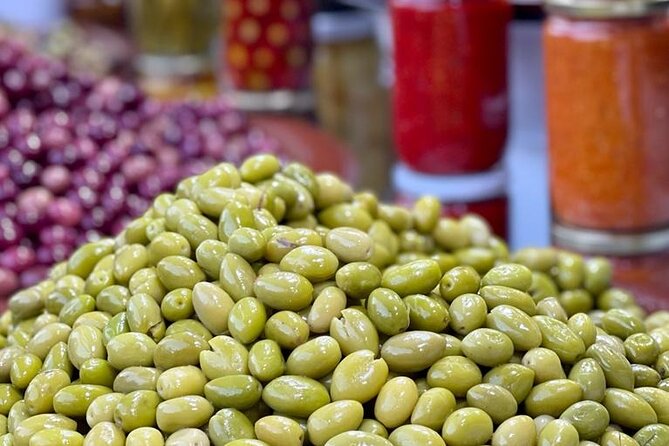
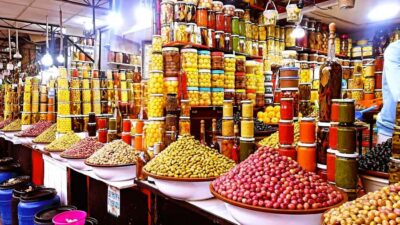
You may taste juicy olives, sweet dates, prickly pear, nuts, sweets, and small savory bites. These are simple foods, but they show how Moroccan eating is not limited to large plated dishes. A date or olive bought in the right setting can tell you as much about local habits as a complicated recipe.
Some tastings are adventurous. Snails are one example. The tour does not force you to try anything, so you can decide how far you want to go. If you are curious but hesitant, ask your guide how to eat the item and what flavor or texture to expect. Several guides have been praised for making unusual food feel manageable rather than turning it into a dare.
More Evening Food Tours in Morocco:
- Night Tour of Casablanca with Street Food Tasting
★ 4.8 · 29 reviews - Winner 2025 Rome Twilight Trastevere Food Tour by Eating Europe
★ 5.0 · 5,157 reviews - Winner 2025 Florence Sunset Food & Wine Tour by Eating Europe
★ 5.0 · 5,015 reviews - Saigon By Night and Street Food By Motorbike | Opt: Ao Dai Riders
★ 5.0 · 4,066 reviews
Seeing méchoui and tasting Moroccan soups
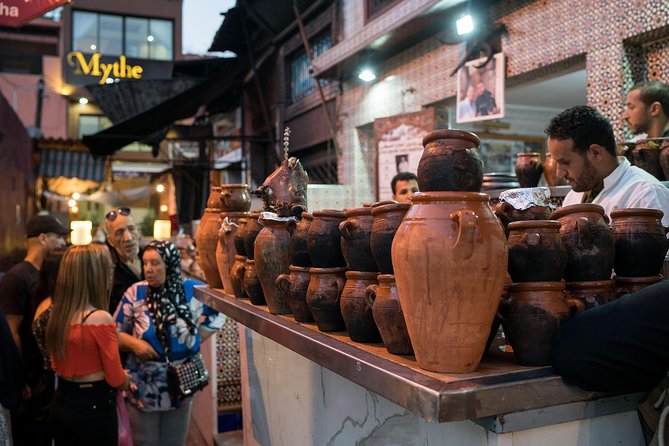
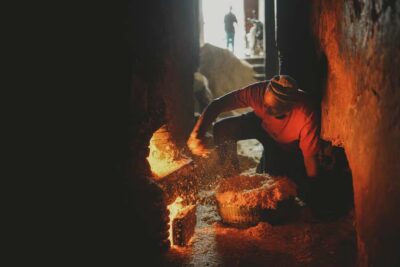
One of the more distinctive food sights is a méchoui maker preparing a whole roasted lamb or sheep in a traditional pit oven. This is not just a tasting stop. It is a chance to see how meat is cooked in a way that is hard to understand from a menu description alone.
The route may also include soup, often harira or a similar local preparation. Moroccan soups can be filling, especially when combined with bread and other snacks. If you have a sensitive appetite, pace yourself here. You are still only partway through the evening.
The food is accompanied by explanations of ingredients and customs. That context is one of the strongest parts of the tour. You learn not only what you are eating but also why the dish matters and how it relates to Moroccan home cooking or market life.
This is also a good point to tell your guide about restrictions. One guide, Yahya, took particular care with a guest who had celiac disease and checked with vendors about gluten-free choices. That does not guarantee every dietary need can be met, so raise the issue before tasting rather than after food has been served.
A hidden restaurant, tangia, kofte, and fresh bread
The walking section leads to a less obvious restaurant for more substantial food. The setting is different from the open-air stalls, and the change of pace is welcome after moving through the souks.
Here you may try tangia and kofte with freshly baked bread. Tangia is closely associated with Marrakech and is cooked slowly until the meat becomes tender. Kofte offers a more familiar comparison, usually built around seasoned minced meat. Trying both helps show the range within Moroccan cooking.
The bread matters. It is used to scoop and accompany food, and it makes the meal feel local rather than formal. Use this stop to slow down, ask questions, and save room. The final meal is still ahead.
You may also sample three salads made with fresh local ingredients. These can offer welcome contrast to meat, bread, and sweets. Moroccan salads often rely on vegetables, herbs, seasoning, and careful preparation rather than heavy dressing.
The rooftop meal and mint tea finale
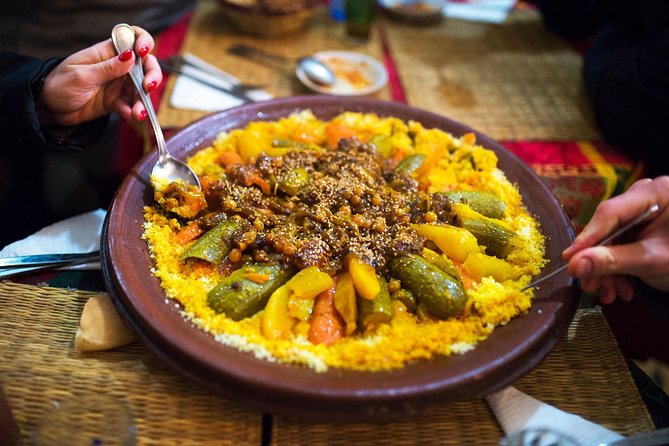
The evening commonly ends with a full three-course traditional meal at a rooftop restaurant or café. This is the detail that catches many people by surprise. You may arrive expecting a few samples and leave completely fed.
The meal is a practical reason to avoid eating a large dinner before the tour. Several participants found there was no need to eat afterward, and some said they wished they had eaten very little during the day. Bring an appetite, but do not treat that as a challenge. You will enjoy the evening more if you pace yourself.
The rooftop setting adds a pleasant finish. You can sit down, recover from the walking, and look across the courtyard or surrounding Medina roofs. The interior may include rugs, mosaic lamps, and fountains, giving the last stop a calmer feel than the market streets.
Mint tea closes the tour in familiar Moroccan style. It is more than a final drink. It gives you time to talk with the guide and other participants, compare favorite foods, and ask for recommendations for the rest of your stay.
What the $43 price includes
At $43 per person, this tour offers strong value if you take advantage of the full route. The fee includes the guide, food, drinks, and either a shared or private format. You are not paying only for a plate of food. You are paying for access to several food stops, local interpretation, navigation through the Medina, and a sit-down meal.
The value improves if your tour includes the larger range described by many participants: six or more food stops, numerous small tastings, and a final three-course dinner. One group counted about 12 stops and 15 dishes across three hours. The exact number may vary, but the clear lesson is to expect generous portions overall.
A shared group keeps the cost down and adds a social element. One group included 18 people from different countries, which created conversation and shared reactions to unfamiliar dishes. The tradeoff is less personal attention and a slower pace at food stalls.
A private group costs more than the shared option, but it may suit families, couples, or anyone with detailed dietary needs. You can ask more questions and spend less time waiting for a large group to gather.
Hotel pickup and drop-off are not included. You need to reach the meeting point yourself, and the exact meeting location may vary by the option booked. Check the confirmed meeting details before setting out.
Guides who make the food easier to understand
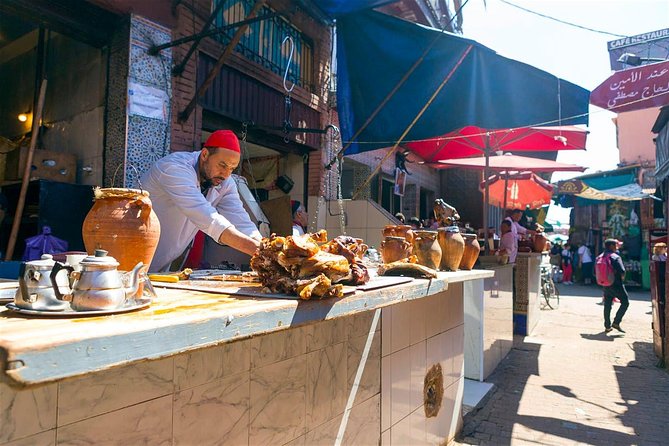
The guide is central to this experience. Names connected with the tour include Yaya, Yahya, Ali, Mohammed, Mohamed Kaseem, Omar, Mo, and Oussama. The strongest guides do three jobs at once: they lead you through the Medina, explain the food, and keep the group relaxed.
Yaya is often praised for knowing vendors around the Medina and arranging tastings in a sensible order. One useful feature of his approach is the progression from appetizers to sweets, water, soup, snails, and more substantial dishes. That kind of sequence keeps the food from feeling random.
Ali is described as energetic and entertaining, with a talent for mixing cultural information with humor. Mohammed is praised for making people feel at home and for explaining dishes with real enthusiasm. Omar is singled out for being friendly and informative, while Mo is noted for helping a multigenerational family enjoy the route, including an 80-year-old participant.
The guides speak English, Arabic, French, German, or Spanish, depending on availability. If you have a strong preference, check the language option when booking.
Who will enjoy this tour most
I would choose this tour for a first evening in Marrakech. It gives you an introduction to Jemaa el-Fnaa, Souk Semmarine, the Medina, the Mellah, and Koutoubia Mosque without asking you to plan every turn yourself.
It is especially good for curious eaters. You can try everyday foods, sweets, market produce, traditional meat dishes, and items you may not recognize. You can also skip anything that does not appeal to you, though the tour is more rewarding if you arrive open to trying at least a few unfamiliar tastes.
Families can enjoy it, but consider the walking, the late timing, and the amount of food. It worked for one family that included three generations, yet younger children or older participants may need a slower private format.
Vegetarians can ask about alternatives, and the food selection is broad enough to include salads, bread, sweets, drinks, olives, dates, and vegetable-based dishes. For allergies or celiac disease, tell the guide clearly at the start and ask for each item to be checked.
The tour is wheelchair accessible according to the activity information, but Medina lanes can still be busy and uneven. Confirm the exact route and meeting point if mobility is a major concern.
Practical advice for a smoother evening
Wear comfortable shoes. You will walk for two to three hours through market lanes, side streets, and the Medina, with frequent stops.
Eat lightly beforehand. This is the single most useful tip. A full dinner before meeting the group would make it harder to enjoy the later restaurant meal.
Bring a curious attitude, but do not feel pressured to try every item. Your guide can explain the more unusual foods, and you can choose your own limits.
Allow extra time if your plans are tight. The stated duration is two to three hours, but a patient guide may let the tour run longer so the group can finish its tastings and meal without rushing.
Cancellation is free up to 24 hours before the start time, and you can reserve now and pay later. Those policies help if your Marrakech plans are still shifting.
Should you book the Marrakech night food tour?
Book it if you want a guided introduction to Moroccan food and prefer several small discoveries over one formal dinner. The combination of market tastings, side-street food stops, local stories, and a full rooftop meal gives you a lot for $43.
I would skip it if you want a short, quiet tasting or if a large shared group would frustrate you. In that case, choose the private option, confirm dietary needs in advance, and expect the tour to feel more like a long evening meal with walking than a quick snack crawl.
For most first-time visitors, it is a smart first-night choice. Come hungry, wear good shoes, and keep some curiosity in reserve for the snails, soups, sweets, and dishes you may not recognize.
FAQ
How long does the Marrakech street food tour last?
The tour lasts about two to three hours. It may take longer if the group spends extra time tasting food and eating the final meal.
How much does the tour cost?
The listed price is $43 per person.
What food is included?
Food may include tagine, tangia, kofte, dates, olives, pastries, soups, nuts, salads, flatbreads, sweets, snails, roasted meat, and other local snacks. The tour also includes drinks and commonly finishes with a three-course meal and mint tea.
Is a full meal included?
Yes. The route commonly ends with a full traditional three-course meal at a rooftop restaurant or similar local restaurant.
Where does the tour start?
The meeting point may vary by booking option, but Hôtel Restaurant Café de France is provided as a starting location. Check your confirmed meeting details before going.
Is hotel pickup included?
No. Hotel pickup and drop-off are not included.
What languages are available?
The tour is offered with live guides speaking English, Arabic, French, German, or Spanish, depending on the selected option and availability.
Can I book a private tour?
Yes. You can choose between a shared group and a private group option.
Can I cancel the booking?
You can cancel up to 24 hours in advance for a full refund. Reserve now and pay later is also available.
What should I bring?
Bring comfortable shoes for walking through the Medina and souks. It is also wise to arrive hungry because the tour includes many tastings and a full meal.
Fresh off the menu around Morocco
- Tangier: Food Walking Tour★ 4.9 · 43 reviews
- Rabat: Walking Food Tour★ 4.9 · 48 reviews
- Marrakesh: Guided Street Food Tasting by Locals★ 4.6 · 47 reviews
- Marrakech: Medina Stories Food Tour with 15+ Tastings★ 5.0 · 141 reviews
- Marrakech Night Street Food Tour / Taste The Real Marrakech★ 4.9 · 200 reviews
- Marrakech: Authentic Moroccan Food Walking Tour & Dinner★ 4.8 · 261 reviews
- Fez: Foodie tour in the old Medina★ 4.7 · 27 reviews
- Night Tour of Casablanca with Street Food Tasting★ 4.8 · 29 reviews
Marrakech Food Tours, compared.
Authentic Moroccan Food Tour in Marrakech with Dinner
Read our review →
Marrakech Night Street Food Tour / Taste The Real Marrakech
Read our review →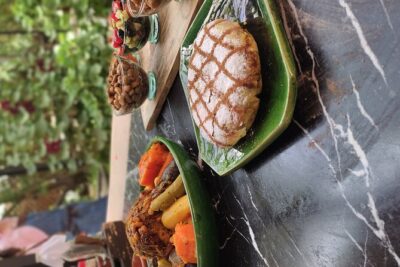
Marrakech: Medina Stories Food Tour with 15+ Tastings
Read our review →
Medina Tasting Tour: Experience Local Street Food & Culture!
Read our review →Browse the lists this tour appears in