
Review · BEIJING
Beijing: Dumpling Making Workshop with Meal and Tea
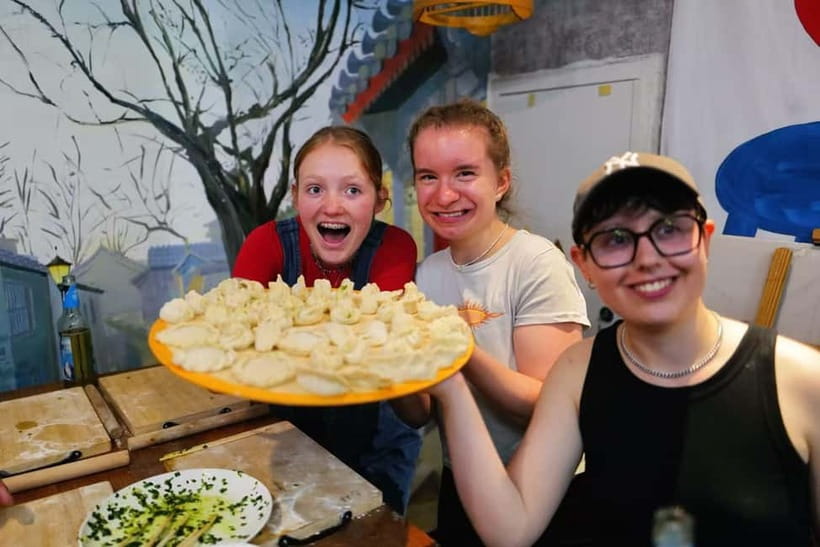
Beijing’s dumpling tradition becomes much easier to understand when your hands are busy. In three hours, you’ll roll wrappers, fill them, pinch them into shape, and sit down to eat the results with tea and other Chinese dishes. The setting is friendly and social, with English-speaking hosts such as Jenny, Janine, Eric, and Heyang leading the class on different dates.
I like the patient, step-by-step teaching, especially for first-time cooks, and I like the generous meal that goes beyond the dumplings you make. You may also learn several folding styles, not just one neat restaurant shape.
One point needs checking before you book: the description promises dough kneading, but one participant said the dough was already prepared and the class focused on rolling and shaping. If making dough from flour is the main reason you want to attend, confirm that detail first. People with food allergies should not book this activity.
What makes this class worth your evening
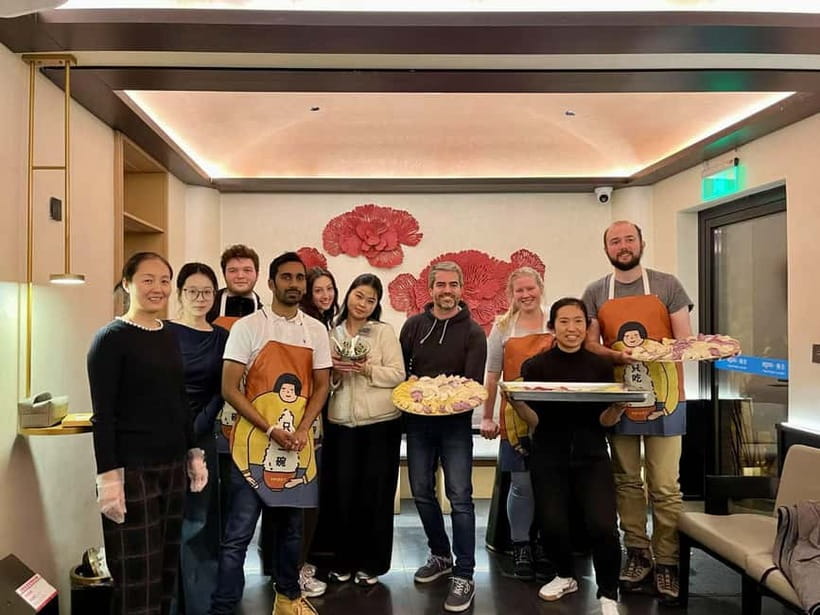
- Handmade dumplings at the center: Learn to roll wrappers, hold them correctly, add filling, and pinch them in different ways.
- A meal, not just a lesson: Your dumplings may be joined by dishes such as kung pao chicken, tomato and egg, cabbage, breaded chicken, dessert, tea, juice, water, and beer.
- English-speaking instruction: Guides explain the steps and cultural meaning in English, with hosts praised for being clear, patient, and easy to follow.
- A social Beijing experience: The shared table gives you time to chat with other participants while the dumplings cook.
- Useful cancellation terms: You can cancel up to 24 hours before the class for a full refund, and reserve now while paying later.
Rolling into Beijing’s dumpling culture
This class begins at 16:30, a useful time for an afternoon in Beijing. You can spend the earlier part of the day at a museum, palace, or neighborhood sight, then head to the meeting point without giving up your evening.
You meet the guide in a hotel lobby. The meeting point has been identified as the lobby of the Scared Hotel, close to the map pin supplied with the booking information. Since hotel names and map pins can cause confusion in Beijing, give yourself extra time and check the exact location before leaving.
There is no hotel pickup or drop-off. That keeps the $35 price reasonable, but it also means you must manage the trip to and from the class yourself. The activity lasts three hours, so it is best treated as a full evening meal rather than a quick cooking stop.
The class has a relaxed, communal feel. You are not simply watching a chef work behind a counter. You handle the ingredients, compare your shapes with the people beside you, and get immediate help when a wrapper tears or a filling escapes.
More Dim Sum and Dumpling Tours in China:
- Shanghai-Cooking Dumpling & Meal in Local Family-w/Vegan
★ 4.9 · 36 reviews - Hong Kong: Street Food Tour with Locals – Dim Sum and Wonton
★ 4.8 · 673 reviews - Warsaw’s No 1 cooking class-Polish dumplings with liqueur tasting
★ 5.0 · 576 reviews
What you actually learn at the table
The practical lesson starts with the basic building blocks: dough, wrappers, fillings, and folding. The stated program includes kneading dough, but the hands-on details can vary. One participant specifically wished there had been more preparation of the dough itself, while other descriptions emphasize rolling the prepared dough and shaping the dumplings.
That difference matters. If you already cook at home, kneading dough may be the part you most want to study. If you are new to dumplings, rolling and folding are often the tricky skills, and the class gives you repeated practice with both.
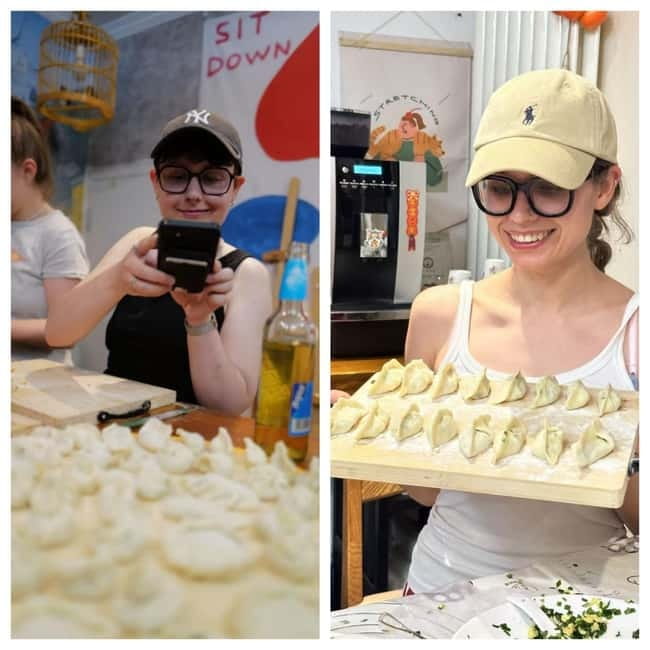
You learn how to roll the dough properly, place it in your hand, add filling, and pinch the edges in several styles. This is the useful part to take home. After a few attempts, you begin to see why a dumpling must be sealed firmly but not overloaded.
The hosts are known for patient demonstrations. Janine has been praised for clear English and a friendly manner, while Jenny was singled out for making the group feel comfortable as she demonstrated each step. Heyang and his sister have also been praised for guiding beginners through the entire process.
You should not expect a formal culinary-school lesson. The tone is informal, and the aim is to help you make edible dumplings while learning a little about the food. That is a strength for most people, though serious cooks may want more technical detail about dough texture, filling ratios, or cooking temperatures.
Filling, folding, and the question of preparation
The fillings are a strong part of the meal. Meat and vegetable options have both been prepared, and one participant specifically described the class as suitable for vegetarians. Still, the available information does not promise a fully vegetarian menu for every date, so tell the provider about your preferences when booking.
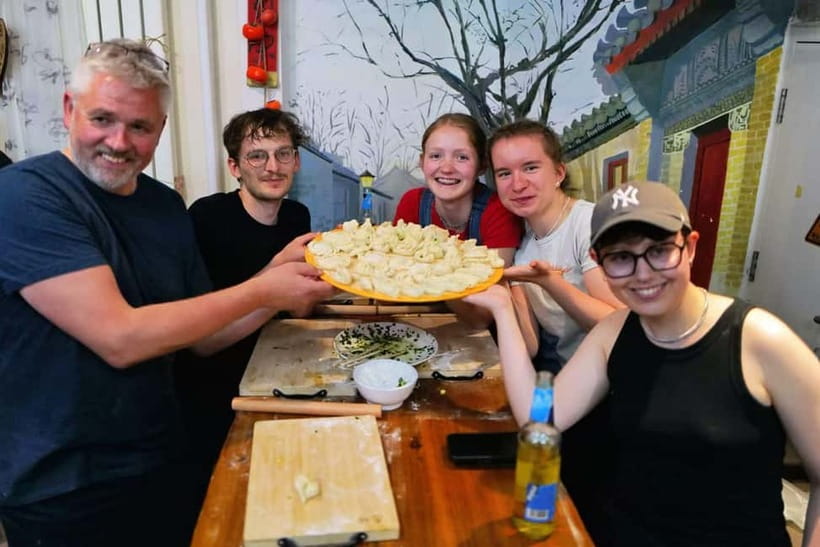
The class has received especially positive comments about the flavor of the fillings. You may make dozens of dumplings, which gives you plenty of chances to practice instead of treating each one as a precious single attempt.
Do not worry if your first dumplings look uneven. That is part of the fun, and a crooked dumpling can still taste excellent. The instructors show you how to pinch and fold, then let you repeat the motion until it feels natural.
The cultural explanation adds useful context. Dumplings are linked with Lunar New Year, family meals, good fortune, and regional differences across China. You are not getting a full food-history lecture, but the guide connects the activity to Chinese customs and everyday eating.
That connection is one reason I prefer this class to a standard restaurant meal. You still eat well, but you also understand why dumplings appear at important celebrations and why families often make them together.
From the cooking table to a shared dinner
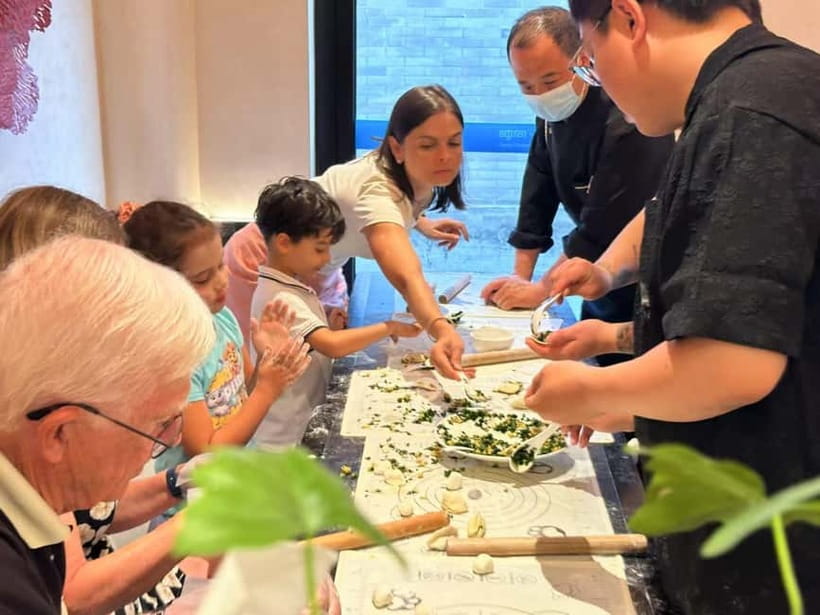
Once the dumplings are shaped, they are cooked for the group. The meal may include boiled dumplings with a soft wrapper or pan-fried dumplings with a crisp underside. The exact cooking mix can vary, but the important point is that you eat what you helped prepare.
The meal is more generous than dumplings alone. Past menus have included kung pao chicken, tomato with egg, cabbage, breaded chicken, other traditional dishes, desserts, and drinks. Beer, water, juice, and tea have all been included in the dining portion described for this activity.
This makes the $35 price look good, particularly in Beijing, where a meal, an English-speaking guide, ingredients, and a three-hour activity can quickly cost more when purchased separately. The value is strongest if you want both food and conversation. If you only want a cheap plate of dumplings, a local restaurant will cost less and take less time.
Tea is part of the experience, not a decorative extra. Sharing tea at the end gives the evening a calmer finish and provides another small link to local food customs. You may find the social rhythm appealing: cooking first, then sitting down as a group with food and drinks.
The communal setup also suits families, couples, and solo visitors who want an easy way to meet people. You do not need to arrive with a cooking partner. The group format gives you someone to talk with while the dumplings are being boiled or fried.
More food workshops around China:
- Sushi Making Tokyo Roll and Authentic Japanese Sushi Class
★ 5.0 · 3,971 reviews - Authentic Pizza Making Class in Naples with Appetizers and Drink
★ 5.0 · 3,178 reviews - Tokyo: Roll and Authentic Sushi Making Class in Asakusa
★ 4.9 · 1,957 reviews - Ramen Cooking Class at Ramen Factory in Kyoto
★ 5.0 · 1,937 reviews
The people who make the class work
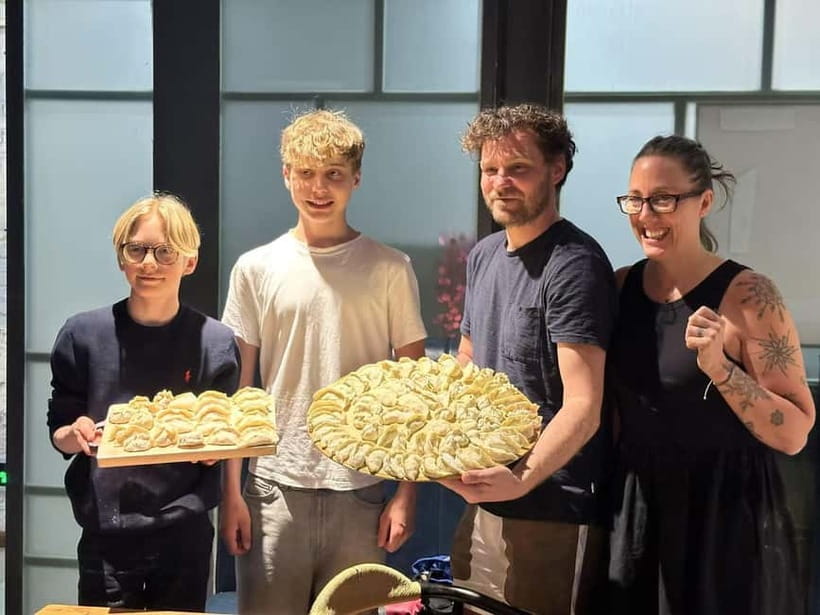
The individual guide matters here because the lesson depends on demonstration and encouragement. The listed language is English, and the instructors have been praised for being easy to understand.
Different dates have featured hosts including Eric, Zoey, Lan, Leo, Julie, Rachel, Harrison, Jenny, Janine, and Heyang. You should not assume a particular person will lead your session, but the repeated praise for clear instruction and warm hosting is reassuring.
Leo has also been described as unusually helpful when two people missed the class after getting lost. That does not mean you should arrive late or expect a private rescue service, but it suggests the provider takes hospitality seriously.
The best guides in this kind of class know when to explain and when to let you work. You want enough help to avoid frustration, but not so much that the instructor takes over every dumpling. The comments about patient demonstrations suggest the balance is generally good.
There is also a local setting associated with a traditional Beijing hutong, which adds character beyond a modern cooking studio. The exact setting may depend on the session, so book this for the food and teaching first, with the surroundings as an added benefit.
What the activity gets right, and where it falls short
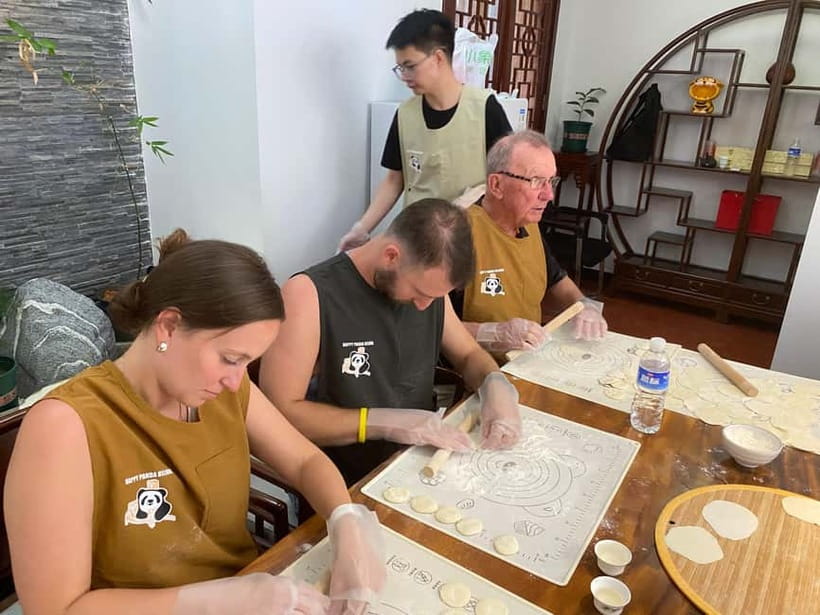
The strongest feature is the combination of instruction and a substantial dinner. You are not paying for a short demonstration followed by a small tasting. You make many dumplings, then eat them with extra dishes and drinks.
The second strength is accessibility for beginners. Several instructors have been praised for taking people from no experience to a finished meal. The steps are clear enough for first-time cooks, and the class does not require special skill.
The main weakness is the uncertainty around making the dough. The program describes kneading, yet one participant said the dough was prepared in advance. This may reflect a change in the class format, a difference between sessions, or a misunderstanding, but it is worth asking about before booking.
The class also is not suitable for people with food allergies. Shared ingredients and a group meal make this a poor choice if you need strict control over preparation. The supplied information does not provide a detailed allergen menu.
The three-hour length is another consideration. It is long enough to feel like a real evening activity, but too long if you want a quick snack between sightseeing stops. Comfortable clothes are recommended, and that is sensible since flour, filling, steam, and sauces are part of the evening.
Smoking is not allowed. The activity is wheelchair accessible, which is useful for visitors who need step-free access, though you should still confirm the exact meeting route if you have specific mobility requirements.
Who will enjoy this Beijing evening most
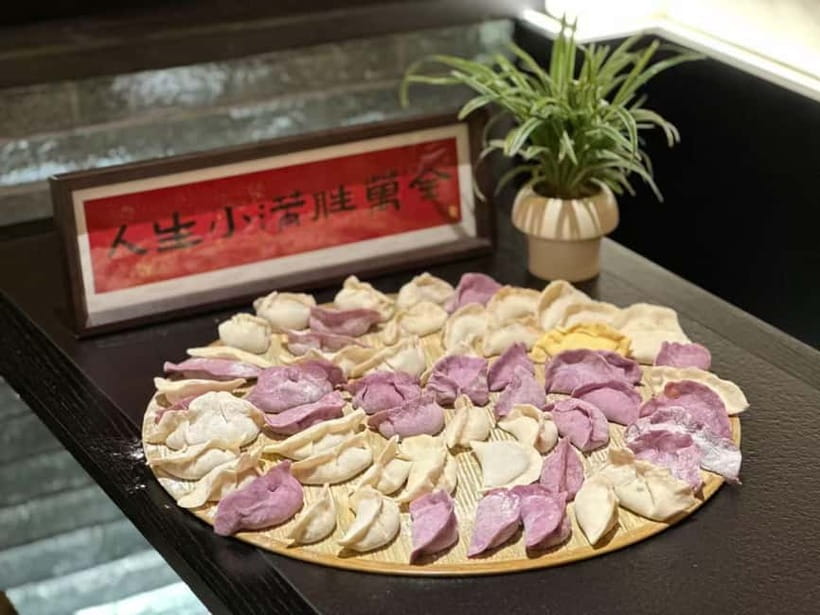
I would choose this class for a first visit to Beijing when you want something more personal than a list of monuments. It gives you a small window into family cooking, holiday customs, local hospitality, and the practical side of Chinese food.
It works particularly well for:
- Couples who want a shared activity rather than another restaurant meal
- Families with older children who can follow basic cooking instructions
- Solo visitors who enjoy meeting people at a communal table
- First-time cooks who want patient guidance
- Food lovers who want to learn a folding skill they can use at home
- Visitors with a free evening after sightseeing
I would be more cautious if you have a serious food allergy, need a strictly controlled diet, or expect a professional lesson about dough chemistry. The class is friendly and hands-on, but it is not presented as an advanced cooking course.
Vegetarians may find suitable food, since vegetable dumplings have been included and one participant described the activity as vegetarian-friendly. Still, you should confirm the menu before paying if this is essential to your plans.
Price, timing, and practical planning
At $35 per person, the activity offers solid value. The cost covers the three-hour class, ingredients, tea, other foods and beverages, and beer. Since the meal can include several extra dishes, you are paying for an evening of food as well as instruction.
The 16:30 start is fixed in the supplied details, so plan around it. You need to arrive at the meeting point independently, and there is no included hotel transport. The booking requires at least 12 hours in advance.
You can reserve now and pay later, which helps if your Beijing schedule may change. Free cancellation is available up to 24 hours before the start time for a full refund. Those terms are useful, but do not wait until the last minute if you want to secure a particular evening.
Wear comfortable clothes. You do not need to bring cooking equipment or ingredients, since the necessary food is included. Avoid smoking during the activity, and ask about allergies before booking rather than after you arrive.
Should you book the dumpling workshop?
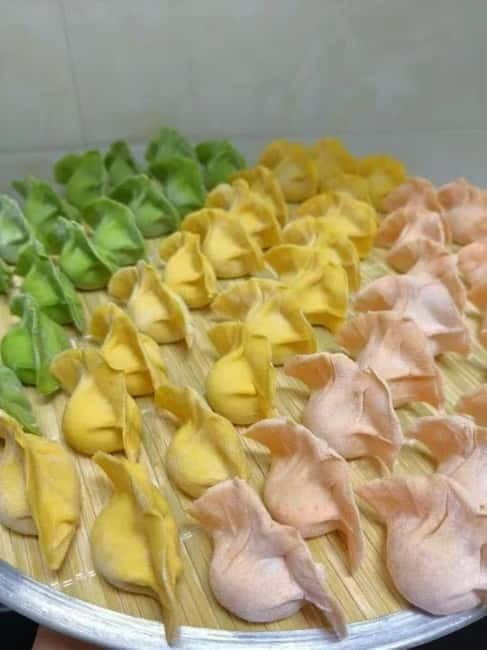
Yes, if you want a sociable Beijing evening built around food, conversation, and a simple practical skill. The best parts are the patient English instruction, the chance to shape many dumplings, and the generous meal with tea, beer, and additional dishes.
Book with one question in mind: will you knead the dough, or will you work with dough prepared in advance? If the answer affects your decision, confirm it first. For most people, rolling, filling, folding, and eating the dumplings still make this a worthwhile $35 experience, especially when you want a taste of everyday Chinese culture rather than another pass through a sightseeing checklist.
FAQ
How long does the Beijing dumpling-making class last?
The activity lasts three hours.
What time does the activity start?
The activity starts at 16:30.
Where do I meet the guide?
You meet the guide in a hotel lobby. The meeting point has been identified as the lobby of the Scared Hotel, next to the map location supplied for the activity.
Is hotel pickup included?
No. Hotel pickup and drop-off are not included, so you must make your own way to the meeting point.
Is the class taught in English?
Yes. The listed instruction language is English.
What food and drinks are included?
The class includes all dumpling-making ingredients, tea with the meal, other foods and beverages, and beer. Extra dishes have included items such as kung pao chicken, tomato with egg, cabbage, breaded chicken, and dessert.
Is the activity suitable for people with food allergies?
No. The activity is listed as unsuitable for people with food allergies.
Can I cancel the booking?
Yes. You can cancel up to 24 hours before the activity for a full refund. You can also reserve now and pay later.
Fresh off the menu around China
- Shanghai Must-See and Foodie Test Bike Tour( Day & Night)★ 4.7 · 70 reviews
- Shanghai: Half-Day Biking and Local Food Tour★ 4.9 · 170 reviews
- Shanghai-Cooking Dumpling & Meal in Local Family-w/Vegan★ 4.9 · 36 reviews
- Shanghai: Evening Walking Food Tour★ 4.9 · 115 reviews
- Late night food tour in Shanghai’s French Concession★ 4.9 · 31 reviews
- Beijing Hutong Food Crawl Delights: Peking duck, Hotpot&More★ 4.9 · 32 reviews
- Beijing: Hutong Breakfast Food Tour★ 5.0 · 22 reviews
- Eat Like A Local: Shanghai Night Food Tour★ 5.0 · 616 reviews
Beijing Food Tours, compared.

Beijing: Hidden Gems Guided Food Tour with Beer and Tastings
Read our review →
Beijing: Hutong Culinary Walking Tour with 15+ Tastings
Read our review →
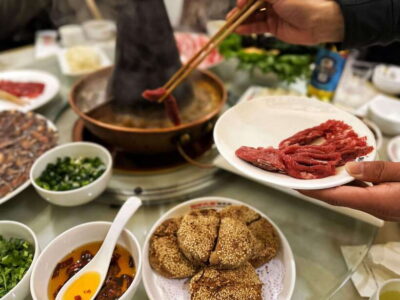
Beijing Hutong Food Crawl Delights: Peking duck, Hotpot&More
Read our review →Browse the lists this tour appears in