
Review · ITALY
Ostuni: Olive Oil Tasting Tour
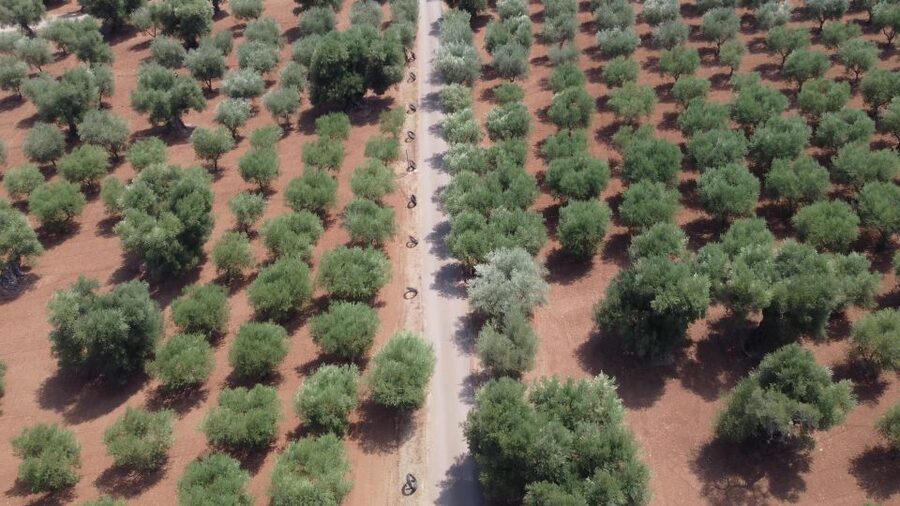
The most memorable part of this Ostuni outing is not the tasting table. It is the walk through olive trees that may have been growing here for two thousand years, followed by the cool, shadowy 16th-century underground oil mill. Puglia’s olive oil tradition becomes much easier to grasp when you can see where the work happened.
I like the mix of old and new, and I like that the tasting comes with simple local foods rather than a bare spoon and a sales pitch. The setting at Masseria Valente is peaceful and photogenic. The main caution is time: the experience is sold as one hour, while the detailed schedule allows about 1.5 hours, and one four-star assessment found the tour too quick for its price.
Key points at a glance
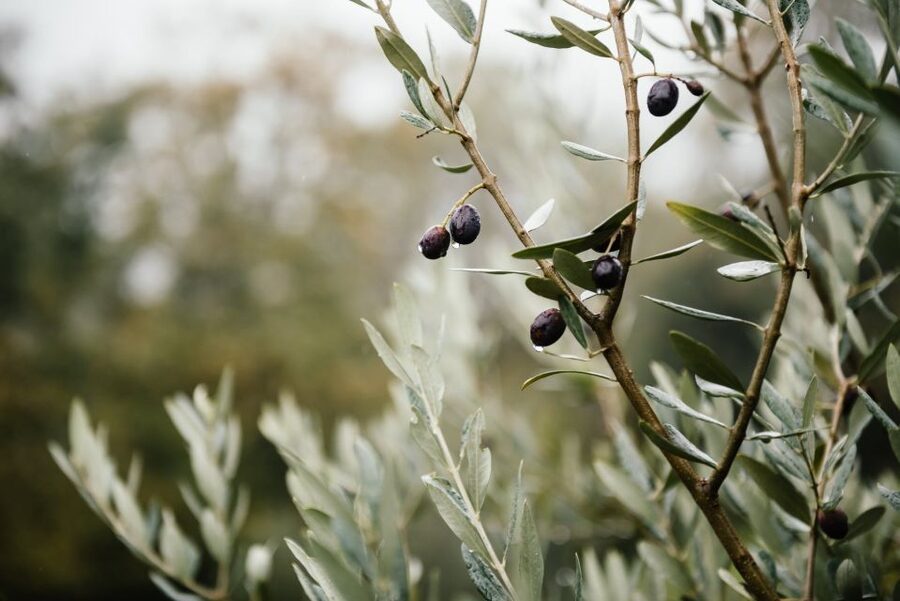
- Ancient olive trees: Walk among millenary trees, including some said to date back more than 2,000 years.
- Two historic mills: See a 16th-century hypogeum press room below ground and a 19th-century epigean mill above ground.
- Three organic oils: Taste different oils with olives, tarallini, and fried broad beans.
- Guides vary by date: Angela, Carla, Maria, and others have led sessions, with English and Italian available.
- Good value for food and history lovers: At $53 per person, the price is fair if you value the setting and instruction, less so if you want a long meal or a broad tasting.
- Bring your own transport: Transfers are not included, so you must reach Masseria Valente yourself.
Walking into Puglia’s olive country

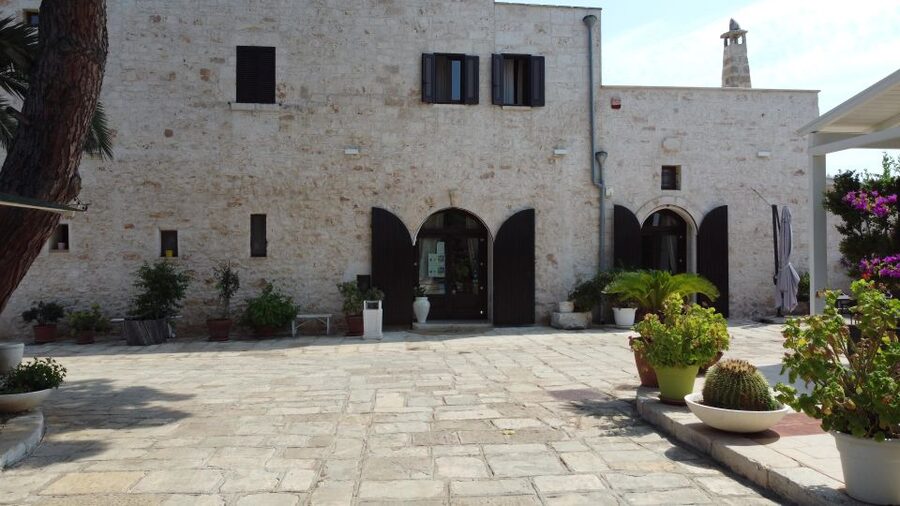
Masseria Valente gives you a useful introduction to rural Apulia without asking you to give up a whole day. A masseria is a traditional farm estate, often built around agricultural work, storage, and accommodation. Here, the farm setting is part of the experience rather than a backdrop added for photographs.
Your visit begins at the property, where you should arrive 15 minutes before the start time. The activity is guided in English or Italian, but the exact guide depends on the date. Angela, Carla, and Maria have each led sessions praised for clear explanations, warmth, and a good sense of pace. One English-language visit was less successful, with the guide struggling to answer questions, so communication can vary.
The first walk takes you among old and young olive trees. You will see the difference in scale and shape across the grove, from younger plantings to huge, gnarled trunks. Some trees are said to have been planted by veterans of the Punic Wars more than 2,000 years ago. That claim is part of the estate’s story, but even without treating every date as a precise fact, the age and size of the trees make the walk special.
I would not rush this part. Take time to look at the hollow trunks, twisted branches, and rough bark. The grove also gives you the best chance for photographs, especially if you enjoy the quiet details of farm life rather than only grand monuments. During the olive harvest in October, you might see picking underway. That seasonal glimpse helps connect the old methods explained inside with the work still done today.
More Olive Oil Tastings around Italy:
- Sorrento Farm and Food Experience including Olive Oil, Limoncello, Wine tasting
★ 5.0 · 2,524 reviews - Sorrento: Lemon, Olive Oil and Wine Tasting Tour with Lunch
★ 5.0 · 300 reviews - Olive Oil Museum: Extravirgin school – Food & wine tasting
★ 5.0 · 39 reviews
Inside the 16th-century hypogeum mill
The underground mill is the heart of the visit. The word hypogeum means below ground, and this press room was cut into the earth rather than built as a conventional room above it. The underground setting is practical as well as atmospheric. It protected the working area from some of the heat outside and provided space for storing and processing olives.
Here, your guide explains how oil was made in earlier centuries. You learn how olives were handled, pressed, and stored, and how those methods differ from modern production. The stone rooms and original processing floor make the explanation easier to picture than a talk in a modern tasting room would.
Several people particularly enjoyed seeing the original underground processing floor. That makes sense: the machinery and spaces show the physical effort behind olive oil production. This is not simply a lesson in labels and flavors. It is a look at farm labor, storage, and food production in rural Puglia.
The cave can be cool and uneven underfoot, although the supplied details do not give specific accessibility information. If you have mobility concerns, ask the provider before booking. The tour includes a guided visit, but it is not described as a fully accessible route.
Comparing the underground and above-ground mills
After the hypogeum, you visit the 19th-century epigean mill. Epigean means above ground, so this later mill lets you compare two different periods of production in the same estate.
That comparison is one of the strongest reasons to book this rather than a tasting alone. You see how the farm changed over time and how olive oil production moved from older underground spaces toward more modern working arrangements. The guide also discusses the difference between virgin and extra virgin olive oil, a distinction many people use without fully understanding.
The explanations are aimed at ordinary food lovers, not specialists. You should leave with a better idea of what you are tasting and what to look for when buying a bottle later in your trip. One participant said the visit gave them enough confidence to select better olive oil and olives. That is a practical benefit, especially if you plan to shop in Puglia.
The historic buildings also give the experience a stronger sense of place. You are not tasting an anonymous product in a city shop. You are learning about oil at a farm where olive cultivation has shaped the property for generations.
What arrives at the tasting table
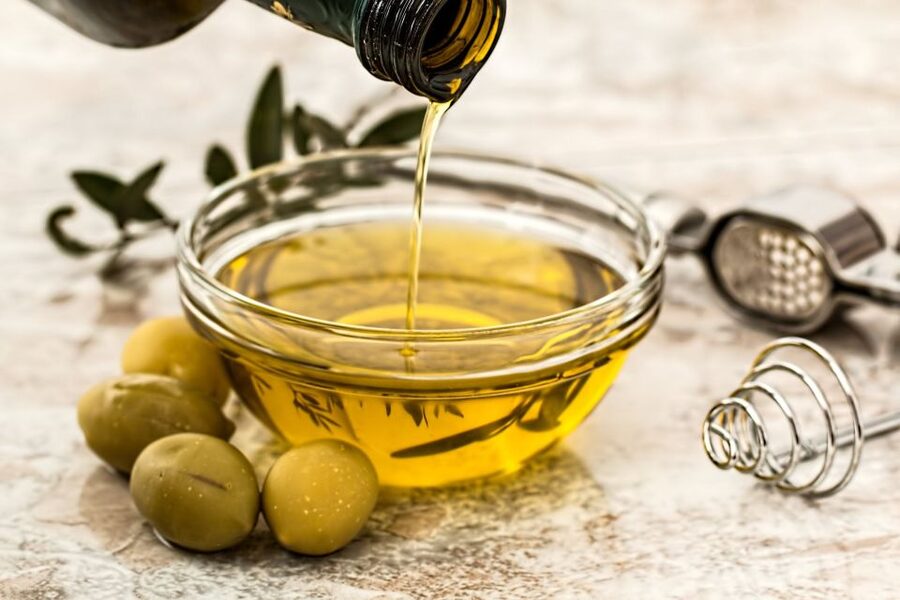
The tasting includes three organic oils. The point is comparison, so take your time between samples. Look for differences in aroma, bitterness, peppery heat, and how long the flavor stays in your mouth. You do not need expert vocabulary. If one oil seems sharper or greener than another, that is useful information.
The oils come with olives, tarallini, and fried broad beans. Tarallini are small, ring-shaped Apulian snacks, usually crisp and lightly seasoned. The broad beans add another local flavor and give you something more substantial than bread alone.
This is a tasting rather than a full lunch. That distinction matters. One person wished there were more oils and lunch options on the property. You may be able to extend your visit with wine and appetizers in the dining room, as some visitors did, but those additions are not part of the $53 package.
The included food makes the price easier to accept because you are receiving more than three tiny samples. Still, if your main goal is a generous meal or a large range of oils, this is not the right format. Think of it as a compact food lesson with a light snack, not a farm-to-table lunch.
More food tours around Italy:
- Winner 2025 Rome Twilight Trastevere Food Tour by Eating Europe
★ 5.0 · 5,157 reviews - Winner 2025 Florence Sunset Food & Wine Tour by Eating Europe
★ 5.0 · 5,015 reviews - Naples: Street Food Walking Tour with Local Guide
★ 4.9 · 4,976 reviews - Rome: Street Food Tour with Local Guide
★ 4.8 · 4,077 reviews
How much time do you really need?
The stated duration is one hour, while the detailed schedule gives about 1.5 hours for the visit, tasting, and guided tour. That difference is worth noting when planning your day. The actual pace may depend on the group, questions, and how much time is spent walking through the estate.
I like the short format for a busy Ostuni itinerary. You can fit it around a morning in the old town, a beach stop, or another meal without giving up half a day. The walk, mills, and tasting cover several subjects in a compact package.
The drawback is that the tour can feel brief at $53. If you want long conversations with the guide, a large tasting, or time to linger over lunch, you may leave wishing the visit lasted longer. Ask questions as you go rather than saving them all for the end.
The pace has generally been described as comfortable, but the quality of the explanation can depend on the guide and language match. English speakers should confirm that an English-speaking guide is scheduled if detailed discussion is important to them.
Is $53 a fair price?
At $53 per person, this is not the cheapest olive oil tasting in Apulia. Its value comes from the setting and the historic access. You are paying for a guided walk through an old olive grove, a visit to two mills from different periods, instruction about olive oil, and three organic samples with local snacks.
I consider the price reasonable if you are already planning to visit Ostuni and want more than a quick shop tasting. The ancient trees and underground mill give the experience a sense of place that a standard tasting room cannot match. The farm estate also offers a café and hotel, which may make it easier to add food or extend your stop.
The value is weaker if you judge the outing only by the quantity of oil and food. Three oils is a modest tasting, and lunch is not included. The one critical assessment focused on the tour being too quick for the cost, while another person felt it was good value. Your decision depends on what you want from the visit.
You also need to arrange your own transport. Transfers are not included, so check the route to Masseria Valente before booking. The activity begins and ends at the masseria, not in central Ostuni.
Who will enjoy this Masseria visit?
I would recommend it to you if you like food traditions, farm buildings, photography, and short guided outings with a clear focus. It is especially useful for anyone who buys olive oil but has never learned how to compare oils or understand the extra virgin label.
Families with older children may also find the ancient trees and underground rooms more engaging than a standard museum. The visit gives young people something concrete to see, touch, and smell, although no child-specific program is described.
This is also a good choice for a couple looking for a calm stop outside Ostuni. The grove is peaceful, and the estate provides a change from the whitewashed streets and busy viewpoints of town.
I would hesitate if you want a full culinary workshop, a long meal, or a highly technical production tour. The experience is introductory and compact. It explains traditional production clearly, but it is not described as a hands-on pressing class.
Practical details before you book
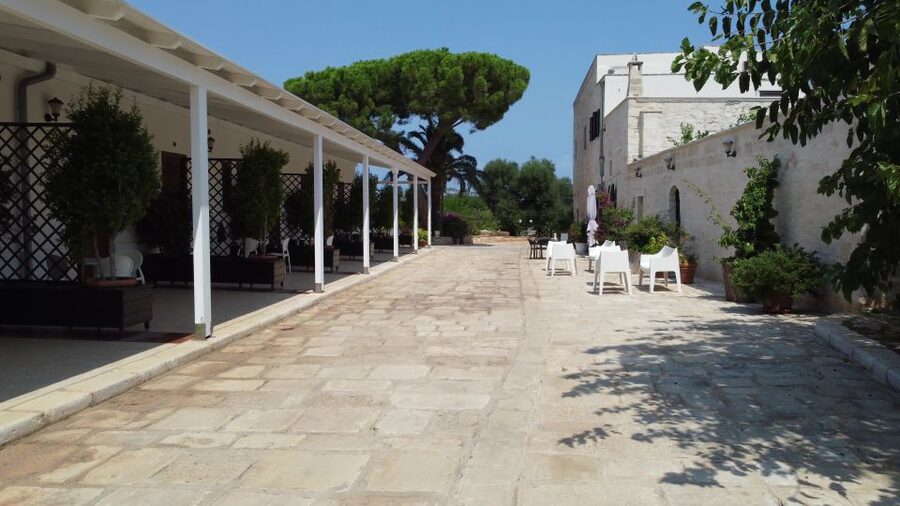
Reserve a start time that leaves you room to reach Masseria Valente early. You are asked to arrive 15 minutes before the activity begins, and arriving late could cut into the walk or tasting.
The price is listed at $53 per person. A live guide is provided, with English and Italian offered. The exact guide may vary. Names associated with the experience include Angela, Carla, and Maria, but you should not assume a particular person will lead your session.
Free cancellation is available up to 24 hours before the activity for a full refund. You can also reserve now and pay later, which helps if your Apulia plans are still shifting.
Wear something comfortable for walking around the farm. The provided details do not specify ground conditions, so sensible footwear is a safe choice. If you have concerns about the underground mill, ask about the route in advance.
My call: book it for the setting, not just the oil
I would book this if you want to understand why olive oil matters so much in Puglia. The ancient grove, underground mill, and three-oil comparison work together well, and the local snacks make the tasting feel connected to the region.
I would skip it if you are looking for a long lunch or a large-scale tasting. At $53, the experience needs to be judged as a guided farm and history visit with food, not as a simple sampling session.
For the best fit, plan it as a compact stop during an Ostuni day, allow roughly an hour to 1.5 hours, and arrange your own transport. If the English explanation is important, confirm the language when booking. With those expectations in place, Masseria Valente offers a thoughtful look at rural Puglia and the old trees that still shape its food culture.
FAQ
Where does the olive oil tour begin?
The tour begins and ends at Masseria Valente near Ostuni, in Apulia, Italy.
How long does the experience last?
The activity is listed as one hour, while the detailed schedule allows about 1.5 hours for the visit, guided tour, and tasting.
Which languages are available?
Live guides are available in English and Italian.
What is included in the tasting?
You taste three organic olive oils with olives, tarallini, and fried broad beans.
Is transportation included?
No. Transfers are not included, so you must make your own way to Masseria Valente.
Can I cancel the booking?
Yes. You can cancel up to 24 hours before the activity for a full refund. Reserve now and pay later is also available.
Fresh off the menu around Italy
- Taormina Pizza making class★ 4.8 · 140 reviews
- Taormina: Pizza Making Class with Lunch and Wine Tasting★ 4.8 · 145 reviews
- Taormina: Shared or Private Food & Wine Walking Tour★ 4.6 · 167 reviews
- Taormina: Half-Day Pizza Making Class★ 4.8 · 353 reviews
- Syracuse: The Street Food Tour in Ortigia with a Local Guide★ 5.0 · 134 reviews
- Syracuse: Sicilian Street Food Hands-On Cooking Class★ 4.9 · 38 reviews
- Street Food Walking Tour: Discover Livorno’s Local Flavors★ 5.0 · 72 reviews
- Lecce: Guided Street Food Walking Tour with Food and Wine★ 4.6 · 273 reviews
Italy Food Tours, compared.
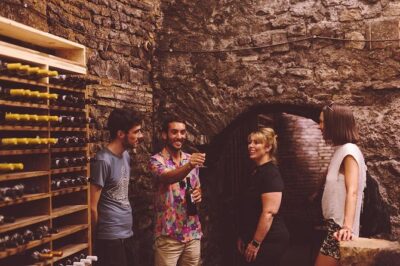
Winner 2025 Rome Twilight Trastevere Food Tour by Eating Europe
Read our review →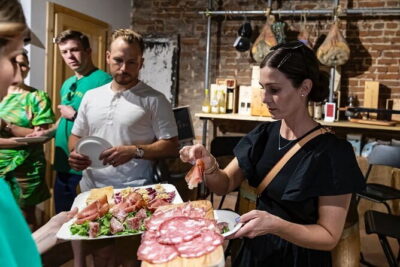
Winner 2025 Florence Sunset Food & Wine Tour by Eating Europe
Read our review →
Naples: Street Food Walking Tour with Local Guide
Read our review →

From Florence: Small Group Wine Tasting Tour to Tuscany
Read our review →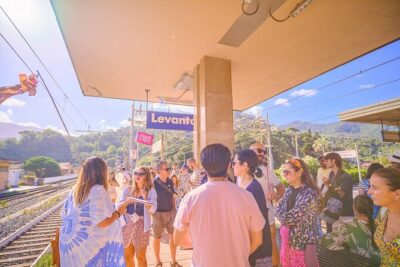
Florence: Cinque Terre Park Day Trip with Optional Street Food
Read our review →
Rome Food Tour: Unlimited Tastings with Fine Wine & Barolo
Read our review →
Rome Food Tour: Campo de’ Fiori, Ghetto, Trastevere Winner 2024
Read our review →Browse the lists this tour appears in