
Review · ITALY
Olive Oil Museum: Extravirgin school – Food & wine tasting
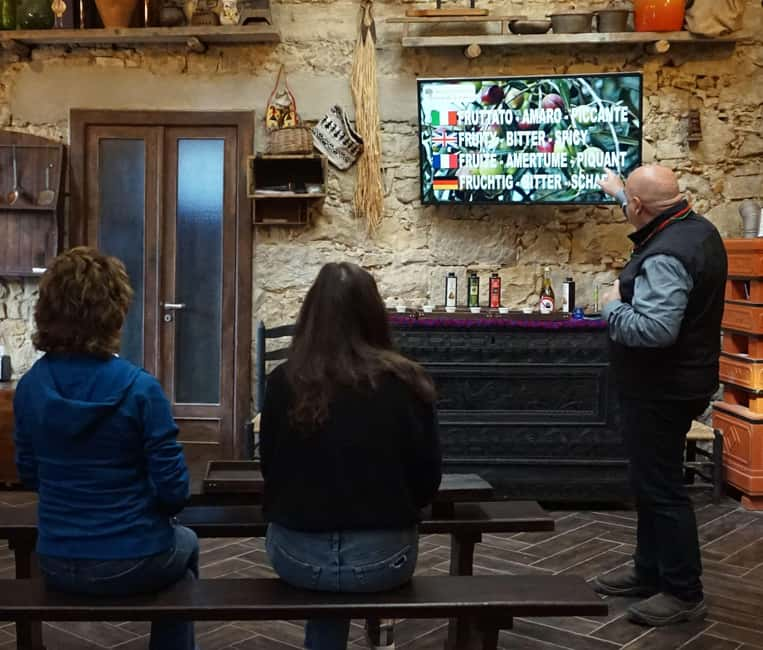
The best part of this Sardinian olive oil experience is that it teaches you how to judge oil instead of simply asking you to taste it. At Olio del Tempio, Francesco Locci explains fruitiness, bitterness, and spiciness, then puts those ideas to work with several oils, Sardinian snacks, and sparkling wine.
I like the blend of new and old: you see a modern mill, then step into a museum filled with old lamps and oil-making tools. I also like the practical value. After an hour, you can make better choices at home, and the special prices on the mill’s oils make it easy to take a useful souvenir with you.
The main drawback is the short running time. One hour allows for a brisk introduction, tasting, and museum visit, but not a slow factory tour or a long meal. If you want a full afternoon centered on food, this will feel compact.
Five good reasons to book
- Learn the three key oil sensations: Francesco explains how fruitiness, bitterness, and spiciness help you recognize a sound extra virgin olive oil.
- See old and new Sardinia together: A modern mill and the Sa mola de su notariu museum give the visit two very different moods.
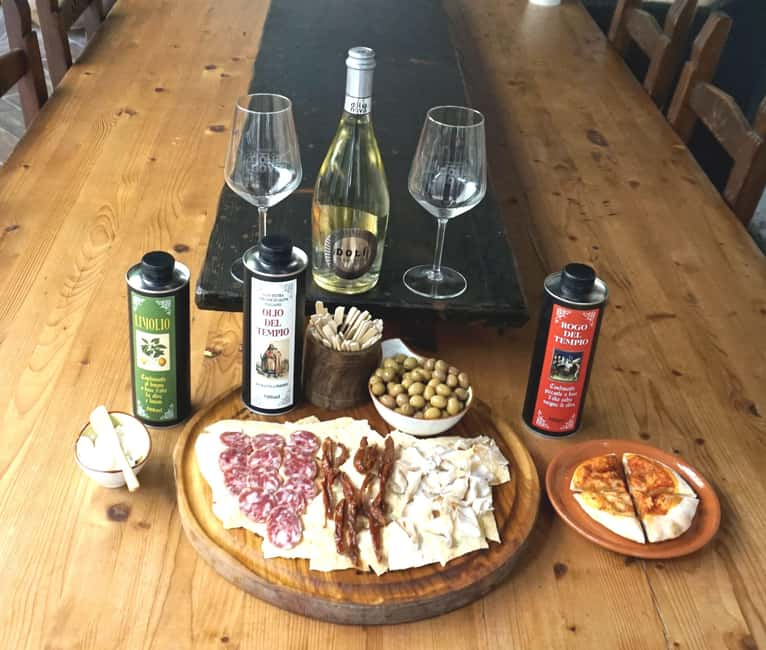
- Taste more than plain olive oil: Limolio combines organic olives and lemons, while Rogo del Tempio carries nine traditional Sardinian herbs and a spicy finish.
- Enjoy a proper local snack board: Cured meats, carasau bread, olives, regional foods, and fresh sparkling wine turn the lesson into a small social tasting.
- Shop with a purpose: You can buy the oils on site at special prices, after learning what makes each one different.
Why this one-hour visit is worth your time
Sardinia is often presented through beaches, cliffs, and old stone villages. Food tells another part of the story. Olive oil has been made here for more than 400 years, and this experience connects that long tradition with modern production methods.
You are not simply shown a bottle and told that it is good. You learn what to notice in the glass and on your palate. That matters because supermarket labels can be confusing, and many people are used to judging oil only by how mild or peppery it tastes.
The setting also gives the hour some variety. You begin at a working oil mill, move through a museum of older equipment, attend a short lesson, and finish with food and wine. It is a useful change of pace from sightseeing, especially if you are staying near Cagliari and want an activity that feels tied to local life.
The experience costs $60.35 per person. That is not a bargain-priced snack stop, but the fee covers the guided mill visit, museum entry, oil lesson, multiple tastings, Sardinian food, sparkling wine, and access to discounted oils. If you plan to buy quality oil anyway, the shopping opportunity adds practical value.
More Olive Oil Tastings around Italy:
- Sorrento Farm and Food Experience including Olive Oil, Limoncello, Wine tasting
★ 5.0 · 2,524 reviews - Sorrento: Lemon, Olive Oil and Wine Tasting Tour with Lunch
★ 5.0 · 300 reviews - Ostuni: Olive Oil Tasting Tour
★ 4.4 · 171 reviews
Starting at Olio del Tempio
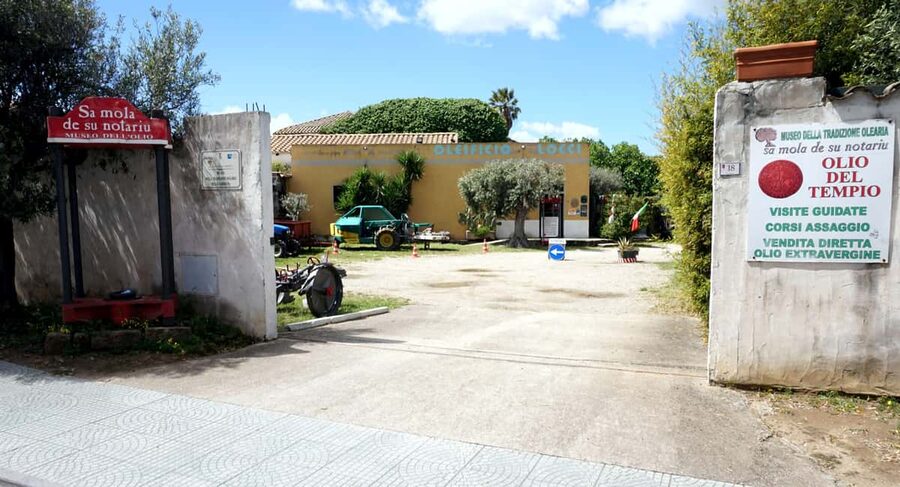
You meet at Museo dell’olio Sa mola de su notariu, also identified as Olio del Tempio. There is a large free parking lot, so arriving by car is straightforward. If you are using public transportation, bus line 108 runs from central Cagliari and takes about 54 minutes.
That bus journey makes this a possible outing without a car, though you should check the departure time before booking. The activity lasts one hour and returns you to the same meeting point, so you will need to plan your onward transport around the starting time shown when you reserve.
The site is wheelchair accessible and welcomes dogs. A water bowl is available for dogs, which is a small but thoughtful touch if you are touring Sardinia with a pet. Free Wi-Fi is also available.
The guide languages are English, French, and Italian. Francesco Locci leads the experience, and his enthusiasm for the subject is part of the appeal. You get a person who can explain why an oil tastes a certain way, not just a standard presentation about pressing olives.
Seeing how modern olive oil is made
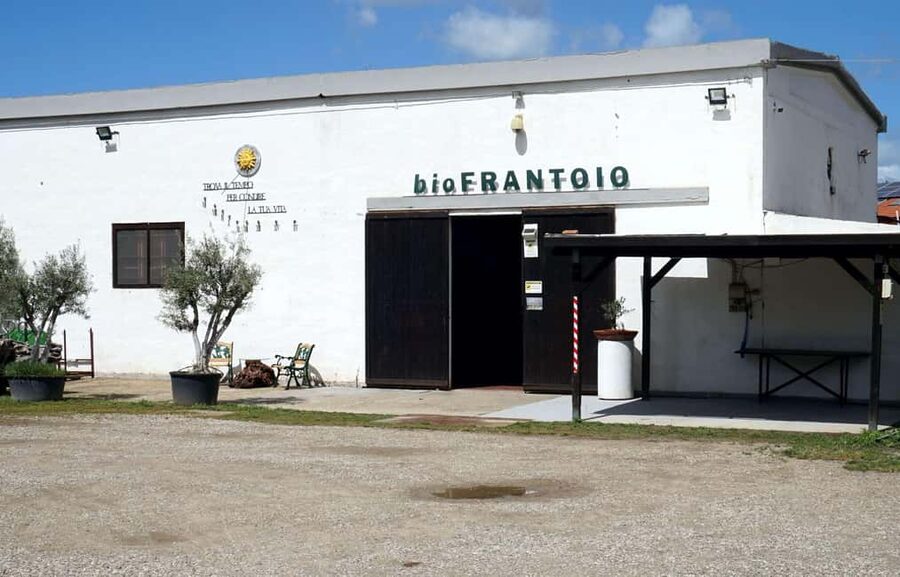
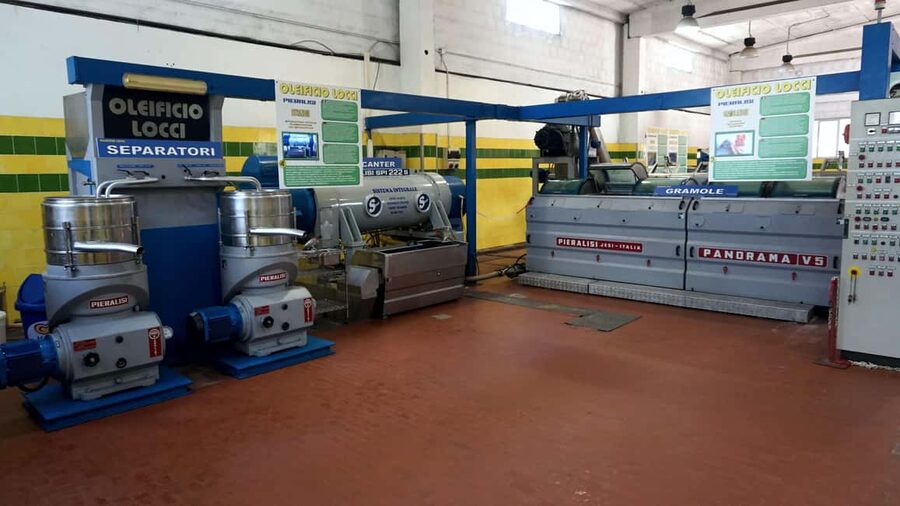
The first part takes place at the modern oil mill. A short guided visit lasts about 10 minutes, supported by video presentations that show the stages of harvesting and processing.
This is a brief introduction rather than a long production tour. You should expect an overview of how olives become oil, not an extended look at every machine or a lengthy walk through the plant. Still, the modern facility gives the tasting a useful foundation. Once you understand that harvesting and processing affect the final product, the differences in the glass become easier to grasp.
The contrast with the museum is one of the strongest features. The working mill shows how olive oil is produced today, while the older collection shows the tools and customs that shaped oil production in Sardinia. Together, the two stops make the subject more concrete.
If your main goal is to watch a full industrial process in operation, the 10-minute visit may feel too short. If you want a clear introduction before tasting, it does the job without taking over the experience.
Entering Sa mola de su notariu
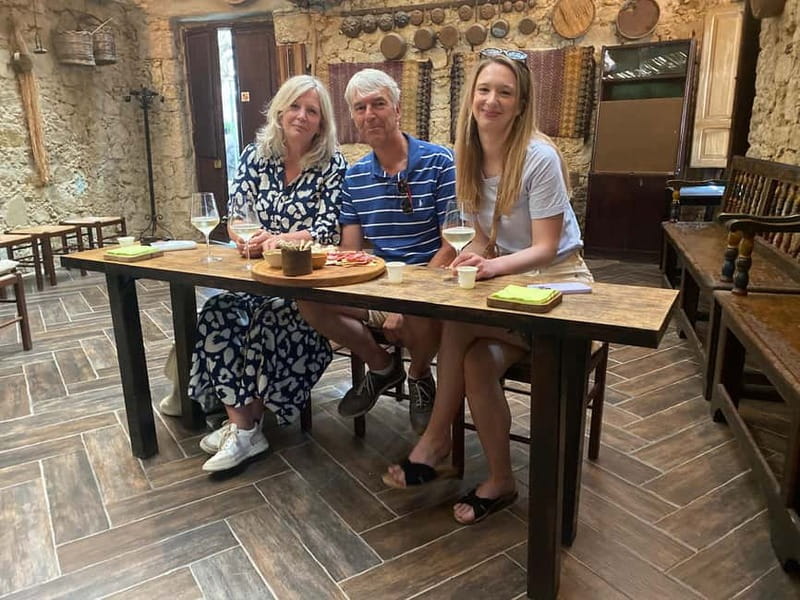
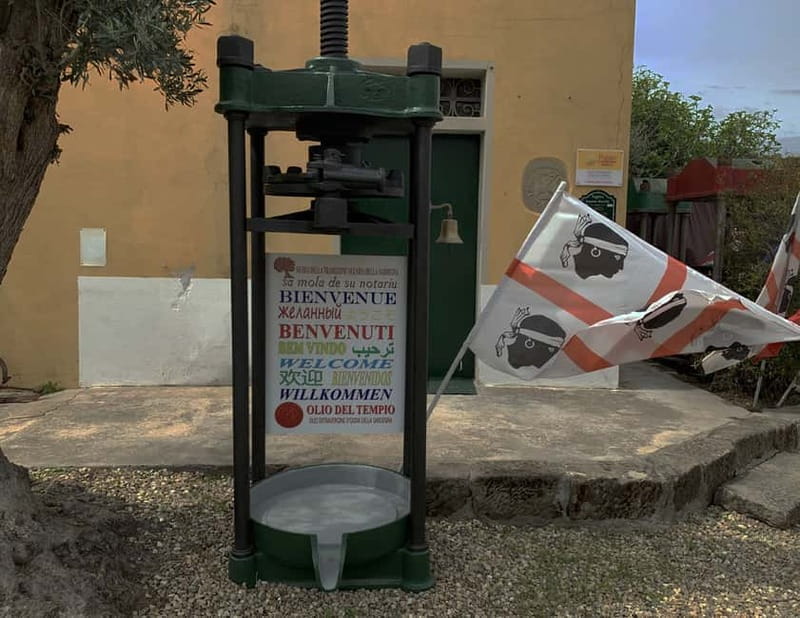
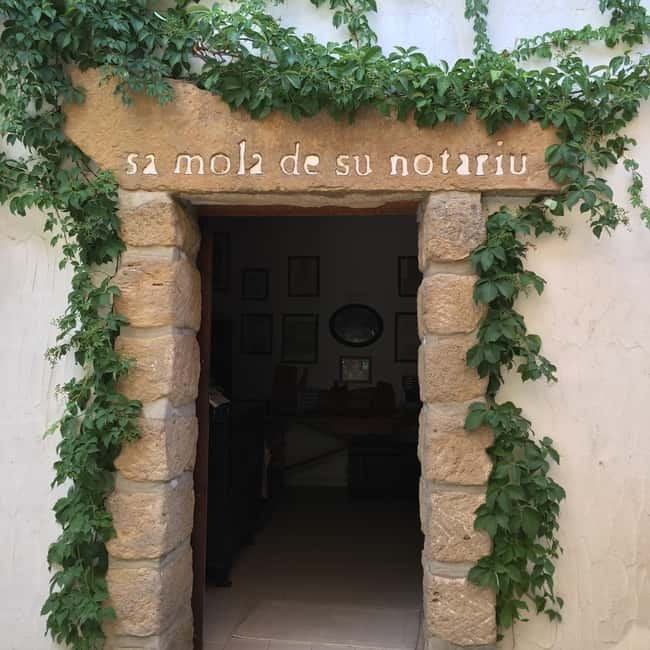
The museum is called Sa mola de su notariu. It focuses on the history and traditions of extra virgin olive oil in Sardinia, with old equipment, lamps, and other objects connected with oil through the centuries.
The most unusual feature is the old underground cistern. You have the chance to go down into this space, where oil lamps and ancient artifacts are kept. It adds a sense of place that a modern tasting room alone could not provide.
This is where the experience moves beyond product sampling. Olive oil was not merely a pantry item. It served practical and cultural roles, and lamps linked it to daily life before modern lighting. The museum helps you see why oil remains such an important part of Sardinian food traditions.
The museum visit is included in the price, and it is compact enough to fit into the one-hour schedule. Allow yourself time to look closely, but do not expect a large museum with a full day’s worth of exhibits. Its value comes from the connection to the mill and tasting.
More Food and Wine Tours around Italy:
- Winner 2025 Florence Sunset Food & Wine Tour by Eating Europe
★ 5.0 · 5,015 reviews - From Florence: Tuscany Wine & Food Tour with Guide
★ 4.9 · 1,746 reviews - Rome by Night – Ebike Small Group Tour – Food and Wine (Option)
★ 5.0 · 1,275 reviews - Rome by Night: E-bike Small Group Tour -Food & Wine (Option)
★ 4.9 · 1,233 reviews
Learning to taste extra virgin olive oil
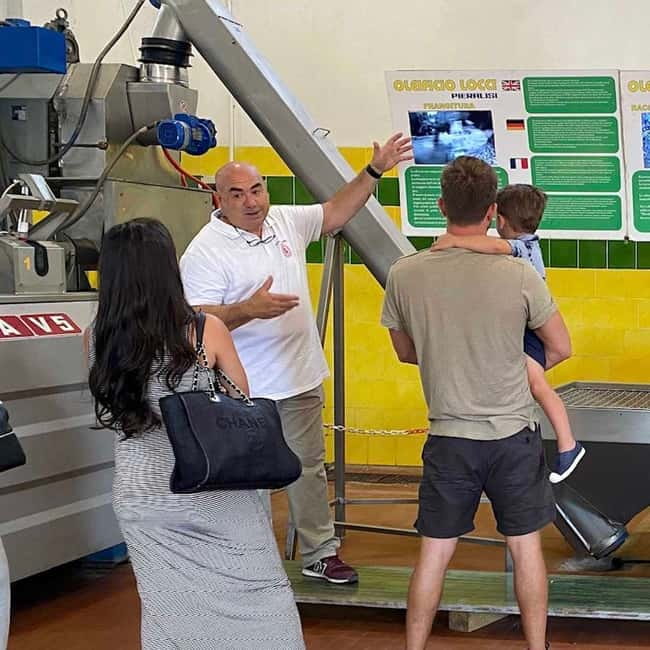
The class is the heart of the activity. Francesco uses an explanation and slides to show you how to recognize a high-quality extra virgin olive oil. The tasting then gives you a chance to apply what you have just learned.
You will focus on three basic sensations:
- Fruitiness, the fresh olive character that may suggest green or ripe fruit.
- Bitterness, a natural quality that can indicate the presence of useful olive compounds.
- Spiciness, the peppery feeling that may appear in the throat and linger after tasting.
The point is not to decide that every bitter or spicy oil is automatically better. You learn that good oil can have character, and that a strong sensation is not the same as a fault. This is useful knowledge when you buy oil in Sardinia or back home.
The tasting also makes clear that extra virgin olive oil is not one uniform flavor. Some oils are gentle, some are lively, and some work better with particular foods. That is a more helpful lesson than simply naming a favorite bottle.
The class and food tasting take about 20 minutes, followed by another 20 minutes for wine and local snacks. The timing is brisk, so pay attention during the explanation and ask questions while Francesco is guiding you. This is not a long formal course, but it gives you a solid starting point.
Trying Limolio and Rogo del Tempio
Two flavored oils give the tasting a distinct Sardinian touch. Limolio is made with organic olives and lemons. Its bright citrus character is suggested as a good match for salads and fish.
Rogo del Tempio is the spicy option. It is made with a bouquet of nine traditional Sardinian herbs and works well with meat or baked dishes. These are not just novelty flavors placed beside plain oil. They show how infused oils can be used at the table.
I like this part because it gives you ideas you can use immediately. You may prefer the traditional extra virgin oil for bread or simple dishes, Limolio for lighter foods, and Rogo del Tempio when you want heat and herbs. The tasting helps you think about pairing rather than treating oil as a single-purpose condiment.
Keep your expectations realistic. The session is a guided sampling, not a full cooking class. You will learn how the oils taste and how they can be used, but you will not prepare a meal or receive a long recipe lesson.
Pairing oil with Sardinian food and wine
The tasting comes with a platter of cured meats, fresh sparkling wine, water, natural olives, and carasau bread. Carasau is the thin, crisp Sardinian bread often associated with the island’s inland food traditions. It is an ideal tasting partner because it lets the oil show clearly without a heavy flavor.
The cured meats and olives add salt and texture. That matters because olive oil changes depending on what you eat with it. A peppery oil may feel more powerful with plain bread, while food can soften or balance its sharper notes.
Sparkling wine keeps the tasting relaxed and social. It is not presented as a formal wine course, and the provided information does not describe a broader wine program. Think of it as a pleasant local drink alongside the food and oil.
For anyone with dietary restrictions, the included foods are described in general terms only. You should ask the provider directly about specific ingredients before booking. The activity includes water, and the tasting is intended to be part of the fixed one-hour program.
Buying oil after the tasting
The on-site shop is more useful after the class than it would be before it. You can taste several products, hear how they are made, and then decide what suits your kitchen.
Special discounted rates are available to participants. The discount does not mean you need to buy anything, but it improves the value if you want to take home a bottle or two. The food products and oils also make more meaningful souvenirs than a generic gift shop item, provided you can pack them safely.
The fair pricing noted by the provider’s customers is worth keeping in mind, but prices for individual bottles are not supplied here. Ask about bottle sizes, packaging, and how long the oil keeps once opened. For air travel, confirm whether the shop offers suitable packing for checked luggage.
A useful tip is to taste first and shop last. The whole point of the lesson is to help you make an informed choice rather than buy the first attractive label you see.
Who will enjoy this experience most
I would recommend this to anyone who likes food, local traditions, or practical lessons they can use after a trip. It suits couples, small groups, solo visitors, and families looking for a short activity near Cagliari.
It is also a good choice if you have already spent several days sightseeing and want something calmer. The museum and tasting provide a cultural stop without requiring a full day or a difficult walk.
Food enthusiasts will get the most from the class, especially if you enjoy comparing flavors. The activity also works for people who know little about olive oil, since the lesson starts with basic ideas rather than assuming specialist knowledge.
You may want to choose another activity if you are looking for a long farm visit, extensive olive-grove walking, or a large meal. The program is carefully packed into one hour. Its strength is focus, not scale.
The experience received a 5 out of 5 rating from 39 published ratings, with especially strong praise for Francesco’s welcoming manner, his passion for olive oil, the clear lesson, and the quality of the food and wine. One useful detail is that participants received suggestions for other local places to visit, so you may get a bit of extra help planning the area around your stop.
Booking, timing, and practical details
You can cancel up to 24 hours before the activity for a full refund. A reserve-now, pay-later option is available, which helps if your Sardinia schedule is still changing.
Starting times vary, so check availability before making transport plans. Since the activity ends back at the museum and mill, you do not need to arrange a separate return transfer. Transfers from southern Sardinia are not included, although the provider offers them as an additional service.
English, French, and Italian are available. The site is wheelchair accessible, has free parking, and provides free Wi-Fi. Dogs are welcome, with water available for them.
Should you book Olio del Tempio?
Book it if you want a short, well-focused food experience that gives you something more useful than a quick sample. The modern mill, underground museum space, oil lesson, Sardinian snacks, and flavored oils make good use of the hour.
The $60.35 price is reasonable if you value the guided teaching, included food and wine, museum entry, and the chance to buy oil at a special rate. It is less compelling if you want a long meal or a detailed production tour.
For the best fit, schedule it when you have easy access to the meeting point and enough time to enjoy the tasting without rushing for a bus. Come ready to taste carefully, listen to Francesco’s advice, and leave room in your luggage for a bottle of Sardinia.
FAQ
How long does the olive oil experience last?
The activity lasts one hour. The schedule includes a 10-minute guided mill visit, about 20 minutes for the class and food tasting, and about 20 minutes for wine and local snacks.
Where does the activity begin and end?
It begins at Museo dell’olio Sa mola de su notariu, also known as Olio del Tempio. The activity ends back at the same meeting point.
Is parking available?
Yes. You can park for free in the museum’s large parking lot.
Can I reach the museum by bus from Cagliari?
Yes. Bus line 108 runs from central Cagliari and takes about 54 minutes.
Which languages are offered?
The live guide is available in English, French, and Italian.
Is the activity wheelchair accessible and dog-friendly?
Yes. The activity is wheelchair accessible, and dogs are welcome. A water bowl is available for dogs.
What food and drinks are included?
The tasting includes Sardinian foods, cured meats, natural olives, carasau bread, water, and fresh sparkling wine. It also includes tastings of extra virgin olive oils, including Limolio and Rogo del Tempio.
More food museums around Italy
- Parmesan and Balsamic Food Tour with Ferrari Museum
★ 4.8 · 25 reviews - Dubai: Old Town, Creek, Museums, Souks, & Street Food Tour
★ 4.8 · 10,816 reviews - Munich: Beer and Food Tour with Dinner & Oktoberfest Museum
★ 4.7 · 1,086 reviews - Dubai.Discover Old town,Markets,street food,Abra &Museums
★ 4.9 · 181 reviews
Fresh off the menu around Italy
- Taormina Pizza making class★ 4.8 · 140 reviews
- Taormina: Pizza Making Class with Lunch and Wine Tasting★ 4.8 · 145 reviews
- Taormina: Shared or Private Food & Wine Walking Tour★ 4.6 · 167 reviews
- Taormina: Half-Day Pizza Making Class★ 4.8 · 353 reviews
- Syracuse: The Street Food Tour in Ortigia with a Local Guide★ 5.0 · 134 reviews
- Syracuse: Sicilian Street Food Hands-On Cooking Class★ 4.9 · 38 reviews
- Street Food Walking Tour: Discover Livorno’s Local Flavors★ 5.0 · 72 reviews
- Lecce: Guided Street Food Walking Tour with Food and Wine★ 4.6 · 273 reviews
Italy Food Tours, compared.
Winner 2025 Rome Twilight Trastevere Food Tour by Eating Europe
Read our review →
Winner 2025 Florence Sunset Food & Wine Tour by Eating Europe
Read our review →
Naples: Street Food Walking Tour with Local Guide
Read our review →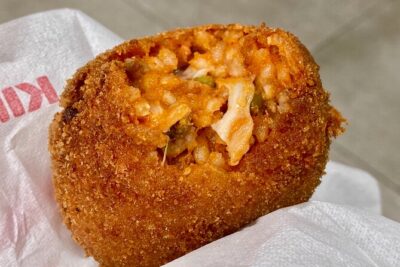

From Florence: Small Group Wine Tasting Tour to Tuscany
Read our review →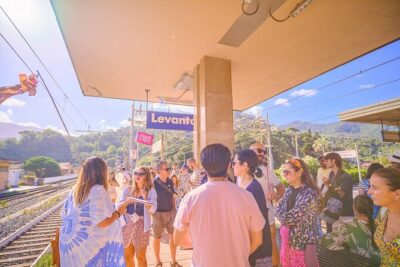
Florence: Cinque Terre Park Day Trip with Optional Street Food
Read our review →
Rome Food Tour: Unlimited Tastings with Fine Wine & Barolo
Read our review →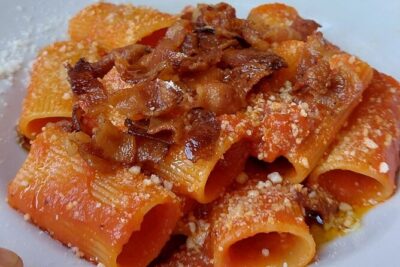
Rome Food Tour: Campo de’ Fiori, Ghetto, Trastevere Winner 2024
Read our review →Browse the lists this tour appears in